Best GPS Trackers for Dogs 2026: Top 4 Picks Reviewed
Looking for the best GPS tracker for your dog? We reviewed the top 4 models for every budget — from $28 to $105. Find your perfect tracker in 2026.
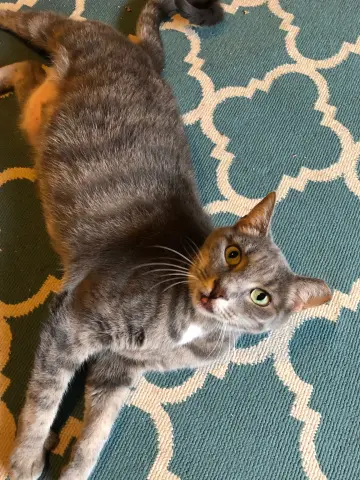
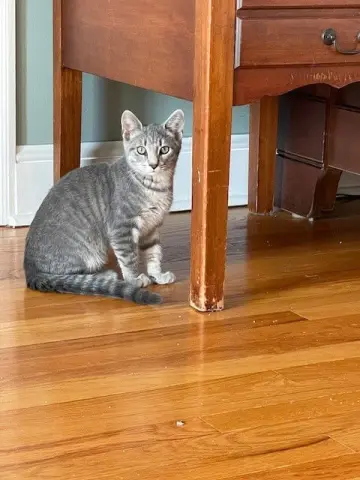
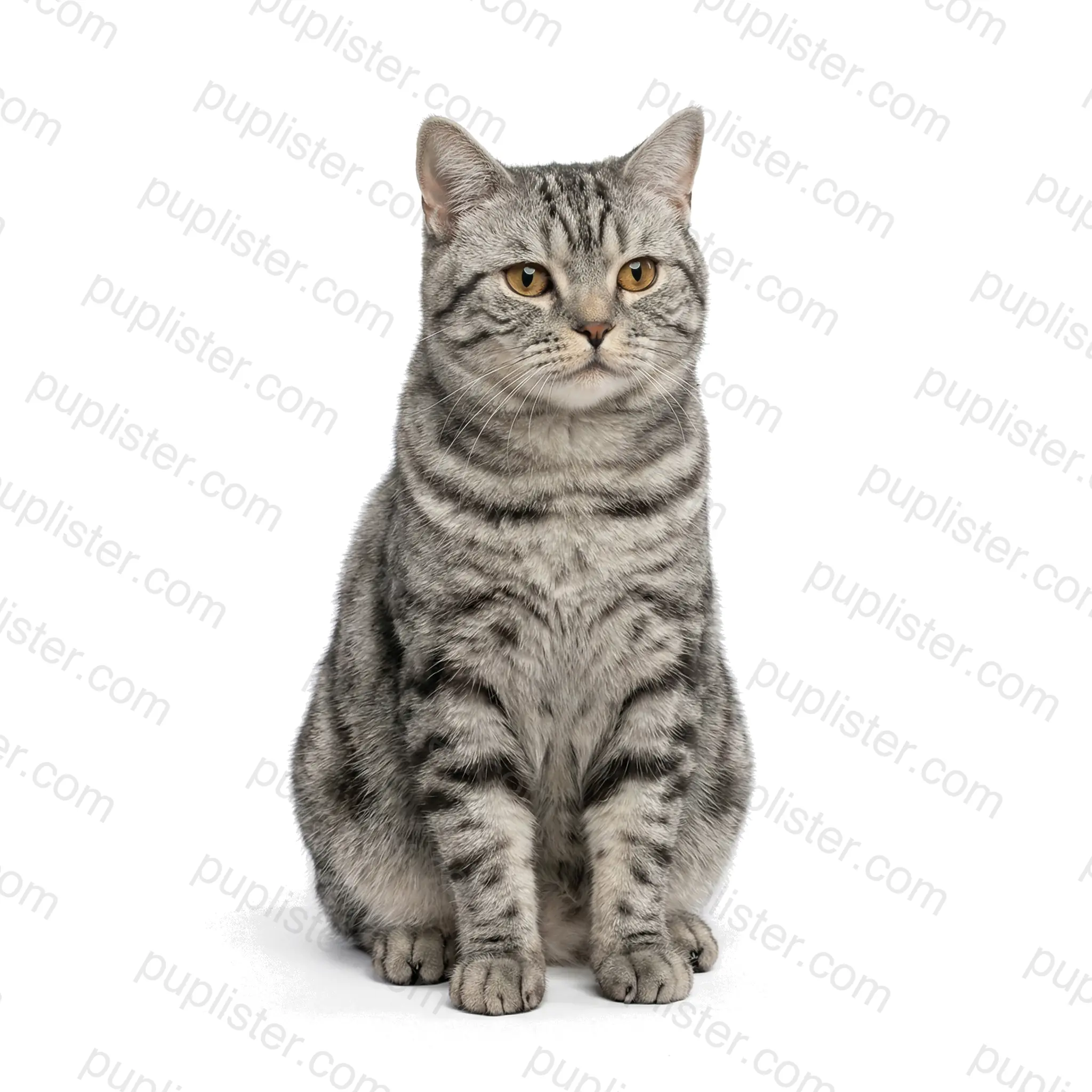
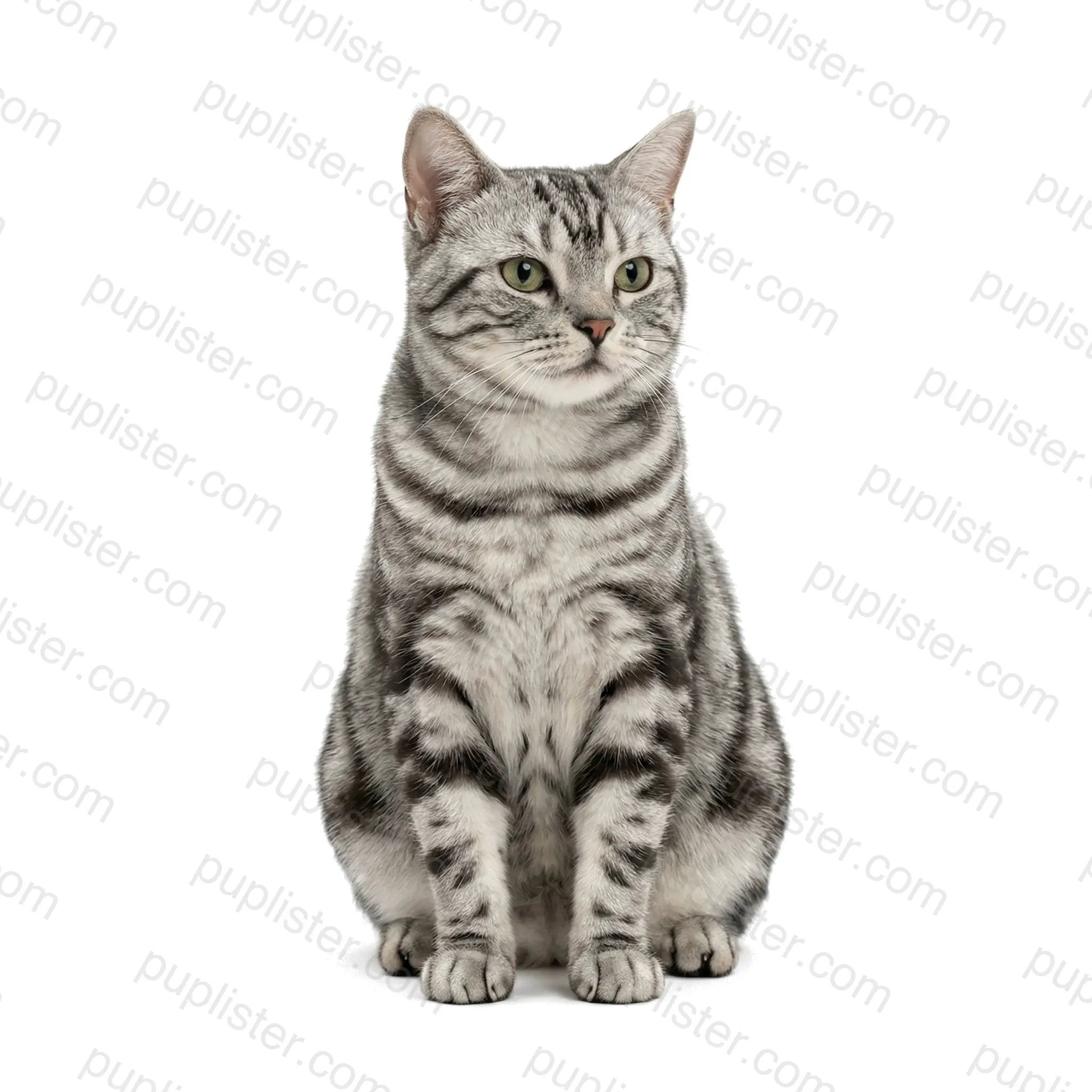
The American Shorthair descends from European cats brought to North America on ships like the Mayflower, where they earned their keep as skilled mousers. This medium-to-large breed weighs 8–15 pounds and boasts a powerful, well-proportioned build with a broad chest. Their dense, short coat comes in over 80 recognized colors and patterns, with the classic silver tabby being the most iconic.
American Shorthairs are easygoing, adaptable cats that strike a perfect balance between playful and laid-back. They are patient and gentle with children, coexist peacefully with other pets, and are content to entertain themselves when the family is busy. Their calm, even temperament and low-maintenance nature have made them one of America's most popular breeds for decades.
Ready to welcome an American Shorthair into your home? Browse available cats for adoption on Puplister.
Answer 5 quick questions to see how well this breed matches your lifestyle.
4 pets available
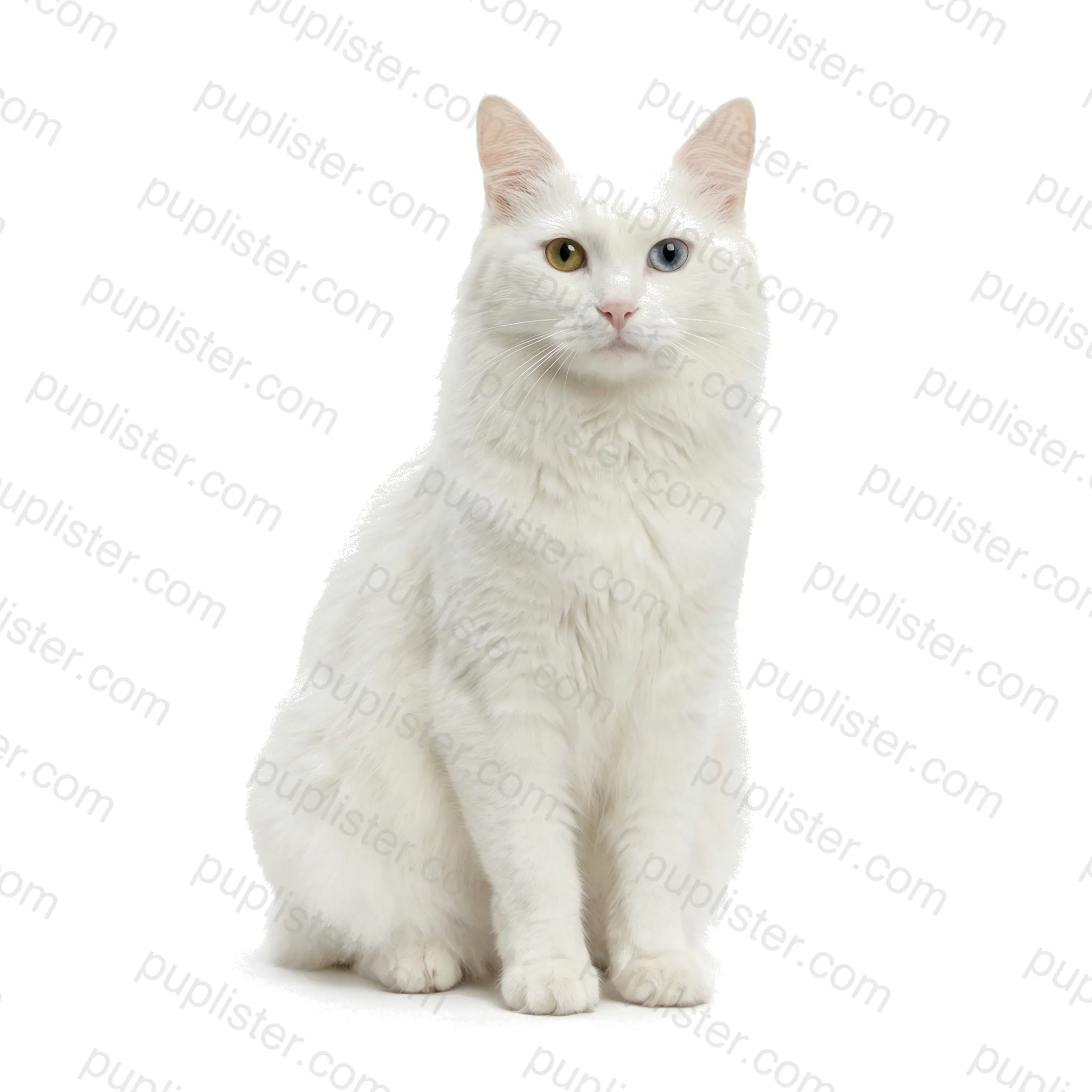
4About the Turkish Angora The Turkish Angora is an ancient, naturally occurring breed from central Turkey — specifically the Ankara region — and is one of the oldest known longhaired cat breeds. This small-to-medium cat weighs 5–10 pounds and possesses a graceful, balletic build with a long, plumed tail, silky single-layer coat (no undercoat), and large, walnut-shaped eyes. While white is the most iconic color — often with striking odd eyes (one blue, one amber) — Turkish Angoras come in nearly every color and pattern except pointed.Temperament & PersonalityTurkish Angoras are spirited, intelligent cats that love to be at the center of the action. They are natural athletes — leaping to the highest shelf, opening doors, and inventing games to entertain themselves. Affectionate and strong-willed, they will happily greet guests and supervise every household activity, often choosing one family member as their primary favorite.ProsElegant, silky coat has no undercoat — sheds less and rarely matsHighly intelligent and entertaining — always inventing new games and tricksSocial and welcoming with guests and family alikeNaturally healthy breed with excellent longevity — many live 15–20 yearsConsWhite cats with blue eyes have a high incidence of congenital deafnessStrong-willed and mischievous — can be stubborn about rulesDemands attention and may become disruptive if ignoredProne to ataxia (a hereditary neurological condition) in some linesEntranced by this ancient Turkish treasure? Find Turkish Angora cats looking for loving homes on Puplister and add a touch of grace to your life.
1 pet available
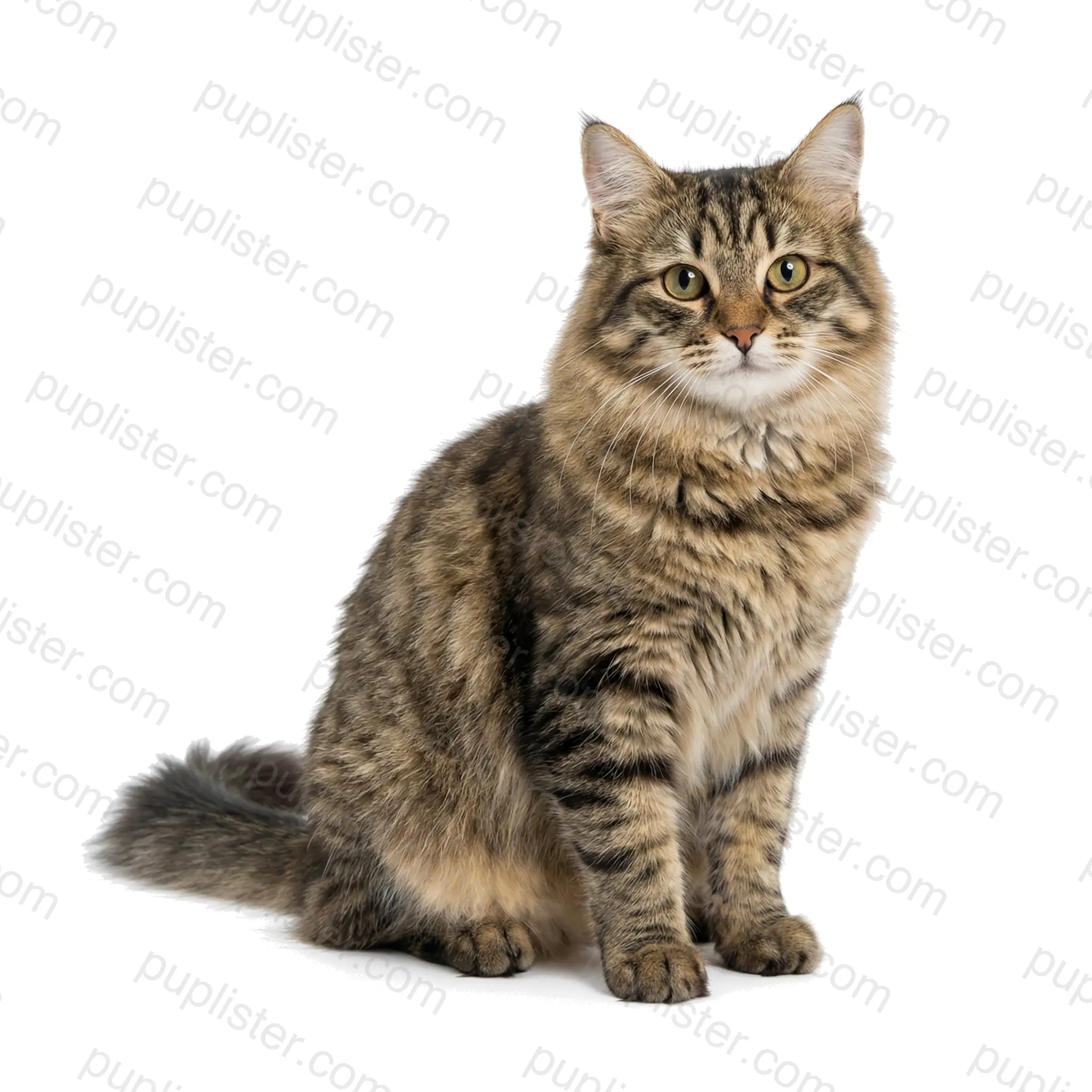
3About the Siberian The Siberian — Russia's national cat — is a natural breed that has existed in the forests of Siberia for at least 1,000 years, first appearing in Russian fairy tales and eventually standardized as a breed in the 1980s. This large, powerful cat weighs 10–20 pounds and features a triple-layered, waterproof coat that protected it through harsh Russian winters — a dense undercoat, longer middle layer, and coarse guard hairs. They come in all colors and patterns, including the stunning pointed "Neva Masquerade" variety.Temperament & PersonalitySiberians are affectionate, adventurous cats with a playful, kitten-like spirit that lasts well into their senior years. They love water — don't be surprised to find one splashing in the sink or drinking from the faucet. Gentle and patient, they are excellent with children and other pets, and they possess a calm confidence that makes them unfazed by the chaos of a busy household.ProsProduces significantly lower levels of Fel d 1 allergen — often tolerated by cat-allergy sufferersHardy, naturally evolved breed with excellent overall health and longevityAffectionate and playful — retains kitten-like energy into adulthoodGentle and patient — superb family cat for homes with children and other petsConsTriple coat requires regular brushing, especially during heavy seasonal sheddingLarge size means higher food costs and the need for sturdy cat furnitureSlow to mature — may not reach full size and coat until age fiveCan be prone to hypertrophic cardiomyopathy, though less common than in some breedsDreaming of a hypoallergenic gentle giant from the Russian forests? Search for Siberian cats on Puplister and find your perfect fluffy companion.
1 pet available
5About the Scottish Straight The Scottish Straight is the straight-eared sibling of the Scottish Fold, born in the same litters but without the ear-fold mutation. This medium-sized cat weighs 6–13 pounds and shares the Fold's round face, big eyes, and compact build — the only visible difference is the upright, normally shaped ears. They appear in all the same coat types, colors, and patterns as the Fold, from short dense coats to flowing longhair in tabby, solid, bicolor, and more.Temperament & PersonalityScottish Straights have the same sweet, mellow temperament as their folded-eared relatives — playful without being hyperactive, affectionate without being clingy. They enjoy interactive play and are known for their soft, chirpy voices. Friendly and adaptable, they do well with children, other cats, and cat-friendly dogs.ProsSame charming Scottish personality without the ear-fold cartilage concernsSignificantly lower risk of osteochondrodysplasia compared to Fold siblingsAdaptable and easygoing in most household environmentsModerate grooming needs — even the longhair variety is manageableConsCan still carry the fold gene and may pass cartilage issues to offspring if bred with a FoldLess distinctive in appearance compared to the Fold — sometimes overlooked by adoptersMay still inherit some predisposition to joint issues from the breed lineProne to weight gain without proper diet management and exerciseWant the beloved Scottish personality with healthier ears? Search for Scottish Straight cats on Puplister and give one a loving home.
5 pets available
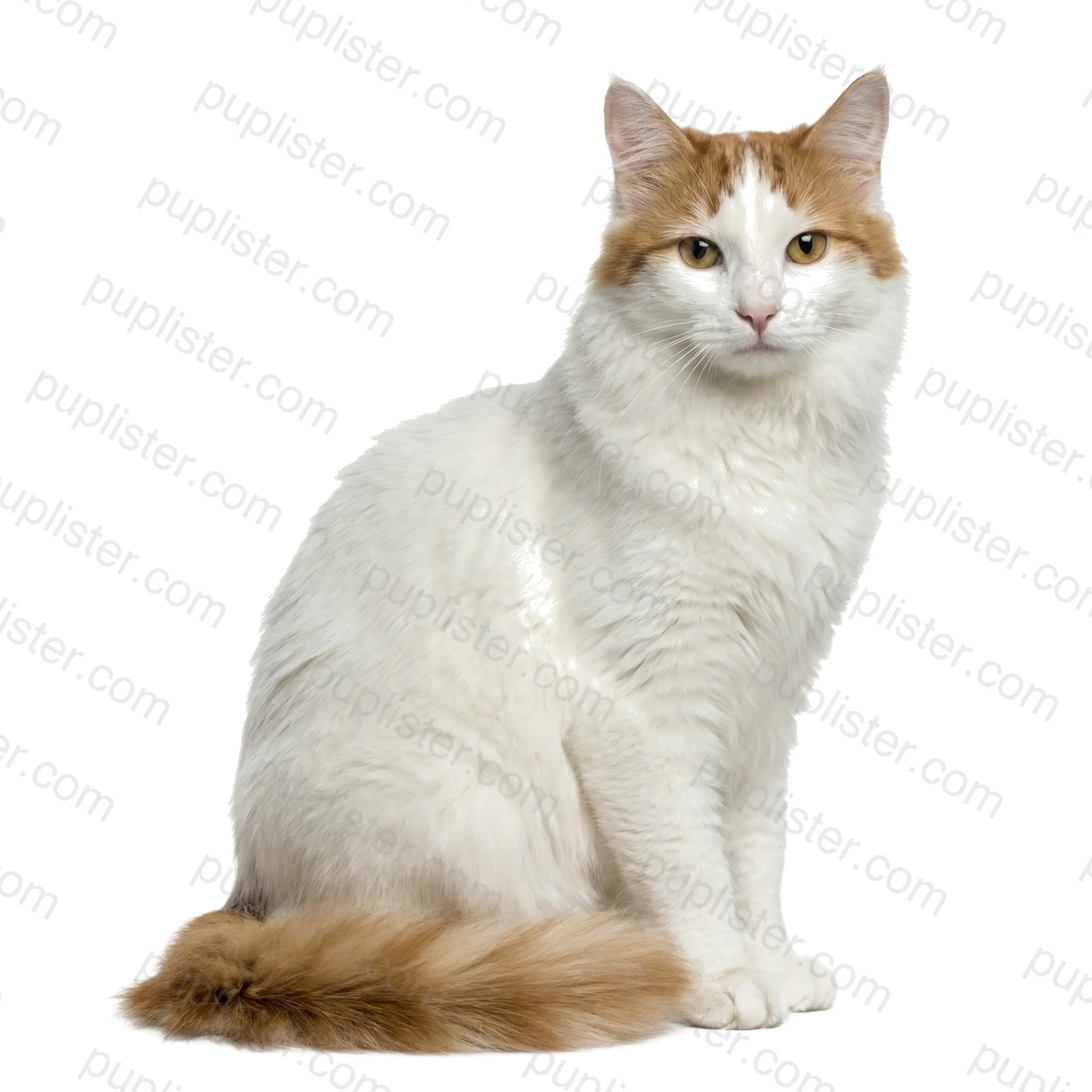
1About the Turkish Van The Turkish Van is a rare, naturally occurring breed from the Lake Van region of eastern Turkey, renowned as the "swimming cat" for its unusual love of water. This is a large, muscular cat weighing 10–18 pounds with a semi-long, cashmere-like single coat that is water-resistant and dries remarkably fast. The classic Van pattern features a predominantly chalk-white body with colored markings limited to the head and tail — typically in red, cream, black, blue, or tortoiseshell — though solid white and fully colored Vans also exist.Temperament & PersonalityTurkish Vans are energetic, independent, and famously fond of water — they may join you in the shower, play in the toilet, or splash in their water bowl. Intelligent and athletic, they love to climb, jump, and play vigorously. They bond closely with their family but can be selective about being held — they prefer to be near you rather than in your lap.ProsUnique love of water sets them apart from nearly every other breedCashmere-textured single coat is water-resistant, low-shedding, and rarely matsAthletic and playful — endlessly entertaining to watchHardy, naturally evolved breed with robust healthConsDoes not enjoy being held or restrained — wants affection on its own termsExtremely high energy — needs significant space and daily vigorous playWater obsession can create messes — toilet lids must stay closedAll-white Vans can be prone to deafness, similar to Turkish AngorasLooking for an adventurous water-lover unlike any other cat? Browse Turkish Van cats on Puplister and discover this remarkable swimming feline.
Looking for the best GPS tracker for your dog? We reviewed the top 4 models for every budget — from $28 to $105. Find your perfect tracker in 2026.
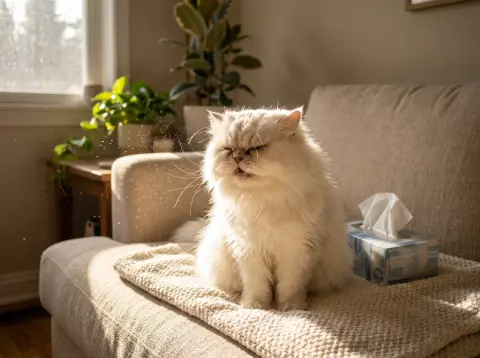
Is your cat sneezing a lot? Learn common causes, from URIs to stress, and when to seek vet care for your cat's sneezing.
Is your cat losing hair in patches? Discover common causes, from stress to parasites, and expert fixes to help your feline friend recover.
Adopting a cat doesn't have to be expensive. With smart budgeting and the right resources, even those on a tight income can provide a loving, healthy home for a feline companion.