Adopted Cat Meowing All Night: How to Stop It
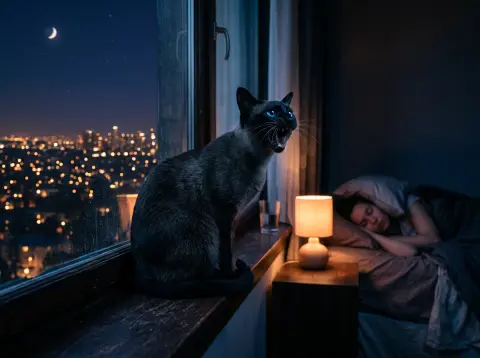
Adopted cat meowing all night? Discover why it happens, how to create a calm environment, and a realistic timeline to quiet nighttime meows.
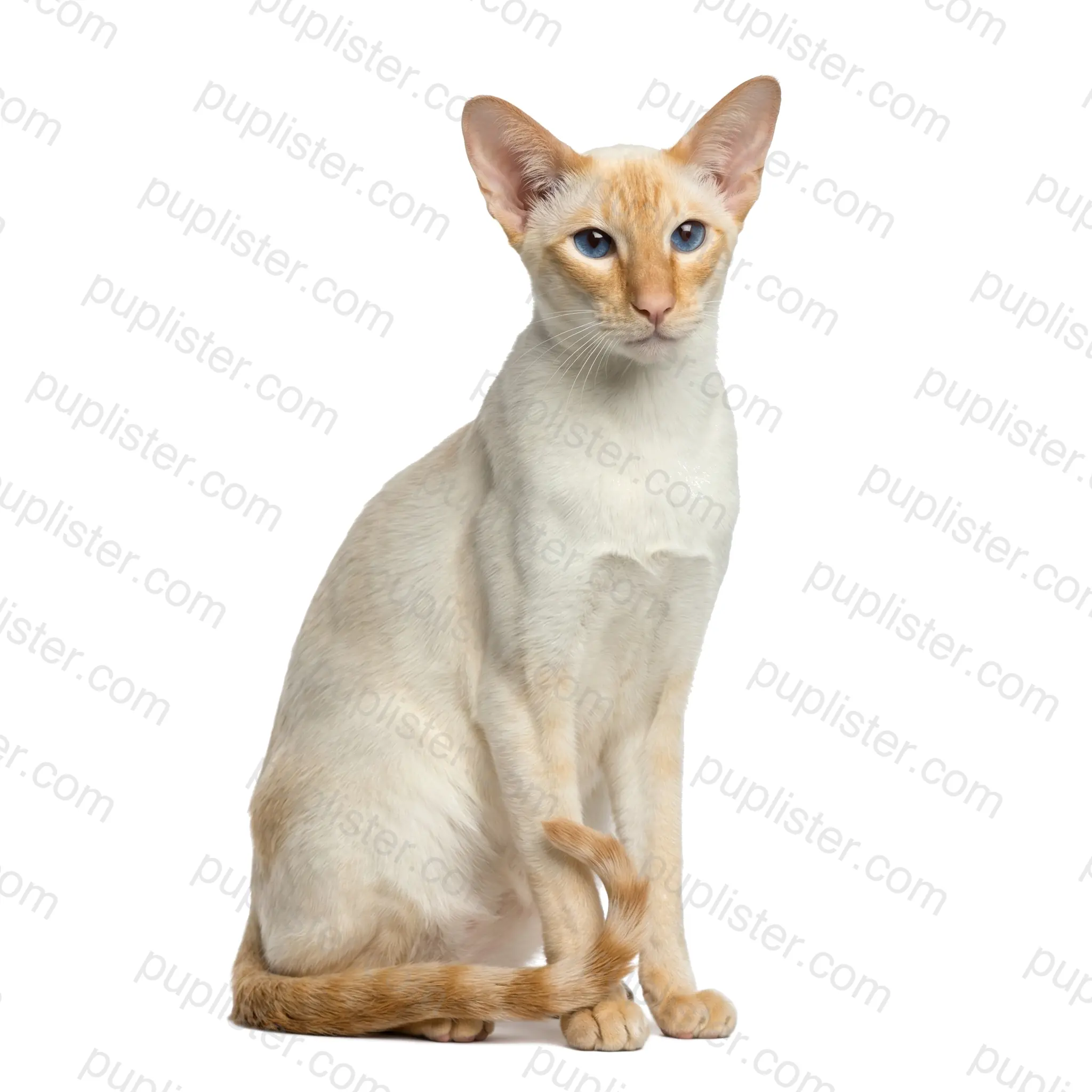
The Colorpoint Shorthair was developed in the 1940s–1950s by crossing Siamese with red tabby American Shorthairs to introduce point colors beyond the traditional four Siamese shades. This elegant, medium-sized breed weighs 5–10 pounds and shares the Siamese's svelte, tubular body, wedge-shaped head, and vivid blue eyes. Their short, fine coat features point coloring in 16 non-traditional shades — including red, cream, lynx (tabby), and tortoiseshell points.
Colorpoint Shorthairs are every bit as vocal, demanding, and affectionate as their Siamese relatives — they will tell you exactly what they think at high volume. They are intensely social cats that bond deeply with their families and can become distressed if ignored or left alone. They do well with older children who can match their energy and with other social cats that enjoy play.
If you love the Siamese personality in new colors, search for Colorpoint Shorthairs on Puplister.
Answer 5 quick questions to see how well this breed matches your lifestyle.
Check back soon or browse all cats.
1 pet available
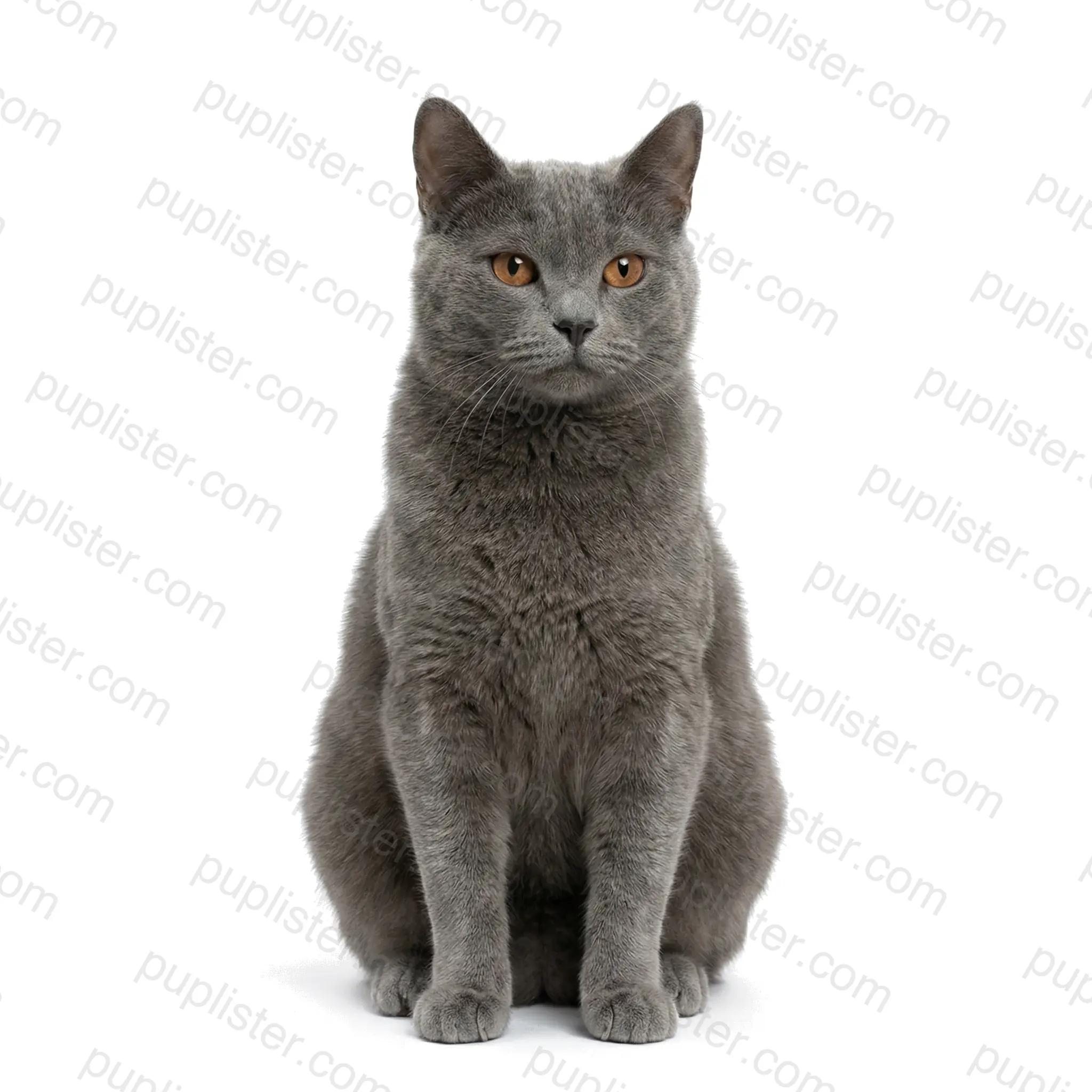
About the Chartreux The Chartreux is a rare French breed with a history stretching back centuries — legend connects them to Carthusian monks, though documentation places them in French literature as early as the 16th century. This medium-to-large breed weighs 7–16 pounds and has a robust, broad-chested build with relatively short, fine-boned legs. Their dense, woolly double coat is exclusively blue-gray with silver tips, and their round face with narrowed muzzle gives the appearance of a perpetual smile. Temperament & Personality Chartreux cats are quiet, observant, and remarkably gentle — they tend to watch activities thoughtfully before engaging. They bond deeply with one person while remaining friendly to other family members, children, and pets. Often called the "smiling cat of France," they are playful in short bursts but generally prefer a calm, peaceful environment. Pros Exceptionally quiet — rarely meows, communicating instead with chirps and trillsHardy, naturally healthy breed with few genetic predispositionsDense woolly coat is surprisingly easy to care for with weekly combingExcellent mouser — retains strong hunting instincts Cons Can be slow to trust and may seem aloof with strangersWoolly coat sheds heavily — especially during spring and fallProne to patellar luxation (dislocating kneecaps) due to fine-boned legsRelatively rare — finding one through adoption can be challenging Enchanted by the mysterious Chartreux? Discover cats looking for forever homes on Puplister.
5 pets available
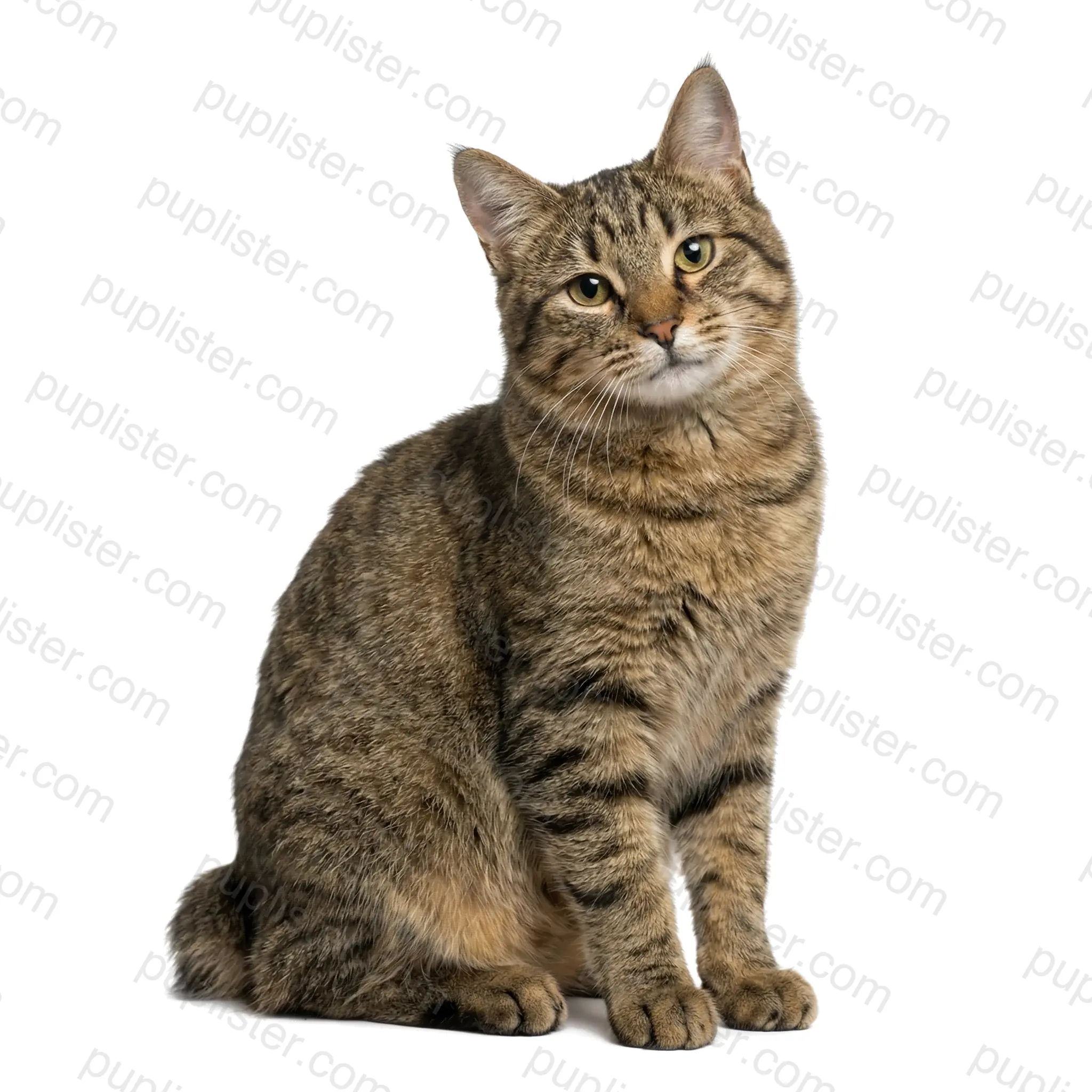
1About the American Bobtail The American Bobtail was developed in the 1960s from a naturally occurring short-tailed kitten found in Arizona. This sturdy, medium-to-large breed weighs 7–16 pounds and has a wild, athletic appearance reminiscent of a bobcat. Their coat comes in both short and long varieties in virtually every color and pattern, with their signature bobbed tail ranging from one to four inches long. Temperament & Personality American Bobtails are remarkably adaptable and affectionate cats often described as dog-like in their devotion to family. They get along wonderfully with children, other cats, and even dogs — making them ideal for busy households. Despite their wild appearance, they are gentle, easygoing, and have been used as therapy cats due to their calm, intuitive nature. Pros Exceptionally adaptable — adjusts well to travel and new environmentsGentle and patient with children and other animalsNaturally healthy breed with few genetic predispositionsPlayful yet not overly demanding — enjoys interactive toys and games Cons Can be slow to mature — takes 2–3 years to reach full physical developmentLong-haired variety requires regular brushing to prevent mattingRelatively rare breed — may be difficult to find in sheltersStrong prey drive means small pets like birds or hamsters may be at risk Discover the charm of the American Bobtail — check out adoptable cats of this breed on Puplister.
132 pets available
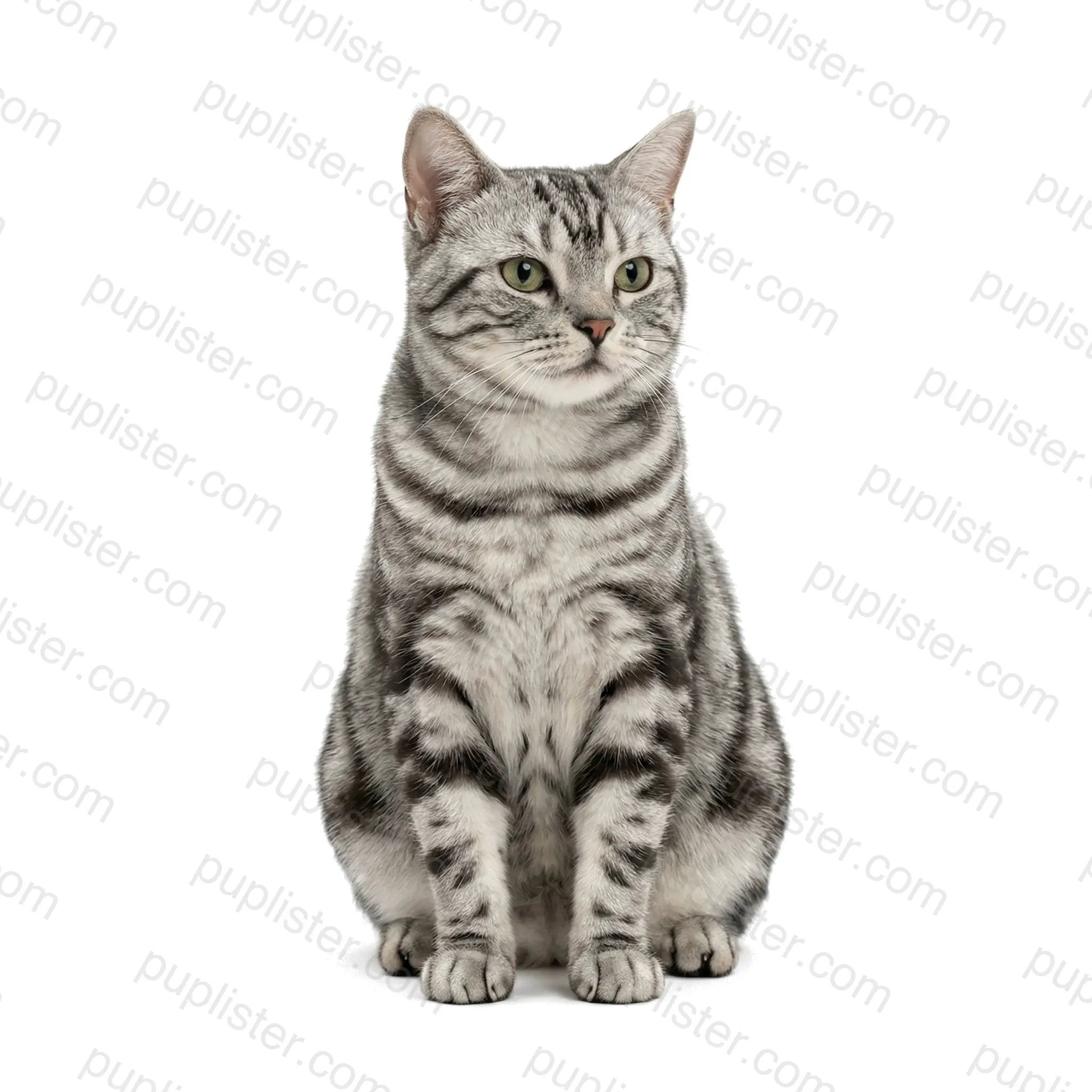
2About the American Shorthair The American Shorthair descends from European cats brought to North America on ships like the Mayflower, where they earned their keep as skilled mousers. This medium-to-large breed weighs 8–15 pounds and boasts a powerful, well-proportioned build with a broad chest. Their dense, short coat comes in over 80 recognized colors and patterns, with the classic silver tabby being the most iconic. Temperament & Personality American Shorthairs are easygoing, adaptable cats that strike a perfect balance between playful and laid-back. They are patient and gentle with children, coexist peacefully with other pets, and are content to entertain themselves when the family is busy. Their calm, even temperament and low-maintenance nature have made them one of America's most popular breeds for decades. Pros Exceptionally healthy breed with a lifespan of 15–20 yearsLow-maintenance coat that rarely mats or tanglesIndependent enough to handle owners' work schedules without anxietyNatural mouser — helps keep the home pest-free Cons Prone to obesity if diet and exercise are not carefully managedCan be reserved with strangers and may take time to warm upNot as interactive or trainable as more active breedsSeasonal shedding can be heavy despite the short coat Ready to welcome an American Shorthair into your home? Browse available cats for adoption on Puplister.
9 pets available
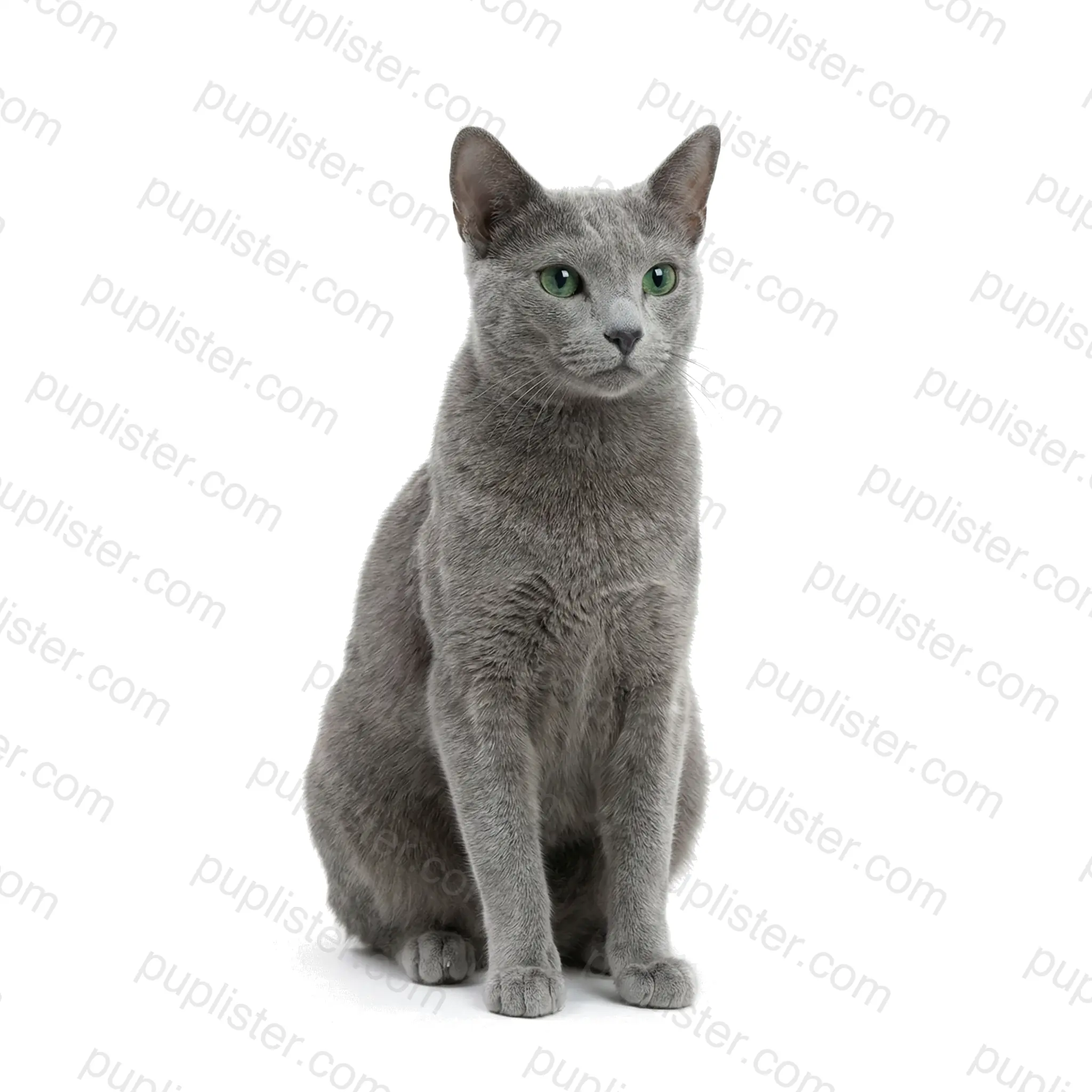
About the Russian Blue The Russian Blue is a naturally occurring breed believed to have originated in the port city of Arkhangelsk (Archangel) in northern Russia, arriving in Europe aboard trade ships in the 1860s. This medium-sized cat weighs 7–12 pounds and is renowned for its dense, plush double coat of uniform blue-gray with silver-tipped guard hairs that give it a luminous shimmer. Its vivid emerald-green eyes, wedge-shaped head, and enigmatic "Mona Lisa smile" complete an unmistakably elegant look.Temperament & PersonalityRussian Blues are gentle, reserved cats that are intensely loyal to their families yet cautious around strangers. They are creatures of habit who thrive on routine — eating at the same time, playing in the same spots, and sleeping in their preferred perch. Once bonded, they are affectionate and playful, often fetching toys and entertaining themselves with quiet grace.ProsProduces lower levels of the Fel d 1 allergen — better tolerated by some allergy sufferersDense double coat is low-shedding and virtually maintenance-freeQuiet and well-mannered — rarely destructive or excessively vocalLong-lived breed with few genetic health issues — many reach 15–20 yearsConsShy and reserved with strangers — may hide during gatherings or partiesSensitive to change — can become stressed by moves, new pets, or schedule disruptionsProne to overeating and weight gain if food is left out freelyCan be slow to warm up to new family members or housematesCharmed by those emerald eyes and silver-tipped fur? Find Russian Blue cats ready for their forever homes on Puplister.
Adopted cat meowing all night? Discover why it happens, how to create a calm environment, and a realistic timeline to quiet nighttime meows.
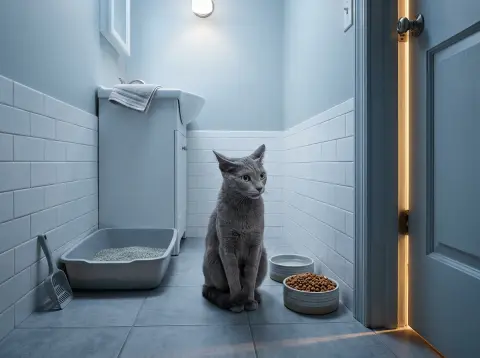
Is your adopted cat not eating? Learn the causes, from stress to past trauma, and discover practical solutions to get your new feline friend eating again.
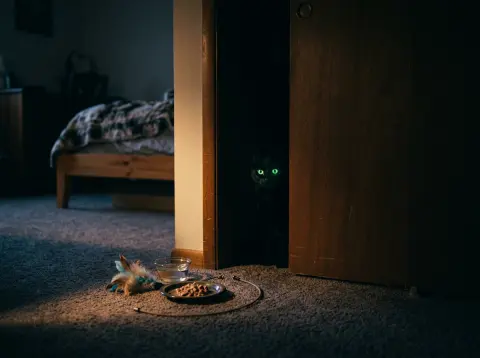
Is your new cat hiding and won't come out? It's normal, but proactive steps can help. Learn how to build trust with your shy adopted cat.
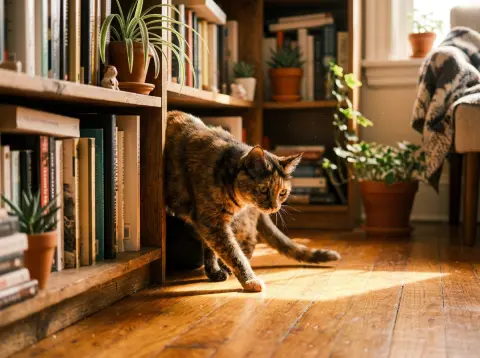
Discover how long it takes for a rescue cat to feel at home with our experienced guide, covering the 3-3-3 rule and actionable tips.