Cornish Rex Cornish Rex

Cornish Rex

4
Playful Adventurous Intelligent Social

About the Cornish Rex

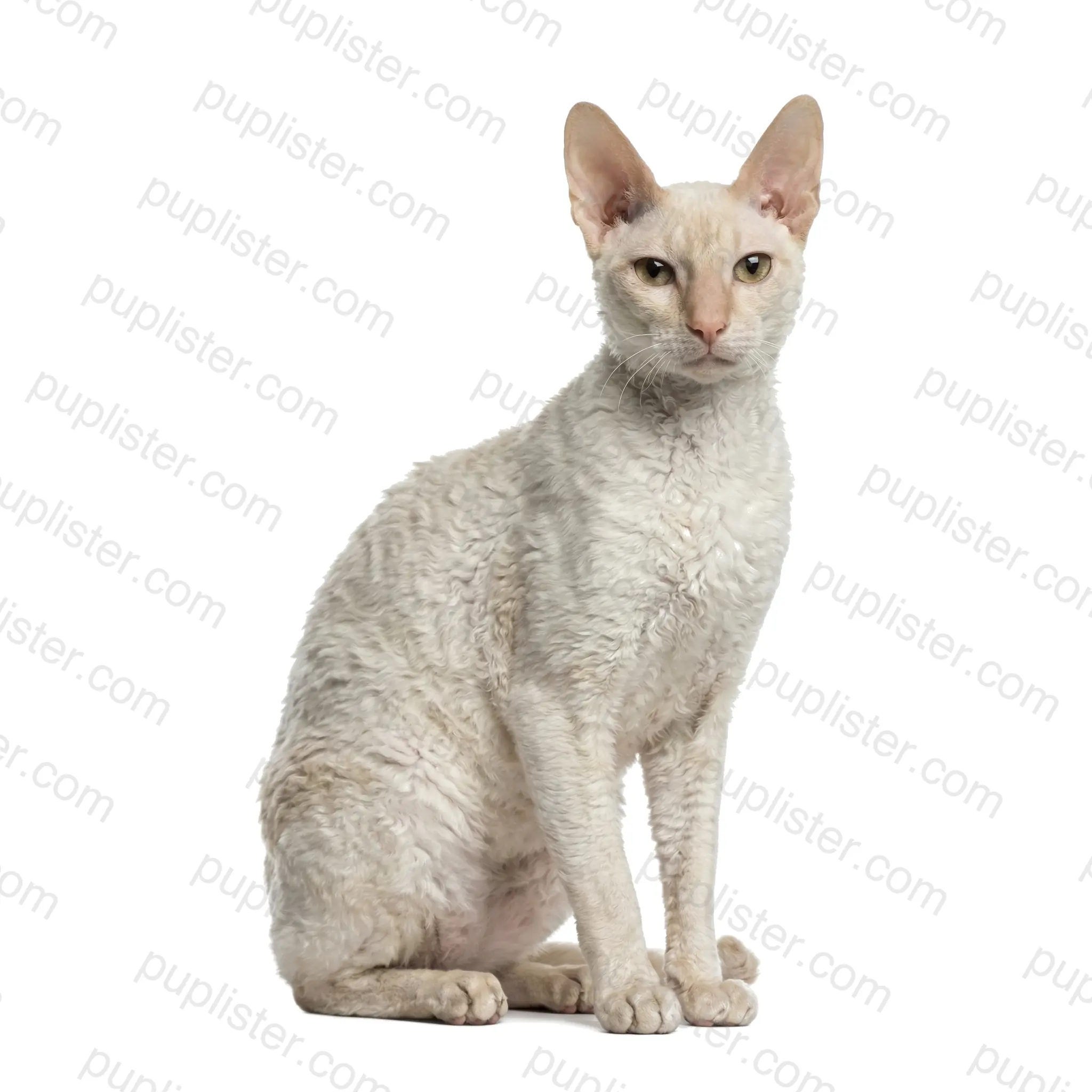
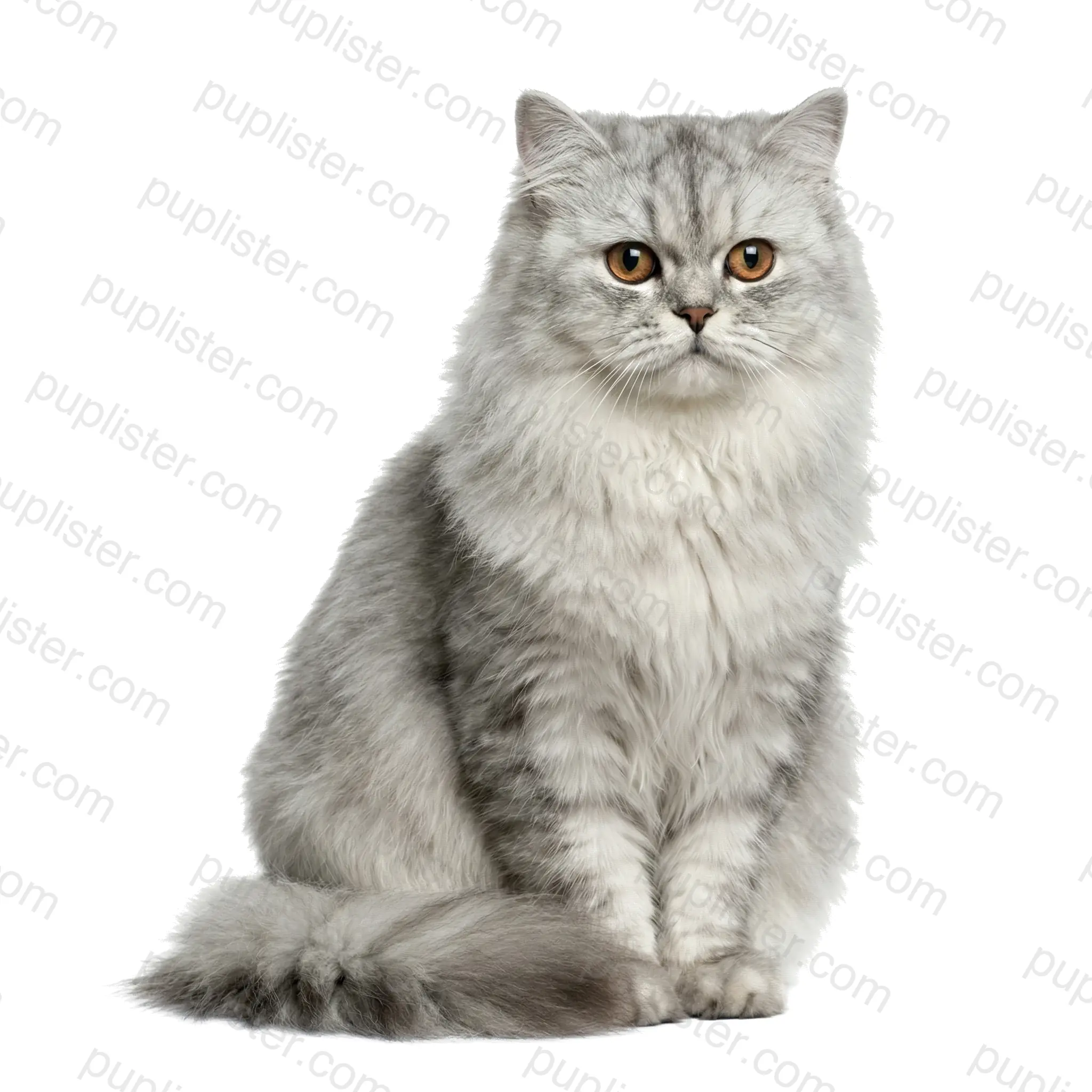
The Cornish Rex originated in 1950 in Cornwall, England, when a curly-coated kitten named Kallibunker appeared in an otherwise normal litter on a farm. This small-to-medium breed weighs 5–10 pounds and has a distinctive greyhound-like body — arched back, tucked waist, and long, slender legs built for speed. Their coat is uniquely composed of only the soft, curly down layer — lacking the outer guard hairs and middle awn hairs that other cats possess — creating a washboard-like wave pattern.

Temperament & Personality

Cornish Rex cats are energetic, acrobatic, and endlessly entertaining — they retain their kitten-like playfulness well into their senior years. They are extremely social, love to be held and handled, and will seek out the warmest lap or blanket in the house. They thrive with children and other active pets, and their clownish antics make them natural performers.

Pros

  • Minimal shedding — soft, wavy coat produces less loose hair than most breeds
  • Extremely active and entertaining — loves to play fetch and perform acrobatic leaps
  • Warmth-seeking and cuddly — an ideal lap cat and bed warmer
  • Highly social and does well in busy, active households

Cons

  • Thin coat provides little insulation — sensitive to cold and drafts
  • Prone to hair loss (hypotrichosis) and skin oil buildup requiring regular bathing
  • High metabolism means they eat more relative to their size and can be picky eaters
  • Can be demanding of attention and may act out if bored or ignored

Bring home the playful energy of a Cornish Rex — explore cats available for adoption on Puplister.

Cornish Rex Quick Facts

Size
5–10 lbs
Lifespan
11–15 years
Exercise
High
Grooming
Low
Good with Kids
Yes
Good with Pets
Yes

Is the Cornish Rex right for you?

Answer 5 quick questions to see how well this breed matches your lifestyle.

Take the Quiz

Available Cornish Rexes

No cats available right now

Check back soon or browse all cats.

Browse All Cats

Related Breeds

Turkish Van

5 pets available

1

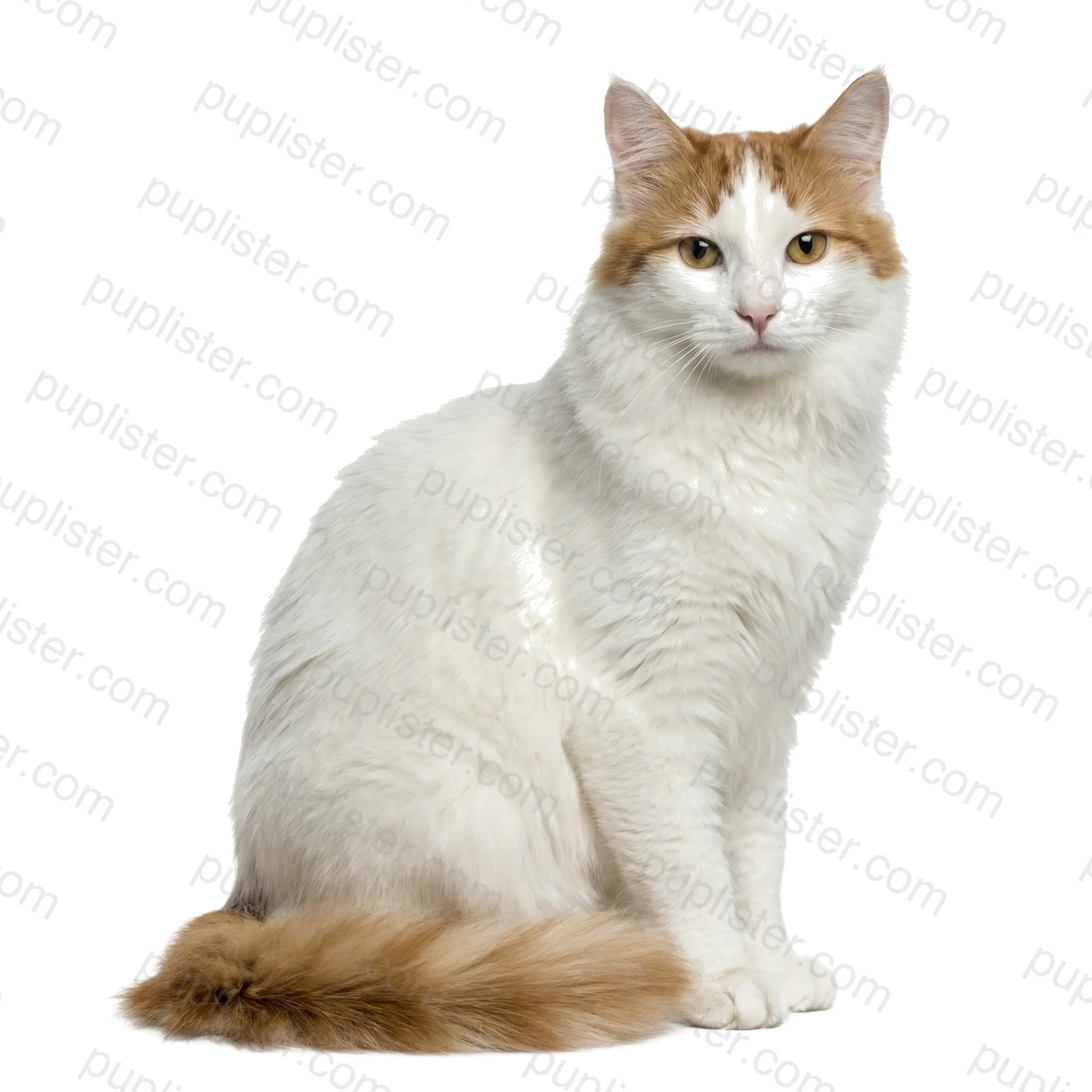
About the Turkish Van The Turkish Van is a rare, naturally occurring breed from the Lake Van region of eastern Turkey, renowned as the "swimming cat" for its unusual love of water. This is a large, muscular cat weighing 10–18 pounds with a semi-long, cashmere-like single coat that is water-resistant and dries remarkably fast. The classic Van pattern features a predominantly chalk-white body with colored markings limited to the head and tail — typically in red, cream, black, blue, or tortoiseshell — though solid white and fully colored Vans also exist.Temperament & PersonalityTurkish Vans are energetic, independent, and famously fond of water — they may join you in the shower, play in the toilet, or splash in their water bowl. Intelligent and athletic, they love to climb, jump, and play vigorously. They bond closely with their family but can be selective about being held — they prefer to be near you rather than in your lap.ProsUnique love of water sets them apart from nearly every other breedCashmere-textured single coat is water-resistant, low-shedding, and rarely matsAthletic and playful — endlessly entertaining to watchHardy, naturally evolved breed with robust healthConsDoes not enjoy being held or restrained — wants affection on its own termsExtremely high energy — needs significant space and daily vigorous playWater obsession can create messes — toilet lids must stay closedAll-white Vans can be prone to deafness, similar to Turkish AngorasLooking for an adventurous water-lover unlike any other cat? Browse Turkish Van cats on Puplister and discover this remarkable swimming feline.

Toyger
Toyger Cat

2 pets available

6

About the Toyger The Toyger — "toy tiger" — was developed beginning in 1993 by Judy Sugden in the United States, who selectively bred domestic shorthair tabbies to create a cat that resembles a miniature tiger. Weighing 7–15 pounds, this medium-to-large muscular cat features a long, low-slung body, small rounded ears, and a striking coat of bold, vertically aligned dark stripes (called "branching") on a vivid orange-tan background with a white-lightened belly — the goal being as close to a tiger's pattern as possible.Temperament & PersonalityDespite their wild appearance, Toygers are easygoing, friendly cats that enjoy human company and adapt well to indoor living. They are intelligent and trainable, readily learning to walk on a leash, play fetch, and perform tricks. Social and relaxed, they do well with children and other pets, showing none of the intensity of actual wild-hybrid breeds.ProsSpectacular tiger-like appearance with no wild cat bloodlinesLaid-back and friendly — easier to manage than most exotic-looking breedsIntelligent and trainable — enjoys learning tricks and leash walkingShort coat requires minimal groomingConsVery rare and expensive — limited availability through breedersBreed is still in development — the gene pool remains smallMay inherit heart murmurs from some breeding linesHigh price tag and rarity make adoption opportunities uncommonWant a living room tiger without the wild side? Keep an eye on Puplister for Toyger cats and kittens seeking loving homes.

Sphynx
Sphynx Cat

1 pet available

14

About the Sphynx The Sphynx originated in Toronto, Canada, in 1966 when a domestic cat gave birth to a hairless kitten due to a natural genetic mutation. Through careful breeding with Devon Rex and other cats, the Sphynx was established as a robust breed. Weighing 6–12 pounds, this medium-sized cat is famous for its apparent hairlessness — though most Sphynx have a fine layer of peach-fuzz that gives their skin a warm, suede-like texture. Their wrinkled skin, lemon-shaped eyes, enormous ears, and pot belly give them an unmistakable extraterrestrial appearance.Temperament & PersonalitySphynx cats are extroverted clowns that crave human attention and warmth — literally, as they seek out body heat and will burrow under blankets or curl up on any available lap. They are fearless, social, and endlessly entertaining, performing acrobatic feats and greeting everyone — including strangers — with enthusiasm. They do wonderfully with children, dogs, and other cats.ProsNo fur shedding on furniture or clothingExtremely social, affectionate, and entertaining — the ultimate companion catGets along with virtually everyone — kids, dogs, strangers, other catsUnique, striking appearance that turns heads wherever they goConsRequires weekly baths to remove oil buildup that would normally be absorbed by furHighly susceptible to sunburn, cold, and skin infectionsProne to hypertrophic cardiomyopathy (HCM) and hereditary myopathyHigh metabolism means they eat more than similarly sized cats and need a warm environmentCaptivated by this hairless wonder? Find Sphynx cats looking for warm, loving homes on Puplister — your next cuddle buddy awaits.

Tonkinese
Tonkinese Cat

1 pet available

3

About the Tonkinese The Tonkinese is a deliberate cross between the Siamese and the Burmese, first developed in the 1960s to blend the best of both breeds into one medium-sized, beautifully balanced cat. Weighing 6–12 pounds, the Tonkinese has a muscular, surprisingly heavy body for its size, a gently rounded wedge head, and stunning aqua-colored eyes — a hallmark of the breed's "mink" coat pattern. They also come in pointed (Siamese-style) and solid/sepia (Burmese-style) patterns in natural, champagne, blue, and platinum.Temperament & PersonalityTonkinese cats are the social butterflies of the cat world — outgoing, playful, and utterly devoted to their humans. They are less vocal than the Siamese but more active than the Burmese, striking a perfect balance. Known for their clown-like antics and love of games, they thrive in busy households with children, dogs, and other cats.ProsUnique aqua eyes in the mink pattern — unlike any other breedPerfect temperament balance — social and playful without being overly demandingGets along brilliantly with children, dogs, and other catsShort, silky coat needs virtually no groomingConsHates being alone — strongly recommended to have a companion petProne to inflammatory bowel disease and some dental issuesExtremely trusting — has zero survival instincts outdoorsHigh energy means they need daily interactive play to prevent boredomLooking for the perfect blend of Siamese and Burmese charm? Find Tonkinese cats available for adoption on Puplister and meet your aqua-eyed soulmate.

Related Articles

Frequently Asked Questions

What are the key traits of a Cornish Rex?
The Cornish Rex is known for being playful, adventurous, intelligent and social.
How many Cornish Rexes are available for adoption?
There are currently 0 Cornish Rexes available for adoption on Puplister. Browse the listings above to find your perfect match.
How do I adopt a Cornish Rex from Puplister?
To adopt a Cornish Rex, browse the available listings on this page, click on a pet you're interested in, and contact the shelter directly through their profile page.