Maine Coon Maine Coon

Maine Coon

20
Gentle Friendly Intelligent Playful

About the Maine Coon

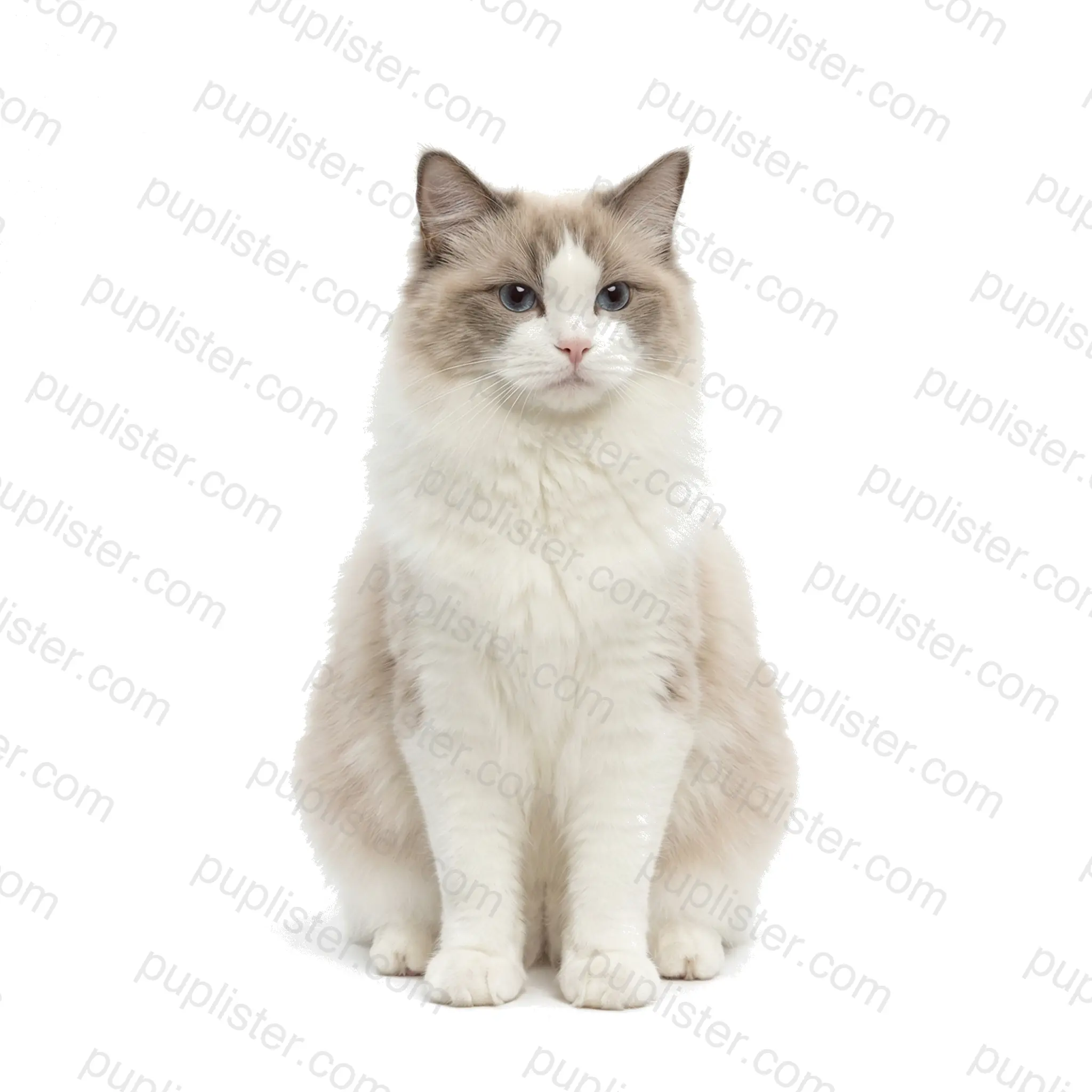
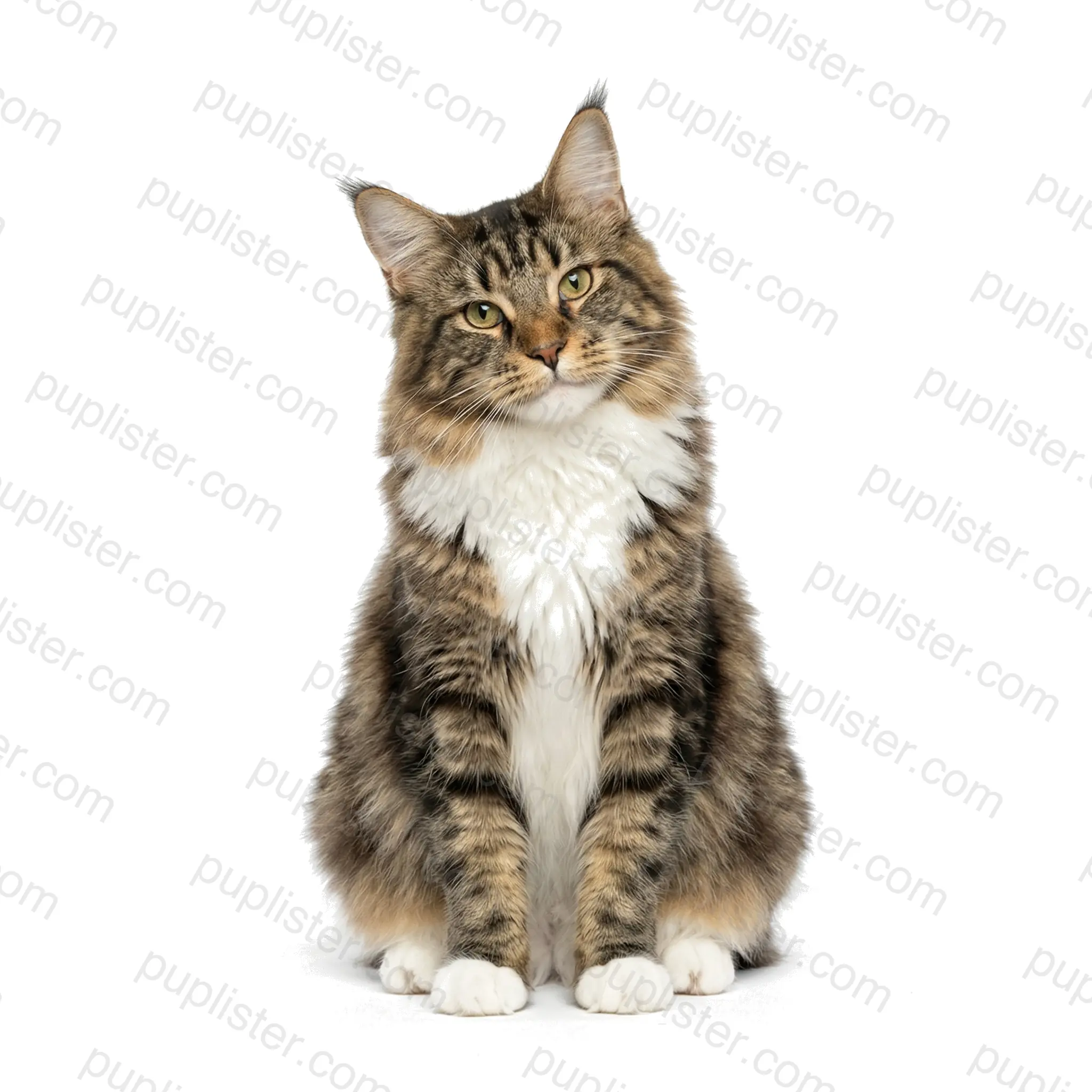
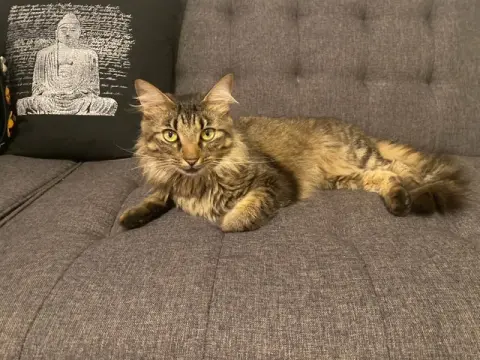
The Maine Coon is North America's oldest natural longhaired breed — originating in the rugged state of Maine, where it earned the official title of state cat in 1985. This giant breed is one of the largest domesticated cats in the world, with males weighing 13–25 pounds and females 8–14 pounds, and some individuals exceeding 40 inches in total length. Their thick, water-resistant double coat is longer on the stomach, ruff, and tail — adapted to harsh New England winters — and comes in virtually every color and pattern except pointed.

Temperament & Personality

Maine Coons are famously gentle giants — sociable, intelligent, and remarkably patient with children, other cats, and dogs alike. They are playful and curious well into adulthood, often fascinated by water and known for their endearing chirping and trilling vocalizations rather than typical meowing. Their dog-like loyalty, trainability, and easygoing nature have made them consistently one of the most popular cat breeds worldwide.

Pros

  • Gentle, patient temperament — exceptional with children and other pets
  • Dog-like personality — can learn tricks, walk on a leash, and play fetch
  • Majestic appearance with a luxurious mane and plumed tail
  • Hardy, adaptable breed that thrives in cold climates

Cons

  • Prone to hypertrophic cardiomyopathy (HCM), hip dysplasia, and spinal muscular atrophy
  • Large size means higher food costs, bigger litter boxes, and sturdier furniture
  • Dense coat requires brushing 2–3 times per week to prevent mats and tangles
  • Slow to mature — takes 3–5 years to reach full size, extending the kitten-energy phase

Ready to share your home with a magnificent Maine Coon? Find gentle giants available for adoption on Puplister.
Maine Coon Quick Facts

Size
10–25 lbs
Lifespan
10–13 years
Exercise
Moderate
Grooming
Moderate
Good with Kids
Yes
Good with Pets
Yes

Is the Maine Coon right for you?

Answer 5 quick questions to see how well this breed matches your lifestyle.

Take the Quiz

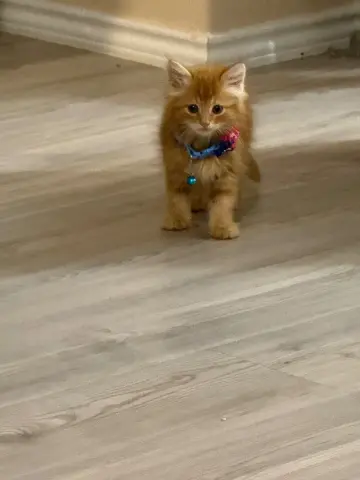
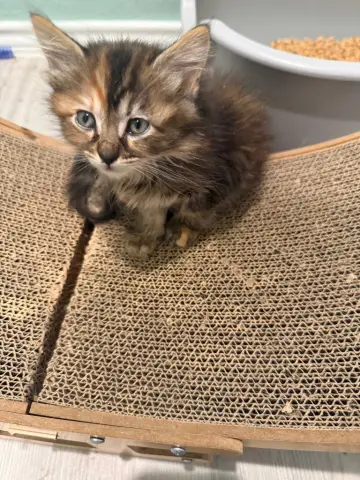
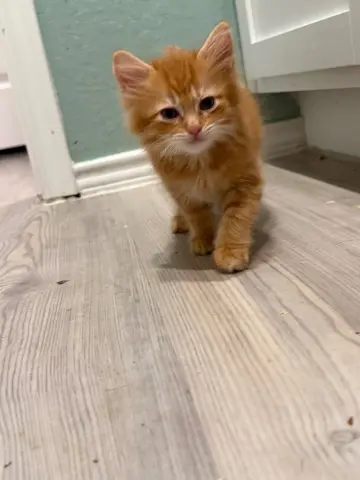
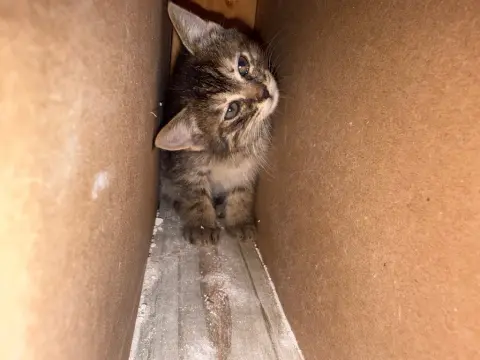
Available Maine Coons

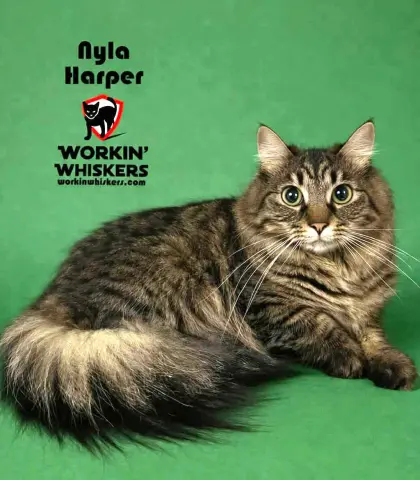
Nyla Harper
Young 1

Maine Coon / Mixed

Workin' Whiskers · Hemet, CA
Princess Purrington
Young 2

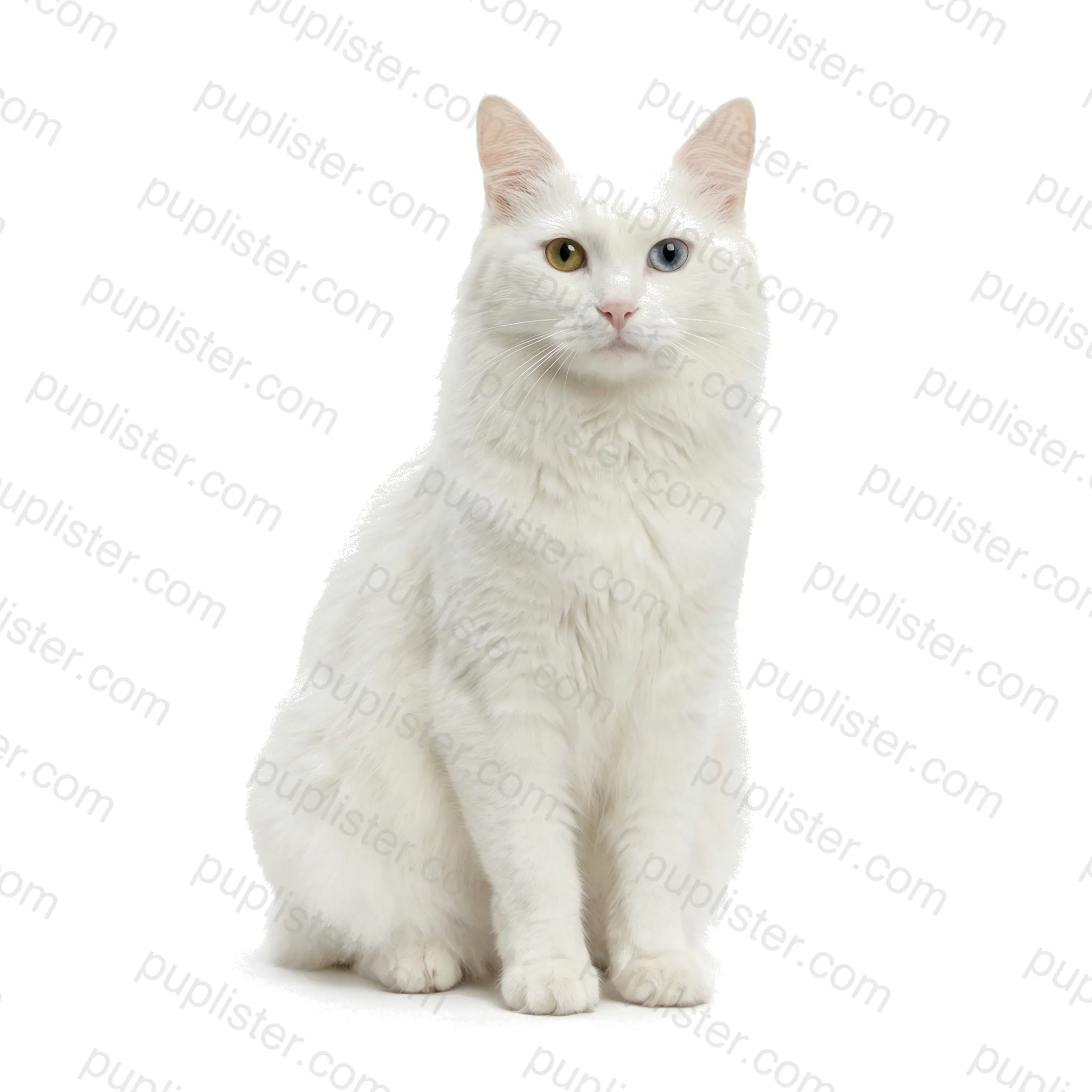
Turkish Angora / Maine Coon

Stray Love Foundation · Magnolia Springs, AL
Pom Pom
Senior 1

Maine Coon

Brooklyn Animal Action · Brooklyn, NY
Bunny
Adult 1
Bunny
M

Maine Coon

Simply Cats Adoption Center · Boise, ID
Bailey Nune
Young 2

Maine Coon / Mixed

Workin' Whiskers · Hemet, CA
Rader
Adult 1
Rader
L

Maine Coon / Mixed

The Cat House On The Kings · Parlier, CA
Saffron
Young

Maine Coon / Mixed

The Cat House On The Kings · Parlier, CA
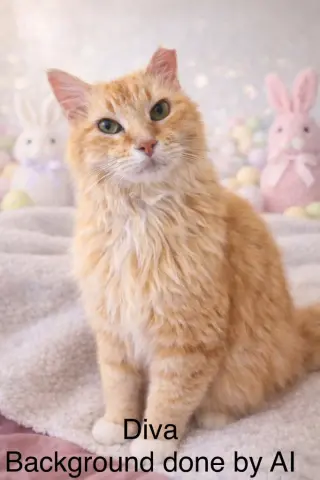
Diva
Young 1
Diva
S

Maine Coon

Siamese Oriental Snowshoe Cat Rescue And Rehoming · New Braunfels, TX

Related Breeds

Scottish Fold

2 pets available

6

About the Scottish Fold The Scottish Fold traces its origins to a single barn cat named Susie, found in Perthshire, Scotland, in 1961 — the first documented cat with the breed's signature forward-folding ears caused by a natural cartilage mutation. This medium-sized cat weighs 6–13 pounds, has a round head, large round eyes, and a stocky, well-padded body. Scottish Folds come in both longhair and shorthair varieties, in virtually every color and pattern including tabby, solid, bicolor, and calico.Temperament & PersonalityScottish Folds are sweet, easygoing cats known for their quirky habit of sitting in odd positions — including the "Buddha sit" with legs stretched out and paws resting on their belly. They are moderately active and enjoy interactive play without being hyperactive. Gentle with children and amiable with other pets, they adapt well to most living situations.ProsDistinctive, owl-like appearance with those signature folded earsCalm and adaptable — thrives in apartments, houses, and busy households alikeGood-natured and gentle with children and other animalsModerate energy level — playful but not demandingConsThe fold gene causes osteochondrodysplasia — painful cartilage and bone abnormalities in many catsMust never be bred fold-to-fold due to severe skeletal issues in offspringProne to arthritis, especially in the tail, ankles, and kneesEar fold makes them more susceptible to ear infections and wax buildupDrawn to those adorable folded ears and laid-back personality? Find Scottish Fold cats waiting for adoption on Puplister.

Siamese
Siamese Cat

108 pets available

43

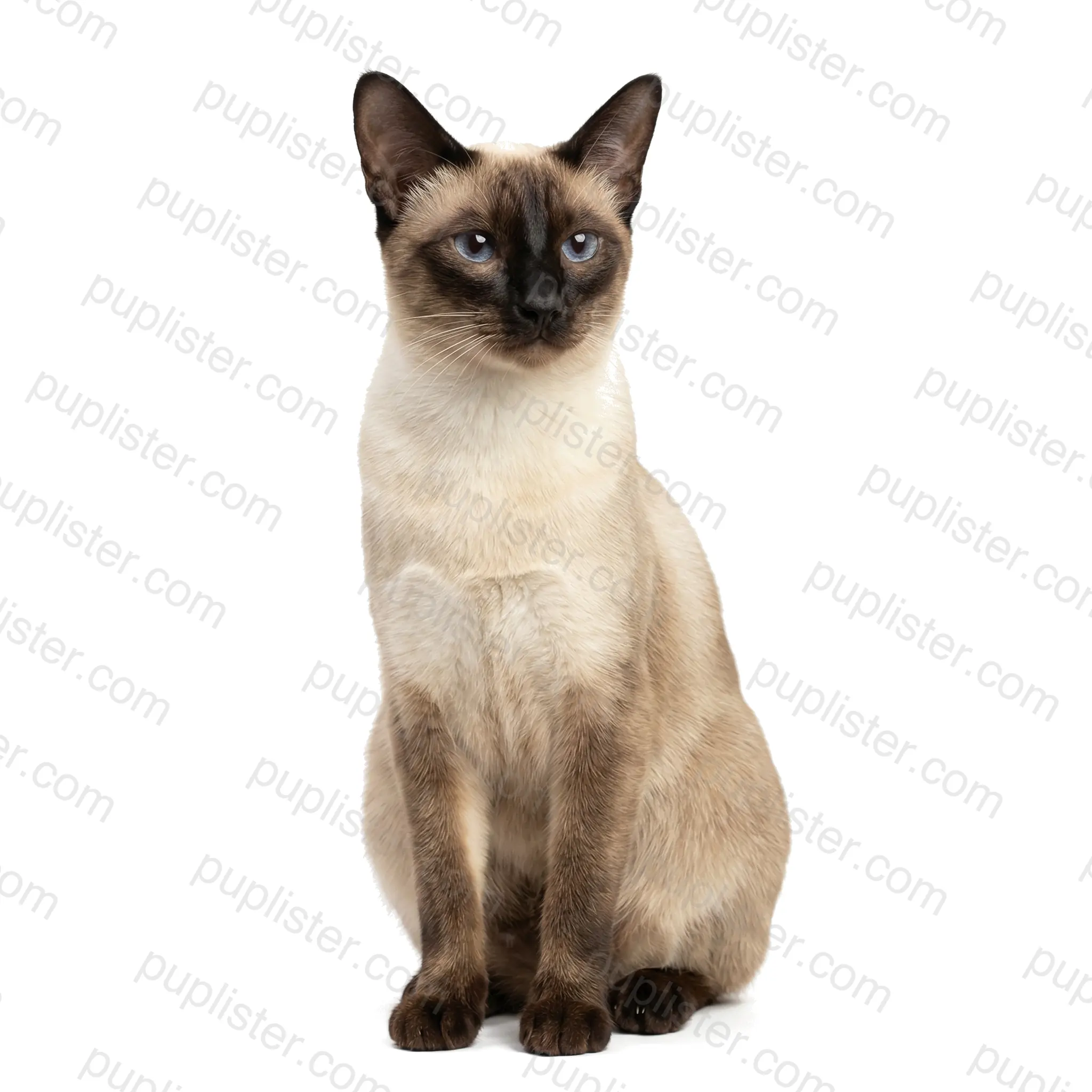
About the Siamese The Siamese is one of the most iconic and ancient cat breeds, originating in the kingdom of Siam (now Thailand) and first documented in the Tamra Maew ("The Cat-Book Poems") dating to the 14th century. This sleek, muscular cat weighs 6–14 pounds and is immediately recognizable by its striking colorpoint pattern — a pale cream or fawn body with darker coloring on the face, ears, paws, and tail. The four traditional point colors are seal, chocolate, blue, and lilac, all paired with vivid sapphire-blue almond-shaped eyes.Temperament & PersonalitySiamese cats are among the most vocal and opinionated cats in the world — they will narrate their day in a loud, distinctive raspy voice and expect you to listen. They are fiercely loyal, deeply social, and form intense bonds with their owners, often becoming a one-person cat. Intelligent and active, they need constant stimulation and do best with a companion — whether human, feline, or canine.ProsStrikingly beautiful with mesmerizing blue eyes and elegant linesExceptionally intelligent — can learn tricks, walk on a leash, and solve puzzle toysDeeply bonded and loyal to their chosen personShort, fine coat requires almost no groomingConsExtremely vocal — constant loud meowing is not for everyoneProne to severe separation anxiety and can become destructive when left aloneSusceptible to amyloidosis, asthma, progressive retinal atrophy, and crossed eyesDemanding of attention — may become jealous of other pets or family membersReady for a devoted, chatty companion who will never let you feel alone? Find Siamese cats waiting for their forever families on Puplister.

Russian Blue

26 pets available

13

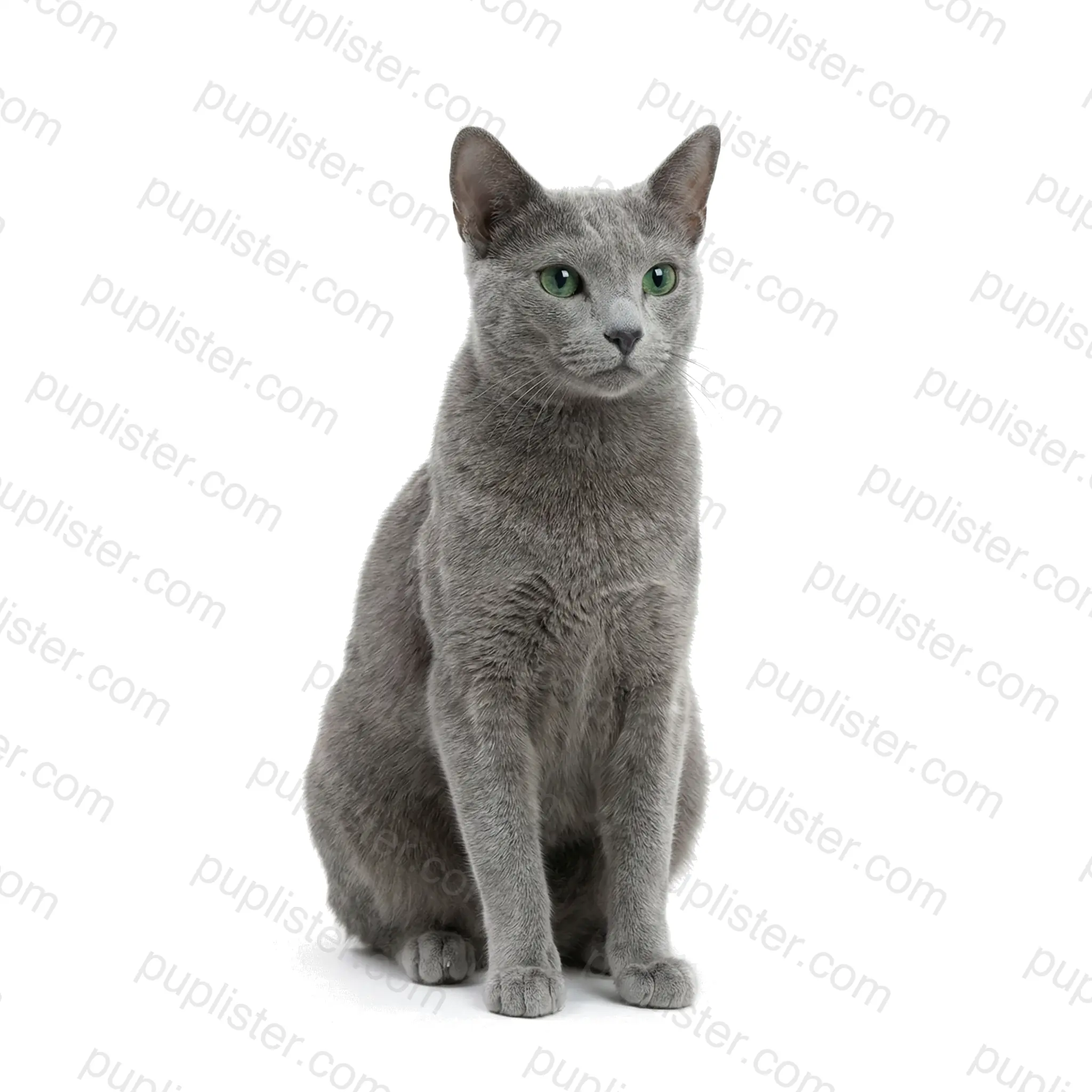
About the Russian Blue The Russian Blue is a naturally occurring breed believed to have originated in the port city of Arkhangelsk (Archangel) in northern Russia, arriving in Europe aboard trade ships in the 1860s. This medium-sized cat weighs 7–12 pounds and is renowned for its dense, plush double coat of uniform blue-gray with silver-tipped guard hairs that give it a luminous shimmer. Its vivid emerald-green eyes, wedge-shaped head, and enigmatic "Mona Lisa smile" complete an unmistakably elegant look.Temperament & PersonalityRussian Blues are gentle, reserved cats that are intensely loyal to their families yet cautious around strangers. They are creatures of habit who thrive on routine — eating at the same time, playing in the same spots, and sleeping in their preferred perch. Once bonded, they are affectionate and playful, often fetching toys and entertaining themselves with quiet grace.ProsProduces lower levels of the Fel d 1 allergen — better tolerated by some allergy sufferersDense double coat is low-shedding and virtually maintenance-freeQuiet and well-mannered — rarely destructive or excessively vocalLong-lived breed with few genetic health issues — many reach 15–20 yearsConsShy and reserved with strangers — may hide during gatherings or partiesSensitive to change — can become stressed by moves, new pets, or schedule disruptionsProne to overeating and weight gain if food is left out freelyCan be slow to warm up to new family members or housematesCharmed by those emerald eyes and silver-tipped fur? Find Russian Blue cats ready for their forever homes on Puplister.

Toyger
Toyger Cat

2 pets available

6

About the Toyger The Toyger — "toy tiger" — was developed beginning in 1993 by Judy Sugden in the United States, who selectively bred domestic shorthair tabbies to create a cat that resembles a miniature tiger. Weighing 7–15 pounds, this medium-to-large muscular cat features a long, low-slung body, small rounded ears, and a striking coat of bold, vertically aligned dark stripes (called "branching") on a vivid orange-tan background with a white-lightened belly — the goal being as close to a tiger's pattern as possible.Temperament & PersonalityDespite their wild appearance, Toygers are easygoing, friendly cats that enjoy human company and adapt well to indoor living. They are intelligent and trainable, readily learning to walk on a leash, play fetch, and perform tricks. Social and relaxed, they do well with children and other pets, showing none of the intensity of actual wild-hybrid breeds.ProsSpectacular tiger-like appearance with no wild cat bloodlinesLaid-back and friendly — easier to manage than most exotic-looking breedsIntelligent and trainable — enjoys learning tricks and leash walkingShort coat requires minimal groomingConsVery rare and expensive — limited availability through breedersBreed is still in development — the gene pool remains smallMay inherit heart murmurs from some breeding linesHigh price tag and rarity make adoption opportunities uncommonWant a living room tiger without the wild side? Keep an eye on Puplister for Toyger cats and kittens seeking loving homes.

Related Articles

Frequently Asked Questions

What are the key traits of a Maine Coon?
The Maine Coon is known for being gentle, friendly, intelligent and playful.
How many Maine Coons are available for adoption?
There are currently 29 Maine Coons available for adoption on Puplister. Browse the listings above to find your perfect match.
How do I adopt a Maine Coon from Puplister?
To adopt a Maine Coon, browse the available listings on this page, click on a pet you're interested in, and contact the shelter directly through their profile page.