Russian Blue Russian Blue

Russian Blue

21
Quiet Gentle Shy Loyal

About the Russian Blue

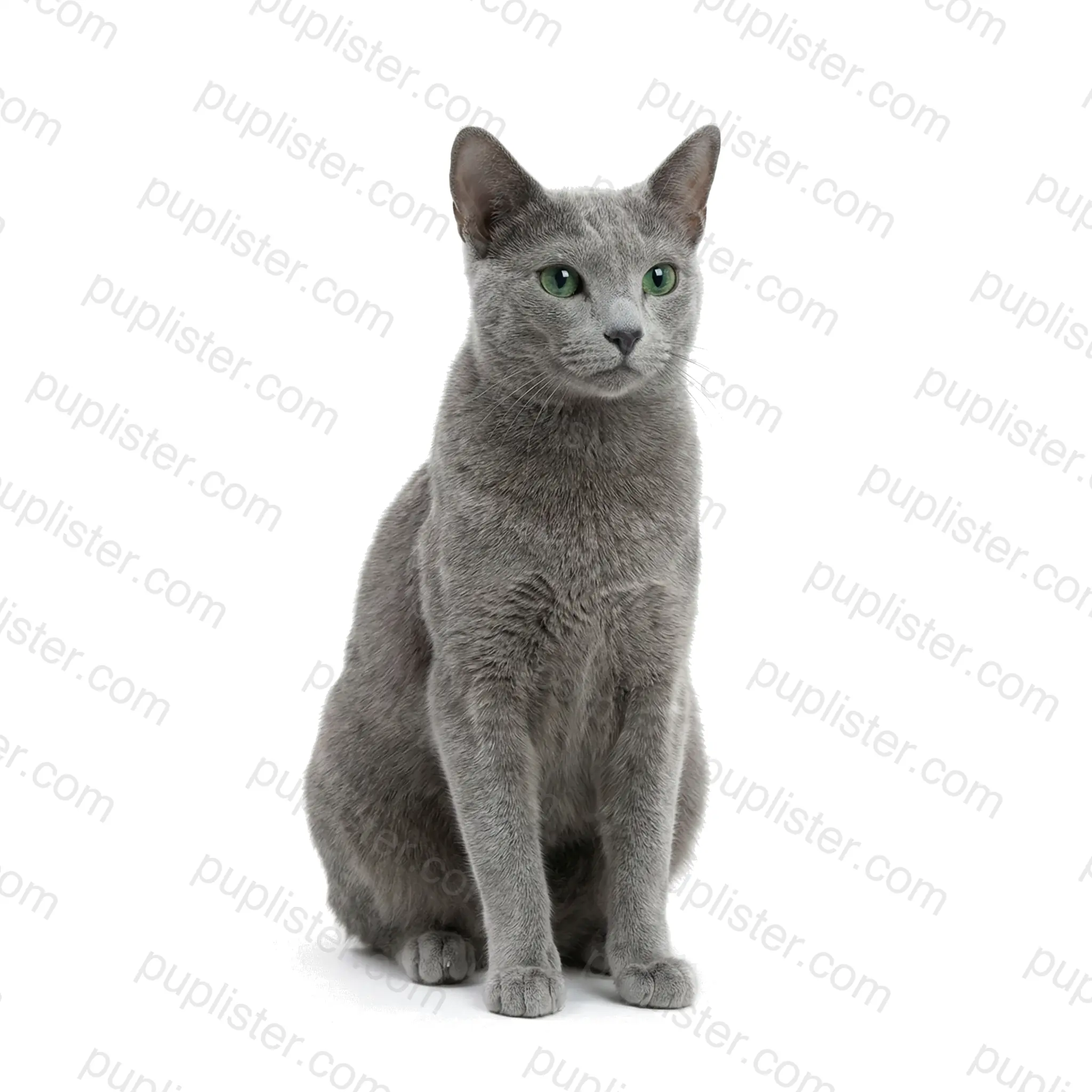
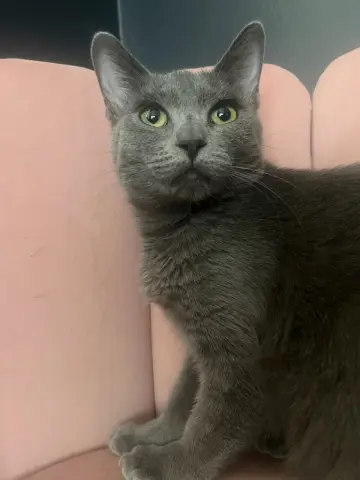
The Russian Blue is a naturally occurring breed believed to have originated in the port city of Arkhangelsk (Archangel) in northern Russia, arriving in Europe aboard trade ships in the 1860s. This medium-sized cat weighs 7–12 pounds and is renowned for its dense, plush double coat of uniform blue-gray with silver-tipped guard hairs that give it a luminous shimmer. Its vivid emerald-green eyes, wedge-shaped head, and enigmatic "Mona Lisa smile" complete an unmistakably elegant look.

Temperament & Personality

Russian Blues are gentle, reserved cats that are intensely loyal to their families yet cautious around strangers. They are creatures of habit who thrive on routine — eating at the same time, playing in the same spots, and sleeping in their preferred perch. Once bonded, they are affectionate and playful, often fetching toys and entertaining themselves with quiet grace.

Pros

  • Produces lower levels of the Fel d 1 allergen — better tolerated by some allergy sufferers
  • Dense double coat is low-shedding and virtually maintenance-free
  • Quiet and well-mannered — rarely destructive or excessively vocal
  • Long-lived breed with few genetic health issues — many reach 15–20 years

Cons

  • Shy and reserved with strangers — may hide during gatherings or parties
  • Sensitive to change — can become stressed by moves, new pets, or schedule disruptions
  • Prone to overeating and weight gain if food is left out freely
  • Can be slow to warm up to new family members or housemates

Charmed by those emerald eyes and silver-tipped fur? Find Russian Blue cats ready for their forever homes on Puplister.

Russian Blue Quick Facts

Size
7–12 lbs
Lifespan
15–20 years
Exercise
Moderate
Grooming
Low
Good with Kids
Yes
Good with Pets
Yes

Is the Russian Blue right for you?

Answer 5 quick questions to see how well this breed matches your lifestyle.

Take the Quiz

Available Russian Blues

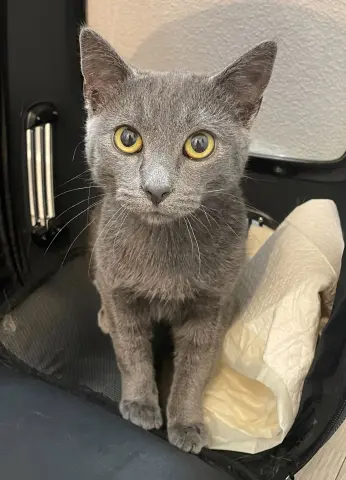
Kylo
Adult 2
Kylo
L

Russian Blue / Mixed

San Antonio Feral Cat Coalition · San Antonio, TX
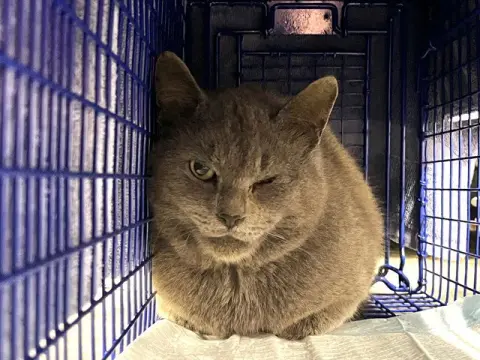
Ghosty
Young 3
Ghosty
L

Russian Blue

San Antonio Feral Cat Coalition · San Antonio, TX
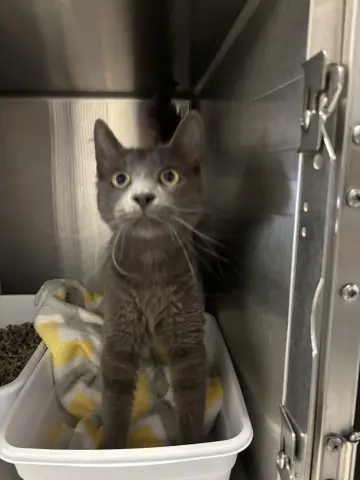
Slate
Young 1
Slate
M

Russian Blue

Happy Paws Kitten Rescue · Knoxville, TN
Mr. Gray
Adult 2

Russian Blue

Whiskers, Tails And Ferals · Danville, CA

Related Breeds

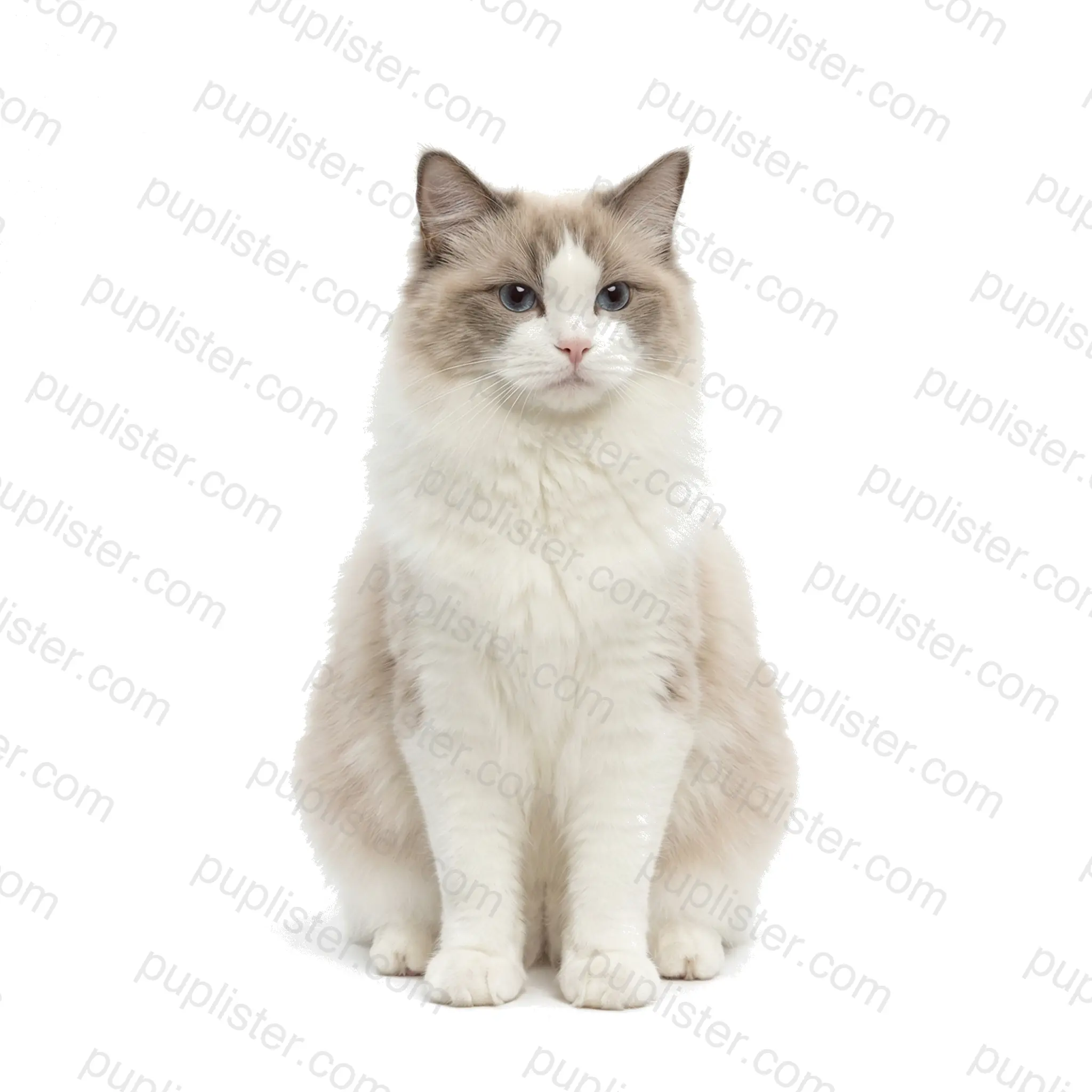
Persian
Persian Cat

3 pets available

5

About the Persian The Persian is one of the oldest and most recognizable cat breeds in the world, with roots tracing back to 17th-century Persia (modern Iran) and Turkey. This medium-to-large cat weighs 7–12 pounds and is instantly identifiable by its flat, pansy-like face, enormous round eyes, small ears, and luxuriously long, thick coat that can reach six inches in length. Persians come in over 80 color variations grouped into seven divisions, including solid, silver, golden, shaded, smoke, tabby, particolor, and pointed (Himalayan).Temperament & PersonalityPersians are the quintessential lap cat — calm, sweet-tempered, and content to lounge on the nearest soft surface. They prefer serene environments and predictable routines, rarely displaying the high-energy antics of more active breeds. Gentle and patient with children, they coexist peacefully with respectful kids and laid-back dogs.ProsExtremely calm and gentle — ideal for quiet, relaxed householdsBeautiful, plush coat available in a vast range of colors and patternsLow activity level — content with minimal exercise and indoor livingSweet, undemanding temperament — rarely vocal or pushyConsRequires daily grooming to prevent severe matting and hairballsBrachycephalic face causes chronic breathing difficulties, tear staining, and dental crowdingProne to polycystic kidney disease (PKD), hypertrophic cardiomyopathy, and ringwormEye discharge requires daily cleaning to prevent staining and infectionLonging for a serene, regal companion? Discover Persian cats seeking forever homes on Puplister and welcome quiet elegance into your life.

Siberian
Siberian Cat

1 pet available

6

About the Siberian The Siberian — Russia's national cat — is a natural breed that has existed in the forests of Siberia for at least 1,000 years, first appearing in Russian fairy tales and eventually standardized as a breed in the 1980s. This large, powerful cat weighs 10–20 pounds and features a triple-layered, waterproof coat that protected it through harsh Russian winters — a dense undercoat, longer middle layer, and coarse guard hairs. They come in all colors and patterns, including the stunning pointed "Neva Masquerade" variety.Temperament & PersonalitySiberians are affectionate, adventurous cats with a playful, kitten-like spirit that lasts well into their senior years. They love water — don't be surprised to find one splashing in the sink or drinking from the faucet. Gentle and patient, they are excellent with children and other pets, and they possess a calm confidence that makes them unfazed by the chaos of a busy household.ProsProduces significantly lower levels of Fel d 1 allergen — often tolerated by cat-allergy sufferersHardy, naturally evolved breed with excellent overall health and longevityAffectionate and playful — retains kitten-like energy into adulthoodGentle and patient — superb family cat for homes with children and other petsConsTriple coat requires regular brushing, especially during heavy seasonal sheddingLarge size means higher food costs and the need for sturdy cat furnitureSlow to mature — may not reach full size and coat until age fiveCan be prone to hypertrophic cardiomyopathy, though less common than in some breedsDreaming of a hypoallergenic gentle giant from the Russian forests? Search for Siberian cats on Puplister and find your perfect fluffy companion.

Scottish Fold

1 pet available

10

About the Scottish Fold The Scottish Fold traces its origins to a single barn cat named Susie, found in Perthshire, Scotland, in 1961 — the first documented cat with the breed's signature forward-folding ears caused by a natural cartilage mutation. This medium-sized cat weighs 6–13 pounds, has a round head, large round eyes, and a stocky, well-padded body. Scottish Folds come in both longhair and shorthair varieties, in virtually every color and pattern including tabby, solid, bicolor, and calico.Temperament & PersonalityScottish Folds are sweet, easygoing cats known for their quirky habit of sitting in odd positions — including the "Buddha sit" with legs stretched out and paws resting on their belly. They are moderately active and enjoy interactive play without being hyperactive. Gentle with children and amiable with other pets, they adapt well to most living situations.ProsDistinctive, owl-like appearance with those signature folded earsCalm and adaptable — thrives in apartments, houses, and busy households alikeGood-natured and gentle with children and other animalsModerate energy level — playful but not demandingConsThe fold gene causes osteochondrodysplasia — painful cartilage and bone abnormalities in many catsMust never be bred fold-to-fold due to severe skeletal issues in offspringProne to arthritis, especially in the tail, ankles, and kneesEar fold makes them more susceptible to ear infections and wax buildupDrawn to those adorable folded ears and laid-back personality? Find Scottish Fold cats waiting for adoption on Puplister.

Munchkin
Munchkin Cat

1 pet available

17

About the Munchkin The Munchkin is the original short-legged cat breed, with its signature look caused by a natural genetic mutation first documented in Louisiana in 1983. Medium-sized at 6–9 pounds, the Munchkin has a proportional body, walnut-shaped eyes, and legs roughly three inches shorter than those of a standard cat. Their coat can be short or long, appearing in every color and pattern — from cinnamon tabby to blue smoke.Temperament & PersonalityMunchkins are confident, outgoing cats that never seem to realize they are vertically challenged. They are known as "magpies" for their habit of collecting and hoarding small, shiny objects under furniture. Sociable and playful, Munchkins get along famously with children, dogs, and other cats — making them excellent family pets.ProsEnergetic and entertaining — loves to play, chase, and collect treasuresFriendly and social with strangers, children, and other animalsSurprisingly fast and agile despite short legsAvailable in a wide range of coat types, colors, and patternsConsControversial breeding ethics — the short-leg gene can cause skeletal issuesProne to lordosis (curvature of the spine) and pectus excavatumCannot jump as high as standard cats, which may require ramps or pet stairsHigher risk of osteoarthritis in the limbs over timeEnchanted by those adorable short legs? Discover Munchkin cats waiting for their forever homes on Puplister.

Related Articles

Frequently Asked Questions

What are the key traits of a Russian Blue?
The Russian Blue is known for being quiet, gentle, shy and loyal.
How many Russian Blues are available for adoption?
There are currently 20 Russian Blues available for adoption on Puplister. Browse the listings above to find your perfect match.
How do I adopt a Russian Blue from Puplister?
To adopt a Russian Blue, browse the available listings on this page, click on a pet you're interested in, and contact the shelter directly through their profile page.