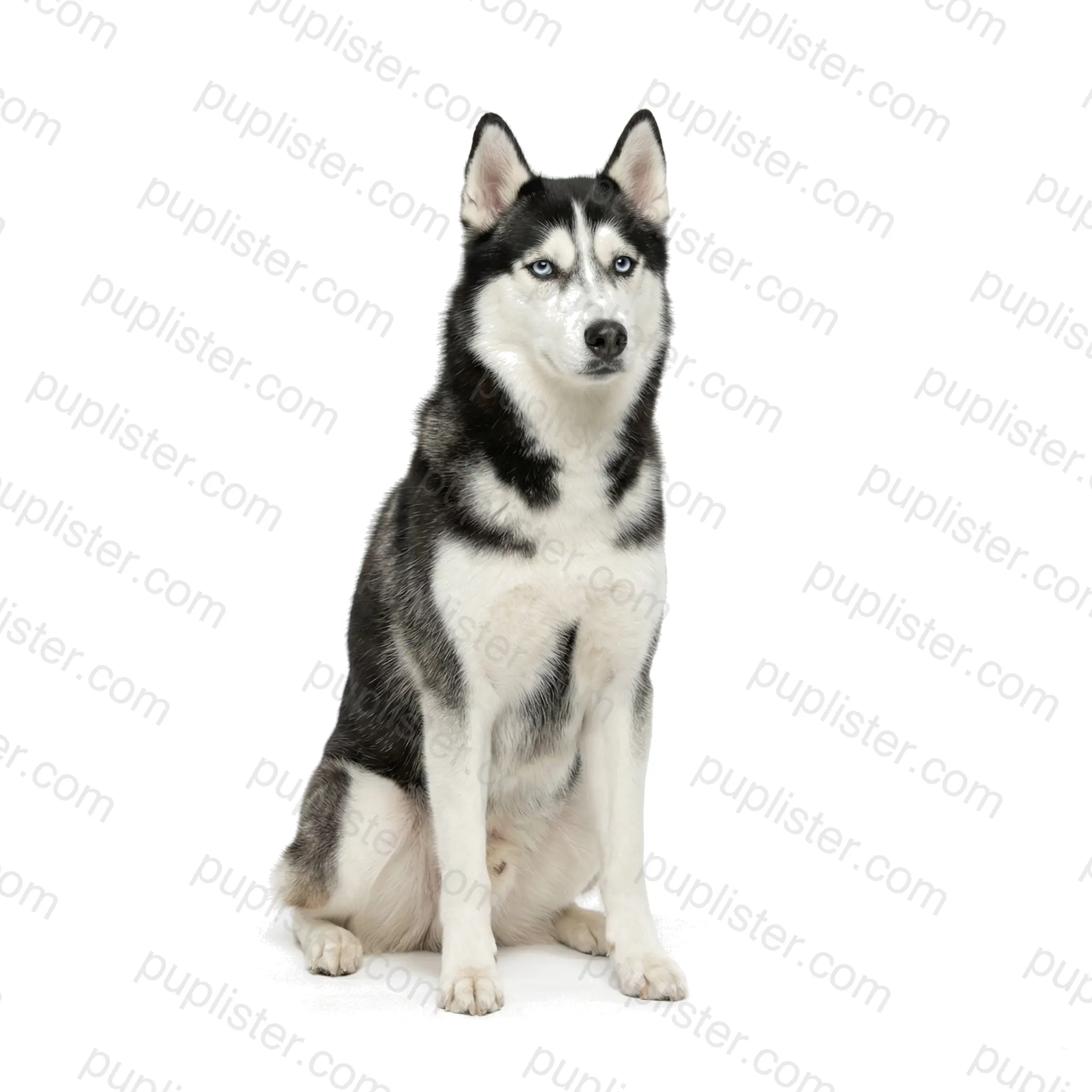
First Year Dog Costs After Adoption (Full Budget)
Understand the full first-year dog costs after adoption, from initial supplies to vet care, and see how adopting saves you money.
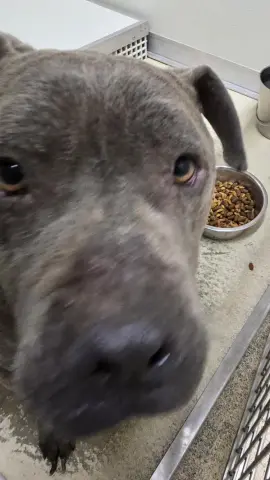
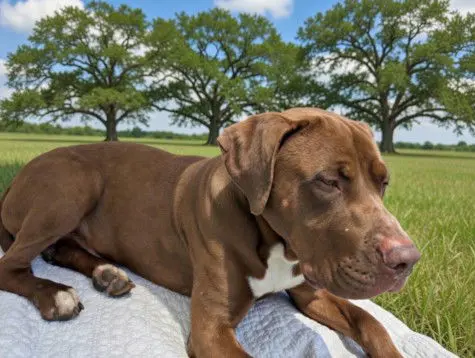
The American Pit Bull Terrier traces its roots to 19th-century England, where Bulldogs and Terriers were crossed to create a dog combining strength with agility. Standing 17–21 inches tall and weighing 30–60 pounds, the APBT is a medium-sized, solidly built dog with a broad chest and well-defined musculature. Their short, glossy coat comes in virtually every color and pattern — including blue, red, brindle, and merle — and is exceptionally easy to maintain.
Despite their often-misunderstood reputation, American Pit Bull Terriers are among the most people-oriented breeds — they are affectionate, eager to please, and frequently described as "nanny dogs" for their gentleness with children. They are intelligent, loyal, and enthusiastic about training when given positive reinforcement. However, some individuals may exhibit dog-selectivity, and responsible ownership includes understanding their terrier-driven tenacity.
These loving, misunderstood dogs deserve wonderful homes — browse adoptable Pit Bull Terriers on Puplister today.
Answer 5 quick questions to see how well this breed matches your lifestyle.
American Pit Bull Terrier / Labrador Retriever
76 pets available
About the Beagle The Beagle is a small scent hound with roots tracing back to Roman times, though the modern breed was refined in England during the 1830s for rabbit hunting. Standing 13–15 inches tall and weighing 20–30 pounds, Beagles are compact, sturdy dogs built for endurance on the trail. Their short, dense, weather-resistant coat comes in a variety of hound colors — most commonly tri-color, red-and-white, and lemon — and sheds moderately throughout the year.Temperament & PersonalityBeagles are merry, curious, and sociable dogs — they were bred to work in packs, and that pack mentality translates to a strong desire for companionship. They are excellent with children and other dogs, making them one of the most family-friendly breeds available. However, their powerful nose can lead them astray, and once a Beagle has locked onto a scent, recalling them can be nearly impossible.ProsWonderful family dog — gentle, tolerant, and playful with children of all agesCompact size is well-suited for apartments and smaller homesGets along exceptionally well with other dogs due to pack-oriented natureHardy, healthy breed with a typical lifespan of 10–15 yearsConsVocal breed — their distinctive bay and howl can be excessive and loudStrong scent drive makes off-leash reliability extremely difficult to achieveProne to obesity and will eat anything they can accessCan develop separation anxiety and become destructive when left aloneBeagles bring joy to every household they join — search for adoptable Beagles on Puplister and find your new best friend.
25 pets available
About the Mastiff The English Mastiff is one of the most ancient and massive dog breeds, with roots tracing back over 2,000 years to ancient Britain and possibly earlier Molosser-type dogs of Asia. Males commonly weigh 160 to 230 pounds and stand 30 inches or taller at the shoulder, making them among the heaviest domestic dogs in the world. Their short, dense double coat comes in fawn, apricot, or brindle — always with a distinctive dark mask on the face. Temperament & Personality Despite their imposing size, Mastiffs are famously gentle, calm, and deeply loyal — often called "gentle giants" with good reason. They are patient and protective with children in their family, though their sheer mass means supervision around small kids is wise. Mastiffs tend to be reserved with strangers but rarely aggressive, preferring to position themselves between their family and any perceived threat. Pros Naturally protective without needing guard trainingSurprisingly low energy indoors — content to lounge for hoursGentle and patient temperament ideal for familiesShort coat requires only basic weekly brushing Cons Massive food bills — adult Mastiffs eat 6 to 10 cups of food dailyShorter lifespan of 6 to 10 years typical of giant breedsProne to hip dysplasia, bloat (gastric torsion), and heart conditionsExcessive drooling is a constant reality with this breed Ready to welcome a magnificent gentle giant into your home? Explore Mastiff adoption opportunities on Puplister.
3 pets available
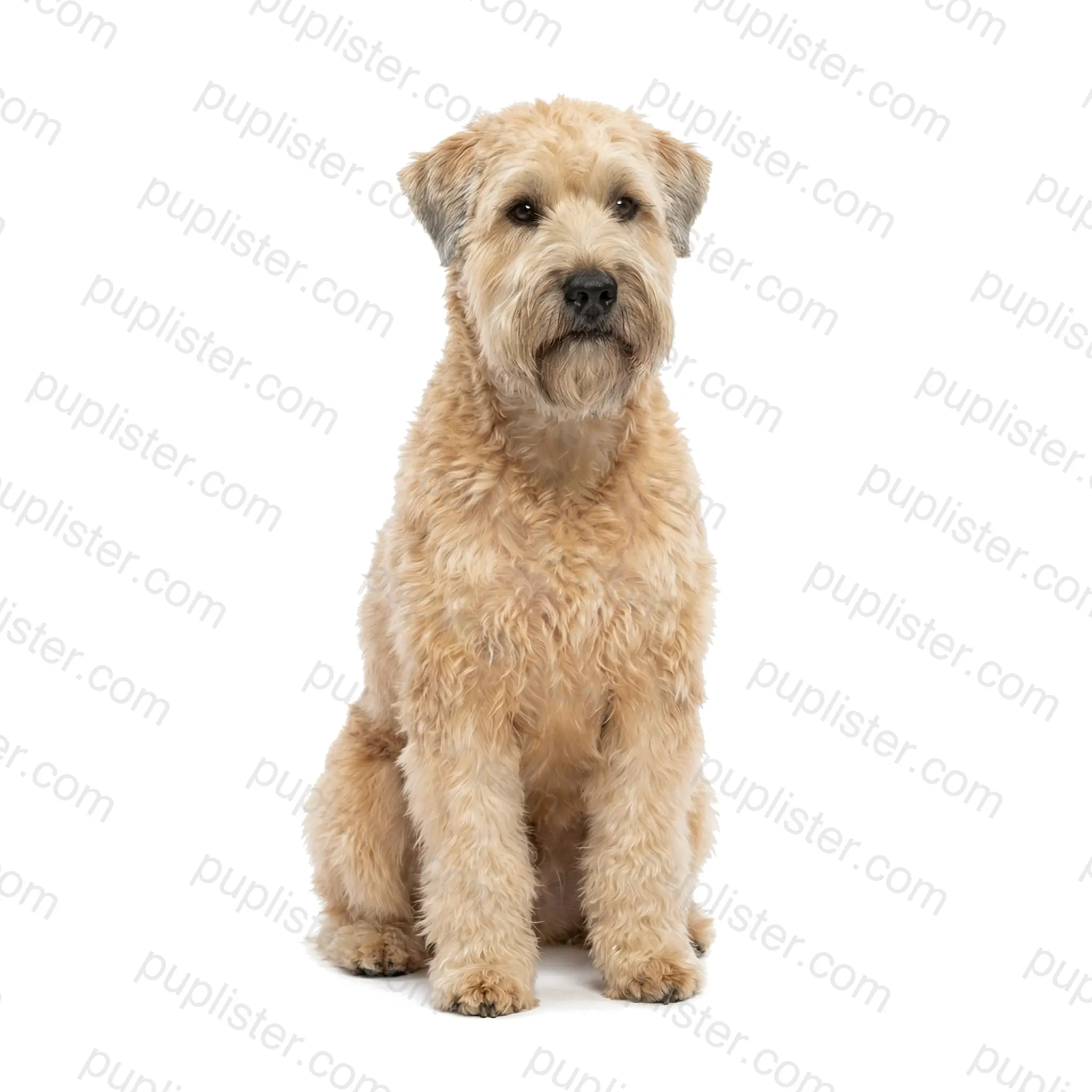
About the West Highland White Terrier The West Highland White Terrier — universally known as the "Westie" — was developed in Scotland's western highlands during the 19th century, selectively bred from Cairn Terrier stock for its white coat to be more visible against the dark highland terrain while hunting foxes, badgers, and rats. These sturdy little dogs stand 10 to 11 inches tall and weigh 15 to 20 pounds, with a compact, balanced build and surprisingly strong legs for their size. Their double coat features a hard, straight white outer layer and a soft, dense undercoat — always pure white without exception. Temperament & Personality Westies are confident, entertaining, and surprisingly tough — carrying the classic terrier self-assurance in a friendly, less aggressive package than many of their terrier relatives. They are affectionate with their families, generally good with older children, and possess an independent, adventurous spirit that keeps life interesting. Westies are social dogs that enjoy meeting people, though they can be assertive with other dogs and retain a strong instinct to chase anything that moves. Pros Sturdy and adaptable — thrives in apartments, suburbs, and country settingsFriendly and sociable without the extreme aggression of some terrier breedsPortable size with a big, confident personalityAlert watchdog that will reliably announce visitors Cons Prone to atopic dermatitis and skin allergies — one of the most affected breedsCoat requires regular professional grooming or hand-stripping every 6 to 8 weeksCan be stubborn and willful during training — responds best to positive methodsTendency to dig and bark, especially when bored or left in the yard Westies bring Scottish charm and terrier spirit into every home — find your white-coated companion on Puplister.
151 pets available
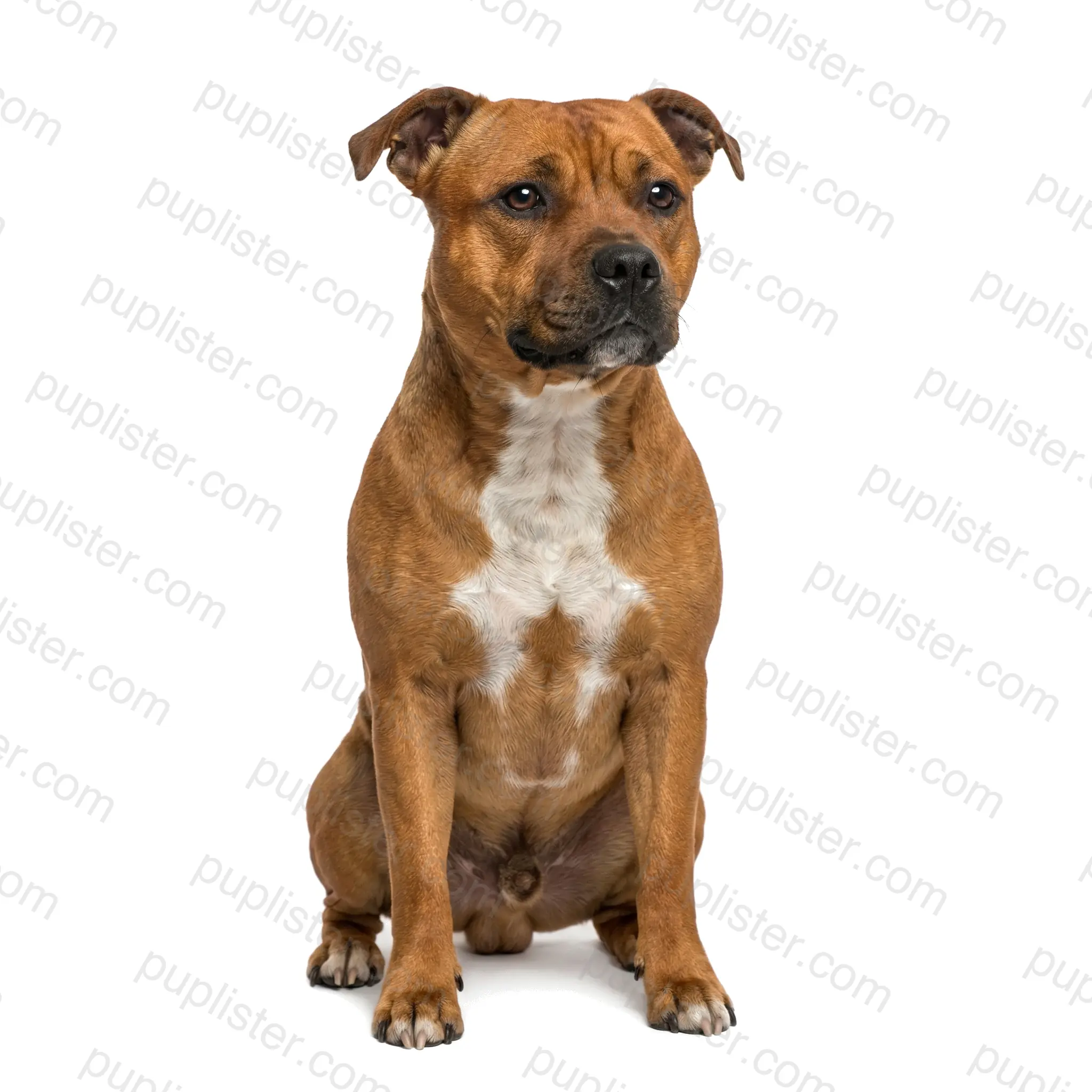
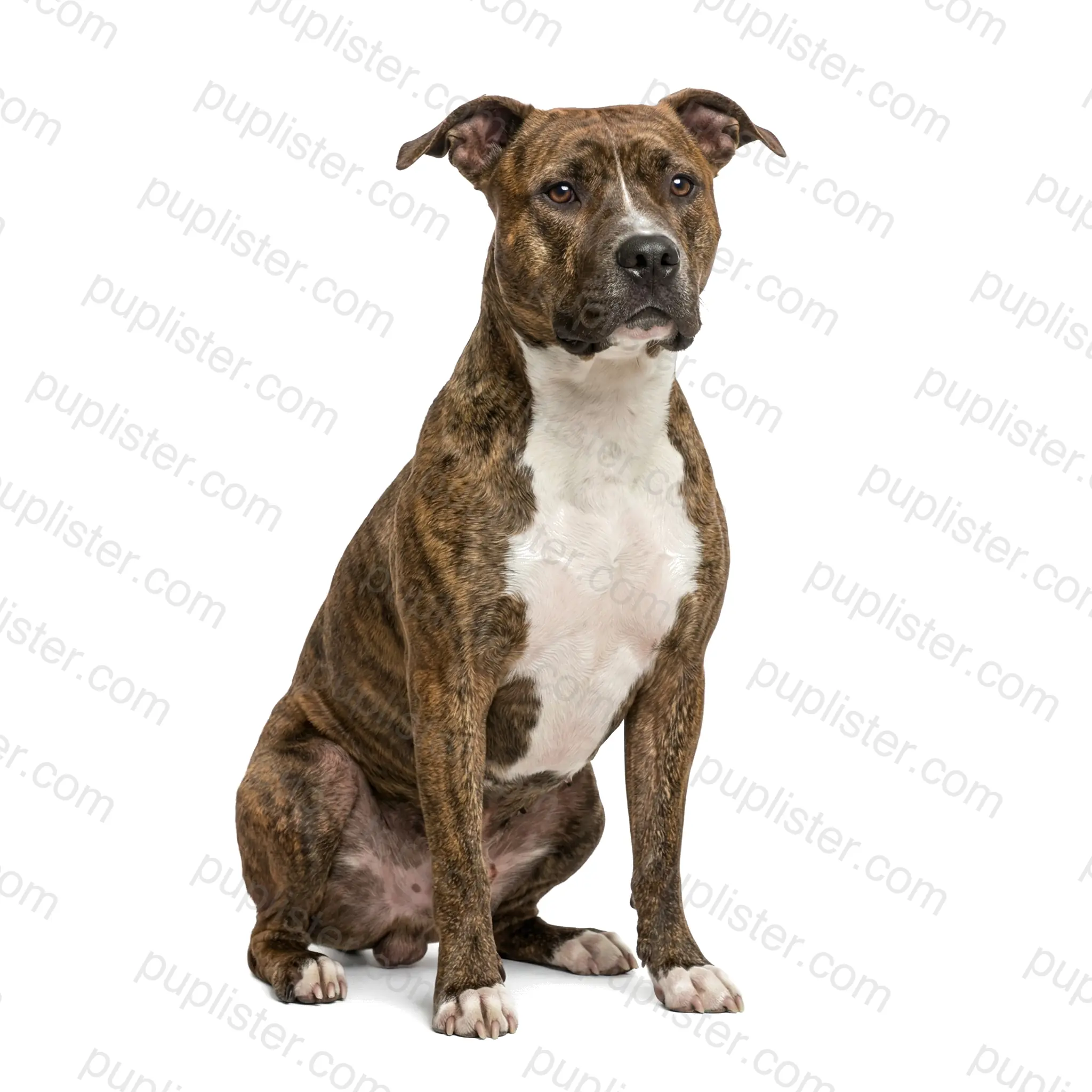
About the American Staffordshire Terrier The American Staffordshire Terrier — often called the AmStaff — was developed in the United States from crosses between Bulldogs and Terriers, earning AKC recognition in 1936. They stand 17–19 inches at the shoulder and weigh 40–70 pounds, presenting a stocky, muscular build that radiates power and confidence. Their short, stiff coat comes in a wide variety of colors and patterns, including blue, fawn, brindle, and black, and requires only minimal grooming.Temperament & PersonalityAmStaffs are known for their courage, intelligence, and unwavering loyalty to their families — they are genuinely affectionate dogs who love being at the center of household activities. They are typically excellent with children and are known for their patience and tolerance with youngsters. Proper socialization from puppyhood is critical, as they can be assertive with other dogs, and their strength demands a handler who can provide calm, confident leadership.ProsIncredibly loyal and protective of their family without being overly aggressiveSmart and highly trainable — they excel in obedience, rally, and therapy workShort coat makes grooming a breezeSturdy and athletic, perfect for active families who enjoy outdoor activitiesConsMay face breed-specific legislation and insurance restrictionsRequires early and ongoing socialization with other dogs and animalsProne to hip dysplasia, cardiac disease, and skin allergiesTheir strong jaws and determination mean they can destroy toys and furniture quicklyAmStaffs make incredible family companions when given the right home — search for adoptable American Staffordshire Terriers on Puplister.
Understand the full first-year dog costs after adoption, from initial supplies to vet care, and see how adopting saves you money.
Discover the cheapest ways to adopt a dog near you, from understanding the real value of adoption fees to insider tips for finding low-cost dogs.
Learn the easy steps to transfer dog microchip after adoption. This guide covers finding info, contacting registries, and overcoming common hurdles.
Understand the full dog adoption costs beyond the initial fee, including ongoing care, unexpected expenses, and a 5-year financial forecast.