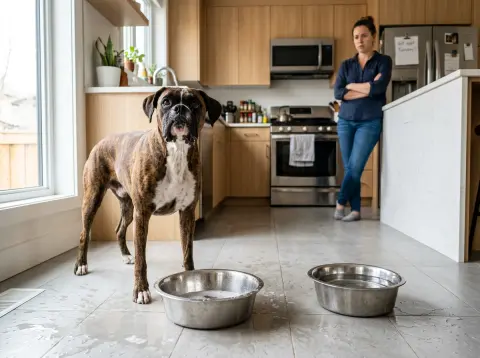
First Year Dog Costs After Adoption (Full Budget)
Understand the full first-year dog costs after adoption, from initial supplies to vet care, and see how adopting saves you money.
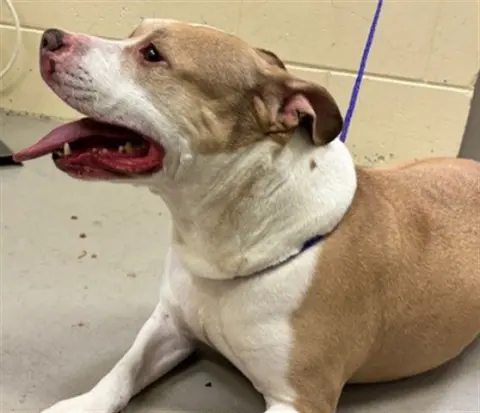
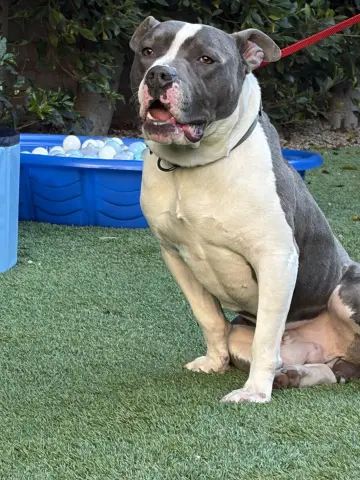
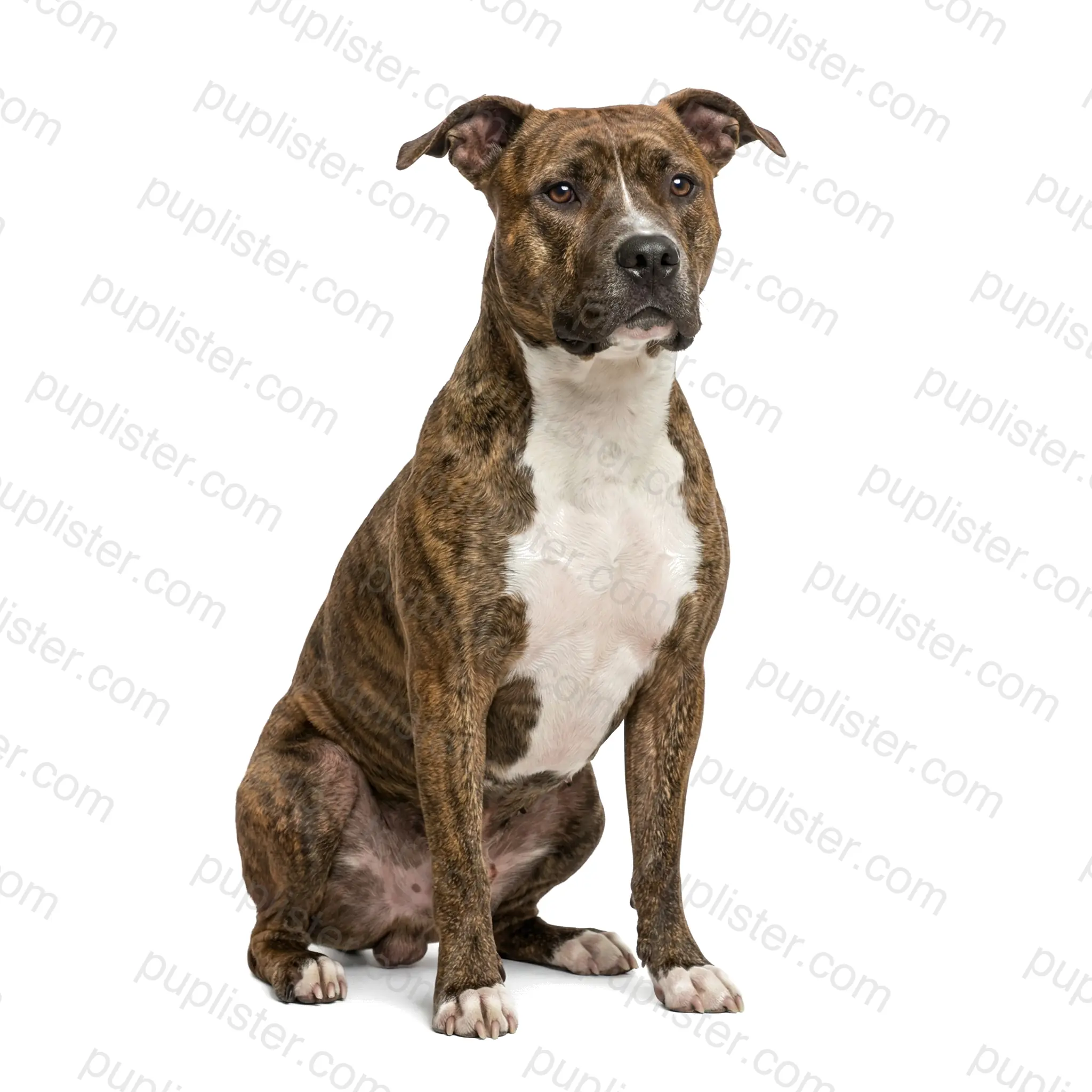
The American Pit Bull Terrier traces its roots to 19th-century England, where Bulldogs and Terriers were crossed to create a dog combining strength with agility. Standing 17–21 inches tall and weighing 30–60 pounds, the APBT is a medium-sized, solidly built dog with a broad chest and well-defined musculature. Their short, glossy coat comes in virtually every color and pattern — including blue, red, brindle, and merle — and is exceptionally easy to maintain.
Despite their often-misunderstood reputation, American Pit Bull Terriers are among the most people-oriented breeds — they are affectionate, eager to please, and frequently described as "nanny dogs" for their gentleness with children. They are intelligent, loyal, and enthusiastic about training when given positive reinforcement. However, some individuals may exhibit dog-selectivity, and responsible ownership includes understanding their terrier-driven tenacity.
These loving, misunderstood dogs deserve wonderful homes — browse adoptable Pit Bull Terriers on Puplister today.
Answer 5 quick questions to see how well this breed matches your lifestyle.
American Pit Bull Terrier / Mixed
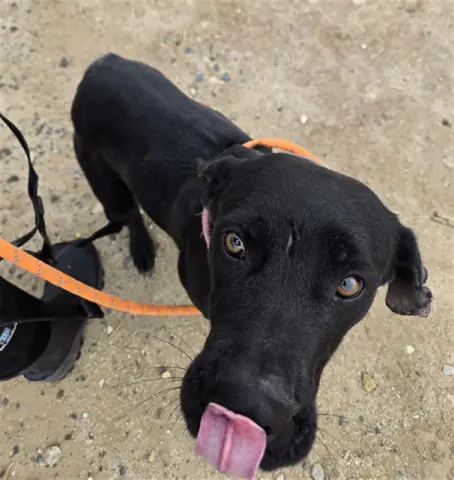
Labrador Retriever / American Pit Bull Terrier
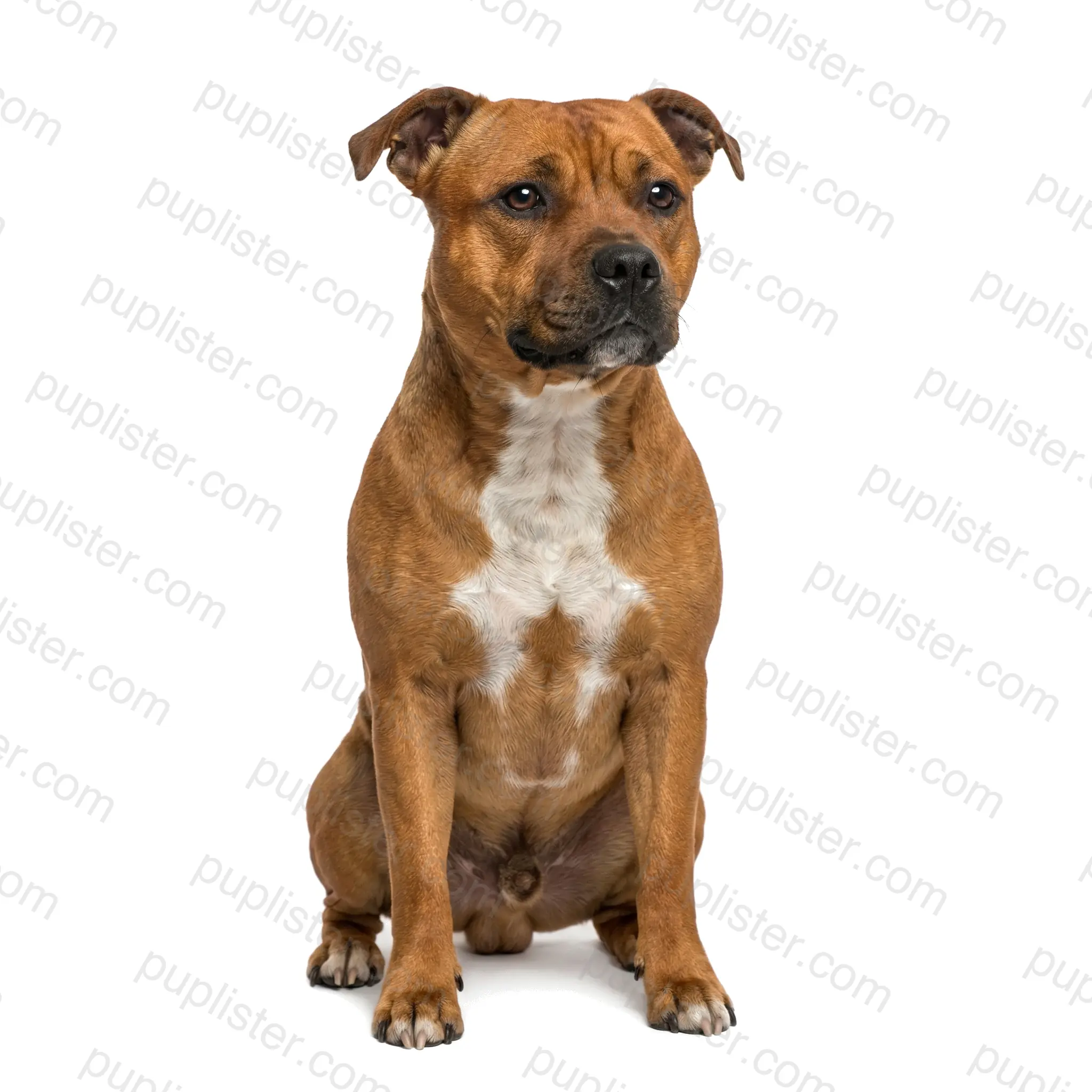
American Pit Bull Terrier / American Staffordshire Terrier
240 pets available
1About the Chihuahua The Chihuahua is the world's smallest dog breed, originating from the Mexican state of Chihuahua where ancestors of the breed were kept by the ancient Toltec civilization. Standing just 5–8 inches tall and weighing a mere 2–6 pounds, these tiny dogs come in smooth-coat and long-coat varieties with virtually every color and pattern combination imaginable. Despite their diminutive size, Chihuahuas carry themselves with a bold, terrier-like confidence that belies their fragile frame.Temperament & PersonalityChihuahuas are fiercely devoted to one person — often forming an almost obsessive bond with their chosen human. They are alert, spirited, and surprisingly courageous, frequently standing up to dogs many times their size without hesitation. While they can be wonderful companions for older children who handle them gently, their small size and tendency toward snappiness make them a poor match for households with toddlers.ProsPerfect apartment dogs — minimal space and exercise requirementsExceptionally long lifespan of 14–18 years, among the longest of any breedPortable size makes them easy travel companions for on-the-go ownersLow food costs and minimal grooming needs — especially the smooth-coat varietyConsProne to patellar luxation, heart murmurs, hydrocephalus, and dental overcrowdingFragile bones — easily injured by falls, rough play, or being stepped onNotoriously difficult to housebreak due to tiny bladders and stubborn temperamentTendency toward excessive barking and aggression toward strangers if not properly socializedDiscover your perfect pint-sized companion — explore Chihuahuas looking for forever homes right here on Puplister.
4 pets available
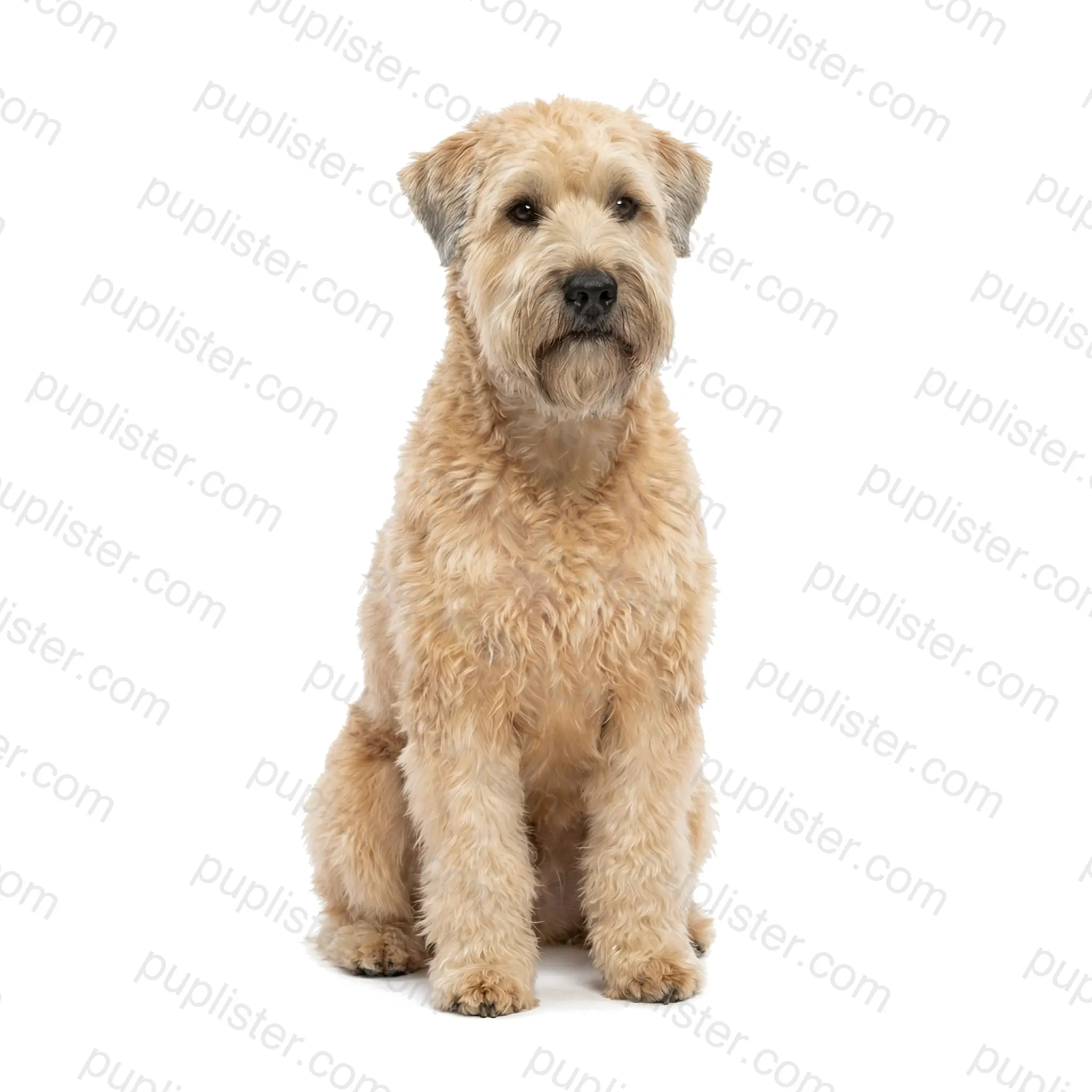
About the Soft Coated Wheaten Terrier The Soft Coated Wheaten Terrier originated in Ireland over 200 years ago as an all-purpose farm dog — herding livestock, guarding property, and dispatching vermin, earning it the nickname "the poor man's wolfhound." These medium-sized dogs stand 17 to 19 inches tall and weigh 30 to 40 pounds, with a sturdy, compact build beneath their distinctive coat. Their single-layer, silky, wavy coat matures from a dark puppy color to its signature warm wheaten gold by about two years of age — and unlike most terriers, it is soft rather than wiry. Temperament & Personality Soft Coated Wheaten Terriers are exuberant, affectionate, and joyful — known for their characteristic "Wheaten greeting" where they enthusiastically jump up to lick faces, which can be endearing or problematic depending on the recipient. They are deeply devoted to their families, excellent with children, and more tolerant of other dogs than many terrier breeds. Their happy, bouncy energy remains well into adulthood, and they approach life with an infectious enthusiasm that brightens any household. Pros Single coat sheds minimally — more suitable for allergy-sensitive householdsFriendly and exuberant — loves people and gets along with children and other dogsLess aggressive and territorial than many other terrier breedsVersatile and athletic — enjoys agility, hiking, and active family life Cons Coat requires daily brushing and regular professional grooming to prevent mattingProne to protein-losing nephropathy and protein-losing enteropathy — serious breed-specific conditionsJumping and exuberant greeting behavior can be difficult to manageCan be stubborn during training and requires patient, consistent methods The Wheaten Terrier's joyful spirit and soft golden coat are hard to resist — discover available Wheatens on Puplister.
16 pets available
About the Pembroke Welsh Corgi The Pembroke Welsh Corgi originated in Pembrokeshire, Wales, around the 10th century — brought by Flemish weavers and refined into an agile cattle-herding dog. These low-set, athletic dogs stand 10 to 12 inches tall and weigh 25 to 30 pounds, with surprisingly powerful legs and a deep chest for their compact frame. Their medium-length, weather-resistant double coat comes in red, sable, fawn, or black and tan, often with characteristic white markings. Temperament & Personality Pembroke Welsh Corgis are bold, outgoing, and surprisingly athletic — combining the work ethic of a herding dog with the affectionate nature of a devoted companion. They are intelligent and eager to please, making them highly trainable, and they typically adore children and other pets in the household. Their herding instinct may lead them to nip at heels during play, a behavior that should be redirected early through training. Pros Highly intelligent and eager to learn — excels in obedience and herding trialsManageable size with the personality and athleticism of a much larger dogAdaptable to apartments, houses, and farms alikeAffectionate and entertaining — known for their expressive faces and playful antics Cons Heavy shedding year-round with massive blowouts twice yearlyProne to obesity, which severely exacerbates spinal issues in their long backsSusceptible to intervertebral disc disease, hip dysplasia, and degenerative myelopathyHerding instinct can lead to nipping at children's ankles and chasing moving objects Corgis have captured hearts worldwide — and yours might be waiting on Puplister right now.
4 pets available
About the Maltipoo The Maltipoo is a popular designer crossbreed combining the Maltese and Toy or Miniature Poodle — first intentionally bred in the United States during the 1990s. These charming small dogs typically weigh 5 to 20 pounds and stand 8 to 14 inches tall, depending on the Poodle parent's size. Their coat is soft, wavy to curly, and comes in cream, white, apricot, red, and a range of other colors — often low-shedding thanks to the Poodle influence. Temperament & Personality Maltipoos are affectionate, playful, and thrive on human companionship — making them excellent lap dogs and emotional support animals. They tend to be gentle with children and can coexist well with other pets when properly socialized. Their alert nature means they'll bark to announce visitors, though they're far too friendly to serve as guard dogs. Pros Low-shedding coat is more suitable for allergy sufferersAdapts well to apartments and small living spacesEager to please and relatively easy to train with positive reinforcementLong lifespan of 12 to 16 years compared to many breeds Cons Prone to separation anxiety if left alone for extended periodsCoat requires regular professional grooming every 4 to 6 weeksCan develop patellar luxation and progressive retinal atrophyTendency toward excessive barking without consistent training If a cuddly, low-shedding companion sounds like your perfect match, browse Maltipoo listings on Puplister today.
Understand the full first-year dog costs after adoption, from initial supplies to vet care, and see how adopting saves you money.
Discover the cheapest ways to adopt a dog near you, from understanding the real value of adoption fees to insider tips for finding low-cost dogs.
Learn the easy steps to transfer dog microchip after adoption. This guide covers finding info, contacting registries, and overcoming common hurdles.
Understand the full dog adoption costs beyond the initial fee, including ongoing care, unexpected expenses, and a 5-year financial forecast.