Cheapest Ways to Adopt a Dog Near You
Discover the cheapest ways to adopt a dog near you, from understanding the real value of adoption fees to insider tips for finding low-cost dogs.
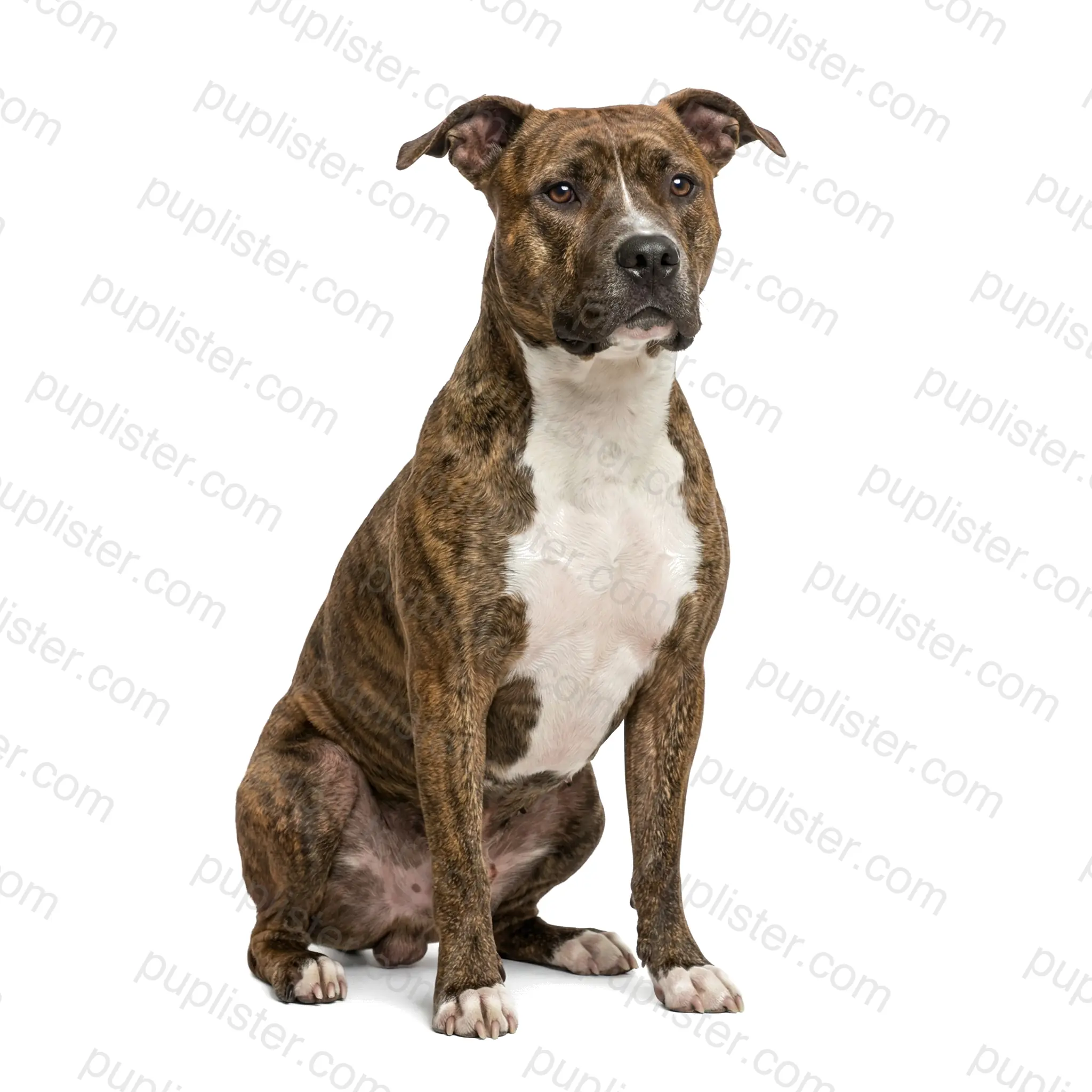
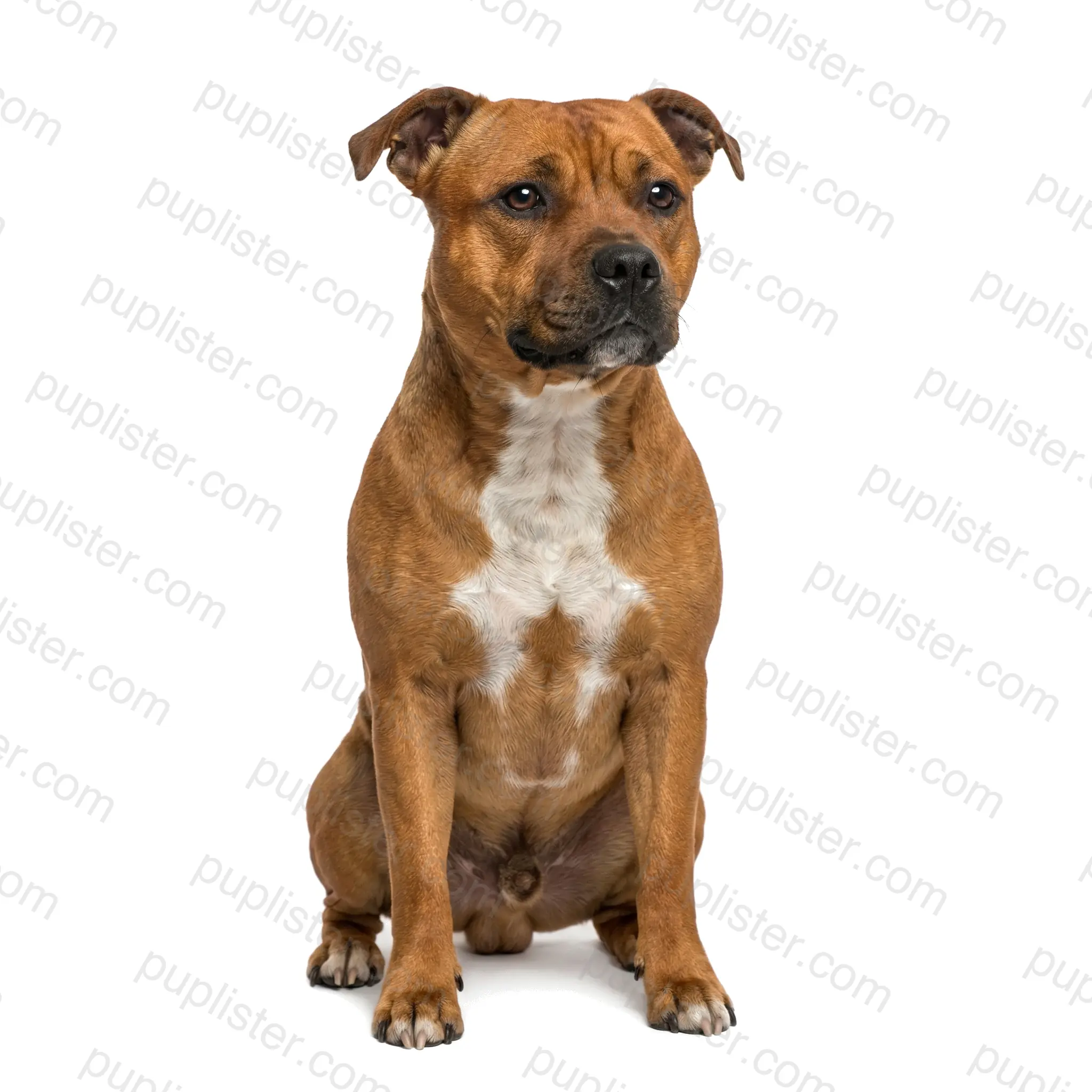
The American Pit Bull Terrier traces its roots to 19th-century England, where Bulldogs and Terriers were crossed to create a dog combining strength with agility. Standing 17–21 inches tall and weighing 30–60 pounds, the APBT is a medium-sized, solidly built dog with a broad chest and well-defined musculature. Their short, glossy coat comes in virtually every color and pattern — including blue, red, brindle, and merle — and is exceptionally easy to maintain.
Despite their often-misunderstood reputation, American Pit Bull Terriers are among the most people-oriented breeds — they are affectionate, eager to please, and frequently described as "nanny dogs" for their gentleness with children. They are intelligent, loyal, and enthusiastic about training when given positive reinforcement. However, some individuals may exhibit dog-selectivity, and responsible ownership includes understanding their terrier-driven tenacity.
These loving, misunderstood dogs deserve wonderful homes — browse adoptable Pit Bull Terriers on Puplister today.
Answer 5 quick questions to see how well this breed matches your lifestyle.
13 pets available
About the Cocker Spaniel The American Cocker Spaniel — the smallest of the sporting breeds — descended from English Cocker Spaniels brought to North America in the late 1800s and was developed as both a skilled bird flusher and an adoring family companion. Standing 13.5–15.5 inches tall and weighing 20–30 pounds, the Cocker Spaniel is known for its luxurious, silky coat that comes in black, ASCOB (any solid color other than black), and parti-color varieties. Their large, soulful dark eyes and perpetually wagging tail have made them one of America's most beloved breeds for decades.Temperament & PersonalityCocker Spaniels are the quintessential happy dog — eager to please, gentle, and brimming with affection for everyone they meet. They thrive on human companionship and are wonderful with children, other dogs, and even cats when properly introduced. Their sensitive nature means they respond best to positive reinforcement and can become anxious or submissive if treated harshly.ProsGentle, merry temperament makes them one of the best breeds for families with young childrenHighly trainable and eager to please — excel in obedience and agilityAdaptable to apartment living provided they receive daily walks and playFriendly with strangers, other dogs, and household pets — rarely aggressiveConsCoat requires professional grooming every 4–6 weeks plus daily brushing to prevent mattingProne to chronic ear infections due to long, heavy ear flaps that trap moistureHigh incidence of eye conditions including cataracts, glaucoma, and cherry eyeSome lines suffer from "rage syndrome" — sudden unprovoked aggression linked to poor breedingReady to welcome a joyful, tail-wagging Cocker Spaniel into your life? Find your perfect match on Puplister.
76 pets available
About the Beagle The Beagle is a small scent hound with roots tracing back to Roman times, though the modern breed was refined in England during the 1830s for rabbit hunting. Standing 13–15 inches tall and weighing 20–30 pounds, Beagles are compact, sturdy dogs built for endurance on the trail. Their short, dense, weather-resistant coat comes in a variety of hound colors — most commonly tri-color, red-and-white, and lemon — and sheds moderately throughout the year.Temperament & PersonalityBeagles are merry, curious, and sociable dogs — they were bred to work in packs, and that pack mentality translates to a strong desire for companionship. They are excellent with children and other dogs, making them one of the most family-friendly breeds available. However, their powerful nose can lead them astray, and once a Beagle has locked onto a scent, recalling them can be nearly impossible.ProsWonderful family dog — gentle, tolerant, and playful with children of all agesCompact size is well-suited for apartments and smaller homesGets along exceptionally well with other dogs due to pack-oriented natureHardy, healthy breed with a typical lifespan of 10–15 yearsConsVocal breed — their distinctive bay and howl can be excessive and loudStrong scent drive makes off-leash reliability extremely difficult to achieveProne to obesity and will eat anything they can accessCan develop separation anxiety and become destructive when left aloneBeagles bring joy to every household they join — search for adoptable Beagles on Puplister and find your new best friend.
2 pets available
About the Basenji The Basenji is an ancient breed originating from Central Africa — specifically the Congo region — where it was used by indigenous peoples for hunting small game in dense forests. Often called the "barkless dog," Basenjis stand 16–17 inches tall and weigh 22–24 pounds, with a sleek, elegant build made for speed and agility. Their short, fine coat comes in chestnut red, black, tricolor, and brindle — always with white markings on the feet, chest, and tail tip — and requires almost no grooming.Temperament & PersonalityBasenjis are curious, independent, and remarkably cat-like in their behavior — they groom themselves fastidiously, can climb, and often perch on high surfaces to survey their domain. While they don't bark, they are far from silent, producing a unique yodel-like sound called a "baroo." They bond closely with their family but are aloof with strangers, and their strong prey drive and independent nature make them a challenging but rewarding breed for experienced owners.ProsVirtually no doggy odor and minimal shedding — one of the cleanest dog breedsQuiet breed that doesn't bark, ideal for noise-sensitive living situationsCompact and athletic with a graceful, elegant appearanceHighly intelligent and endlessly entertaining with their curious anticsConsExtremely independent and stubborn — conventional obedience training often failsStrong prey drive makes them unsafe around small animals and unreliable off-leashNotorious escape artists who can climb fences and open gatesProne to Fanconi syndrome, progressive retinal atrophy, and hypothyroidismIntrigued by the Basenji's unique charm? Explore adoptable Basenjis on Puplister and meet this one-of-a-kind breed.
9 pets available
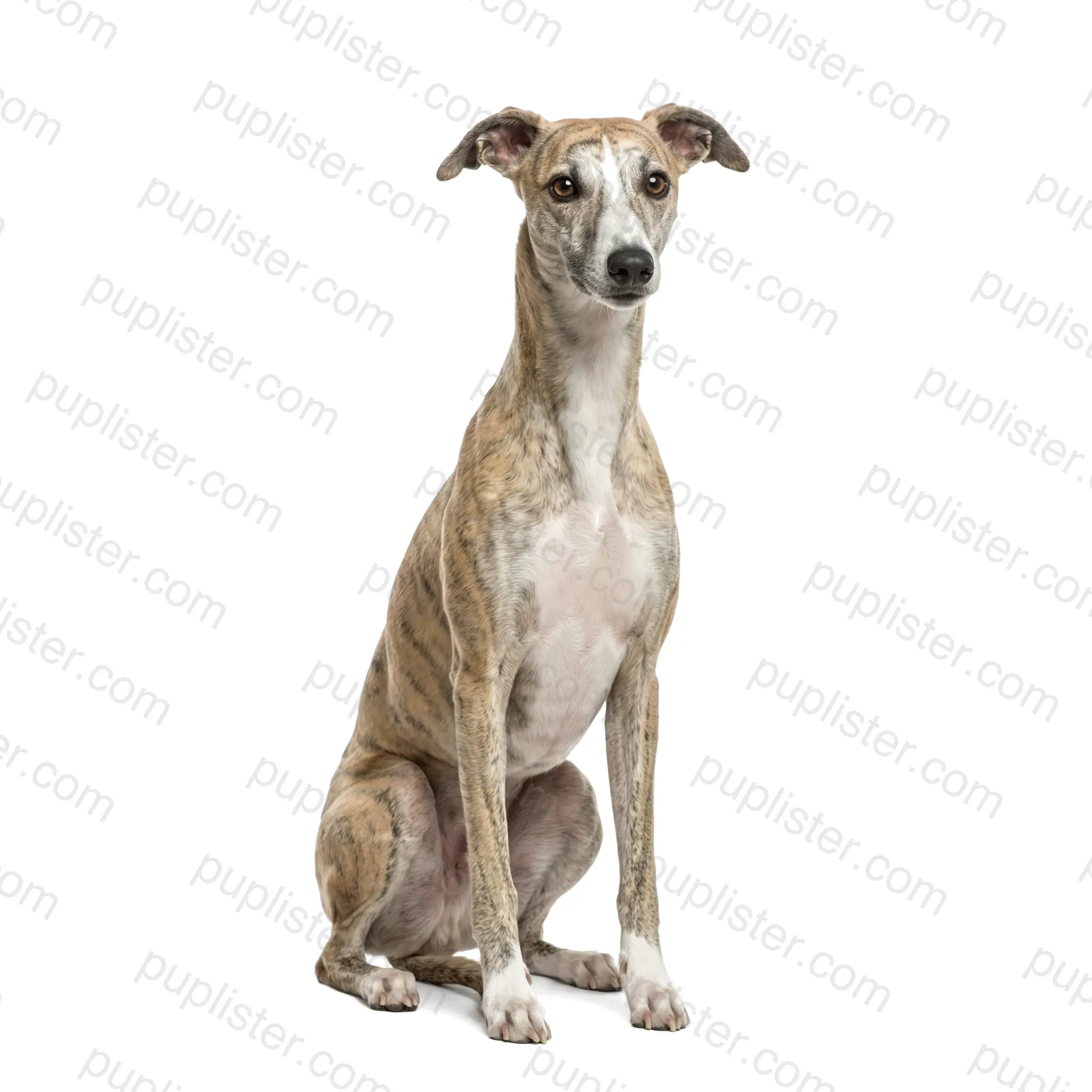
1About the Greyhound The Greyhound is one of the most ancient breeds — depicted in Egyptian tomb art dating back 5,000 years and prized by nobility throughout history for their unmatched speed and grace. Standing 27–30 inches tall and weighing 60–70 pounds, these aerodynamic athletes can reach speeds of 45 miles per hour, making them the fastest dog breed in the world. Their short, smooth coat comes in virtually every color and pattern, including black, white, fawn, red, blue, brindle, and various combinations.Temperament & PersonalityGreyhounds are gentle, quiet, and surprisingly lazy — the ultimate couch potatoes who happen to be world-class sprinters. They are sweet-natured and sensitive dogs that form deep bonds with their owners and are typically good with older children who respect their space. Many retired racing Greyhounds adapt beautifully to home life, though they may need time to learn household basics like stairs, glass doors, and slippery floors.ProsRemarkably calm and quiet indoors — content to sleep 18+ hours a day on the couchLow-maintenance coat — virtually no grooming needs and minimal sheddingGentle, non-aggressive temperament — rarely bark and never show hostility toward peopleMany retired racers are available for adoption — giving these athletes a well-deserved second careerConsStrong prey drive — cannot be trusted off-leash and may chase small dogs, cats, and wildlifeThin skin and minimal body fat make them susceptible to cuts, cold temperatures, and pressure soresSensitive to anesthesia and many common medications due to low body fat percentageProne to osteosarcoma, bloat, and dental disease — especially in retired racing dogsGive a graceful Greyhound the retirement they deserve — browse adoptable Greyhounds on Puplister.
Discover the cheapest ways to adopt a dog near you, from understanding the real value of adoption fees to insider tips for finding low-cost dogs.
Learn the easy steps to transfer dog microchip after adoption. This guide covers finding info, contacting registries, and overcoming common hurdles.
Understand the full dog adoption costs beyond the initial fee, including ongoing care, unexpected expenses, and a 5-year financial forecast.
Foster-to-adopt offers a trial period to see if a dog is the right fit, bridging temporary care and permanent adoption for a happy home.