Adopted Cat Meowing All Night: How to Stop It
Adopted cat meowing all night? Discover why it happens, how to create a calm environment, and a realistic timeline to quiet nighttime meows.
The Labrador Retriever has been America's most popular dog breed for over three decades — and for good reason. Originally bred in Newfoundland, Canada, during the early 19th century to help fishermen haul nets and retrieve catch from the icy North Atlantic, the breed was refined in England into the versatile sporting dog we know today. Labs stand 21.5–24.5 inches tall and weigh 55–80 pounds, with a short, dense, water-resistant double coat in three recognized colors: black, yellow (ranging from fox-red to pale cream), and chocolate.
Labrador Retrievers are friendly, outgoing, and high-spirited — they greet nearly every person, dog, and situation with unbridled enthusiasm and a wagging tail. They are exceptionally patient and gentle with children, making them one of the most trusted family dogs in the world. Labs are also remarkably intelligent and eager to please, which is why they dominate as guide dogs, search-and-rescue dogs, therapy dogs, and detection dogs across dozens of working disciplines.
There's a reason the Lab is the world's favorite dog — discover adoptable Labrador Retrievers on Puplister today.

Answer 5 quick questions to see how well this breed matches your lifestyle.
American Pit Bull Terrier / Labrador Retriever
Labrador Retriever / American Pit Bull Terrier
113 pets available
2About the American Staffordshire Terrier The American Staffordshire Terrier — often called the AmStaff — was developed in the United States from crosses between Bulldogs and Terriers, earning AKC recognition in 1936. They stand 17–19 inches at the shoulder and weigh 40–70 pounds, presenting a stocky, muscular build that radiates power and confidence. Their short, stiff coat comes in a wide variety of colors and patterns, including blue, fawn, brindle, and black, and requires only minimal grooming.Temperament & PersonalityAmStaffs are known for their courage, intelligence, and unwavering loyalty to their families — they are genuinely affectionate dogs who love being at the center of household activities. They are typically excellent with children and are known for their patience and tolerance with youngsters. Proper socialization from puppyhood is critical, as they can be assertive with other dogs, and their strength demands a handler who can provide calm, confident leadership.ProsIncredibly loyal and protective of their family without being overly aggressiveSmart and highly trainable — they excel in obedience, rally, and therapy workShort coat makes grooming a breezeSturdy and athletic, perfect for active families who enjoy outdoor activitiesConsMay face breed-specific legislation and insurance restrictionsRequires early and ongoing socialization with other dogs and animalsProne to hip dysplasia, cardiac disease, and skin allergiesTheir strong jaws and determination mean they can destroy toys and furniture quicklyAmStaffs make incredible family companions when given the right home — search for adoptable American Staffordshire Terriers on Puplister.
2 pets available
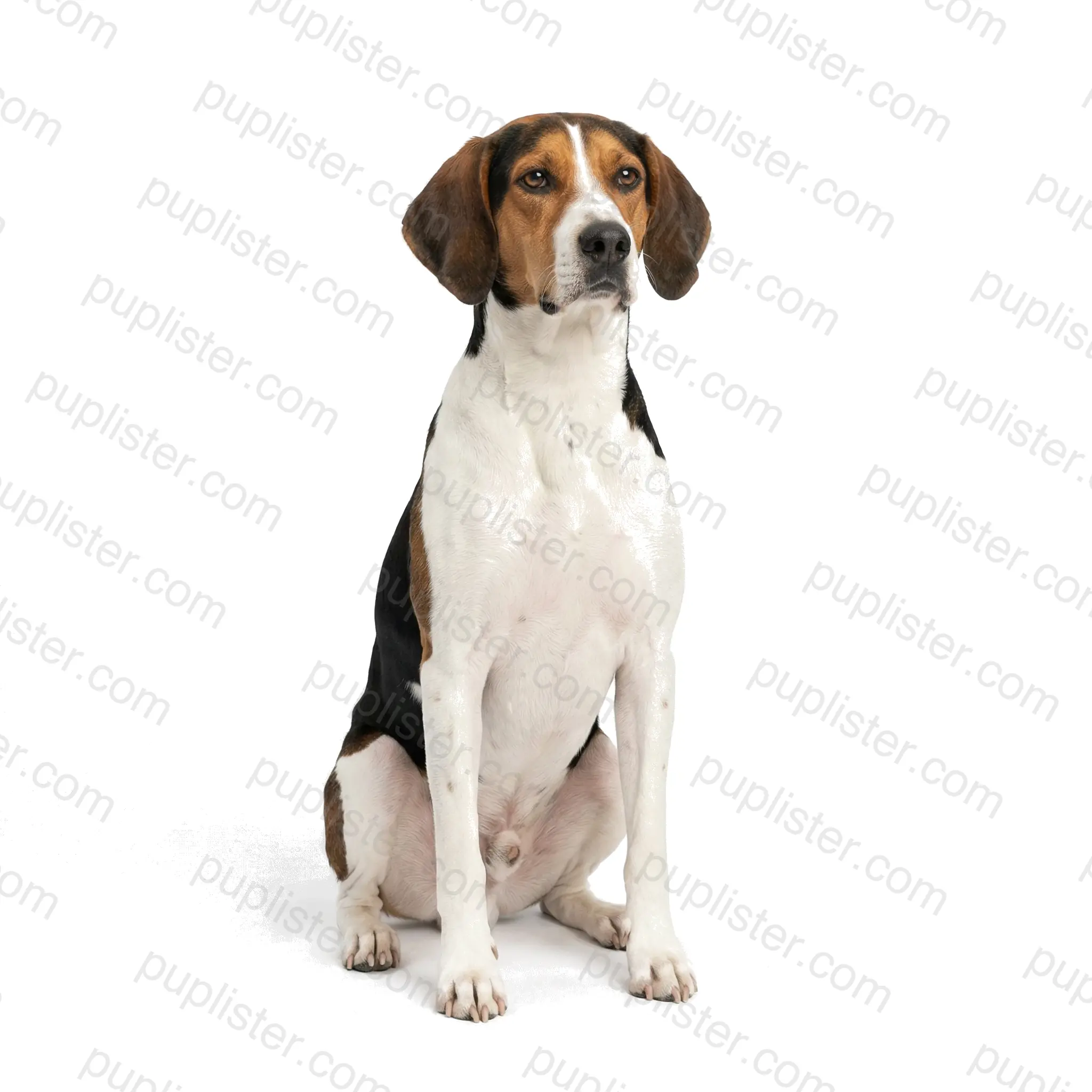
1About the English Setter The English Setter is one of the oldest gun dog breeds — developed in England over 400 years ago to locate game birds by crouching or "setting" to indicate their position. Standing 23–27 inches tall and weighing 45–80 pounds, these graceful dogs are renowned for their beautiful feathered coat in distinctive "belton" patterns — blue belton, orange belton, tricolor, lemon belton, and liver belton. Their elegant appearance, with long, silky ears and a gently flowing coat, has earned them the title of the most beautiful sporting breed.Temperament & PersonalityEnglish Setters are gentle, sweet-natured dogs with a calm indoor demeanor that belies their energetic field abilities. They are exceptionally good with children — patient and tolerant even with rough toddler play — and generally accepting of other dogs and household pets. Their affectionate, people-oriented nature makes them poor kennel dogs; they need to live as part of the family to thrive emotionally.ProsOne of the gentlest sporting breeds — excellent with children of all ages and other petsCalm and quiet indoors when given adequate outdoor exerciseFriendly toward strangers — makes a welcoming family dog without guarding tendenciesVersatile field dog that transitions beautifully from hunting companion to couch cuddlerConsFeathered coat requires regular grooming — brushing 3–4 times weekly to prevent tanglesProne to elbow dysplasia, hypothyroidism, and congenital deafnessStrong hunting instincts — will bolt after birds and small animals if not in a secure areaCan be slow to mature mentally — puppy-like behavior often persists until age 3 or beyondDiscover the beauty and gentleness of the English Setter — find one waiting for a home on Puplister.
37 pets available
About the Dachshund The Dachshund — affectionately known as the "wiener dog" — was developed in Germany over 300 years ago to hunt badgers in their underground dens, which explains their uniquely elongated body and short, powerful legs. They come in two sizes — Standard (16–32 pounds) and Miniature (under 11 pounds) — and three coat types: smooth, longhaired, and wirehaired, each with its own personality nuances. Their color palette is remarkably varied, including red, black and tan, chocolate, dapple, brindle, and piebald patterns.Temperament & PersonalityDachshunds are bold, clever, and remarkably stubborn — a combination that makes them endlessly entertaining and occasionally infuriating. They're fiercely loyal to their families and can be surprisingly courageous watchdogs, barking with the intensity of a dog three times their size. While affectionate with their people, they can be wary of strangers and may not tolerate rough handling from young children.ProsCompact size and moderate exercise needs make them excellent apartment companionsBold, entertaining personality — constantly amusing their owners with clownish anticsLong lifespan of 12–16 years with proper care and weight managementWirehaired variety sheds minimally and is well-suited for allergy-conscious homesConsExtremely prone to intervertebral disc disease — 1 in 4 will experience back problemsNotoriously difficult to housebreak — often takes 6+ months of consistent trainingStrong prey drive and tunneling instinct — will dig up gardens and chase small animals relentlesslyProne to obesity, which dramatically increases the risk of spinal injuriesCharmed by these spirited little hounds? Find Dachshunds seeking loving homes on Puplister today.
2 pets available
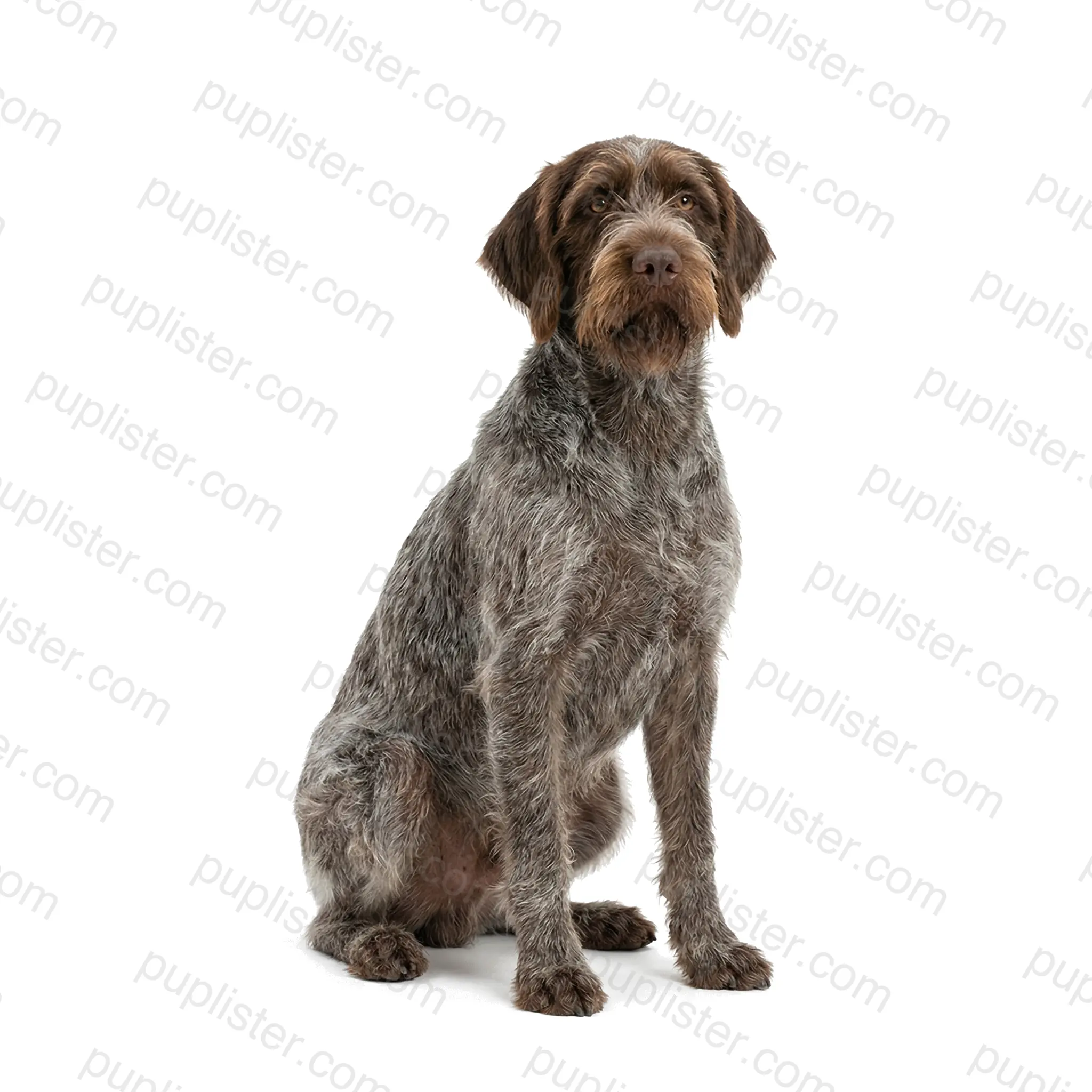
About the Flat-Coated Retriever The Flat-Coated Retriever — often called the "Peter Pan of the dog world" — was developed in 19th-century England as a dual-purpose retriever for both land and water work. Standing 22–24.5 inches tall and weighing 60–70 pounds, this elegant sporting dog wears a lustrous, flat-lying coat of solid black or liver that gives the breed its name. Once the most popular retriever in Britain before being eclipsed by Labradors and Goldens, the Flat-Coat remains a hidden gem among sporting breeds.Temperament & PersonalityFlat-Coated Retrievers are famously exuberant and retain their puppy-like enthusiasm well into old age — a trait that delights their owners but demands patience. They are outgoing, optimistic dogs that greet virtually everyone — family, friends, and strangers alike — with unbridled joy and a wagging tail. Their gentle, playful nature makes them excellent family dogs, though their boisterous energy may overwhelm very young children.ProsPerpetually cheerful and optimistic temperament — a natural mood booster for the householdExcellent with children and other dogs — rarely shows aggressionVersatile sporting dog — excels in field trials, agility, obedience, and therapy workBeautiful, easy-care coat that requires only moderate groomingConsTragically high cancer rates — histiocytic sarcoma and other cancers claim many before age 8Average lifespan of just 8–10 years — significantly shorter than similar-sized breedsSlow to mature mentally and physically — can be challenging during the extended adolescent phasePoor watchdog — greets intruders with the same enthusiasm as family membersGive a joyful Flat-Coated Retriever the loving home they deserve — check available dogs on Puplister today.
Adopted cat meowing all night? Discover why it happens, how to create a calm environment, and a realistic timeline to quiet nighttime meows.
Is your adopted cat not eating? Learn the causes, from stress to past trauma, and discover practical solutions to get your new feline friend eating again.
Is your new cat hiding and won't come out? It's normal, but proactive steps can help. Learn how to build trust with your shy adopted cat.
Discover how long it takes for a rescue cat to feel at home with our experienced guide, covering the 3-3-3 rule and actionable tips.