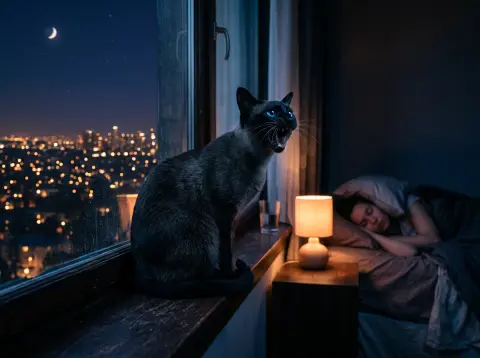
Adopted Cat Meowing All Night: How to Stop It
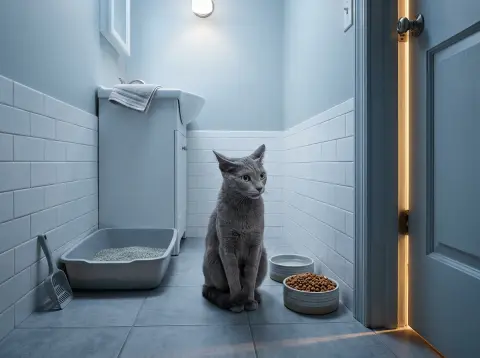
Adopted cat meowing all night? Discover why it happens, how to create a calm environment, and a realistic timeline to quiet nighttime meows.
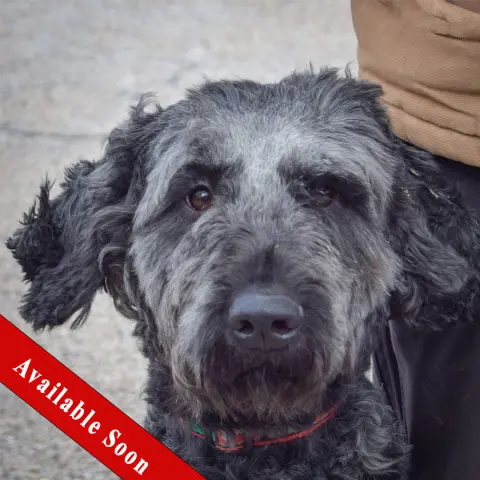
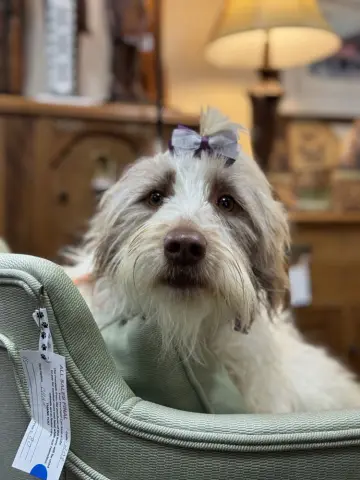
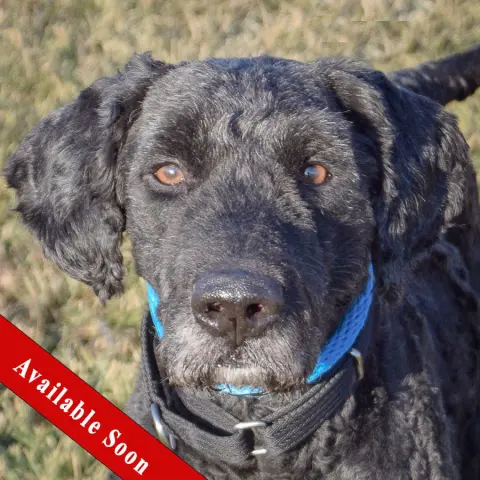
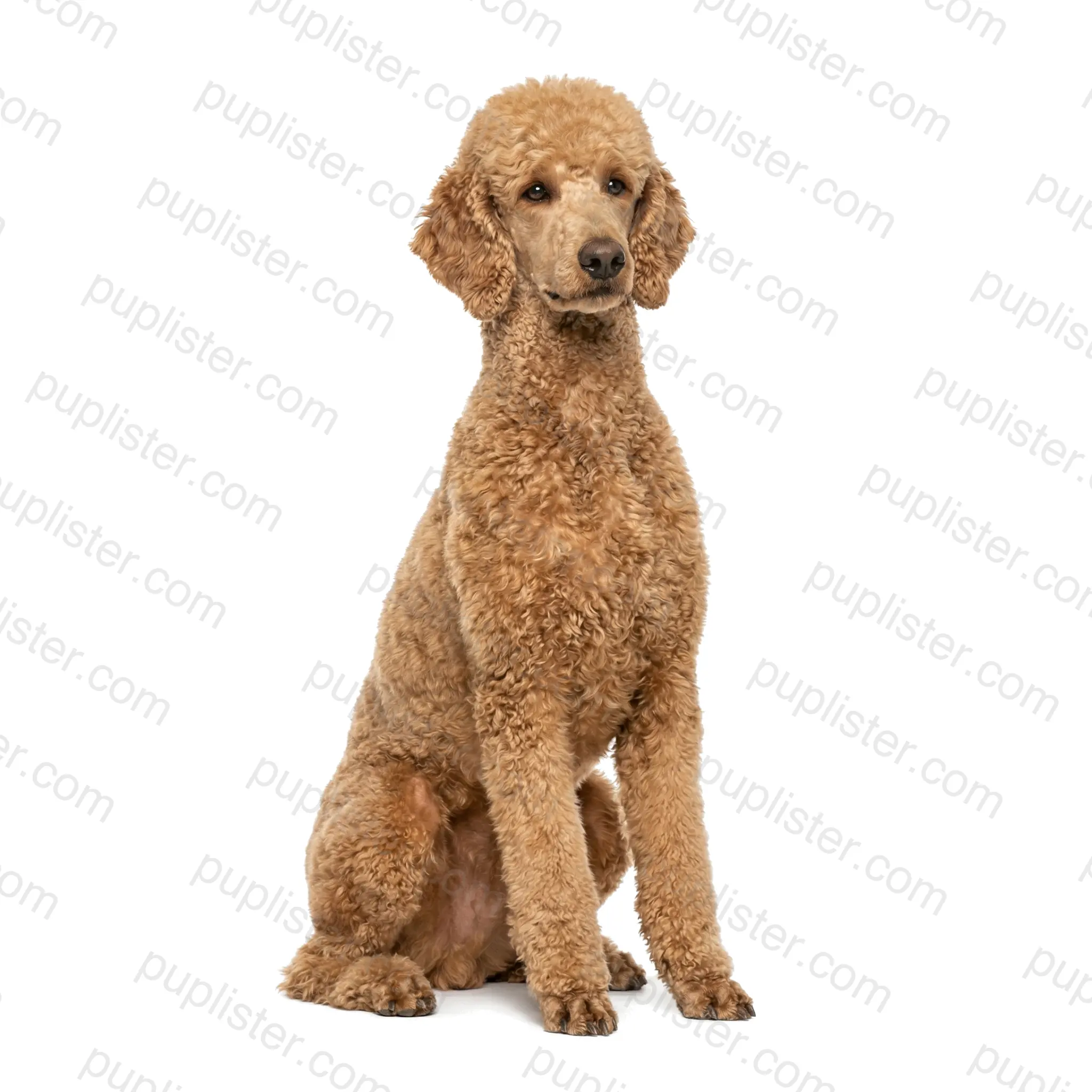
The Poodle — despite its association with France — likely originated in Germany as a water retriever, with the name derived from the German "pudeln" meaning "to splash." The breed comes in three AKC-recognized sizes: Standard (over 15 inches, 40 to 70 pounds), Miniature (10 to 15 inches, 10 to 15 pounds), and Toy (under 10 inches, 4 to 6 pounds). Their dense, curly, single-layer coat is virtually non-shedding and comes in a wide array of solid colors including white, black, apricot, silver, blue, and café au lait.
Poodles are among the most intelligent dog breeds in the world — ranked second only to the Border Collie — with an exceptional ability to learn commands and solve problems. All three sizes are active, proud, and eager to please, forming strong bonds with their families and excelling in virtually every canine sport and discipline. They are generally good with children and other pets, with Standards being the most laid-back and Toys tending to be the most sensitive.
Whether you prefer Standard, Miniature, or Toy — your perfect Poodle match could be on Puplister right now.
Answer 5 quick questions to see how well this breed matches your lifestyle.
3 pets available
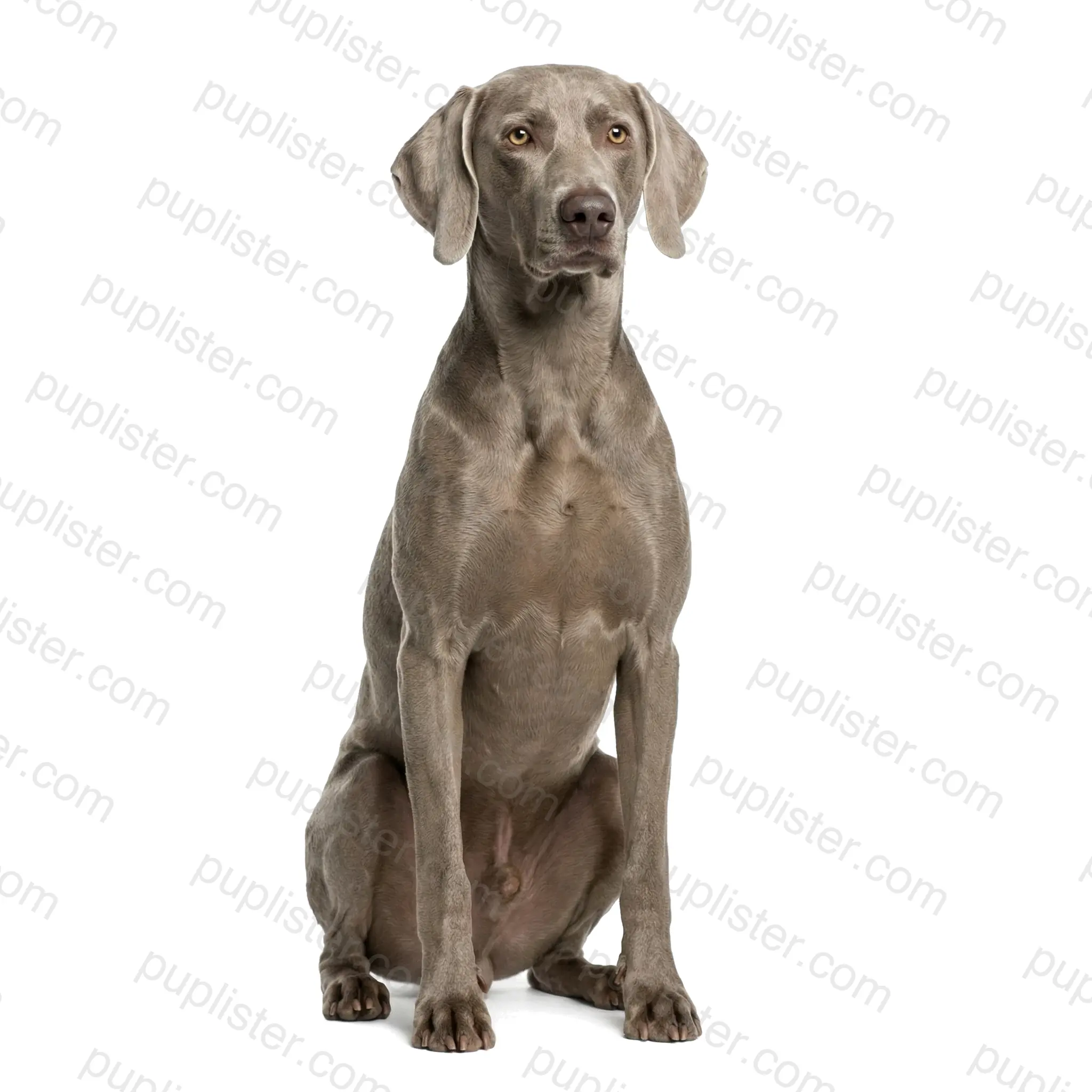
About the Weimaraner The Weimaraner was developed in the early 19th century at the court of Weimar in Germany, where nobles bred these dogs to hunt large game — boar, bear, and deer — before transitioning them to bird dog duties as large game became scarce. These striking, athletic dogs stand 23 to 27 inches tall and weigh 55 to 90 pounds, with a sleek, powerful build designed for speed and endurance. Their distinctive short, smooth coat comes in shades of mouse-gray to silver-gray — earning them the nickname "Gray Ghost" — complemented by striking amber or blue-gray eyes. Temperament & Personality Weimaraners are fearless, friendly, and intensely devoted to their families — they crave human companionship and do not do well as kennel or outdoor-only dogs. They are energetic and playful with children, generally sociable with other dogs, and possess an intelligence that demands both physical and mental outlets. Without adequate exercise and attention, Weimaraners become anxious, destructive, and can develop severe behavioral problems. Pros Strikingly beautiful with an unmistakable silver-gray appearanceVersatile sporting dog — excellent for hunting, running, and competitive eventsHighly intelligent and trainable with consistent, positive methodsShort coat requires minimal grooming and sheds only moderately Cons Extreme separation anxiety — one of the most prone breeds to this conditionRequires intense daily exercise — 2 or more hours of vigorous activity is typicalProne to bloat (gastric torsion), hip dysplasia, and hyperuricosuriaCan be destructive on a grand scale when bored or anxious — has been known to eat through drywall The "Gray Ghost" is a magnificent companion for the active and committed — discover Weimaraners on Puplister.
22 pets available
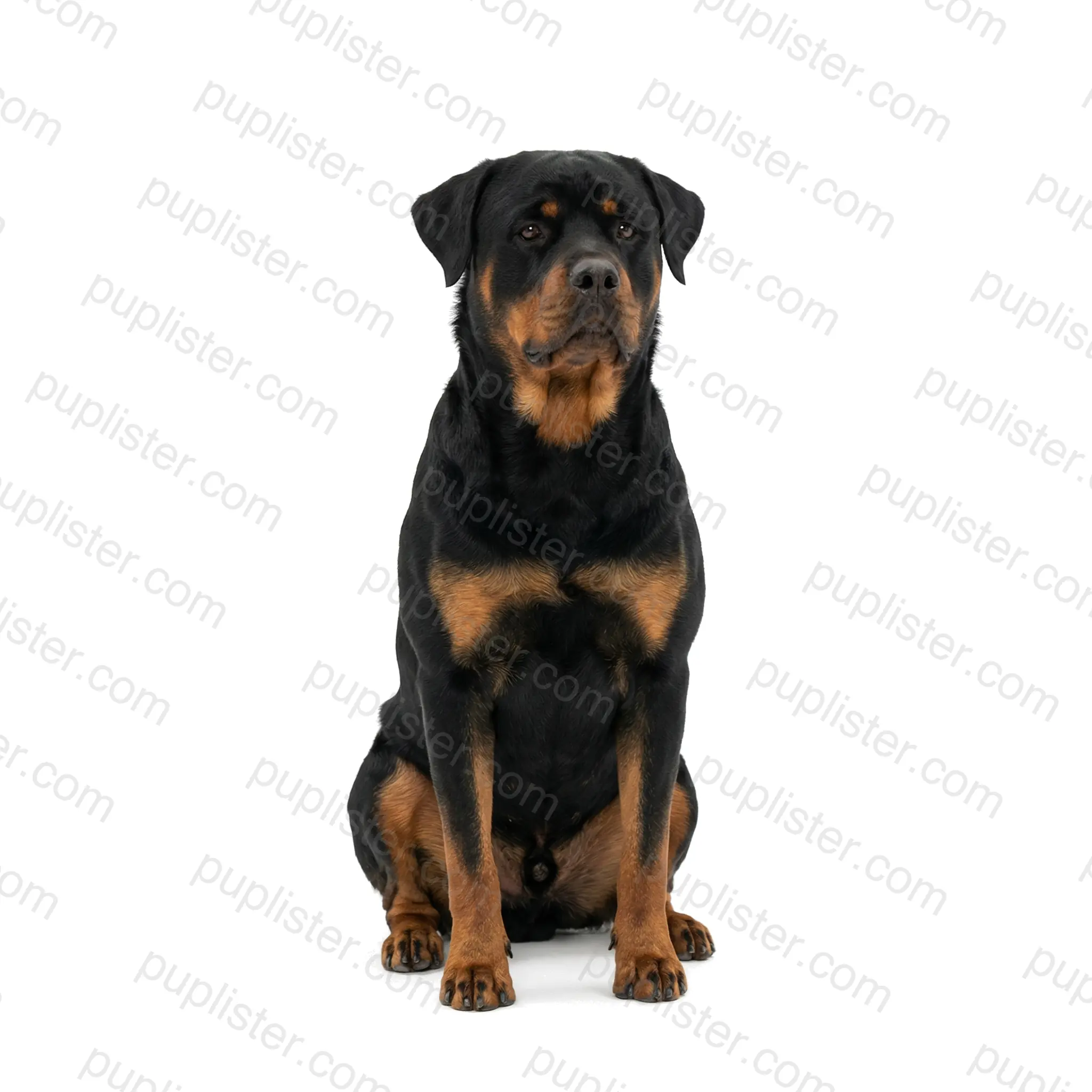
1About the Rottweiler The Rottweiler descends from Roman drover dogs that accompanied legions through the Alps, eventually settling in the German town of Rottweil where they drove cattle and pulled carts for butchers for centuries. These robust, powerful dogs stand 22 to 27 inches tall and weigh 80 to 135 pounds, with a broad head, strong jaws, and a compact, muscular build. Their short, dense double coat is always black with distinctive rust to mahogany markings on the cheeks, muzzle, chest, legs, and above the eyes. Temperament & Personality Rottweilers are confident, calm, and courageous — deeply devoted to their families with a natural guarding instinct that requires responsible ownership and thorough socialization. With proper training and socialization, they are gentle, playful, and even goofy with their families, including children. Rottweilers are intelligent and eager to work, excelling in obedience, tracking, herding, and therapy roles, but they need an owner who provides consistent leadership and clear boundaries. Pros Exceptionally loyal and naturally protective of family without excessive aggressionHighly intelligent and trainable — eager to work and please their handlerVersatile working dog excelling in obedience, search and rescue, and therapyLow-maintenance coat requiring only weekly brushing Cons Requires experienced ownership with consistent training and early socializationProne to hip and elbow dysplasia, osteosarcoma, and bloatBreed-specific legislation and homeowner's insurance restrictions in many areasCan develop territorial aggression without proper socialization and leadership A well-raised Rottweiler is one of the finest companions in the canine world — explore adoption listings on Puplister.
101 pets available
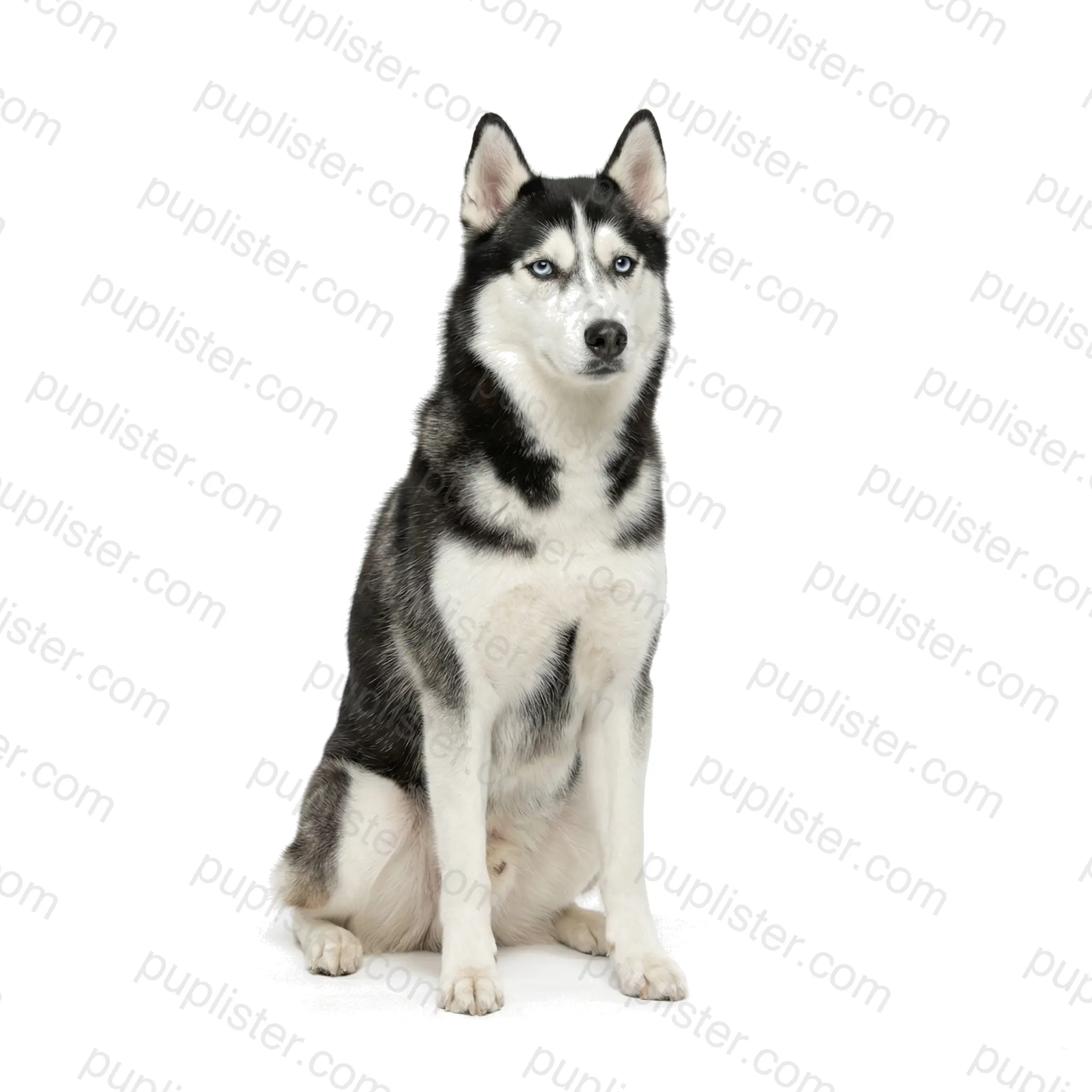
1About the Siberian Husky The Siberian Husky was developed over thousands of years by the Chukchi people of northeastern Siberia as an endurance sled dog capable of pulling light loads over vast frozen distances in extreme cold. These athletic, medium-sized dogs stand 20 to 23.5 inches tall and weigh 35 to 60 pounds, with a graceful, effortless gait that reflects their incredible stamina. Their thick double coat comes in virtually every color from pure white to black, often with striking facial markings, and their eyes can be brown, blue, or even one of each (heterochromia). Temperament & Personality Siberian Huskies are friendly, outgoing, and mischievous — pack-oriented dogs that love people and make terrible guard dogs because they greet everyone like a long-lost friend. They are playful and gentle with children and generally good with other dogs, though their high prey drive makes them a risk around cats and small animals. Huskies are intelligent but famously independent, preferring to make their own decisions rather than follow commands — a trait that requires patience and humor from their owners. Pros Friendly, social, and gentle with children and strangers alikeNaturally clean with little doggy odor — self-grooming like a catOutstanding endurance athlete for running, hiking, and winter sportsHealthy breed with a lifespan of 12 to 14 years Cons Extreme shedding — blows the entire undercoat twice yearly in massive quantitiesLegendary escape artists — can jump fences, dig under them, and open latchesStrong prey drive makes them dangerous around cats, rabbits, and small animalsNot suited for hot climates and requires air conditioning in warm regions The Siberian Husky's adventurous spirit and stunning beauty are irresistible — find Huskies seeking forever homes on Puplister.
51 pets available
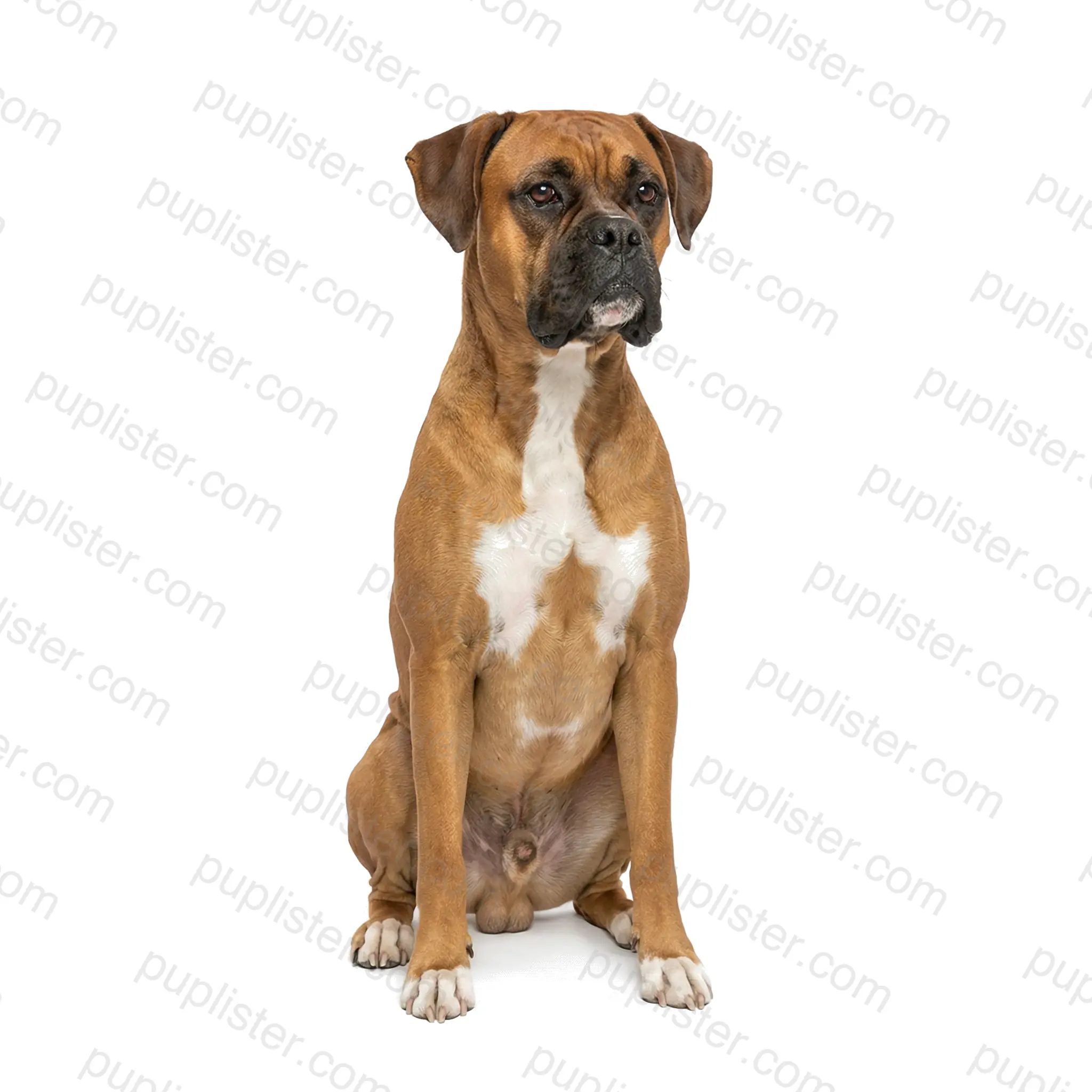
2About the Boxer The Boxer was developed in Germany in the late 19th century from the now-extinct Bullenbeisser — a powerful hunting mastiff — crossed with English Bulldogs. Standing 21.5–25 inches tall and weighing 50–80 pounds, the Boxer is a medium-to-large, well-muscled dog with a distinctive square head, undershot jaw, and alert expression. Their short, tight-fitting coat comes in fawn and brindle — sometimes with white markings — and requires very little grooming beyond occasional brushing.Temperament & PersonalityBoxers are playful, energetic, and utterly devoted to their families — they are often called the "Peter Pan" of dog breeds because they maintain their puppyish exuberance well into adulthood. They are exceptional with children, combining patience and protectiveness with a love of play that makes them natural family dogs. Boxers are alert and courageous, making them effective watchdogs, but they are also clownish and affectionate — they're famous for their "kidney bean" wiggle of excitement.ProsOutstanding family dog — patient, protective, and endlessly playful with childrenNatural watchdog with a courageous yet non-aggressive temperamentShort coat requires minimal grooming effortEnergetic and athletic — great companion for running, hiking, and active playConsProne to cancer — one of the breeds most affected, particularly mast cell tumors and lymphomaBrachycephalic tendencies lead to heat intolerance and breathing difficulties during vigorous exerciseCan be excessively boisterous and may accidentally knock over small children or elderly family membersSusceptible to heart conditions including aortic stenosis and dilated cardiomyopathyBoxers bring boundless energy and unconditional love to every family — browse adoptable Boxers on Puplister and find your playful companion.
Adopted cat meowing all night? Discover why it happens, how to create a calm environment, and a realistic timeline to quiet nighttime meows.
Is your adopted cat not eating? Learn the causes, from stress to past trauma, and discover practical solutions to get your new feline friend eating again.
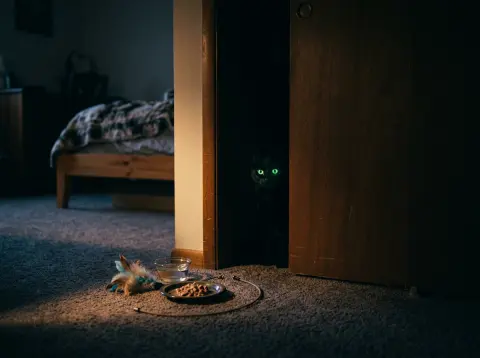
Is your new cat hiding and won't come out? It's normal, but proactive steps can help. Learn how to build trust with your shy adopted cat.
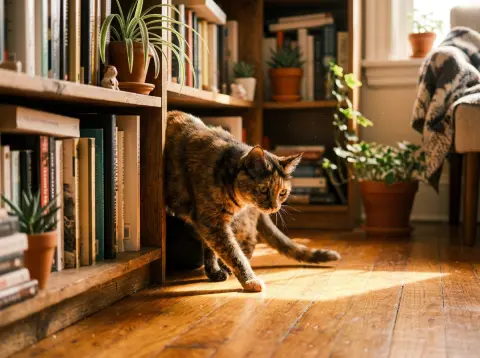
Discover how long it takes for a rescue cat to feel at home with our experienced guide, covering the 3-3-3 rule and actionable tips.