Regret Adopting a Cat? How to Handle the Feeling
Feeling regret after adopting a cat is normal. Discover common causes, understand your cat's adjustment, and learn practical steps to cope and get support.
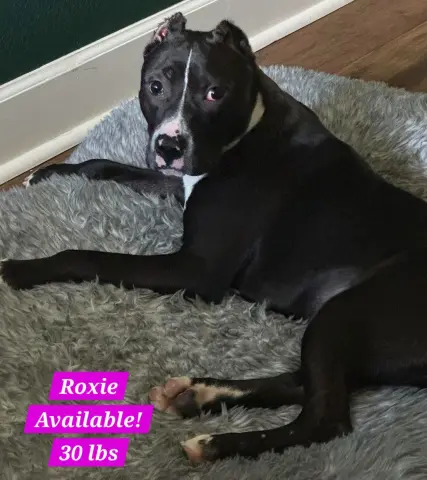
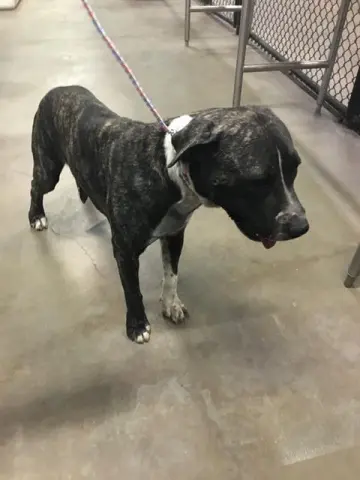
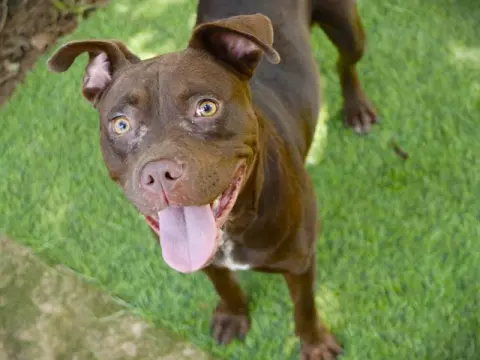
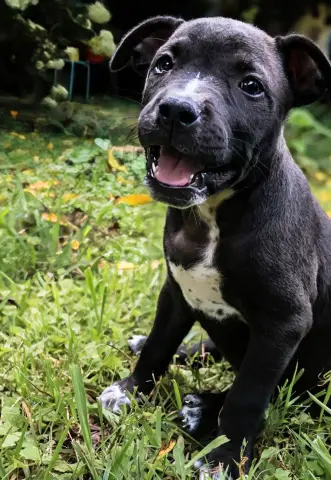
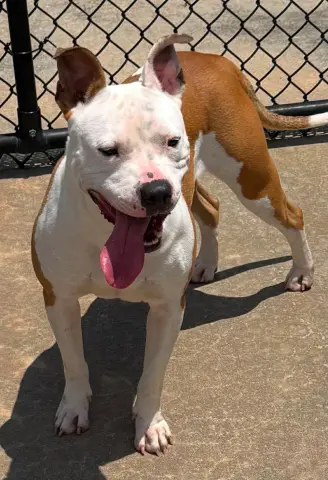
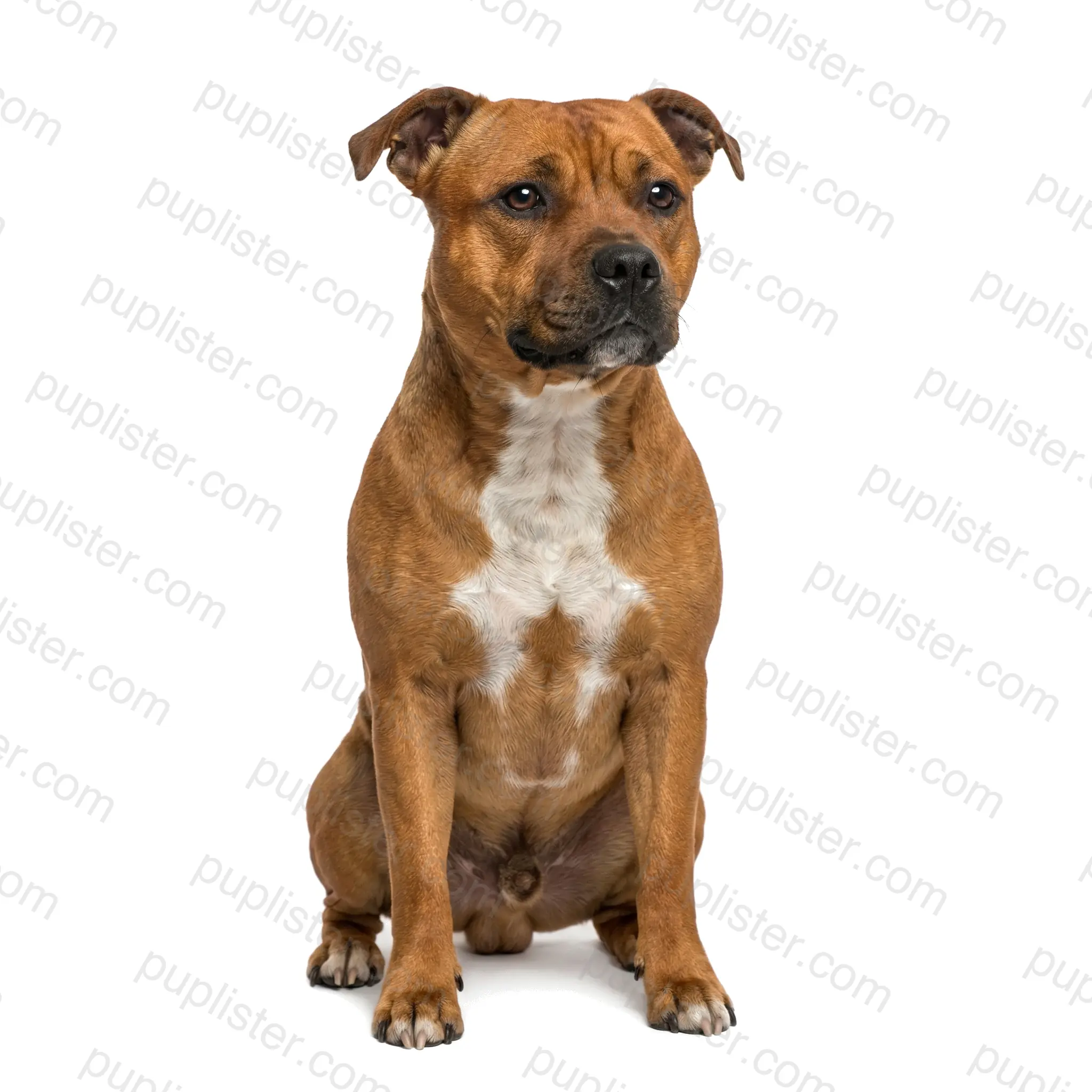
The Staffordshire Bull Terrier was developed in 19th-century England's Staffordshire region from crosses between Bulldogs and various terriers, originally bred for bull-baiting and later as a compact, agile fighting dog — a history that belies its true nature as a devoted family companion. These muscular, athletic dogs stand 14 to 16 inches tall and weigh 24 to 38 pounds, packed with surprising strength and agility in a compact frame. Their smooth, short coat comes in red, fawn, white, black, blue, or brindle — with or without white markings.
Staffordshire Bull Terriers are affectionate, courageous, and remarkably gentle with people — earning the nickname "nanny dog" in England for their extraordinary patience and devotion to children. They adore human companionship, are playful well into adulthood, and form intensely loyal bonds with their families. While they can be assertive with other dogs, proper socialization from puppyhood typically produces a confident, well-adjusted adult that gets along with everyone.
Staffies are among the most devoted family dogs in existence — find a Staffordshire Bull Terrier on Puplister and see for yourself.
Answer 5 quick questions to see how well this breed matches your lifestyle.
Staffordshire Bull Terrier / American Staffordshire Terrier
5 pets available
1About the Redbone Coonhound The Redbone Coonhound was developed in the southern United States during the late 18th century from red foxhounds brought by Scottish immigrants, refined over generations into a sleek, powerful trailing hound. These athletic dogs stand 21 to 27 inches tall and weigh 45 to 70 pounds, with a lean yet muscular build designed for stamina over rough terrain. Their rich, deep red coat — the breed's most distinctive feature — is short, smooth, and glossy, giving them a strikingly handsome appearance. Temperament & Personality Redbone Coonhounds are easygoing, affectionate, and remarkably gentle for a hunting breed — they love being around their people and are known for their mellow, agreeable disposition at home. They are excellent with children, typically friendly with other dogs, and possess a happy-go-lucky attitude that makes them wonderful family companions. On the trail, however, they become focused and driven, with a deep, melodious bay that carries for miles. Pros Gentle, laid-back temperament that makes them great family dogsStrikingly beautiful red coat with minimal grooming requirementsExcellent hiking and outdoor companion with tireless staminaGood with children, other dogs, and typically non-aggressive Cons Extremely vocal — deep baying and howling can disturb neighborsVery strong scent drive makes off-leash reliability nearly impossibleCan be slow to housetrain compared to many other breedsProne to hip dysplasia, ear infections due to long ears, and obesity The Redbone Coonhound's gentle soul and gorgeous coat are hard to resist — discover available Redbones on Puplister.
3 pets available
1About the Weimaraner The Weimaraner was developed in the early 19th century at the court of Weimar in Germany, where nobles bred these dogs to hunt large game — boar, bear, and deer — before transitioning them to bird dog duties as large game became scarce. These striking, athletic dogs stand 23 to 27 inches tall and weigh 55 to 90 pounds, with a sleek, powerful build designed for speed and endurance. Their distinctive short, smooth coat comes in shades of mouse-gray to silver-gray — earning them the nickname "Gray Ghost" — complemented by striking amber or blue-gray eyes. Temperament & Personality Weimaraners are fearless, friendly, and intensely devoted to their families — they crave human companionship and do not do well as kennel or outdoor-only dogs. They are energetic and playful with children, generally sociable with other dogs, and possess an intelligence that demands both physical and mental outlets. Without adequate exercise and attention, Weimaraners become anxious, destructive, and can develop severe behavioral problems. Pros Strikingly beautiful with an unmistakable silver-gray appearanceVersatile sporting dog — excellent for hunting, running, and competitive eventsHighly intelligent and trainable with consistent, positive methodsShort coat requires minimal grooming and sheds only moderately Cons Extreme separation anxiety — one of the most prone breeds to this conditionRequires intense daily exercise — 2 or more hours of vigorous activity is typicalProne to bloat (gastric torsion), hip dysplasia, and hyperuricosuriaCan be destructive on a grand scale when bored or anxious — has been known to eat through drywall The "Gray Ghost" is a magnificent companion for the active and committed — discover Weimaraners on Puplister.
14 pets available
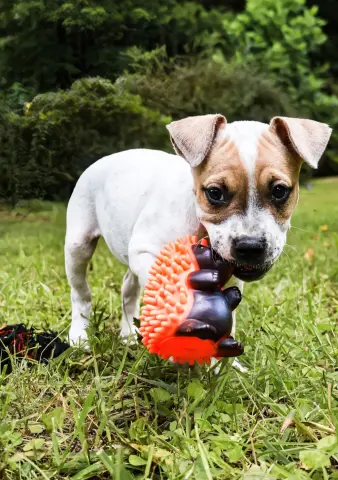
2About the Miniature Pinscher The Miniature Pinscher — affectionately called the "Min Pin" — originated in Germany several centuries ago, likely bred from a combination of Dachshunds and Italian Greyhounds. Standing 10 to 12.5 inches tall and weighing 8 to 12 pounds, these spirited dogs are far older than the Doberman and are not simply a scaled-down version of that breed. Their sleek, smooth coat comes in red, stag red, black and tan, or chocolate and tan with a naturally glossy sheen. Temperament & Personality Miniature Pinschers are bold, energetic, and remarkably self-assured — often described as having a big-dog attitude in a toy-sized body. They are entertaining and devoted to their owners but can be independent and stubborn during training sessions. Min Pins generally do well with older children and can coexist with other dogs, though they may try to assert dominance over much larger breeds. Pros Minimal grooming needed thanks to their short, smooth coatExcellent watchdog with an alert, vocal natureCompact size perfect for apartment and urban livingHighly energetic and entertaining companion for active owners Cons Notorious escape artists — can squeeze through small gaps and jump surprisingly highProne to patellar luxation and Legg-Calvé-Perthes diseaseStubborn streak makes housetraining more challenging than averageHigh prey drive means unreliable off-leash in unfenced areas Think a fearless little companion with endless personality is right for you? Search for Miniature Pinschers available on Puplister.
16 pets available
2About the Miniature Schnauzer The Miniature Schnauzer was developed in Germany in the late 19th century by crossing Standard Schnauzers with smaller breeds like the Affenpinscher and Poodle. These sturdy little dogs stand 12 to 14 inches tall and weigh 11 to 20 pounds, carrying a distinctive wiry double coat in salt and pepper, black and silver, solid black, or white. Their trademark bushy eyebrows, full beard, and cropped or natural ears give them an unmistakably distinguished appearance. Temperament & Personality Miniature Schnauzers are spirited, friendly, and remarkably obedient — consistently ranking among the most popular terrier breeds in America. They bond closely with their families, are typically wonderful with children, and get along well with other household pets. Unlike many terrier breeds, they tend to be less aggressive toward other dogs, making them excellent all-around family companions. Pros Low-shedding wiry coat suitable for allergy-conscious householdsHighly trainable and eager to please with consistent methodsAdaptable to apartments, suburbs, or rural settings equally wellRobust health with a lifespan of 12 to 15 years Cons Tendency to bark frequently — can be vocal about everythingRequires regular professional grooming or hand-stripping every 6 to 8 weeksSusceptible to pancreatitis, urinary stones, and hyperlipidemiaStrong prey drive toward squirrels, rabbits, and other small animals outdoors Discover your ideal Miniature Schnauzer companion — check available listings right here on Puplister.
Feeling regret after adopting a cat is normal. Discover common causes, understand your cat's adjustment, and learn practical steps to cope and get support.
Adopted cat meowing all night? Discover why it happens, how to create a calm environment, and a realistic timeline to quiet nighttime meows.
Is your adopted cat not eating? Learn the causes, from stress to past trauma, and discover practical solutions to get your new feline friend eating again.
Is your new cat hiding and won't come out? It's normal, but proactive steps can help. Learn how to build trust with your shy adopted cat.