Can You Adopt a Cat If You Live Alone?
Adopting a cat when you live alone is entirely possible and rewarding. Learn how to choose the right cat, prepare your home, and navigate the adoption.
The Staffordshire Bull Terrier was developed in 19th-century England's Staffordshire region from crosses between Bulldogs and various terriers, originally bred for bull-baiting and later as a compact, agile fighting dog — a history that belies its true nature as a devoted family companion. These muscular, athletic dogs stand 14 to 16 inches tall and weigh 24 to 38 pounds, packed with surprising strength and agility in a compact frame. Their smooth, short coat comes in red, fawn, white, black, blue, or brindle — with or without white markings.
Staffordshire Bull Terriers are affectionate, courageous, and remarkably gentle with people — earning the nickname "nanny dog" in England for their extraordinary patience and devotion to children. They adore human companionship, are playful well into adulthood, and form intensely loyal bonds with their families. While they can be assertive with other dogs, proper socialization from puppyhood typically produces a confident, well-adjusted adult that gets along with everyone.
Staffies are among the most devoted family dogs in existence — find a Staffordshire Bull Terrier on Puplister and see for yourself.

Answer 5 quick questions to see how well this breed matches your lifestyle.
American Pit Bull Terrier / Staffordshire Bull Terrier
4 pets available
11About the Shetland Sheepdog The Shetland Sheepdog — or "Sheltie" — was developed on Scotland's remote Shetland Islands, where harsh conditions favored smaller, efficient herding dogs that could thrive on limited resources. Standing 13 to 16 inches tall and weighing 15 to 25 pounds, Shelties resemble a miniature Rough Collie but are a distinct breed with their own standard and lineage. Their abundant double coat features a long, straight outer layer and dense undercoat, coming in sable, black, and blue merle — all typically with white and tan markings. Temperament & Personality Shetland Sheepdogs are incredibly intelligent, sensitive, and eager to please — consistently ranked among the top 10 most trainable dog breeds in the world. They are devoted to their families and particularly gentle with children, often forming an especially strong bond with one household member. Shelties can be reserved with strangers and may bark to alert their family, but their sensitivity and willingness to learn make them wonderful companions for patient, attentive owners. Pros Exceptionally intelligent — excels in agility, obedience, and herding competitionsGentle, affectionate, and outstanding with childrenCompact size with all the beauty and grace of a CollieLoyal and deeply bonded to their family Cons Heavy shedding — the dense double coat requires frequent brushing and sheds year-roundProne to excessive barking, especially when excited or alertingSusceptible to Collie eye anomaly, hip dysplasia, and dermatomyositisCan be timid and fearful without proper early socialization Shelties combine beauty, brains, and devotion in one elegant package — explore Shetland Sheepdog adoption options on Puplister.
661 pets available
193About the Siberian Husky The Siberian Husky was developed over thousands of years by the Chukchi people of northeastern Siberia as an endurance sled dog capable of pulling light loads over vast frozen distances in extreme cold. These athletic, medium-sized dogs stand 20 to 23.5 inches tall and weigh 35 to 60 pounds, with a graceful, effortless gait that reflects their incredible stamina. Their thick double coat comes in virtually every color from pure white to black, often with striking facial markings, and their eyes can be brown, blue, or even one of each (heterochromia). Temperament & Personality Siberian Huskies are friendly, outgoing, and mischievous — pack-oriented dogs that love people and make terrible guard dogs because they greet everyone like a long-lost friend. They are playful and gentle with children and generally good with other dogs, though their high prey drive makes them a risk around cats and small animals. Huskies are intelligent but famously independent, preferring to make their own decisions rather than follow commands — a trait that requires patience and humor from their owners. Pros Friendly, social, and gentle with children and strangers alikeNaturally clean with little doggy odor — self-grooming like a catOutstanding endurance athlete for running, hiking, and winter sportsHealthy breed with a lifespan of 12 to 14 years Cons Extreme shedding — blows the entire undercoat twice yearly in massive quantitiesLegendary escape artists — can jump fences, dig under them, and open latchesStrong prey drive makes them dangerous around cats, rabbits, and small animalsNot suited for hot climates and requires air conditioning in warm regions The Siberian Husky's adventurous spirit and stunning beauty are irresistible — find Huskies seeking forever homes on Puplister.
40 pets available
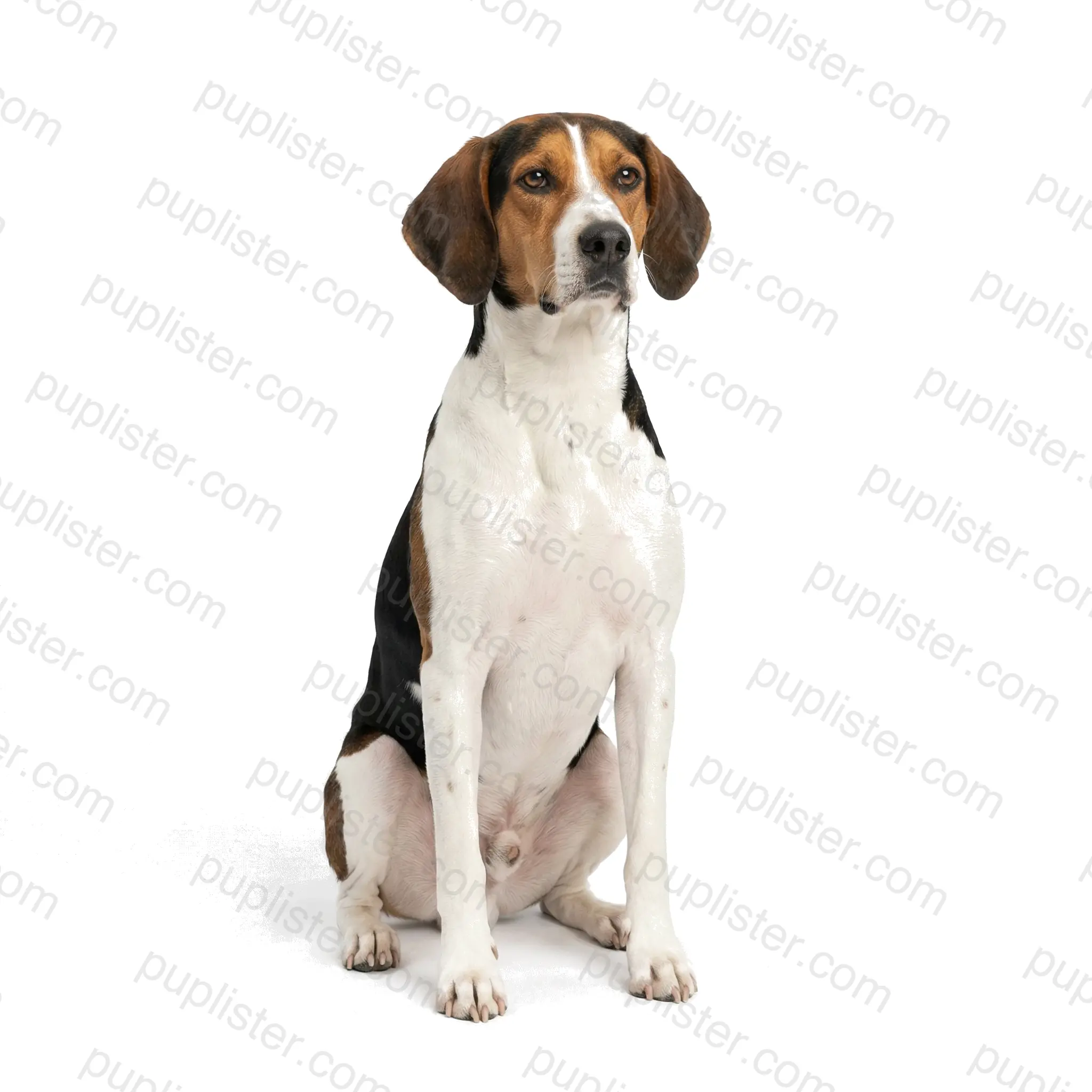
11About the Treeing Walker Coonhound The Treeing Walker Coonhound was developed in the United States from Walker Foxhounds in the mid-20th century, selectively bred for their exceptional ability to trail game and "tree" raccoons by chasing them up a tree and baying until the hunter arrives. These elegant, athletic hounds stand 20 to 27 inches tall and weigh 50 to 70 pounds, with a lean, muscular build and the classic tricolor pattern — white, black, and tan — reminiscent of their foxhound ancestry. Their short, smooth coat is dense and protective, well-suited for long hours working through brush and rough terrain. Temperament & Personality Treeing Walker Coonhounds are confident, intelligent, and affable — possessing a friendly, sociable nature that makes them enjoyable companions both in the field and at home. They are gentle with children, typically welcoming to strangers, and usually get along well with other dogs, especially those they've been raised with. Their hunting instincts run deep, however, and they can switch from couch potato to tireless tracker the moment an interesting scent crosses their path. Pros Friendly, easygoing temperament — excellent with families and other dogsLow-maintenance coat needing only weekly brushingSuperb endurance for hiking, running, and outdoor adventuresGenerally healthy breed with a lifespan of 12 to 13 years Cons Extremely vocal — loud baying and howling are a defining breed traitPowerful scent drive makes off-leash reliability very challengingRequires substantial daily exercise — bored Walkers can be destructiveProne to ear infections and hip dysplasia Treeing Walker Coonhounds bring athletic grace and a sweet disposition to any home — explore available listings on Puplister.
21 pets available
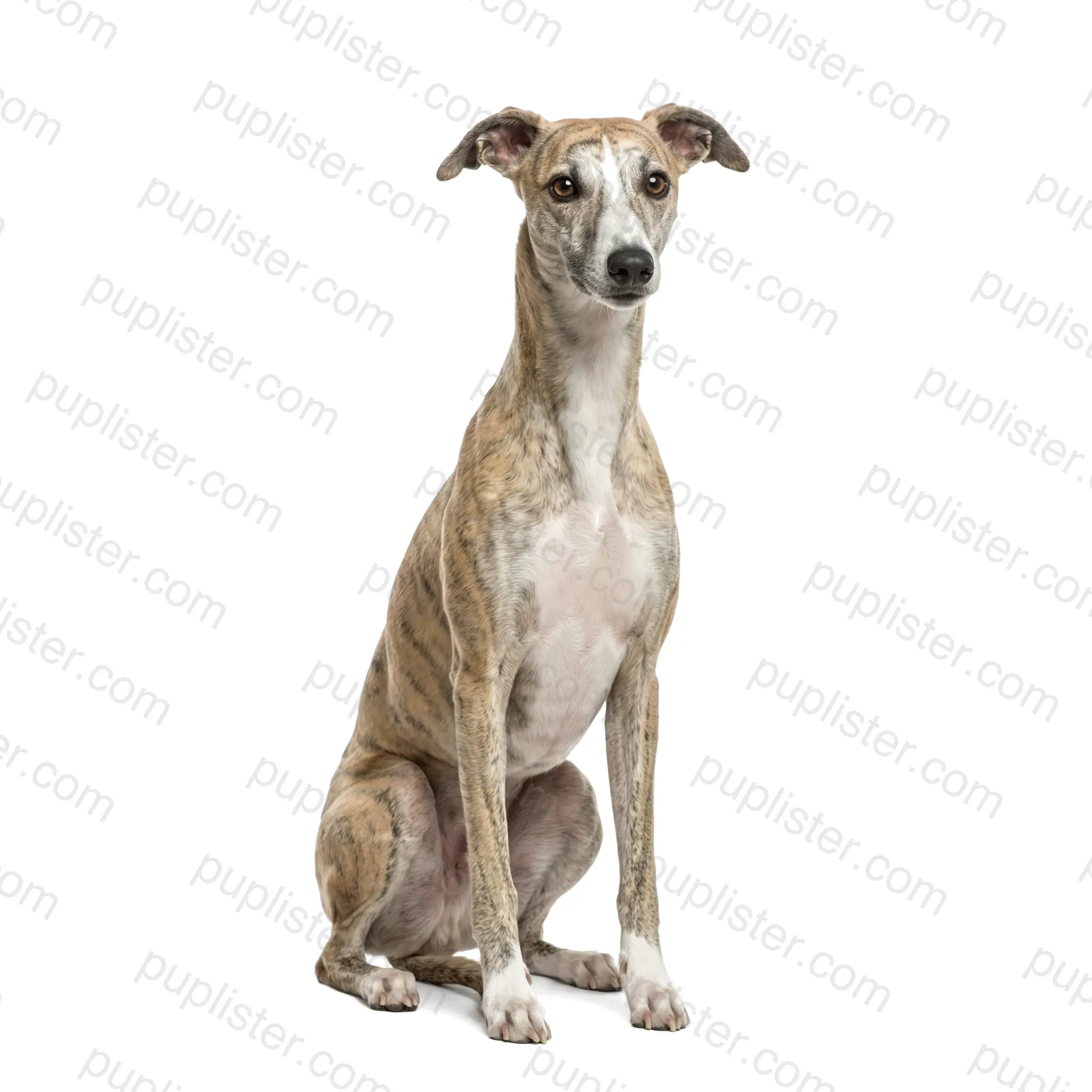
10About the Whippet The Whippet was developed in Victorian England by coal miners and mill workers who bred small Greyhounds with terriers to create an affordable racing and rabbit-coursing dog — earning the nickname "the poor man's racehorse." These elegant sighthounds stand 18 to 22 inches tall and weigh 25 to 40 pounds, with a streamlined, aerodynamic build capable of reaching speeds up to 35 miles per hour. Their short, smooth coat comes in virtually any color or pattern and lies close to the body, accentuating their graceful, muscular contours. Temperament & Personality Whippets are gentle, quiet, and remarkably calm indoors — often spending hours draped elegantly across furniture in poses that would make a greyhound proud. They are affectionate and sensitive with their families, good with children (though their slender build makes them vulnerable to rough play), and generally friendly with other dogs. Despite their sprinting ability, Whippets are surprisingly low-energy at home and are often described as the ideal apartment dog for owners who enjoy outdoor exercise. Pros Extremely calm and quiet indoors — one of the most unobtrusive housematesShort, low-maintenance coat with minimal shedding and no doggy odorGentle, affectionate nature — rarely aggressive toward people or other dogsHealthy breed with a long lifespan of 12 to 15 years Cons Intense prey drive — will chase and potentially catch small animals including catsThin skin and low body fat make them sensitive to cold and prone to scrapesCannot be trusted off-leash in unfenced areas — once they run, they cannot hear youSusceptible to anesthesia sensitivity and cardiac arrhythmias Whippets are the perfect blend of couch companion and outdoor athlete — find one looking for a home on Puplister.
Adopting a cat when you live alone is entirely possible and rewarding. Learn how to choose the right cat, prepare your home, and navigate the adoption.
Worried about your cat throwing up after eating? Learn the common and serious causes of feline regurgitation and vomiting, plus expert vet tips for.
Adopting a cat doesn't have to be expensive. With smart budgeting and the right resources, even those on a tight income can provide a loving, healthy home for a feline companion.
Is your rescue dog peeing in the house? Learn common causes, a 30-day potty training plan, and expert fixes for house-soiling issues.