Dog Breeds
Explore our collection of dog breeds and find the perfect companion for your family.
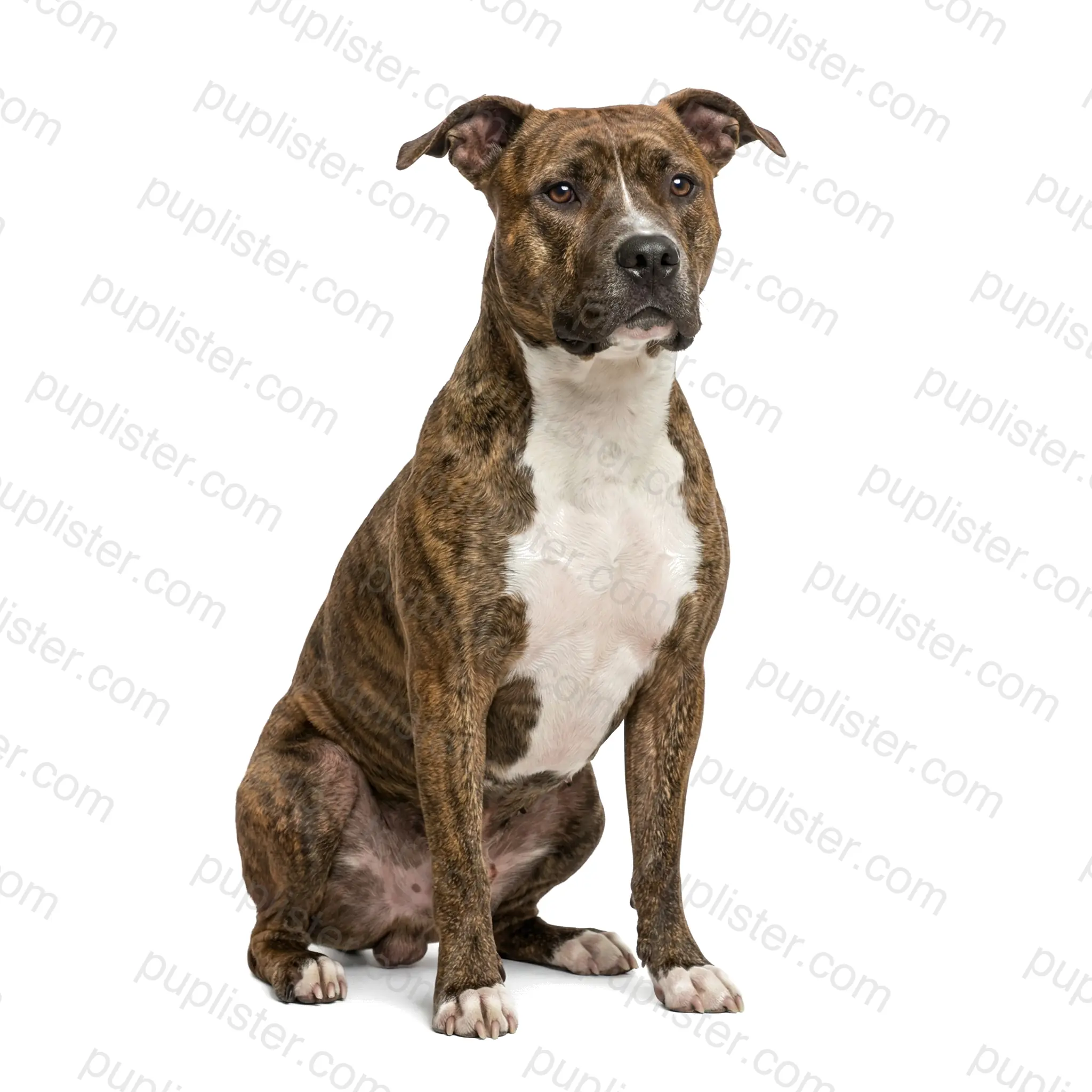
315 pets available
4About the American Pit Bull Terrier The American Pit Bull Terrier traces its roots to 19th-century England, where Bulldogs and Terriers were crossed to create a dog combining strength with agility. Standing 17–21 inches tall and weighing 30–60 pounds, the APBT is a medium-sized, solidly built dog with a broad chest and well-defined musculature. Their short, glossy coat comes in virtually every color and pattern — including blue, red, brindle, and merle — and is exceptionally easy to maintain.Temperament & PersonalityDespite their often-misunderstood reputation, American Pit Bull Terriers are among the most people-oriented breeds — they are affectionate, eager to please, and frequently described as "nanny dogs" for their gentleness with children. They are intelligent, loyal, and enthusiastic about training when given positive reinforcement. However, some individuals may exhibit dog-selectivity, and responsible ownership includes understanding their terrier-driven tenacity.ProsExtremely affectionate and loyal — they bond deeply with every family memberHighly trainable and eager to please, excelling in obedience and noseworkLow grooming needs with their short, easy-care coatAthletic and energetic — outstanding companion for active lifestylesConsSubject to breed-specific legislation and housing restrictions in many areasMay develop dog-selectivity, requiring careful management around other dogsStrong and powerful — not ideal for physically frail ownersProne to skin allergies, hip dysplasia, and congenital heart diseaseThese loving, misunderstood dogs deserve wonderful homes — browse adoptable Pit Bull Terriers on Puplister today.
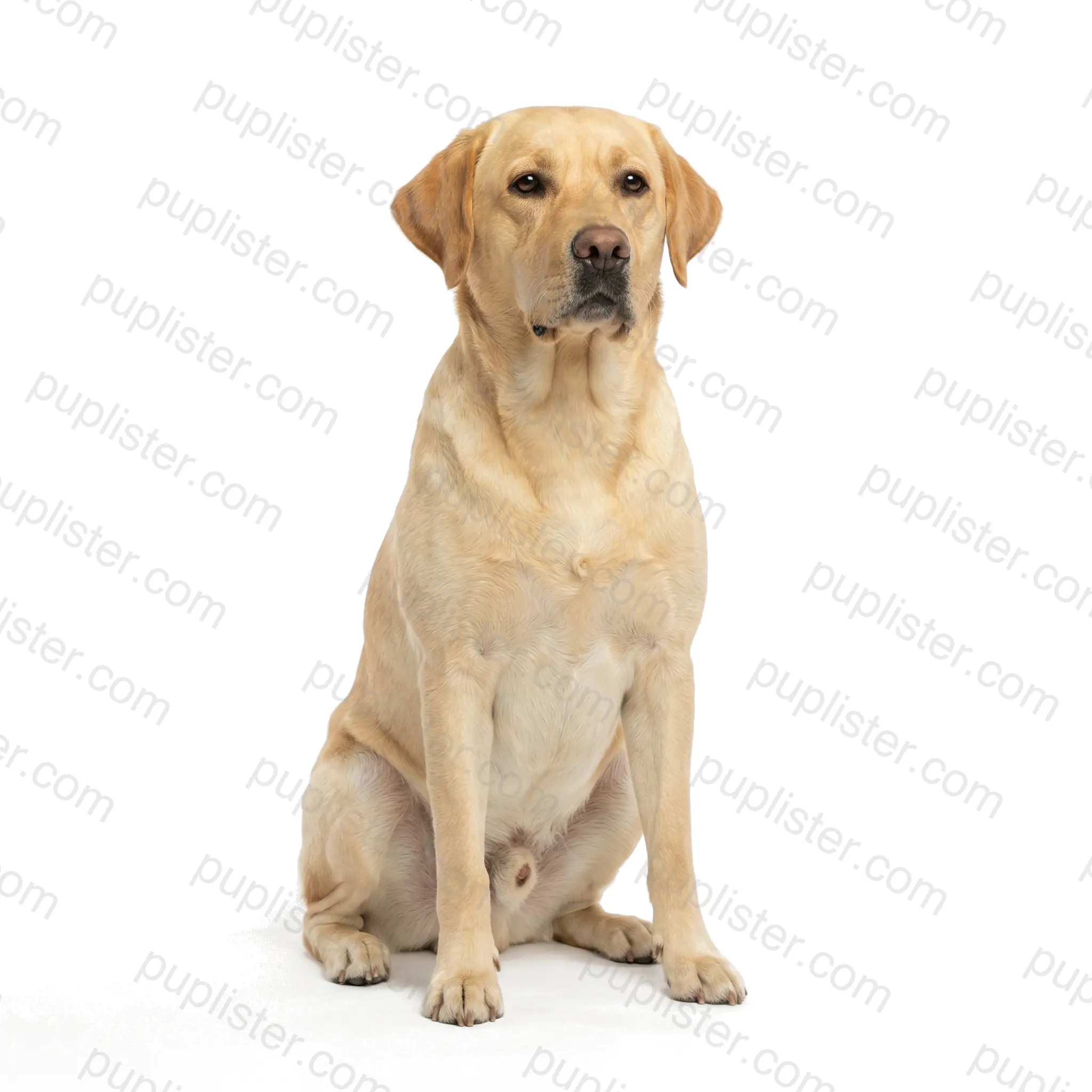
291 pets available
4About the Labrador Retriever The Labrador Retriever has been America's most popular dog breed for over three decades — and for good reason. Originally bred in Newfoundland, Canada, during the early 19th century to help fishermen haul nets and retrieve catch from the icy North Atlantic, the breed was refined in England into the versatile sporting dog we know today. Labs stand 21.5–24.5 inches tall and weigh 55–80 pounds, with a short, dense, water-resistant double coat in three recognized colors: black, yellow (ranging from fox-red to pale cream), and chocolate.Temperament & PersonalityLabrador Retrievers are friendly, outgoing, and high-spirited — they greet nearly every person, dog, and situation with unbridled enthusiasm and a wagging tail. They are exceptionally patient and gentle with children, making them one of the most trusted family dogs in the world. Labs are also remarkably intelligent and eager to please, which is why they dominate as guide dogs, search-and-rescue dogs, therapy dogs, and detection dogs across dozens of working disciplines.ProsOutstanding family dog — patient, gentle, and naturally good with children of all agesHighly trainable and eager to please — consistently ranks among the most obedient breedsVersatile and adaptable — equally at home on the couch, in the field, or in the waterFriendly and social temperament — gets along well with other dogs, cats, and strangersConsHeavy shedding year-round with major seasonal blowouts — not suited for allergy sufferersProne to obesity — Labs are notoriously food-motivated and will eat anything not locked awayHigh energy in the first 2–3 years — requires substantial daily exercise to prevent destructive behaviorSusceptible to hip and elbow dysplasia, exercise-induced collapse, and progressive retinal atrophyThere's a reason the Lab is the world's favorite dog — discover adoptable Labrador Retrievers on Puplister today.
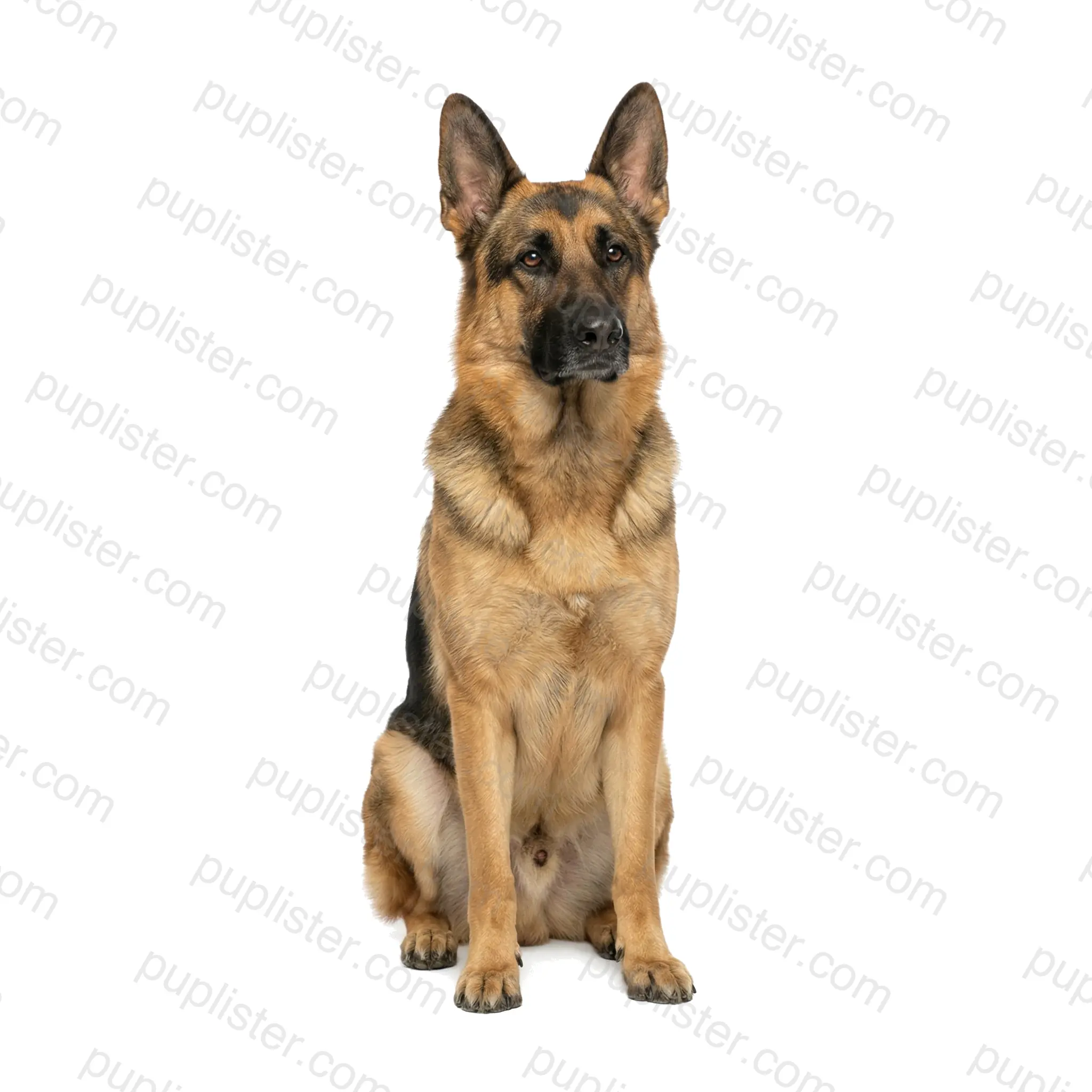
245 pets available
2About the German Shepherd Dog The German Shepherd Dog — created by Captain Max von Stephanitz in 1899 — was meticulously developed to be the ultimate herding and working dog, combining intelligence, strength, and versatility in one powerful package. Standing 22–26 inches tall and weighing 50–90 pounds, this noble breed has a dense double coat most commonly seen in black and tan, though sable, all-black, and bi-color variations also occur. German Shepherds are the world's leading police, military, and service dog breed — a testament to their extraordinary trainability and work ethic.Temperament & PersonalityGerman Shepherds are confident, courageous, and deeply loyal — forming an unbreakable bond with their handler or family. They are naturally protective and will position themselves between their family and any perceived threat without hesitation. With proper socialization, they are excellent with children in their household — patient and watchful — though their herding instinct may lead them to nip at the heels of running kids.ProsAmong the top 3 most intelligent breeds — capable of learning complex tasks and commandsVersatile working ability — excels in protection, search and rescue, detection, and service rolesLoyal and naturally protective — an outstanding family guardian without excessive aggressionAthletic and eager to participate in virtually any outdoor activity with their ownerConsHigh incidence of hip and elbow dysplasia — especially in poorly bred linesSheds profusely year-round with intense seasonal "coat blows" twice yearlyProne to degenerative myelopathy — a progressive spinal cord disease with no cureRequires significant daily exercise and mental stimulation — at least 90 minutes — or develops neurotic behaviorsFind a loyal and capable German Shepherd Dog ready to join your family — start your search on Puplister.
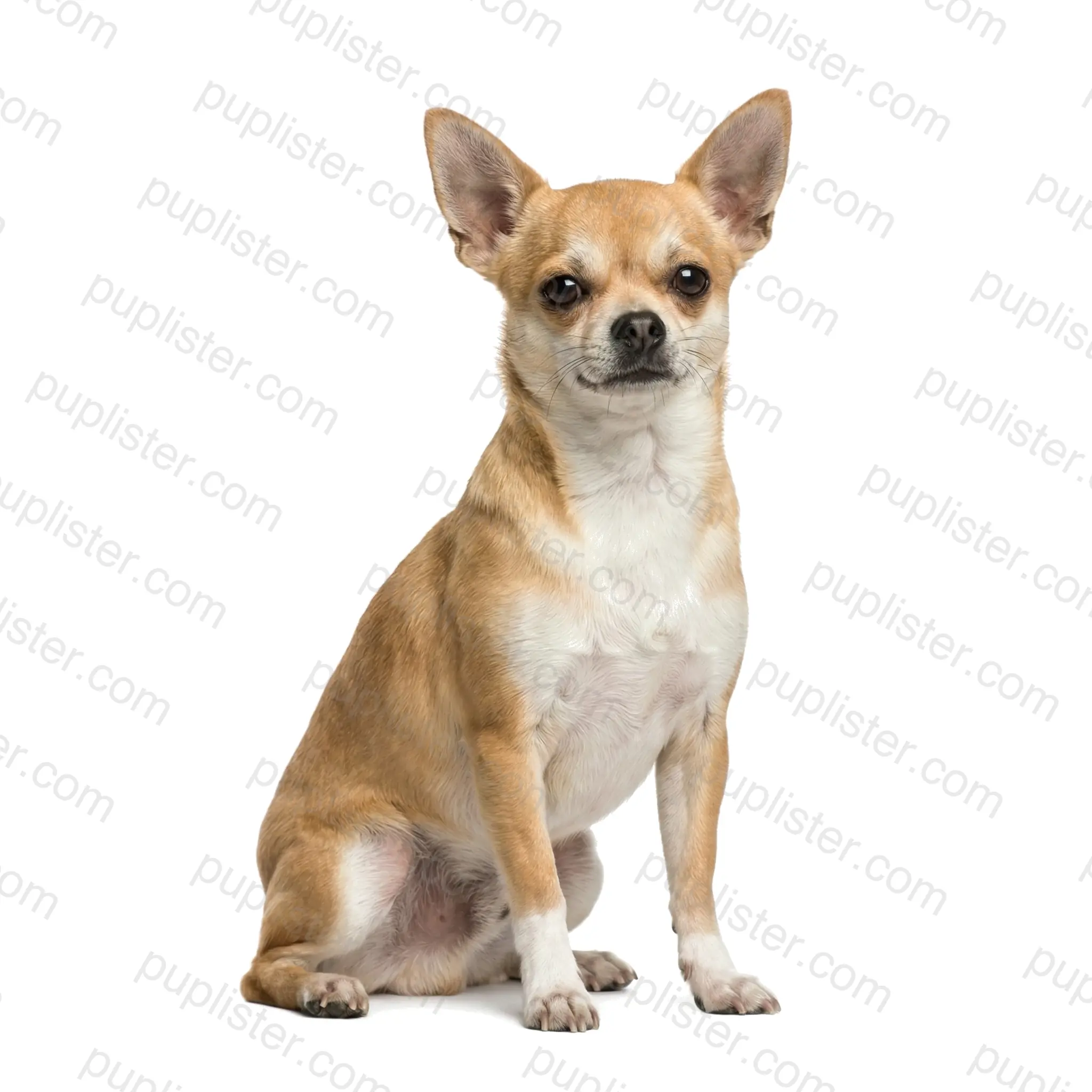
136 pets available
1About the Chihuahua The Chihuahua is the world's smallest dog breed, originating from the Mexican state of Chihuahua where ancestors of the breed were kept by the ancient Toltec civilization. Standing just 5–8 inches tall and weighing a mere 2–6 pounds, these tiny dogs come in smooth-coat and long-coat varieties with virtually every color and pattern combination imaginable. Despite their diminutive size, Chihuahuas carry themselves with a bold, terrier-like confidence that belies their fragile frame.Temperament & PersonalityChihuahuas are fiercely devoted to one person — often forming an almost obsessive bond with their chosen human. They are alert, spirited, and surprisingly courageous, frequently standing up to dogs many times their size without hesitation. While they can be wonderful companions for older children who handle them gently, their small size and tendency toward snappiness make them a poor match for households with toddlers.ProsPerfect apartment dogs — minimal space and exercise requirementsExceptionally long lifespan of 14–18 years, among the longest of any breedPortable size makes them easy travel companions for on-the-go ownersLow food costs and minimal grooming needs — especially the smooth-coat varietyConsProne to patellar luxation, heart murmurs, hydrocephalus, and dental overcrowdingFragile bones — easily injured by falls, rough play, or being stepped onNotoriously difficult to housebreak due to tiny bladders and stubborn temperamentTendency toward excessive barking and aggression toward strangers if not properly socializedDiscover your perfect pint-sized companion — explore Chihuahuas looking for forever homes right here on Puplister.
112 pets available
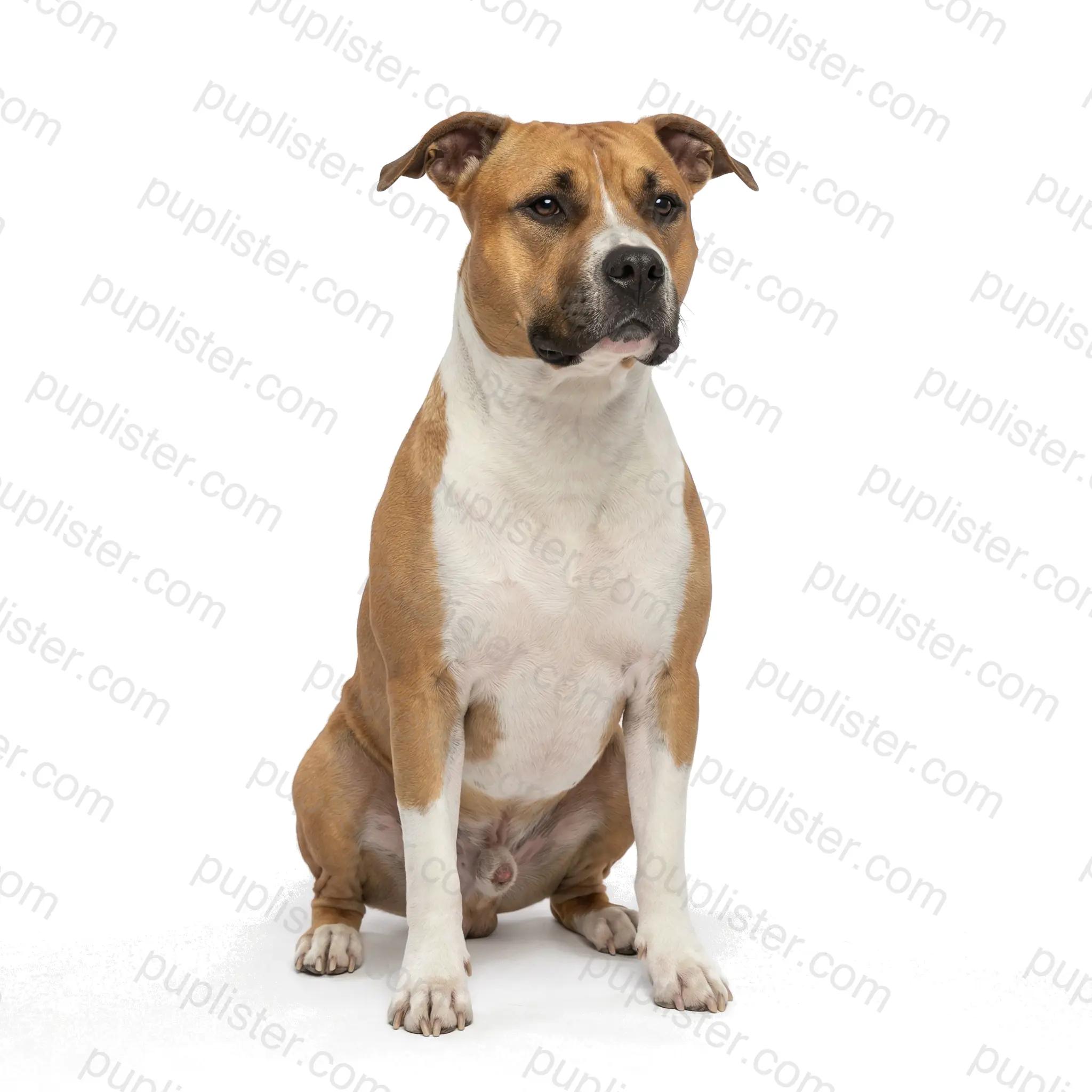
About the American Staffordshire Terrier The American Staffordshire Terrier — often called the AmStaff — was developed in the United States from crosses between Bulldogs and Terriers, earning AKC recognition in 1936. They stand 17–19 inches at the shoulder and weigh 40–70 pounds, presenting a stocky, muscular build that radiates power and confidence. Their short, stiff coat comes in a wide variety of colors and patterns, including blue, fawn, brindle, and black, and requires only minimal grooming.Temperament & PersonalityAmStaffs are known for their courage, intelligence, and unwavering loyalty to their families — they are genuinely affectionate dogs who love being at the center of household activities. They are typically excellent with children and are known for their patience and tolerance with youngsters. Proper socialization from puppyhood is critical, as they can be assertive with other dogs, and their strength demands a handler who can provide calm, confident leadership.ProsIncredibly loyal and protective of their family without being overly aggressiveSmart and highly trainable — they excel in obedience, rally, and therapy workShort coat makes grooming a breezeSturdy and athletic, perfect for active families who enjoy outdoor activitiesConsMay face breed-specific legislation and insurance restrictionsRequires early and ongoing socialization with other dogs and animalsProne to hip dysplasia, cardiac disease, and skin allergiesTheir strong jaws and determination mean they can destroy toys and furniture quicklyAmStaffs make incredible family companions when given the right home — search for adoptable American Staffordshire Terriers on Puplister.
101 pets available
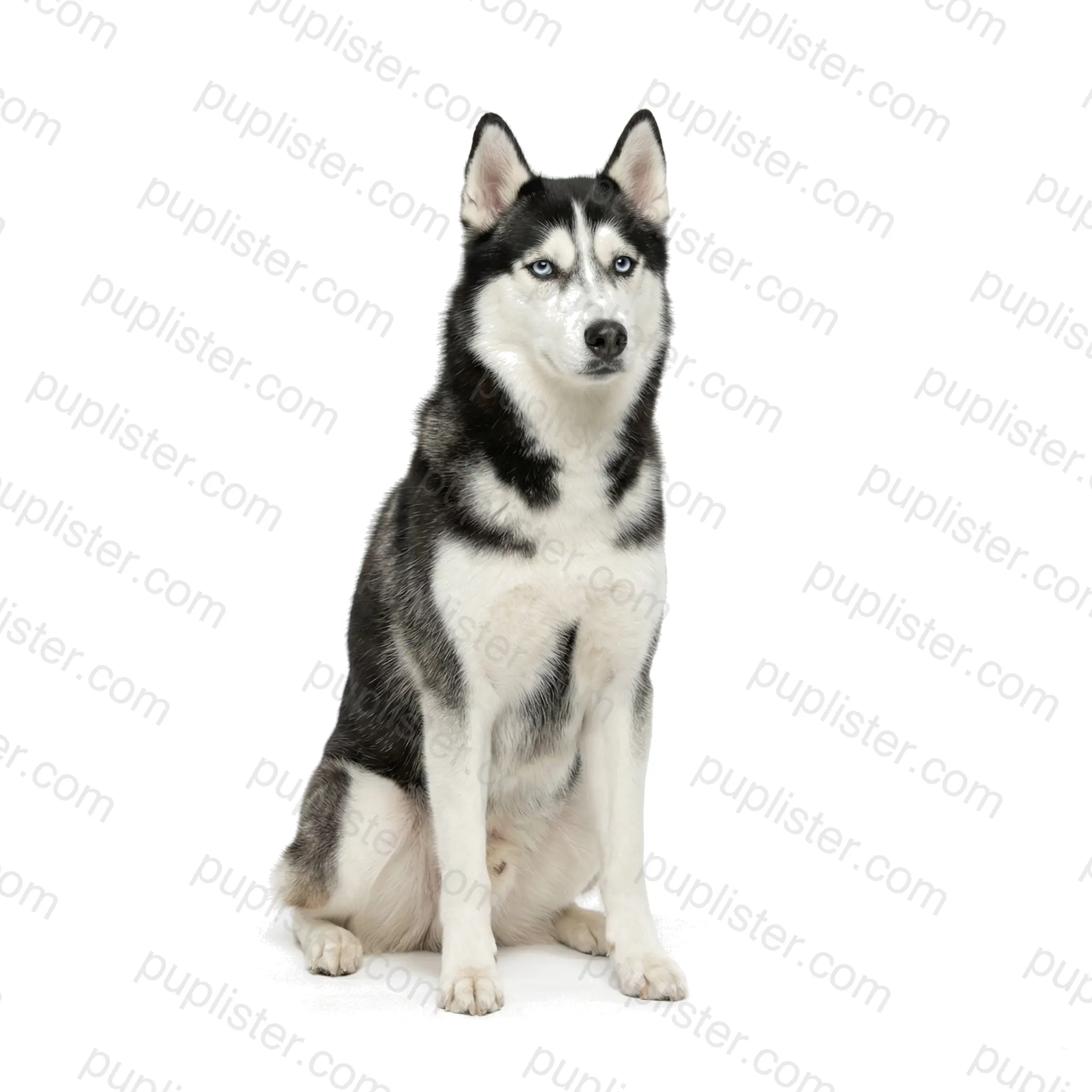
About the Siberian Husky The Siberian Husky was developed over thousands of years by the Chukchi people of northeastern Siberia as an endurance sled dog capable of pulling light loads over vast frozen distances in extreme cold. These athletic, medium-sized dogs stand 20 to 23.5 inches tall and weigh 35 to 60 pounds, with a graceful, effortless gait that reflects their incredible stamina. Their thick double coat comes in virtually every color from pure white to black, often with striking facial markings, and their eyes can be brown, blue, or even one of each (heterochromia). Temperament & Personality Siberian Huskies are friendly, outgoing, and mischievous — pack-oriented dogs that love people and make terrible guard dogs because they greet everyone like a long-lost friend. They are playful and gentle with children and generally good with other dogs, though their high prey drive makes them a risk around cats and small animals. Huskies are intelligent but famously independent, preferring to make their own decisions rather than follow commands — a trait that requires patience and humor from their owners. Pros Friendly, social, and gentle with children and strangers alikeNaturally clean with little doggy odor — self-grooming like a catOutstanding endurance athlete for running, hiking, and winter sportsHealthy breed with a lifespan of 12 to 14 years Cons Extreme shedding — blows the entire undercoat twice yearly in massive quantitiesLegendary escape artists — can jump fences, dig under them, and open latchesStrong prey drive makes them dangerous around cats, rabbits, and small animalsNot suited for hot climates and requires air conditioning in warm regions The Siberian Husky's adventurous spirit and stunning beauty are irresistible — find Huskies seeking forever homes on Puplister.
60 pets available
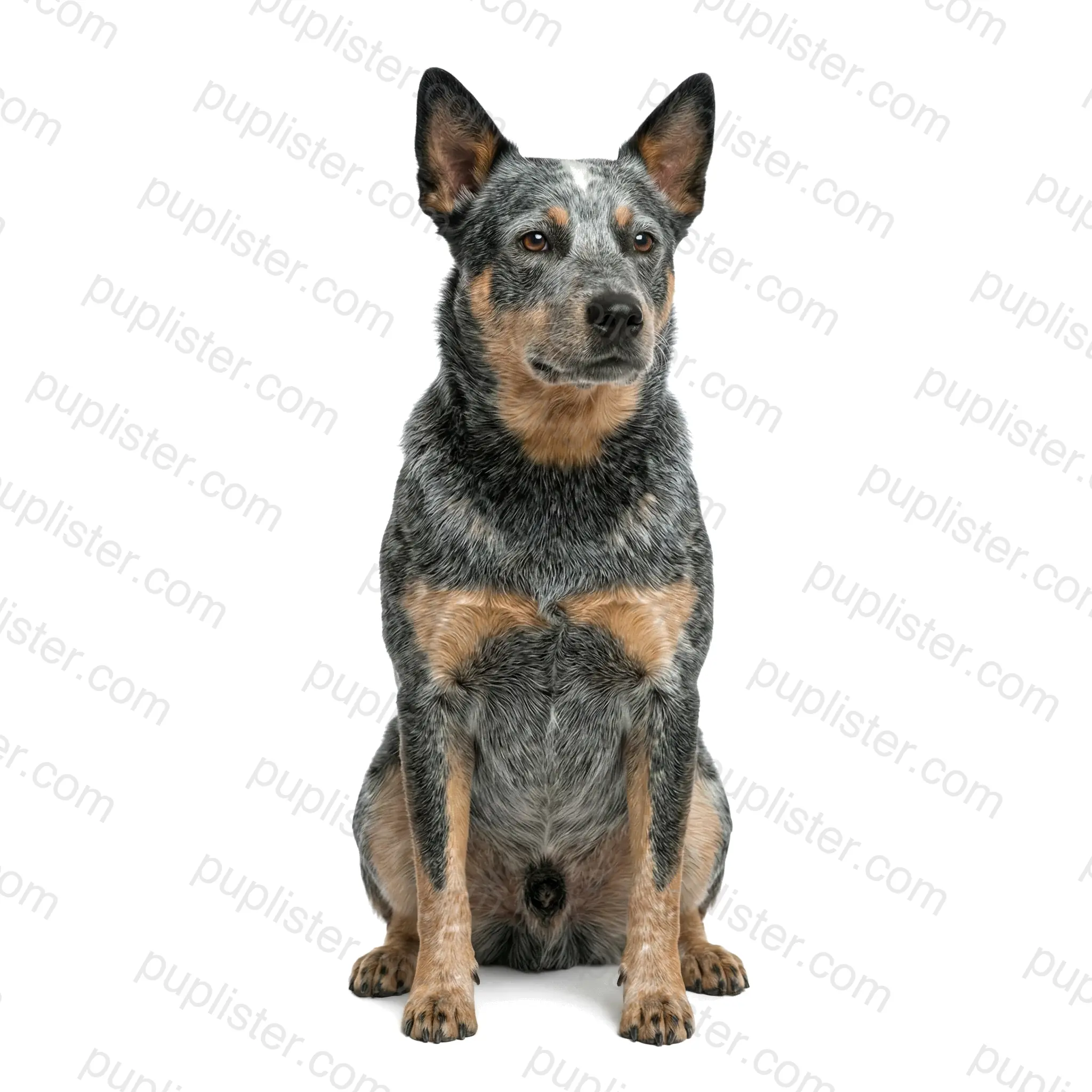
About the Australian Cattle Dog The Australian Cattle Dog — also known as the Blue Heeler or Red Heeler — was developed in 19th-century Australia by crossing native Dingoes with Collies and Dalmatians to create the ultimate cattle-herding dog. Compact and muscular, they stand 17–20 inches tall and weigh 35–50 pounds, with a sturdy build designed for all-day work in harsh outback conditions. Their distinctive short double coat comes in two color patterns — blue or blue-mottled and red speckled — and sheds moderately year-round.Temperament & PersonalityAustralian Cattle Dogs are intensely loyal, highly intelligent, and tireless workers — they need a job to do or they will invent one, often to their owner's dismay. They bond deeply with one person and can be velcro dogs, following their favorite human everywhere. They are naturally cautious with strangers and may nip at heels — a herding instinct that needs to be redirected — but they are fiercely devoted companions for active owners.ProsExceptionally intelligent and trainable — they excel in agility, herding trials, and obedienceHardy and healthy with a long lifespan averaging 12–16 yearsCompact size makes them manageable while still being robust enough for outdoor workLow grooming requirements with their short, weather-resistant coatConsExtremely high energy — requires 1–2 hours of vigorous exercise dailyTendency to nip and herd children, other pets, and even adultsCan become destructive, anxious, or obsessive without adequate mental stimulationProne to progressive retinal atrophy, deafness, and hip dysplasiaThink you can keep up with an Australian Cattle Dog? Find your energetic companion on Puplister.
49 pets available
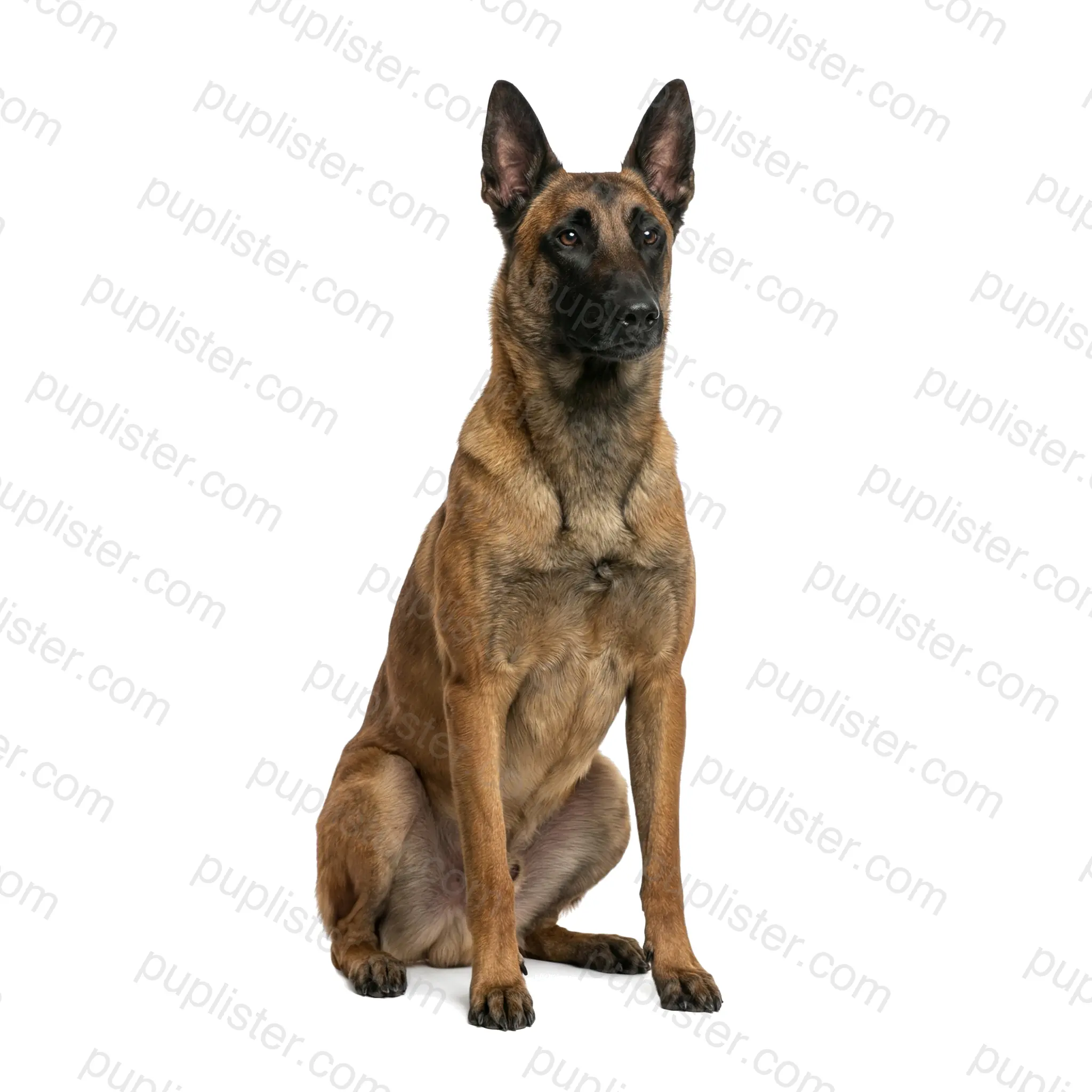
About the Belgian Malinois The Belgian Malinois hails from the city of Malines in Belgium, where it was developed in the late 1800s as a versatile herding and working dog. Standing 22–26 inches tall and weighing 40–80 pounds, the Malinois is a lean, athletic dog with a square build and an alert, intelligent expression. Their short, straight double coat comes in rich fawn to mahogany with a distinctive black mask and ear tips, and while they shed year-round, grooming needs are minimal.Temperament & PersonalityBelgian Malinois are driven, intense, and extraordinarily intelligent — they are the breed of choice for military, police, and protection work worldwide. They form incredibly strong bonds with their handler and are always eager to work, making them outstanding training partners for experienced owners. However, their intensity and high drive are not for casual pet owners — without proper outlets, a Malinois can become neurotic, destructive, or reactive.ProsUnmatched work ethic and trainability — excels in virtually every canine sport and jobFiercely loyal and protective without being unnecessarily aggressiveAthletic and agile with exceptional speed and enduranceLower incidence of hip dysplasia compared to similar-sized breeds like the German ShepherdConsExtremely high energy and drive — requires several hours of physical and mental exercise dailyNot suitable for first-time dog owners or sedentary householdsCan become reactive or fearful without extensive, early socializationProne to progressive retinal atrophy, elbow dysplasia, and sensitivity to anesthesiaThe Belgian Malinois is a remarkable breed for the right owner — find adoptable Malinois on Puplister who are looking for their forever mission.
49 pets available
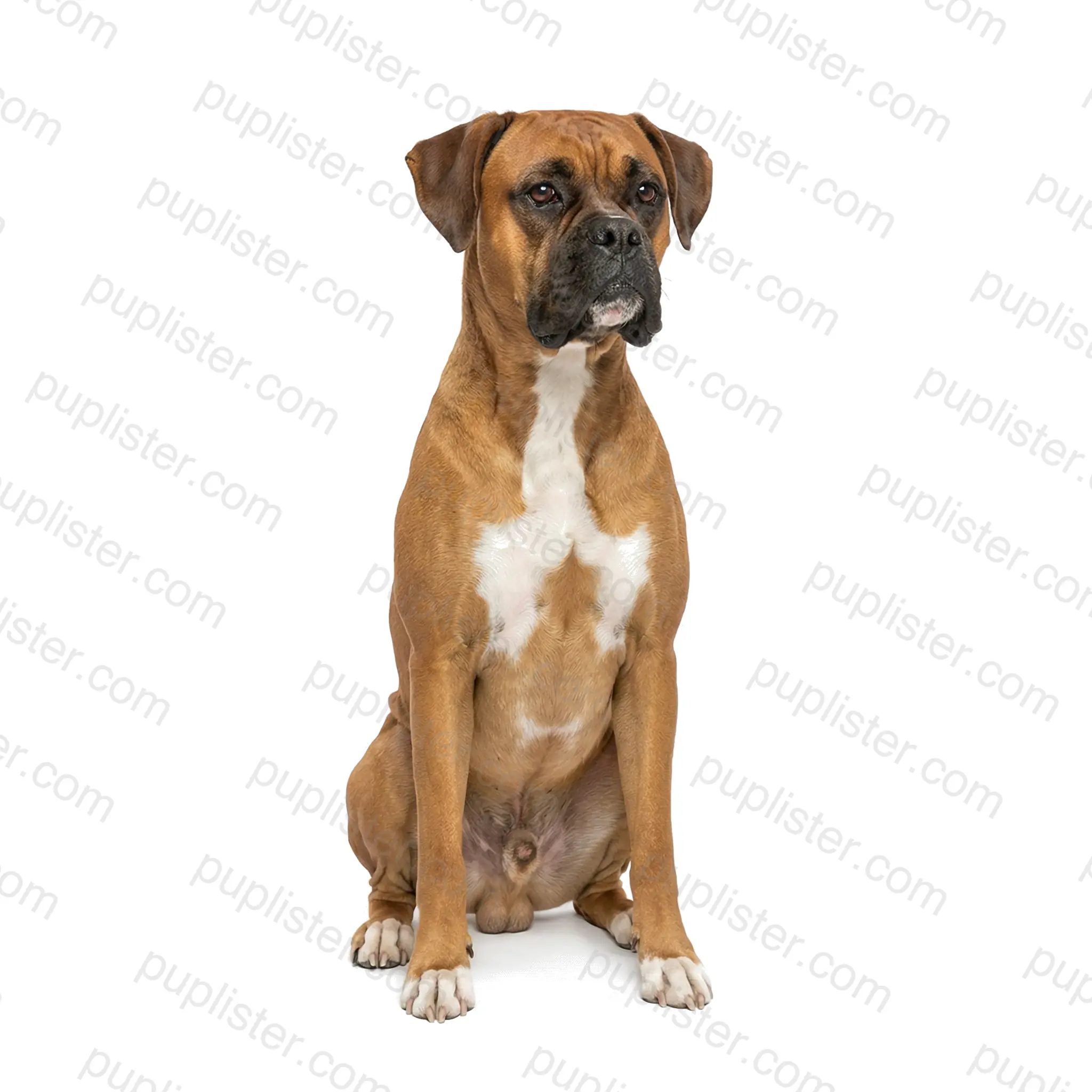
2About the Boxer The Boxer was developed in Germany in the late 19th century from the now-extinct Bullenbeisser — a powerful hunting mastiff — crossed with English Bulldogs. Standing 21.5–25 inches tall and weighing 50–80 pounds, the Boxer is a medium-to-large, well-muscled dog with a distinctive square head, undershot jaw, and alert expression. Their short, tight-fitting coat comes in fawn and brindle — sometimes with white markings — and requires very little grooming beyond occasional brushing.Temperament & PersonalityBoxers are playful, energetic, and utterly devoted to their families — they are often called the "Peter Pan" of dog breeds because they maintain their puppyish exuberance well into adulthood. They are exceptional with children, combining patience and protectiveness with a love of play that makes them natural family dogs. Boxers are alert and courageous, making them effective watchdogs, but they are also clownish and affectionate — they're famous for their "kidney bean" wiggle of excitement.ProsOutstanding family dog — patient, protective, and endlessly playful with childrenNatural watchdog with a courageous yet non-aggressive temperamentShort coat requires minimal grooming effortEnergetic and athletic — great companion for running, hiking, and active playConsProne to cancer — one of the breeds most affected, particularly mast cell tumors and lymphomaBrachycephalic tendencies lead to heat intolerance and breathing difficulties during vigorous exerciseCan be excessively boisterous and may accidentally knock over small children or elderly family membersSusceptible to heart conditions including aortic stenosis and dilated cardiomyopathyBoxers bring boundless energy and unconditional love to every family — browse adoptable Boxers on Puplister and find your playful companion.
48 pets available
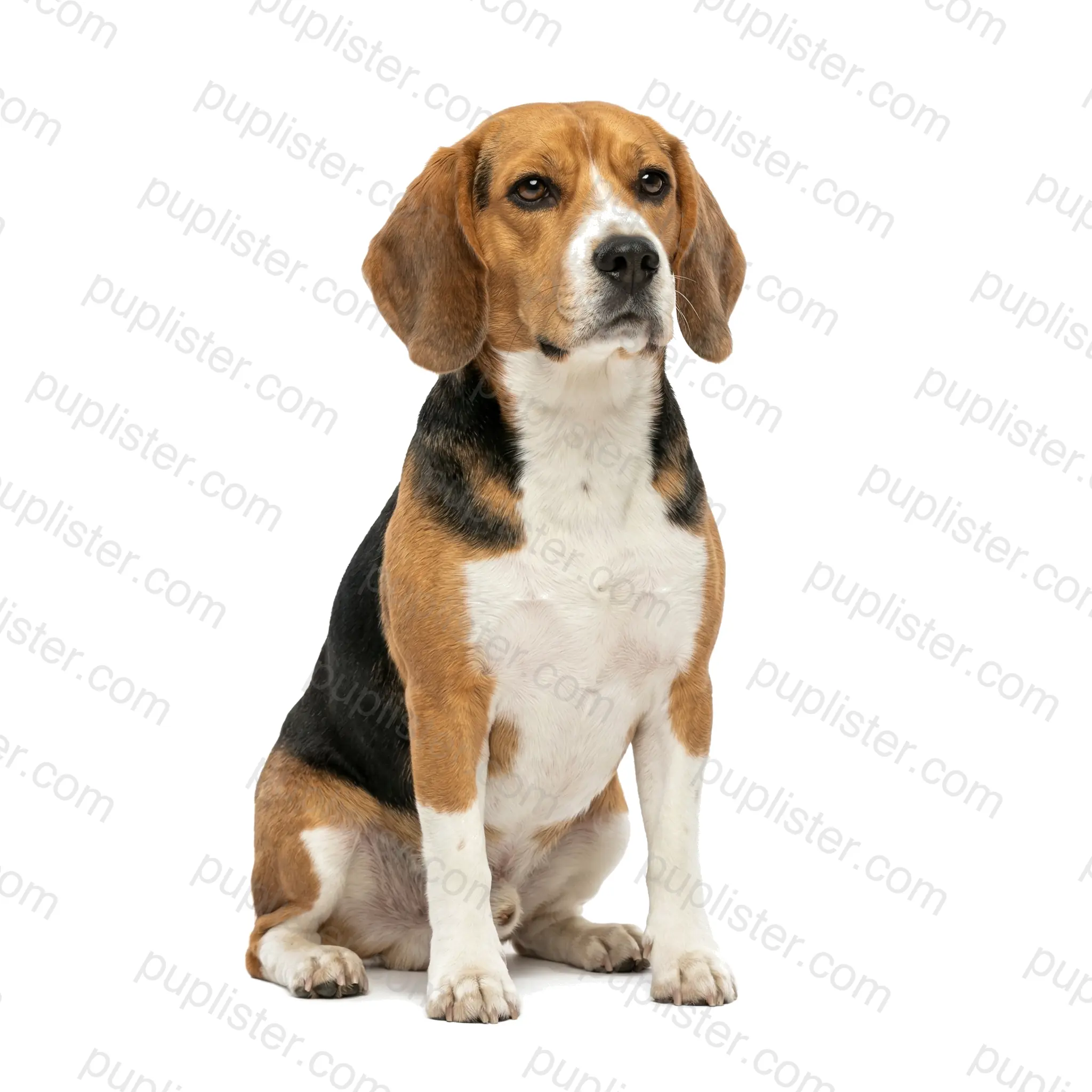
About the Beagle The Beagle is a small scent hound with roots tracing back to Roman times, though the modern breed was refined in England during the 1830s for rabbit hunting. Standing 13–15 inches tall and weighing 20–30 pounds, Beagles are compact, sturdy dogs built for endurance on the trail. Their short, dense, weather-resistant coat comes in a variety of hound colors — most commonly tri-color, red-and-white, and lemon — and sheds moderately throughout the year.Temperament & PersonalityBeagles are merry, curious, and sociable dogs — they were bred to work in packs, and that pack mentality translates to a strong desire for companionship. They are excellent with children and other dogs, making them one of the most family-friendly breeds available. However, their powerful nose can lead them astray, and once a Beagle has locked onto a scent, recalling them can be nearly impossible.ProsWonderful family dog — gentle, tolerant, and playful with children of all agesCompact size is well-suited for apartments and smaller homesGets along exceptionally well with other dogs due to pack-oriented natureHardy, healthy breed with a typical lifespan of 10–15 yearsConsVocal breed — their distinctive bay and howl can be excessive and loudStrong scent drive makes off-leash reliability extremely difficult to achieveProne to obesity and will eat anything they can accessCan develop separation anxiety and become destructive when left aloneBeagles bring joy to every household they join — search for adoptable Beagles on Puplister and find your new best friend.
36 pets available
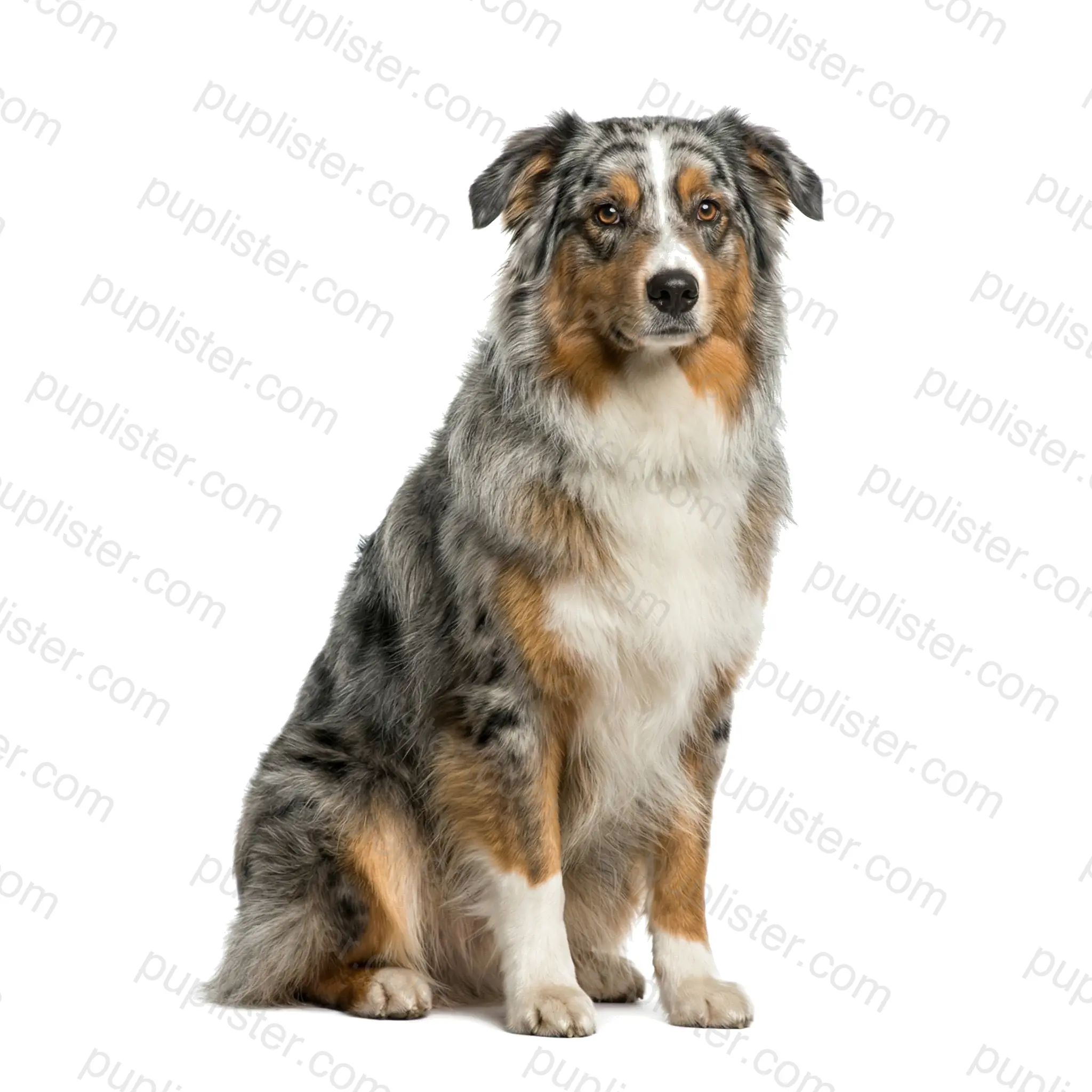
About the Australian Shepherd Despite its name, the Australian Shepherd was actually developed in the western United States during the 19th century, likely from Basque shepherd dogs that passed through Australia on their way to America. These versatile herding dogs stand 18–23 inches tall and weigh 40–65 pounds, with a medium-length double coat that comes in four recognized colors — black, blue merle, red, and red merle — often with striking copper and white markings. Their coats are weather-resistant and require regular brushing to manage moderate-to-heavy shedding.Temperament & PersonalityAustralian Shepherds are brilliant, energetic, and deeply devoted to their families — they thrive when given a purpose and can become anxious or destructive without one. They are excellent with children, often naturally herding and watching over younger family members. Aussies are typically friendly with other dogs but can be reserved with strangers, and their intelligence makes them exceptionally responsive to training.ProsOne of the most intelligent and trainable breeds — excels in agility, flyball, and herdingLoyal and affectionate family companion who bonds closely with all household membersVersatile working dog adaptable to ranch life, sport, or active suburban livingBeautiful, eye-catching coat with striking color variations including heterochromiaConsDemands extensive daily exercise and mental engagement — easily 1–2 hours minimumHeavy shedding, especially during seasonal coat changesMay herd children, cats, and other pets by nipping at heelsProne to epilepsy, hip dysplasia, and the MDR1 gene mutation affecting drug sensitivityAussies are incredible partners for active families — discover adoptable Australian Shepherds waiting for you on Puplister.
36 pets available
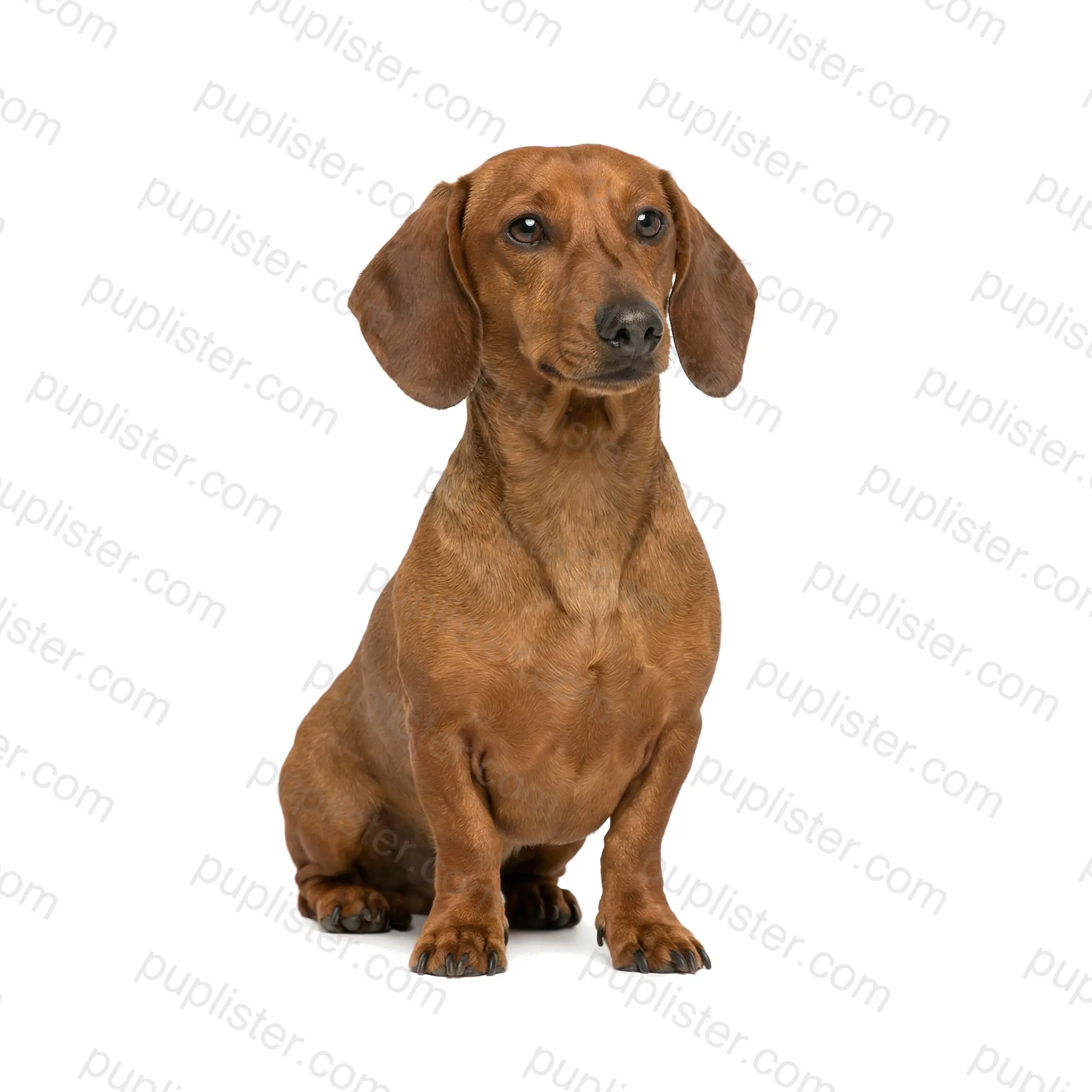
About the Dachshund The Dachshund — affectionately known as the "wiener dog" — was developed in Germany over 300 years ago to hunt badgers in their underground dens, which explains their uniquely elongated body and short, powerful legs. They come in two sizes — Standard (16–32 pounds) and Miniature (under 11 pounds) — and three coat types: smooth, longhaired, and wirehaired, each with its own personality nuances. Their color palette is remarkably varied, including red, black and tan, chocolate, dapple, brindle, and piebald patterns.Temperament & PersonalityDachshunds are bold, clever, and remarkably stubborn — a combination that makes them endlessly entertaining and occasionally infuriating. They're fiercely loyal to their families and can be surprisingly courageous watchdogs, barking with the intensity of a dog three times their size. While affectionate with their people, they can be wary of strangers and may not tolerate rough handling from young children.ProsCompact size and moderate exercise needs make them excellent apartment companionsBold, entertaining personality — constantly amusing their owners with clownish anticsLong lifespan of 12–16 years with proper care and weight managementWirehaired variety sheds minimally and is well-suited for allergy-conscious homesConsExtremely prone to intervertebral disc disease — 1 in 4 will experience back problemsNotoriously difficult to housebreak — often takes 6+ months of consistent trainingStrong prey drive and tunneling instinct — will dig up gardens and chase small animals relentlesslyProne to obesity, which dramatically increases the risk of spinal injuriesCharmed by these spirited little hounds? Find Dachshunds seeking loving homes on Puplister today.
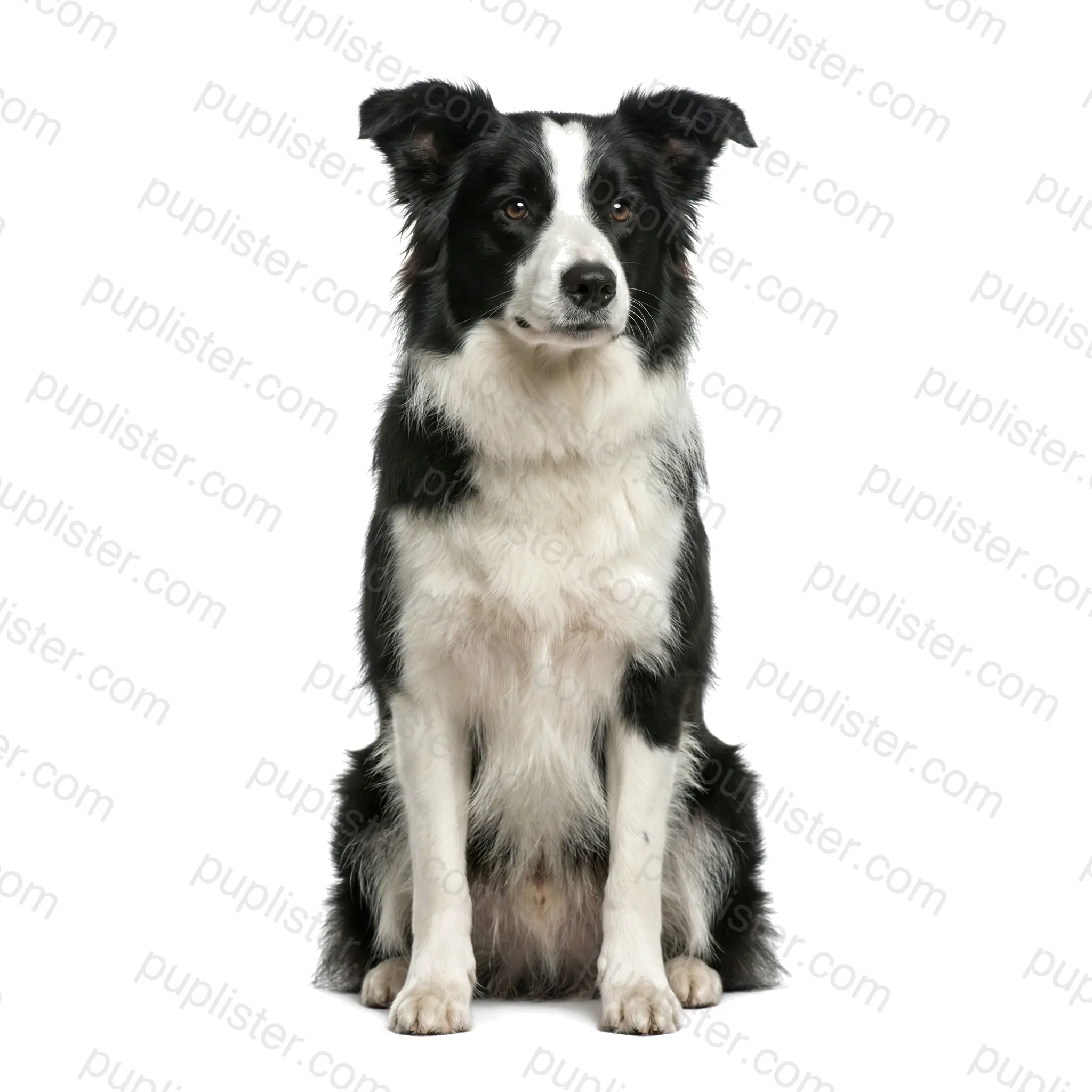
33 pets available
About the Border Collie The Border Collie originated in the border region between Scotland and England, where it was refined over centuries into what many consider the most intelligent and capable herding dog in the world. Standing 18–22 inches tall and weighing 30–55 pounds, the Border Collie is a medium-sized, athletic dog with an intense, focused expression and a characteristic crouching herding stance. Their coat comes in two varieties — rough (medium-length) and smooth (short) — and appears in a wide range of colors and patterns, with black-and-white being the most iconic.Temperament & PersonalityBorder Collies are extraordinarily intelligent, driven, and sensitive — they are widely regarded as the smartest dog breed, capable of learning hundreds of words and complex sequences of commands. They are deeply devoted to their families and can be wonderful with children, though they may try to herd them. Their intense need for mental and physical stimulation means they are best suited for owners who can provide daily training, work, or competitive sport — a bored Border Collie is a destructive Border Collie.ProsConsidered the most intelligent dog breed — unmatched learning ability and problem-solving skillsExcels in virtually every canine sport — agility, flyball, disc dog, herding trials, and obedienceDeeply loyal and attuned to their owner's emotions and body languageGenerally healthy breed with a lifespan of 12–15 yearsConsRequires an extraordinary amount of daily mental and physical exercise — easily 2+ hoursCan develop neurotic behaviors — obsessive staring, shadow chasing, spinning — without adequate stimulationHerding instinct may cause them to nip at children, joggers, and cyclistsProne to epilepsy, Collie eye anomaly, and hip dysplasiaIf you're ready for the most rewarding canine partnership of your life, find adoptable Border Collies on Puplister.
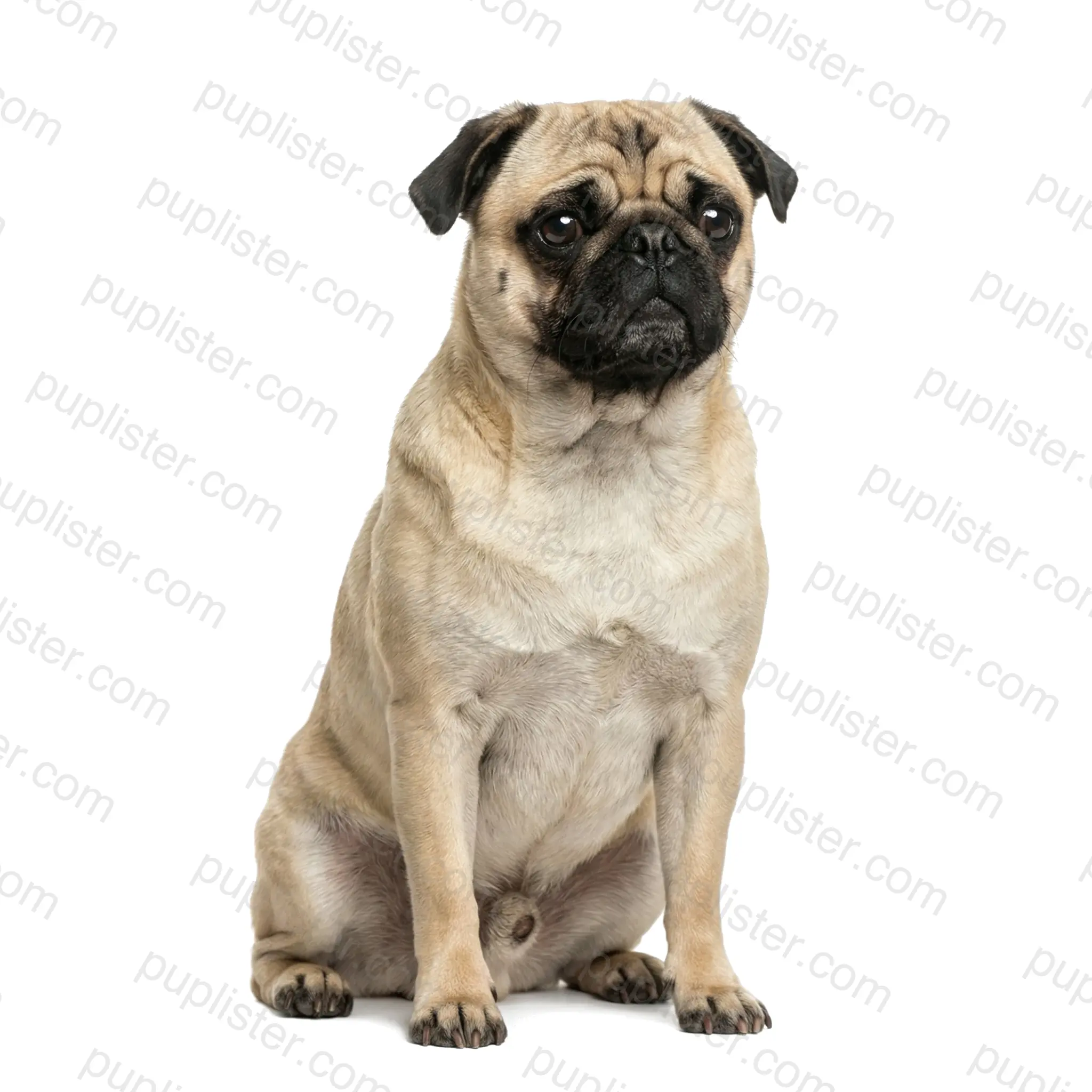
28 pets available
About the Pug The Pug is one of the oldest toy breeds, originating in China around 400 BC as prized companions of Buddhist monks and later Chinese emperors. These compact, square-proportioned dogs weigh 14 to 18 pounds and stand 10 to 13 inches tall, with a distinctively wrinkled face, large round eyes, and a tightly curled tail. Their smooth, short double coat comes in fawn (with a black mask) or solid black — and despite its short length, it sheds prolifically. Temperament & Personality Pugs live to love and be loved — they are charming, mischievous, and remarkably attuned to their owners' emotions, making them outstanding companion dogs. They get along wonderfully with children, other dogs, and even cats, possessing a sociable nature that makes them the life of any gathering. Pugs are playful without being hyperactive, and their clownish antics provide endless entertainment for their families. Pros Exceptionally friendly and sociable with everyone — people, children, and other petsLow exercise requirements — perfectly content with moderate daily walksCompact size and calm demeanor make them ideal apartment companionsSturdy build for a toy breed — less fragile than many other small dogs Cons Brachycephalic syndrome causes chronic breathing difficulties and severe heat intoleranceProne to obesity, which compounds respiratory and joint problemsEye issues including proptosis, corneal ulcers, and dry eye due to prominent eyesSheds heavily year-round despite the short coat length Pugs bring joy wherever they go — find your wrinkly-faced soulmate waiting on Puplister.
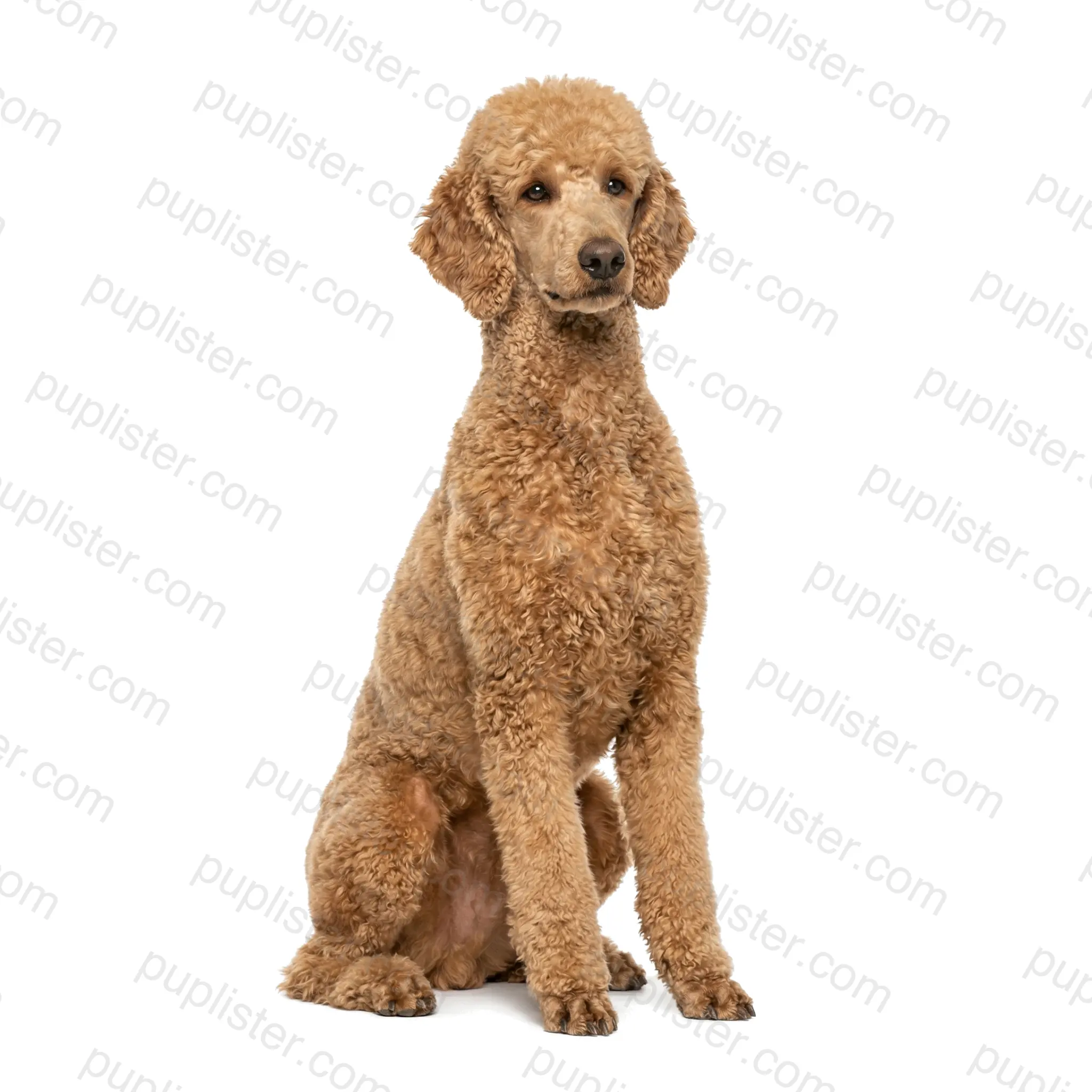
27 pets available
2About the Poodle The Poodle — despite its association with France — likely originated in Germany as a water retriever, with the name derived from the German "pudeln" meaning "to splash." The breed comes in three AKC-recognized sizes: Standard (over 15 inches, 40 to 70 pounds), Miniature (10 to 15 inches, 10 to 15 pounds), and Toy (under 10 inches, 4 to 6 pounds). Their dense, curly, single-layer coat is virtually non-shedding and comes in a wide array of solid colors including white, black, apricot, silver, blue, and café au lait. Temperament & Personality Poodles are among the most intelligent dog breeds in the world — ranked second only to the Border Collie — with an exceptional ability to learn commands and solve problems. All three sizes are active, proud, and eager to please, forming strong bonds with their families and excelling in virtually every canine sport and discipline. They are generally good with children and other pets, with Standards being the most laid-back and Toys tending to be the most sensitive. Pros Non-shedding coat produces less dander — widely recommended for allergy sufferersExceptionally intelligent and versatile — excels in obedience, agility, and therapy workThree size varieties allow matching to nearly any living situationAthletic and energetic with excellent longevity across all sizes Cons Coat requires professional grooming every 4 to 6 weeks without exceptionProne to hip dysplasia (Standards), epilepsy, and Addison's diseaseCan develop separation anxiety and neurotic behaviors without mental stimulationSensitive temperament requires gentle, consistent training methods Whether you prefer Standard, Miniature, or Toy — your perfect Poodle match could be on Puplister right now.
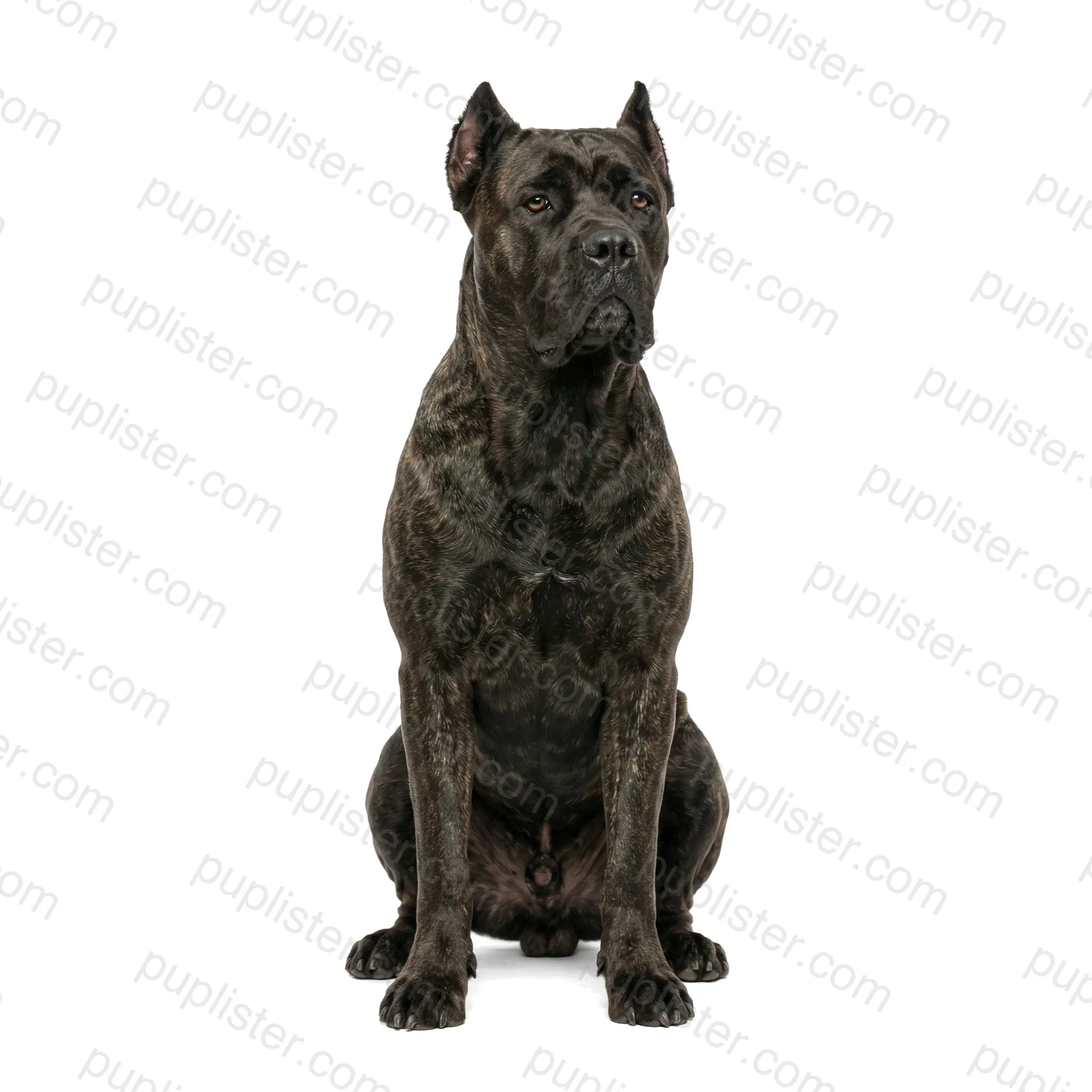
26 pets available
About the Cane Corso The Cane Corso is an ancient Italian mastiff breed whose lineage traces directly to the Roman canis pugnaces — war dogs that accompanied legions into battle. Standing 23.5–27.5 inches tall and weighing 90–120 pounds, the Cane Corso is a large, athletic, and muscular dog that is notably more agile and less bulky than other mastiff breeds. Their short, stiff, double-layered coat comes in black, gray, fawn, red, and brindle — often with a black or gray mask — and requires minimal grooming.Temperament & PersonalityCane Corsos are intelligent, loyal, and intensely protective — they are working dogs at heart, bred to guard property, livestock, and families with quiet confidence and unwavering vigilance. They bond deeply with their owners and are affectionate and gentle within the family circle, but they are naturally suspicious of strangers and can be assertive with other dogs. This is emphatically not a breed for inexperienced owners — they require firm, consistent leadership and extensive socialization from puppyhood.ProsExceptional guardian — their protective instincts are reliable and deeply ingrainedMore athletic and agile than other mastiff breeds, capable of true working performanceLoyal and affectionate with family — surprisingly gentle with children they've been raised withLow-maintenance coat with minimal grooming needsConsRequires an experienced, confident owner who can establish and maintain leadershipCan be dog-aggressive and territorial without thorough socializationProne to hip dysplasia, bloat, cherry eye, and idiopathic epilepsyTheir size and strength can make them dangerous if improperly trained or handledFor the right owner, a Cane Corso is an unparalleled companion and protector — find adoptable Cane Corsos on Puplister.
24 pets available
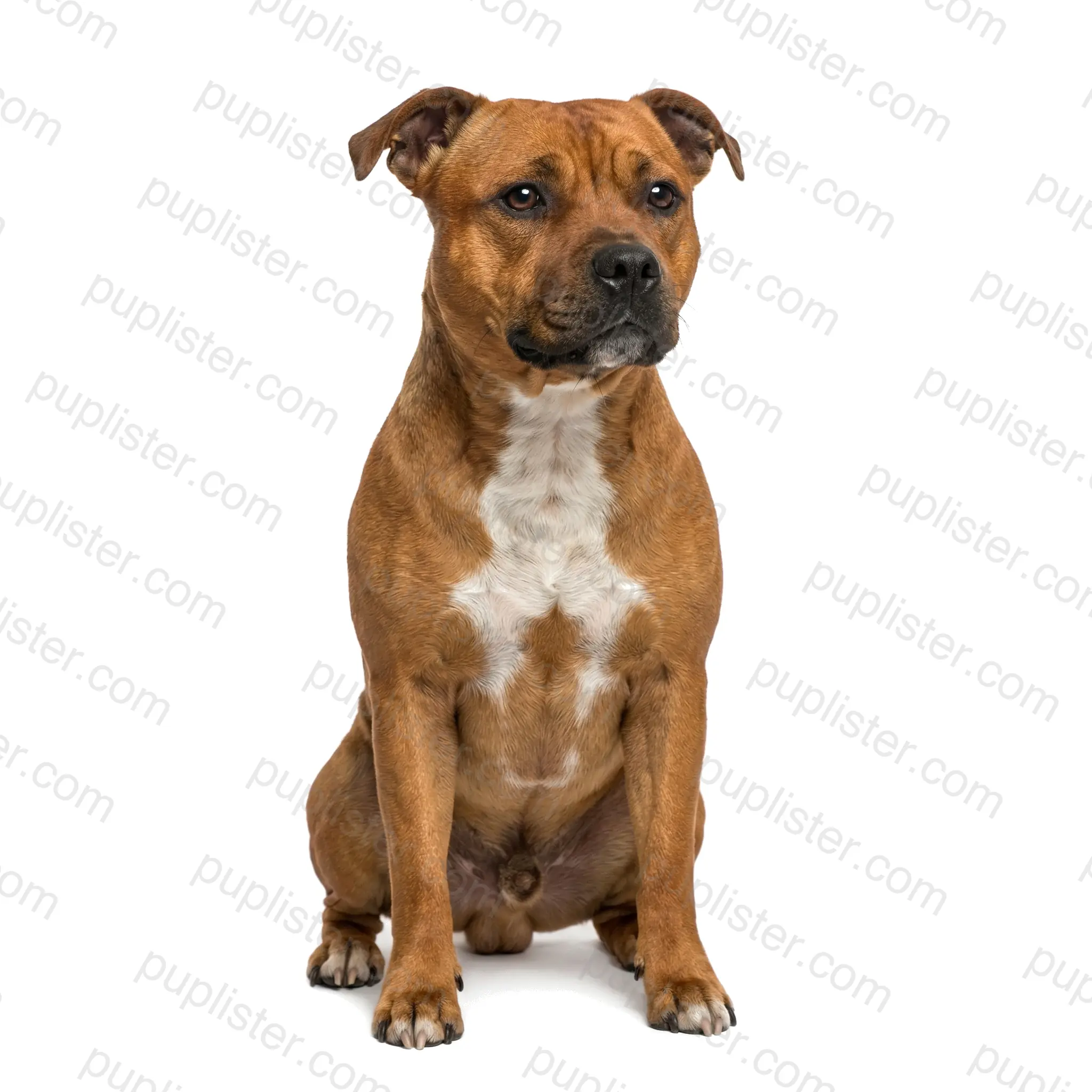
1About the Staffordshire Bull Terrier The Staffordshire Bull Terrier was developed in 19th-century England's Staffordshire region from crosses between Bulldogs and various terriers, originally bred for bull-baiting and later as a compact, agile fighting dog — a history that belies its true nature as a devoted family companion. These muscular, athletic dogs stand 14 to 16 inches tall and weigh 24 to 38 pounds, packed with surprising strength and agility in a compact frame. Their smooth, short coat comes in red, fawn, white, black, blue, or brindle — with or without white markings. Temperament & Personality Staffordshire Bull Terriers are affectionate, courageous, and remarkably gentle with people — earning the nickname "nanny dog" in England for their extraordinary patience and devotion to children. They adore human companionship, are playful well into adulthood, and form intensely loyal bonds with their families. While they can be assertive with other dogs, proper socialization from puppyhood typically produces a confident, well-adjusted adult that gets along with everyone. Pros Exceptionally affectionate and gentle with children and family membersCompact, muscular build well-suited for smaller homes and apartmentsLow-maintenance coat requiring only occasional brushingBrave and loyal — a devoted companion that thrives on human interaction Cons Can be dog-aggressive without careful socialization and managementBreed-specific legislation and housing restrictions in many jurisdictionsProne to hip and elbow dysplasia, L-2 hydroxyglutaric aciduria, and cataractsStrong and powerful — requires owners who can provide firm, consistent leadership Staffies are among the most devoted family dogs in existence — find a Staffordshire Bull Terrier on Puplister and see for yourself.
23 pets available
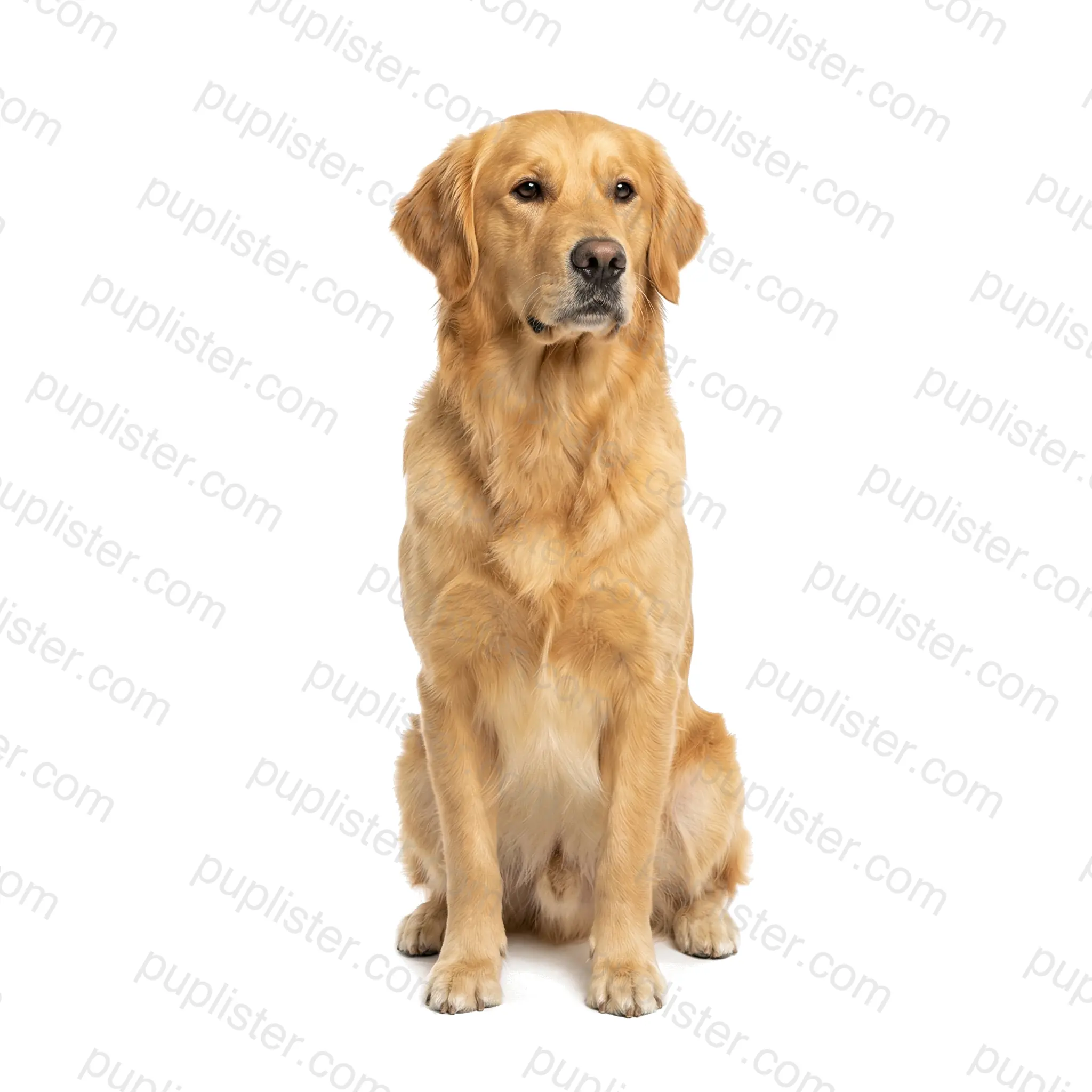
1About the Golden Retriever The Golden Retriever was developed in the Scottish Highlands by Lord Tweedmouth during the mid-19th century, who crossed a Yellow Retriever with the now-extinct Tweed Water Spaniel to create the ultimate waterfowl hunting companion. Standing 21.5–24 inches tall and weighing 55–75 pounds, these iconic dogs wear a lustrous, water-repellent double coat in shades ranging from light cream to deep gold. Their gentle expression, athletic build, and flowing feathered coat have made them one of the three most popular breeds in America for decades running.Temperament & PersonalityGolden Retrievers are the gold standard of family dogs — trustworthy, patient, and endlessly forgiving with children of all ages. They possess an innate desire to please that makes them exceptionally trainable and a joy to live with, whether as a first-time owner's companion or a seasoned handler's working partner. Their friendly, tolerant attitude extends to strangers, other dogs, and household pets — they seem to genuinely believe every person and animal they meet is a friend.ProsUniversally gentle temperament — consistently ranked among the best breeds for families with childrenHighly intelligent and eager to please — excel in obedience, therapy, service, and search and rescuePatient and forgiving nature makes them ideal for first-time dog ownersSocial and friendly with virtually everyone — dogs, cats, strangers, and guests alikeConsCancer affects approximately 60% of Golden Retrievers — the highest rate of any breedHeavy shedding year-round with seasonal coat blows that cover furniture and clothingProne to hip and elbow dysplasia, heart disease, and eye conditionsMouthy breed — will carry and chew objects constantly, especially during puppyhoodThere's a reason Goldens are America's favorite — find Golden Retrievers looking for homes on Puplister.
23 pets available
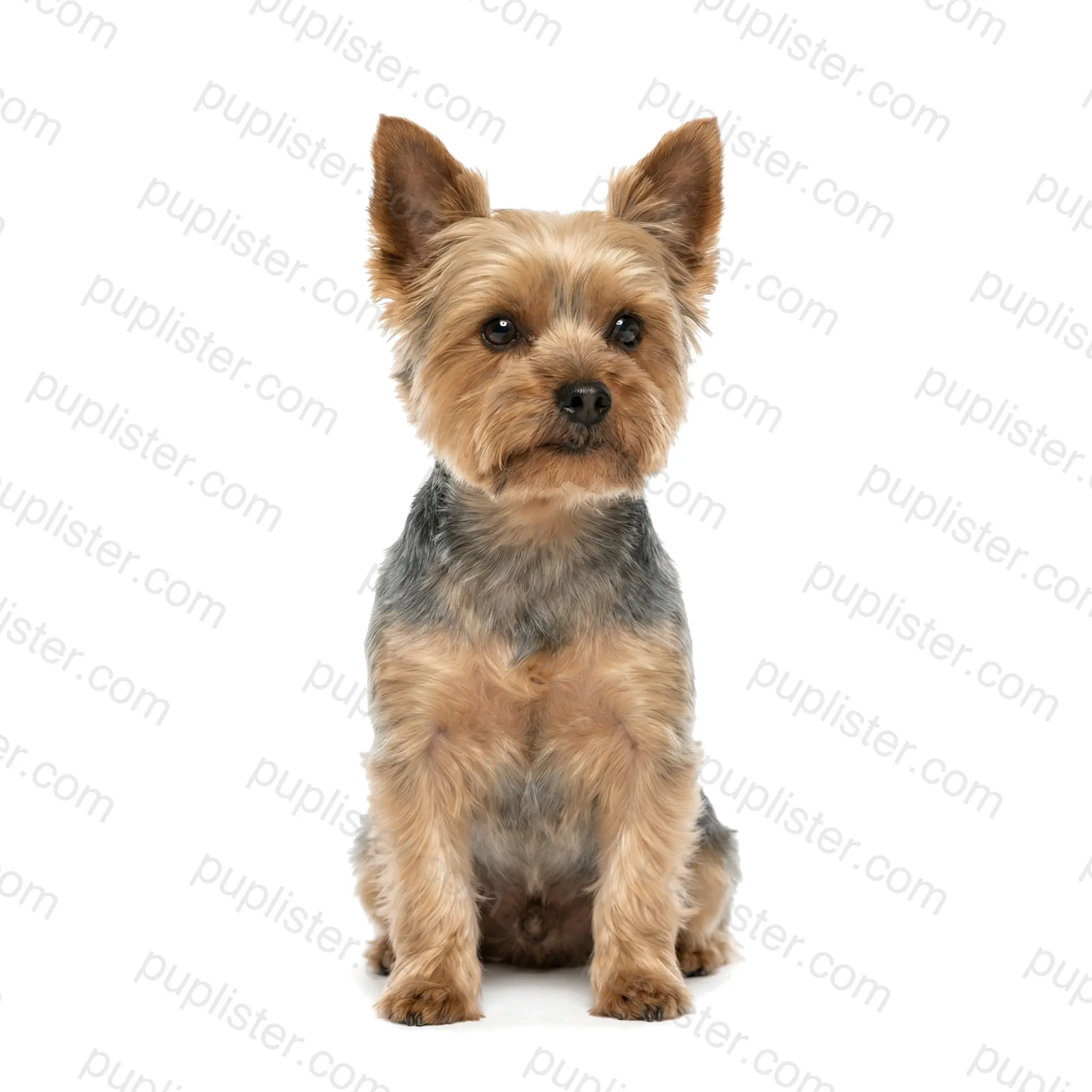
About the Yorkshire Terrier The Yorkshire Terrier was developed in the mid-19th century in the English counties of Yorkshire and Lancashire by working-class weavers who bred small terriers to catch rats in textile mills and coal mines. Despite their current status as a glamorous toy breed, these feisty dogs retain every bit of their terrier courage in a tiny 7-pound, 7-to-8-inch frame. Their signature floor-length, silky coat is steel blue on the body and rich golden tan on the head and legs — a single-layer coat that grows continuously and is remarkably similar to human hair in texture. Temperament & Personality Yorkshire Terriers are bold, confident, and fiercely loyal — they carry themselves with a self-importance that far exceeds their diminutive stature, never hesitating to challenge dogs ten times their size. They are deeply attached to their owners and can be wonderful companions for adults and older children, though their small size and feisty temperament make them a poor fit for rough play with toddlers. Yorkies are intelligent, curious, and entertaining, bringing big-dog energy and attitude to the smallest package in the terrier world. Pros Minimal shedding — silky coat is more similar to hair than furTiny size ideal for apartments, travel, and urban livingBold watchdog temperament — always alert to unusual activityLong lifespan of 11 to 15 years with proper care Cons Fragile — easily injured by falls, being sat on, or rough handlingLong coat demands daily brushing or regular professional groomingProne to tracheal collapse, patellar luxation, portosystemic shunt, and dental diseaseCan be difficult to housetrain and may develop snappish behavior if overindulged Yorkshire Terriers prove that the best things truly come in small packages — find your Yorkie on Puplister.
22 pets available
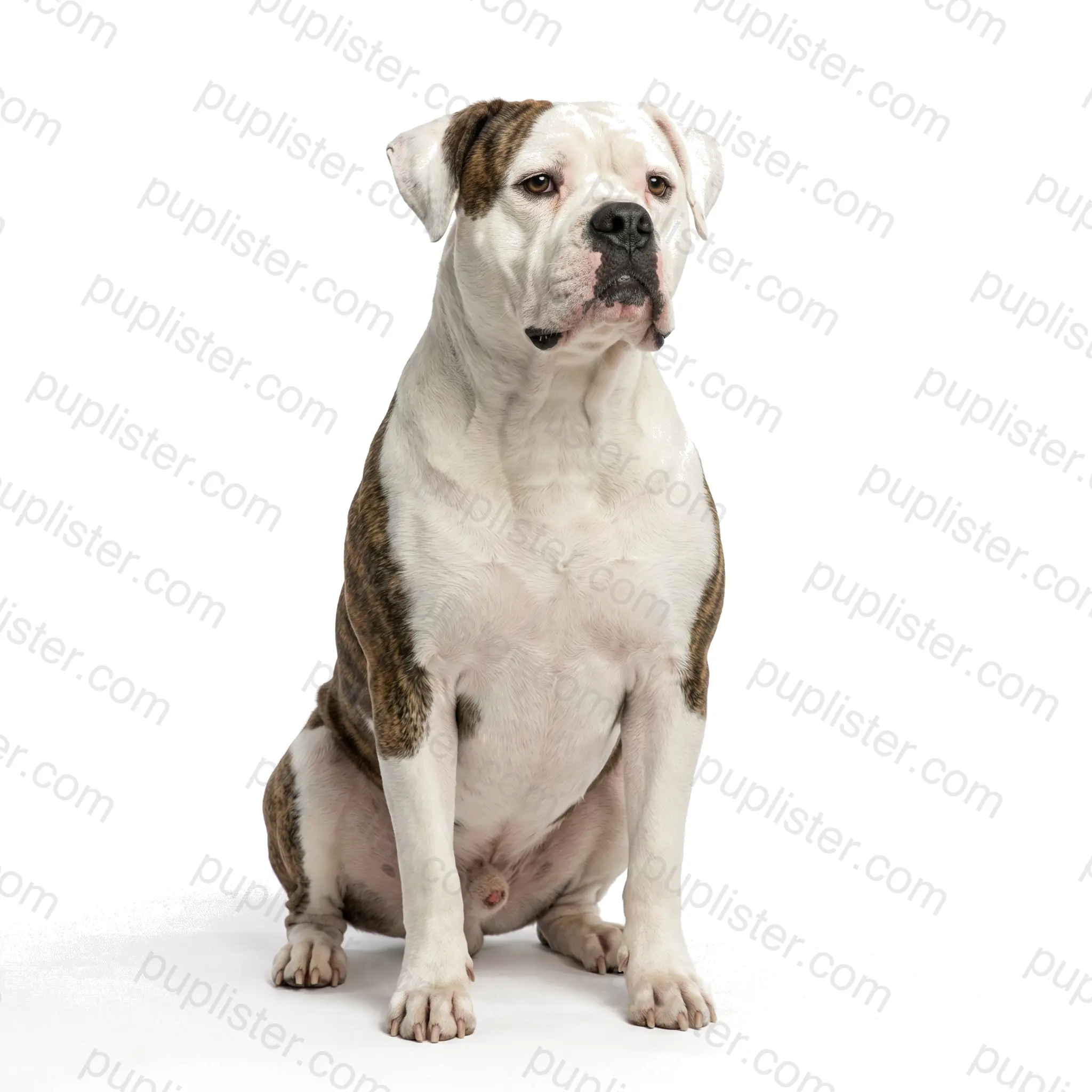
About the American Bulldog The American Bulldog is a muscular, athletic breed descended from the Old English Bulldog, brought to the American South by working-class immigrants in the 17th and 18th centuries. These powerful dogs stand 20–28 inches tall and weigh between 60 and 120 pounds, with males being significantly larger than females. They have a short, smooth coat that comes in white, white with patches of brindle, red, brown, or fawn — and requires minimal grooming beyond regular brushing.Temperament & PersonalityAmerican Bulldogs are confident, loyal, and deeply devoted to their families — they form strong bonds and are known for their gentle, protective nature around children. They are alert and courageous, making them natural watchdogs, but they are also surprisingly affectionate and enjoy being close to their people. Early socialization is essential, as they can be wary of unfamiliar dogs and strangers without proper exposure.ProsExcellent family guardian with a strong protective instinctLow-maintenance coat that requires only occasional brushingAthletic and versatile — thrives in activities like weight-pulling and agilityDeeply affectionate and gentle with children in the householdConsRequires firm, consistent training from an experienced owner to manage their strengthCan be prone to dog aggression without thorough early socializationSubject to breed-specific legislation in some areasProne to hip and elbow dysplasia, ACL tears, and cherry eyeGive a strong, loving American Bulldog a second chance — find adoptable American Bulldogs on Puplister.
22 pets available
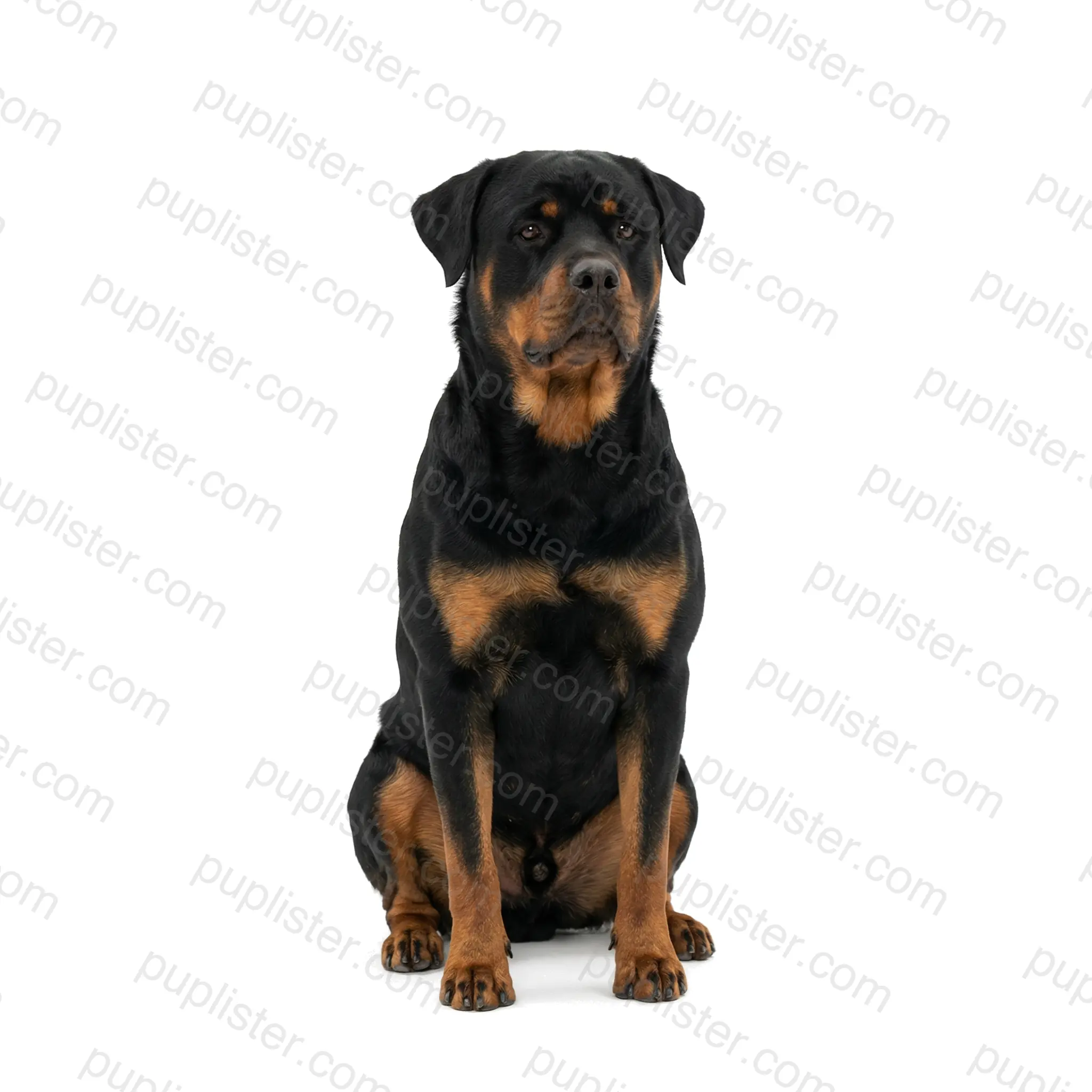
About the Rottweiler The Rottweiler descends from Roman drover dogs that accompanied legions through the Alps, eventually settling in the German town of Rottweil where they drove cattle and pulled carts for butchers for centuries. These robust, powerful dogs stand 22 to 27 inches tall and weigh 80 to 135 pounds, with a broad head, strong jaws, and a compact, muscular build. Their short, dense double coat is always black with distinctive rust to mahogany markings on the cheeks, muzzle, chest, legs, and above the eyes. Temperament & Personality Rottweilers are confident, calm, and courageous — deeply devoted to their families with a natural guarding instinct that requires responsible ownership and thorough socialization. With proper training and socialization, they are gentle, playful, and even goofy with their families, including children. Rottweilers are intelligent and eager to work, excelling in obedience, tracking, herding, and therapy roles, but they need an owner who provides consistent leadership and clear boundaries. Pros Exceptionally loyal and naturally protective of family without excessive aggressionHighly intelligent and trainable — eager to work and please their handlerVersatile working dog excelling in obedience, search and rescue, and therapyLow-maintenance coat requiring only weekly brushing Cons Requires experienced ownership with consistent training and early socializationProne to hip and elbow dysplasia, osteosarcoma, and bloatBreed-specific legislation and homeowner's insurance restrictions in many areasCan develop territorial aggression without proper socialization and leadership A well-raised Rottweiler is one of the finest companions in the canine world — explore adoption listings on Puplister.
21 pets available
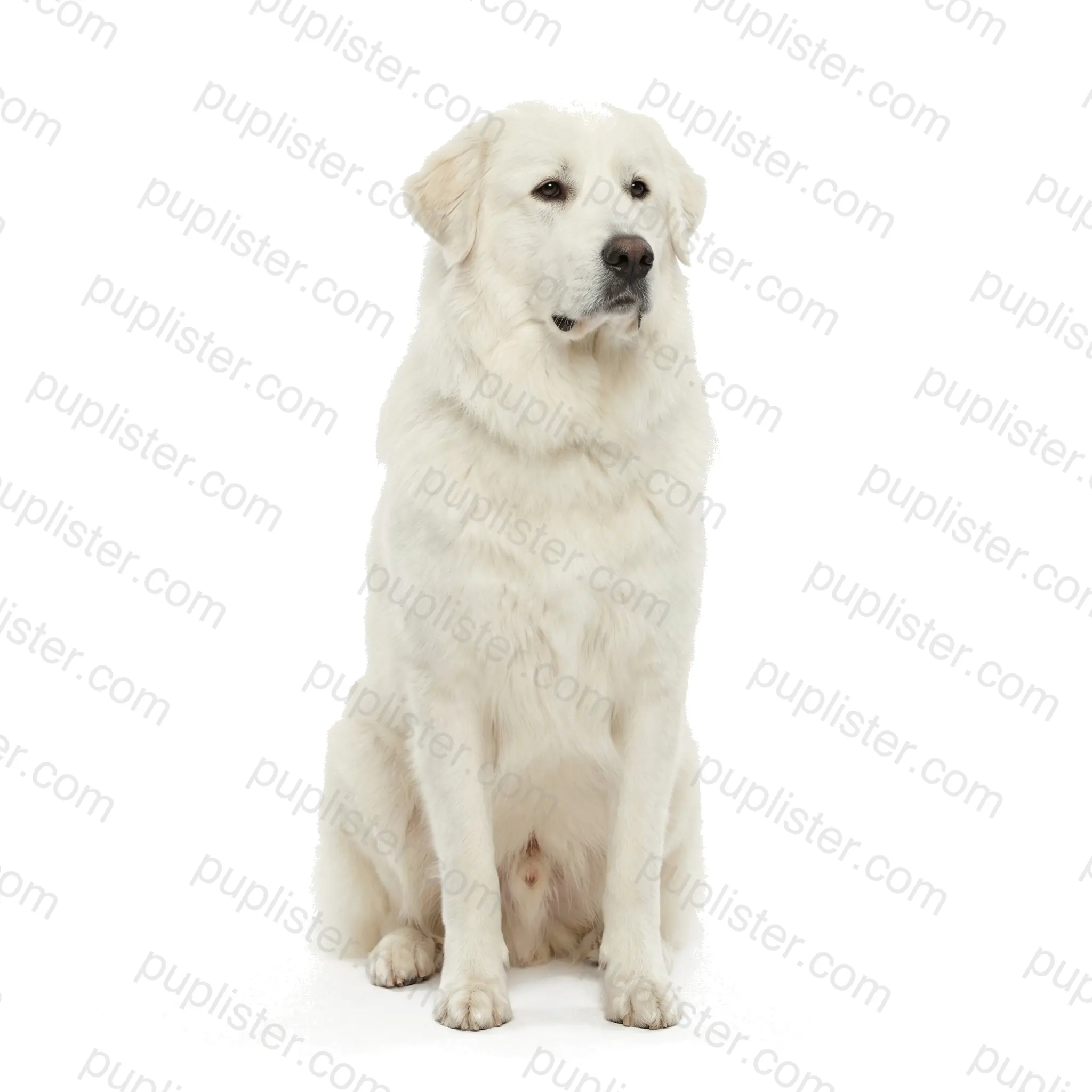
1About the Great Pyrenees The Great Pyrenees — named for the Pyrenees Mountains between France and Spain where they guarded flocks for centuries — is a majestic, powerful livestock guardian with roots stretching back thousands of years to ancient Asia Minor. Standing 25–32 inches tall and weighing 85–115 pounds, these imposing dogs wear a thick, weather-resistant double coat that is predominantly white, sometimes with markings of badger, gray, reddish-brown, or tan. Their calm, regal bearing and abundant white coat give them an almost bear-like appearance that commands respect.Temperament & PersonalityGreat Pyrenees are independent, patient, and serenely confident — bred for millennia to make their own decisions while guarding flocks without human direction. They are gentle and affectionate with their families, particularly protective of children, whom they tend to view as part of their "flock." However, their independent guardian nature means they are not eager-to-please dogs — they will consider your commands and decide whether compliance serves their protective mission.ProsExceptional livestock and property guardian — naturally protective without aggression trainingGentle and patient with children — instinctively nurturing toward young family membersCalm, low-energy indoors — content to rest and observe during the dayThick coat insulates against both extreme cold and moderate heatConsNotorious wanderers — will roam far from home if not contained by secure fencingHeavy nocturnal barking — bred to bark at predators through the night, which disturbs neighborsExtremely independent and stubborn — among the most difficult breeds to obedience trainMassive shedding — the thick undercoat blows seasonally and produces enormous quantities of loose furIf you have the space and patience for a noble guardian, find Great Pyrenees on Puplister today.
21 pets available
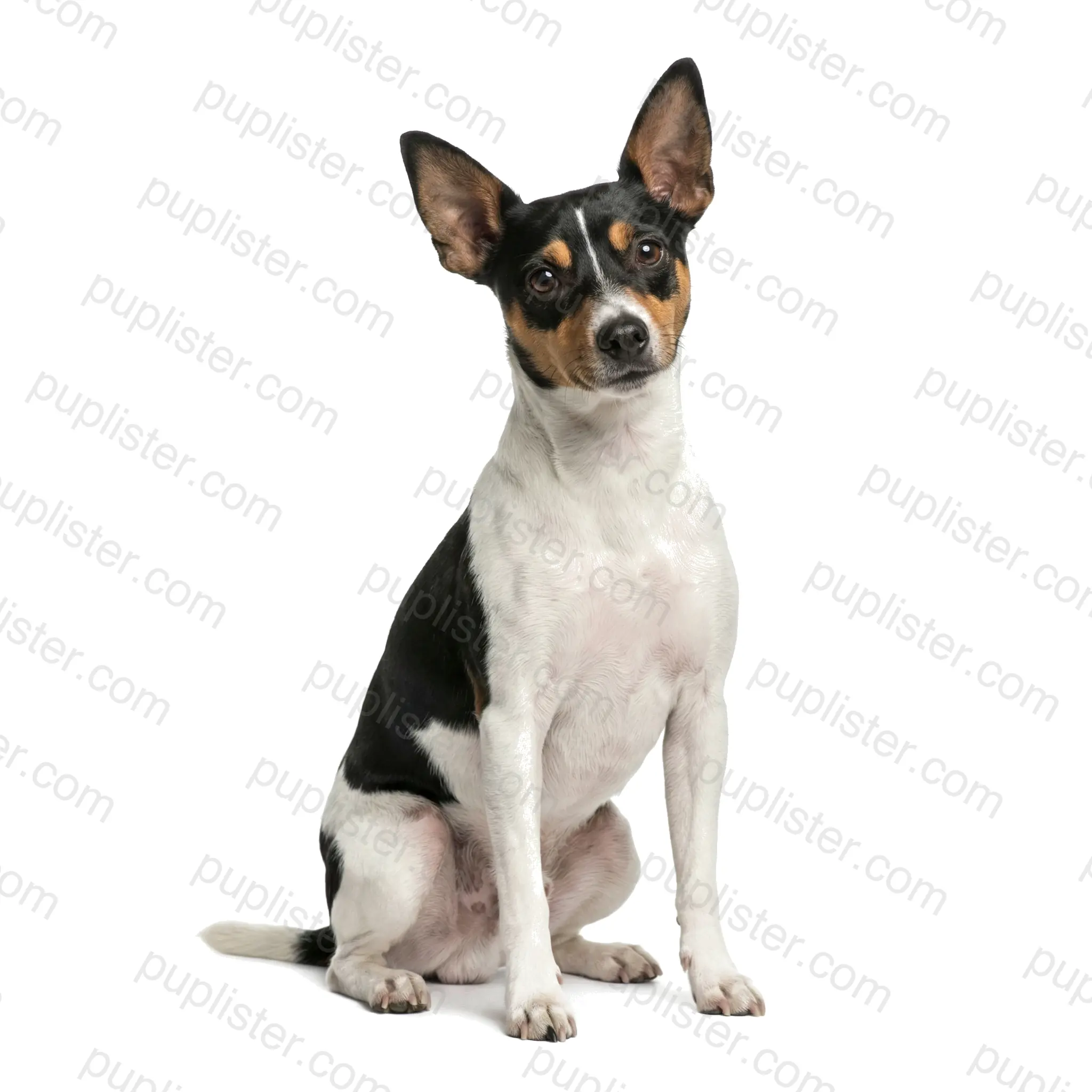
1About the Rat Terrier The Rat Terrier is an American original, developed in the early 20th century on farms across the United States by crossing Fox Terriers with Beagles, Whippets, Italian Greyhounds, and other breeds. They come in two sizes — Miniature (10 to 13 inches, 10 to 18 pounds) and Standard (13 to 18 inches, 12 to 25 pounds) — both with a compact, elegant build. Their short, smooth coat is always pied (white with patches of one or more other colors), and President Theodore Roosevelt is credited with naming the breed after his own terrier cleared the White House of rats. Temperament & Personality Rat Terriers are intelligent, curious, and remarkably versatile — combining terrier tenacity with a more biddable, people-oriented temperament than many of their terrier cousins. They bond deeply with their families and are generally good with children, often choosing one person as their particular favorite. Rat Terriers tend to be less dog-aggressive than other terriers, though they retain a strong prey drive toward rodents and small animals. Pros Excellent farm and homestead dog with natural pest control abilitiesMore trainable and less stubborn than most terrier breedsMinimal grooming needs — short coat requires only occasional brushingGenerally healthy breed with a long lifespan of 12 to 18 years Cons Can be diggers — will excavate impressive holes in gardens and yardsHigh energy level requires daily exercise and mental engagementProne to patellar luxation, hip dysplasia, and cardiac issuesMay be wary of strangers and needs early socialization to prevent timidity A Rat Terrier could be the spirited, loyal companion your household needs — find one on Puplister today.
20 pets available
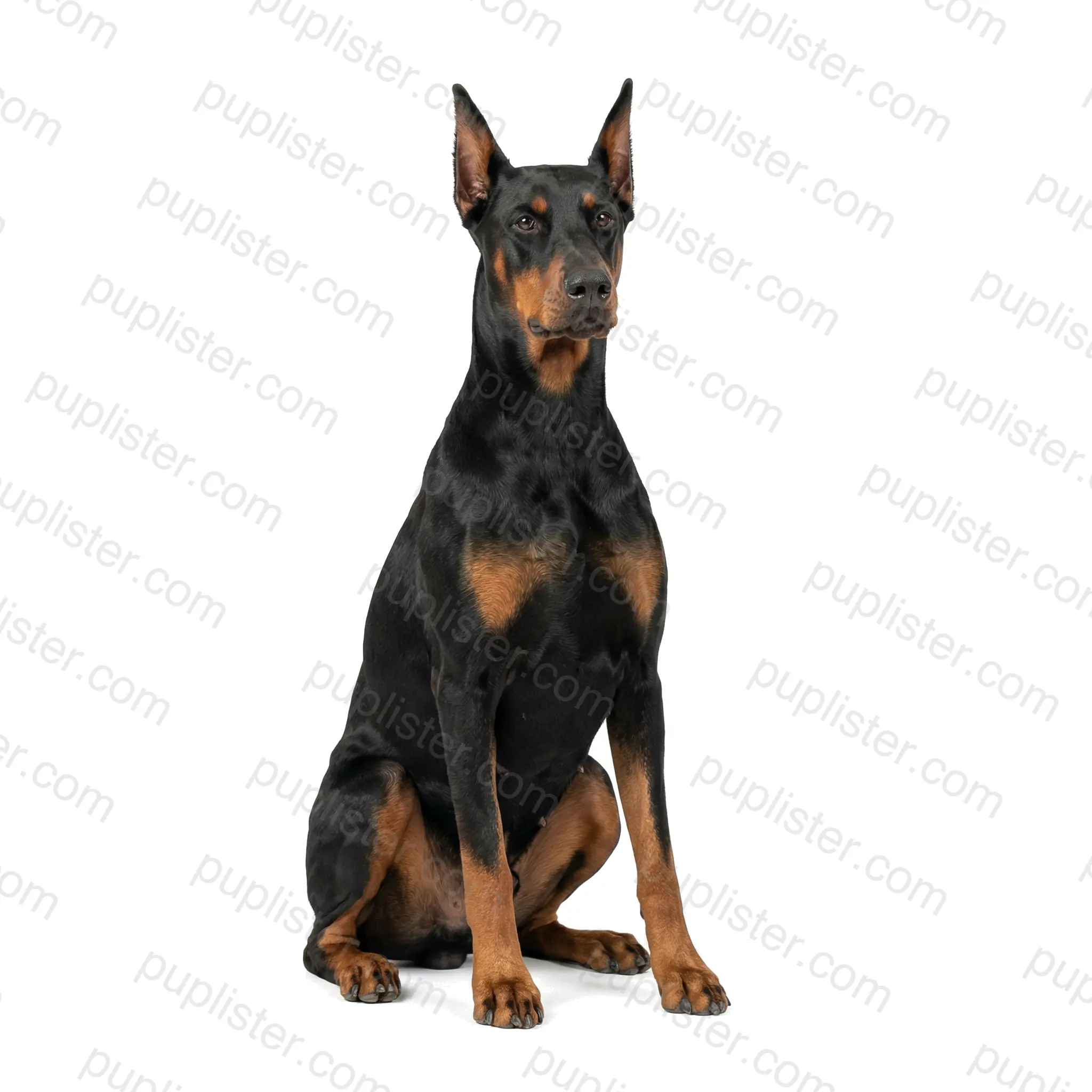
About the Doberman Pinscher Created by German tax collector Karl Friedrich Louis Dobermann in the 1890s, the Doberman Pinscher was engineered to be the ideal personal protection dog — combining speed, strength, intelligence, and unwavering loyalty. Standing 24–28 inches tall and weighing 60–100 pounds, this sleek, powerful breed has a short, smooth coat in black, red, blue, or fawn — always with distinctive rust markings. The Doberman's athletic, wedge-shaped silhouette and alert expression project an air of nobility and capability that few breeds can match.Temperament & PersonalityDobermans are often called "velcro dogs" for their intense devotion to their owners — they want to be by your side at all times and are remarkably attuned to household dynamics. Beneath their imposing exterior lies a sensitive, affectionate dog that thrives on companionship and wilts under harsh treatment. They are naturally protective without being aggressive and are surprisingly gentle and patient with children in their own family.ProsRanked as the 5th most intelligent dog breed — learns new commands in under 5 repetitionsExceptional natural guard dog — protective instincts require no specialized trainingMinimal grooming needs — short coat stays clean with occasional brushingAthletic and versatile — excels in Schutzhund, obedience, agility, and therapy workConsProne to dilated cardiomyopathy — the leading cause of death in the breed, affecting up to 58%Susceptible to von Willebrand's disease, a blood clotting disorderCan develop separation anxiety and destructive behaviors if left alone for long periodsRequires firm, experienced handling — not suitable for passive or first-time ownersLooking for a devoted protector and loyal family companion? Explore Doberman Pinschers on Puplister.
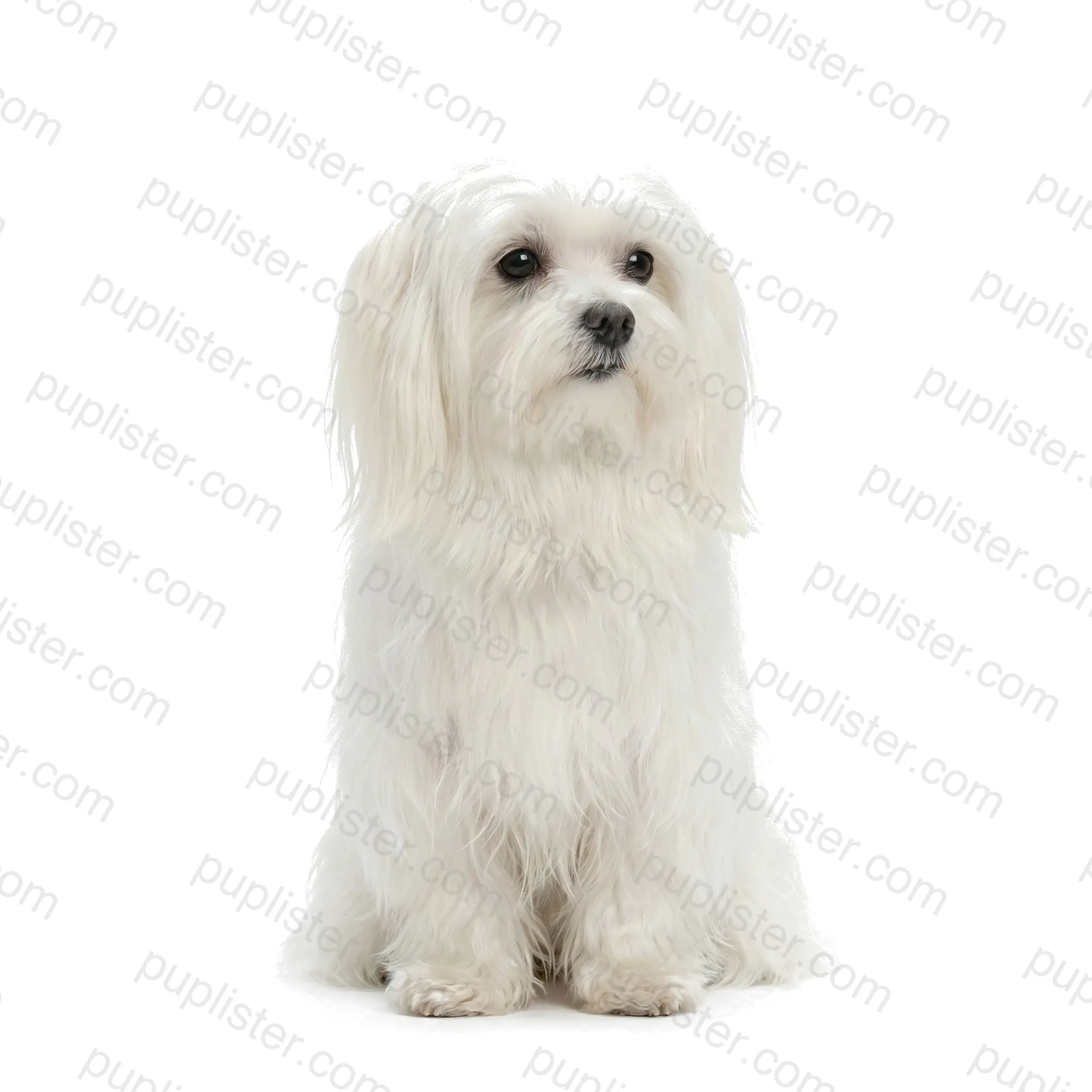
20 pets available
1About the Maltese The Maltese is one of the most ancient toy breeds — pampered by royalty and aristocrats across the Mediterranean for at least 2,000 years, with origins possibly linked to the island of Malta, though their exact birthplace remains debated by historians. Standing 7–9 inches tall and weighing just 4–7 pounds, these delicate dogs are draped in a stunning floor-length coat of pure, silky white hair that flows like a mantle — completely lacking an undercoat, which gives the hair its signature straight, silky texture. Their dark, round eyes and black button nose set against the brilliant white coat create a face of undeniable charm.Temperament & PersonalityMaltese are lively, playful, and remarkably fearless for their tiny size — they carry themselves with an aristocratic confidence that has charmed dog lovers for millennia. They are deeply devoted to their owners and thrive on attention, often developing a charming repertoire of tricks and antics to keep the spotlight on themselves. While generally friendly, they can be suspicious of strangers and intolerant of rough handling, making them better suited to households with older children or adults.ProsHypoallergenic coat — no undercoat means minimal shedding and reduced allergen productionCompact size and low exercise needs — thrives in apartments and small living spacesLong lifespan of 12–15 years with many individuals living well beyond thatPlayful and entertaining personality without the hyperactivity of many small breedsConsLuxurious white coat requires daily brushing, frequent baths, and professional grooming to prevent tangles and stainingProne to tear staining — reddish-brown streaks below the eyes require constant maintenanceSusceptible to dental disease, patellar luxation, and liver shunt — a congenital condition common in the breedCan develop small dog syndrome with excessive barking and snappiness if overindulged and under-trainedA Maltese could bring centuries of royal companionship into your home — explore adoptable Maltese dogs on Puplister.
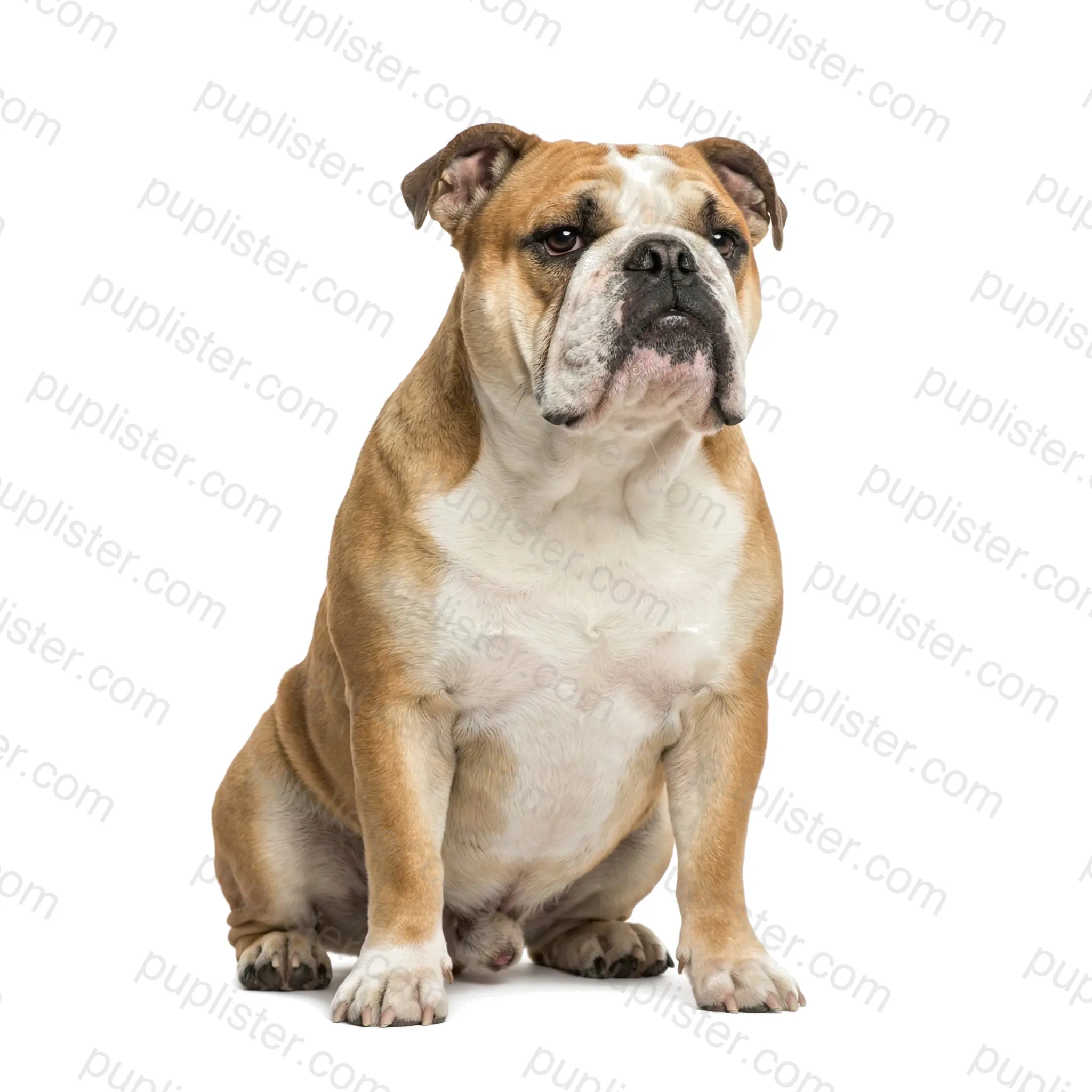
16 pets available
1About the Bulldog The Bulldog — also known as the English Bulldog — traces its ancestry to 13th-century England, where its predecessors were used in the brutal sport of bull-baiting before the practice was outlawed in 1835. Today's Bulldog stands 14–15 inches tall and weighs 40–50 pounds, with a wide, low-slung, heavy-set body, a massive short-faced head, and the breed's trademark underbite and wrinkled face. Their short, smooth coat comes in red, white, fawn, fallow, and various brindle patterns, requiring minimal grooming beyond regular wrinkle cleaning.Temperament & PersonalityModern Bulldogs are gentle, dignified, and surprisingly affectionate — a far cry from their fierce bull-baiting ancestors. They are calm, patient, and excellent with children, earning them a reputation as one of the most dependable and predictable family companions. Bulldogs are sociable with other pets and typically friendly with strangers, though they can be courageous and protective when they sense a genuine threat to their family.ProsCalm, low-energy temperament — perfectly content with short walks and lots of couch timeExcellent apartment dog due to compact size and minimal exercise requirementsPatient and gentle with children, making them outstanding family petsMinimal grooming needs with their short, easy-care coatConsSevere brachycephalic syndrome causes chronic breathing difficulties, snoring, and heat intoleranceExtremely prone to health problems — including hip dysplasia, cherry eye, skin fold infections, and spinal issuesCannot tolerate heat or vigorous exercise and is at high risk of heatstrokeExpensive to own due to frequent veterinary visits and potential for costly surgical interventionsBulldogs may have special needs, but they repay every ounce of care with unwavering devotion — find adoptable Bulldogs on Puplister.
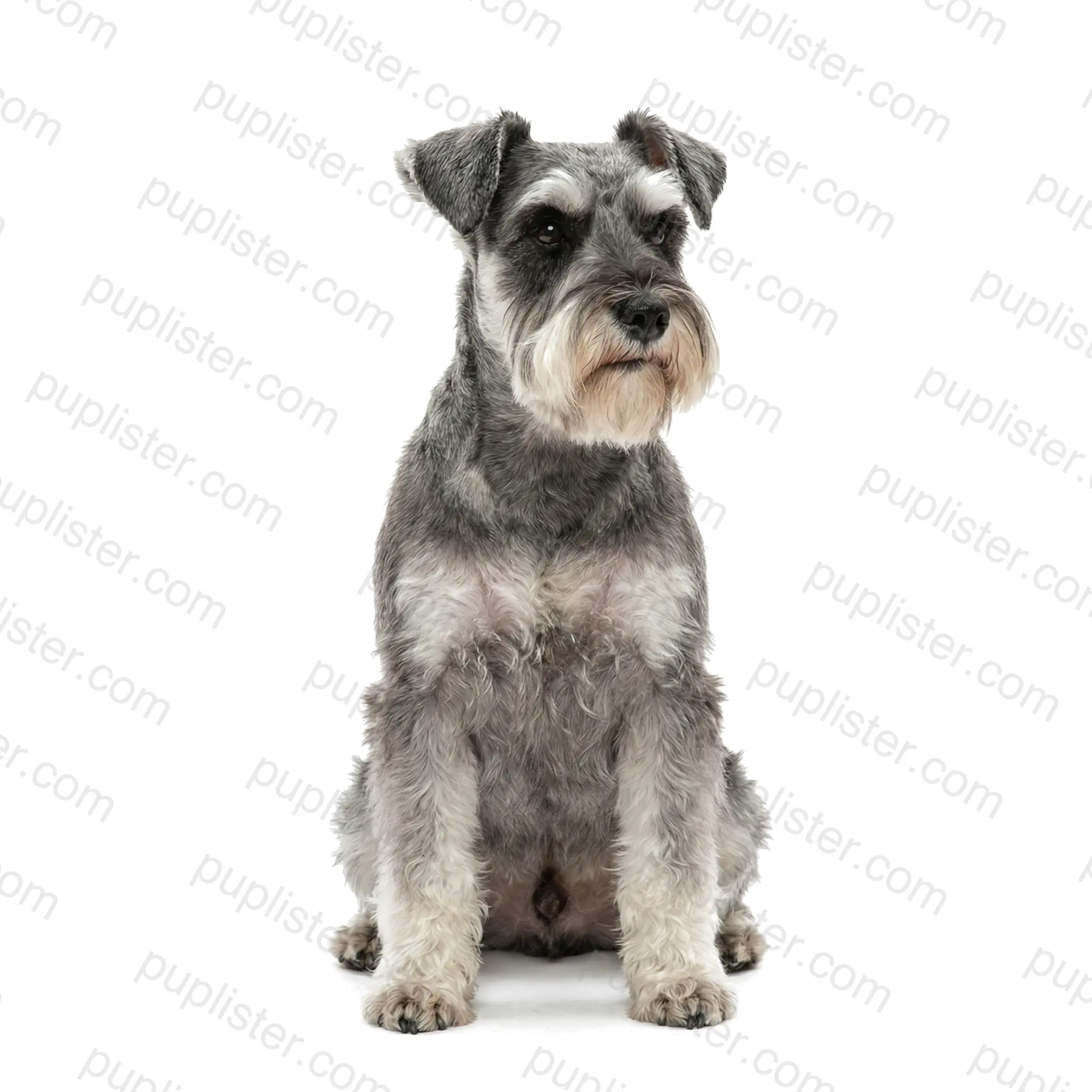
16 pets available
1About the Miniature Schnauzer The Miniature Schnauzer was developed in Germany in the late 19th century by crossing Standard Schnauzers with smaller breeds like the Affenpinscher and Poodle. These sturdy little dogs stand 12 to 14 inches tall and weigh 11 to 20 pounds, carrying a distinctive wiry double coat in salt and pepper, black and silver, solid black, or white. Their trademark bushy eyebrows, full beard, and cropped or natural ears give them an unmistakably distinguished appearance. Temperament & Personality Miniature Schnauzers are spirited, friendly, and remarkably obedient — consistently ranking among the most popular terrier breeds in America. They bond closely with their families, are typically wonderful with children, and get along well with other household pets. Unlike many terrier breeds, they tend to be less aggressive toward other dogs, making them excellent all-around family companions. Pros Low-shedding wiry coat suitable for allergy-conscious householdsHighly trainable and eager to please with consistent methodsAdaptable to apartments, suburbs, or rural settings equally wellRobust health with a lifespan of 12 to 15 years Cons Tendency to bark frequently — can be vocal about everythingRequires regular professional grooming or hand-stripping every 6 to 8 weeksSusceptible to pancreatitis, urinary stones, and hyperlipidemiaStrong prey drive toward squirrels, rabbits, and other small animals outdoors Discover your ideal Miniature Schnauzer companion — check available listings right here on Puplister.
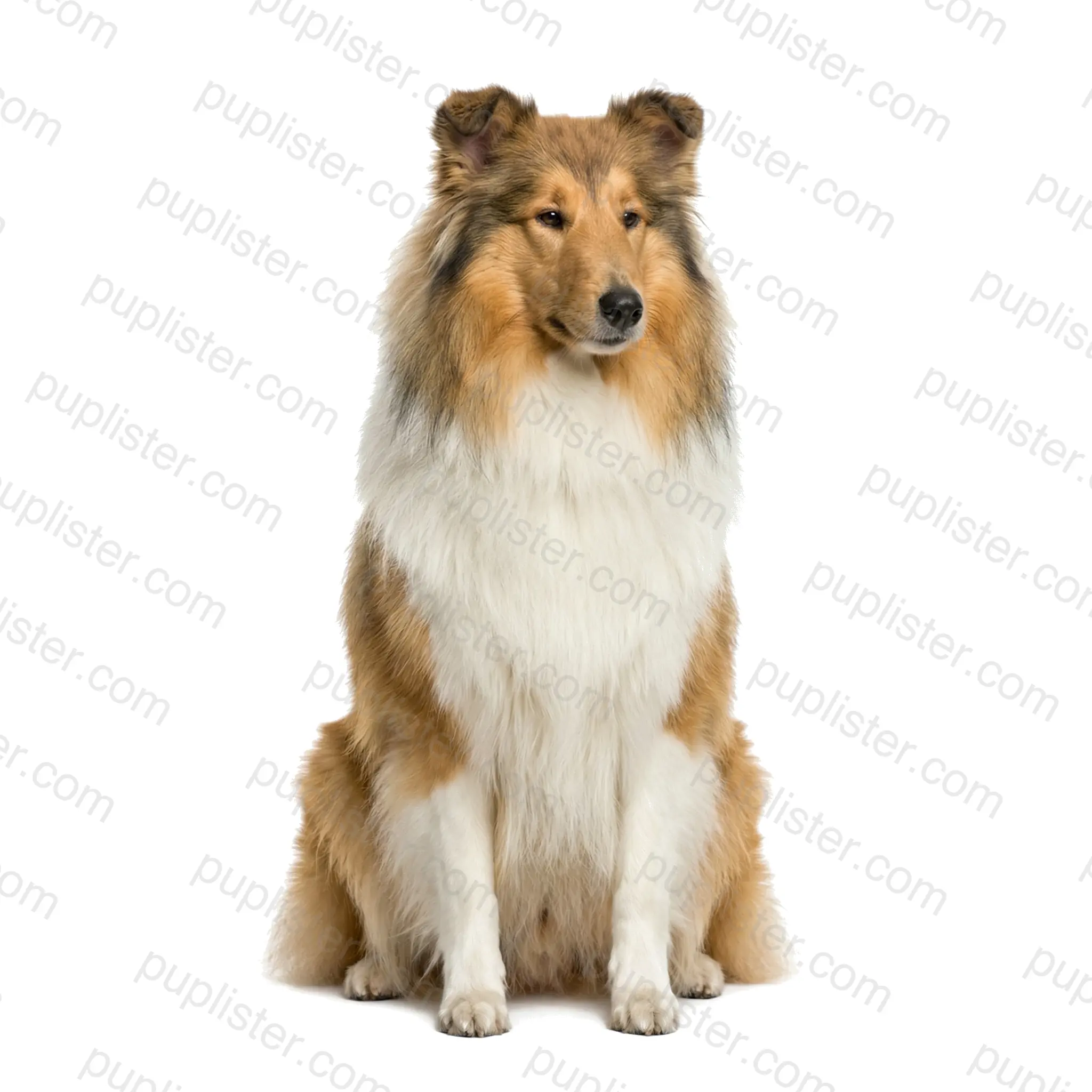
15 pets available
About the Collie The Collie — immortalized by the fictional Lassie — originated in Scotland and northern England as a supremely capable herding dog guarding flocks across rugged highland terrain. Standing 22–26 inches tall and weighing 50–75 pounds, the breed comes in two coat varieties — the iconic Rough Collie with its abundant mane and the sleeker Smooth Collie — in sable and white, tricolor, blue merle, and white colorations. Their wedge-shaped head, almond eyes, and graceful build give them an unmistakable elegance among herding breeds.Temperament & PersonalityCollies are among the most gentle and devoted of all breeds — known for their uncanny ability to sense their family's emotions and respond with quiet comfort. They are exceptionally patient with children and often take on a protective, nurturing role with the youngest family members. While friendly toward strangers, they'll alert you to anything unusual with a distinctive bark — though excessive barking can develop without training.ProsOne of the most naturally gentle and trustworthy breeds with children of all agesHighly intelligent and responsive to training — learn commands with minimal repetitionModerate exercise needs — satisfied with daily walks and yard play rather than intense activityClean dogs with little doggy odor despite their abundant coatsConsRough variety sheds heavily year-round and requires thorough brushing 2–3 times weeklyProne to Collie Eye Anomaly — a hereditary condition affecting up to 70% of the breedCan develop nuisance barking if bored or left alone frequentlySensitive to many common veterinary drugs due to the MDR1 gene mutationBring home a loyal and graceful Collie — explore adoptable Collies waiting for families on Puplister.
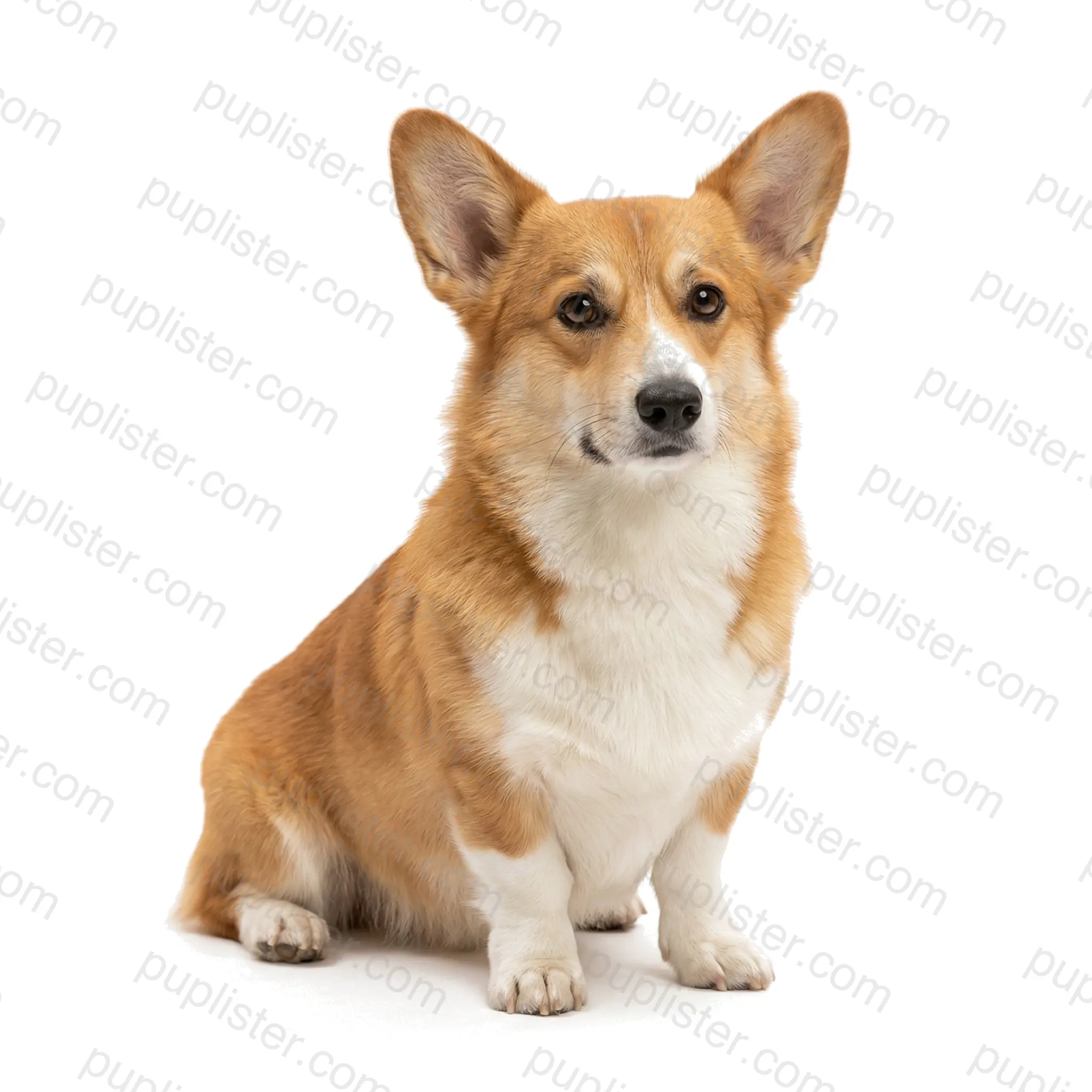
15 pets available
4About the Pembroke Welsh Corgi The Pembroke Welsh Corgi originated in Pembrokeshire, Wales, around the 10th century — brought by Flemish weavers and refined into an agile cattle-herding dog. These low-set, athletic dogs stand 10 to 12 inches tall and weigh 25 to 30 pounds, with surprisingly powerful legs and a deep chest for their compact frame. Their medium-length, weather-resistant double coat comes in red, sable, fawn, or black and tan, often with characteristic white markings. Temperament & Personality Pembroke Welsh Corgis are bold, outgoing, and surprisingly athletic — combining the work ethic of a herding dog with the affectionate nature of a devoted companion. They are intelligent and eager to please, making them highly trainable, and they typically adore children and other pets in the household. Their herding instinct may lead them to nip at heels during play, a behavior that should be redirected early through training. Pros Highly intelligent and eager to learn — excels in obedience and herding trialsManageable size with the personality and athleticism of a much larger dogAdaptable to apartments, houses, and farms alikeAffectionate and entertaining — known for their expressive faces and playful antics Cons Heavy shedding year-round with massive blowouts twice yearlyProne to obesity, which severely exacerbates spinal issues in their long backsSusceptible to intervertebral disc disease, hip dysplasia, and degenerative myelopathyHerding instinct can lead to nipping at children's ankles and chasing moving objects Corgis have captured hearts worldwide — and yours might be waiting on Puplister right now.
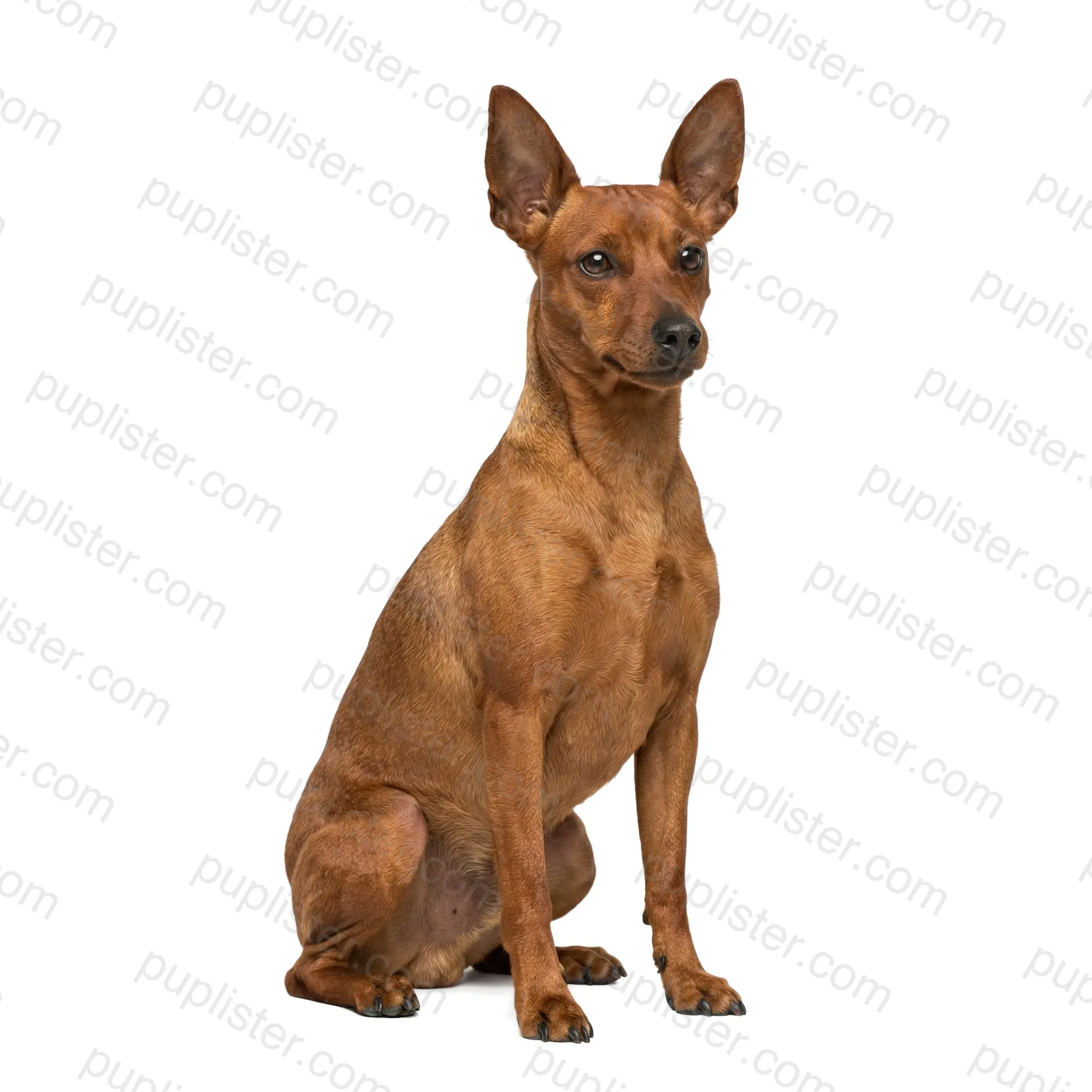
14 pets available
1About the Miniature Pinscher The Miniature Pinscher — affectionately called the "Min Pin" — originated in Germany several centuries ago, likely bred from a combination of Dachshunds and Italian Greyhounds. Standing 10 to 12.5 inches tall and weighing 8 to 12 pounds, these spirited dogs are far older than the Doberman and are not simply a scaled-down version of that breed. Their sleek, smooth coat comes in red, stag red, black and tan, or chocolate and tan with a naturally glossy sheen. Temperament & Personality Miniature Pinschers are bold, energetic, and remarkably self-assured — often described as having a big-dog attitude in a toy-sized body. They are entertaining and devoted to their owners but can be independent and stubborn during training sessions. Min Pins generally do well with older children and can coexist with other dogs, though they may try to assert dominance over much larger breeds. Pros Minimal grooming needed thanks to their short, smooth coatExcellent watchdog with an alert, vocal natureCompact size perfect for apartment and urban livingHighly energetic and entertaining companion for active owners Cons Notorious escape artists — can squeeze through small gaps and jump surprisingly highProne to patellar luxation and Legg-Calvé-Perthes diseaseStubborn streak makes housetraining more challenging than averageHigh prey drive means unreliable off-leash in unfenced areas Think a fearless little companion with endless personality is right for you? Search for Miniature Pinschers available on Puplister.
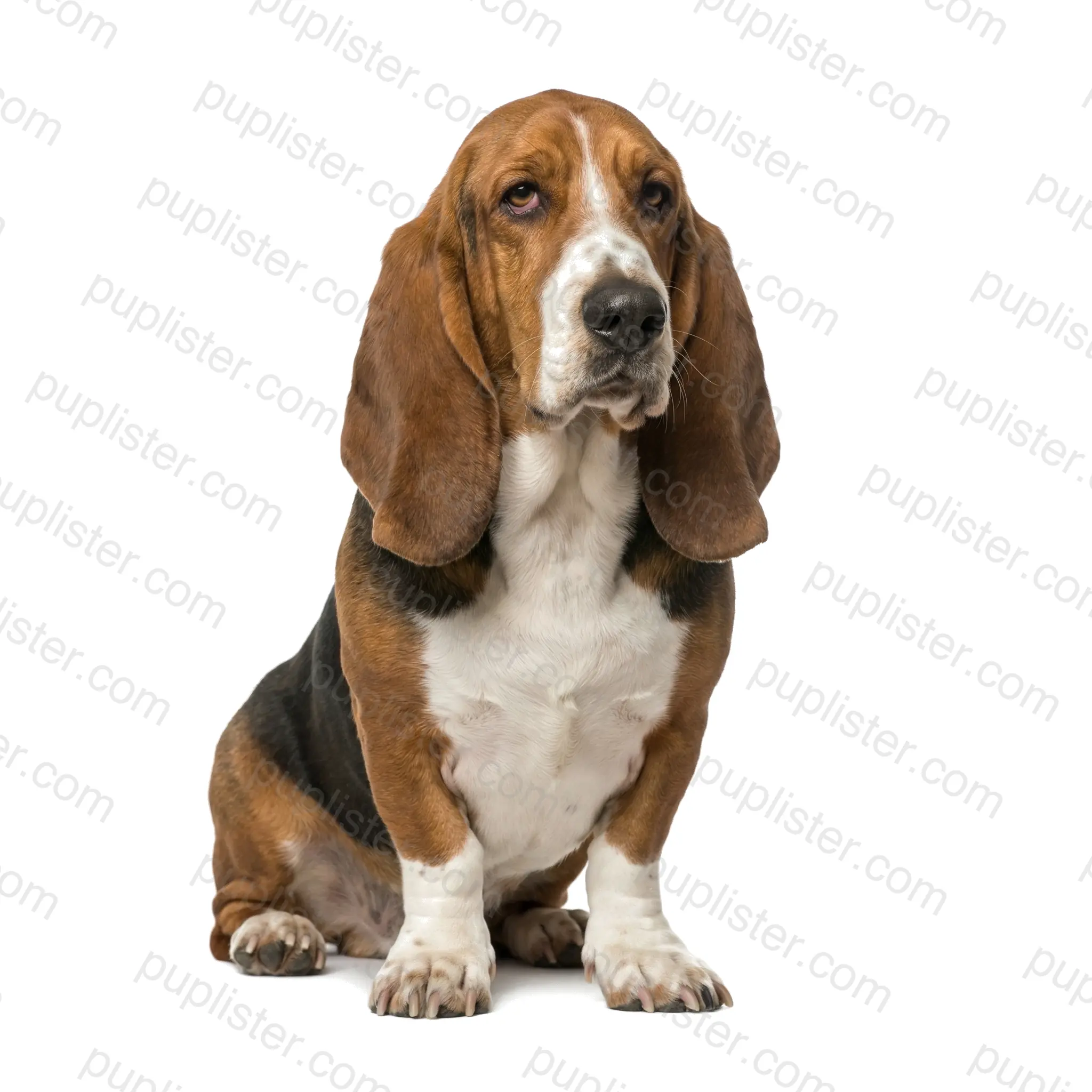
13 pets available
About the Basset Hound The Basset Hound was developed in France — the name comes from the French word "bas" meaning low — as a scent hound bred to track rabbits and hare through dense underbrush. Standing just 11–15 inches tall but weighing a substantial 40–65 pounds, the Basset is a heavy-boned, low-slung dog with the second-best nose in the canine world, surpassed only by the Bloodhound. Their short, smooth coat comes in classic tri-color, red-and-white, and lemon-and-white patterns, and while easy to brush, they are moderate shedders.Temperament & PersonalityBasset Hounds are famously easygoing, patient, and gentle — their laid-back demeanor makes them wonderful family dogs who get along with virtually everyone, including children and other pets. They are pack animals at heart and dislike being left alone for long periods, often expressing their displeasure with mournful howling. Despite their placid appearance, Bassets can be surprisingly stubborn, especially when they've caught an interesting scent.ProsGentle, patient temperament — excellent with children and other animalsLow exercise requirements compared to most hound breedsFriendly and sociable with strangers, other dogs, and even catsCharming, expressive face and endearing personality that wins hearts easilyConsProne to obesity without careful diet management due to their low activity levelLoud, deep bay and howl that can disturb neighborsEars require frequent cleaning to prevent chronic ear infectionsSusceptible to intervertebral disc disease, bloat, and glaucomaA Basset Hound's soulful eyes and gentle heart might be exactly what your family needs — find adoptable Basset Hounds on Puplister.
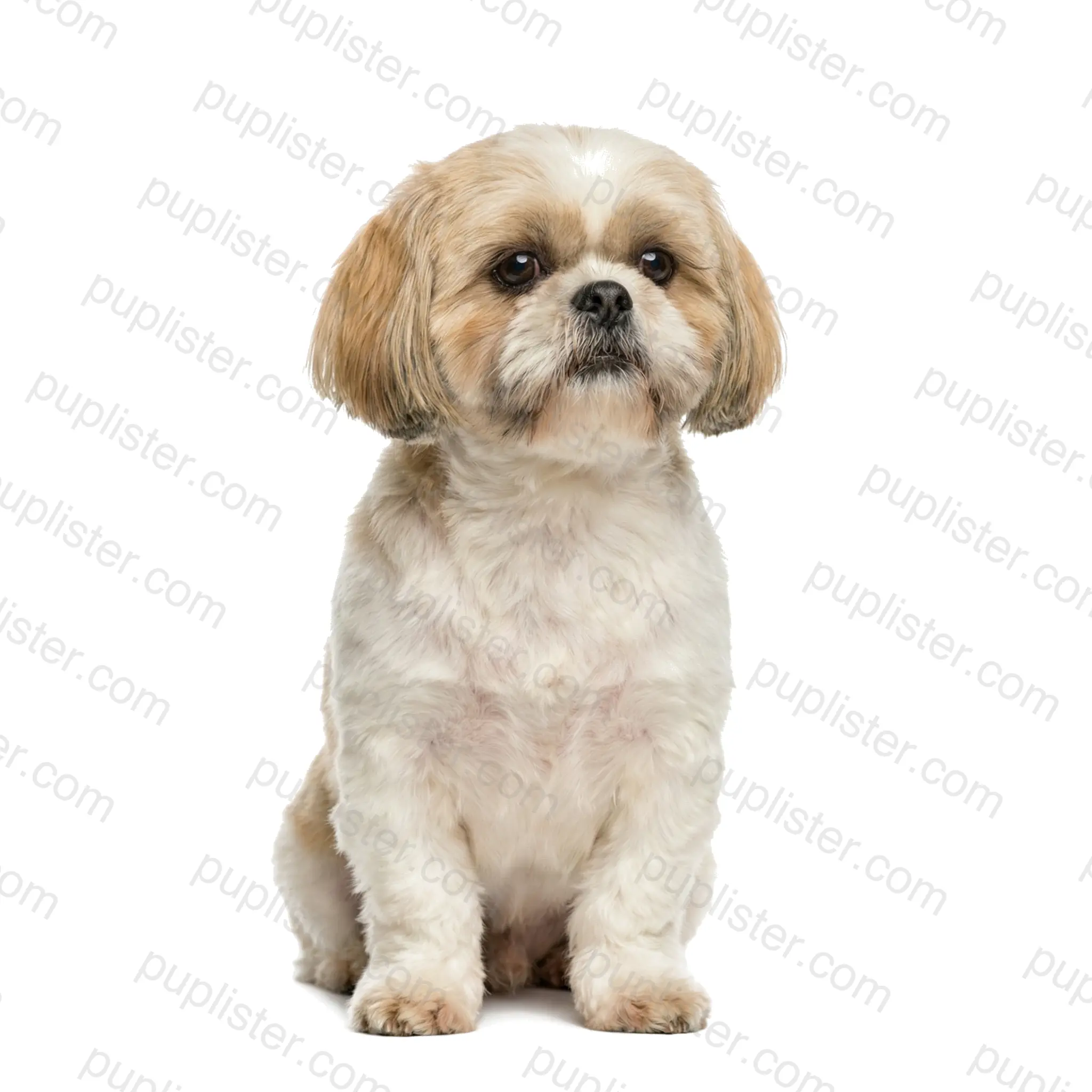
13 pets available
About the Shih Tzu The Shih Tzu — meaning "lion dog" in Mandarin — was bred for centuries within the walls of the Chinese imperial palace, likely from crosses between the Lhasa Apso and the Pekingese. These small, sturdy dogs stand 9 to 10.5 inches tall and weigh 9 to 16 pounds, with a slightly longer body than they are tall and a proud, flowing gait. Their luxurious double coat grows continuously and can reach floor length, coming in virtually every color and combination, with a distinctive chrysanthemum-like pattern on the face where hair grows in all directions. Temperament & Personality Shih Tzus are affectionate, outgoing, and delightfully playful — bred solely as companion dogs, they have centuries of experience perfecting the art of being a devoted lapdog. They are friendly with nearly everyone, including children, strangers, and other pets, making them one of the most sociable toy breeds available. Shih Tzus are happy, adaptable, and surprisingly sturdy for their size, with a mischievous charm that keeps their families entertained. Pros Exceptionally friendly and sociable with people of all ages and other animalsLow exercise requirements — short walks and indoor play satisfy their needsMinimal shedding when coat is kept in a shorter "puppy clip"Adaptable and content in apartments, condos, and any living situation Cons Long coat demands daily brushing or frequent professional groomingBrachycephalic structure contributes to breathing issues and heat intoleranceProne to eye problems (proptosis, corneal ulcers), ear infections, and dental diseaseCan be stubborn about housetraining — patience and consistency are essential A Shih Tzu's sole mission in life is to love and be loved — find yours waiting on Puplister today.
12 pets available
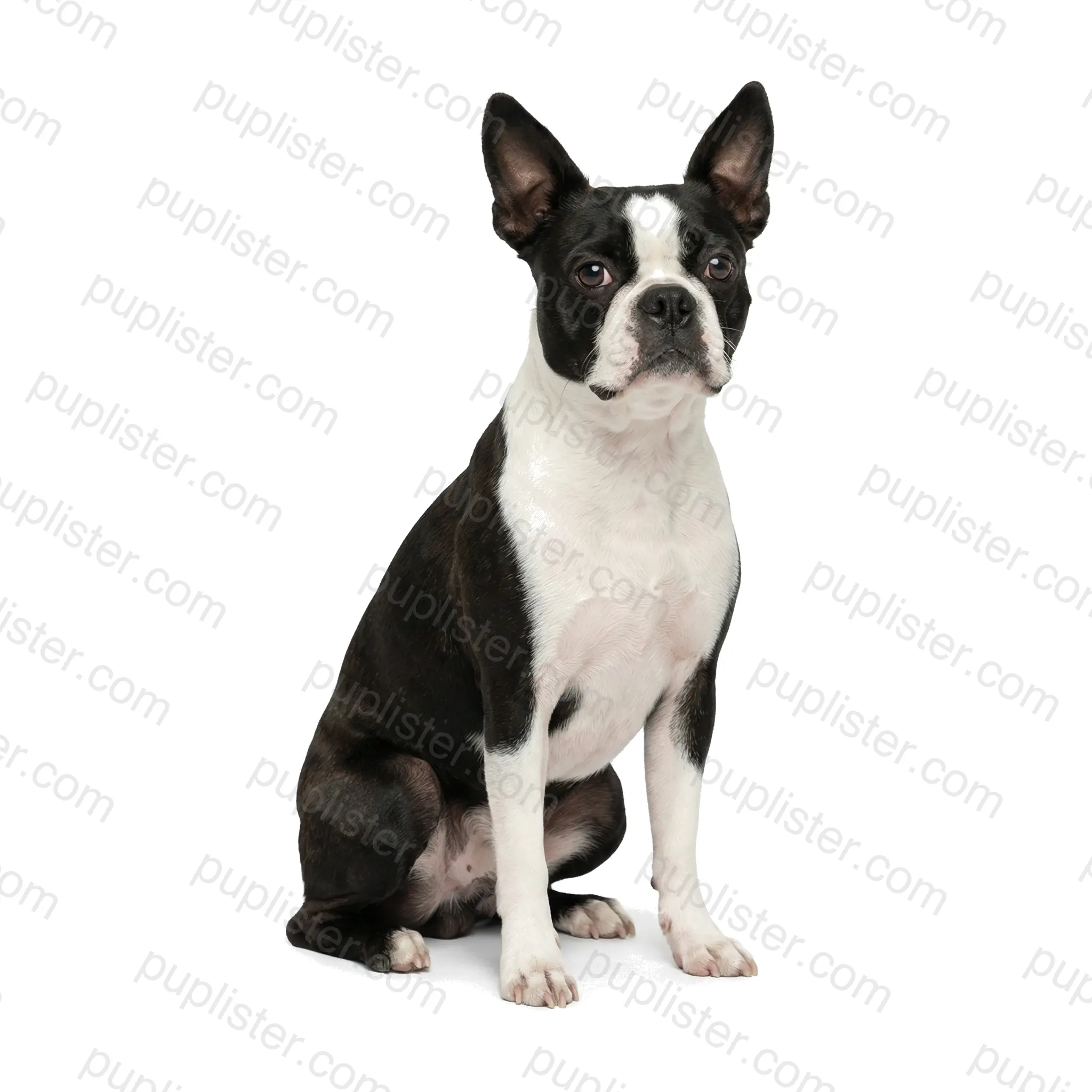
About the Boston Terrier The Boston Terrier — affectionately known as the "American Gentleman" — was developed in Boston, Massachusetts, in the late 1800s from crosses between English Bulldogs and white English Terriers. Standing 15–17 inches tall and weighing 12–25 pounds, they come in three weight classes and sport a compact, well-proportioned build with a distinctive tuxedo-like coat pattern. Their short, smooth coat appears in black-and-white, brindle-and-white, or seal-and-white — always with the characteristic white blaze, muzzle band, and chest marking.Temperament & PersonalityBoston Terriers are lively, intelligent, and brimming with personality — they have a wonderful sense of humor and seem to know exactly how to make their owners laugh. They are exceptionally friendly with people of all ages, including children and seniors, and typically get along well with other dogs and cats. Their moderate energy level and adaptable nature make them equally happy on a brisk walk or curled up on the couch.ProsPerfect apartment dog — compact size, moderate exercise needs, and minimal barkingFriendly and sociable with virtually everyone, including strangers and other petsLow-maintenance coat requiring only occasional brushingHighly adaptable temperament that suits first-time owners and experienced dog people alikeConsBrachycephalic (flat-faced) structure causes breathing difficulties, snoring, and heat intoleranceProne to eye injuries and conditions like cataracts, cherry eye, and corneal ulcersCan be stubborn about housetraining despite their intelligenceSusceptible to patellar luxation and spinal issues due to their compact buildBoston Terriers are the perfect blend of charm and companionship — find adoptable Boston Terriers on Puplister now.
12 pets available
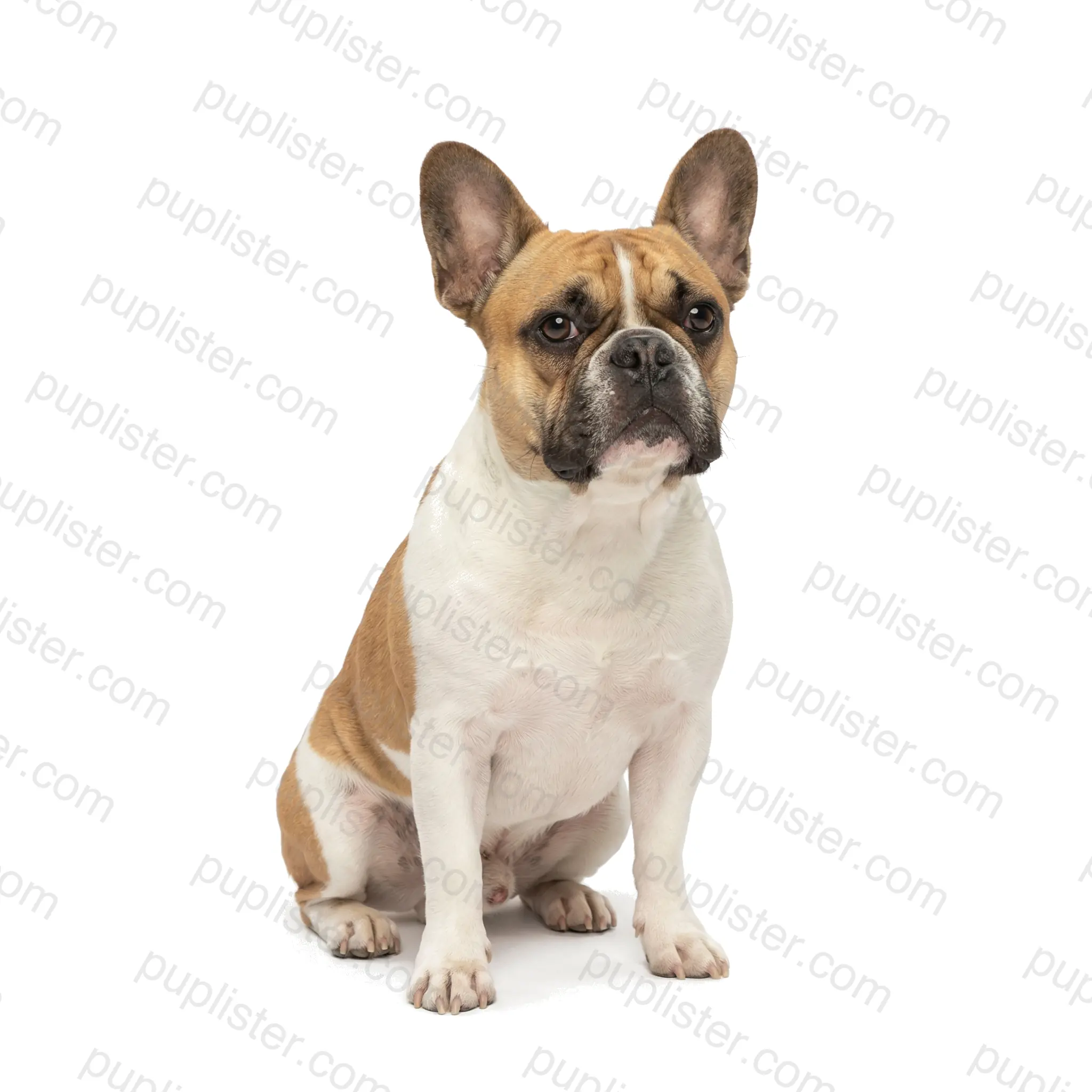
1About the French Bulldog The French Bulldog — or "Frenchie" — descended from miniaturized English Bulldogs brought to France by lace workers during the Industrial Revolution, where they were crossed with local ratters and developed into the bat-eared companion we know today. Standing 11–13 inches tall and weighing under 28 pounds, these compact, muscular dogs have a smooth, short coat in brindle, fawn, white, cream, and various pied combinations. Their oversized bat ears, flat face, and stocky build give them an irresistibly comical appearance that has made them one of the most popular breeds worldwide.Temperament & PersonalityFrench Bulldogs are playful, alert, and adaptable — equally happy clowning around the living room or snoozing on their owner's lap for hours. They are affectionate without being clingy and generally get along well with children, other dogs, and strangers alike. Their easygoing nature and moderate energy level make them one of the most versatile companion breeds for urban dwellers.ProsIdeal apartment dogs — low exercise needs, rarely bark, and thrive in small spacesFriendly, sociable temperament — gets along with virtually everyoneMinimal grooming requirements — short coat needs only occasional brushingPlayful and entertaining without the hyperactivity of many small breedsConsBrachycephalic breed — prone to breathing difficulties, overheating, and exercise intoleranceExtremely expensive veterinary care — spinal issues, allergies, and eye problems are commonCannot swim due to their top-heavy build — require constant supervision near waterProne to flatulence, snoring, and skin fold infections that require regular cleaningFall in love with a charming Frenchie — explore French Bulldogs available for adoption on Puplister.
12 pets available
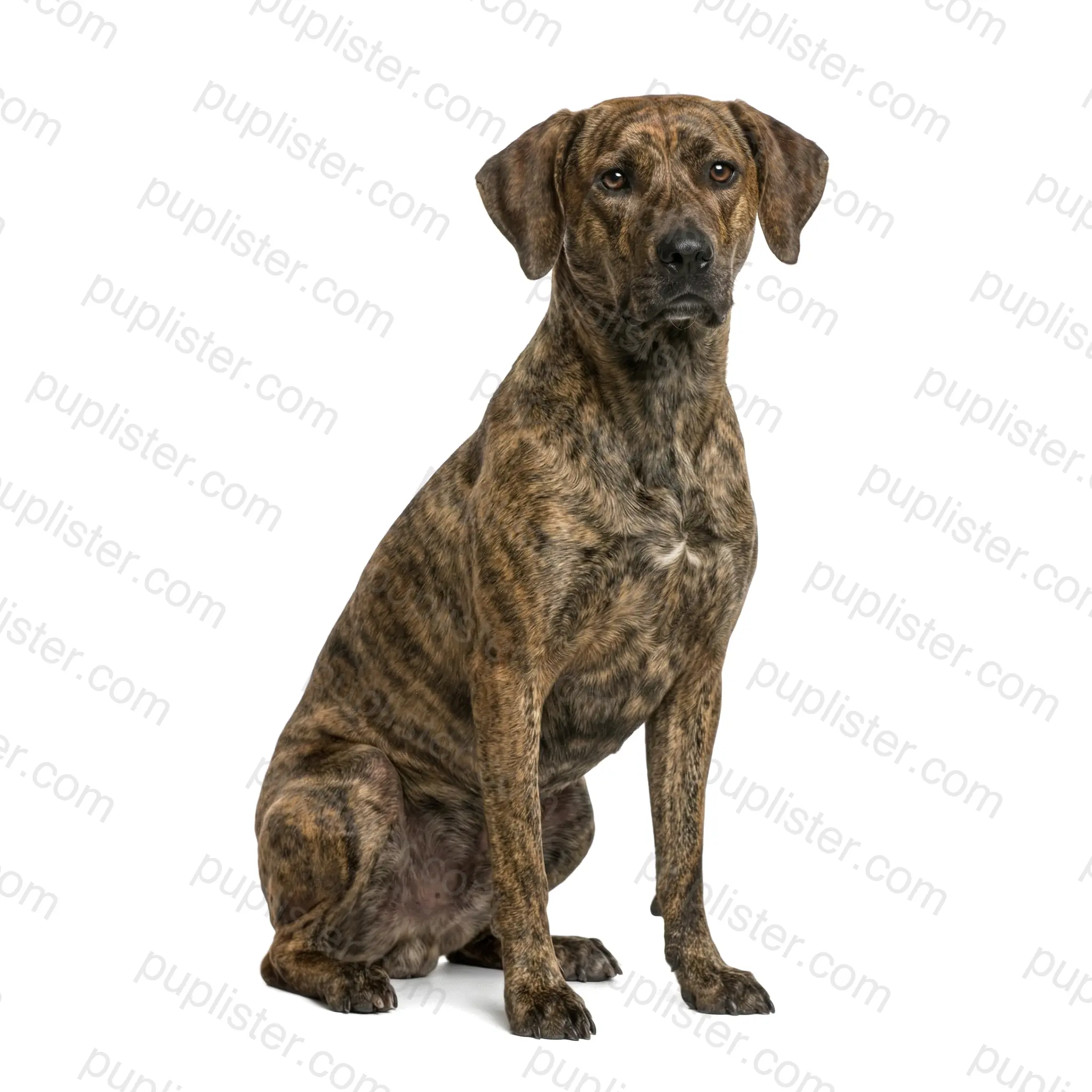
About the Plott Hound The Plott Hound is the official state dog of North Carolina, descended from Hanoverian Schweisshunds brought to the Appalachian Mountains by German immigrant Johannes Plott in 1750. These athletic, muscular hounds stand 20 to 25 inches tall and weigh 40 to 60 pounds, built for endurance and tenacity on the trail. Their short to medium-length, glossy coat is most commonly brindle — ranging from yellow to chocolate to black brindle — though solid colors also occur. Temperament & Personality Plott Hounds are courageous, loyal, and determined — originally bred to track and tree bears, they possess a tenacious drive that can be both impressive and challenging. With their families, they are affectionate, eager to please, and surprisingly gentle, often forming deep bonds with their primary caretaker. They generally do well with children and other dogs, especially when raised together, though their strong prey drive means caution around cats and small animals. Pros Exceptional stamina and athleticism for hiking and outdoor adventuresLoyal and protective without being overly aggressive toward peopleLow-maintenance coat that requires only occasional brushingHealthier than many purebreds with a lifespan of 12 to 14 years Cons Loud, baying voice that carries long distances — not suited for noise-sensitive neighborhoodsStrong prey drive makes reliable off-leash recall very difficultCan be stubborn and single-minded when tracking a scentRequires substantial daily exercise — at least 60 minutes of vigorous activity The Plott Hound is a hidden gem among sporting breeds — discover one looking for a forever home on Puplister.
10 pets available
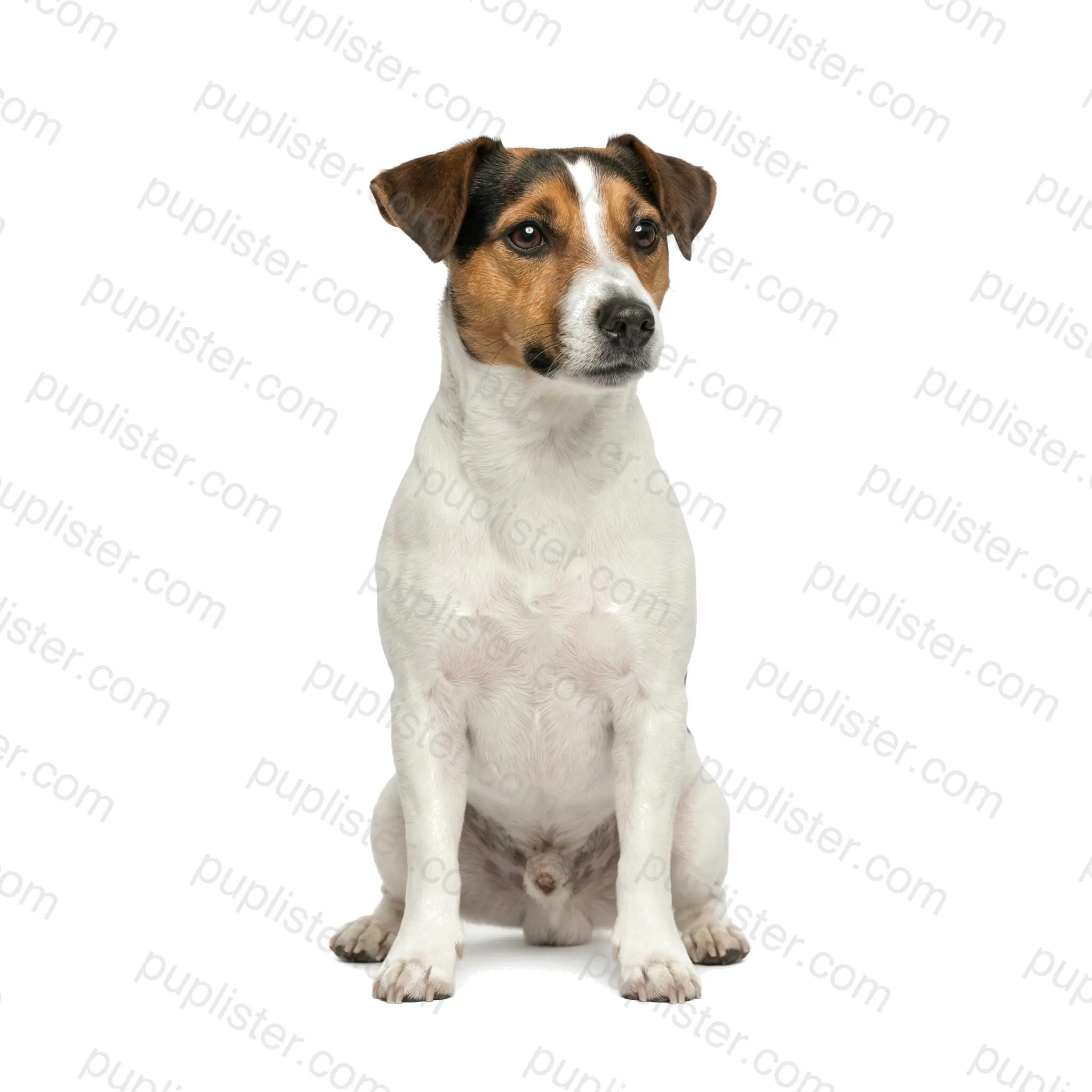
About the Jack Russell Terrier The Jack Russell Terrier was developed in 19th-century England by Reverend John Russell, who bred a strain of fox-working terriers designed to bolt foxes from their dens without injuring them. Standing 10–15 inches tall and weighing 13–17 pounds, these compact, muscular terriers have a predominantly white coat — smooth, rough, or broken — with tan, black, or tricolor markings. Their small size is deceptive — Jack Russells pack the energy, drive, and determination of a dog twice their size into a remarkably athletic frame.Temperament & PersonalityJack Russell Terriers are fearless, intense, and almost comically confident — they live life at full throttle and expect their owners to keep up. They are clever problem-solvers with an independent streak that makes them entertaining but challenging to manage for inexperienced owners. While loyal and affectionate with their families, their terrier temperament means they can be snappy with young children and combative with other dogs.ProsExceptional athleticism — excel in agility, flyball, and barn hunt competitionsHardy, healthy breed with a long lifespan of 13–16 years and few genetic health issuesSmall enough for apartment living but robust enough for outdoor adventuresAlert and vigilant watchdogs — nothing escapes their noticeConsAstonishing energy level — requires far more exercise than most owners expect from a small dogCan jump up to 5 feet high and dig under fences — expert escape artistsStrong prey drive and aggression toward small animals — not safe with cats, rabbits, or rodentsStubborn and independent — can be difficult to train despite high intelligenceIf you want a small dog with a big personality and boundless energy, search Jack Russells on Puplister.
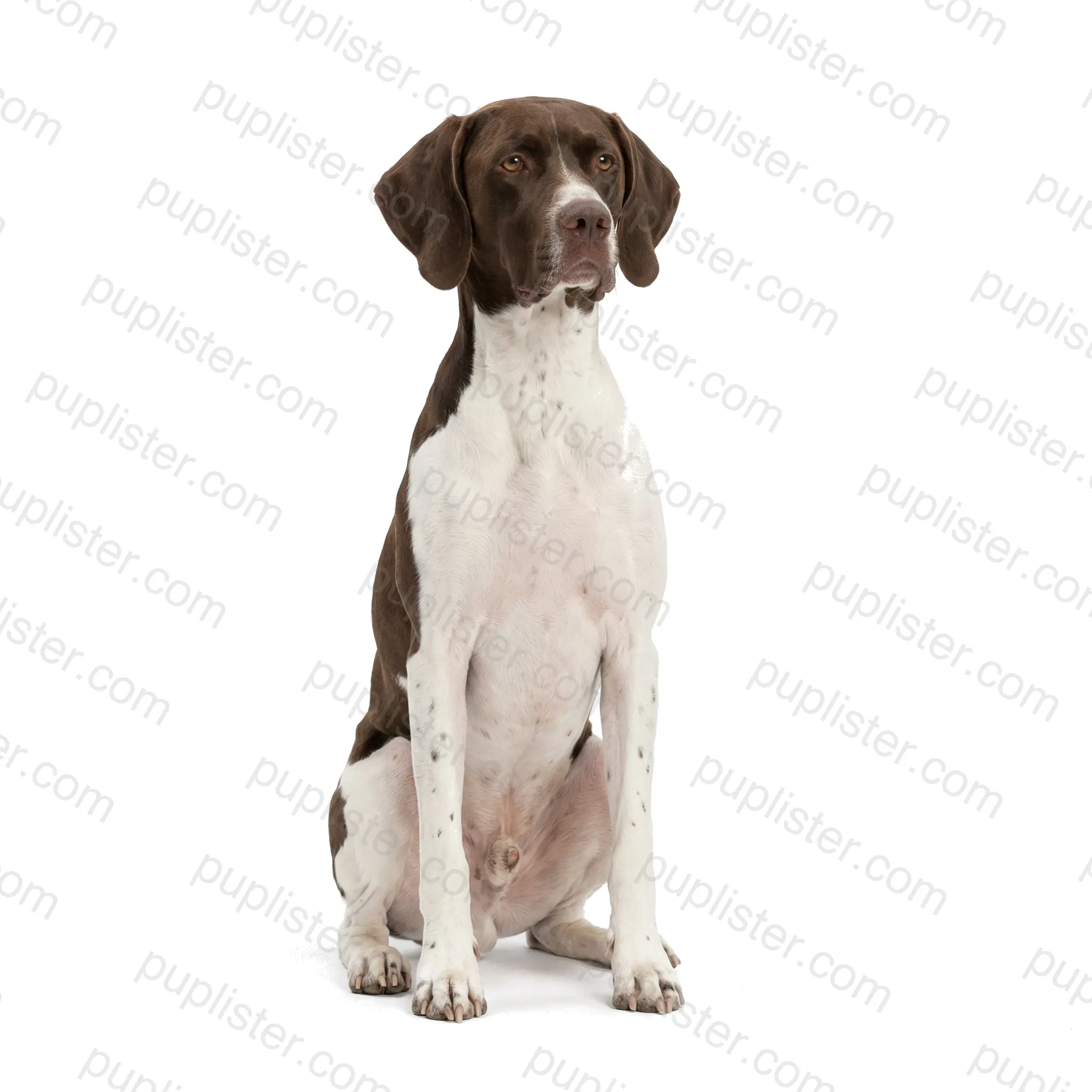
10 pets available
About the Pointer The Pointer — also called the English Pointer — was developed in England in the 17th century, likely from crosses of Spanish Pointers, Foxhounds, Greyhounds, and Bloodhounds. These elegant, athletic dogs stand 23 to 28 inches tall and weigh 45 to 75 pounds, built with a lean, muscular frame designed for speed and endurance in the field. Their short, smooth coat comes in liver, lemon, black, or orange — either solid or combined with white in striking patterns. Temperament & Personality Pointers are energetic, even-tempered, and intensely driven in the field, yet remarkably calm and affectionate at home once adequately exercised. They are friendly with everyone — children, strangers, and other dogs — making them poor guard dogs but excellent family companions. Their strong pointing instinct often appears naturally in puppyhood, and they thrive when given a purposeful outlet for their energy and intelligence. Pros Outstanding stamina and speed for active owners who run, bike, or huntExceptionally friendly and gentle with children and other petsShort coat requires minimal grooming — just occasional brushingHighly trainable for field work, agility, and competitive obedience Cons Extremely high energy — requires 1 to 2 hours of vigorous exercise dailyCan become destructive and anxious without sufficient physical outletsStrong prey drive makes them unreliable around small animalsProne to hip dysplasia, hypothyroidism, and certain eye conditions An active lifestyle deserves an equally active companion — find your Pointer on Puplister today.
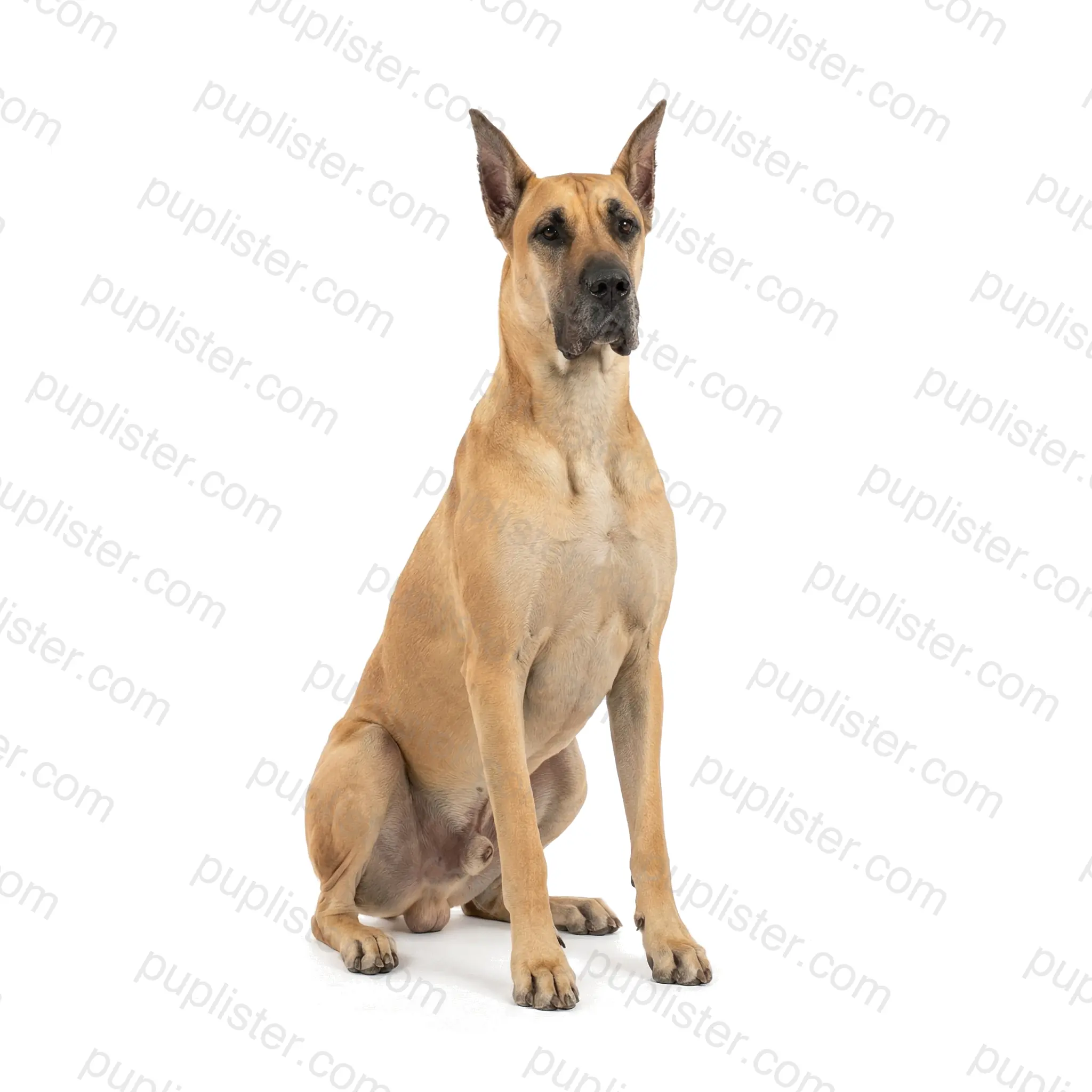
9 pets available
1About the Great Dane The Great Dane — known as the "Apollo of Dogs" — traces its lineage to ancient Assyrian war dogs, though the modern breed was refined in Germany to hunt wild boar and later serve as estate guardians. Standing a towering 28–32 inches at the shoulder and weighing 110–175 pounds, Great Danes are among the tallest dog breeds in the world — the record holder stood 44 inches tall. Their short, sleek coat comes in six recognized colors: fawn, brindle, blue, black, harlequin (white with irregular black patches), and mantle.Temperament & PersonalityDespite their imposing size, Great Danes are famously gentle and affectionate — earning them the nickname "the world's biggest lap dog." They are patient with children and remarkably calm indoors, often preferring to lean against their owner's legs or drape across the couch rather than engage in rough play. Their friendly, confident demeanor means they greet most people warmly, though their sheer size alone is an effective deterrent to unwelcome visitors.ProsSurprisingly calm and gentle indoors — moderate exercise needs despite their enormous sizeNaturally imposing presence deters intruders without aggressive behaviorShort coat requires minimal grooming — just weekly brushing and occasional bathsPatient and tolerant with children — gentle giants who rarely show aggressionConsShort lifespan of 7–10 years — one of the shortest of any breed due to their giant sizeExtremely high risk of bloat (gastric dilatation-volvulus) — a life-threatening emergencyExpensive to maintain — food, veterinary care, medications, and supplies all cost more at giant-breed scaleProne to heart disease (dilated cardiomyopathy), hip dysplasia, and osteosarcomaReady to share your home with a gentle giant? Explore Great Danes available for adoption on Puplister.
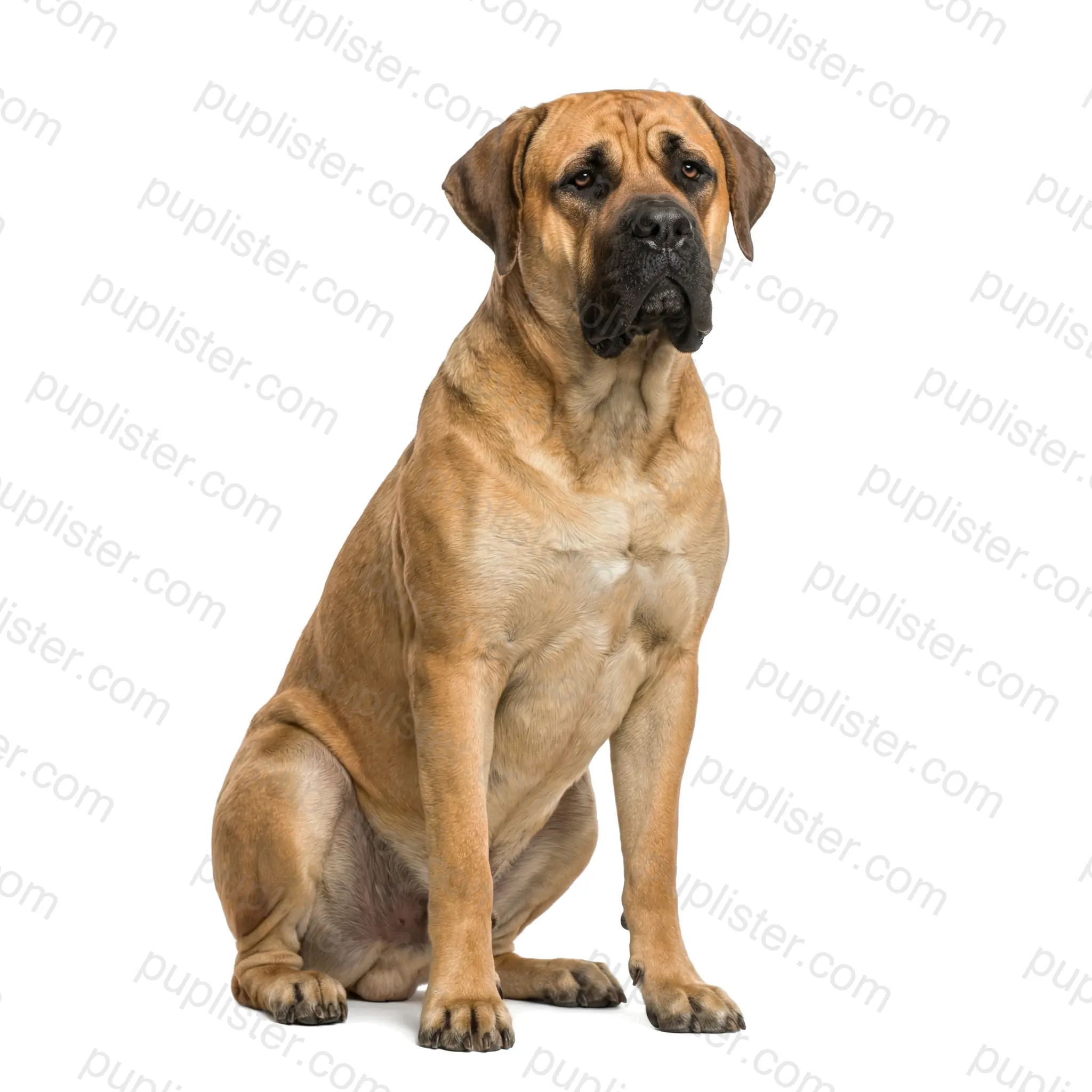
9 pets available
1About the Mastiff The English Mastiff is one of the most ancient and massive dog breeds, with roots tracing back over 2,000 years to ancient Britain and possibly earlier Molosser-type dogs of Asia. Males commonly weigh 160 to 230 pounds and stand 30 inches or taller at the shoulder, making them among the heaviest domestic dogs in the world. Their short, dense double coat comes in fawn, apricot, or brindle — always with a distinctive dark mask on the face. Temperament & Personality Despite their imposing size, Mastiffs are famously gentle, calm, and deeply loyal — often called "gentle giants" with good reason. They are patient and protective with children in their family, though their sheer mass means supervision around small kids is wise. Mastiffs tend to be reserved with strangers but rarely aggressive, preferring to position themselves between their family and any perceived threat. Pros Naturally protective without needing guard trainingSurprisingly low energy indoors — content to lounge for hoursGentle and patient temperament ideal for familiesShort coat requires only basic weekly brushing Cons Massive food bills — adult Mastiffs eat 6 to 10 cups of food dailyShorter lifespan of 6 to 10 years typical of giant breedsProne to hip dysplasia, bloat (gastric torsion), and heart conditionsExcessive drooling is a constant reality with this breed Ready to welcome a magnificent gentle giant into your home? Explore Mastiff adoption opportunities on Puplister.
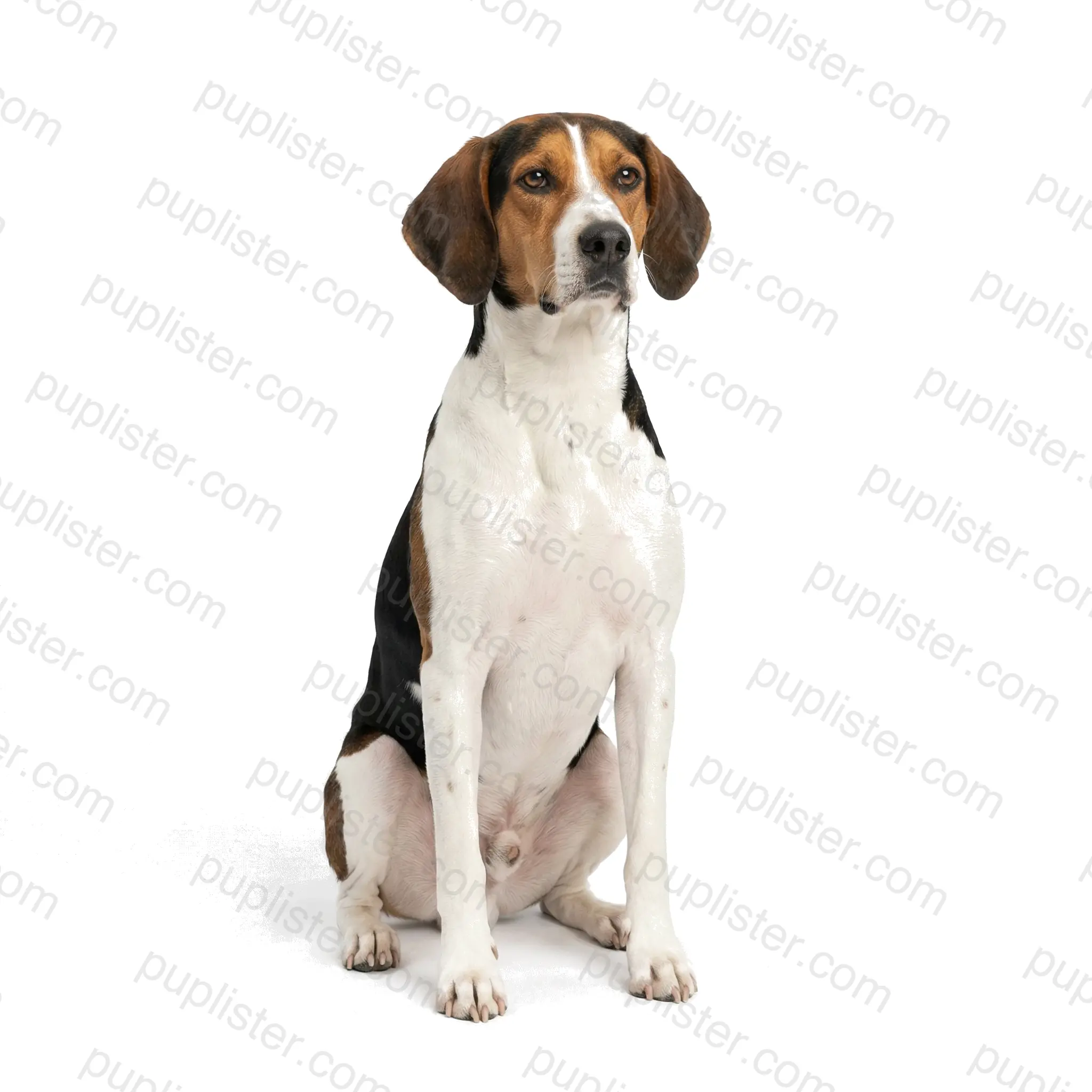
9 pets available
1About the Treeing Walker Coonhound The Treeing Walker Coonhound was developed in the United States from Walker Foxhounds in the mid-20th century, selectively bred for their exceptional ability to trail game and "tree" raccoons by chasing them up a tree and baying until the hunter arrives. These elegant, athletic hounds stand 20 to 27 inches tall and weigh 50 to 70 pounds, with a lean, muscular build and the classic tricolor pattern — white, black, and tan — reminiscent of their foxhound ancestry. Their short, smooth coat is dense and protective, well-suited for long hours working through brush and rough terrain. Temperament & Personality Treeing Walker Coonhounds are confident, intelligent, and affable — possessing a friendly, sociable nature that makes them enjoyable companions both in the field and at home. They are gentle with children, typically welcoming to strangers, and usually get along well with other dogs, especially those they've been raised with. Their hunting instincts run deep, however, and they can switch from couch potato to tireless tracker the moment an interesting scent crosses their path. Pros Friendly, easygoing temperament — excellent with families and other dogsLow-maintenance coat needing only weekly brushingSuperb endurance for hiking, running, and outdoor adventuresGenerally healthy breed with a lifespan of 12 to 13 years Cons Extremely vocal — loud baying and howling are a defining breed traitPowerful scent drive makes off-leash reliability very challengingRequires substantial daily exercise — bored Walkers can be destructiveProne to ear infections and hip dysplasia Treeing Walker Coonhounds bring athletic grace and a sweet disposition to any home — explore available listings on Puplister.
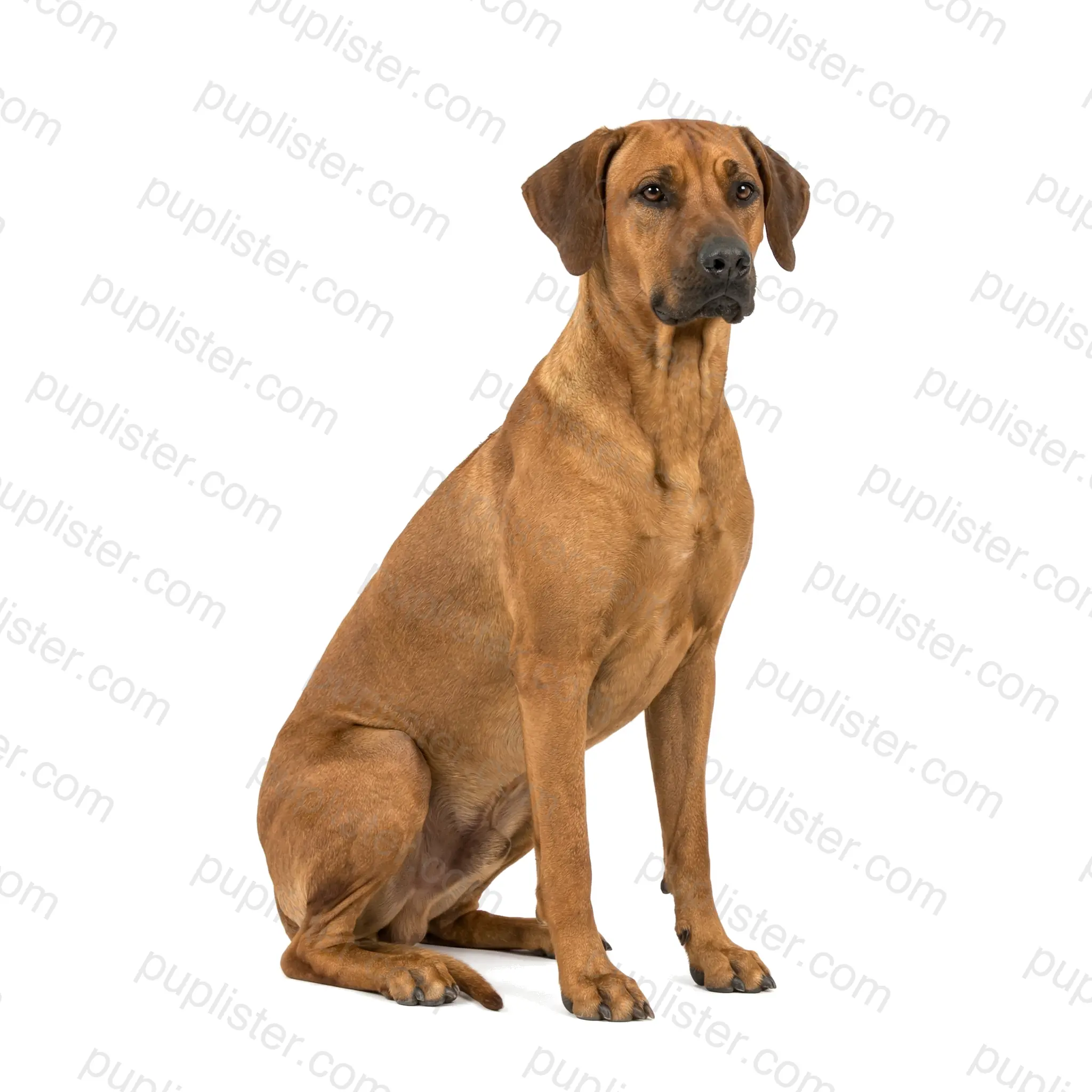
8 pets available
About the Rhodesian Ridgeback The Rhodesian Ridgeback was developed in southern Africa by European settlers who crossed their dogs with the semi-domesticated ridged hunting dogs of the Khoikhoi people, creating a versatile hunter capable of tracking and holding lions at bay. These powerful, athletic dogs stand 24 to 27 inches tall and weigh 70 to 85 pounds, with a sleek, muscular physique built for speed and endurance. Their short, dense coat is light wheaten to red wheaten, and the breed's hallmark is a distinctive ridge of hair growing in the opposite direction along the spine. Temperament & Personality Rhodesian Ridgebacks are dignified, strong-willed, and intensely loyal — they form deep bonds with their families while maintaining an aloof independence with strangers. They are gentle and patient with children in their own household but possess a powerful protective instinct that requires experienced handling and thorough socialization. Ridgebacks are not typically aggressive but have a commanding presence and will not back down from a challenge if provoked. Pros Athletic and versatile — excels as a running, hiking, and lure coursing partnerLow-maintenance coat with minimal shedding and grooming needsNaturally clean breed with little doggy odorQuiet and dignified — rarely barks without good reason Cons Strong-willed and dominant — requires experienced, confident ownershipHigh prey drive makes them a risk around cats and small animalsProne to dermoid sinus (a congenital spinal defect unique to the breed), hip dysplasia, and bloatCan be destructive and escape-prone if under-exercised or bored The Rhodesian Ridgeback is a majestic, loyal guardian for the right home — find yours on Puplister.
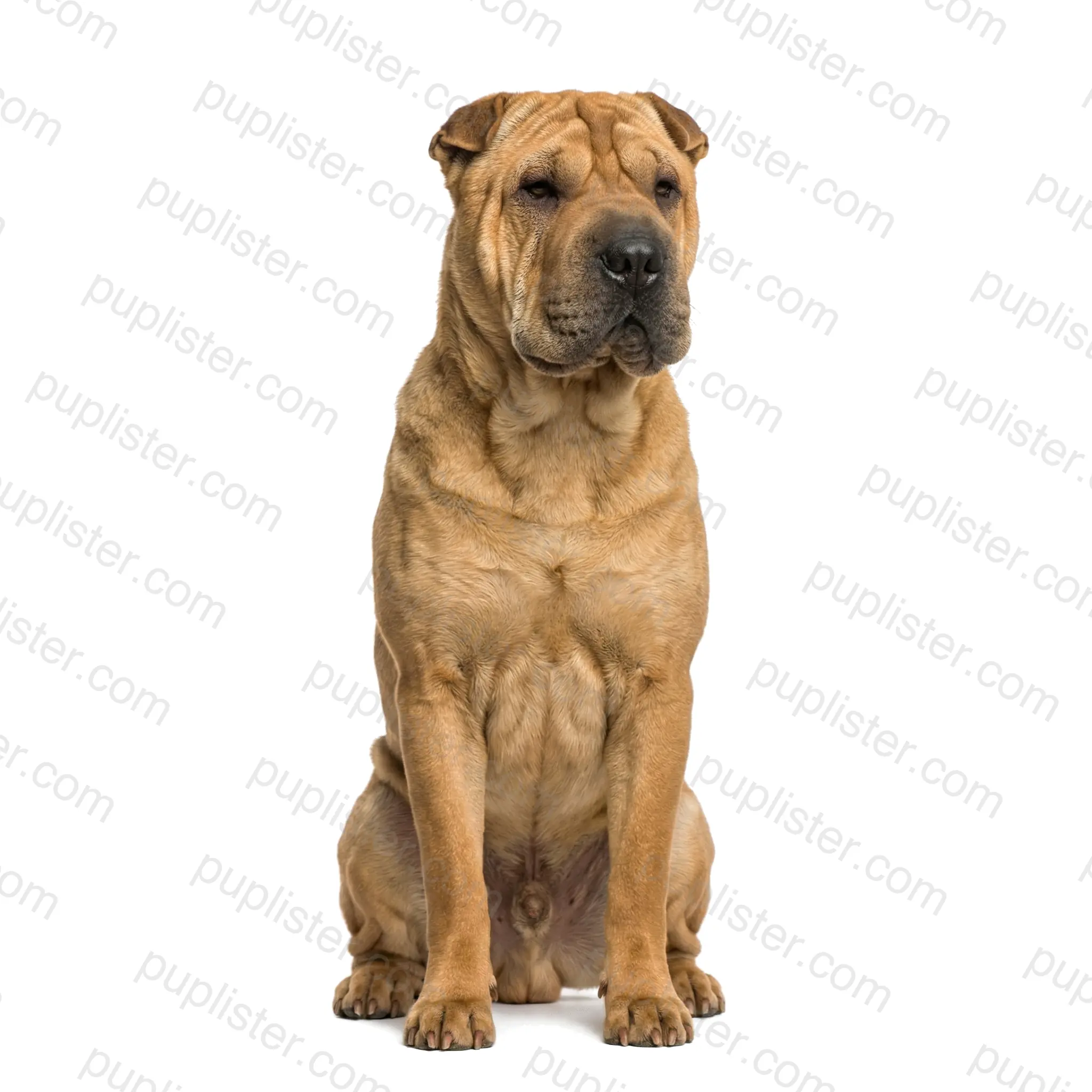
8 pets available
1About the Shar-Pei The Chinese Shar-Pei is an ancient breed dating back over 2,000 years to the Han Dynasty in southern China, where it served as a versatile farm dog — guarding property, herding livestock, and even fighting in pits. These distinctive medium-sized dogs stand 18 to 20 inches tall and weigh 45 to 60 pounds, with a broad, hippopotamus-like muzzle and a blue-black tongue shared only with the Chow Chow. Their loose, deeply wrinkled skin and harsh, sandpaper-textured coat (the name literally means "sand skin") come in solid colors including fawn, red, black, chocolate, blue, and cream. Temperament & Personality Shar-Peis are calm, independent, and deeply devoted to their families — forming powerful bonds while remaining aloof and suspicious of strangers, which makes them excellent natural guardians. They tend to be clean, quiet dogs at home, often compared to cats in their self-sufficient demeanor. However, they can be territorial with other dogs, especially those of the same sex, and early socialization is critical to prevent aggression. Pros Naturally clean and quiet — easily housetrained and rarely barks without causeLoyal and protective without needing guard trainingCalm indoor demeanor suitable for apartment livingUnique, striking appearance that draws admiration everywhere Cons Shar-Pei Fever (autoinflammatory disease) is a serious breed-specific health riskSkin folds require regular cleaning to prevent infections and dermatitisProne to entropion (eyelids rolling inward), ear infections, and hypothyroidismCan be dog-aggressive and requires early, ongoing socialization The Shar-Pei's distinctive looks and devoted nature make it truly unforgettable — find available Shar-Peis on Puplister.
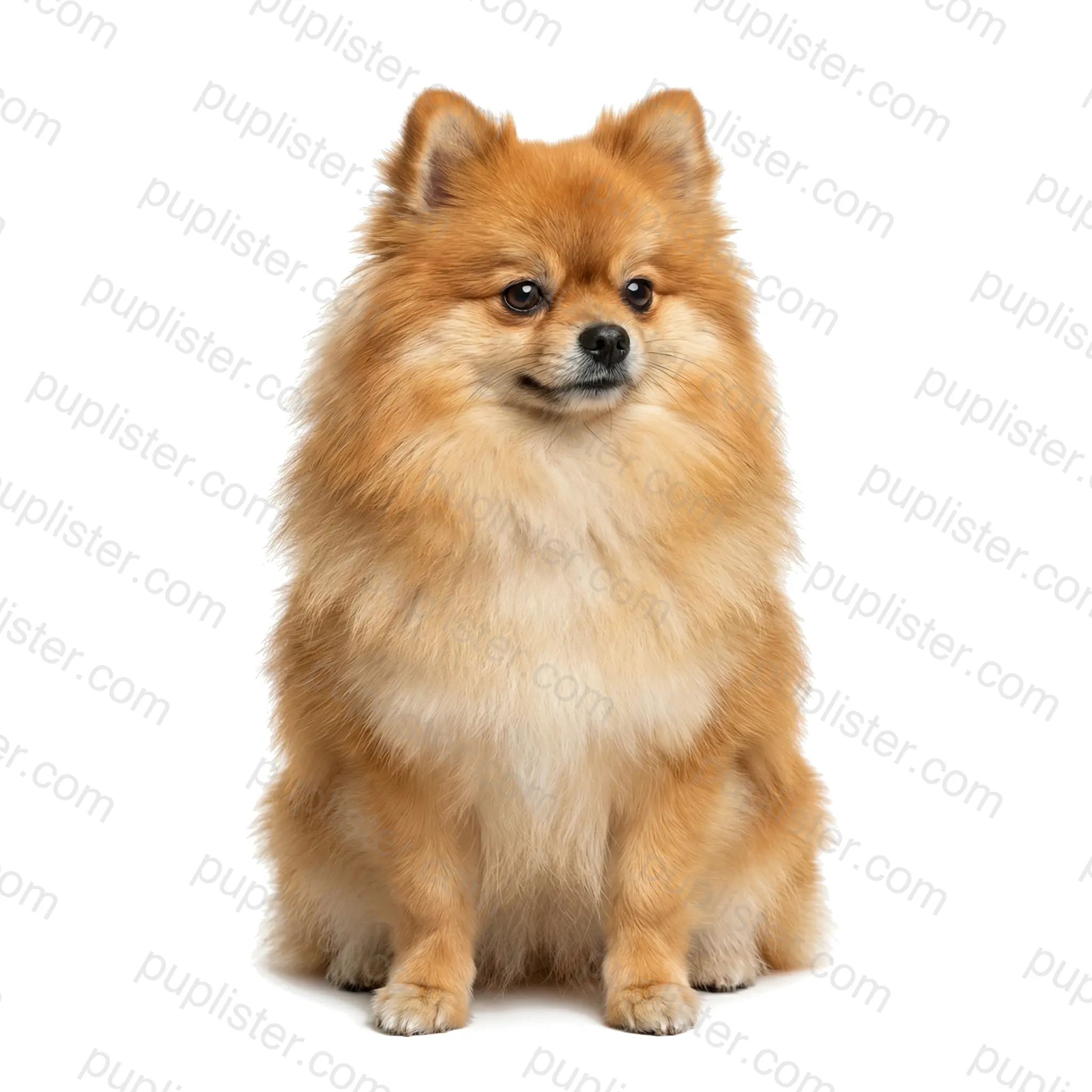
7 pets available
1About the Pomeranian The Pomeranian descends from large sled-pulling spitz dogs of Iceland and Lapland, selectively bred down to toy size in the Pomerania region of northeastern Europe during the 18th and 19th centuries — Queen Victoria famously popularized the smaller variety. These tiny dogs weigh just 3 to 7 pounds and stand 6 to 7 inches tall, yet carry themselves with unmistakable confidence. Their magnificent double coat — a dense undercoat beneath a profuse, standoff outer coat — comes in nearly every color and pattern imaginable, with orange and red being most popular. Temperament & Personality Pomeranians are vivacious, bold, and surprisingly commanding for their size — they have no concept of how small they are and will happily try to boss around much larger dogs. They are devoted to their owners and can be excellent companions for singles and seniors, though they may be too fragile and snappy for homes with very young children. Poms are intelligent and curious, learning tricks quickly, but they also have a strong independent streak inherited from their spitz ancestry. Pros Tiny size makes them ideal for apartment living and travelAlert and vocal watchdog — always aware of surroundingsIntelligent and responsive to training with positive methodsLong lifespan of 12 to 16 years with proper care Cons Profuse shedding — the fluffy coat requires brushing several times weeklyProne to luxating patella, tracheal collapse, and severe dental diseaseFragile bones easily injured by falls, rough handling, or being stepped onExcessive barking can become a serious behavioral issue without training These tiny furballs pack enormous personality — find Pomeranians seeking loving homes on Puplister.
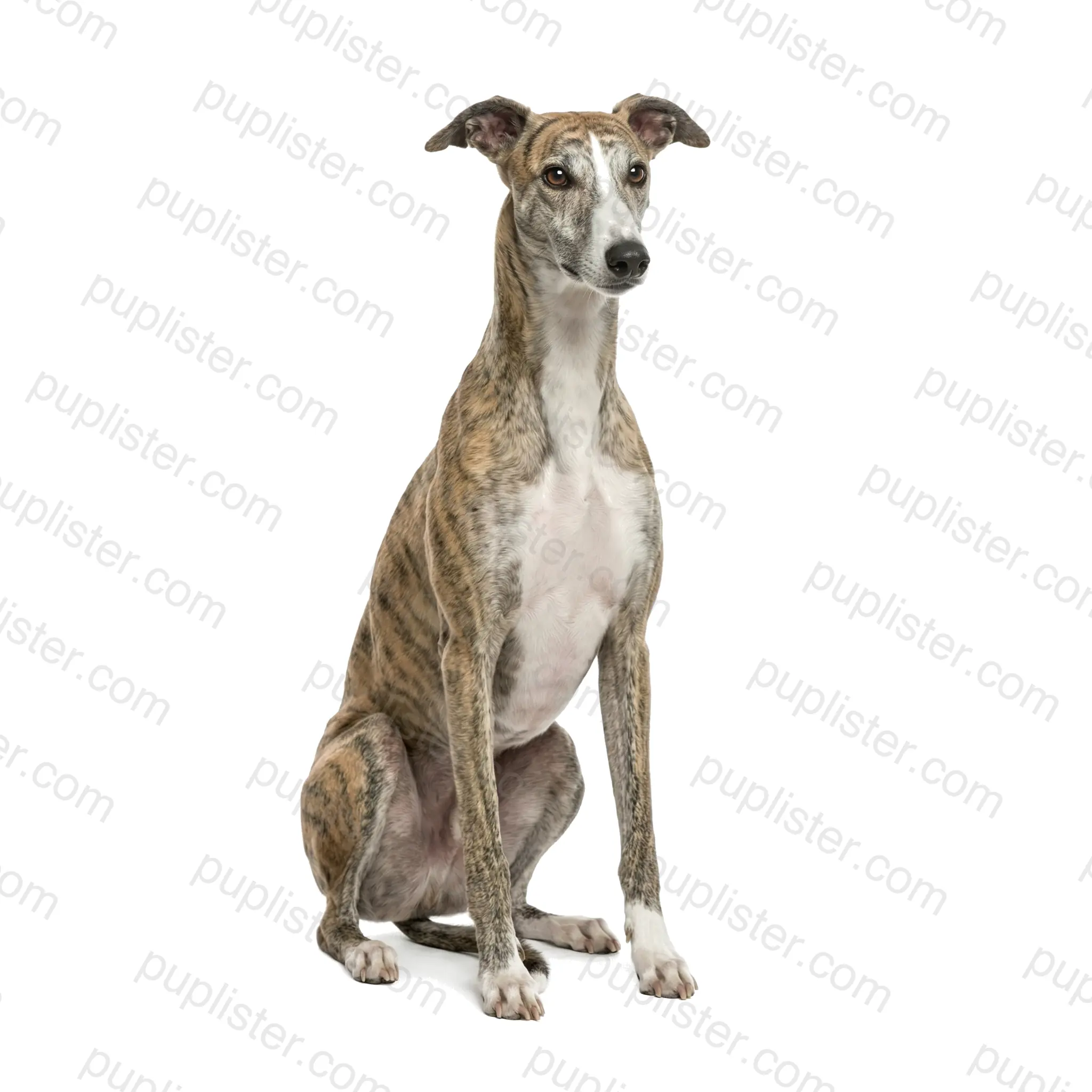
6 pets available
About the Greyhound The Greyhound is one of the most ancient breeds — depicted in Egyptian tomb art dating back 5,000 years and prized by nobility throughout history for their unmatched speed and grace. Standing 27–30 inches tall and weighing 60–70 pounds, these aerodynamic athletes can reach speeds of 45 miles per hour, making them the fastest dog breed in the world. Their short, smooth coat comes in virtually every color and pattern, including black, white, fawn, red, blue, brindle, and various combinations.Temperament & PersonalityGreyhounds are gentle, quiet, and surprisingly lazy — the ultimate couch potatoes who happen to be world-class sprinters. They are sweet-natured and sensitive dogs that form deep bonds with their owners and are typically good with older children who respect their space. Many retired racing Greyhounds adapt beautifully to home life, though they may need time to learn household basics like stairs, glass doors, and slippery floors.ProsRemarkably calm and quiet indoors — content to sleep 18+ hours a day on the couchLow-maintenance coat — virtually no grooming needs and minimal sheddingGentle, non-aggressive temperament — rarely bark and never show hostility toward peopleMany retired racers are available for adoption — giving these athletes a well-deserved second careerConsStrong prey drive — cannot be trusted off-leash and may chase small dogs, cats, and wildlifeThin skin and minimal body fat make them susceptible to cuts, cold temperatures, and pressure soresSensitive to anesthesia and many common medications due to low body fat percentageProne to osteosarcoma, bloat, and dental disease — especially in retired racing dogsGive a graceful Greyhound the retirement they deserve — browse adoptable Greyhounds on Puplister.
5 pets available
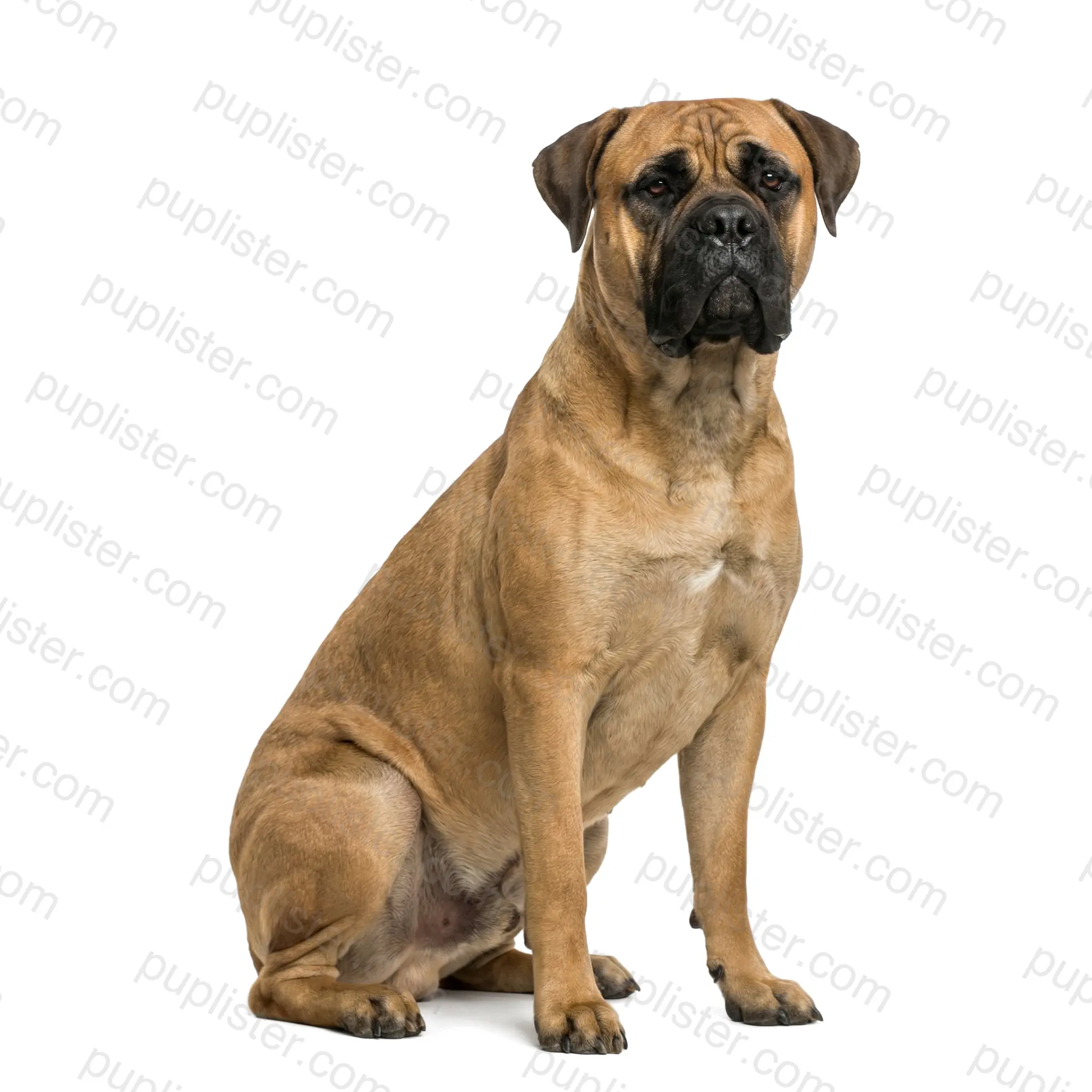
About the Bullmastiff The Bullmastiff was developed in 19th-century England by crossing Bulldogs with Mastiffs — the goal was a powerful, silent guardian capable of tracking and pinning poachers on large estates without mauling them. Standing 24–27 inches tall and weighing 100–130 pounds, the Bullmastiff is a massive, muscular dog with a broad head, dark muzzle, and an imposing physical presence. Their short, dense coat comes in fawn, red, or brindle — always with a black mask — and sheds moderately with minimal grooming requirements.Temperament & PersonalityBullmastiffs are confident, loyal, and naturally protective — they are alert guardians who rely on their size and intimidating presence rather than excessive barking to deter intruders. Despite their imposing appearance, they are gentle and affectionate with their families, showing particular patience and tenderness with children. They are typically calm and quiet indoors, content to lie at their owner's feet, but they can be territorial with unfamiliar dogs and require early, consistent socialization.ProsNaturally protective — their imposing presence alone is an effective deterrentSurprisingly low-energy indoors, adapting well to a calm household routineGentle and affectionate with family members, including childrenMinimal grooming needs with their short, easy-care coatConsShort lifespan averaging only 7–9 yearsProne to bloat, hip and elbow dysplasia, lymphoma, and mast cell tumorsSignificant drooling, especially around mealtimes and in warm weatherTheir sheer size and strength require an experienced owner capable of managing 100+ pounds of dogA Bullmastiff offers protection and companionship in equal measure — explore adoptable Bullmastiffs on Puplister and find your gentle giant.
5 pets available
About the Cairn Terrier The Cairn Terrier is one of Scotland's oldest working terrier breeds, originally developed in the Scottish Highlands and Islands to root out foxes, badgers, and other vermin from rock cairns and burrows. Standing 9.5–10 inches tall and weighing 13–14 pounds, the Cairn is a small but hardy dog with a wide head, compact body, and sturdy legs built for digging. Their weather-resistant double coat — a harsh, shaggy outer coat over a soft undercoat — comes in cream, wheaten, red, sandy, gray, and brindle, and requires regular brushing and periodic hand-stripping.Temperament & PersonalityCairn Terriers are spirited, independent, and fearlessly curious — they approach the world with a terrier's characteristic boldness and an irrepressible zest for life. They are affectionate and loyal with their families, good with older children, and adaptable to various living situations. However, they retain strong prey drive and digging instincts, and they can be assertive with other dogs despite their small size — they seem entirely unaware of how tiny they actually are.ProsHardy, long-lived breed with a lifespan of 13–15 yearsAdaptable to apartment living — small enough for any space with adequate exerciseAlert and vocal enough to serve as an excellent watchdogLow-shedding coat when properly maintained through hand-strippingConsTenacious digger — they will excavate gardens, flower beds, and lawns with enthusiasmCan be stubborn and independent, requiring patient, creative training approachesStrong prey drive makes them unreliable around small pets like hamsters and rabbitsProne to portosystemic liver shunt, cataracts, and globoid cell leukodystrophyThe spirited Cairn Terrier — Toto's breed from The Wizard of Oz — could be your next adventure companion. Browse adoptable Cairn Terriers on Puplister.
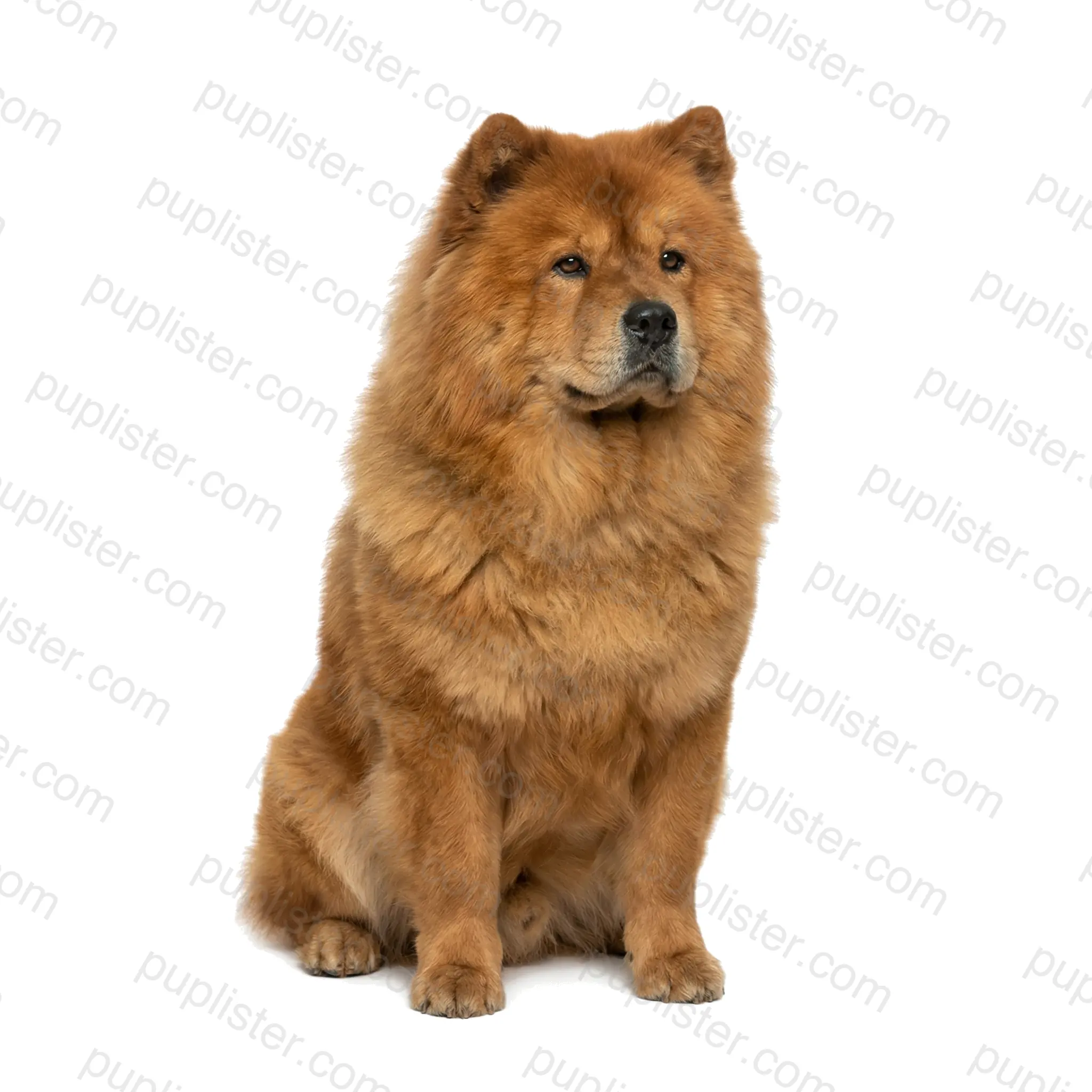
5 pets available
About the Chow Chow One of the most ancient dog breeds in existence, the Chow Chow originated in northern China over 2,000 years ago — where they served as temple guards, sled pullers, and hunting dogs. This sturdy, lion-like breed stands 17–20 inches tall, weighs 45–70 pounds, and is instantly recognizable by its dense double coat, deep-set eyes, and distinctive blue-black tongue. Chow Chows come in five colors — red, black, blue, cinnamon, and cream — with either a rough or smooth coat variety.Temperament & PersonalityChow Chows are often compared to cats in their independent, dignified, and somewhat aloof demeanor. They are fiercely loyal to their family but maintain a reserved — sometimes suspicious — attitude toward strangers, making them formidable natural guard dogs. While devoted to their owners, they are not typically playful or demonstrative and may bond most closely with just one person in the household.ProsNaturally clean dogs — often housebreak themselves with minimal effortQuiet breed that rarely barks without reason — excellent for noise-sensitive living situationsStrong territorial instincts provide reliable home protection without guard trainingLow exercise requirements compared to similarly sized breeds — content with moderate daily walksConsExtremely strong-willed and resistant to traditional obedience training methodsHeavy shedding — especially during seasonal coat blows that last several weeksProne to entropion, hip dysplasia, and autoimmune thyroiditisCan be aggressive toward other dogs and requires extensive early socializationIf a loyal, independent guardian sounds like your ideal match, browse Chow Chows ready for adoption on Puplister now.
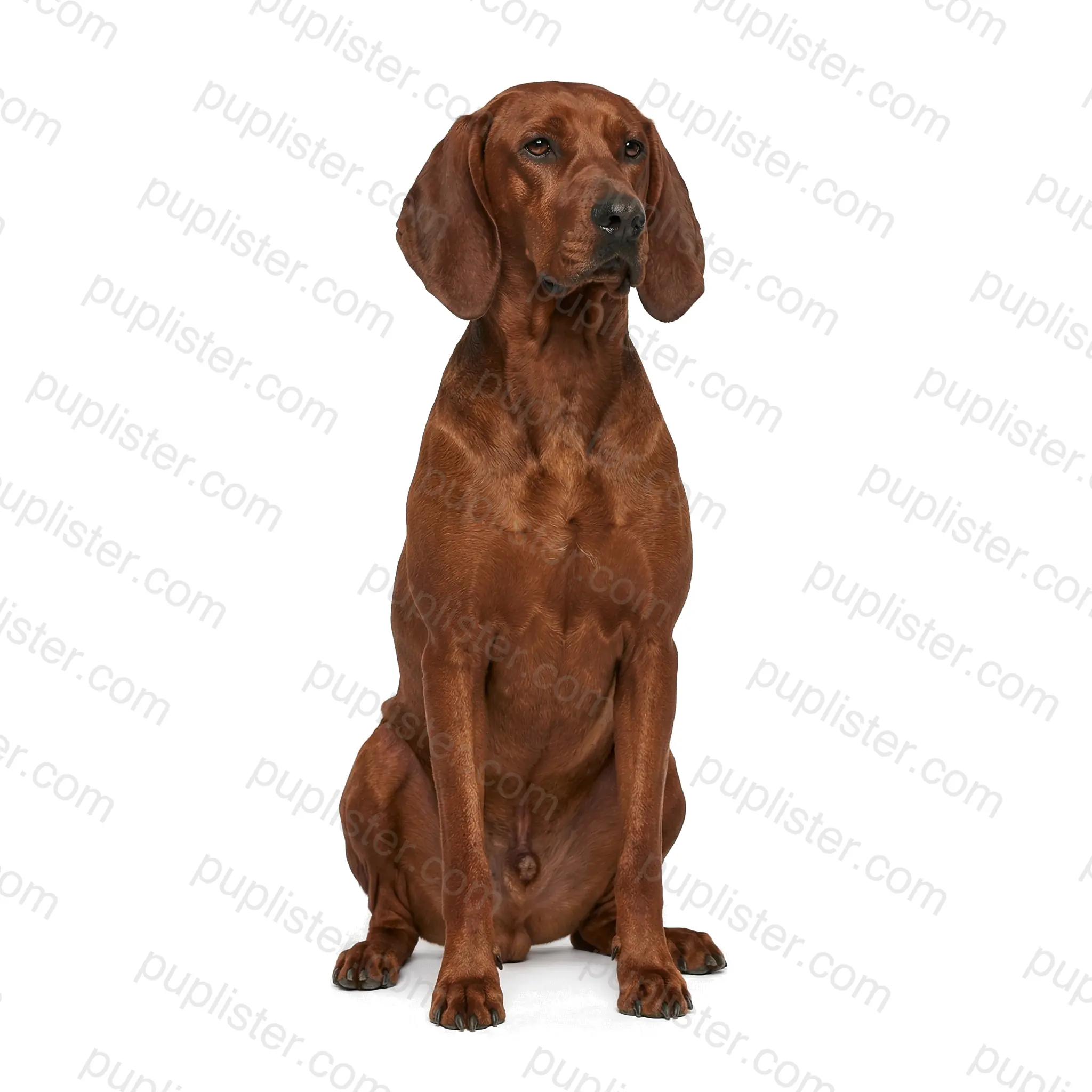
5 pets available
About the Redbone Coonhound The Redbone Coonhound was developed in the southern United States during the late 18th century from red foxhounds brought by Scottish immigrants, refined over generations into a sleek, powerful trailing hound. These athletic dogs stand 21 to 27 inches tall and weigh 45 to 70 pounds, with a lean yet muscular build designed for stamina over rough terrain. Their rich, deep red coat — the breed's most distinctive feature — is short, smooth, and glossy, giving them a strikingly handsome appearance. Temperament & Personality Redbone Coonhounds are easygoing, affectionate, and remarkably gentle for a hunting breed — they love being around their people and are known for their mellow, agreeable disposition at home. They are excellent with children, typically friendly with other dogs, and possess a happy-go-lucky attitude that makes them wonderful family companions. On the trail, however, they become focused and driven, with a deep, melodious bay that carries for miles. Pros Gentle, laid-back temperament that makes them great family dogsStrikingly beautiful red coat with minimal grooming requirementsExcellent hiking and outdoor companion with tireless staminaGood with children, other dogs, and typically non-aggressive Cons Extremely vocal — deep baying and howling can disturb neighborsVery strong scent drive makes off-leash reliability nearly impossibleCan be slow to housetrain compared to many other breedsProne to hip dysplasia, ear infections due to long ears, and obesity The Redbone Coonhound's gentle soul and gorgeous coat are hard to resist — discover available Redbones on Puplister.
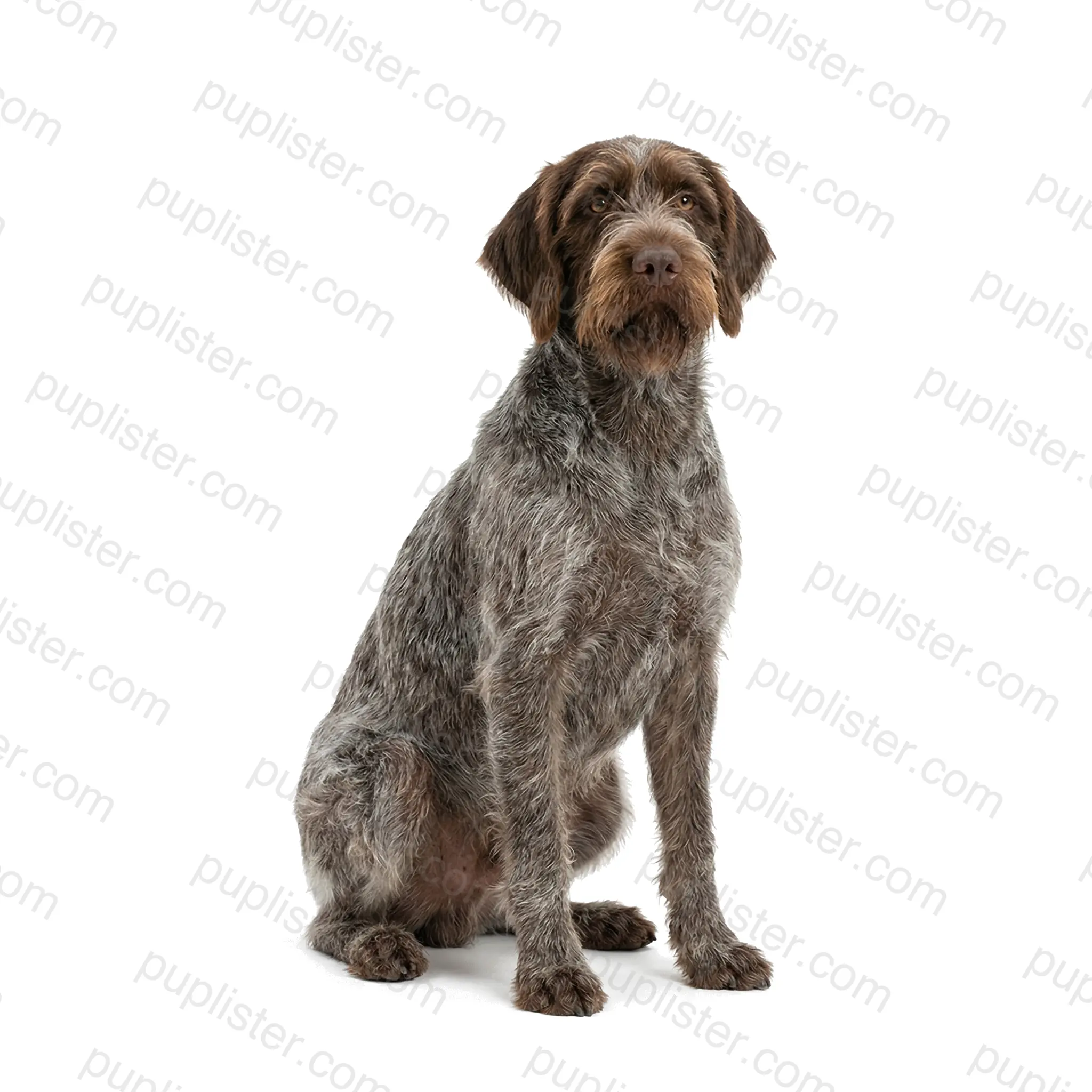
5 pets available
About the Wirehaired Pointing Griffon The Wirehaired Pointing Griffon was developed in the late 19th century by Dutch breeder Eduard Karel Korthals, who meticulously crossed French and German griffons, setters, spaniels, and pointers to create what he considered the "supreme gundog." These medium-sized sporting dogs stand 20 to 24 inches tall and weigh 50 to 70 pounds, with a robust build that balances power with agility. Their distinctive coat features a harsh, wiry outer layer over a dense, water-resistant undercoat — typically in steel gray with brown markings, though roan, brown, and white and brown patterns also occur. Temperament & Personality Wirehaired Pointing Griffons are eager, devoted, and remarkably trainable — often called the "supreme gundog" not just for their versatile field skills but for their cooperative, people-focused temperament. They are gentle and patient with children, friendly with other dogs, and form strong bonds with every family member rather than fixating on a single person. Their enthusiasm for both work and play, combined with a gentle disposition, makes them outstanding all-around family companions for active households. Pros Versatile sporting dog — points, retrieves, and works in water and thick cover equally wellLow-shedding wiry coat suitable for allergy-conscious ownersDevoted and affectionate family dog with a gentle, trainable natureAdaptable and eager to please — excels in multiple canine sports and disciplines Cons High exercise requirements — needs vigorous daily activity and mental stimulationCoat requires regular hand-stripping or professional grooming to maintain textureCan become anxious, clingy, or destructive without adequate exercise and companionshipProne to hip dysplasia, progressive retinal atrophy, and ear infections The Wirehaired Pointing Griffon is a rare treasure among sporting breeds — see if one is available on Puplister.
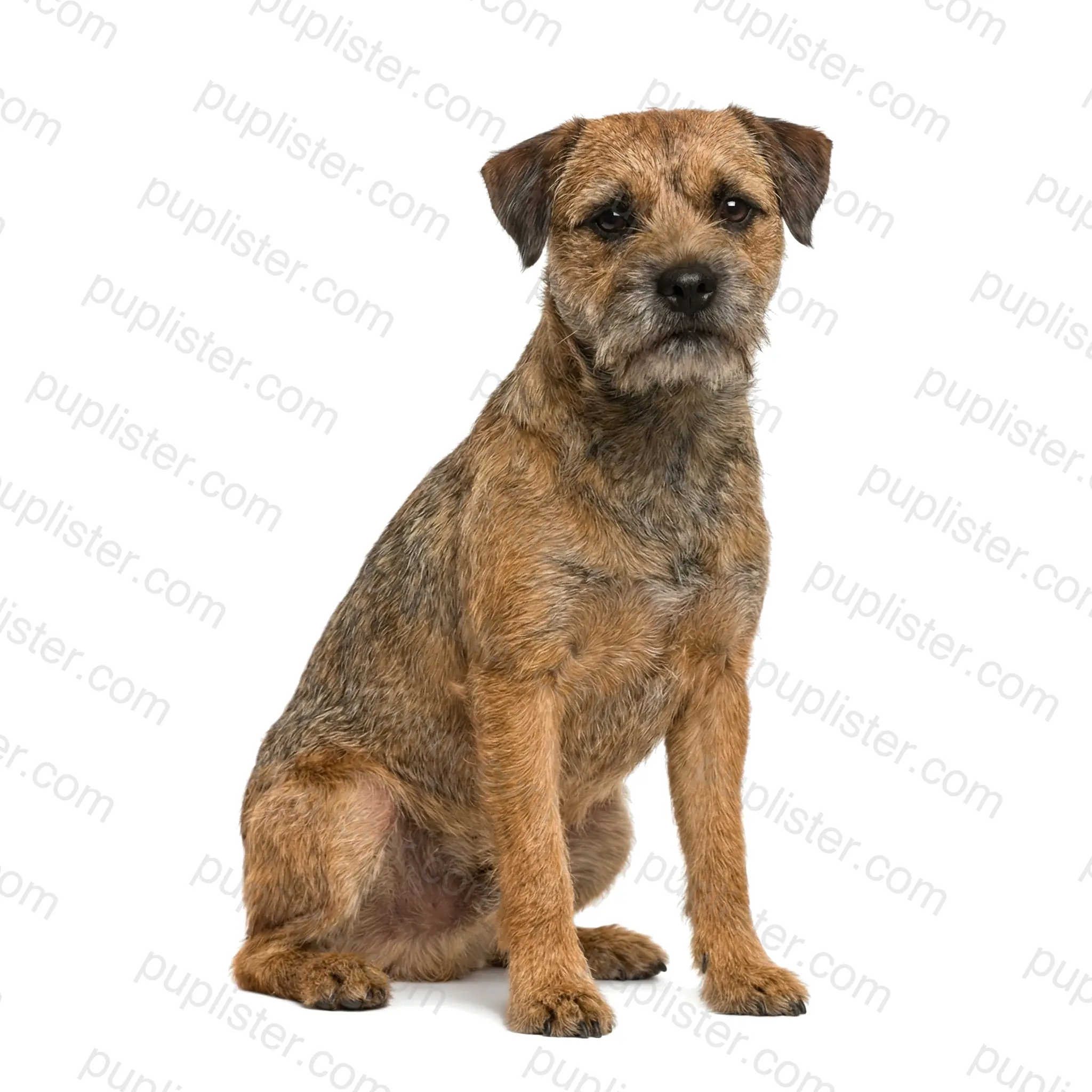
4 pets available
About the Border Terrier The Border Terrier hails from the border country between England and Scotland, where it was bred to bolt foxes from their dens while keeping pace with mounted hunters and their hounds. One of the smaller terrier breeds, it stands 12–15 inches tall and weighs 11.5–15.5 pounds, with a compact, narrow body designed to squeeze into fox burrows. Their distinctive otter-shaped head and wiry, weather-resistant double coat — which comes in red, grizzle-and-tan, blue-and-tan, or wheaten — give them a charmingly scruffy appearance.Temperament & PersonalityBorder Terriers are affectionate, plucky, and adaptable — they have all the tenacity of a terrier but with a softer, more biddable temperament that makes them excellent family companions. They are good with children and generally get along better with other dogs than many terrier breeds. However, their strong prey drive means they cannot be trusted around small animals like hamsters, rabbits, or guinea pigs.ProsAdaptable to both country and city living — they adjust well to apartments with adequate exerciseMore trainable and less confrontational than many terrier breedsLow-shedding wiry coat that requires only periodic hand-strippingRobust and healthy with a long lifespan of 12–15 yearsConsStrong prey drive — they will chase squirrels, cats, and small animals relentlesslyCan be expert diggers and escape artists if left in a yard unsupervisedHand-stripping the coat is time-consuming, and clipping changes the coat texture permanentlyProne to canine epileptoid cramping syndrome (Spike's disease) and heart defectsThese scrappy, lovable terriers make wonderful companions — discover adoptable Border Terriers on Puplister.
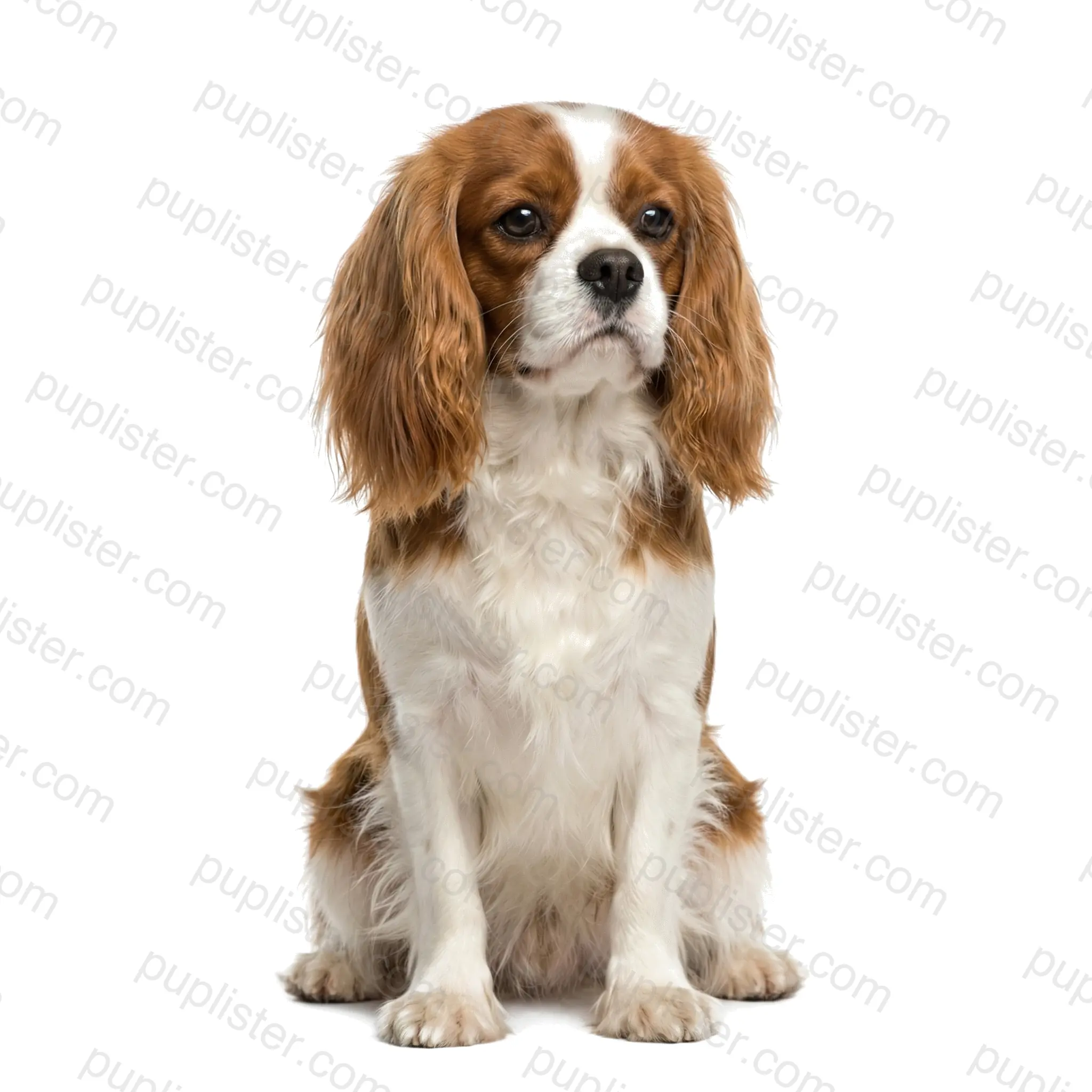
4 pets available
1About the Cavalier King Charles Spaniel The Cavalier King Charles Spaniel traces its heritage to the toy spaniels beloved by English royalty — King Charles II was so devoted to the breed that it bears his name. Standing 12–13 inches tall and weighing 13–18 pounds, the Cavalier is a graceful, well-balanced toy spaniel with large, round, dark eyes and a gentle, melting expression. Their silky, medium-length coat comes in four distinct color patterns — Blenheim (chestnut and white), tricolor, black-and-tan, and ruby — and features elegant feathering on the ears, chest, legs, and tail.Temperament & PersonalityCavaliers are gentle, affectionate, and remarkably adaptable — they are equally happy curled up on a lap or joining their owner for a brisk walk in the park. They are one of the most universally friendly breeds, greeting strangers, children, other dogs, and even cats with a wagging tail and a joyful expression. Their sweet, eager-to-please nature makes them excellent therapy dogs and wonderful companions for seniors, families, and first-time dog owners alike.ProsExceptionally gentle and affectionate — one of the best lap dogs and therapy dogs availableHighly adaptable to various lifestyles — equally content in apartments or country homesFriendly with everyone — strangers, children, other dogs, and catsEasy to train with positive reinforcement due to their eager-to-please temperamentConsExtremely prone to mitral valve disease — nearly all Cavaliers develop heart murmurs by age 10Susceptible to syringomyelia, a painful neurological condition caused by skull malformationCannot be trusted off-leash due to spaniel hunting instincts and lack of street awarenessProne to separation anxiety — they do not cope well being left alone for extended periodsFew breeds match the Cavalier's gentle, loving spirit — find adoptable Cavalier King Charles Spaniels on Puplister and experience their magic firsthand.
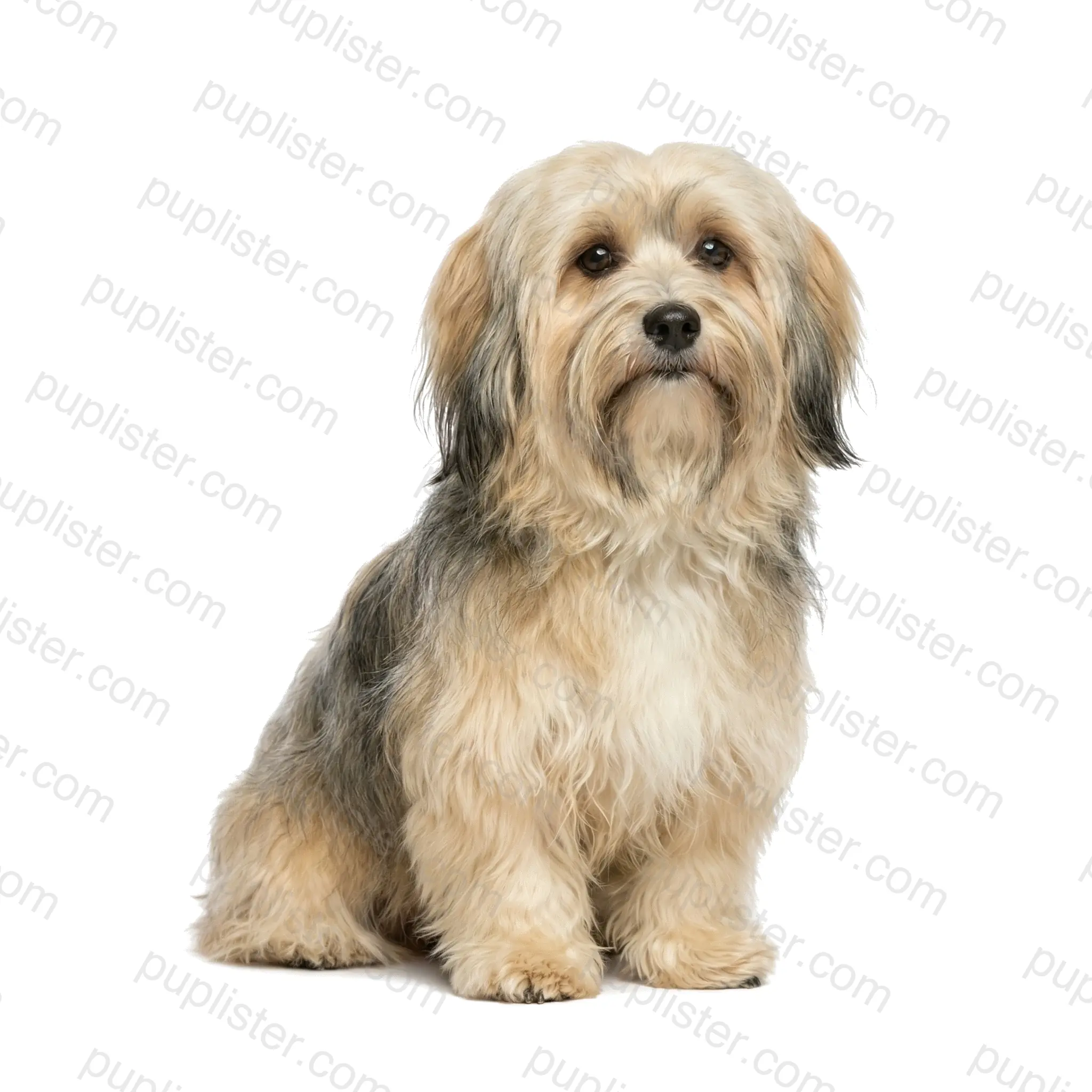
4 pets available
About the Havanese The Havanese — Cuba's only native breed — descended from the now-extinct Blanquito de la Habana and was the cherished lapdog of Havana's aristocracy for centuries before Cuban refugees brought them to America in the 1960s. Standing 8.5–11.5 inches tall and weighing 7–13 pounds, these small but sturdy dogs have a long, silky, lightweight coat that comes in every color imaginable — including white, cream, gold, black, silver, chocolate, and various parti-color combinations. Their coat is designed to insulate against tropical heat rather than cold, giving it a uniquely airy, flowing quality.Temperament & PersonalityHavanese are cheerful, outgoing, and deeply people-oriented — natural entertainers who thrive on being the center of attention. They are remarkably adaptable and sociable, getting along effortlessly with children, other dogs, cats, and even strangers who receive a warm, tail-wagging welcome. Their playful, clownish nature and expressive faces make them exceptional companion dogs — they're sometimes called "velcro dogs" for their habit of following their owners everywhere.ProsLow-shedding coat is well-suited for allergy-sensitive householdsExcellent with children and other pets — gentle, patient, and playfulHighly trainable and eager to please — respond well to positive reinforcementAdaptable to any living situation — equally happy in apartments or homes with yardsConsLong coat requires daily brushing and regular professional grooming to prevent mattingProne to severe separation anxiety — can become destructive or develop excessive barking when left aloneSusceptible to patellar luxation, cataracts, and Legg-Calve-Perthes diseaseCan be difficult to housebreak — small bladder and sensitive temperament complicate trainingBring the sunshine of Havana into your home — find Havanese dogs waiting for families on Puplister.
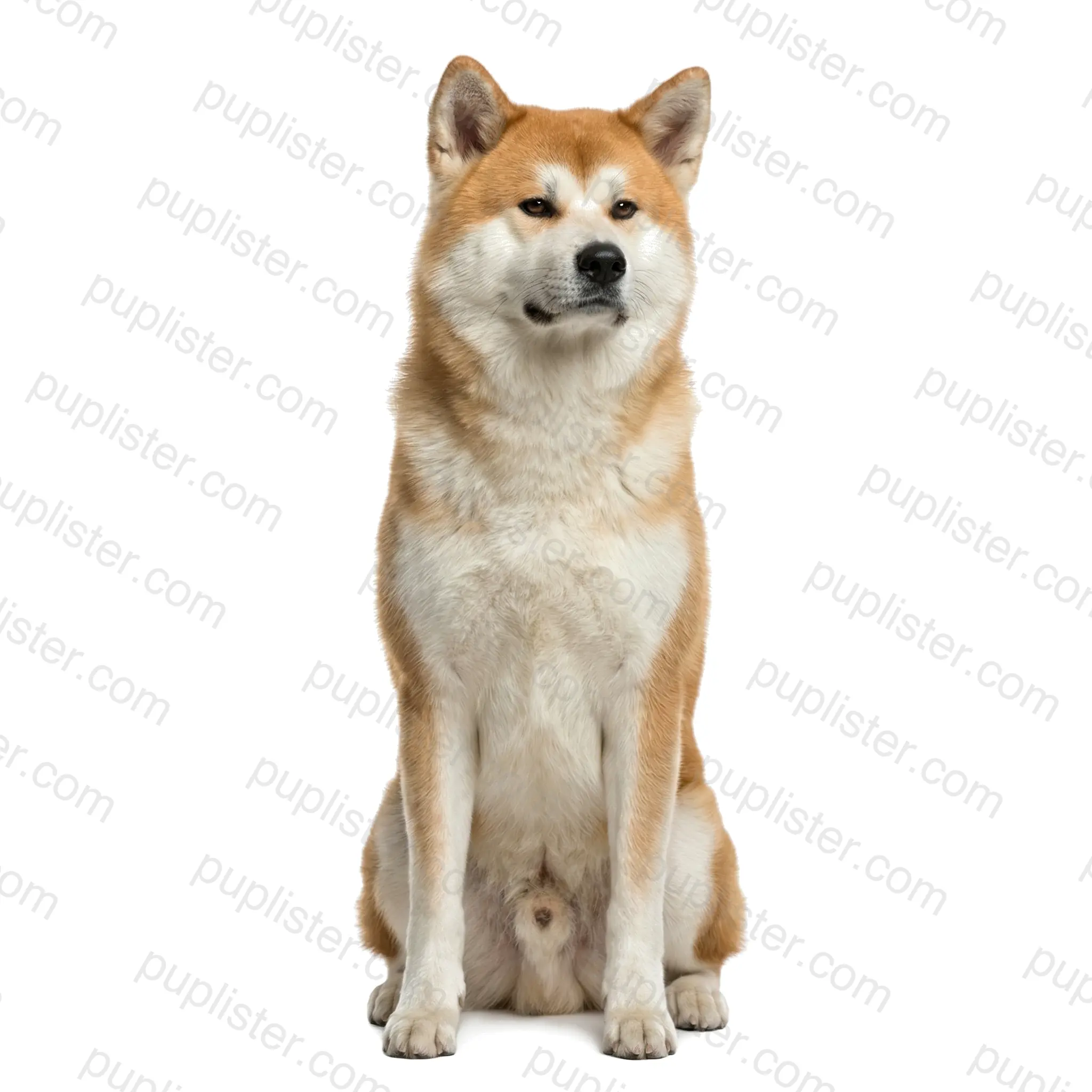
3 pets available
About the Akita The Akita is a powerful, noble breed originating from the mountainous regions of northern Japan, where it was bred to hunt wild boar, deer, and even bears. Males stand 26–28 inches tall and weigh 100–130 pounds, while females are slightly smaller at 24–26 inches and 70–100 pounds. The breed has a thick double coat that comes in several colors — including white, brindle, and pinto — and sheds heavily twice a year during seasonal "blowouts."Temperament & PersonalityAkitas are fiercely loyal and protective of their families, often forming an especially deep bond with one primary person. They are naturally reserved and wary of strangers, making them excellent guard dogs without excessive barking. While they can be gentle with children in their own family, Akitas generally do not tolerate other dogs well — particularly dogs of the same sex — and require experienced handling.ProsExceptionally loyal — the breed's devotion is legendary, as exemplified by the famous HachikoNaturally clean and cat-like in grooming habitsQuiet breed that rarely barks unnecessarilyImposing presence serves as an effective deterrent to intrudersConsStrong same-sex dog aggression makes multi-dog households challengingHeavy seasonal shedding requires frequent brushing and cleanupDominant personality demands an experienced, confident ownerProne to autoimmune disorders, hip dysplasia, and bloat (gastric torsion)Discover loyal Akitas waiting for their forever homes — explore adoptable Akitas on Puplister now.
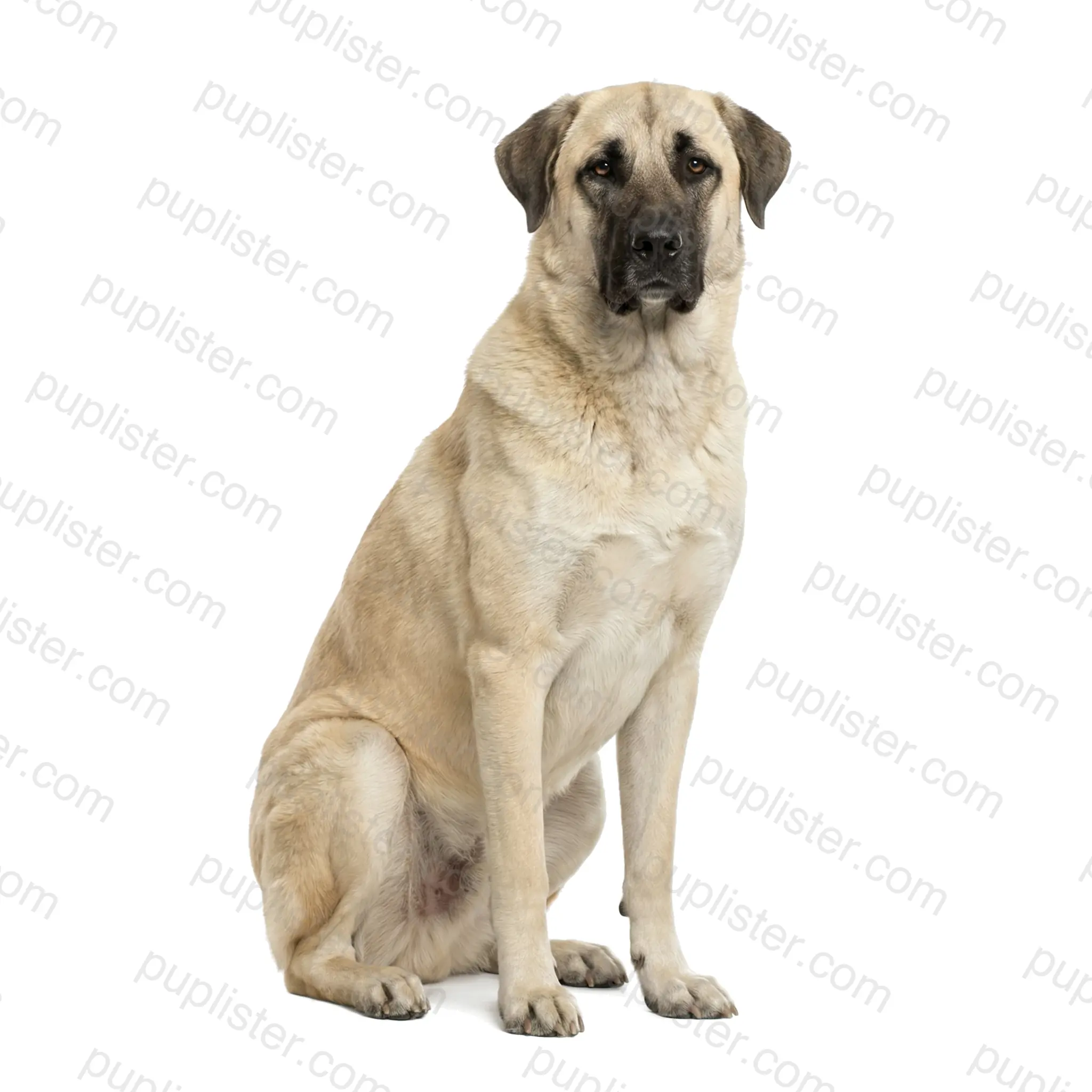
3 pets available
About the Anatolian Shepherd The Anatolian Shepherd — also known as the Kangal Shepherd Dog — hails from the Anatolian plateau of Turkey, where it has guarded livestock from wolves and bears for thousands of years. This imposing breed stands 27–29 inches tall and weighs 80–150 pounds, with males often exceeding 140 pounds of lean muscle. Their short to medium-length double coat comes in fawn with a distinctive black mask, though brindle, white, and pinto variations also occur.Temperament & PersonalityAnatolian Shepherds are independent, intelligent, and territorial — they were bred to make decisions on their own while guarding flocks, and that self-reliance is deeply ingrained. They are calm and affectionate with their family but reserved and suspicious of strangers, making them exceptional guardian dogs. They can coexist with children and other pets they've been raised with, but their guarding instinct means they need owners who understand livestock guardian breed behavior.ProsSupreme livestock and property guardian — few breeds match their protective instinctsLow-energy indoors despite their size, content to patrol and observeHardy and healthy breed with relatively few genetic health problemsRemarkably low grooming needs for a large-breed dogConsExtremely independent and not naturally inclined to obey commands without questionRequires a large, securely fenced property — not suited for apartment or suburban lifeCan be aggressive toward unfamiliar dogs and people without extensive socializationTheir booming bark — used to ward off predators — can be a problem in residential areasIf you have the space and experience for this magnificent guardian, explore adoptable Anatolian Shepherds on Puplister.
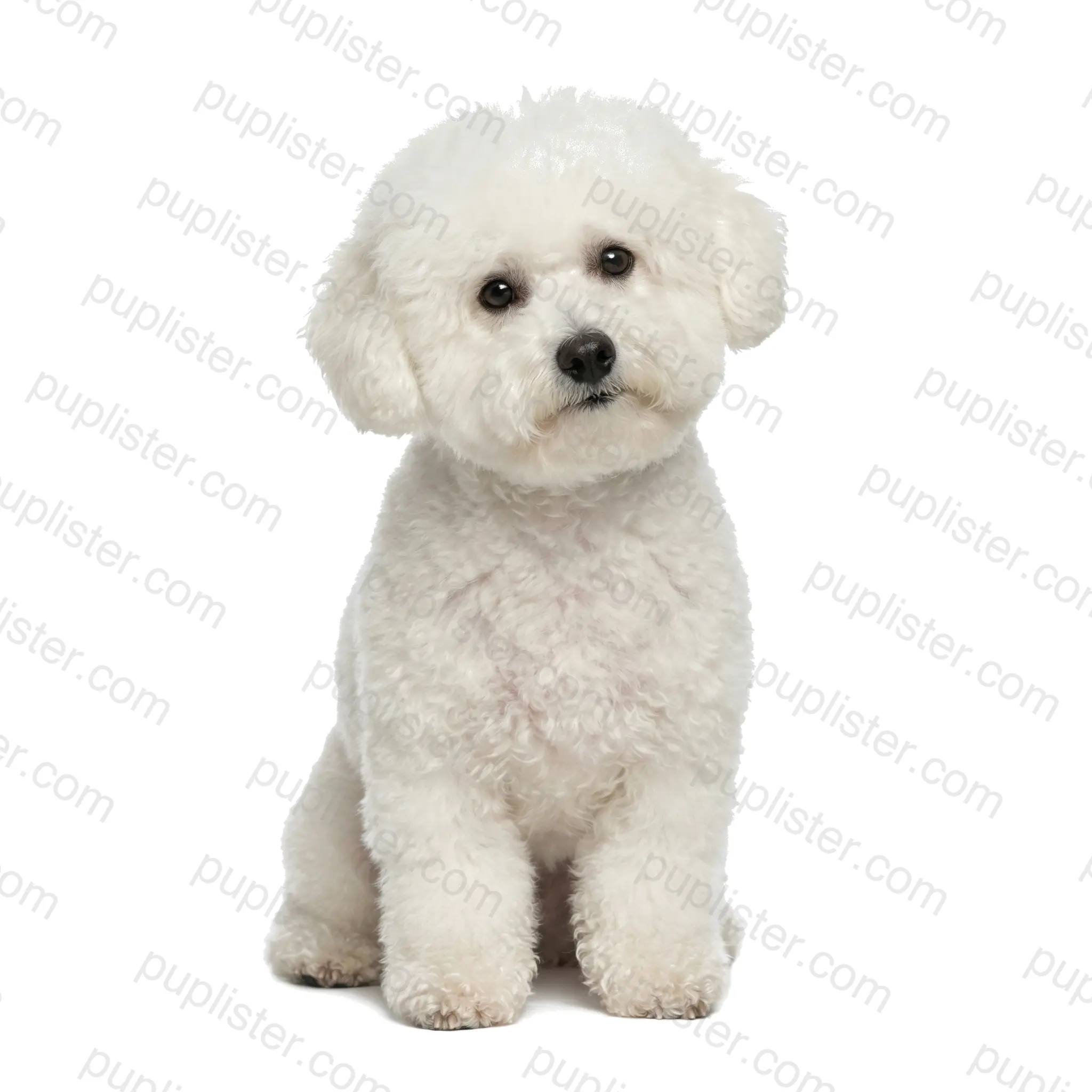
3 pets available
2About the Bichon Frise The Bichon Frise is a cheerful, small companion dog with origins tracing to the Mediterranean region — descended from water spaniels and popularized by Spanish, Italian, and French nobility from the 13th century onward. Standing 9.5–11.5 inches tall and weighing 12–18 pounds, the Bichon is a compact, sturdy little dog with a distinctively rounded silhouette. Their hallmark white, powder-puff coat is made up of a soft, dense undercoat and a coarser, curly outer coat that produces minimal shedding but requires professional grooming every 4–6 weeks.Temperament & PersonalityBichons are playful, affectionate, and irrepressibly cheerful — they seem to carry a perpetual smile and have a gift for making everyone around them happy. They thrive on human attention and are excellent with children, seniors, and other pets, adapting easily to various household dynamics. Their social nature means they do not tolerate being left alone for extended periods and may develop separation anxiety.ProsHypoallergenic coat produces minimal dander and virtually no sheddingAdaptable to apartment living — their small size and moderate exercise needs fit urban lifestylesFriendly and sociable with strangers, children, and other animalsCheerful, entertaining personality that brings joy to any householdConsProfessional grooming is essential and can be costly — every 4–6 weeks minimumProne to separation anxiety and may bark excessively or become destructive when left aloneCan be challenging to housebreak — consistent crate training is often necessarySusceptible to patellar luxation, bladder stones, and allergiesA Bichon Frise can brighten even the gloomiest day — find adoptable Bichons on Puplister and add some joy to your life.
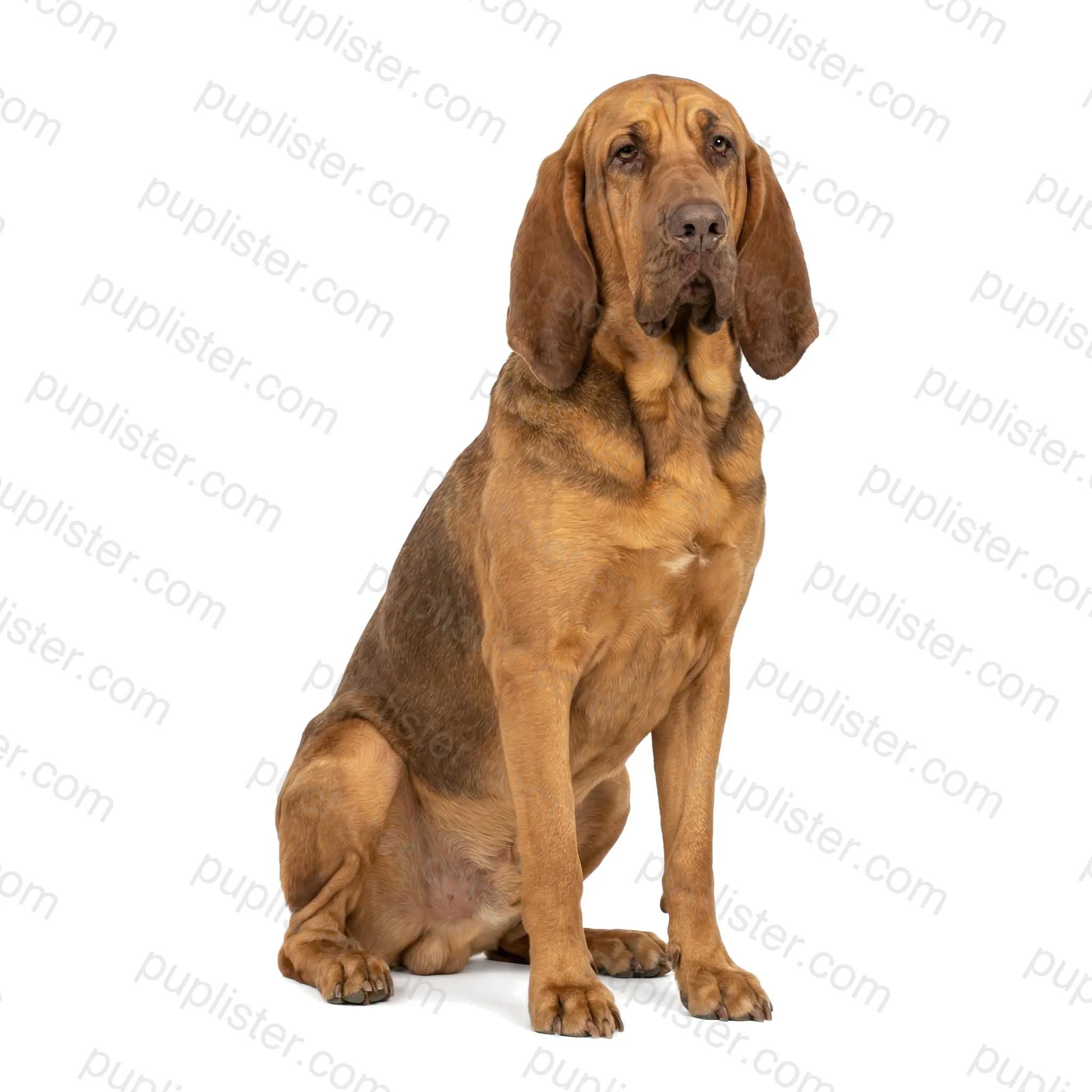
3 pets available
About the Bloodhound The Bloodhound is a scent hound of unparalleled tracking ability, with origins dating back over a thousand years to monasteries in medieval Belgium and France. These large, noble dogs stand 23–27 inches tall and weigh 80–110 pounds, with a loose-skinned, powerful build and famously droopy ears and facial folds that help channel scent toward their nose. Their short, dense coat comes in black-and-tan, liver-and-tan, and red, requiring minimal grooming beyond regular wrinkle cleaning.Temperament & PersonalityBloodhounds are gentle, patient, and affectionate — despite their imposing size, they are among the most docile and tolerant of all breeds. They are wonderful with children and other animals, displaying remarkable patience even with rough handling from toddlers. However, when they catch an interesting scent, they become single-minded and nearly impossible to redirect — they have been known to follow a trail for over 130 miles.ProsPossesses the most powerful nose in the canine world — their trailing results are admissible in courtGentle, patient, and affectionate with all family members including young childrenExcellent with other dogs and household petsCalm and easygoing indoors, content to lounge when not workingConsCopious drooling — their loose jowls produce significant slobber, especially after eating and drinkingStrong, determined pullers on leash who can be nearly impossible to control when trailing a scentProne to bloat, hip and elbow dysplasia, and ear infections due to their long, pendulous earsRelatively short lifespan of 10–12 years and susceptible to skin fold dermatitisThese gentle giants have hearts as big as their noses — explore adoptable Bloodhounds on Puplister today.
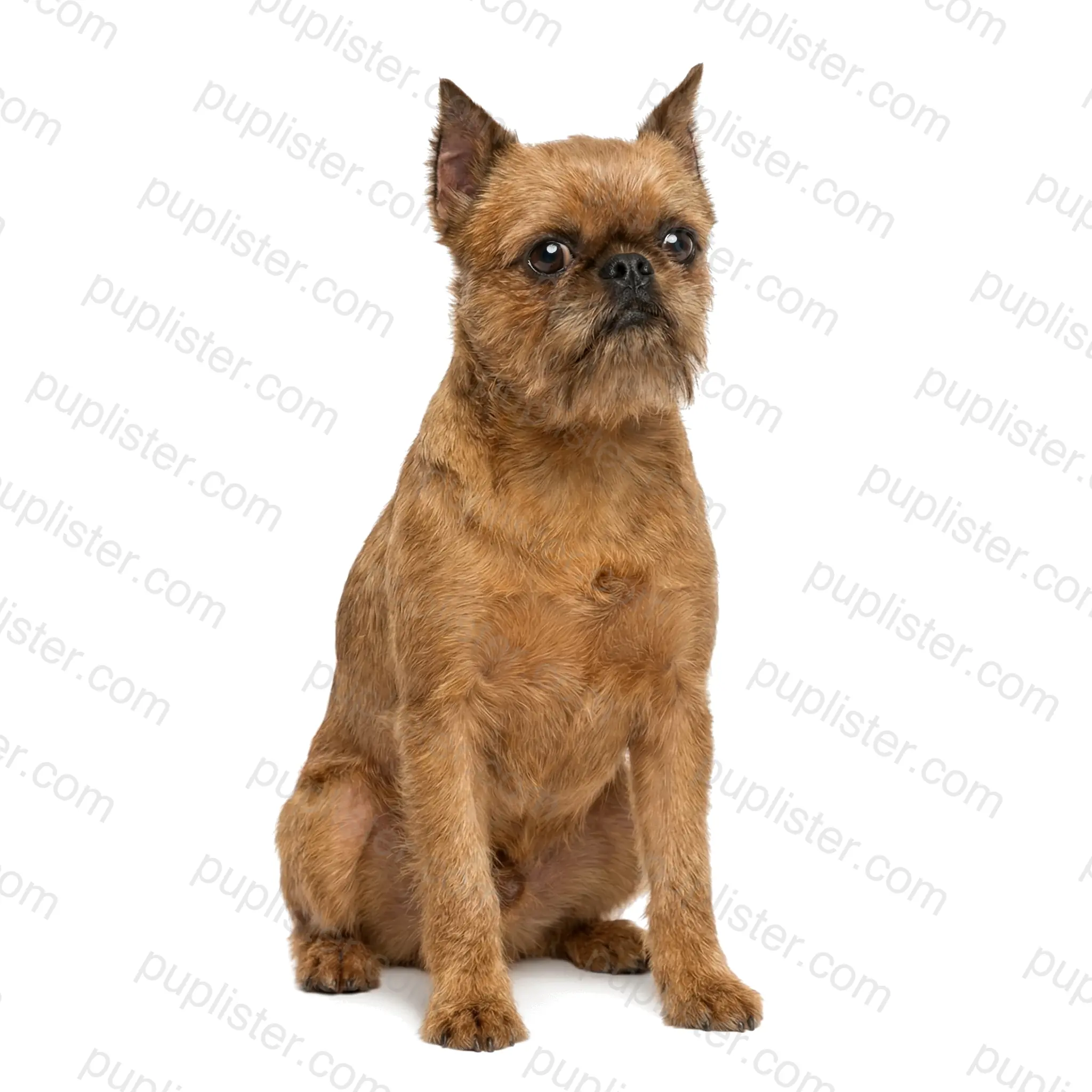
3 pets available
About the Brussels Griffon The Brussels Griffon — or Griffon Bruxellois — originated in Brussels, Belgium, where it was initially bred as a stable ratter before becoming a beloved companion of Belgian nobility in the 19th century. These tiny, expressive dogs stand 7–10 inches tall and weigh 8–10 pounds, with a sturdy, thickset body that carries surprising heft for their size. They come in two coat varieties — rough (wiry, dense) and smooth (short, glossy) — in colors including red, beige, black-and-tan, and solid black.Temperament & PersonalityBrussels Griffons are spirited, curious, and remarkably self-important — they carry themselves with a confidence that far exceeds their diminutive stature. They form intense bonds with their primary person and can be quite demanding of attention, often described as "velcro dogs." While they can be good with older, respectful children, their small size and sometimes snappish nature make them unsuitable for households with toddlers or rough-handling youngsters.ProsCompact size makes them ideal for apartment and city livingHighly expressive and entertaining — their almost-human facial expressions are endlessly charmingAlert and vocal enough to serve as effective little watchdogsThe rough coat variety is low-shedding, suitable for those sensitive to pet hairConsCan be difficult to housebreak — patience and consistency are essentialProne to separation anxiety and may bark excessively when left aloneFragile build makes them vulnerable to injury from rough play or fallsBrachycephalic features contribute to respiratory issues, heat sensitivity, and eye problemsThese tiny dogs have enormous personalities — discover adoptable Brussels Griffons on Puplister and meet your perfect pint-sized companion.
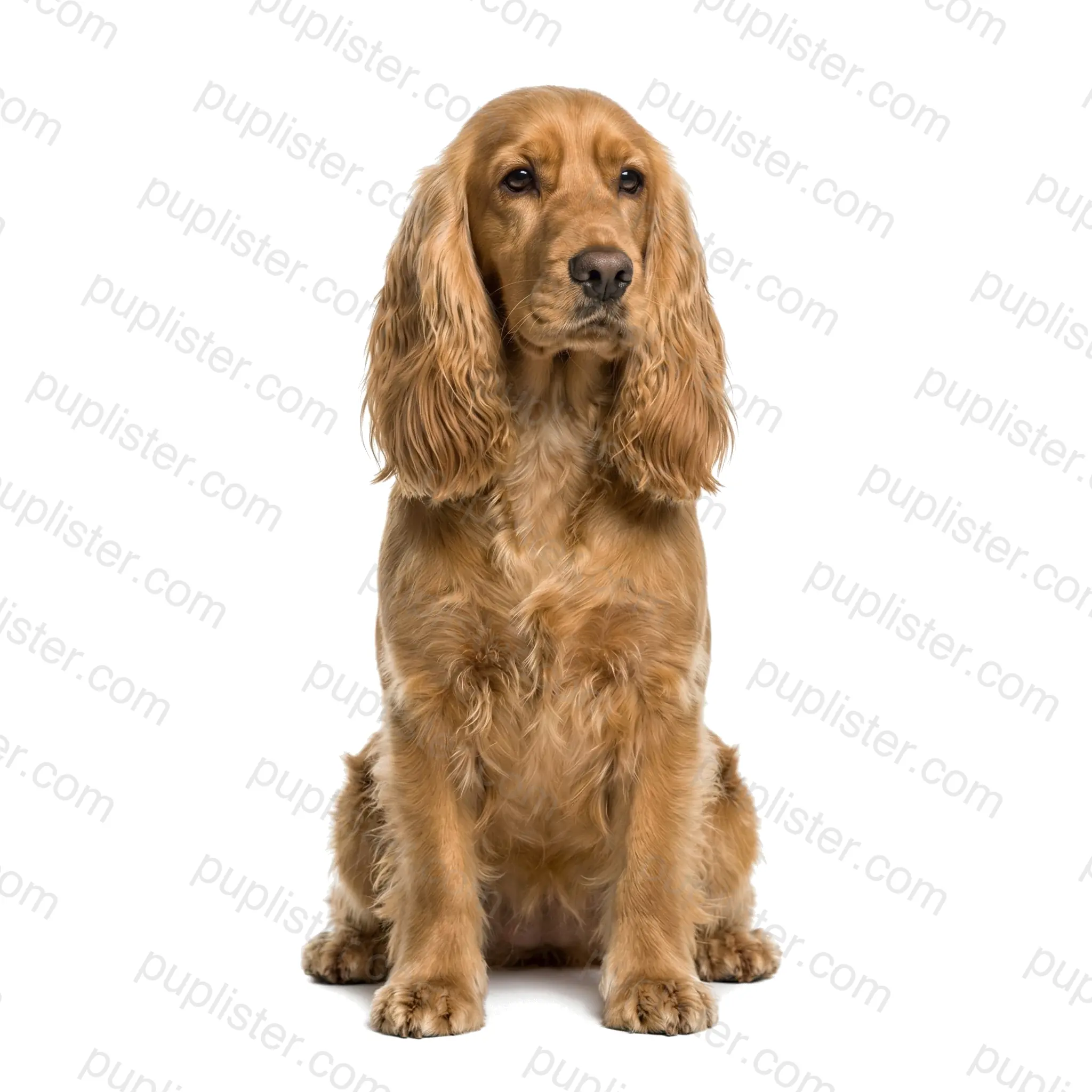
3 pets available
About the Cocker Spaniel The American Cocker Spaniel — the smallest of the sporting breeds — descended from English Cocker Spaniels brought to North America in the late 1800s and was developed as both a skilled bird flusher and an adoring family companion. Standing 13.5–15.5 inches tall and weighing 20–30 pounds, the Cocker Spaniel is known for its luxurious, silky coat that comes in black, ASCOB (any solid color other than black), and parti-color varieties. Their large, soulful dark eyes and perpetually wagging tail have made them one of America's most beloved breeds for decades.Temperament & PersonalityCocker Spaniels are the quintessential happy dog — eager to please, gentle, and brimming with affection for everyone they meet. They thrive on human companionship and are wonderful with children, other dogs, and even cats when properly introduced. Their sensitive nature means they respond best to positive reinforcement and can become anxious or submissive if treated harshly.ProsGentle, merry temperament makes them one of the best breeds for families with young childrenHighly trainable and eager to please — excel in obedience and agilityAdaptable to apartment living provided they receive daily walks and playFriendly with strangers, other dogs, and household pets — rarely aggressiveConsCoat requires professional grooming every 4–6 weeks plus daily brushing to prevent mattingProne to chronic ear infections due to long, heavy ear flaps that trap moistureHigh incidence of eye conditions including cataracts, glaucoma, and cherry eyeSome lines suffer from "rage syndrome" — sudden unprovoked aggression linked to poor breedingReady to welcome a joyful, tail-wagging Cocker Spaniel into your life? Find your perfect match on Puplister.
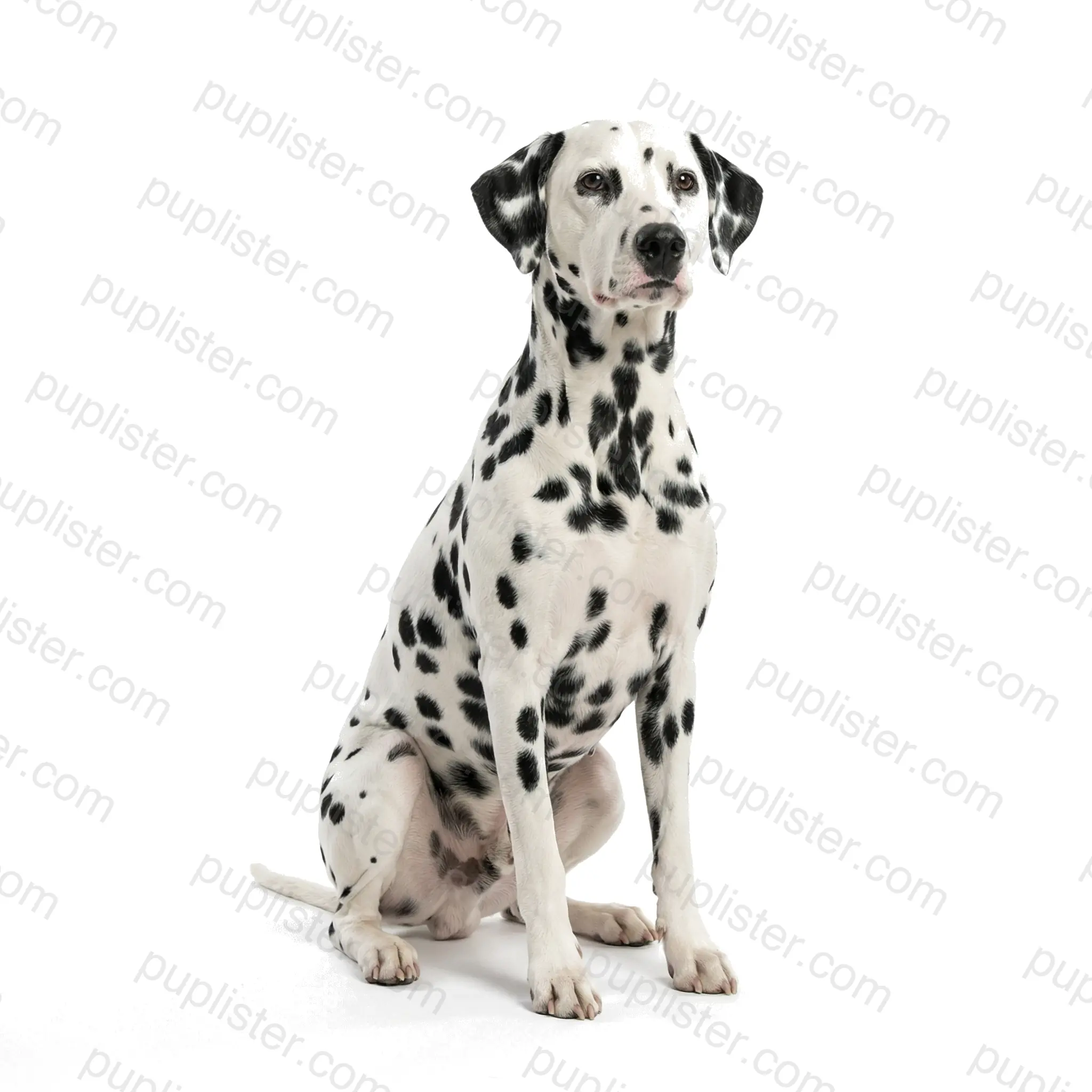
3 pets available
About the Dalmatian The Dalmatian is one of the most recognizable breeds on earth — known for its striking white coat adorned with black or liver-colored spots that are as unique as fingerprints. Standing 19–24 inches tall and weighing 45–70 pounds, this athletic breed has a storied history as a carriage dog, firehouse mascot, and circus performer across Europe. Dalmatian puppies are born completely white, with their signature spots developing gradually over the first few weeks of life.Temperament & PersonalityDalmatians are high-energy, exuberant dogs with an almost inexhaustible drive to run, play, and explore. They form strong bonds with their families and can be wonderful companions for active households, though their boisterous nature may overwhelm toddlers and elderly family members. They tend to be reserved — sometimes standoffish — with strangers and require thorough socialization to prevent timidity or nervousness.ProsOutstanding running and cycling companions — built for sustained endurance over long distancesShort, dense coat is easy to maintain with weekly brushingNaturally clean dogs with minimal doggy odorIntelligent and versatile — excel in agility, obedience, and road trialsConsApproximately 30% of Dalmatians are affected by hereditary deafness — unilateral or bilateralUnique urinary system produces uric acid instead of urea, predisposing them to kidney and bladder stonesSheds heavily year-round — white hairs embed in furniture and clothing persistentlyRequires 1–2 hours of vigorous exercise daily or develops destructive behaviorsAn active lifestyle and a spotted best friend — find Dalmatians available for adoption on Puplister.
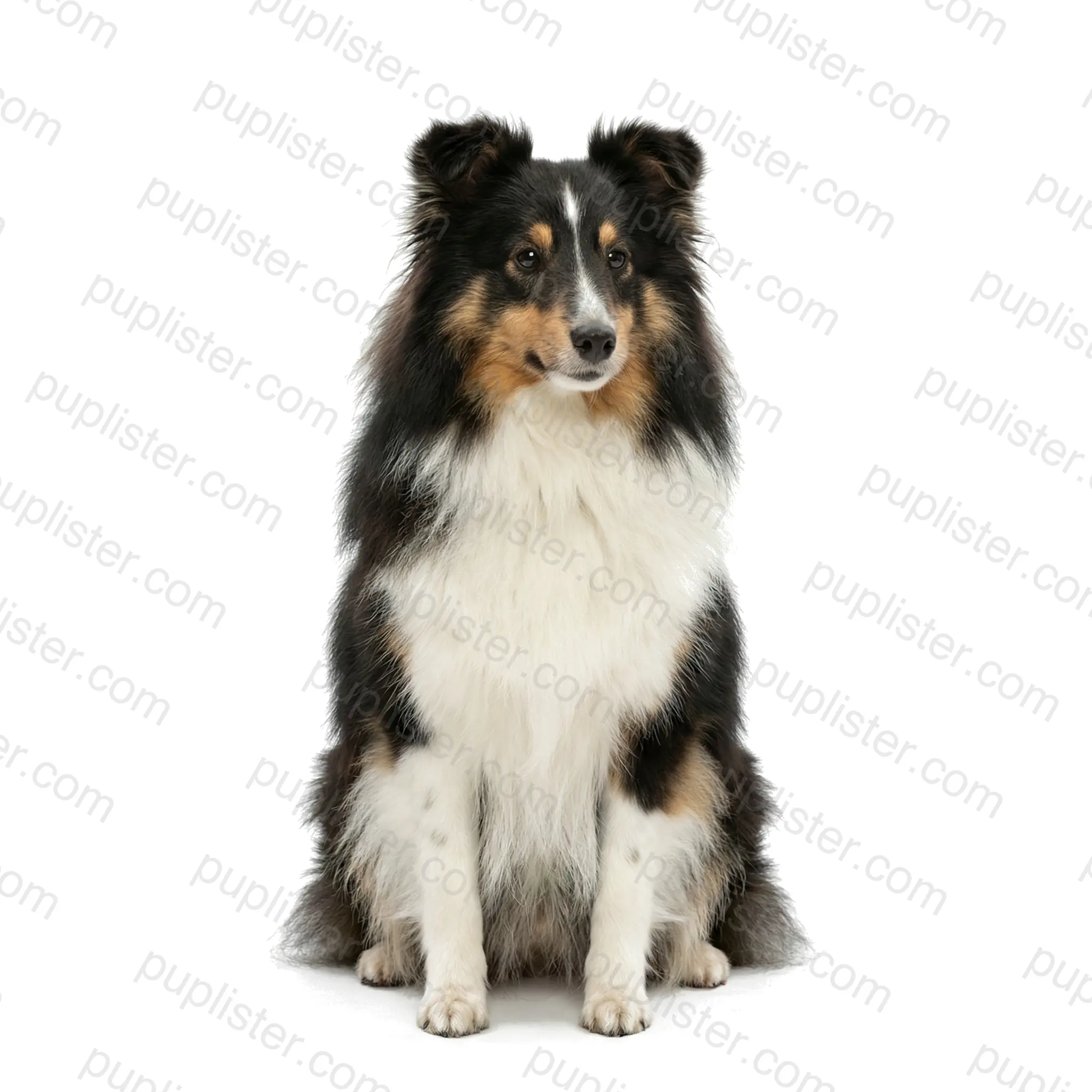
3 pets available
About the Shetland Sheepdog The Shetland Sheepdog — or "Sheltie" — was developed on Scotland's remote Shetland Islands, where harsh conditions favored smaller, efficient herding dogs that could thrive on limited resources. Standing 13 to 16 inches tall and weighing 15 to 25 pounds, Shelties resemble a miniature Rough Collie but are a distinct breed with their own standard and lineage. Their abundant double coat features a long, straight outer layer and dense undercoat, coming in sable, black, and blue merle — all typically with white and tan markings. Temperament & Personality Shetland Sheepdogs are incredibly intelligent, sensitive, and eager to please — consistently ranked among the top 10 most trainable dog breeds in the world. They are devoted to their families and particularly gentle with children, often forming an especially strong bond with one household member. Shelties can be reserved with strangers and may bark to alert their family, but their sensitivity and willingness to learn make them wonderful companions for patient, attentive owners. Pros Exceptionally intelligent — excels in agility, obedience, and herding competitionsGentle, affectionate, and outstanding with childrenCompact size with all the beauty and grace of a CollieLoyal and deeply bonded to their family Cons Heavy shedding — the dense double coat requires frequent brushing and sheds year-roundProne to excessive barking, especially when excited or alertingSusceptible to Collie eye anomaly, hip dysplasia, and dermatomyositisCan be timid and fearful without proper early socialization Shelties combine beauty, brains, and devotion in one elegant package — explore Shetland Sheepdog adoption options on Puplister.
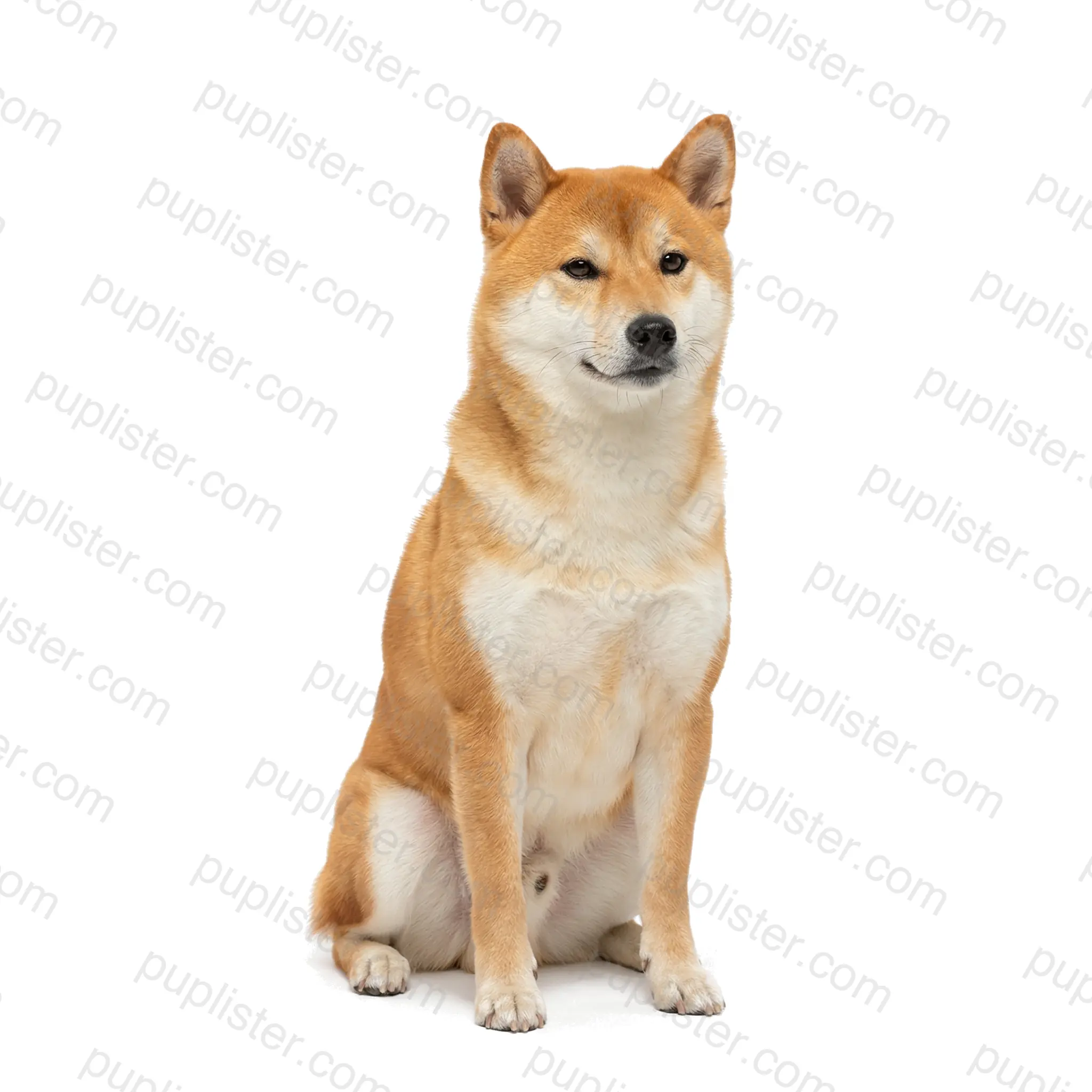
3 pets available
About the Shiba Inu The Shiba Inu is Japan's oldest and smallest native breed, originally bred to flush birds and small game in the dense mountain underbrush — "shiba" may refer to brushwood or the breed's red color, while "inu" simply means dog. These compact, agile dogs stand 13.5 to 16.5 inches tall and weigh 17 to 23 pounds, with a fox-like face, small triangular ears, and a curled tail. Their stiff, plush double coat comes in red, sesame, black and tan, or cream, with distinctive "urajiro" (cream to white ventral markings). Temperament & Personality Shiba Inus are bold, alert, and fiercely independent — often described as more cat-like than dog-like in their self-possession and fastidious grooming habits. They are loyal to their families but on their own terms, and their strong-willed nature means they do not blindly follow commands. Shibas are known for the infamous "Shiba scream" — a loud, distinctive vocalization produced when displeased or overjoyed — and they can be aloof with strangers and sometimes aggressive toward other dogs. Pros Naturally clean and almost cat-like — easy to housetrain and self-groomingCompact, manageable size for apartments with adequate exerciseLoyal and devoted to their family once trust is establishedHealthy breed with a long lifespan of 13 to 16 years Cons Extremely independent and stubborn — not recommended for first-time ownersStrong prey drive and unreliable recall make off-leash freedom riskyCan be possessive of food, toys, and territory (resource guarding)Prone to allergies, patellar luxation, and hip dysplasia The Shiba Inu's spirited independence and striking looks have won fans worldwide — discover Shibas on Puplister.
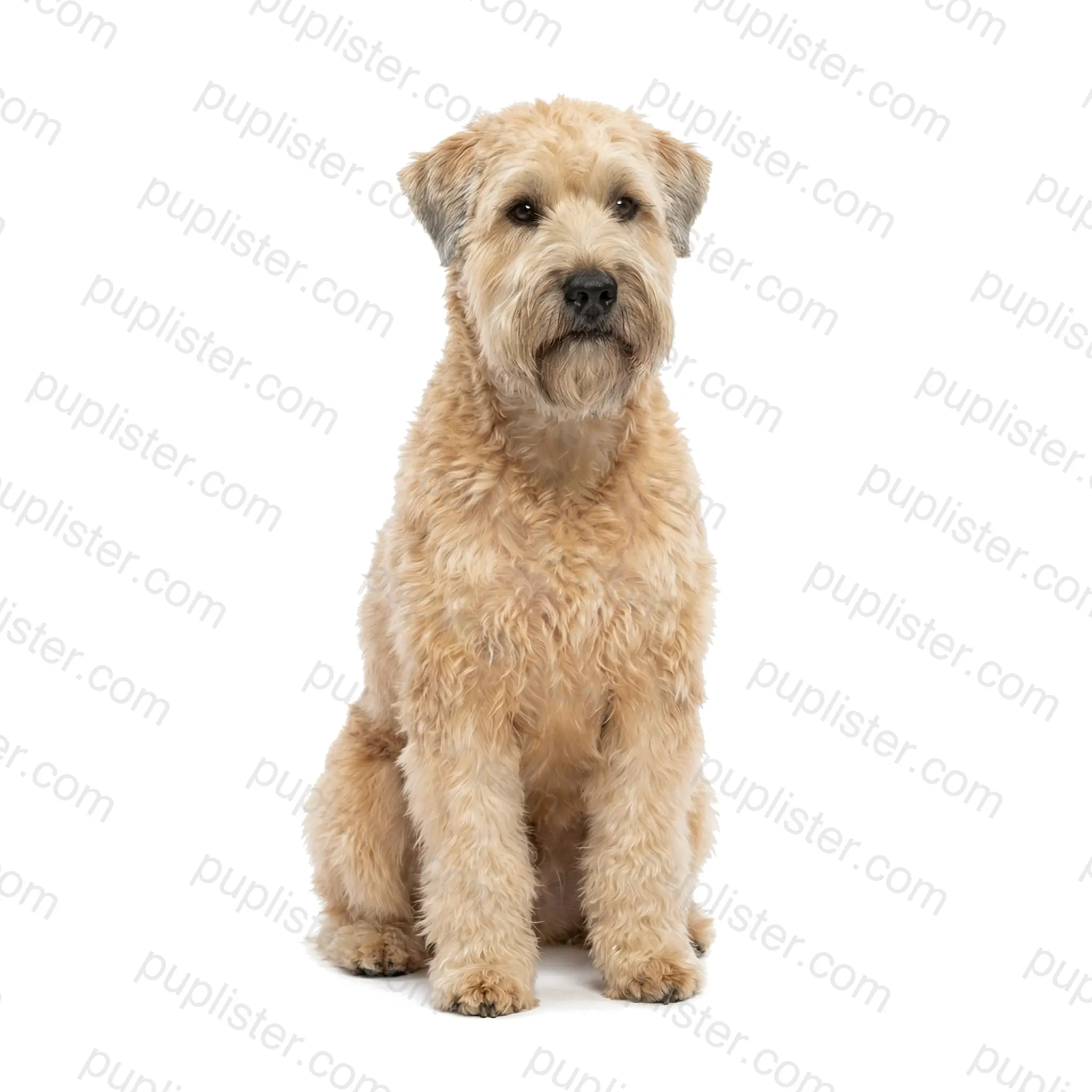
3 pets available
About the Soft Coated Wheaten Terrier The Soft Coated Wheaten Terrier originated in Ireland over 200 years ago as an all-purpose farm dog — herding livestock, guarding property, and dispatching vermin, earning it the nickname "the poor man's wolfhound." These medium-sized dogs stand 17 to 19 inches tall and weigh 30 to 40 pounds, with a sturdy, compact build beneath their distinctive coat. Their single-layer, silky, wavy coat matures from a dark puppy color to its signature warm wheaten gold by about two years of age — and unlike most terriers, it is soft rather than wiry. Temperament & Personality Soft Coated Wheaten Terriers are exuberant, affectionate, and joyful — known for their characteristic "Wheaten greeting" where they enthusiastically jump up to lick faces, which can be endearing or problematic depending on the recipient. They are deeply devoted to their families, excellent with children, and more tolerant of other dogs than many terrier breeds. Their happy, bouncy energy remains well into adulthood, and they approach life with an infectious enthusiasm that brightens any household. Pros Single coat sheds minimally — more suitable for allergy-sensitive householdsFriendly and exuberant — loves people and gets along with children and other dogsLess aggressive and territorial than many other terrier breedsVersatile and athletic — enjoys agility, hiking, and active family life Cons Coat requires daily brushing and regular professional grooming to prevent mattingProne to protein-losing nephropathy and protein-losing enteropathy — serious breed-specific conditionsJumping and exuberant greeting behavior can be difficult to manageCan be stubborn during training and requires patient, consistent methods The Wheaten Terrier's joyful spirit and soft golden coat are hard to resist — discover available Wheatens on Puplister.
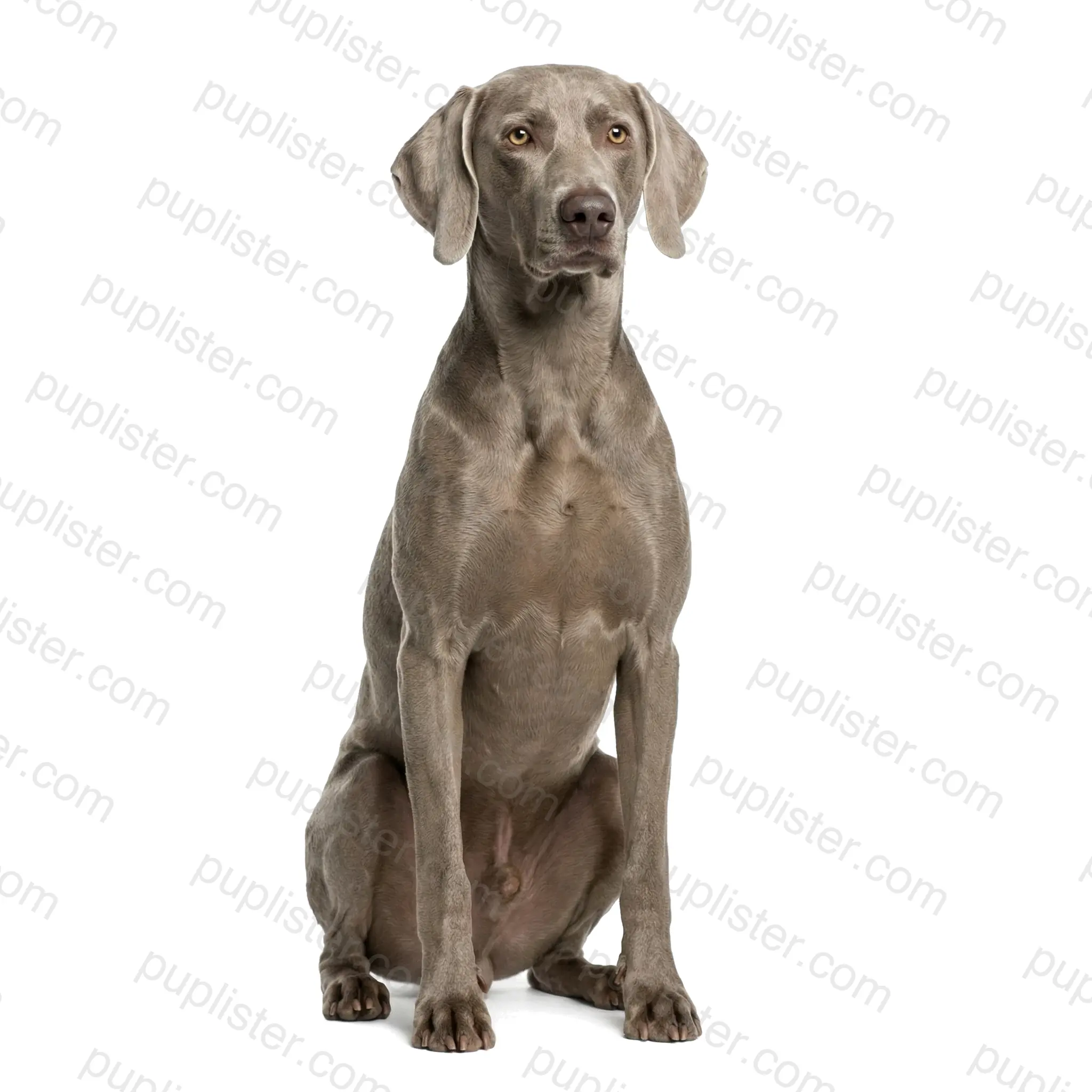
3 pets available
About the Weimaraner The Weimaraner was developed in the early 19th century at the court of Weimar in Germany, where nobles bred these dogs to hunt large game — boar, bear, and deer — before transitioning them to bird dog duties as large game became scarce. These striking, athletic dogs stand 23 to 27 inches tall and weigh 55 to 90 pounds, with a sleek, powerful build designed for speed and endurance. Their distinctive short, smooth coat comes in shades of mouse-gray to silver-gray — earning them the nickname "Gray Ghost" — complemented by striking amber or blue-gray eyes. Temperament & Personality Weimaraners are fearless, friendly, and intensely devoted to their families — they crave human companionship and do not do well as kennel or outdoor-only dogs. They are energetic and playful with children, generally sociable with other dogs, and possess an intelligence that demands both physical and mental outlets. Without adequate exercise and attention, Weimaraners become anxious, destructive, and can develop severe behavioral problems. Pros Strikingly beautiful with an unmistakable silver-gray appearanceVersatile sporting dog — excellent for hunting, running, and competitive eventsHighly intelligent and trainable with consistent, positive methodsShort coat requires minimal grooming and sheds only moderately Cons Extreme separation anxiety — one of the most prone breeds to this conditionRequires intense daily exercise — 2 or more hours of vigorous activity is typicalProne to bloat (gastric torsion), hip dysplasia, and hyperuricosuriaCan be destructive on a grand scale when bored or anxious — has been known to eat through drywall The "Gray Ghost" is a magnificent companion for the active and committed — discover Weimaraners on Puplister.
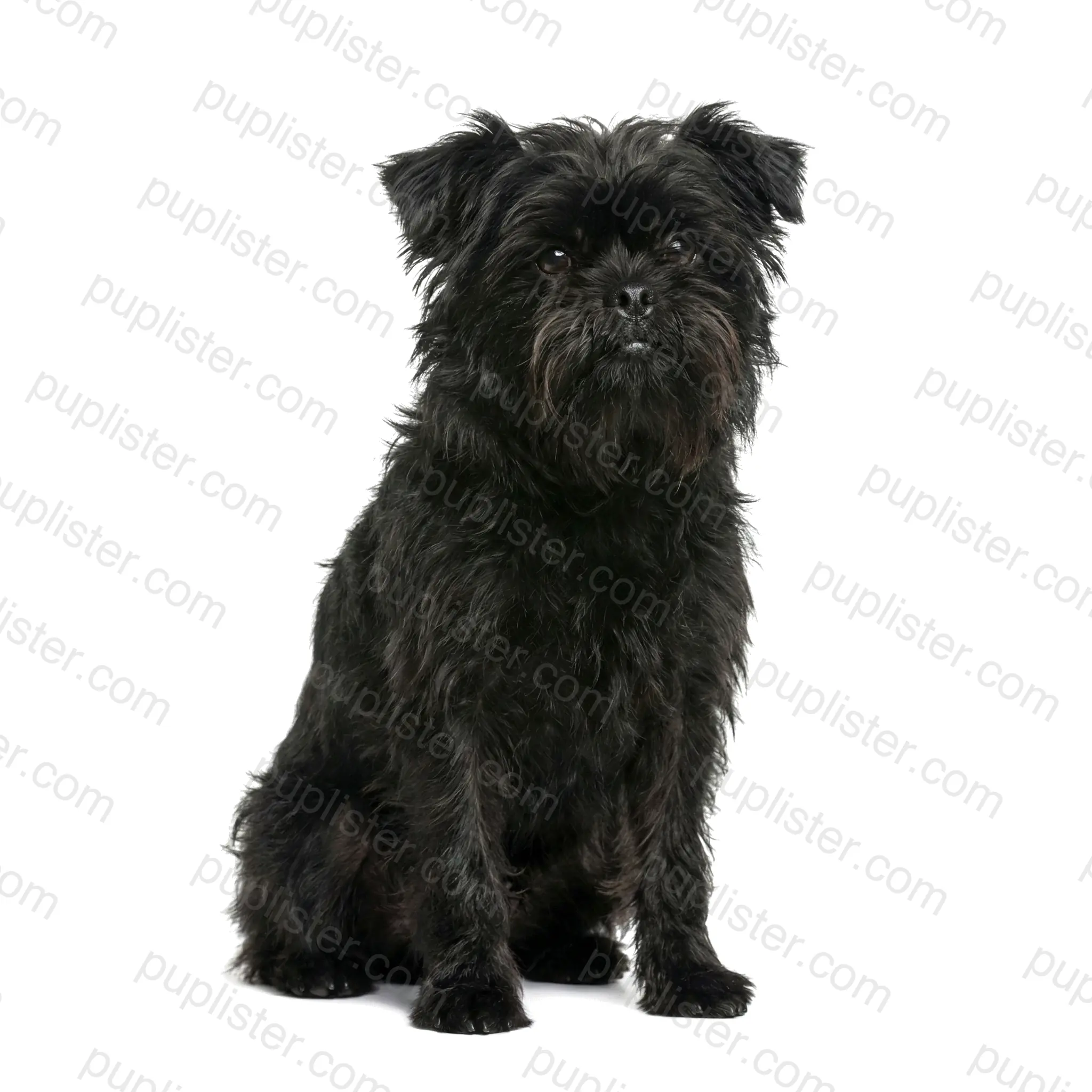
2 pets available
1About the Affenpinscher The Affenpinscher — often called the "Monkey Dog" for its comical, primate-like facial expression — is a small but sturdy toy breed that originated in Germany during the 17th century. Originally bred to hunt rats in kitchens, granaries, and stables, these wiry little terriers stand just 9–11.5 inches tall and weigh 7–10 pounds. Their rough, shaggy coat — typically black, though also found in gray, silver, red, and belge — frames a flat face with prominent dark eyes, bushy eyebrows, and a pronounced underbite that gives them their signature mischievous look.Temperament & PersonalityAffenpinschers are fearless, curious, and endlessly entertaining — they pack the confidence of a dog ten times their size into a tiny, wiry-haired package. They are fiercely loyal to their owners and surprisingly territorial, often standing their ground against much larger dogs without hesitation. While affectionate with their family, they can be possessive of their toys and food, and their stubborn, independent streak means they prefer to make their own decisions rather than blindly follow commands.ProsCompact size and moderate exercise needs — ideal for apartment livingLow-shedding, wiry coat that is relatively easy to maintain with weekly brushingEntertaining and comical personality — they are natural performers who love an audienceExcellent watchdog despite small size — alert and vocal about anything unusualConsStubborn and difficult to housetrain — patience and consistency are essentialNot ideal for families with very young children — can be snappy if handled roughlyProne to brachycephalic breathing issues, patellar luxation, and heart murmursStrong prey drive toward small animals — will chase squirrels, hamsters, and birds relentlesslyLooking for a tiny dog with a big personality? Browse adoptable Affenpinschers on Puplister and find your perfect match.
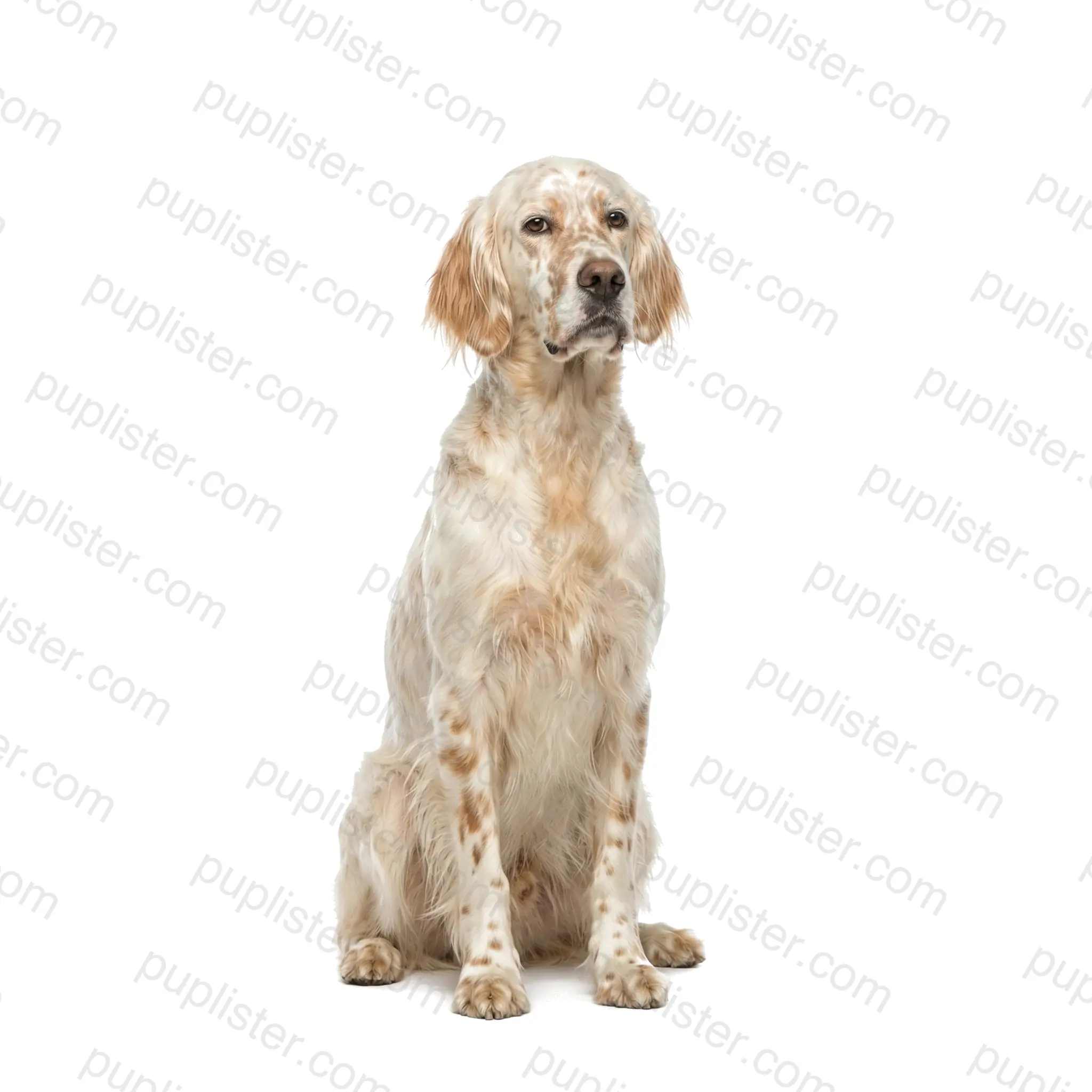
2 pets available
About the English Setter The English Setter is one of the oldest gun dog breeds — developed in England over 400 years ago to locate game birds by crouching or "setting" to indicate their position. Standing 23–27 inches tall and weighing 45–80 pounds, these graceful dogs are renowned for their beautiful feathered coat in distinctive "belton" patterns — blue belton, orange belton, tricolor, lemon belton, and liver belton. Their elegant appearance, with long, silky ears and a gently flowing coat, has earned them the title of the most beautiful sporting breed.Temperament & PersonalityEnglish Setters are gentle, sweet-natured dogs with a calm indoor demeanor that belies their energetic field abilities. They are exceptionally good with children — patient and tolerant even with rough toddler play — and generally accepting of other dogs and household pets. Their affectionate, people-oriented nature makes them poor kennel dogs; they need to live as part of the family to thrive emotionally.ProsOne of the gentlest sporting breeds — excellent with children of all ages and other petsCalm and quiet indoors when given adequate outdoor exerciseFriendly toward strangers — makes a welcoming family dog without guarding tendenciesVersatile field dog that transitions beautifully from hunting companion to couch cuddlerConsFeathered coat requires regular grooming — brushing 3–4 times weekly to prevent tanglesProne to elbow dysplasia, hypothyroidism, and congenital deafnessStrong hunting instincts — will bolt after birds and small animals if not in a secure areaCan be slow to mature mentally — puppy-like behavior often persists until age 3 or beyondDiscover the beauty and gentleness of the English Setter — find one waiting for a home on Puplister.
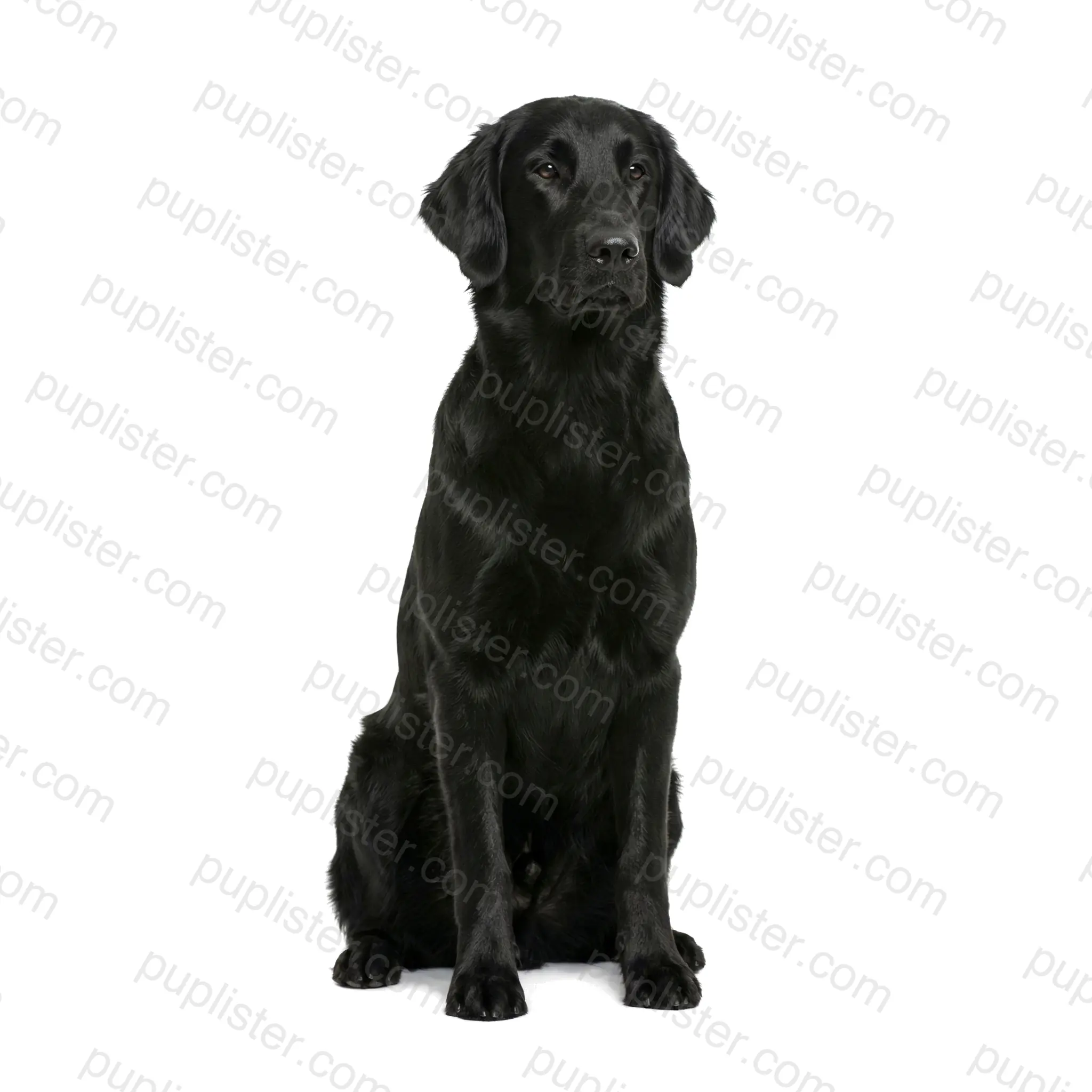
2 pets available
About the Flat-Coated Retriever The Flat-Coated Retriever — often called the "Peter Pan of the dog world" — was developed in 19th-century England as a dual-purpose retriever for both land and water work. Standing 22–24.5 inches tall and weighing 60–70 pounds, this elegant sporting dog wears a lustrous, flat-lying coat of solid black or liver that gives the breed its name. Once the most popular retriever in Britain before being eclipsed by Labradors and Goldens, the Flat-Coat remains a hidden gem among sporting breeds.Temperament & PersonalityFlat-Coated Retrievers are famously exuberant and retain their puppy-like enthusiasm well into old age — a trait that delights their owners but demands patience. They are outgoing, optimistic dogs that greet virtually everyone — family, friends, and strangers alike — with unbridled joy and a wagging tail. Their gentle, playful nature makes them excellent family dogs, though their boisterous energy may overwhelm very young children.ProsPerpetually cheerful and optimistic temperament — a natural mood booster for the householdExcellent with children and other dogs — rarely shows aggressionVersatile sporting dog — excels in field trials, agility, obedience, and therapy workBeautiful, easy-care coat that requires only moderate groomingConsTragically high cancer rates — histiocytic sarcoma and other cancers claim many before age 8Average lifespan of just 8–10 years — significantly shorter than similar-sized breedsSlow to mature mentally and physically — can be challenging during the extended adolescent phasePoor watchdog — greets intruders with the same enthusiasm as family membersGive a joyful Flat-Coated Retriever the loving home they deserve — check available dogs on Puplister today.
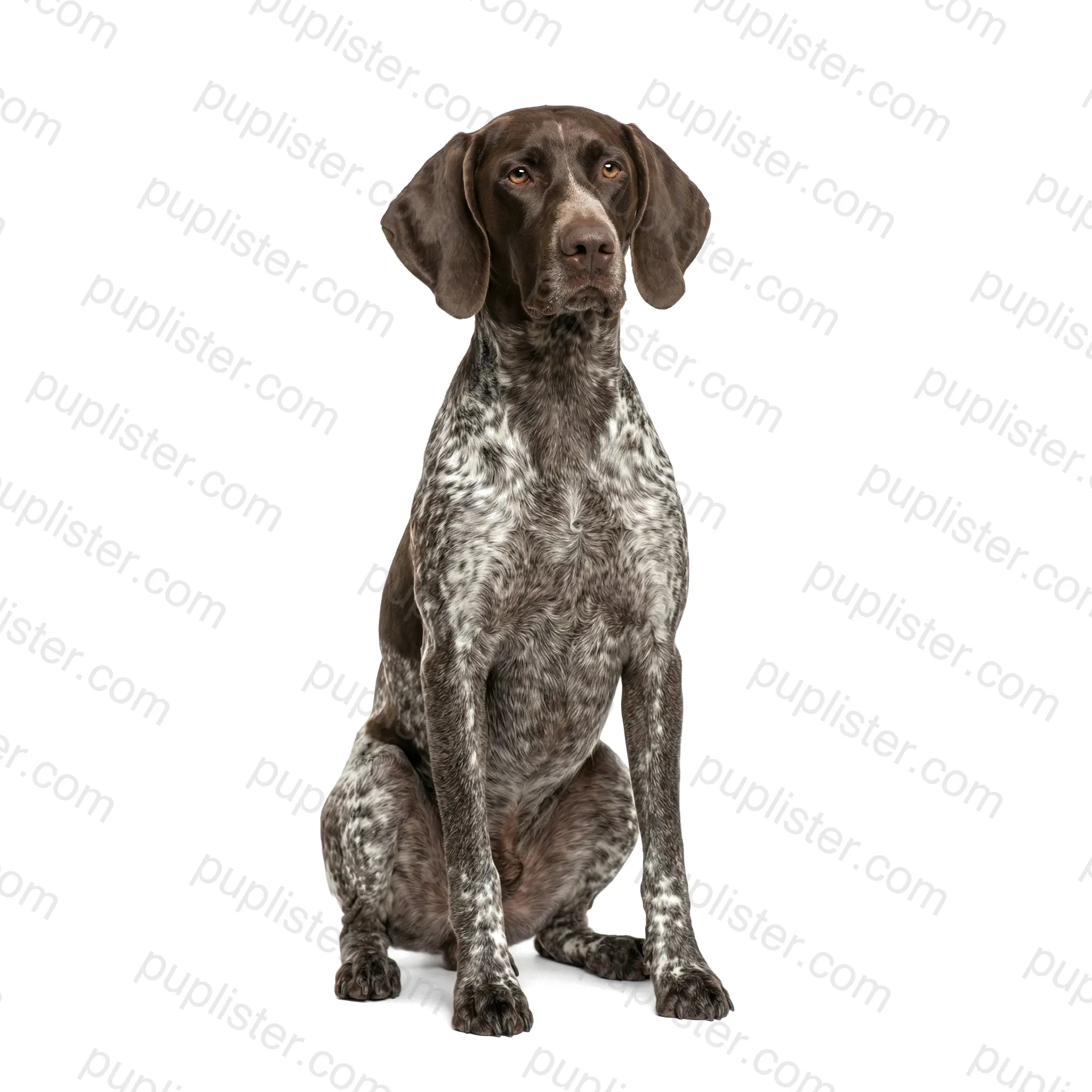
2 pets available
About the German Shorthaired Pointer The German Shorthaired Pointer — or GSP — was developed in 19th-century Germany as the ultimate versatile hunting dog, capable of pointing, retrieving, and tracking game on land and in water. Standing 21–25 inches tall and weighing 45–70 pounds, this athletic breed has a short, dense, water-repellent coat in distinctive liver and white patterns — solid liver, liver and white ticked, liver and white patched, or liver roan. Their streamlined, muscular build and noble head profile reflect generations of careful breeding for both form and function.Temperament & PersonalityGerman Shorthaired Pointers are enthusiastic, affectionate, and virtually tireless — they approach every activity with full commitment and boundless energy. They are wonderful family dogs that thrive on inclusion in all household activities and are genuinely good-natured with children and other dogs. However, their intensity and need for purpose mean they are not suited to sedentary households — a bored GSP can become remarkably destructive.ProsOne of the most versatile sporting dogs — hunts, swims, runs, and retrieves with equal proficiencyEasy-care coat that sheds moderately and requires only weekly brushingFriendly and affectionate with family — forms strong bonds with every household memberExcellent health and longevity for a large breed — typically 12–14 yearsConsExtremely high energy — needs 1–2 hours of vigorous exercise daily at minimumStrong prey drive makes them unreliable off-leash and dangerous around cats and small petsCan be jumpy and mouthy during adolescence — takes 2–3 years to fully matureProne to separation anxiety and will howl, dig, and chew if left alone too longActive families and outdoor enthusiasts — your ideal companion awaits among GSPs on Puplister.
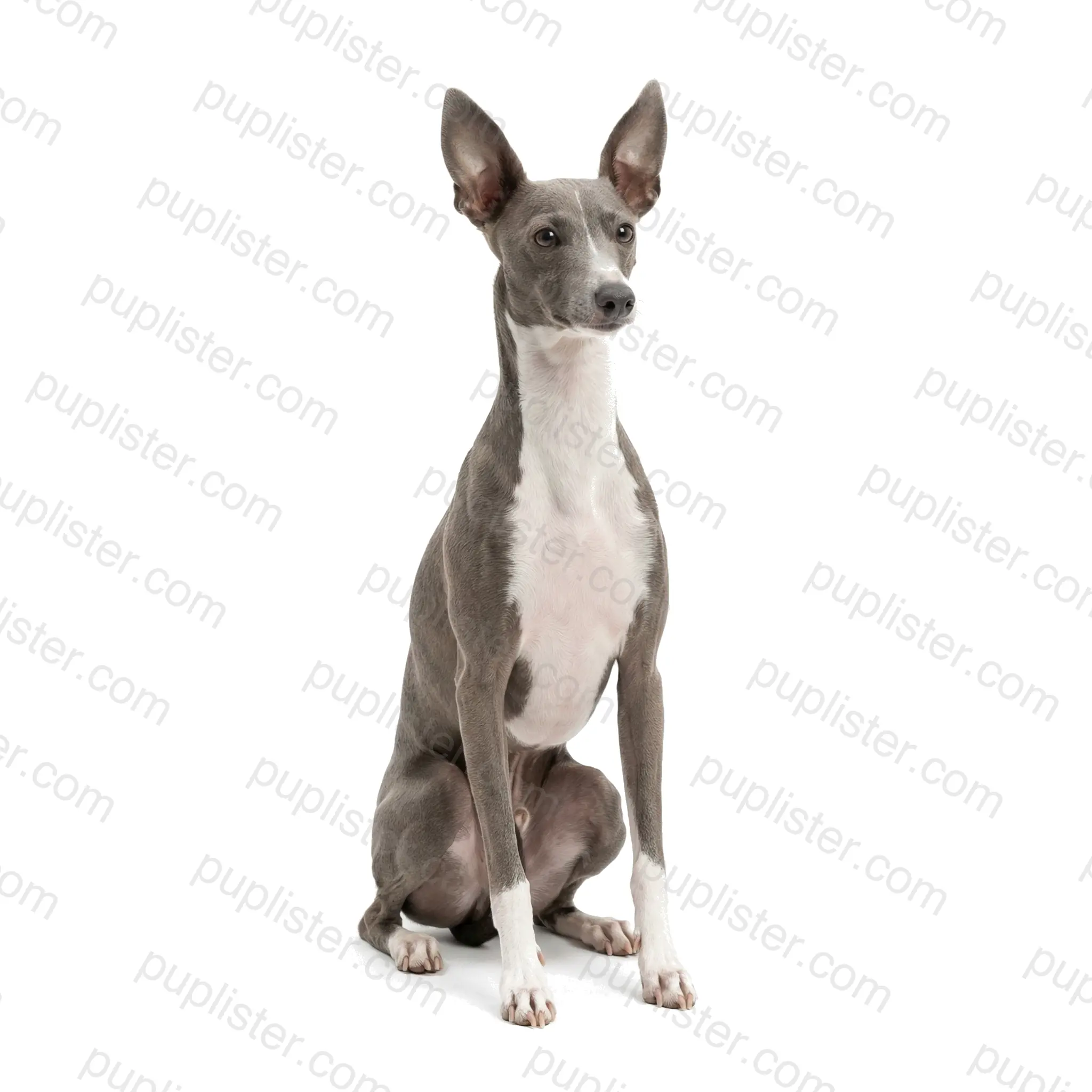
2 pets available
About the Italian Greyhound The Italian Greyhound — a miniaturized version of the Greyhound — has been a prized companion of nobility for over 2,000 years, favored by the likes of Frederick the Great, Queen Victoria, and Catherine the Great. Standing 13–15 inches tall and weighing just 7–14 pounds, this dainty sighthound has a short, satiny coat in shades of fawn, cream, red, blue, black, and various combinations — always with an elegant, high-stepping gait that exudes refinement. Their slender, graceful build and deer-like appearance make them one of the most aesthetically striking toy breeds.Temperament & PersonalityItalian Greyhounds are affectionate, playful, and surprisingly mischievous — alternating between bursts of zoomie energy and hours of burrowing under blankets for warmth. They bond intensely with their owners and can be clingy — often insisting on being held, carried, or curled up in their person's lap. While sweet with family, they tend to be reserved or shy around strangers and may tremble when overstimulated or anxious.ProsElegant, low-shedding coat that produces minimal dander — suitable for many allergy sufferersCompact size and moderate exercise needs make them ideal apartment companionsDeeply affectionate and bonded to their owners — devoted lapdogsLong lifespan of 14–15 years with proper care and dental maintenanceConsExtremely fragile bones — leg fractures are common, especially in puppies and young adultsAmong the most difficult small breeds to housebreak — many owners resort to indoor potty solutionsSensitive to cold — requires sweaters, coats, and warm sleeping arrangements year-roundProne to severe dental disease — often require multiple tooth extractions by middle ageSearching for an elegant, loving companion in a tiny package? Browse Italian Greyhounds on Puplister.
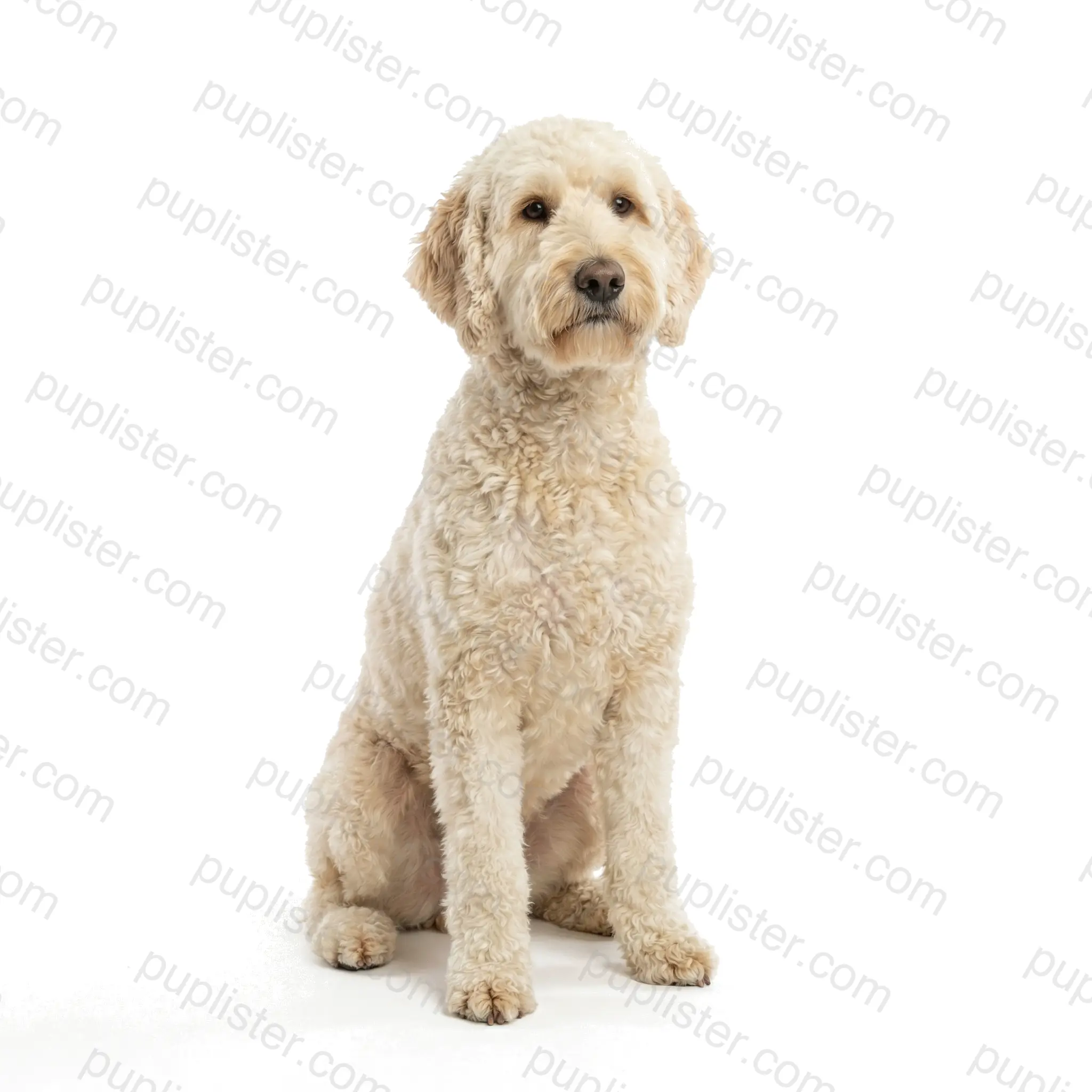
2 pets available
1About the Labradoodle The Labradoodle was first intentionally bred in 1989 by Wally Conron of the Royal Guide Dogs Association of Australia, who crossed a Standard Poodle with a Labrador Retriever to create a guide dog suitable for a visually impaired woman whose husband had dog allergies. They vary widely in size — Miniature (15–25 pounds), Medium (30–45 pounds), and Standard (50–65 pounds) — and their coats range from flat and hair-like to loose waves to tight curls, in colors including cream, gold, chocolate, black, red, and parti-color. As a crossbreed, their appearance and temperament are less predictable than purebred dogs.Temperament & PersonalityLabradoodles typically combine the Labrador's friendly eagerness with the Poodle's intelligence and playfulness — resulting in an enthusiastic, sociable, and highly trainable companion. They are generally excellent with children and other pets, inheriting the Labrador's patience and the Poodle's gentleness in equal measure. Their energetic, joyful nature and intuitive emotional awareness have made them popular therapy and assistance dogs worldwide.ProsMany individuals have low-shedding coats — particularly those with curlier, Poodle-influenced hairIntelligent and highly trainable — inherits strong work ethic from both parent breedsFriendly, social temperament makes them excellent family and therapy dogsAvailable in multiple sizes to suit different living environments and lifestyle needsConsCoat type is unpredictable — no guarantee of hypoallergenic qualities, especially in first-generation crossesRequires regular professional grooming every 6–8 weeks regardless of coat typeNo breed standard — significant variation in size, temperament, and appearance within littersCan inherit health problems from both parent breeds — hip dysplasia, eye disease, and Addison's diseaseA lovable Labradoodle could be your perfect family addition — find available dogs on Puplister today.
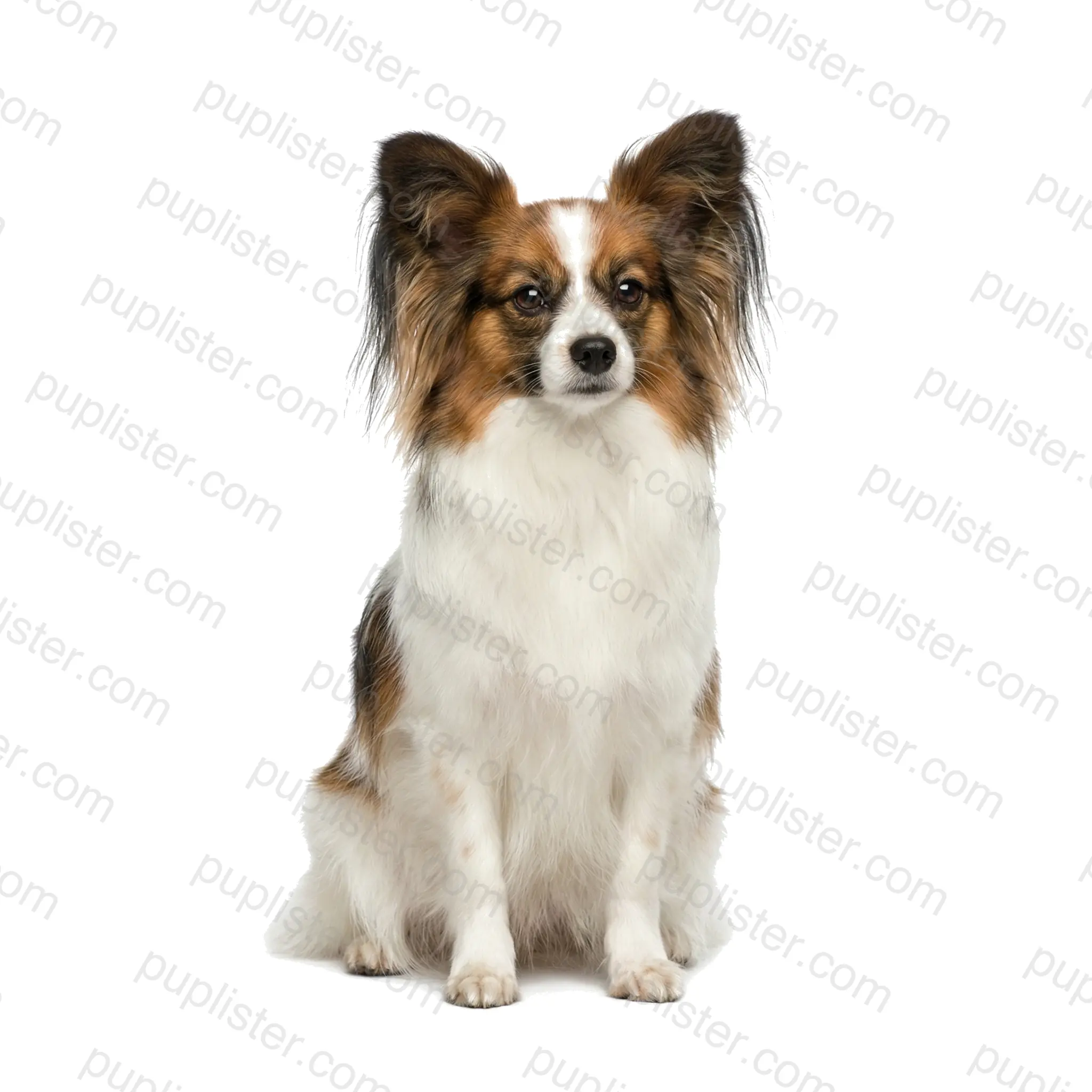
2 pets available
About the Papillon The Papillon — French for "butterfly," referring to its elegant fringed ears — traces its lineage to European toy spaniels depicted in Renaissance paintings as far back as the 16th century. These dainty yet sturdy dogs weigh just 5 to 10 pounds and stand 8 to 11 inches tall, ranking among the smallest of all breeds. Their long, silky, single-layer coat is white with patches of any color, and the breed also has a drop-eared variety known as the Phalène. Temperament & Personality Papillons are remarkably intelligent, lively, and confident — consistently ranked among the top 10 smartest dog breeds despite their diminutive stature. They are friendly and affectionate with their families, though they can be reserved with strangers until properly introduced. Papillons do well with gentle older children but may be too delicate for rough play with toddlers, and they often get along with other pets when socialized early. Pros Exceptionally intelligent and excels in obedience and agility competitionsNo undercoat means less shedding and easier maintenance than many breedsHardy and athletic despite tiny size — enjoys long walks and active playLong lifespan of 14 to 16 years with generally robust health Cons Fragile bone structure makes them vulnerable to injury from falls or rough handlingCan be yappy and difficult to quiet without early trainingSusceptible to patellar luxation, dental issues, and open fontanelsMay develop "small dog syndrome" if not given consistent boundaries Want a tiny dog with big brains and even bigger personality? Discover Papillons looking for homes on Puplister.
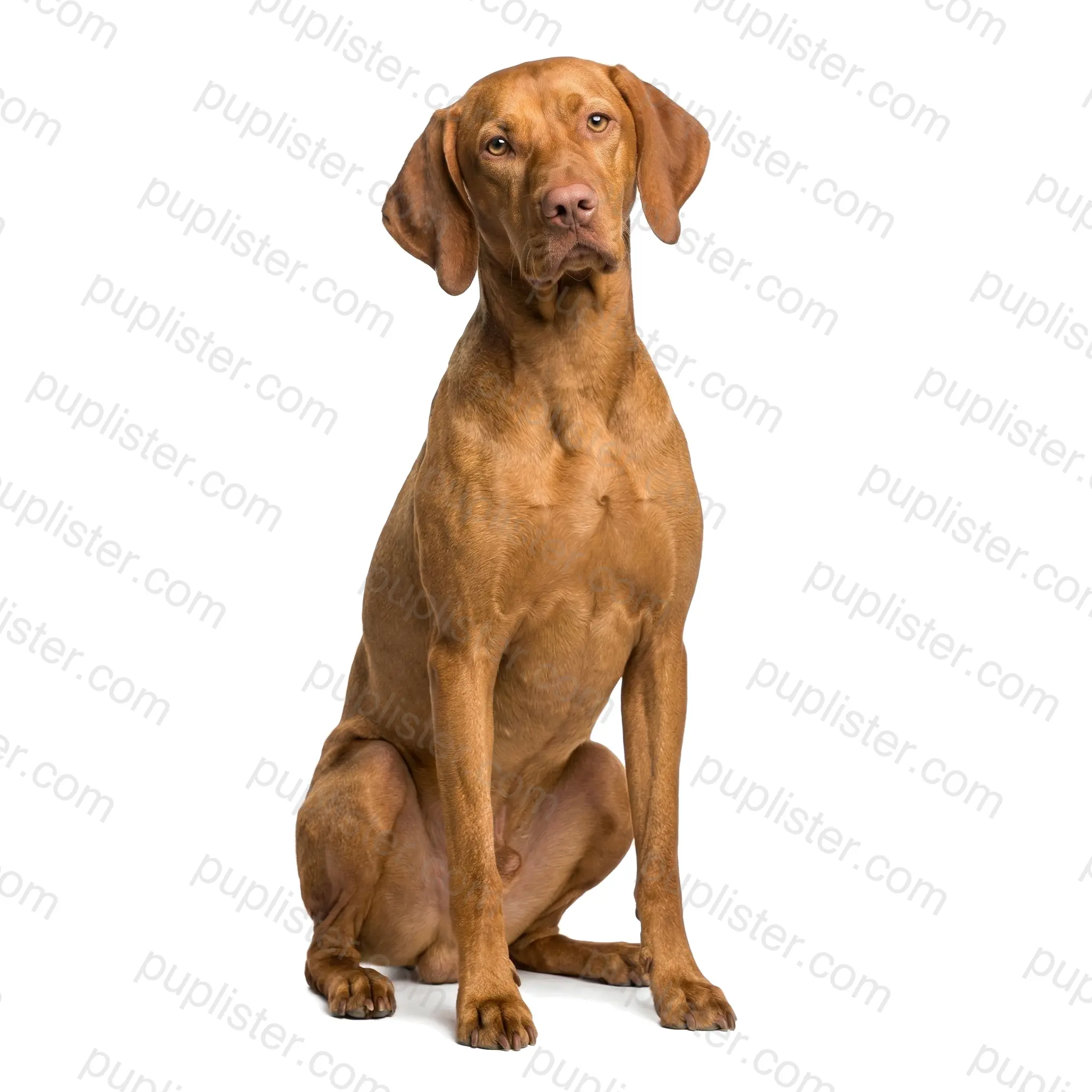
2 pets available
About the Vizsla The Vizsla is Hungary's national dog, with origins tracing back over 1,000 years to the Magyar tribes who settled the Carpathian Basin and needed a versatile pointer-retriever for the plains. These lean, athletic dogs stand 21 to 24 inches tall and weigh 44 to 60 pounds, with a distinctively sleek, muscular build and an elegant, ground-covering gait. Their short, smooth coat comes exclusively in various shades of golden rust — from sandy gold to deep russet — with no undercoat, giving them a clean, low-maintenance appearance. Temperament & Personality Vizslas are affectionate, energetic, and extraordinarily people-oriented — often called "Velcro dogs" because they want to be in constant physical contact with their owners. They are gentle and patient with children, friendly with other dogs, and possess a sensitivity that makes them responsive to their family's moods. Vizslas form such intense bonds that they can suffer severe separation anxiety if left alone regularly — they truly need to be included in daily family life. Pros Exceptionally affectionate and forms deep, devoted bonds with familyVersatile athlete — excels in hunting, agility, dock diving, and trackingLow-maintenance coat with minimal shedding and no doggy odorGentle, sensitive nature makes them excellent therapy dogs Cons Severe separation anxiety — cannot tolerate being left alone for long periodsExtremely high exercise needs — requires 1 to 2 hours of vigorous activity dailyProne to epilepsy, hip dysplasia, and lymphosarcomaThin coat and low body fat make them uncomfortable in cold weather If you want a devoted, athletic companion who'll never leave your side, find your Vizsla on Puplister.
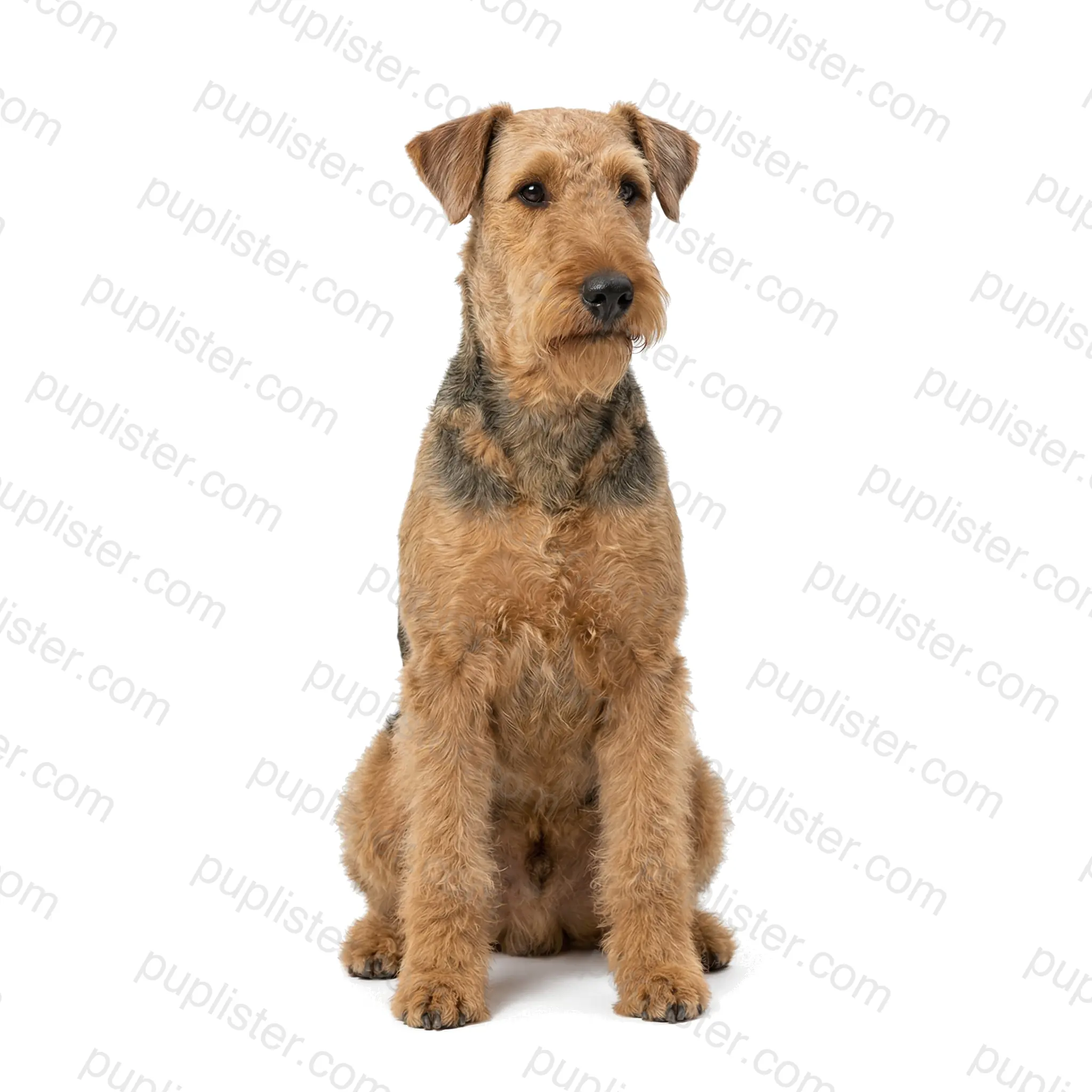
1 pet available
About the Airedale Terrier Known as the "King of Terriers," the Airedale is the largest of all terrier breeds, standing 21–23 inches at the shoulder and weighing 40–65 pounds. Developed in the Aire Valley of Yorkshire, England, during the mid-19th century, the breed was originally used for hunting otters, rats, and other vermin along riverbanks. The Airedale sports a dense, wiry coat in a distinctive tan-and-black saddle pattern that is low-shedding but requires regular hand-stripping or clipping to maintain its texture.Temperament & PersonalityAiredales are bold, confident, and endlessly energetic — they approach life with a terrier's tenacity and a larger dog's courage. They are playful and affectionate with their families, including children, and often serve as devoted watchdogs. However, they can be strong-willed and may try to assert dominance over other dogs, so early socialization is key.ProsVersatile working dog — excels in obedience, agility, and even search-and-rescueLow-shedding, wiry coat suitable for allergy-conscious householdsLoyal protector with natural guarding instinctsHighly intelligent and quick to learn new commands and tricksConsRequires significant daily exercise and mental stimulation to prevent destructive behaviorCan be stubborn and independent, making training a challenge for novice ownersProne to digging — they will excavate your yard if left unsupervisedSusceptible to hip dysplasia and skin allergies that may require ongoing veterinary careReady to welcome the King of Terriers into your home? Search for adoptable Airedale Terriers on Puplister today.
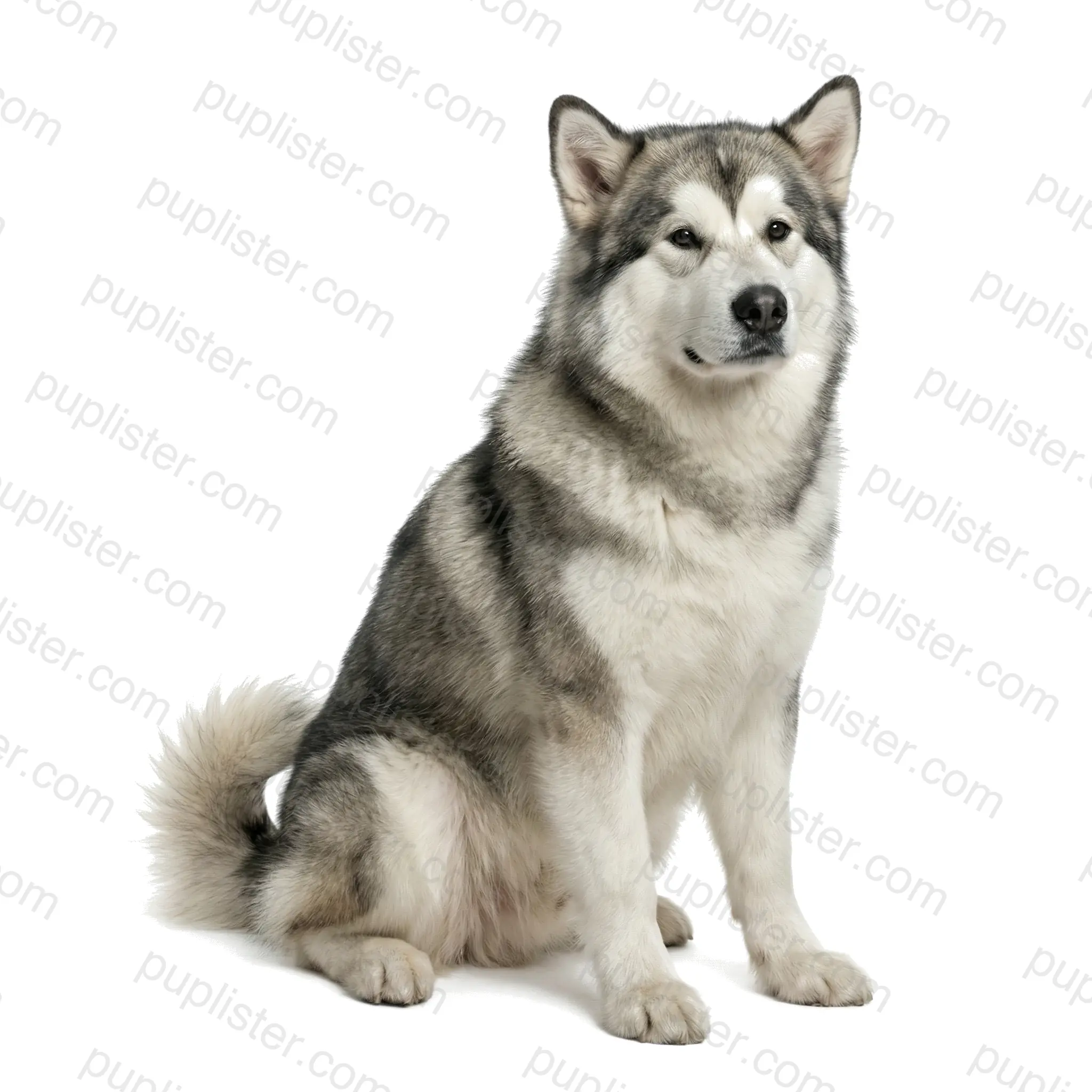
1 pet available
About the Alaskan Malamute The Alaskan Malamute is one of the oldest Arctic sled dog breeds, developed by the Mahlemut Inuit people of northwestern Alaska for hauling heavy loads across vast frozen landscapes. These powerful dogs stand 23–25 inches tall and weigh 75–100 pounds, with a sturdy, well-muscled frame built for endurance rather than speed. Their dense double coat — featuring colors like gray-and-white, sable-and-white, and all-white — is designed to withstand temperatures well below zero.Temperament & PersonalityMalamutes are friendly, affectionate, and pack-oriented — they thrive on human companionship and genuinely love being part of the family. Unlike their Husky cousins, Malamutes tend to be more calm and dignified, though they retain a playful streak well into adulthood. They are generally good with children but possess a strong prey drive toward smaller animals, and their pack mentality can lead to dominance challenges with other dogs.ProsAffectionate and people-oriented — they adore spending time with their familyExcellent hiking and outdoor adventure companion with remarkable enduranceFriendly disposition toward humans, including strangersStrong work ethic makes them excel in weight-pulling and carting activitiesConsExtreme shedding — the dense undercoat blows out twice yearly, producing massive amounts of furNot suited for warm climates and can overheat easilyNotorious escape artists — they can dig under or climb over fencesProne to hip dysplasia, cataracts, and hypothyroidismLooking for a loyal adventure partner? Check out adoptable Alaskan Malamutes on Puplister and start your journey together.
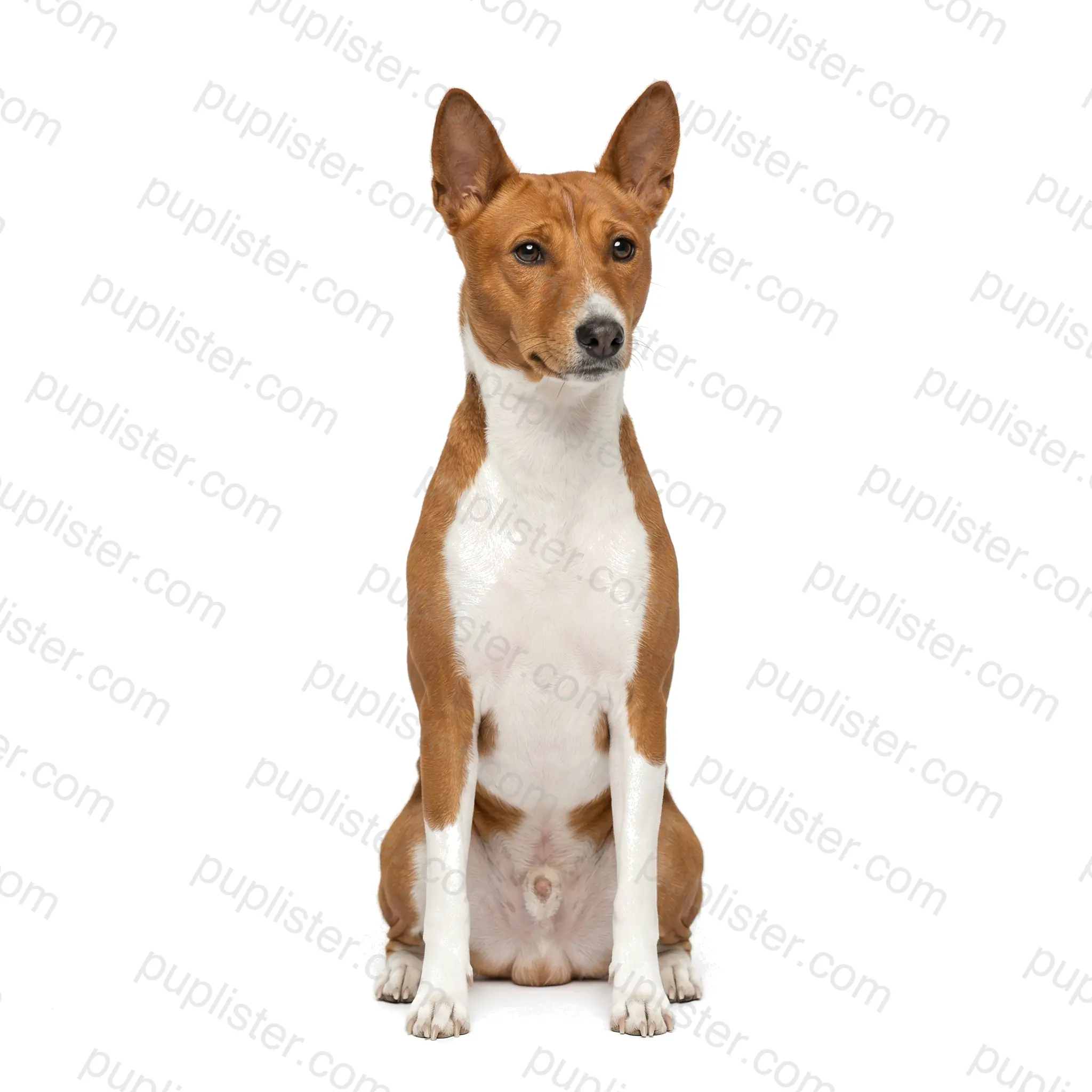
1 pet available
About the Basenji The Basenji is an ancient breed originating from Central Africa — specifically the Congo region — where it was used by indigenous peoples for hunting small game in dense forests. Often called the "barkless dog," Basenjis stand 16–17 inches tall and weigh 22–24 pounds, with a sleek, elegant build made for speed and agility. Their short, fine coat comes in chestnut red, black, tricolor, and brindle — always with white markings on the feet, chest, and tail tip — and requires almost no grooming.Temperament & PersonalityBasenjis are curious, independent, and remarkably cat-like in their behavior — they groom themselves fastidiously, can climb, and often perch on high surfaces to survey their domain. While they don't bark, they are far from silent, producing a unique yodel-like sound called a "baroo." They bond closely with their family but are aloof with strangers, and their strong prey drive and independent nature make them a challenging but rewarding breed for experienced owners.ProsVirtually no doggy odor and minimal shedding — one of the cleanest dog breedsQuiet breed that doesn't bark, ideal for noise-sensitive living situationsCompact and athletic with a graceful, elegant appearanceHighly intelligent and endlessly entertaining with their curious anticsConsExtremely independent and stubborn — conventional obedience training often failsStrong prey drive makes them unsafe around small animals and unreliable off-leashNotorious escape artists who can climb fences and open gatesProne to Fanconi syndrome, progressive retinal atrophy, and hypothyroidismIntrigued by the Basenji's unique charm? Explore adoptable Basenjis on Puplister and meet this one-of-a-kind breed.
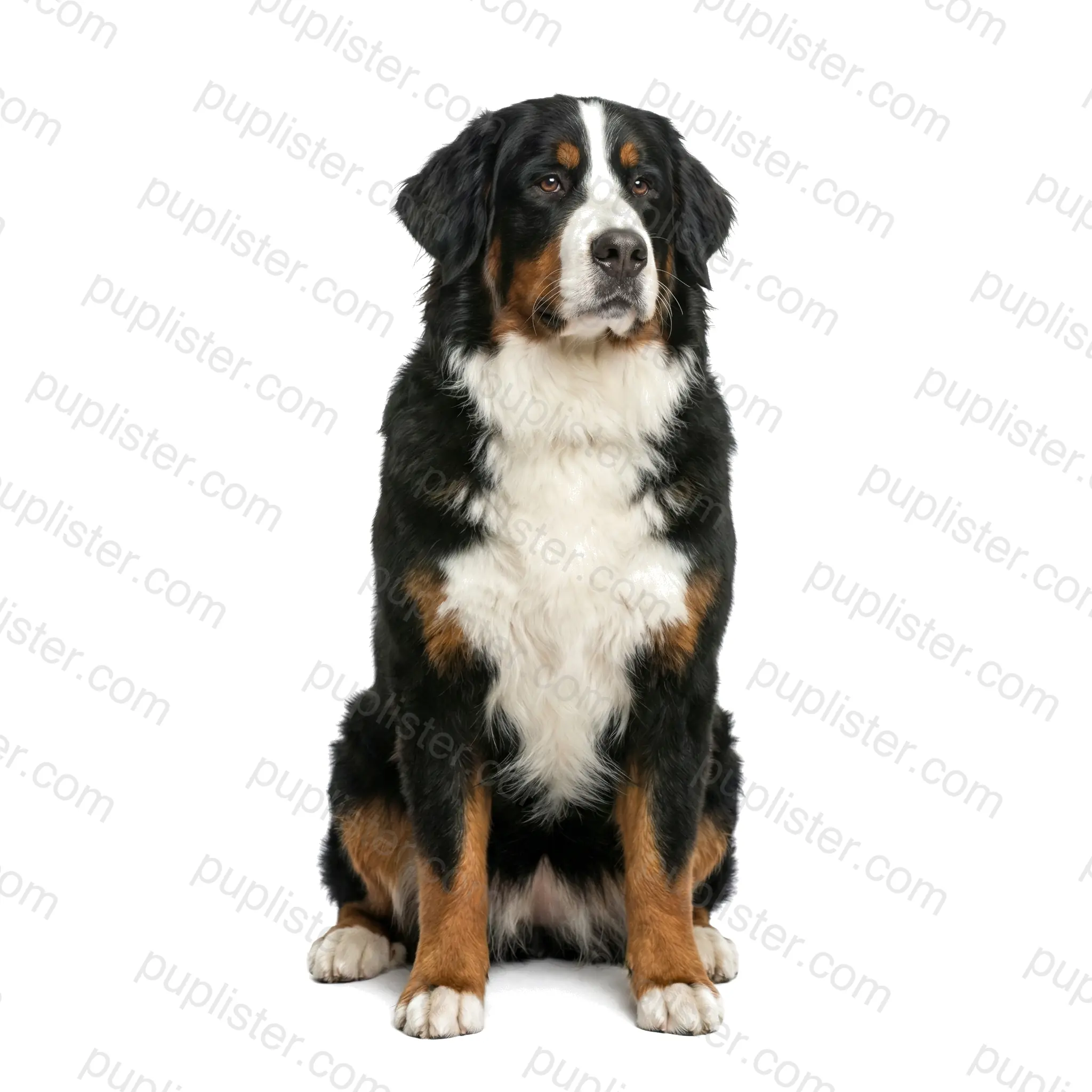
1 pet available
About the Bernese Mountain Dog The Bernese Mountain Dog — or Berner — originated in the Swiss Alps near the city of Bern, where it served as a versatile farm dog capable of drafting, herding, and guarding. These gentle giants stand 23–27.5 inches tall and weigh 70–115 pounds, with a sturdy, well-balanced frame built for mountain work. Their striking tri-color coat — jet black with rich rust and crisp white markings — is long, thick, and slightly wavy, designed to insulate against harsh alpine winters.Temperament & PersonalityBerners are calm, affectionate, and exceptionally good-natured — they are one of the most family-friendly large breeds, renowned for their patience and gentleness with children. They are eager to please and respond well to positive training methods, though they mature slowly and retain puppyish behavior longer than many breeds. They are friendly with other dogs and even cats, and their calm demeanor makes them excellent therapy dogs.ProsExceptionally gentle and patient with children — a true family dogEager to please and highly trainable with positive reinforcementCalm, steady temperament that adapts well to household routinesBeautiful, majestic appearance that commands admiration wherever they goConsTragically short lifespan — averaging only 6–8 years due to high cancer ratesHeavy shedding, especially during seasonal changes, requiring frequent groomingProne to hip and elbow dysplasia, histiocytic sarcoma, and bloatLarge size and drooling tendencies make them poorly suited for small living spacesBerners fill homes with warmth and love — discover adoptable Bernese Mountain Dogs on Puplister and welcome one into your family.
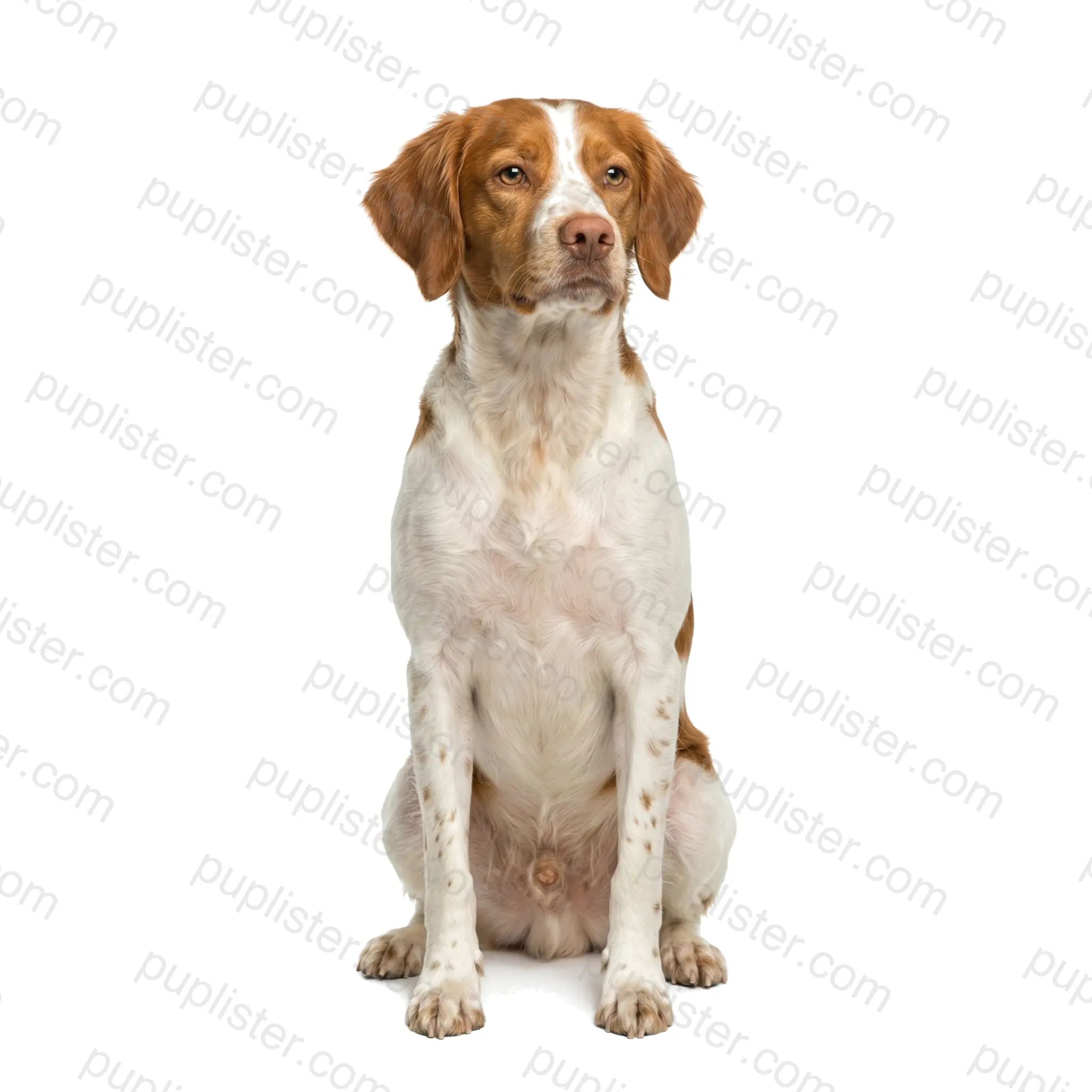
1 pet available
About the Brittany The Brittany — formerly known as the Brittany Spaniel — originated in the Brittany province of northwestern France, where it has been a prized bird dog since at least the 17th century. Standing 17.5–20.5 inches tall and weighing 30–40 pounds, the Brittany is a leggy, agile sporting dog with a compact build that belies its remarkable stamina. Their flat or wavy coat comes in orange-and-white or liver-and-white patterns, is moderate in length with some feathering, and requires only weekly brushing.Temperament & PersonalityBrittanys are eager, energetic, and sensitive — they are among the most biddable of the sporting breeds, responding enthusiastically to praise and positive training methods. They are excellent family dogs who adore children and get along well with other dogs, though they can be overwhelmed by harsh corrections or chaotic environments. Their hunting instinct remains strong, and they will point and flush birds naturally, making them dual-purpose companions for active families and hunters alike.ProsHighly trainable and eager to please — one of the easiest sporting breeds to work withExcellent with children and other dogs, making them ideal family companionsVersatile hunting dog that points, flushes, and retrieves with natural talentModerate grooming needs with a relatively low-maintenance coatConsVery high energy level — requires extensive daily exercise, ideally in open spacesSensitive temperament can lead to submissive urination or anxiety with harsh treatmentNot suited for sedentary households — without exercise, they become hyperactive and neuroticProne to hip dysplasia, epilepsy, and canine discoid lupus erythematosusIf you lead an active lifestyle and want a devoted companion, explore adoptable Brittanys on Puplister today.
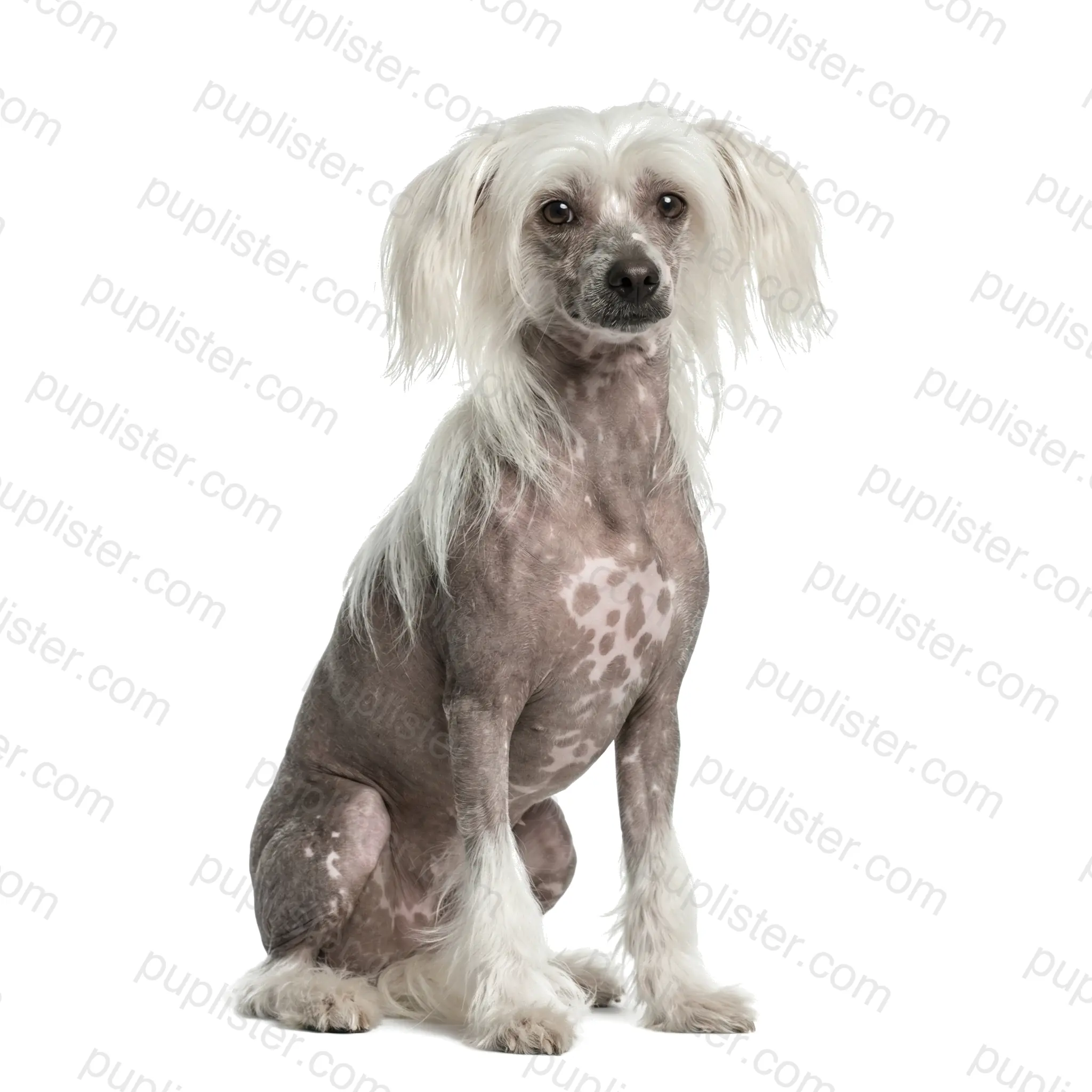
1 pet available
About the Chinese Crested The Chinese Crested is one of the most visually striking toy breeds, coming in two distinct varieties — the Hairless, with silky hair only on the head, feet, and tail, and the Powderpuff, covered in a soft, flowing double coat. Weighing 8–12 pounds and standing 11–13 inches tall, these elegant dogs likely originated in Africa before being refined by Chinese traders who used them as ratters on ships. The Hairless variety's exposed skin can be solid or spotted in shades of pink, black, slate, and chocolate.Temperament & PersonalityChinese Cresteds are deeply affectionate and almost cat-like in their love of perching on high surfaces and curling up under blankets. They're remarkably attuned to their owner's emotions — often described as velcro dogs who follow their person from room to room. They generally get along well with other pets and gentle children, though they can be timid around strangers without proper socialization.ProsHairless variety is ideal for allergy sufferers — produces minimal danderLow exercise needs — happy with short walks and indoor play sessionsExceptionally clean dogs with virtually no doggy odorHighly adaptable to apartment living and small spacesConsHairless variety requires sunscreen, moisturizer, and skin care to prevent acne and sunburnProne to dental issues — Hairless variety often has missing or crowded teethSusceptible to cold temperatures and needs protective clothing in winterCan develop severe separation anxiety if left alone for extended periodsLooking for an affectionate and unique companion? Check out Chinese Crested dogs available for adoption on Puplister.
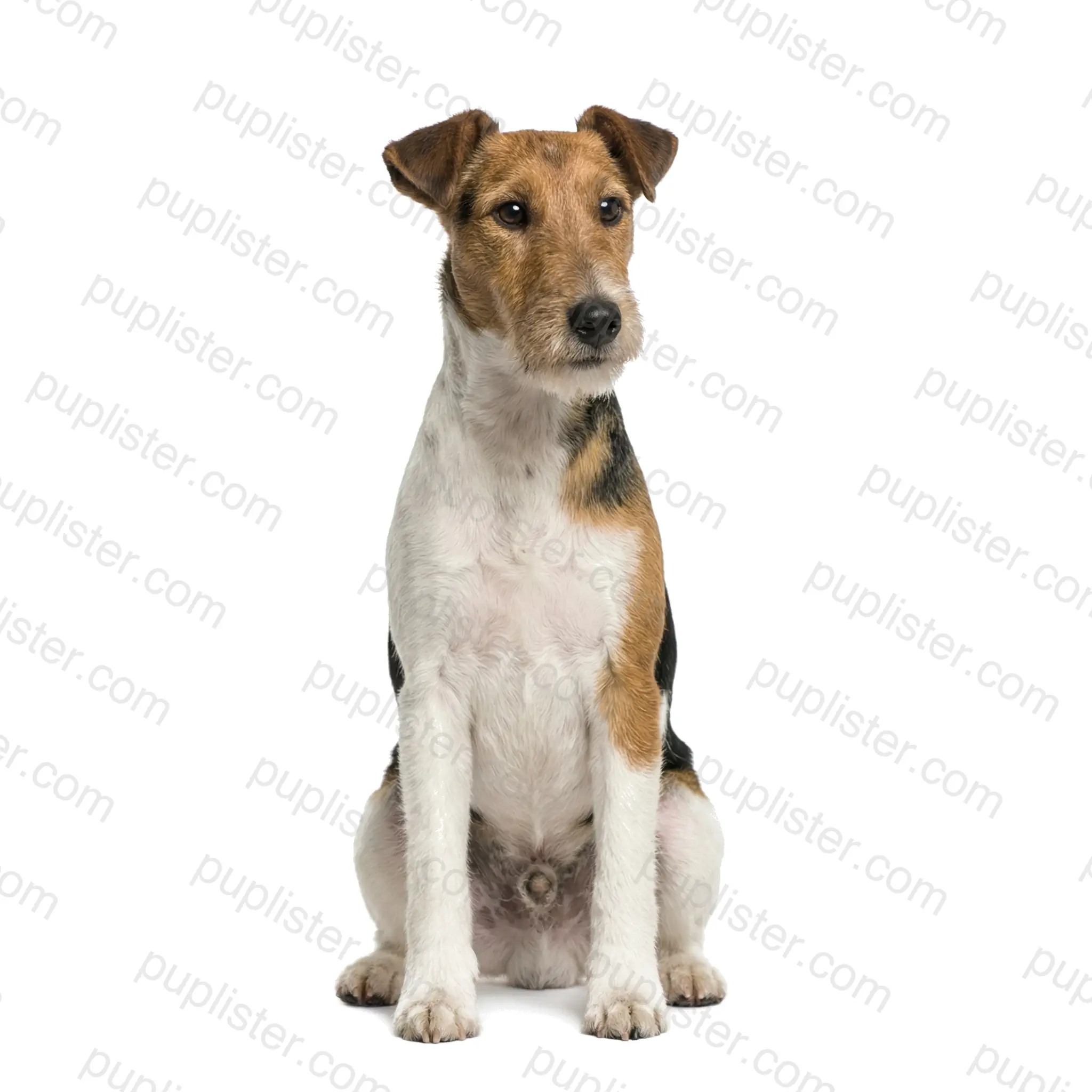
1 pet available
About the Fox Terrier The Fox Terrier — available in Smooth and Wire varieties — was originally bred in 18th-century England to bolt foxes from their dens during hunts. Standing 14–15.5 inches tall and weighing 15–18 pounds, these compact, muscular terriers are predominantly white with black, tan, or black-and-tan markings. The Wire Fox Terrier sports a dense, wiry coat with a distinctive beard and eyebrows, while the Smooth variety has a sleek, flat coat — both share the same fearless, high-energy temperament.Temperament & PersonalityFox Terriers are bold, curious, and endlessly entertaining — true terriers through and through with a mischievous streak that keeps their owners on their toes. They are alert, quick-witted dogs that approach life with infectious enthusiasm and a surprising amount of comedic timing. While affectionate with their families, they can be scrappy with other dogs and have an irrepressible urge to chase anything that moves.ProsEnergetic and entertaining companions — never a dull moment with a Fox TerrierExcellent watchdogs with a sharp, alert bark that deters intrudersWire variety has a hypoallergenic coat that sheds minimally when hand-strippedHardy, long-lived breed — typically 12–15 years with relatively few genetic health issuesConsStrong prey drive — will chase cats, squirrels, and small animals relentlesslyTendency to bark excessively — can be problematic in apartments or close-neighbor situationsCan be dog-aggressive and confrontational, especially with same-sex dogsExpert escape artists — will dig under or climb over fences with remarkable determinationIf you love spirited, fearless dogs with boundless personality, find Fox Terriers for adoption on Puplister.
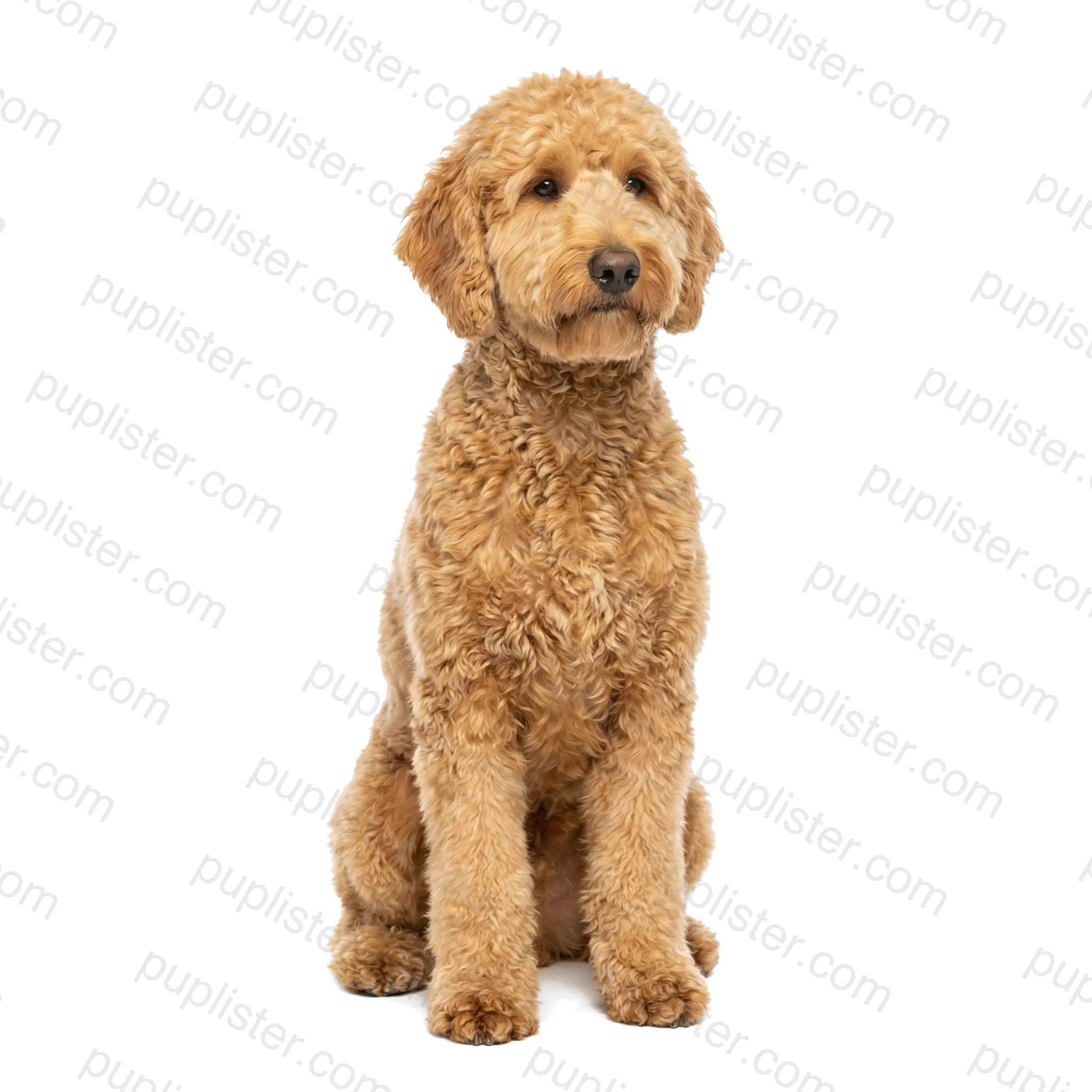
1 pet available
About the Goldendoodle The Goldendoodle — a deliberate cross between the Golden Retriever and Standard Poodle — emerged in the 1990s as breeders sought to combine the Golden's gentle temperament with the Poodle's low-shedding coat. They range widely in size — Miniature (15–35 pounds), Medium (35–50 pounds), and Standard (50–90 pounds) — standing anywhere from 13 to 24 inches tall depending on the Poodle parent's size. Their coats vary from wavy to curly in shades of cream, gold, apricot, red, chocolate, and black, with texture depending on which parent's genes dominate.Temperament & PersonalityGoldendoodles typically inherit the best of both parent breeds — the Golden's gentle, people-loving nature combined with the Poodle's keen intelligence and playful spirit. They are outgoing, social dogs that get along beautifully with children, other pets, and strangers, making them popular therapy and emotional support dogs. Their enthusiasm for life and goofy antics make them endlessly entertaining family companions.ProsLow to moderate shedding — curlier coats are more suitable for allergy-sensitive householdsInherits intelligence from both parent breeds — highly trainable and responsiveFriendly, gentle temperament makes them excellent therapy and emotional support dogsAvailable in multiple sizes to suit different living situations — from apartments to farmsConsCoat requires professional grooming every 6–8 weeks — annual grooming costs of $500–$1,200No breed standard means unpredictable size, coat type, and temperament — especially in early generationsCan inherit health issues from both parent breeds — hip dysplasia, eye problems, and von Willebrand'sHigh demand has led to irresponsible breeding practices — finding a reputable breeder requires diligenceA Goldendoodle might be the perfect blend of brains and love for your family — search available dogs on Puplister.
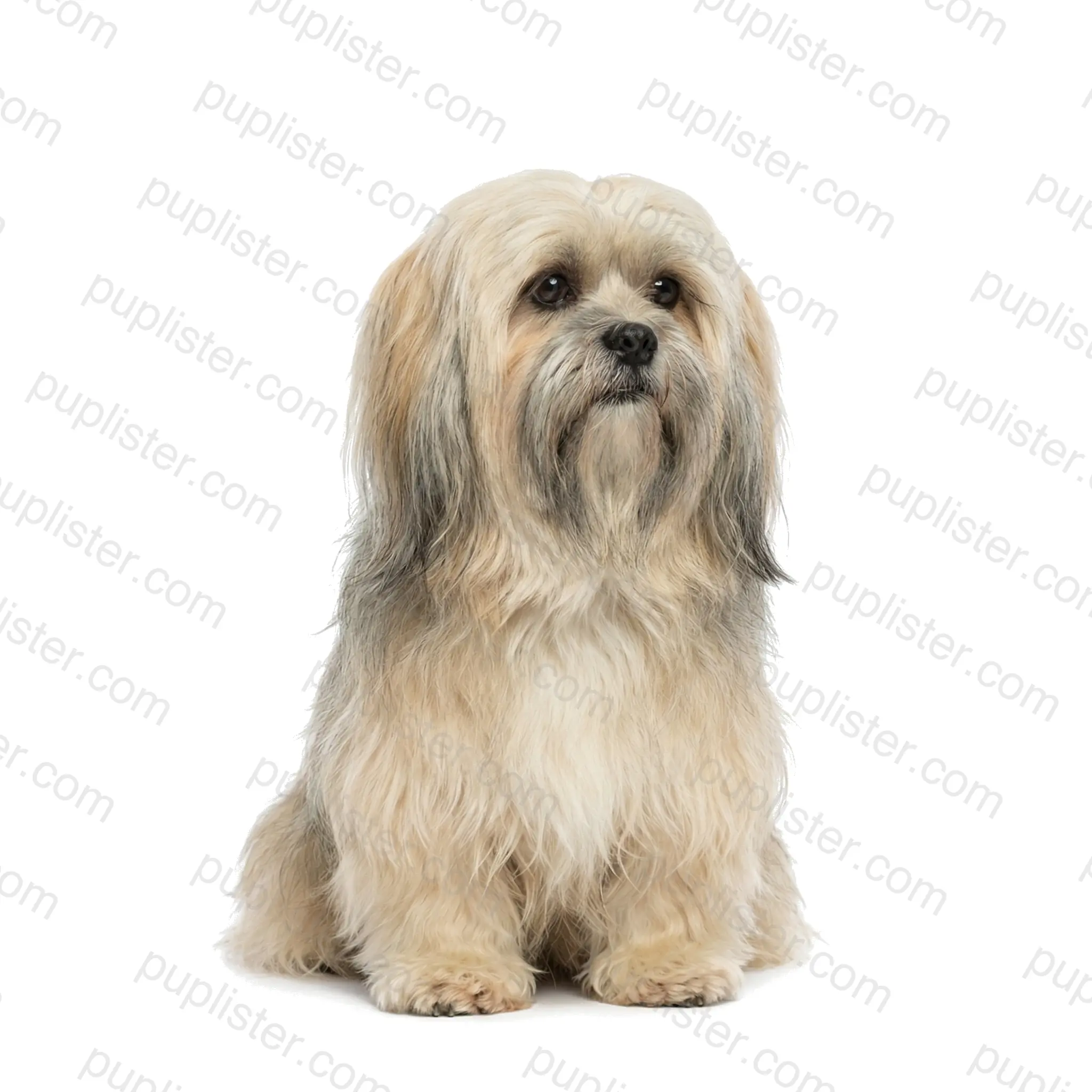
1 pet available
1About the Lhasa Apso The Lhasa Apso — named after the sacred city of Lhasa in Tibet — served as an interior sentinel in Buddhist monasteries and noble households for over a thousand years, alerting monks to intruders with their sharp, penetrating bark. Standing 10–11 inches tall and weighing 12–18 pounds, these sturdy little dogs have a dense, floor-length double coat that parts down the middle of the back and comes in a wide range of colors including gold, cream, honey, smoke, slate, white, black, and parti-color. Their heavy coat, developed to insulate against Tibet's harsh mountain climate, gives them a dramatically different appearance from most toy breeds.Temperament & PersonalityLhasa Apsos are independent, assertive, and surprisingly tough-minded — they are companion dogs with the heart of a watchdog and the confidence of a much larger breed. They are devoted and affectionate with their chosen family but maintain a regal aloofness with strangers that can take time to warm up from. Unlike many small breeds, Lhasas are not typically needy or clingy — they enjoy companionship on their own terms and are content to watch from across the room.ProsExcellent watchdogs — keen hearing and a sharp, authoritative bark that belies their small sizeIndependent nature means they handle alone time better than most companion breedsLong lifespan of 12–15 years — one of the healthiest and hardiest small breedsHypoallergenic coat sheds minimally — well-suited for allergy-conscious householdsConsLong coat demands daily brushing and regular professional grooming — or must be kept in a puppy clipCan be stubborn and difficult to train — their independent streak resists repetitive drillsTendency toward small dog syndrome — may become snappy or dominant without firm, consistent boundariesProne to kidney disease, cherry eye, and dry eye — regular veterinary monitoring is importantDiscover the ancient charm and loyal spirit of the Lhasa Apso — find one waiting for you on Puplister.
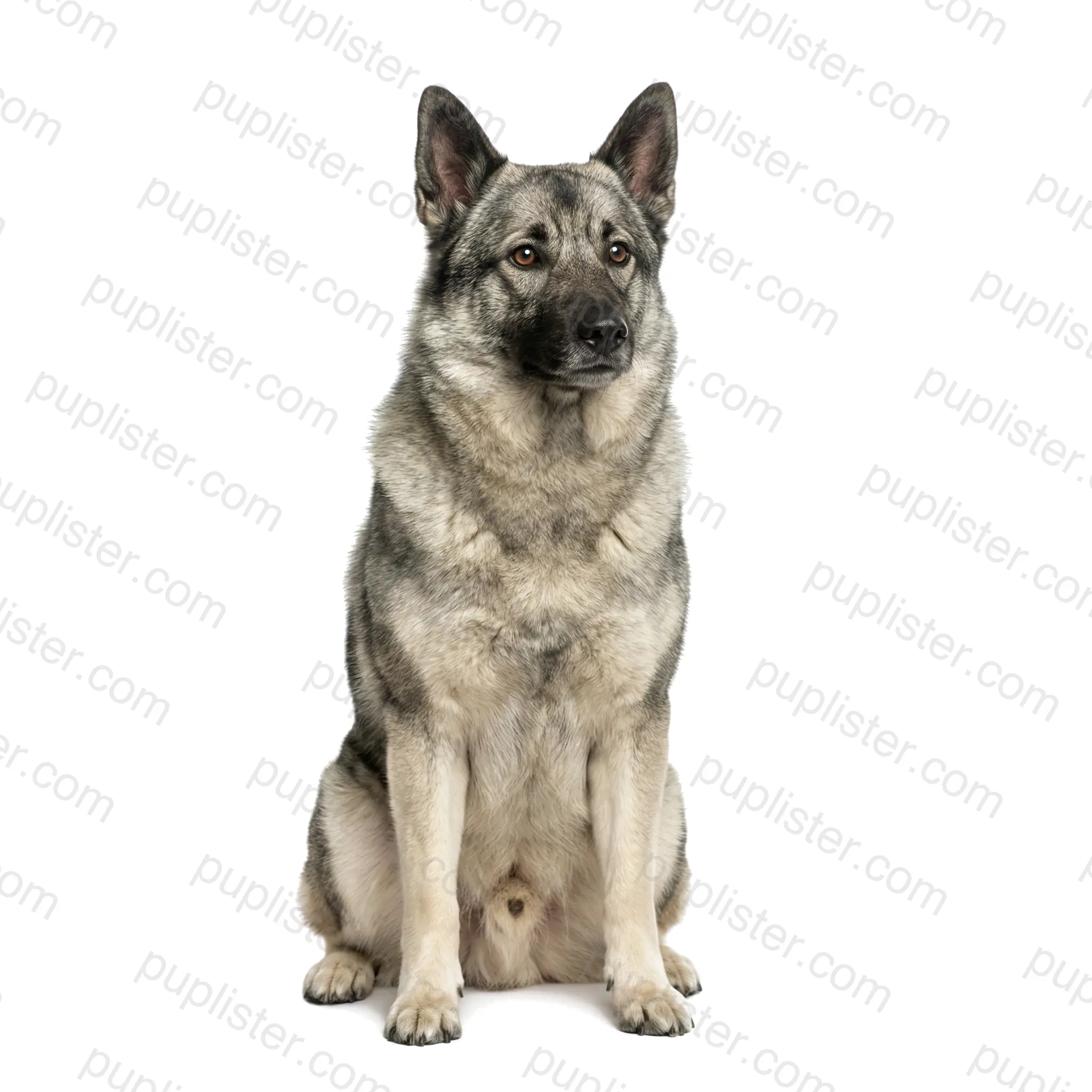
1 pet available
About the Norwegian Elkhound The Norwegian Elkhound is one of the oldest European breeds, with archaeological evidence dating its partnership with humans back over 6,000 years in Scandinavia. These medium-sized spitz-type dogs stand 19.5 to 20.5 inches tall and weigh 48 to 55 pounds, built for endurance in rugged terrain. Their dense, silver-gray double coat with black-tipped guard hairs and lighter undercoat provided vital insulation against harsh Nordic winters. Temperament & Personality Norwegian Elkhounds are bold, independent, and deeply loyal — bred to track moose and hold them at bay while alerting hunters with their distinctive bark. They are affectionate and playful with family members, including children, and possess a dignified confidence around strangers. Their independent nature means they think for themselves, which can be both endearing and challenging during training. Pros Hardy constitution with excellent stamina for hiking and outdoor adventuresLoyal and protective family companion with natural watchdog instinctsAdapts well to cold climates and enjoys winter activitiesRelatively healthy breed with a lifespan of 12 to 15 years Cons Heavy seasonal shedding — blows coat twice yearly in massive amountsIndependent and stubborn, requiring patient and consistent trainingHigh barking tendency — bred to bark while tracking gameProne to hip dysplasia, progressive retinal atrophy, and Fanconi syndrome If you love the outdoors and want a steadfast Nordic companion, explore Norwegian Elkhound listings on Puplister.
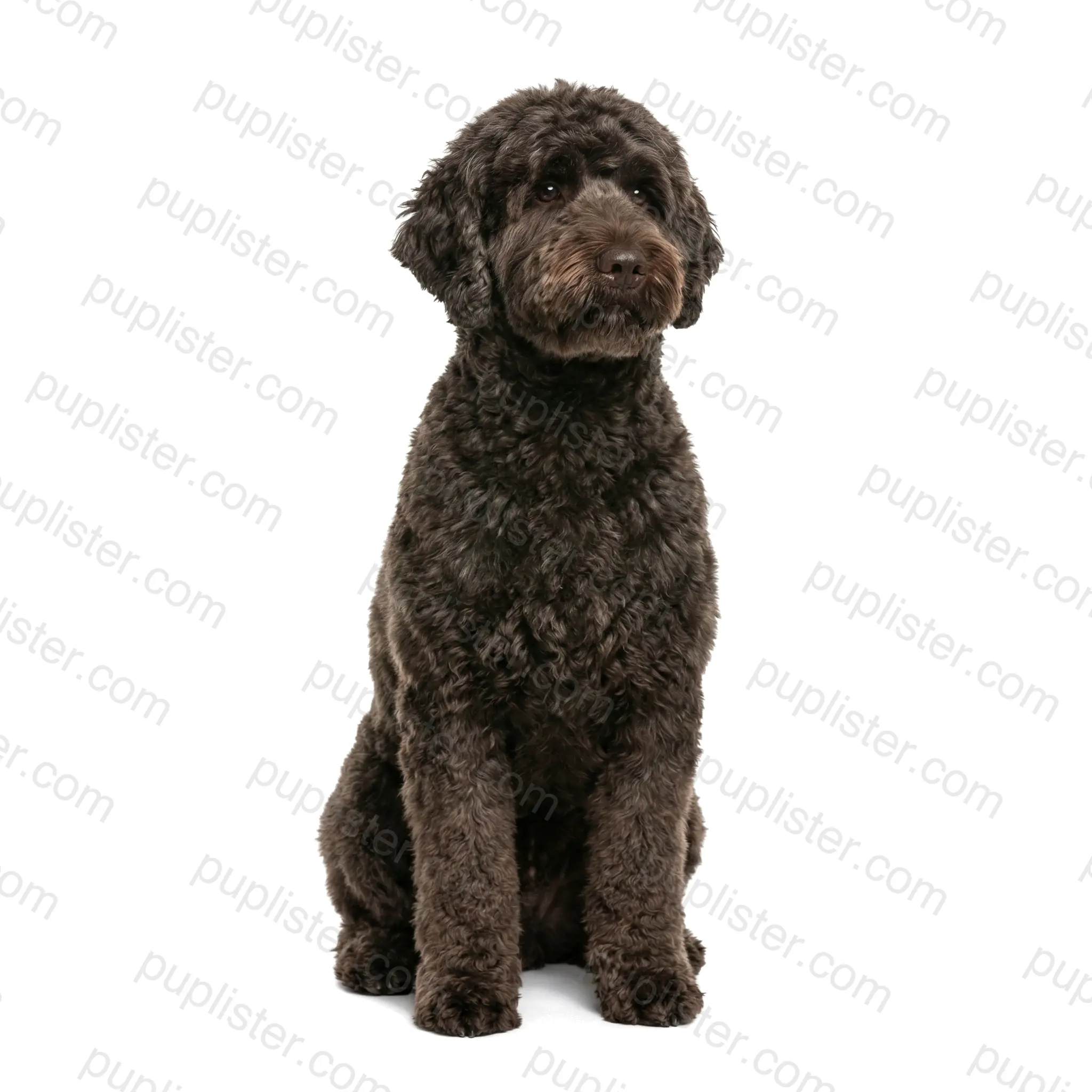
1 pet available
About the Portuguese Water Dog The Portuguese Water Dog was developed centuries ago along Portugal's coast, where it served as an indispensable fisherman's companion — herding fish into nets, retrieving lost tackle, and swimming messages between boats. These robust, medium-sized dogs stand 17 to 23 inches tall and weigh 35 to 60 pounds, with a strong, muscular build optimized for swimming. Their coat comes in two varieties — curly or wavy — in black, white, brown, or combinations thereof, and grows continuously like human hair rather than shedding seasonally. Temperament & Personality Portuguese Water Dogs are spirited, obedient, and deeply bonded to their families — they thrive on being included in activities and do not do well relegated to the backyard. They are playful and patient with children, typically friendly with other dogs, and possess an enthusiasm for life that is both infectious and demanding. Their intelligence and eagerness to work make them highly trainable, though they need a job or purpose to remain content. Pros Low-shedding, hypoallergenic-type coat suitable for many allergy sufferersOutstanding swimming ability and love of water activitiesHighly trainable, biddable, and eager to pleaseRobust health with a lifespan of 11 to 13 years Cons High exercise demands — needs vigorous daily activity including swimming when possibleCoat requires regular professional grooming every 4 to 6 weeksCan become mouthy and destructive if under-stimulated or left alone too longProne to hip dysplasia, progressive retinal atrophy, and GM1 storage disease A water-loving, people-devoted companion awaits — explore Portuguese Water Dog listings on Puplister.
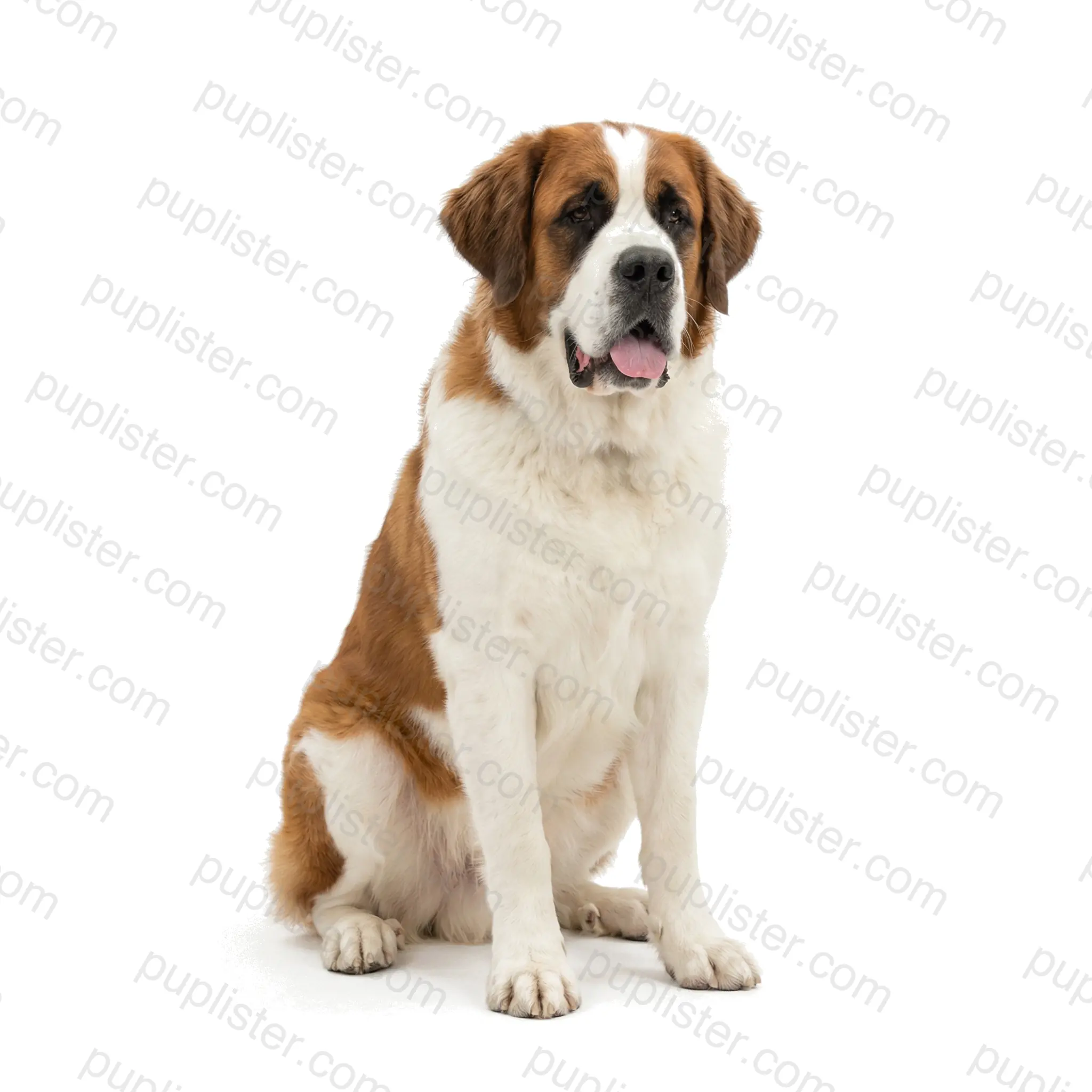
1 pet available
About the Saint Bernard The Saint Bernard originated in the Swiss Alps at the Great St. Bernard Hospice, where monks bred these massive dogs for over 1,000 years to locate and rescue travelers lost in snowstorms along the treacherous mountain pass. Males typically stand 28 to 30 inches tall and weigh 140 to 180 pounds, though individuals exceeding 200 pounds are not uncommon. Their coat comes in two varieties — short-haired (smooth) and long-haired (rough) — both in white with red, mahogany, brindle, or brown markings. Temperament & Personality Saint Bernards are gentle, patient, and extraordinarily tolerant — their legendary devotion to humans extends to being remarkably careful and nurturing around children despite their massive size. They are friendly with strangers, other dogs, and household pets, possessing a calm, unflappable demeanor that makes them wonderful therapy dogs. While not aggressive, their sheer size and deep bark are often enough to deter unwanted visitors. Pros Exceptionally gentle and patient — one of the best giant breeds for families with childrenCalm, low-energy indoor demeanor despite enormous sizeFriendly and non-aggressive toward people and other animalsImposing presence provides natural deterrent without guard training Cons Legendary drooling — especially the loose-lipped, heavy-jowled individualsShort lifespan of 8 to 10 years, with some living even lessProne to hip and elbow dysplasia, bloat, osteosarcoma, and dilated cardiomyopathyEnormous food costs and substantial space requirements for comfortable living Few breeds embody devotion quite like the Saint Bernard — find one in need of a loving home on Puplister.
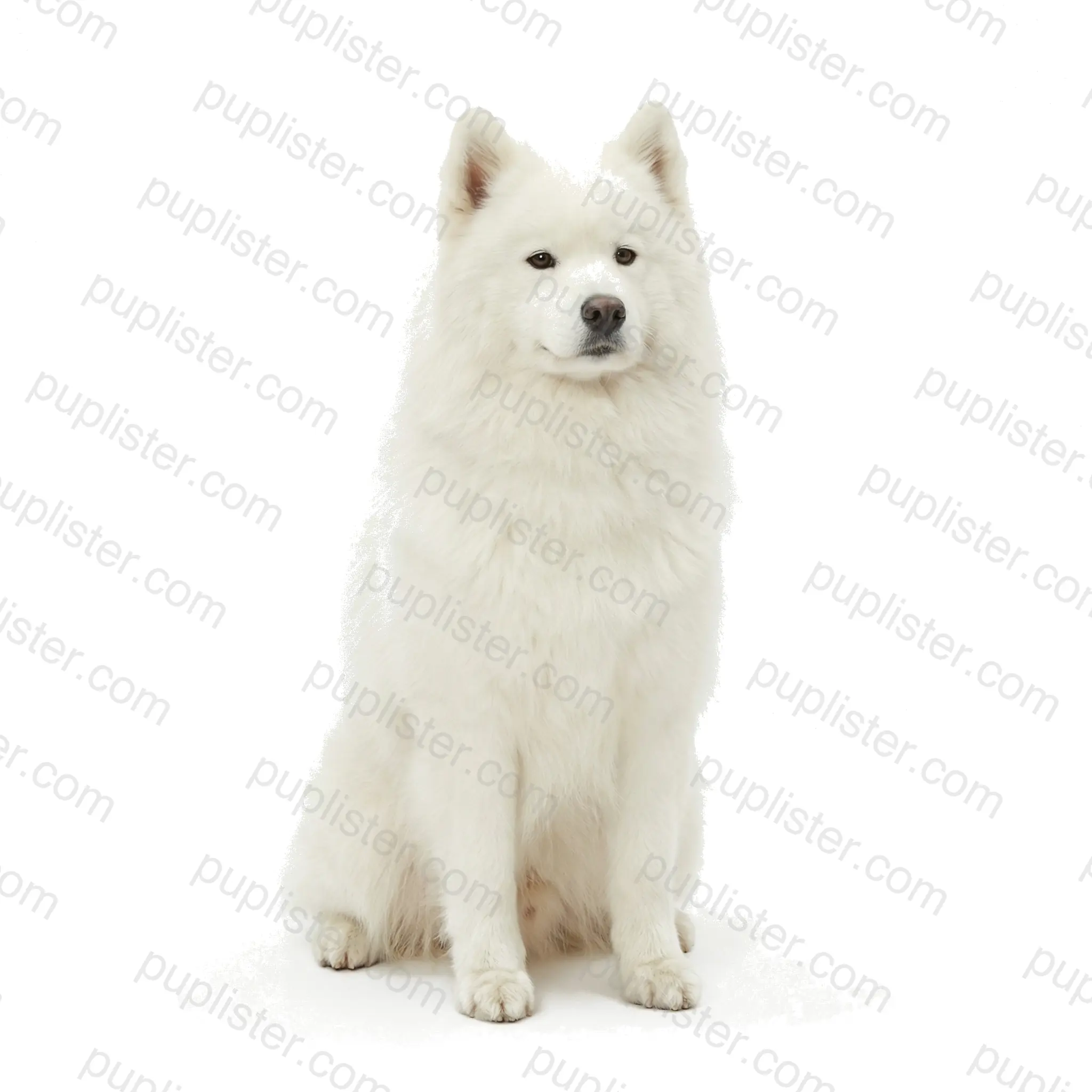
1 pet available
About the Samoyed The Samoyed takes its name from the Samoyedic peoples of Siberia, who relied on these dogs for herding reindeer, pulling sleds, and providing warmth in temperatures reaching minus 60 degrees Fahrenheit for over 3,000 years. These striking dogs stand 19 to 23.5 inches tall and weigh 35 to 65 pounds, with a strong, graceful build beneath their profuse coat. Their thick, brilliant white double coat — sometimes with biscuit or cream shading — and characteristic upturned "Sammy smile" make them one of the most beautiful breeds in existence. Temperament & Personality Samoyeds are friendly, gentle, and perpetually cheerful — bred to live and work in close quarters with humans, they crave companionship and involvement in family activities. They are wonderful with children, welcoming to strangers, and generally amiable with other dogs — making them poor guard dogs but outstanding family companions. Their intelligence and independent spirit mean they need engaging training methods, as they bore quickly with repetitive exercises. Pros Perpetually happy disposition — the "Sammy smile" reflects a genuinely joyful temperamentExcellent with children and other pets — one of the friendliest breedsHypoallergenic-type coat produces less dander despite heavy sheddingHardy and athletic — thrives in cold climates and loves outdoor winter activities Cons Extreme shedding — the voluminous coat blows out twice yearly in spectacular fashionProne to hip dysplasia, progressive retinal atrophy, and Samoyed hereditary glomerulopathyTendency to dig, chew, and bark when bored or left aloneSuffers significantly in hot climates and requires climate-controlled environments That radiant Samoyed smile could light up your life — browse Samoyeds available for adoption on Puplister.
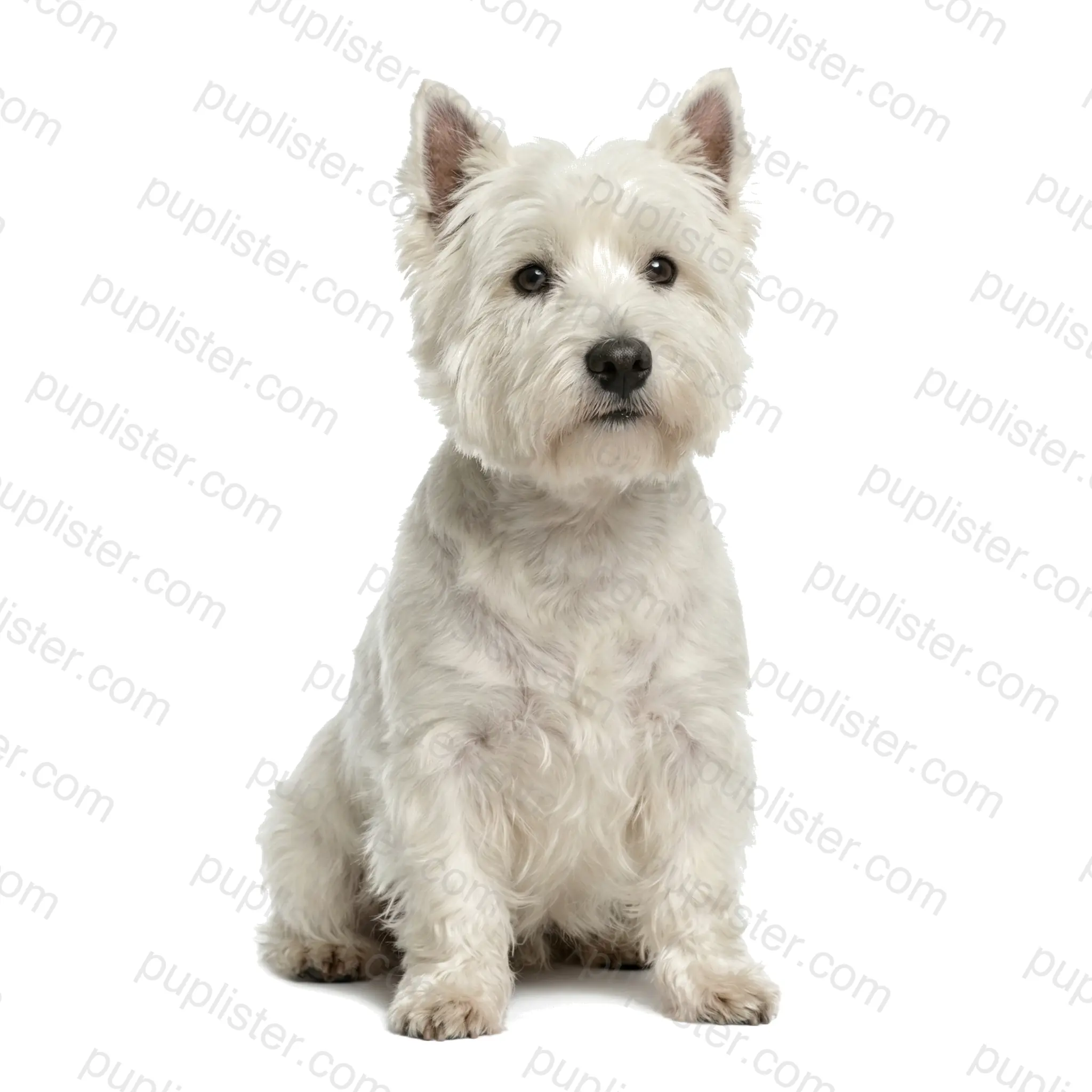
1 pet available
About the West Highland White Terrier The West Highland White Terrier — universally known as the "Westie" — was developed in Scotland's western highlands during the 19th century, selectively bred from Cairn Terrier stock for its white coat to be more visible against the dark highland terrain while hunting foxes, badgers, and rats. These sturdy little dogs stand 10 to 11 inches tall and weigh 15 to 20 pounds, with a compact, balanced build and surprisingly strong legs for their size. Their double coat features a hard, straight white outer layer and a soft, dense undercoat — always pure white without exception. Temperament & Personality Westies are confident, entertaining, and surprisingly tough — carrying the classic terrier self-assurance in a friendly, less aggressive package than many of their terrier relatives. They are affectionate with their families, generally good with older children, and possess an independent, adventurous spirit that keeps life interesting. Westies are social dogs that enjoy meeting people, though they can be assertive with other dogs and retain a strong instinct to chase anything that moves. Pros Sturdy and adaptable — thrives in apartments, suburbs, and country settingsFriendly and sociable without the extreme aggression of some terrier breedsPortable size with a big, confident personalityAlert watchdog that will reliably announce visitors Cons Prone to atopic dermatitis and skin allergies — one of the most affected breedsCoat requires regular professional grooming or hand-stripping every 6 to 8 weeksCan be stubborn and willful during training — responds best to positive methodsTendency to dig and bark, especially when bored or left in the yard Westies bring Scottish charm and terrier spirit into every home — find your white-coated companion on Puplister.
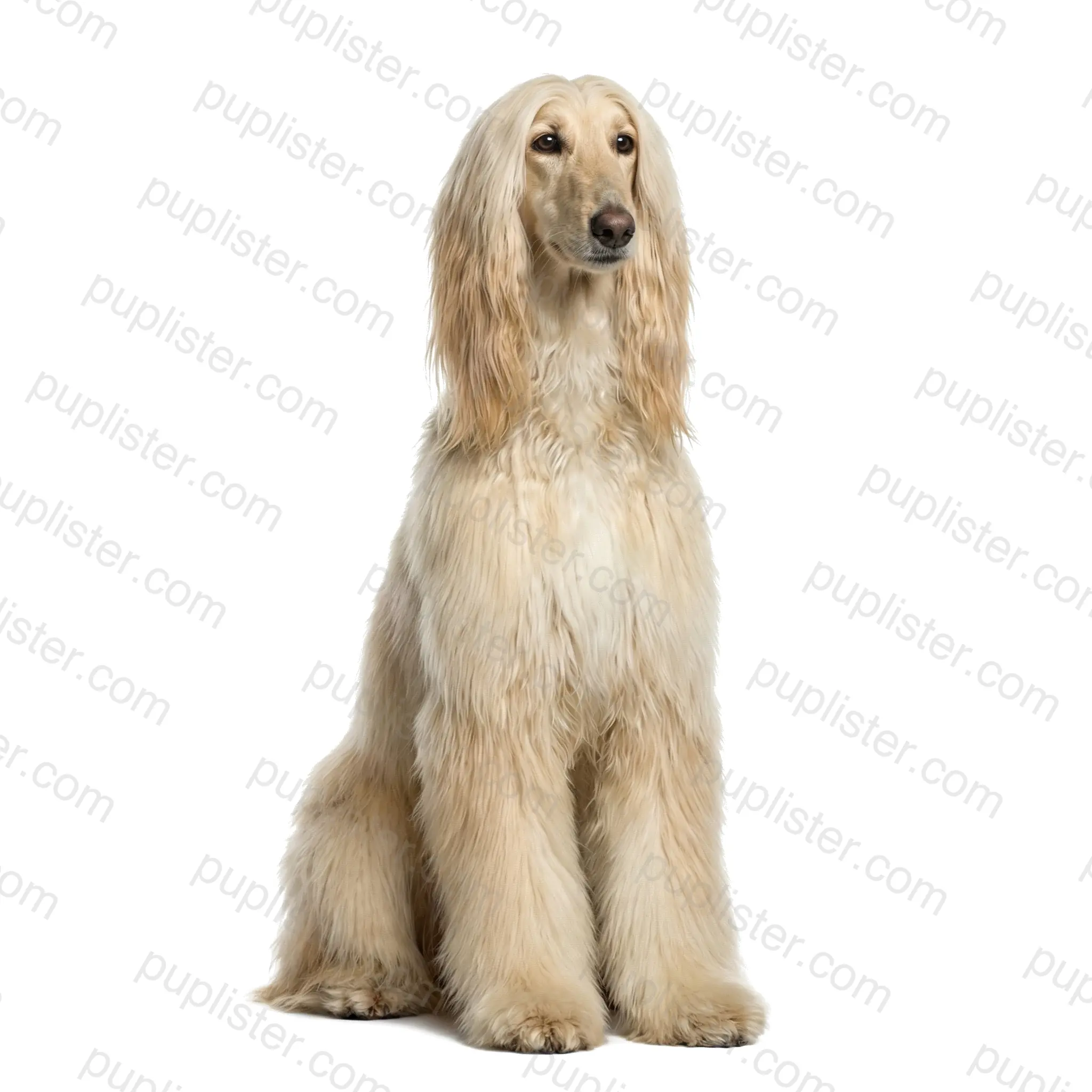
0 pets available
About the Afghan Hound The Afghan Hound is one of the oldest dog breeds in existence, originating in the mountainous regions of Afghanistan where it was bred to hunt large prey such as deer and leopards. This elegant sighthound stands 25–27 inches tall and weighs 50–60 pounds, with a lean, athletic build designed for speed and agility. The breed's most striking feature is its long, silky, flowing coat that comes in virtually all colors — including black, cream, red, and brindle — requiring significant grooming to maintain its signature glamour.Temperament & PersonalityAfghan Hounds are often described as dignified, aloof, and independent — they carry themselves with an almost aristocratic grace. While deeply loyal to their family, they can be reserved with strangers and are not typically eager-to-please in the way retrievers or shepherds are. They can coexist peacefully with older children who respect their space, though their strong prey drive makes them less suitable for homes with small pets like rabbits or cats.ProsStrikingly beautiful and elegant — a true head-turner on walksQuiet and calm indoors, rarely barking without causeLoyal and affectionate with their chosen peopleExcellent running companion with impressive stamina and speedConsGrooming is extremely time-intensive — the coat mats easily and requires daily brushingStrong prey drive makes reliable off-leash recall very difficultIndependent and stubborn temperament can frustrate first-time dog ownersSensitive to anesthesia and prone to certain health issues including chylothorax and cataractsIf the Afghan Hound's regal beauty and independent spirit appeal to you, browse adoptable Afghan Hounds on Puplister to find your perfect match.
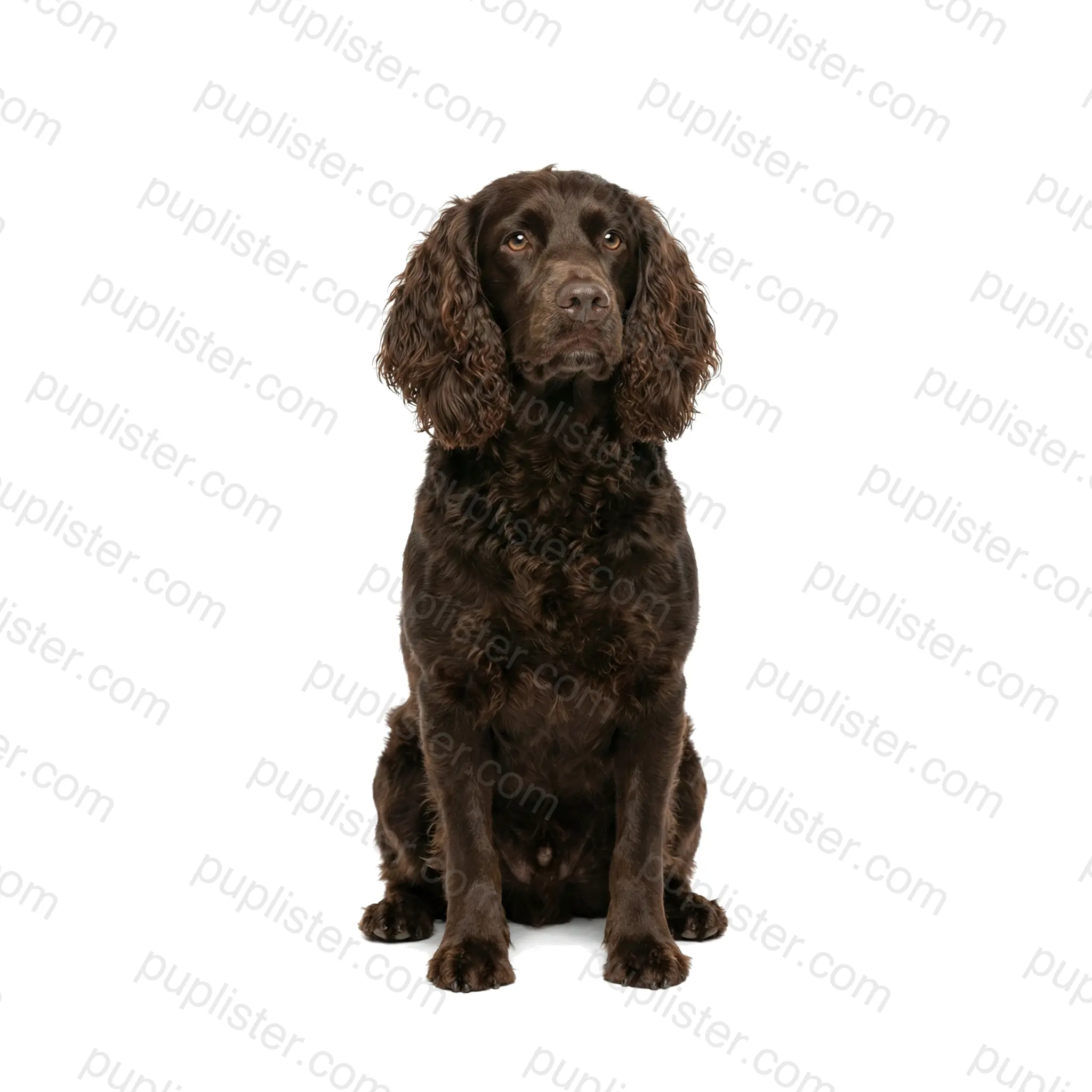
0 pets available
About the Boykin Spaniel The Boykin Spaniel is South Carolina's official state dog, developed in the early 1900s near the Wateree River for hunting wild turkey and retrieving ducks from small boats in the swamps. Standing 14–18 inches tall and weighing 25–40 pounds, the Boykin is a compact, muscular spaniel with a rich, solid liver or chocolate-colored coat that can be flat to slightly wavy with moderate feathering. Their medium-length, water-resistant coat requires regular brushing to prevent matting, particularly around the ears and legs.Temperament & PersonalityBoykin Spaniels are enthusiastic, friendly, and eager to please — they combine the drive of a working retriever with the affectionate, easygoing nature of a companion spaniel. They are wonderful with children and other dogs, and their manageable size and cheerful disposition make them excellent family pets. They have a strong desire to be near their people and excel at reading their owner's emotions, making them naturally intuitive companions.ProsVersatile hunting dog that doubles as an affectionate family companionCompact enough for small boats and homes, yet sturdy enough for fieldworkFriendly, sociable temperament — gets along with children, dogs, and even catsEnthusiastic swimmer and retriever, perfect for families who enjoy water activitiesConsRequires significant daily exercise — both physical and mental — to prevent restlessnessProne to exercise-induced collapse (EIC) and hip dysplasiaEars are susceptible to infections due to their floppy, pendulous shapeCan develop separation anxiety if left alone for long periodsThis charming Southern sporting dog could be your ideal companion — find adoptable Boykin Spaniels on Puplister.
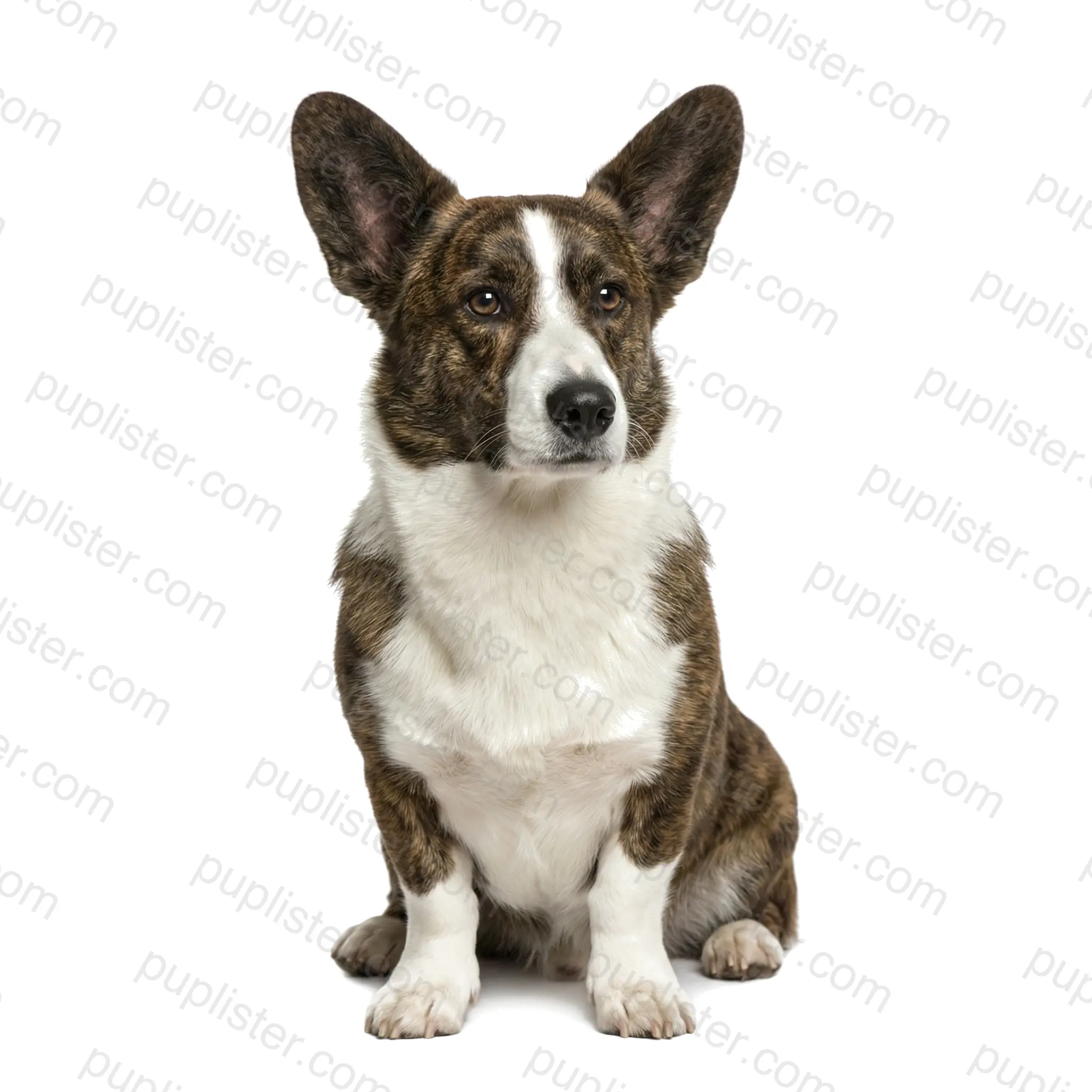
0 pets available
About the Cardigan Welsh Corgi The Cardigan Welsh Corgi is one of Britain's oldest herding breeds, brought to Wales by Celtic tribes around 1200 BCE — making it roughly 3,000 years old. Standing 10.5–12.5 inches tall and weighing 25–38 pounds, the Cardigan is a long, low-set dog with a deep chest, sturdy legs, and a long, fox-like tail that distinguishes it from its tailless Pembroke cousin. Their medium-length double coat comes in a wider range of colors than the Pembroke — including brindle, blue merle, sable, red, and black — with white markings, and sheds heavily year-round.Temperament & PersonalityCardigans are loyal, intelligent, and slightly more reserved than their Pembroke counterparts — they tend to be more laid-back and less excitable, though they share the same herding instincts and love of activity. They are devoted to their families and excellent with children, often assuming a watchful, protective role over the household. While friendly, they can be wary of strangers and make surprisingly effective watchdogs for their size, alerting their owners with a deep, resonant bark.ProsVersatile and intelligent — excels in herding, agility, obedience, and rallyLoyal and affectionate family dog with a calm, steady temperamentMore reserved and less hyperactive than the Pembroke, suitable for quieter householdsSturdy and athletic despite their short stature, with a lifespan of 12–15 yearsConsHeavy shedding year-round with intense seasonal blowoutsLong spine and short legs make them prone to intervertebral disc diseaseHerding instinct can lead to nipping at heels of children, guests, and other petsSusceptible to progressive retinal atrophy, hip dysplasia, and degenerative myelopathyCardigans pack a big personality into a compact, low-riding frame — discover adoptable Cardigan Welsh Corgis on Puplister today.
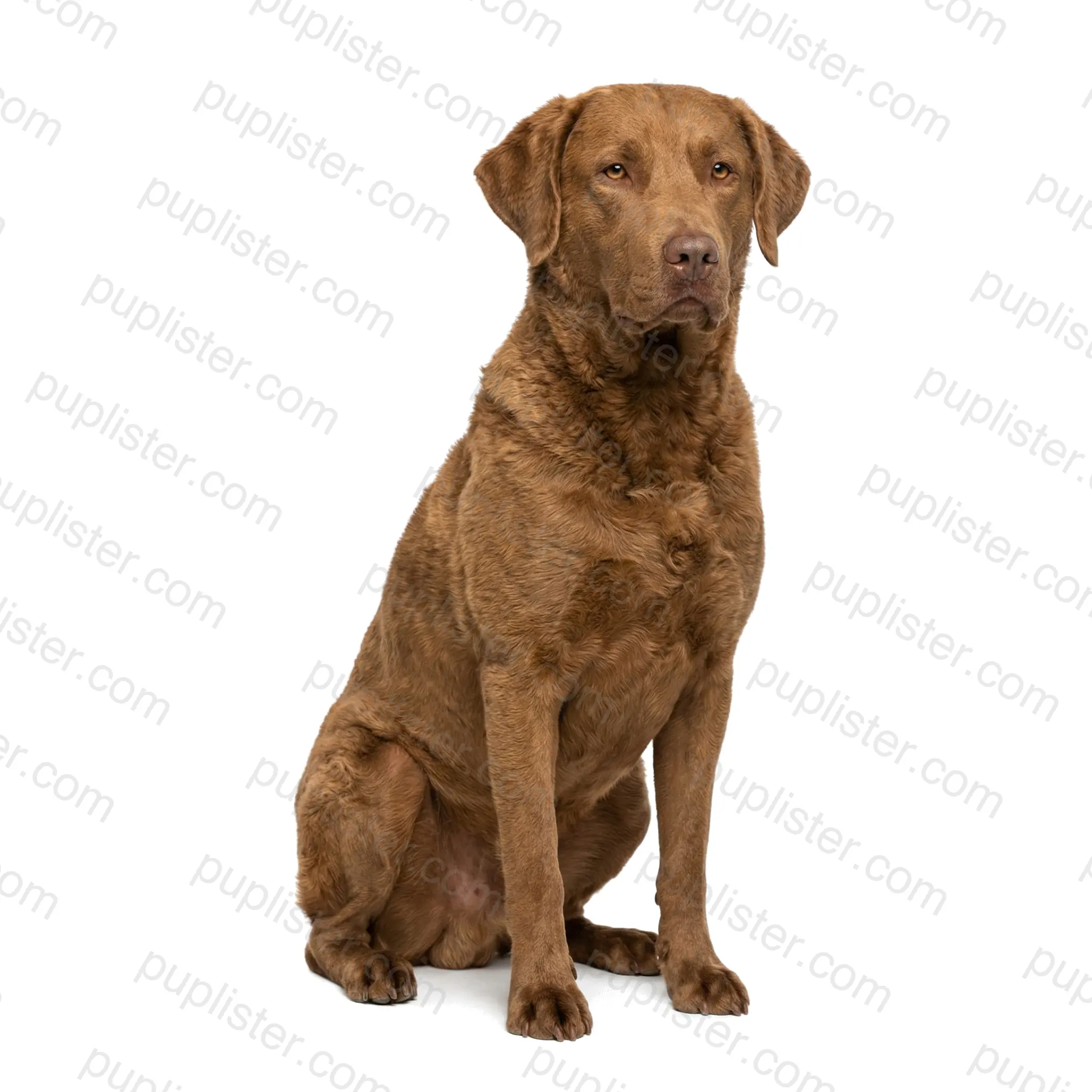
0 pets available
About the Chesapeake Bay Retriever Developed along the Chesapeake Bay in Maryland during the 19th century, the Chesapeake Bay Retriever is a powerful waterfowl dog bred to endure icy waters and harsh conditions. Standing 21–26 inches tall and weighing 55–80 pounds, this muscular retriever has a distinctive oily, wavy double coat in shades of brown, sedge, and deadgrass that repels water remarkably well. The breed's origins trace back to two Newfoundland-type puppies rescued from a shipwreck in 1807 — they were crossed with local retrievers to create this tenacious working dog.Temperament & PersonalityChesapeake Bay Retrievers are intensely loyal and protective — more serious and strong-willed than other retriever breeds. They bond deeply with their families and can be excellent with children they're raised with, though their guarding instincts make them naturally wary of strangers. They tend to be dominant with other dogs and require an experienced owner who can provide firm, consistent leadership.ProsExceptional swimming ability and endurance in cold water — ideal for active outdoor familiesStrong protective instincts make them reliable watchdogs unlike most retrieversWaterproof double coat requires minimal grooming despite outdoor adventuresHighly intelligent and trainable for hunters and field sport enthusiastsConsCan be stubborn and dominant — not recommended for first-time dog ownersProne to hip dysplasia, progressive retinal atrophy, and bloatStrong prey drive and possessiveness over toys and food require early managementNeeds vigorous daily exercise — at least 60–90 minutes — or becomes destructiveIf you're searching for a devoted, hardworking retriever with a protective streak, browse Chesapeake Bay Retrievers available for adoption on Puplister today.
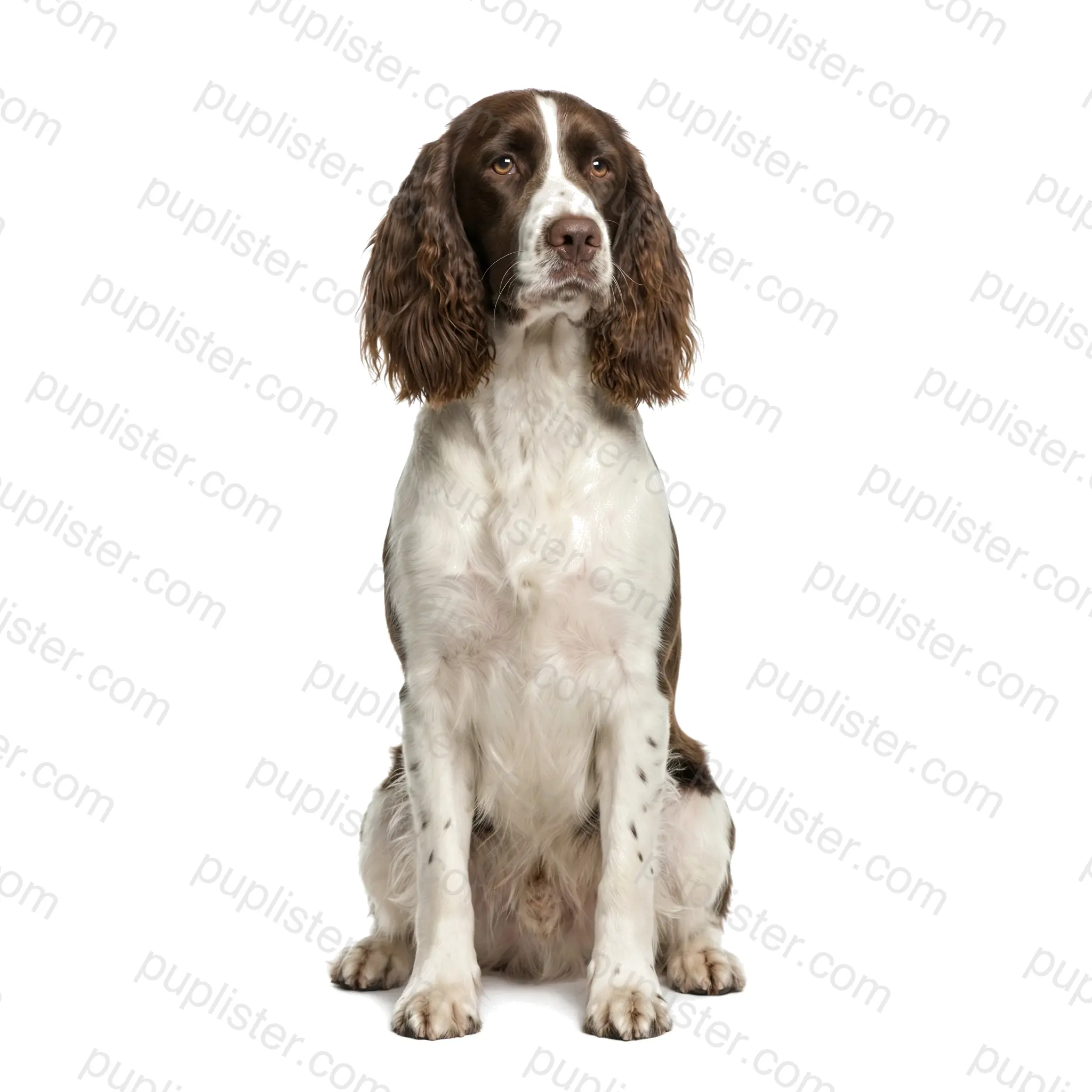
0 pets available
About the English Springer Spaniel The English Springer Spaniel — named for its ability to "spring" game birds into flight — is a medium-sized sporting dog with centuries of British hunting heritage. Standing 19–20 inches tall and weighing 40–50 pounds, these well-proportioned dogs have a moderately long coat with feathering on the ears, chest, legs, and belly, typically in liver and white or black and white patterns. They are the tallest of the British spaniels and are built for a full day of tireless work in the field.Temperament & PersonalityEnglish Springer Spaniels are enthusiastic, cheerful dogs that approach life with boundless energy and a perpetually wagging tail. They adore their families and are particularly wonderful with children — playful enough for games yet gentle enough for quiet companionship. Their eagerness to please and quick intelligence make them highly trainable, though their exuberance can sometimes outpace their obedience.ProsTireless outdoor companion — ideal for hikers, runners, and active familiesHighly trainable and eager to please — excel in obedience, agility, and trackingFriendly and sociable with people, children, and other dogsDual-purpose breed — equally capable as a working gun dog and loving family petConsHigh energy demands — needs 1–2 hours of vigorous exercise daily to prevent restlessnessProne to ear infections due to pendulous ears that trap moisture and debrisSusceptible to progressive retinal atrophy and phosphofructokinase deficiencySome field-bred lines display "rage syndrome" — sudden aggression linked to specific bloodlinesAn energetic, loving Springer Spaniel could be your perfect adventure partner — search adoptable dogs on Puplister.
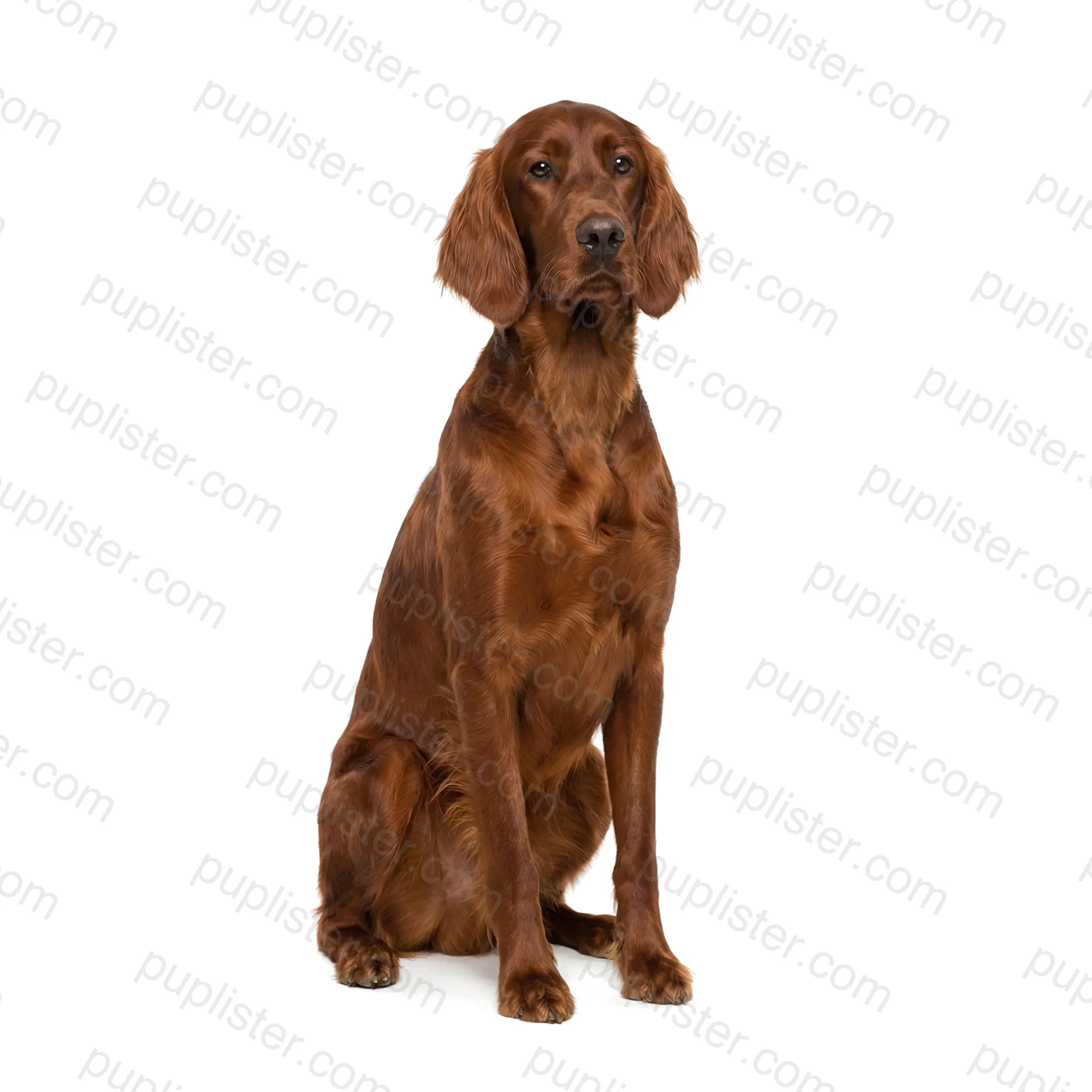
0 pets available
About the Irish Setter The Irish Setter — originally known as the Red Setter — was developed in 18th-century Ireland as a tireless bird dog capable of covering vast tracts of countryside in search of game. Standing 25–27 inches tall and weighing 60–70 pounds, this breathtakingly beautiful breed wears a rich, mahogany-red coat of moderate length with silky feathering on the ears, chest, legs, and tail. Their athletic build, flowing red coat, and joyful expression have made them one of the most glamorous breeds in the show ring and the field alike.Temperament & PersonalityIrish Setters are exuberant, fun-loving dogs with an irrepressible zest for life that makes them perpetual puppies at heart. They adore people — every person they meet is greeted with enthusiastic tail-wagging and sometimes an overzealous full-body lean. Their sweet, gentle nature makes them wonderful family dogs, especially for active households with older children who can match their energy level.ProsStunning appearance — one of the most beautiful and eye-catching breeds at dog parks and eventsOutgoing, friendly temperament — gets along with virtually everyone including strangers and other dogsExcellent family dog for active households — loves to run, hike, and play outdoorsGood-natured and gentle — rarely shows aggression toward people or animalsConsRequires at least 1–2 hours of vigorous daily exercise — otherwise becomes hyperactive and destructiveSlow to mature mentally — puppy-like behavior and distractibility can persist for 3+ yearsProne to bloat (gastric dilatation-volvulus), epilepsy, and progressive retinal atrophySilky coat requires regular grooming — brushing several times weekly plus trimmingLet an Irish Setter bring joy and energy to your household — explore adoptable Irish Setters on Puplister.
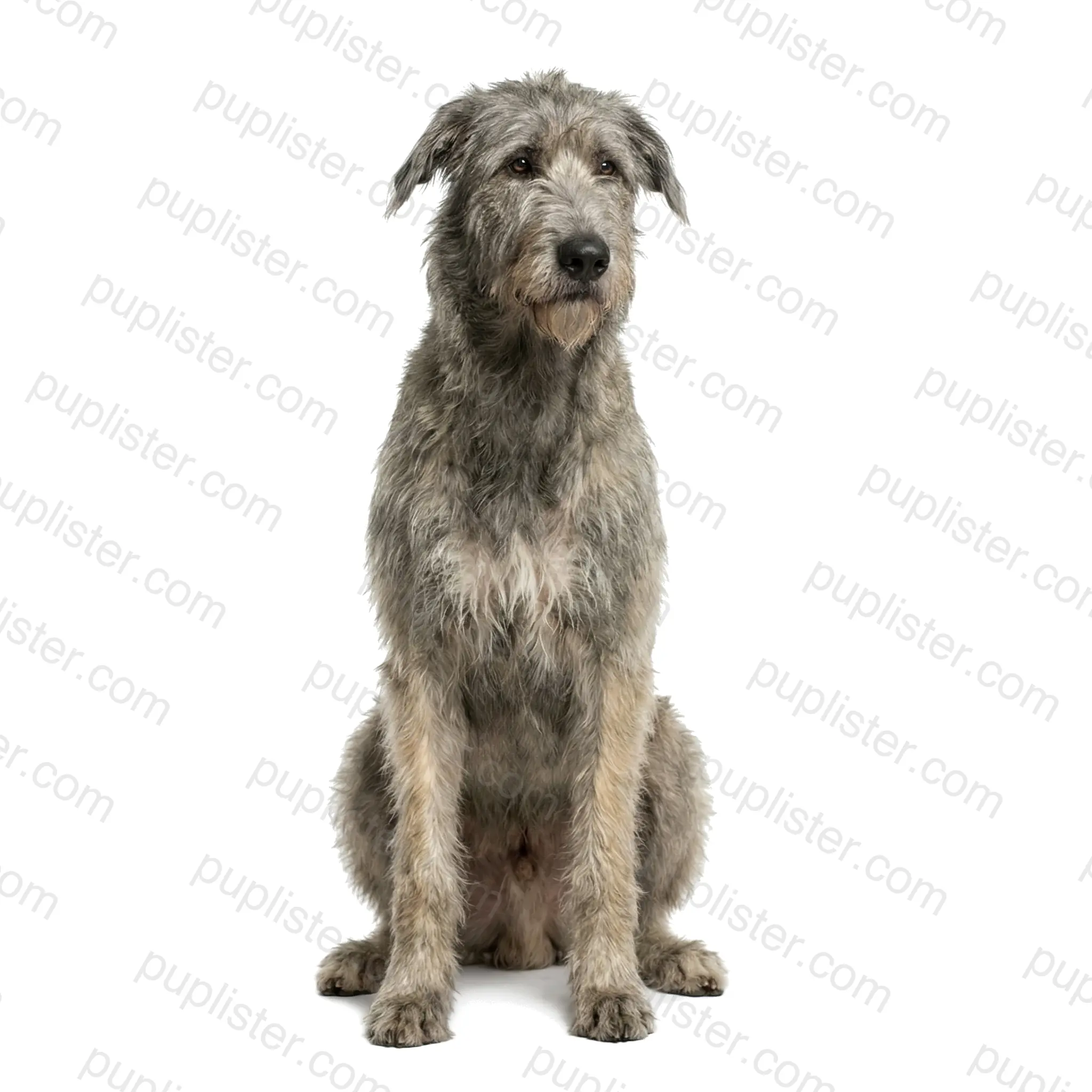
0 pets available
About the Irish Wolfhound The Irish Wolfhound — the tallest of all dog breeds — was originally bred in ancient Ireland to hunt wolves and Irish elk, with references to the breed appearing in Roman records as early as 391 AD. Standing a minimum of 30–32 inches tall (many reach 34–35 inches) and weighing 105–180 pounds, these gentle giants have a rough, wiry coat in gray, brindle, red, black, white, and fawn. Despite nearly going extinct in the 19th century, dedicated breeders — most notably Captain George Augustus Graham — revived the breed using Great Dane, Scottish Deerhound, and Borzoi crosses.Temperament & PersonalityIrish Wolfhounds are remarkably gentle and easygoing despite their formidable size — they carry themselves with a quiet dignity that belies their ancient warrior heritage. They are affectionate and loyal with their families, typically good with children, and generally accepting of other dogs and even cats when raised together. Despite their history as fierce hunters, modern Irish Wolfhounds are too gentle and friendly to serve as effective guard dogs.ProsGentle, calm temperament — one of the most easygoing of all giant breedsGood with children and other pets — patient and tolerant despite their massive sizeRelatively quiet dogs that rarely bark without causeWiry coat sheds minimally and requires only occasional brushing and hand-strippingConsHeartbreakingly short lifespan — average of just 6–8 years, with many lost to heart diseaseExtremely high risk of dilated cardiomyopathy, osteosarcoma, and bloatVery expensive to own — giant-breed food, medications, and veterinary care add up quicklyRequires a home with ample space — not suited to apartment living due to sheer physical sizeOpen your heart and home to a magnificent Irish Wolfhound — find available dogs on Puplister.
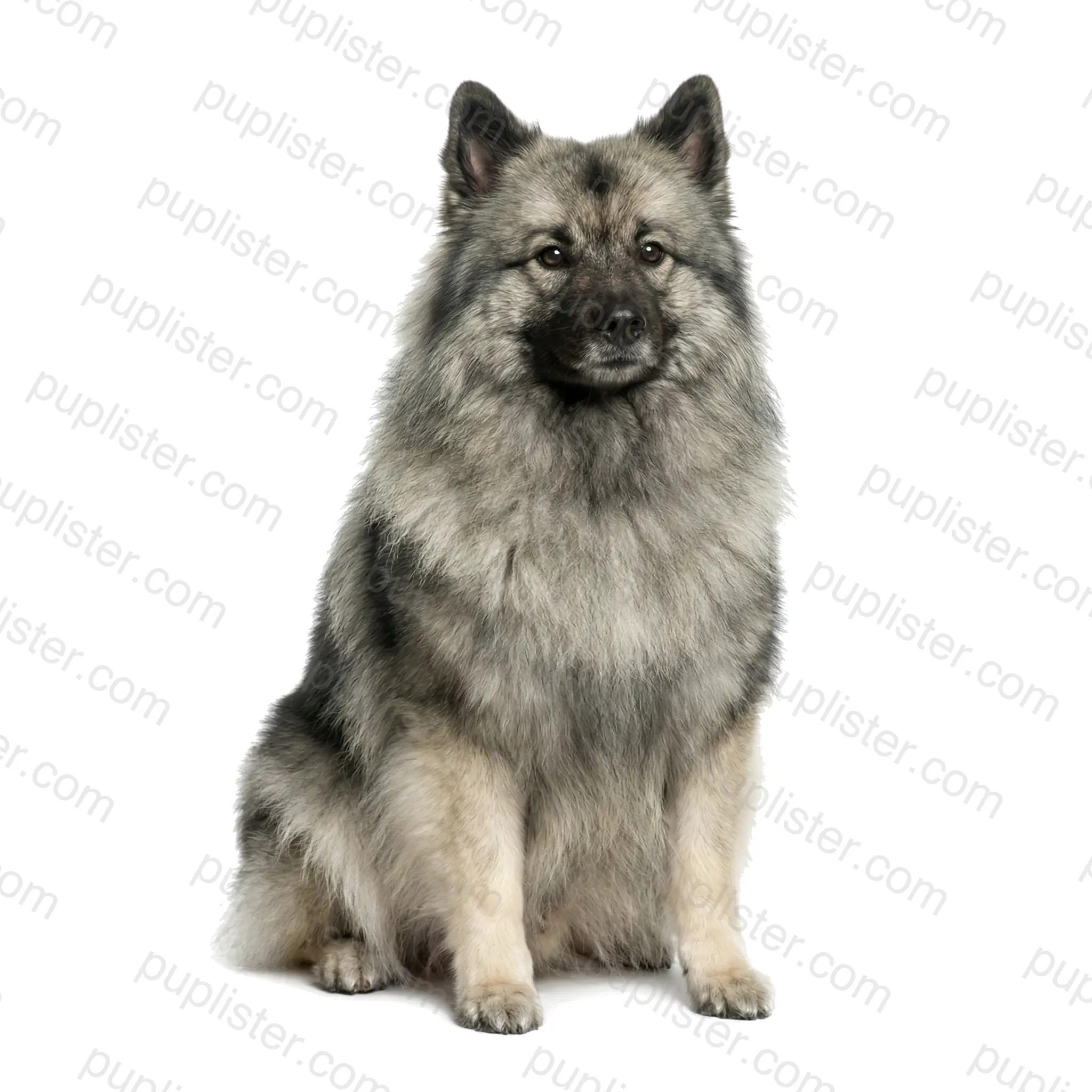
0 pets available
About the Keeshond The Keeshond — pronounced "KAYZ-hawnd" — served as the watchdog and companion of Dutch barge operators on the Rhine River for centuries before becoming the symbol of the Dutch Patriot political party in the 18th century. Standing 17–18 inches tall and weighing 35–45 pounds, this spitz-type breed has an abundant, standoff double coat in dramatic shades of gray, black, and cream with distinctive dark "spectacles" markings around the eyes. Their plush, foxlike appearance and perpetually smiling expression make them one of the most visually appealing medium-sized breeds.Temperament & PersonalityKeeshonden are outgoing, friendly, and remarkably intuitive — often called "the smiling Dutchman" for their upturned lip expression and consistently cheerful demeanor. They are deeply people-oriented dogs that thrive on family involvement and are exceptionally good with children, often showing patience and gentleness that surpasses many breeds specifically marketed as family dogs. Their alert, watchful nature makes them excellent watchdogs who will announce visitors enthusiastically without aggression.ProsOutstanding family dog — gentle, patient, and naturally good with children of all agesFriendly toward strangers and other dogs — sociable without being pushyModerate exercise needs — satisfied with daily walks and play sessionsHighly trainable and eager to please — excel in obedience and agilityConsHeavy shedding — the thick double coat blows profusely twice yearly and sheds moderately year-roundProne to excessive barking — their watchdog heritage can become a nuisance without trainingSusceptible to hip dysplasia, patellar luxation, and hyperparathyroidismThick coat makes them heat-sensitive — require air conditioning and limited outdoor time in summerA Keeshond's smile could brighten your entire household — discover adoptable Keeshonden on Puplister.
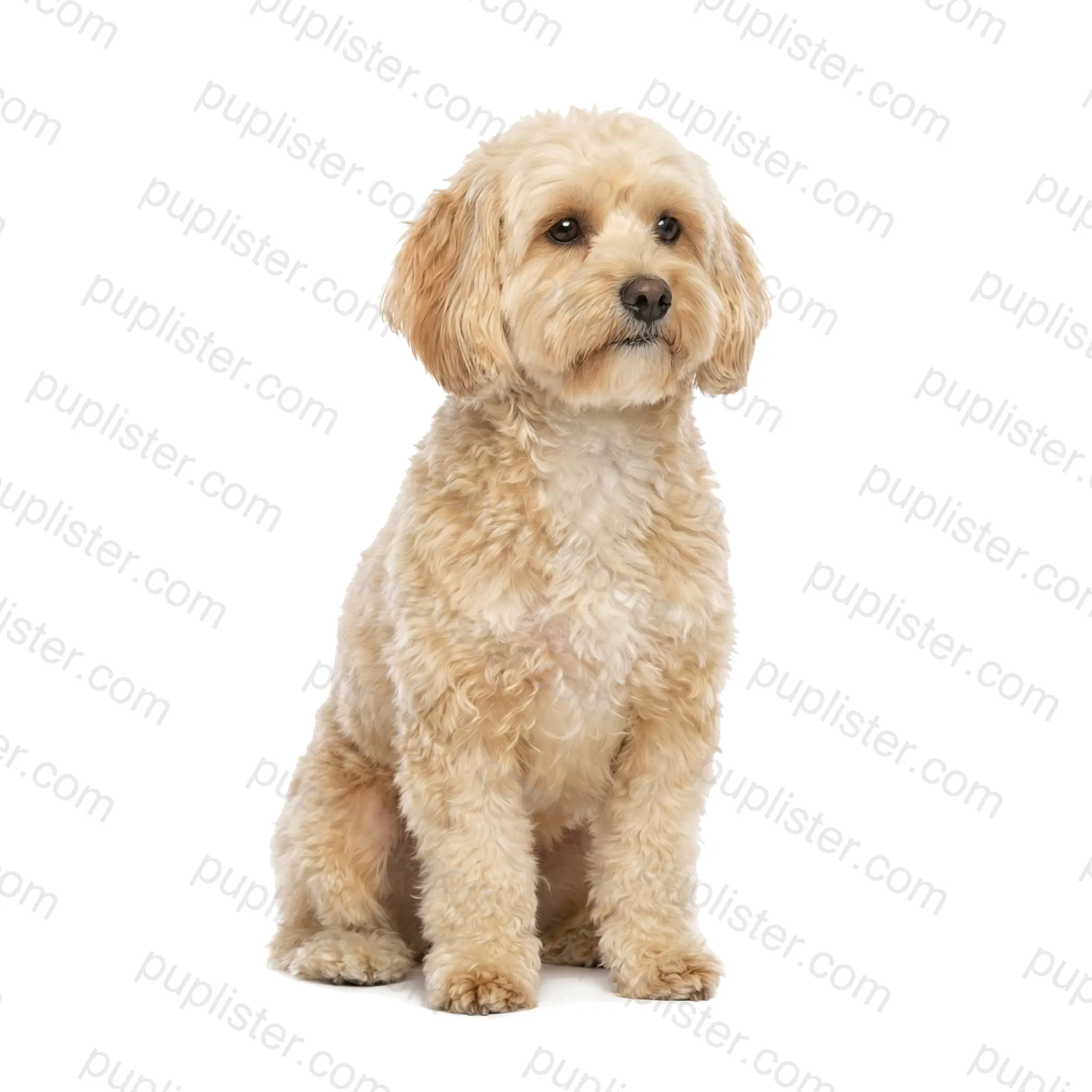
0 pets available
About the Maltipoo The Maltipoo is a popular designer crossbreed combining the Maltese and Toy or Miniature Poodle — first intentionally bred in the United States during the 1990s. These charming small dogs typically weigh 5 to 20 pounds and stand 8 to 14 inches tall, depending on the Poodle parent's size. Their coat is soft, wavy to curly, and comes in cream, white, apricot, red, and a range of other colors — often low-shedding thanks to the Poodle influence. Temperament & Personality Maltipoos are affectionate, playful, and thrive on human companionship — making them excellent lap dogs and emotional support animals. They tend to be gentle with children and can coexist well with other pets when properly socialized. Their alert nature means they'll bark to announce visitors, though they're far too friendly to serve as guard dogs. Pros Low-shedding coat is more suitable for allergy sufferersAdapts well to apartments and small living spacesEager to please and relatively easy to train with positive reinforcementLong lifespan of 12 to 16 years compared to many breeds Cons Prone to separation anxiety if left alone for extended periodsCoat requires regular professional grooming every 4 to 6 weeksCan develop patellar luxation and progressive retinal atrophyTendency toward excessive barking without consistent training If a cuddly, low-shedding companion sounds like your perfect match, browse Maltipoo listings on Puplister today.
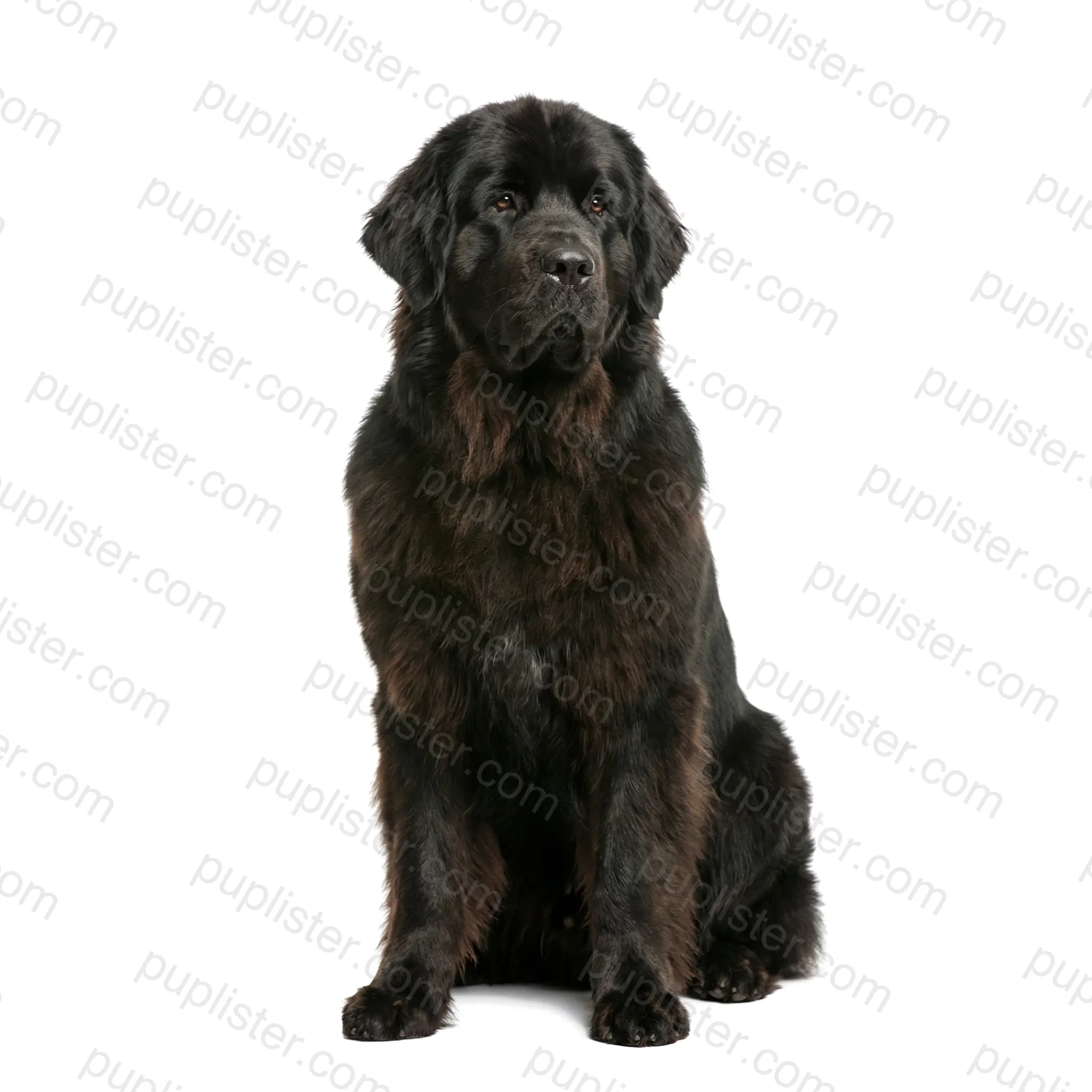
0 pets available
About the Newfoundland The Newfoundland hails from the Canadian island of the same name, where it was bred as a working dog for fishermen — hauling nets, carrying boat lines, and even rescuing drowning swimmers. Males typically weigh 130 to 150 pounds and stand 28 inches tall, while females are slightly smaller at 100 to 120 pounds. Their thick, water-resistant double coat comes in black, brown, gray, or the striking black-and-white "Landseer" pattern. Temperament & Personality Newfoundlands are renowned for their sweet, patient, and devoted temperament — often called "nanny dogs" for their extraordinary gentleness with children. They are calm indoors, deeply loyal, and have an almost instinctive drive to rescue people in water. Newfies generally get along beautifully with other dogs and pets, making them exceptional family dogs despite their enormous size. Pros Exceptional natural swimming ability and water rescue instinctsOne of the gentlest giant breeds — outstanding with childrenCalm and easygoing indoor demeanor despite massive sizeHighly trainable and responsive to gentle, patient guidance Cons Heavy drooling — especially after eating, drinking, or exerciseCoat requires extensive grooming and sheds heavily year-roundProne to hip and elbow dysplasia, subvalvular aortic stenosis, and cystinuriaShorter lifespan of 8 to 10 years common in giant breeds A Newfoundland could be the most loving addition your family ever makes — find one waiting for a home on Puplister.
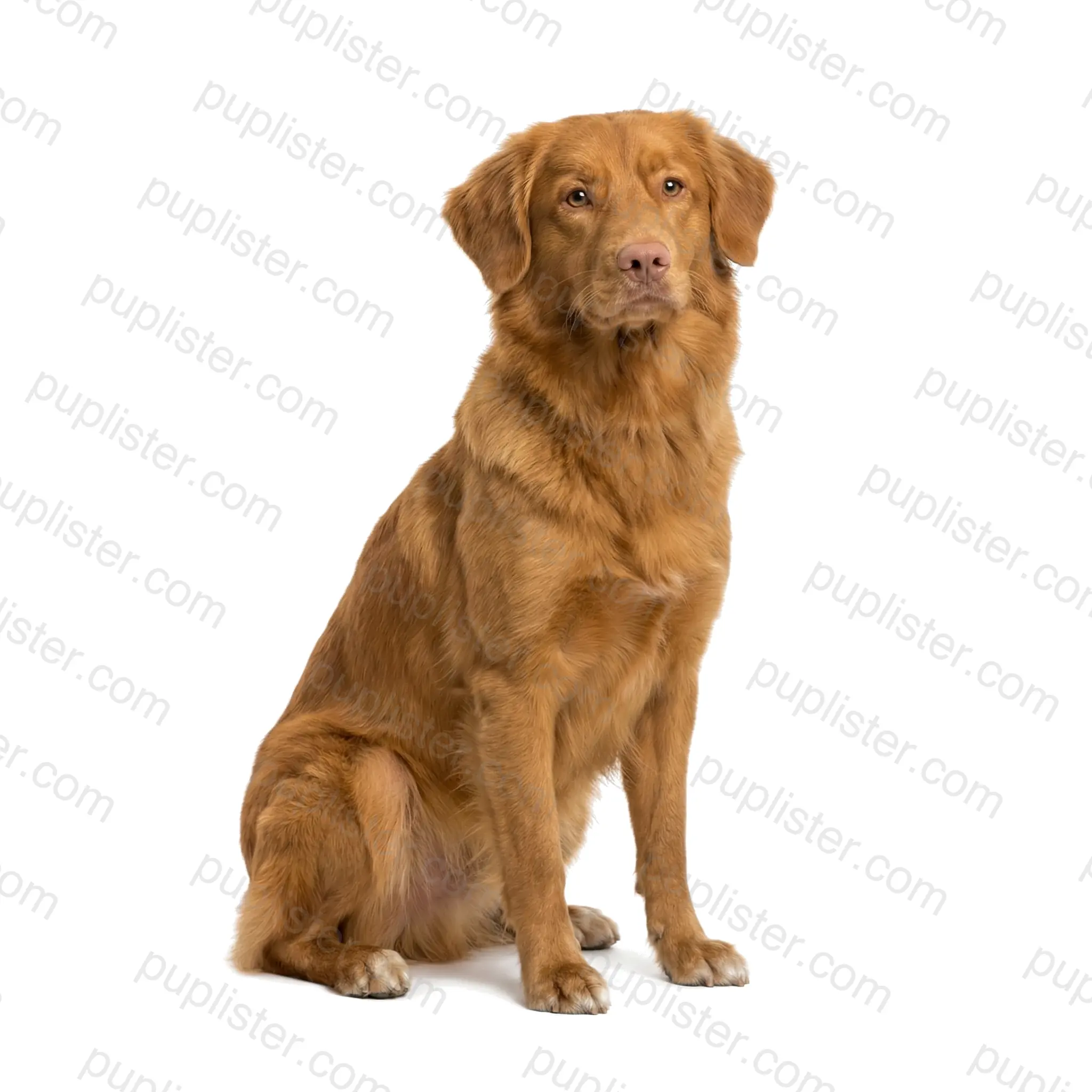
0 pets available
About the Nova Scotia Duck Tolling Retriever The Nova Scotia Duck Tolling Retriever — often called the "Toller" — was developed in the early 19th century in Yarmouth County, Nova Scotia, as the only retriever bred specifically to lure waterfowl within gunshot range. They are the smallest of the retriever breeds, standing 17 to 21 inches and weighing 35 to 50 pounds. Their medium-length, water-repellent double coat ranges from golden red to dark coppery red, usually with white markings on the chest, feet, and tail tip. Temperament & Personality Tollers are intelligent, outgoing, and tireless — possessing a unique playful style that originally attracted curious ducks to shore. They are affectionate and patient with children, and their moderate size makes them manageable for active families. Tollers can be reserved with strangers and sometimes emit a distinctive high-pitched scream of excitement that surprises first-time owners. Pros Versatile sporting dog excelling in agility, obedience, and dock divingSmaller and more manageable than other retriever breedsHighly intelligent and food-motivated, making training rewardingStrong swimming ability with natural retrieving instincts Cons Extremely high exercise demands — needs 60 to 90 minutes of vigorous activity dailyProne to Addison's disease and immune-mediated conditions at higher rates than most breedsCan become destructive and neurotic without adequate mental stimulationSeasonal shedding is significant despite the moderate coat length Looking for an energetic, uniquely skilled retriever? Find Nova Scotia Duck Tolling Retrievers ready for adoption on Puplister.
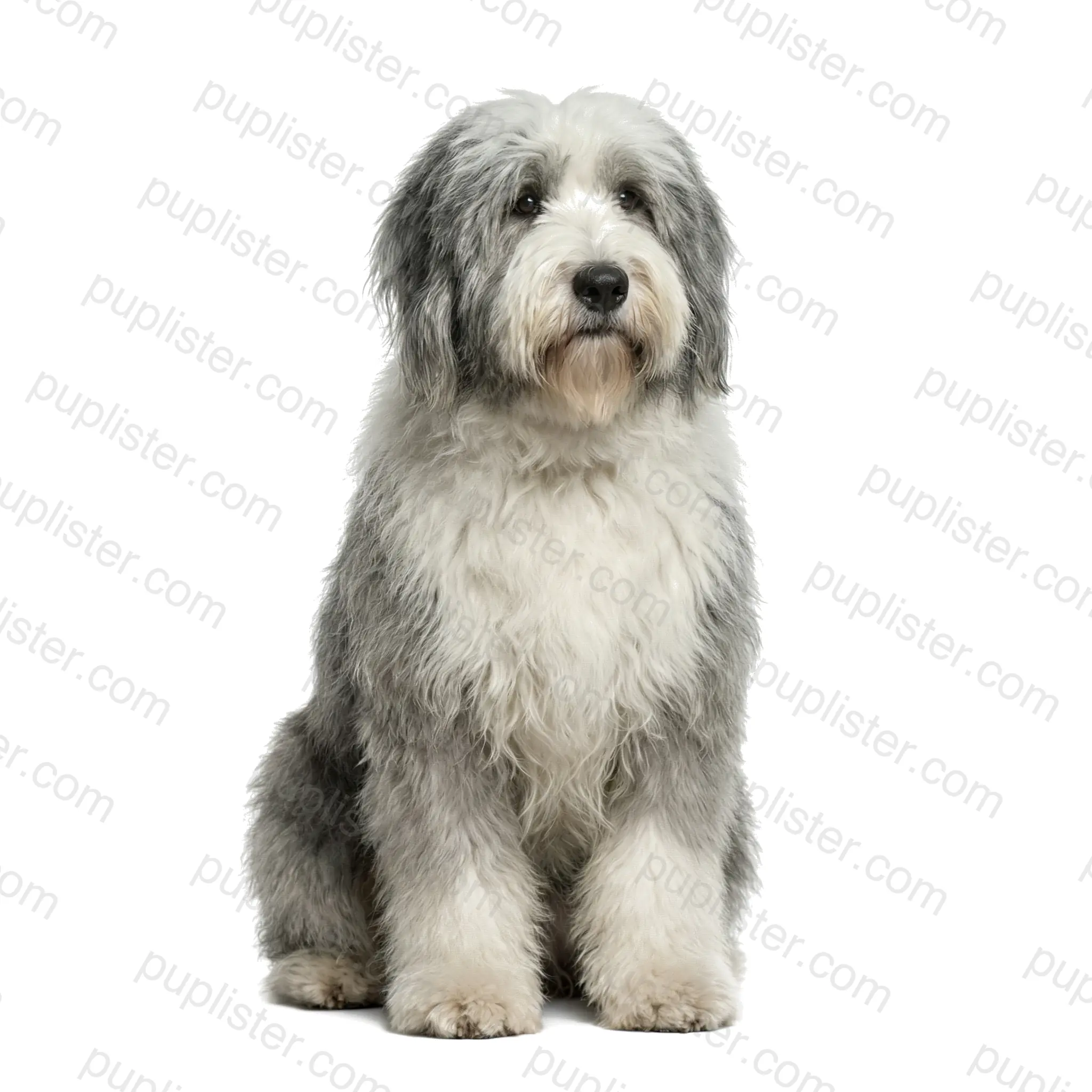
0 pets available
About the Old English Sheepdog The Old English Sheepdog — sometimes called the "Bobtail" — was developed in the early 19th century in England's western counties as a drover's dog for moving cattle and sheep to market. These large, athletic dogs stand 21 inches and up, typically weighing 60 to 100 pounds, with a distinctive rolling, bear-like gait. Their profuse, shaggy double coat in blue, gray, blue merle, or grizzle — always with white markings — is one of the most recognizable in the dog world. Temperament & Personality Old English Sheepdogs are gentle, adaptable, and blessed with a wonderful clownish sense of humor that makes them natural entertainers. They are devoted to their families, excellent with children — often herding them gently — and generally friendly toward other pets. Their intelligence and eagerness to engage make them responsive to training, though they do have an independent streak typical of herding breeds. Pros Gentle, playful nature makes them outstanding family companionsAdaptable to various living situations when exercise needs are metNatural herding instinct provides built-in watchfulness over childrenSocial and friendly demeanor with both people and other animals Cons Extremely high grooming demands — coat requires thorough brushing 3 to 4 times weekly minimumProne to hip dysplasia, autoimmune thyroiditis, and exercise-induced collapseHeavy shedding and tendency to track dirt, leaves, and moisture indoorsCan develop separation anxiety and become destructive when left alone Charmed by the shaggy, lovable Bobtail? Browse Old English Sheepdog adoption listings on Puplister now.
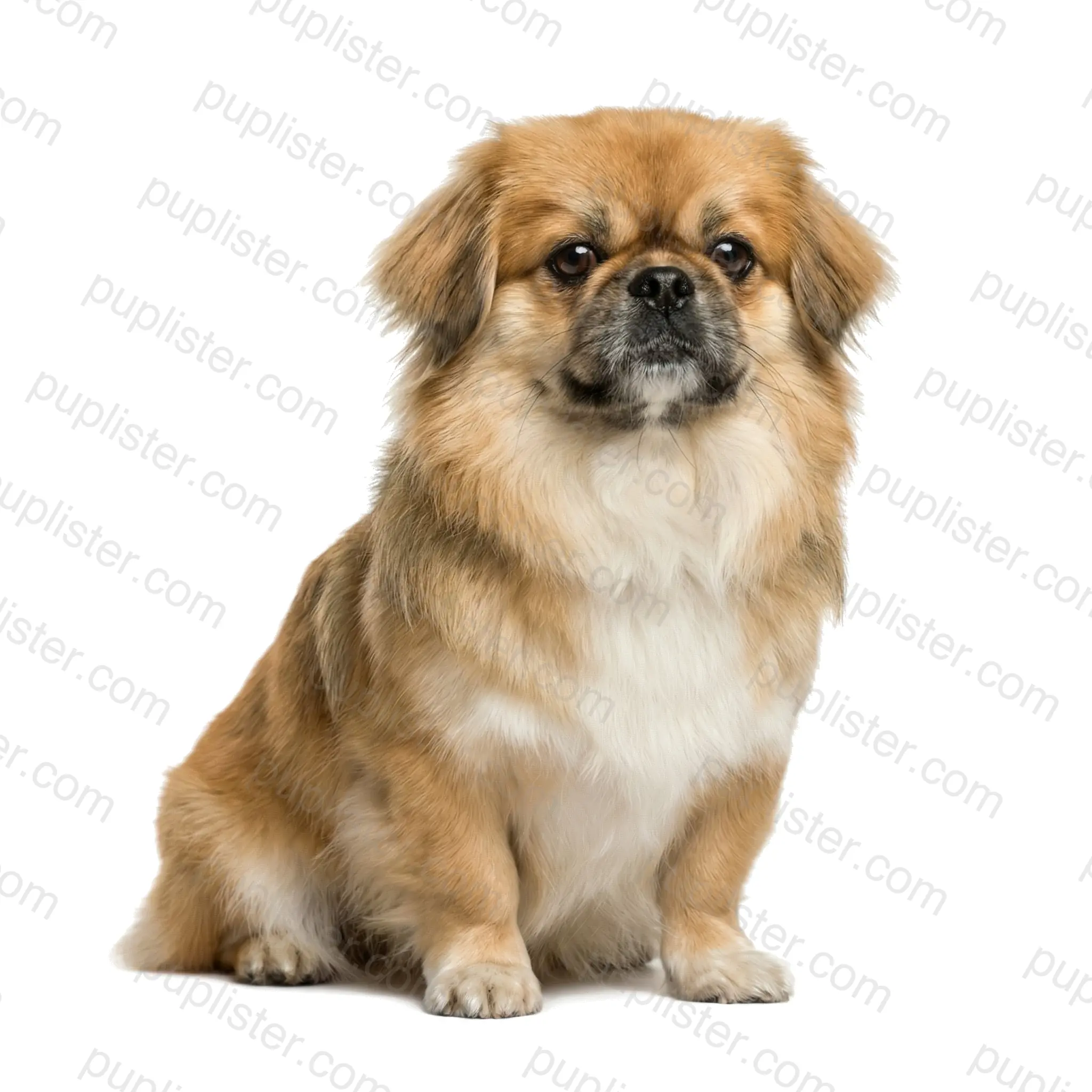
0 pets available
1About the Pekingese The Pekingese is an ancient toy breed originating from the imperial palaces of China, where it was bred exclusively for royalty for over 2,000 years — commoners were forbidden from owning one. These compact dogs weigh up to 14 pounds and stand 6 to 9 inches tall, with a stocky, low-to-the-ground build and a characteristic rolling gait. Their luxurious double coat is long and flowing, coming in virtually every color and pattern, with a distinctive lion-like mane around the neck and shoulders. Temperament & Personality Pekingese carry themselves with a regal dignity and independence that reflects their imperial heritage — they are loyal and affectionate with their chosen person but rarely clingy or demanding. They can be aloof with strangers and are not naturally inclined to tolerate the rough play of young children. Pekingese are brave to the point of being fearless, and they will not hesitate to stand their ground against much larger dogs. Pros Low exercise requirements — content with short walks and indoor playLoyal and devoted companion, especially for single-person householdsExcellent watchdog with a surprisingly deep bark for its sizeCalm indoor demeanor suits apartment and senior living well Cons Brachycephalic (flat-faced) structure causes breathing difficulties and heat sensitivityExtensive coat grooming required — daily brushing to prevent painful mattingStubborn and independent, making housetraining and obedience challengingProne to intervertebral disc disease, eye injuries, and skin fold infections If a dignified, devoted lap companion appeals to you, find Pekingese available for adoption on Puplister.
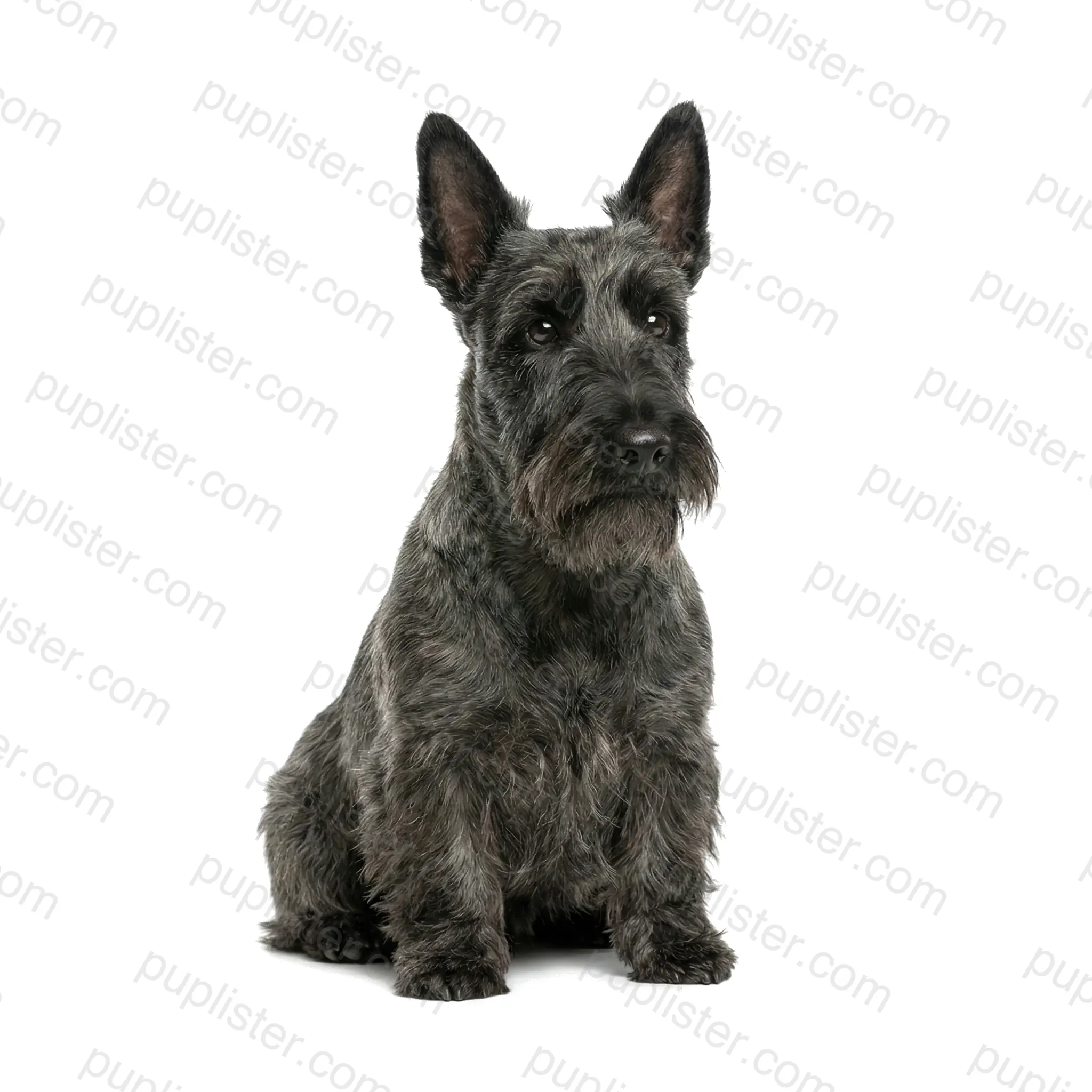
0 pets available
About the Scottish Terrier The Scottish Terrier — often called the "Scottie" — is one of Scotland's oldest terrier breeds, developed in the Aberdeen area during the 18th and 19th centuries to hunt foxes, badgers, and rats underground. These compact, powerful dogs stand about 10 inches tall and weigh 18 to 22 pounds, with a low center of gravity and surprisingly heavy bone for their size. Their harsh, wiry outer coat and soft, dense undercoat come in black, wheaten, or brindle, and the breed's distinctive profile — long head, erect ears, and bushy eyebrows — is among the most recognizable in dogdom. Temperament & Personality Scottish Terriers are independent, dignified, and fiercely loyal to their people — often described as having an "old soul" quality uncommon in the terrier group. They tend to bond most deeply with one or two people and can be reserved or aloof with strangers, making them natural watchdogs. Scotties can be assertive with other dogs, especially those of the same sex, and their strong prey drive means small animals are rarely safe in their presence. Pros Compact and sturdy — well-suited for apartment living with regular exerciseLow-shedding wiry coat when properly maintained through hand-strippingLoyal, devoted companion with a dignified, independent characterExcellent watchdog — alert and naturally suspicious of strangers Cons Stubbornly independent — training requires patience and creative motivationProne to von Willebrand's disease (a bleeding disorder), Scottie cramp, and bladder cancerCan be aggressive toward other dogs, especially unfamiliar onesRequires regular professional grooming or hand-stripping every 6 to 8 weeks The Scottish Terrier's unwavering loyalty and distinctive charm are one of a kind — find your Scottie on Puplister.
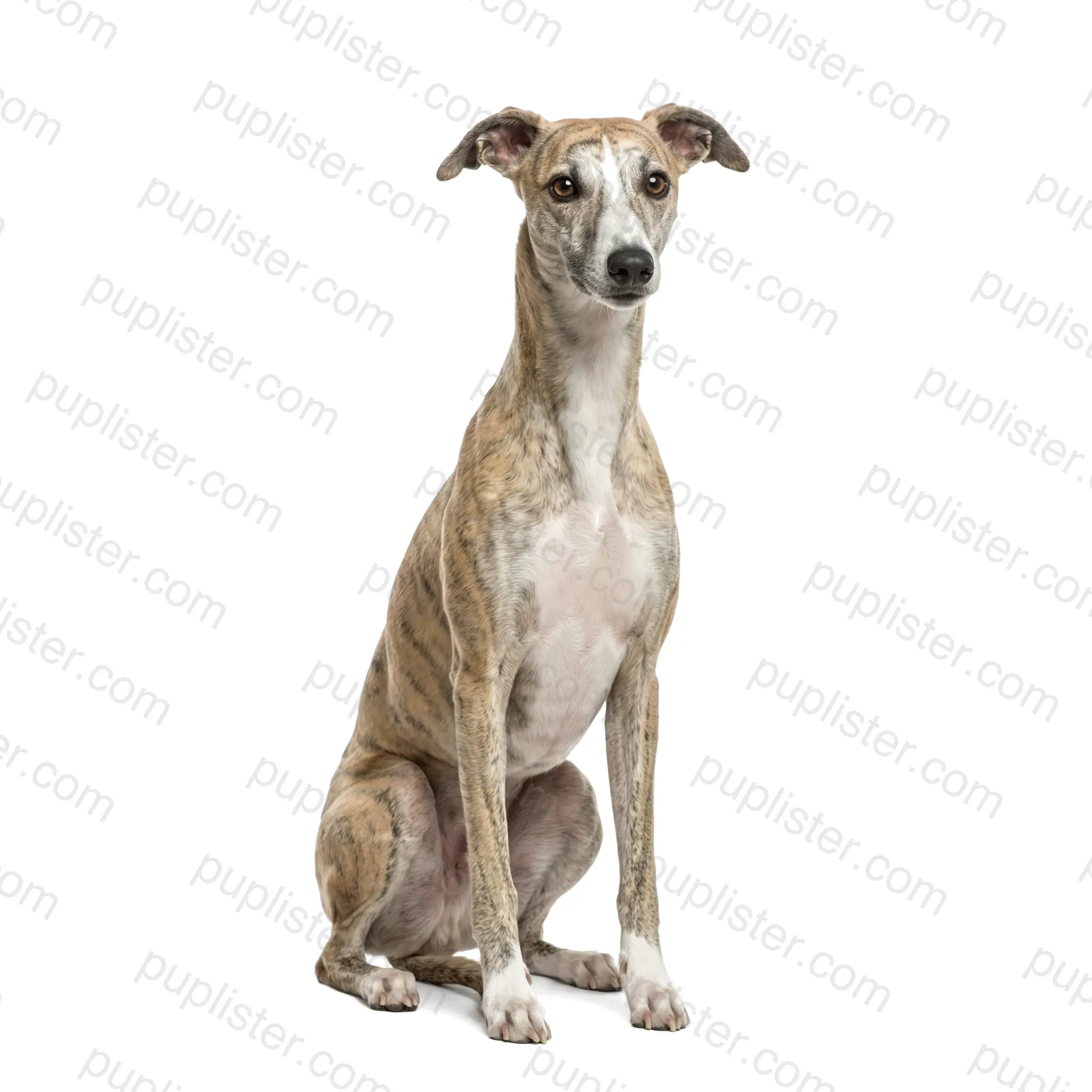
0 pets available
About the Whippet The Whippet was developed in Victorian England by coal miners and mill workers who bred small Greyhounds with terriers to create an affordable racing and rabbit-coursing dog — earning the nickname "the poor man's racehorse." These elegant sighthounds stand 18 to 22 inches tall and weigh 25 to 40 pounds, with a streamlined, aerodynamic build capable of reaching speeds up to 35 miles per hour. Their short, smooth coat comes in virtually any color or pattern and lies close to the body, accentuating their graceful, muscular contours. Temperament & Personality Whippets are gentle, quiet, and remarkably calm indoors — often spending hours draped elegantly across furniture in poses that would make a greyhound proud. They are affectionate and sensitive with their families, good with children (though their slender build makes them vulnerable to rough play), and generally friendly with other dogs. Despite their sprinting ability, Whippets are surprisingly low-energy at home and are often described as the ideal apartment dog for owners who enjoy outdoor exercise. Pros Extremely calm and quiet indoors — one of the most unobtrusive housematesShort, low-maintenance coat with minimal shedding and no doggy odorGentle, affectionate nature — rarely aggressive toward people or other dogsHealthy breed with a long lifespan of 12 to 15 years Cons Intense prey drive — will chase and potentially catch small animals including catsThin skin and low body fat make them sensitive to cold and prone to scrapesCannot be trusted off-leash in unfenced areas — once they run, they cannot hear youSusceptible to anesthesia sensitivity and cardiac arrhythmias Whippets are the perfect blend of couch companion and outdoor athlete — find one looking for a home on Puplister.
Compare dog breeds side by side?
Find the differences in size, temperament, exercise needs and more.