First Year Dog Costs After Adoption (Full Budget)
Understand the full first-year dog costs after adoption, from initial supplies to vet care, and see how adopting saves you money.
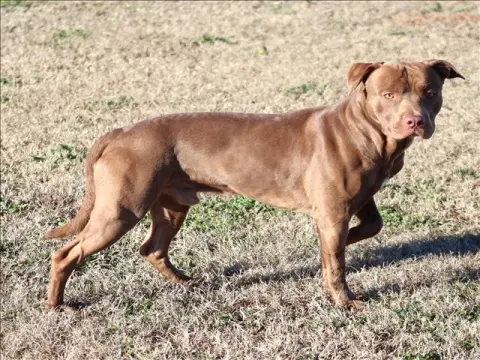
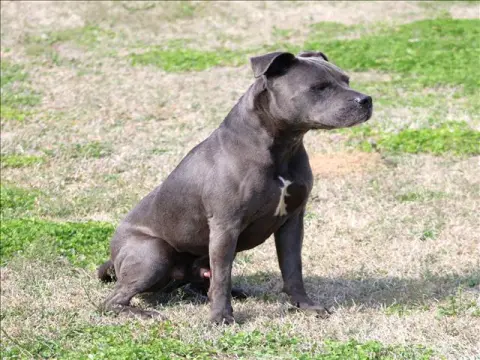
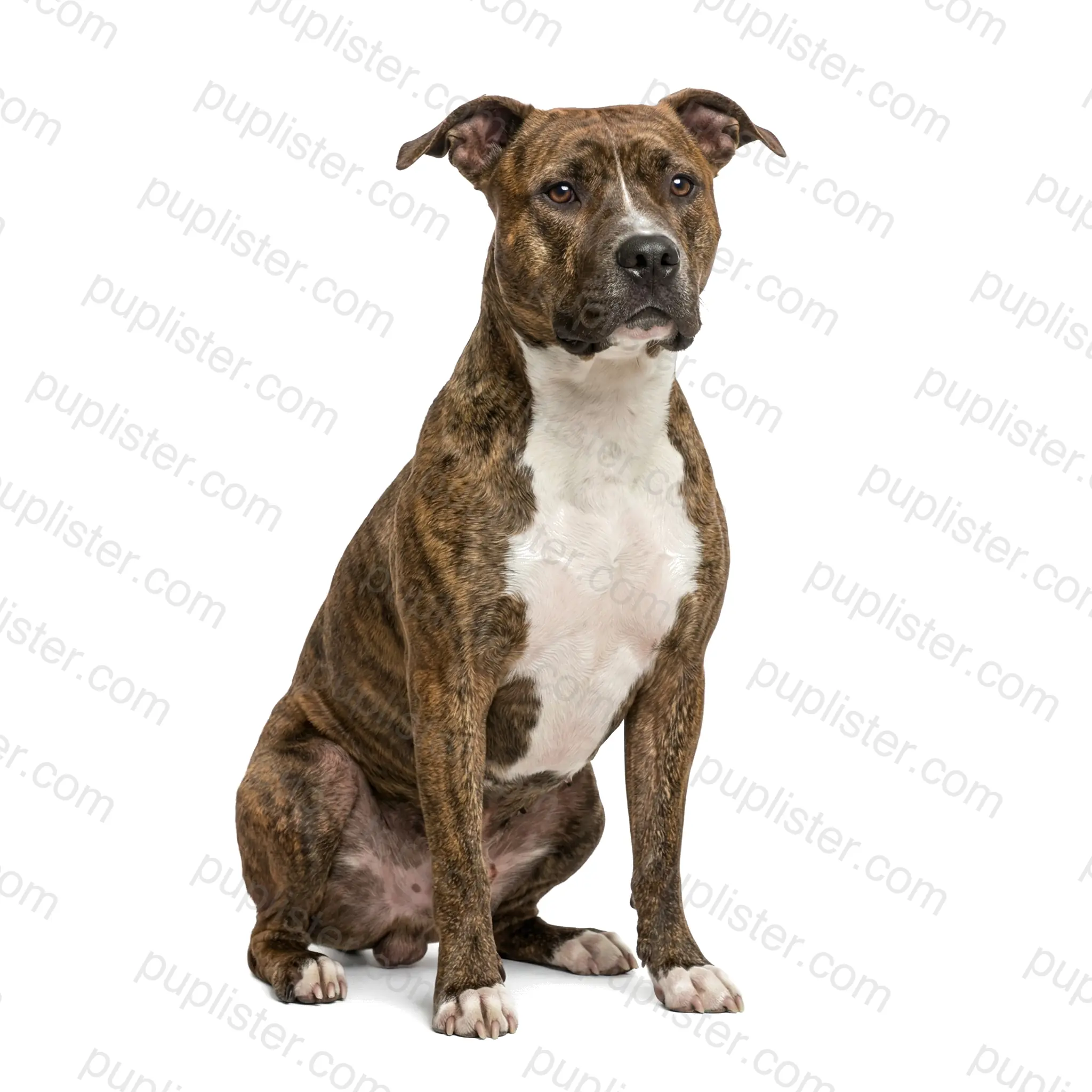
The American Pit Bull Terrier traces its roots to 19th-century England, where Bulldogs and Terriers were crossed to create a dog combining strength with agility. Standing 17–21 inches tall and weighing 30–60 pounds, the APBT is a medium-sized, solidly built dog with a broad chest and well-defined musculature. Their short, glossy coat comes in virtually every color and pattern — including blue, red, brindle, and merle — and is exceptionally easy to maintain.
Despite their often-misunderstood reputation, American Pit Bull Terriers are among the most people-oriented breeds — they are affectionate, eager to please, and frequently described as "nanny dogs" for their gentleness with children. They are intelligent, loyal, and enthusiastic about training when given positive reinforcement. However, some individuals may exhibit dog-selectivity, and responsible ownership includes understanding their terrier-driven tenacity.
These loving, misunderstood dogs deserve wonderful homes — browse adoptable Pit Bull Terriers on Puplister today.
Answer 5 quick questions to see how well this breed matches your lifestyle.
2 pets available
About the Irish Setter The Irish Setter — originally known as the Red Setter — was developed in 18th-century Ireland as a tireless bird dog capable of covering vast tracts of countryside in search of game. Standing 25–27 inches tall and weighing 60–70 pounds, this breathtakingly beautiful breed wears a rich, mahogany-red coat of moderate length with silky feathering on the ears, chest, legs, and tail. Their athletic build, flowing red coat, and joyful expression have made them one of the most glamorous breeds in the show ring and the field alike.Temperament & PersonalityIrish Setters are exuberant, fun-loving dogs with an irrepressible zest for life that makes them perpetual puppies at heart. They adore people — every person they meet is greeted with enthusiastic tail-wagging and sometimes an overzealous full-body lean. Their sweet, gentle nature makes them wonderful family dogs, especially for active households with older children who can match their energy level.ProsStunning appearance — one of the most beautiful and eye-catching breeds at dog parks and eventsOutgoing, friendly temperament — gets along with virtually everyone including strangers and other dogsExcellent family dog for active households — loves to run, hike, and play outdoorsGood-natured and gentle — rarely shows aggression toward people or animalsConsRequires at least 1–2 hours of vigorous daily exercise — otherwise becomes hyperactive and destructiveSlow to mature mentally — puppy-like behavior and distractibility can persist for 3+ yearsProne to bloat (gastric dilatation-volvulus), epilepsy, and progressive retinal atrophySilky coat requires regular grooming — brushing several times weekly plus trimmingLet an Irish Setter bring joy and energy to your household — explore adoptable Irish Setters on Puplister.
7 pets available
About the Bullmastiff The Bullmastiff was developed in 19th-century England by crossing Bulldogs with Mastiffs — the goal was a powerful, silent guardian capable of tracking and pinning poachers on large estates without mauling them. Standing 24–27 inches tall and weighing 100–130 pounds, the Bullmastiff is a massive, muscular dog with a broad head, dark muzzle, and an imposing physical presence. Their short, dense coat comes in fawn, red, or brindle — always with a black mask — and sheds moderately with minimal grooming requirements.Temperament & PersonalityBullmastiffs are confident, loyal, and naturally protective — they are alert guardians who rely on their size and intimidating presence rather than excessive barking to deter intruders. Despite their imposing appearance, they are gentle and affectionate with their families, showing particular patience and tenderness with children. They are typically calm and quiet indoors, content to lie at their owner's feet, but they can be territorial with unfamiliar dogs and require early, consistent socialization.ProsNaturally protective — their imposing presence alone is an effective deterrentSurprisingly low-energy indoors, adapting well to a calm household routineGentle and affectionate with family members, including childrenMinimal grooming needs with their short, easy-care coatConsShort lifespan averaging only 7–9 yearsProne to bloat, hip and elbow dysplasia, lymphoma, and mast cell tumorsSignificant drooling, especially around mealtimes and in warm weatherTheir sheer size and strength require an experienced owner capable of managing 100+ pounds of dogA Bullmastiff offers protection and companionship in equal measure — explore adoptable Bullmastiffs on Puplister and find your gentle giant.
1 pet available
About the Affenpinscher The Affenpinscher — often called the "Monkey Dog" for its comical, primate-like facial expression — is a small but sturdy toy breed that originated in Germany during the 17th century. Originally bred to hunt rats in kitchens, granaries, and stables, these wiry little terriers stand just 9–11.5 inches tall and weigh 7–10 pounds. Their rough, shaggy coat — typically black, though also found in gray, silver, red, and belge — frames a flat face with prominent dark eyes, bushy eyebrows, and a pronounced underbite that gives them their signature mischievous look.Temperament & PersonalityAffenpinschers are fearless, curious, and endlessly entertaining — they pack the confidence of a dog ten times their size into a tiny, wiry-haired package. They are fiercely loyal to their owners and surprisingly territorial, often standing their ground against much larger dogs without hesitation. While affectionate with their family, they can be possessive of their toys and food, and their stubborn, independent streak means they prefer to make their own decisions rather than blindly follow commands.ProsCompact size and moderate exercise needs — ideal for apartment livingLow-shedding, wiry coat that is relatively easy to maintain with weekly brushingEntertaining and comical personality — they are natural performers who love an audienceExcellent watchdog despite small size — alert and vocal about anything unusualConsStubborn and difficult to housetrain — patience and consistency are essentialNot ideal for families with very young children — can be snappy if handled roughlyProne to brachycephalic breathing issues, patellar luxation, and heart murmursStrong prey drive toward small animals — will chase squirrels, hamsters, and birds relentlesslyLooking for a tiny dog with a big personality? Browse adoptable Affenpinschers on Puplister and find your perfect match.
28 pets available
About the Rat Terrier The Rat Terrier is an American original, developed in the early 20th century on farms across the United States by crossing Fox Terriers with Beagles, Whippets, Italian Greyhounds, and other breeds. They come in two sizes — Miniature (10 to 13 inches, 10 to 18 pounds) and Standard (13 to 18 inches, 12 to 25 pounds) — both with a compact, elegant build. Their short, smooth coat is always pied (white with patches of one or more other colors), and President Theodore Roosevelt is credited with naming the breed after his own terrier cleared the White House of rats. Temperament & Personality Rat Terriers are intelligent, curious, and remarkably versatile — combining terrier tenacity with a more biddable, people-oriented temperament than many of their terrier cousins. They bond deeply with their families and are generally good with children, often choosing one person as their particular favorite. Rat Terriers tend to be less dog-aggressive than other terriers, though they retain a strong prey drive toward rodents and small animals. Pros Excellent farm and homestead dog with natural pest control abilitiesMore trainable and less stubborn than most terrier breedsMinimal grooming needs — short coat requires only occasional brushingGenerally healthy breed with a long lifespan of 12 to 18 years Cons Can be diggers — will excavate impressive holes in gardens and yardsHigh energy level requires daily exercise and mental engagementProne to patellar luxation, hip dysplasia, and cardiac issuesMay be wary of strangers and needs early socialization to prevent timidity A Rat Terrier could be the spirited, loyal companion your household needs — find one on Puplister today.
Understand the full first-year dog costs after adoption, from initial supplies to vet care, and see how adopting saves you money.
Discover the cheapest ways to adopt a dog near you, from understanding the real value of adoption fees to insider tips for finding low-cost dogs.
Learn the easy steps to transfer dog microchip after adoption. This guide covers finding info, contacting registries, and overcoming common hurdles.
Understand the full dog adoption costs beyond the initial fee, including ongoing care, unexpected expenses, and a 5-year financial forecast.