Labrador Retriever Labrador Retriever

Labrador Retriever

4
Friendly Outgoing Active Gentle

About the Labrador Retriever

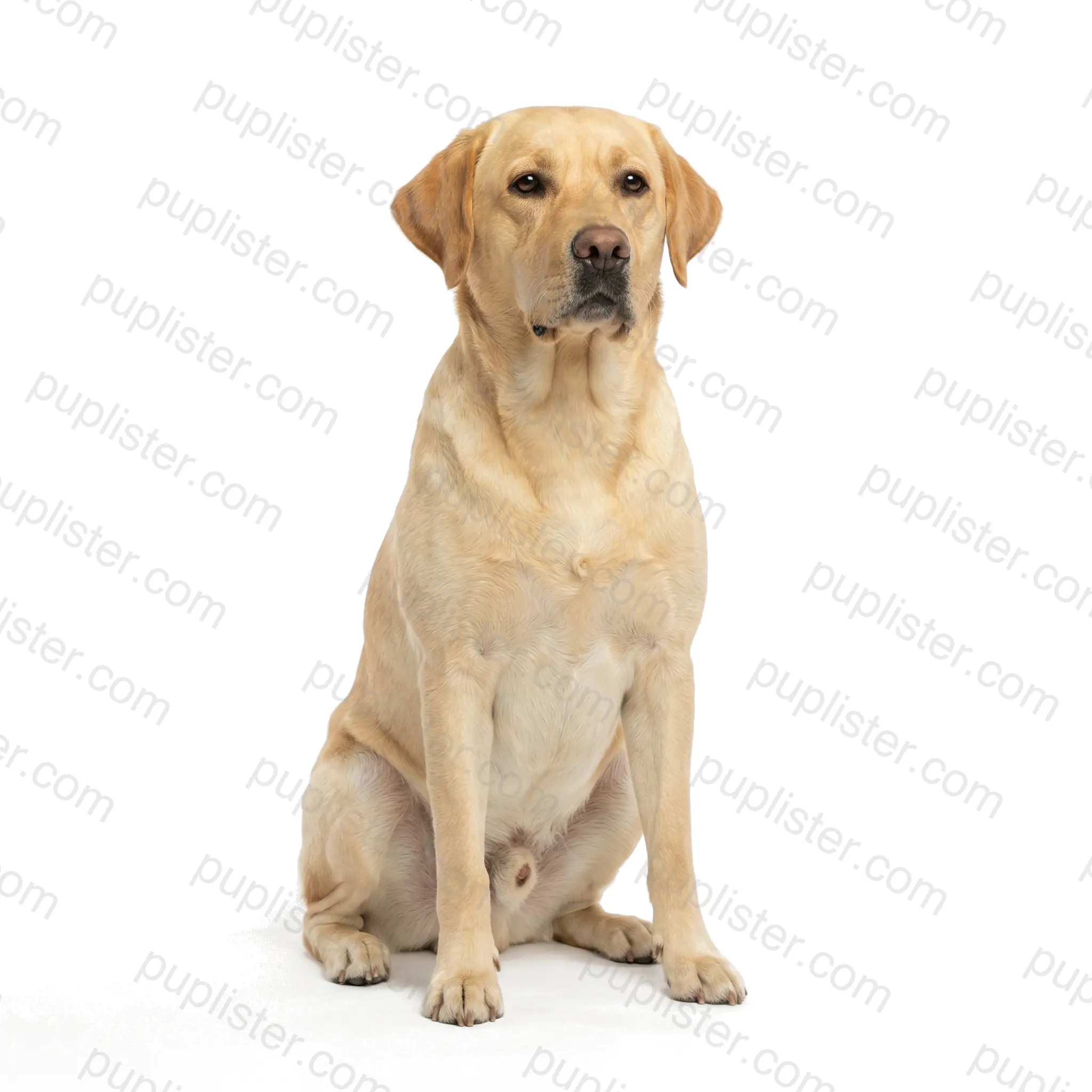
The Labrador Retriever has been America's most popular dog breed for over three decades — and for good reason. Originally bred in Newfoundland, Canada, during the early 19th century to help fishermen haul nets and retrieve catch from the icy North Atlantic, the breed was refined in England into the versatile sporting dog we know today. Labs stand 21.5–24.5 inches tall and weigh 55–80 pounds, with a short, dense, water-resistant double coat in three recognized colors: black, yellow (ranging from fox-red to pale cream), and chocolate.

Temperament & Personality

Labrador Retrievers are friendly, outgoing, and high-spirited — they greet nearly every person, dog, and situation with unbridled enthusiasm and a wagging tail. They are exceptionally patient and gentle with children, making them one of the most trusted family dogs in the world. Labs are also remarkably intelligent and eager to please, which is why they dominate as guide dogs, search-and-rescue dogs, therapy dogs, and detection dogs across dozens of working disciplines.

Pros

  • Outstanding family dog — patient, gentle, and naturally good with children of all ages
  • Highly trainable and eager to please — consistently ranks among the most obedient breeds
  • Versatile and adaptable — equally at home on the couch, in the field, or in the water
  • Friendly and social temperament — gets along well with other dogs, cats, and strangers

Cons

  • Heavy shedding year-round with major seasonal blowouts — not suited for allergy sufferers
  • Prone to obesity — Labs are notoriously food-motivated and will eat anything not locked away
  • High energy in the first 2–3 years — requires substantial daily exercise to prevent destructive behavior
  • Susceptible to hip and elbow dysplasia, exercise-induced collapse, and progressive retinal atrophy

There's a reason the Lab is the world's favorite dog — discover adoptable Labrador Retrievers on Puplister today.

Labrador Retriever Quick Facts

Size
55–80 lbs, 21–25 in
Lifespan
10–12 years
Exercise
High
Grooming
Moderate
Good with Kids
Yes
Good with Pets
Yes

Is the Labrador Retriever right for you?

Answer 5 quick questions to see how well this breed matches your lifestyle.

Take the Quiz

Available Labrador Retrievers

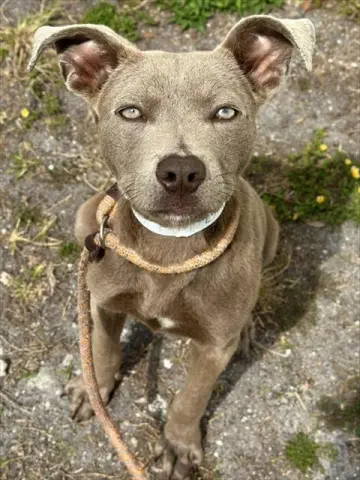
Ellison
Baby

Labrador Retriever

Bureau Of Animal Regulation And Care · Houston, TX
Buddy
Baby
Buddy
S

Labrador Retriever

Riverside County Animal Control · Thousand Palms, CA
Scooty
Adult
Scooty
L

Rottweiler / Labrador Retriever

Citrus County Animal Shelter Pets · Inverness, FL
Walnut
Young
Walnut
S

Labrador Retriever

Hesperia Animal Shelter · Hesperia, CA
Petunia
Young

Labrador Retriever

Marion County Animal Services · Ocala, FL
Grace
Adult
Grace
M

Labrador Retriever

San Antonio Animal Care Services · San Antonio, TX
Puah
Young
Puah
S

Labrador Retriever

Broward County Animal Care And Regulation · Fort Lauderdale, FL
Lovelock
Adult

Labrador Retriever

Hesperia Animal Shelter · Hesperia, CA
Layla
Young
Layla
S

Labrador Retriever

Tallahassee-Leon Community Animal Service Center · Tallahassee, FL
Kimber
Adult
Kimber
L

Labrador Retriever

Larimer Humane Society · Fort Collins, CO
Paisley
Young

Labrador Retriever

Marion County Animal Services · Ocala, FL
Maggie
Adult
Maggie
M

Labrador Retriever

MSPCA Cape Cod Animal Care And Adoption Center · Centerville, MA

Related Breeds

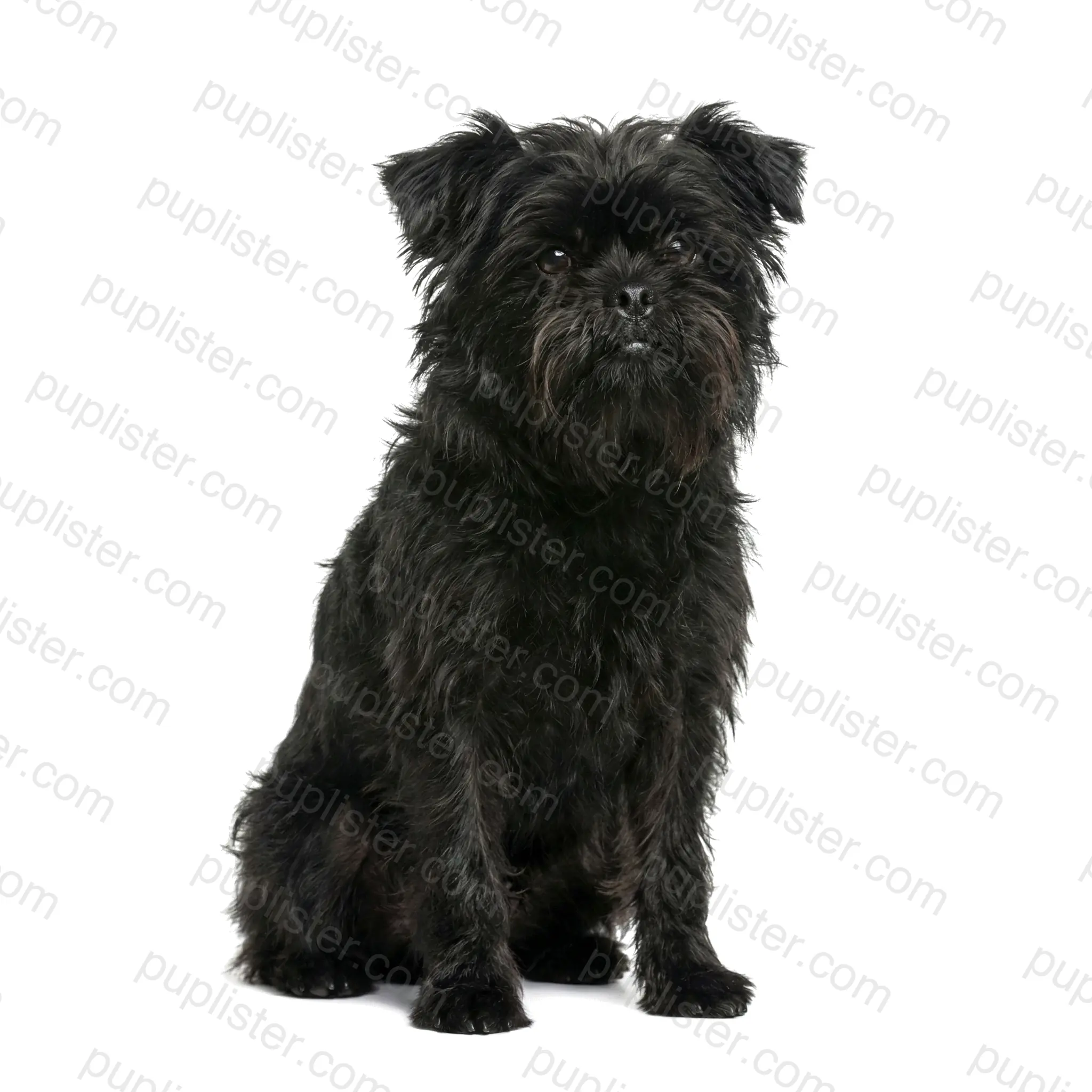
Affenpinscher

2 pets available

1

About the Affenpinscher The Affenpinscher — often called the "Monkey Dog" for its comical, primate-like facial expression — is a small but sturdy toy breed that originated in Germany during the 17th century. Originally bred to hunt rats in kitchens, granaries, and stables, these wiry little terriers stand just 9–11.5 inches tall and weigh 7–10 pounds. Their rough, shaggy coat — typically black, though also found in gray, silver, red, and belge — frames a flat face with prominent dark eyes, bushy eyebrows, and a pronounced underbite that gives them their signature mischievous look.Temperament & PersonalityAffenpinschers are fearless, curious, and endlessly entertaining — they pack the confidence of a dog ten times their size into a tiny, wiry-haired package. They are fiercely loyal to their owners and surprisingly territorial, often standing their ground against much larger dogs without hesitation. While affectionate with their family, they can be possessive of their toys and food, and their stubborn, independent streak means they prefer to make their own decisions rather than blindly follow commands.ProsCompact size and moderate exercise needs — ideal for apartment livingLow-shedding, wiry coat that is relatively easy to maintain with weekly brushingEntertaining and comical personality — they are natural performers who love an audienceExcellent watchdog despite small size — alert and vocal about anything unusualConsStubborn and difficult to housetrain — patience and consistency are essentialNot ideal for families with very young children — can be snappy if handled roughlyProne to brachycephalic breathing issues, patellar luxation, and heart murmursStrong prey drive toward small animals — will chase squirrels, hamsters, and birds relentlesslyLooking for a tiny dog with a big personality? Browse adoptable Affenpinschers on Puplister and find your perfect match.

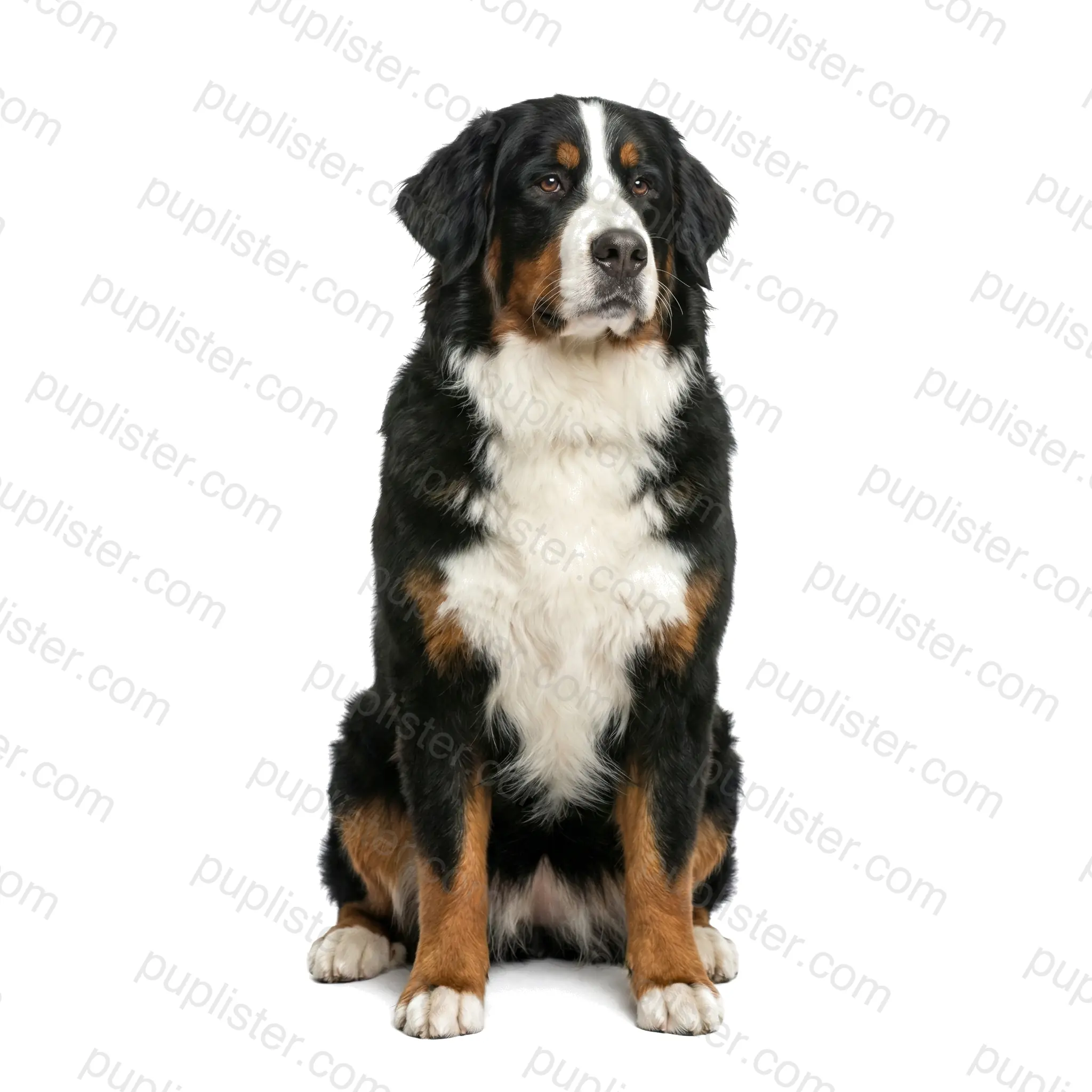
Bernese Mountain Dog

1 pet available

About the Bernese Mountain Dog The Bernese Mountain Dog — or Berner — originated in the Swiss Alps near the city of Bern, where it served as a versatile farm dog capable of drafting, herding, and guarding. These gentle giants stand 23–27.5 inches tall and weigh 70–115 pounds, with a sturdy, well-balanced frame built for mountain work. Their striking tri-color coat — jet black with rich rust and crisp white markings — is long, thick, and slightly wavy, designed to insulate against harsh alpine winters.Temperament & PersonalityBerners are calm, affectionate, and exceptionally good-natured — they are one of the most family-friendly large breeds, renowned for their patience and gentleness with children. They are eager to please and respond well to positive training methods, though they mature slowly and retain puppyish behavior longer than many breeds. They are friendly with other dogs and even cats, and their calm demeanor makes them excellent therapy dogs.ProsExceptionally gentle and patient with children — a true family dogEager to please and highly trainable with positive reinforcementCalm, steady temperament that adapts well to household routinesBeautiful, majestic appearance that commands admiration wherever they goConsTragically short lifespan — averaging only 6–8 years due to high cancer ratesHeavy shedding, especially during seasonal changes, requiring frequent groomingProne to hip and elbow dysplasia, histiocytic sarcoma, and bloatLarge size and drooling tendencies make them poorly suited for small living spacesBerners fill homes with warmth and love — discover adoptable Bernese Mountain Dogs on Puplister and welcome one into your family.

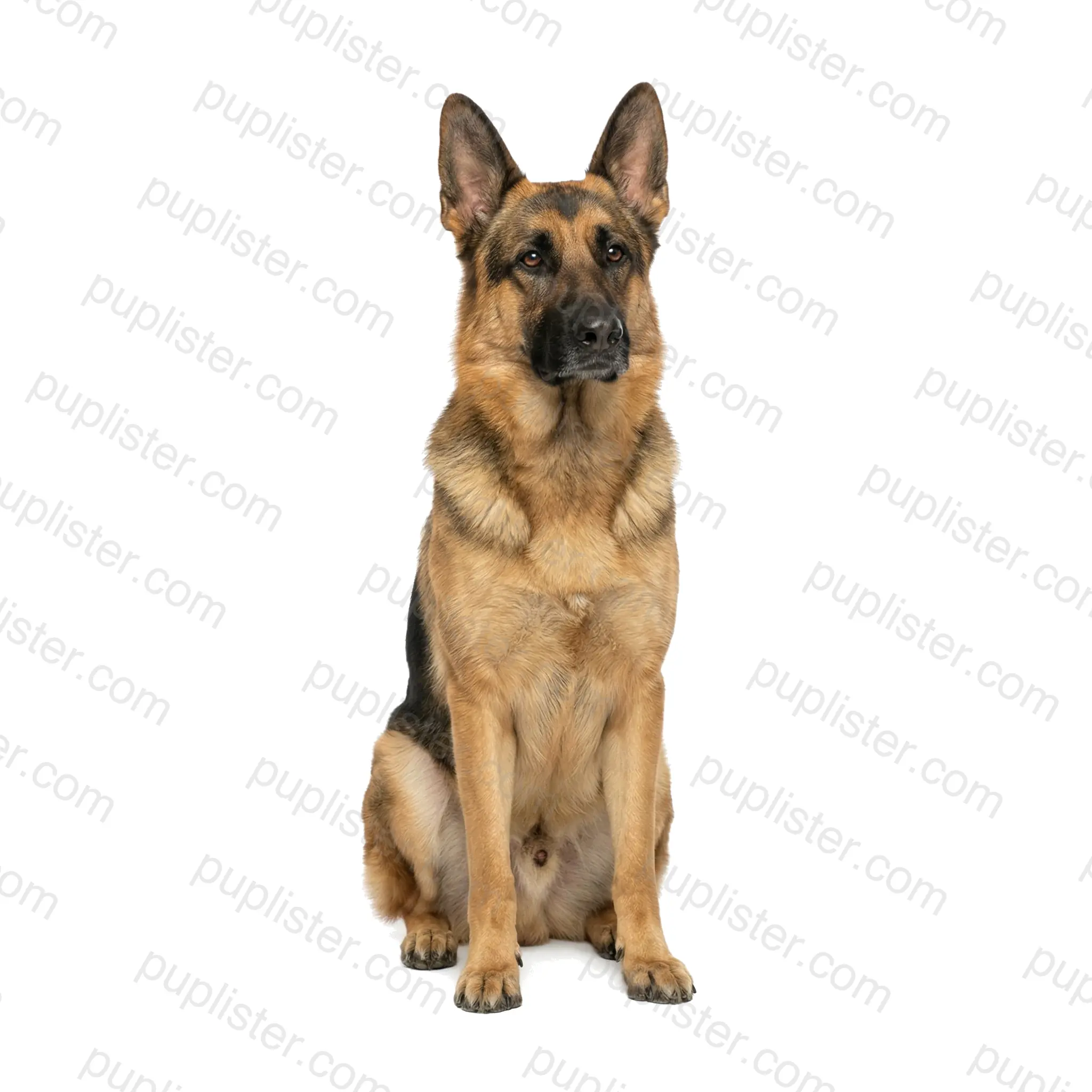
German Shepherd Dog

246 pets available

2

About the German Shepherd Dog The German Shepherd Dog — created by Captain Max von Stephanitz in 1899 — was meticulously developed to be the ultimate herding and working dog, combining intelligence, strength, and versatility in one powerful package. Standing 22–26 inches tall and weighing 50–90 pounds, this noble breed has a dense double coat most commonly seen in black and tan, though sable, all-black, and bi-color variations also occur. German Shepherds are the world's leading police, military, and service dog breed — a testament to their extraordinary trainability and work ethic.Temperament & PersonalityGerman Shepherds are confident, courageous, and deeply loyal — forming an unbreakable bond with their handler or family. They are naturally protective and will position themselves between their family and any perceived threat without hesitation. With proper socialization, they are excellent with children in their household — patient and watchful — though their herding instinct may lead them to nip at the heels of running kids.ProsAmong the top 3 most intelligent breeds — capable of learning complex tasks and commandsVersatile working ability — excels in protection, search and rescue, detection, and service rolesLoyal and naturally protective — an outstanding family guardian without excessive aggressionAthletic and eager to participate in virtually any outdoor activity with their ownerConsHigh incidence of hip and elbow dysplasia — especially in poorly bred linesSheds profusely year-round with intense seasonal "coat blows" twice yearlyProne to degenerative myelopathy — a progressive spinal cord disease with no cureRequires significant daily exercise and mental stimulation — at least 90 minutes — or develops neurotic behaviorsFind a loyal and capable German Shepherd Dog ready to join your family — start your search on Puplister.

Rhodesian Ridgeback

8 pets available

About the Rhodesian Ridgeback The Rhodesian Ridgeback was developed in southern Africa by European settlers who crossed their dogs with the semi-domesticated ridged hunting dogs of the Khoikhoi people, creating a versatile hunter capable of tracking and holding lions at bay. These powerful, athletic dogs stand 24 to 27 inches tall and weigh 70 to 85 pounds, with a sleek, muscular physique built for speed and endurance. Their short, dense coat is light wheaten to red wheaten, and the breed's hallmark is a distinctive ridge of hair growing in the opposite direction along the spine. Temperament & Personality Rhodesian Ridgebacks are dignified, strong-willed, and intensely loyal — they form deep bonds with their families while maintaining an aloof independence with strangers. They are gentle and patient with children in their own household but possess a powerful protective instinct that requires experienced handling and thorough socialization. Ridgebacks are not typically aggressive but have a commanding presence and will not back down from a challenge if provoked. Pros Athletic and versatile — excels as a running, hiking, and lure coursing partnerLow-maintenance coat with minimal shedding and grooming needsNaturally clean breed with little doggy odorQuiet and dignified — rarely barks without good reason Cons Strong-willed and dominant — requires experienced, confident ownershipHigh prey drive makes them a risk around cats and small animalsProne to dermoid sinus (a congenital spinal defect unique to the breed), hip dysplasia, and bloatCan be destructive and escape-prone if under-exercised or bored The Rhodesian Ridgeback is a majestic, loyal guardian for the right home — find yours on Puplister.

Related Articles

Frequently Asked Questions

What are the key traits of a Labrador Retriever?
The Labrador Retriever is known for being friendly, outgoing, active and gentle.
How many Labrador Retrievers are available for adoption?
There are currently 294 Labrador Retrievers available for adoption on Puplister. Browse the listings above to find your perfect match.
How do I adopt a Labrador Retriever from Puplister?
To adopt a Labrador Retriever, browse the available listings on this page, click on a pet you're interested in, and contact the shelter directly through their profile page.