Cheapest Ways to Adopt a Dog Near You
Discover the cheapest ways to adopt a dog near you, from understanding the real value of adoption fees to insider tips for finding low-cost dogs.
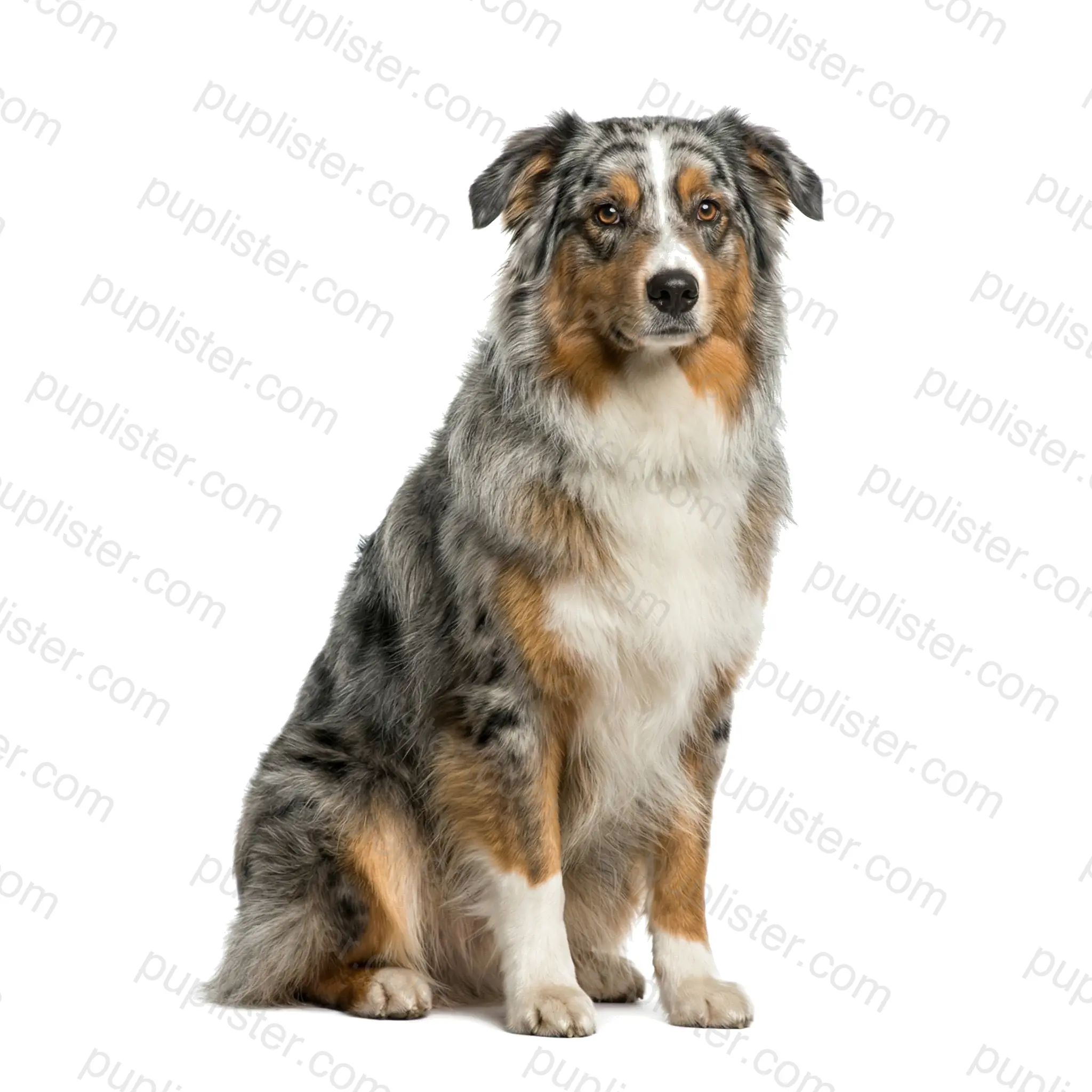
Despite its name, the Australian Shepherd was actually developed in the western United States during the 19th century, likely from Basque shepherd dogs that passed through Australia on their way to America. These versatile herding dogs stand 18–23 inches tall and weigh 40–65 pounds, with a medium-length double coat that comes in four recognized colors — black, blue merle, red, and red merle — often with striking copper and white markings. Their coats are weather-resistant and require regular brushing to manage moderate-to-heavy shedding.
Australian Shepherds are brilliant, energetic, and deeply devoted to their families — they thrive when given a purpose and can become anxious or destructive without one. They are excellent with children, often naturally herding and watching over younger family members. Aussies are typically friendly with other dogs but can be reserved with strangers, and their intelligence makes them exceptionally responsive to training.
Aussies are incredible partners for active families — discover adoptable Australian Shepherds waiting for you on Puplister.
Answer 5 quick questions to see how well this breed matches your lifestyle.
2 pets available
About the Samoyed The Samoyed takes its name from the Samoyedic peoples of Siberia, who relied on these dogs for herding reindeer, pulling sleds, and providing warmth in temperatures reaching minus 60 degrees Fahrenheit for over 3,000 years. These striking dogs stand 19 to 23.5 inches tall and weigh 35 to 65 pounds, with a strong, graceful build beneath their profuse coat. Their thick, brilliant white double coat — sometimes with biscuit or cream shading — and characteristic upturned "Sammy smile" make them one of the most beautiful breeds in existence. Temperament & Personality Samoyeds are friendly, gentle, and perpetually cheerful — bred to live and work in close quarters with humans, they crave companionship and involvement in family activities. They are wonderful with children, welcoming to strangers, and generally amiable with other dogs — making them poor guard dogs but outstanding family companions. Their intelligence and independent spirit mean they need engaging training methods, as they bore quickly with repetitive exercises. Pros Perpetually happy disposition — the "Sammy smile" reflects a genuinely joyful temperamentExcellent with children and other pets — one of the friendliest breedsHypoallergenic-type coat produces less dander despite heavy sheddingHardy and athletic — thrives in cold climates and loves outdoor winter activities Cons Extreme shedding — the voluminous coat blows out twice yearly in spectacular fashionProne to hip dysplasia, progressive retinal atrophy, and Samoyed hereditary glomerulopathyTendency to dig, chew, and bark when bored or left aloneSuffers significantly in hot climates and requires climate-controlled environments That radiant Samoyed smile could light up your life — browse Samoyeds available for adoption on Puplister.
52 pets available
About the Staffordshire Bull Terrier The Staffordshire Bull Terrier was developed in 19th-century England's Staffordshire region from crosses between Bulldogs and various terriers, originally bred for bull-baiting and later as a compact, agile fighting dog — a history that belies its true nature as a devoted family companion. These muscular, athletic dogs stand 14 to 16 inches tall and weigh 24 to 38 pounds, packed with surprising strength and agility in a compact frame. Their smooth, short coat comes in red, fawn, white, black, blue, or brindle — with or without white markings. Temperament & Personality Staffordshire Bull Terriers are affectionate, courageous, and remarkably gentle with people — earning the nickname "nanny dog" in England for their extraordinary patience and devotion to children. They adore human companionship, are playful well into adulthood, and form intensely loyal bonds with their families. While they can be assertive with other dogs, proper socialization from puppyhood typically produces a confident, well-adjusted adult that gets along with everyone. Pros Exceptionally affectionate and gentle with children and family membersCompact, muscular build well-suited for smaller homes and apartmentsLow-maintenance coat requiring only occasional brushingBrave and loyal — a devoted companion that thrives on human interaction Cons Can be dog-aggressive without careful socialization and managementBreed-specific legislation and housing restrictions in many jurisdictionsProne to hip and elbow dysplasia, L-2 hydroxyglutaric aciduria, and cataractsStrong and powerful — requires owners who can provide firm, consistent leadership Staffies are among the most devoted family dogs in existence — find a Staffordshire Bull Terrier on Puplister and see for yourself.
3 pets available
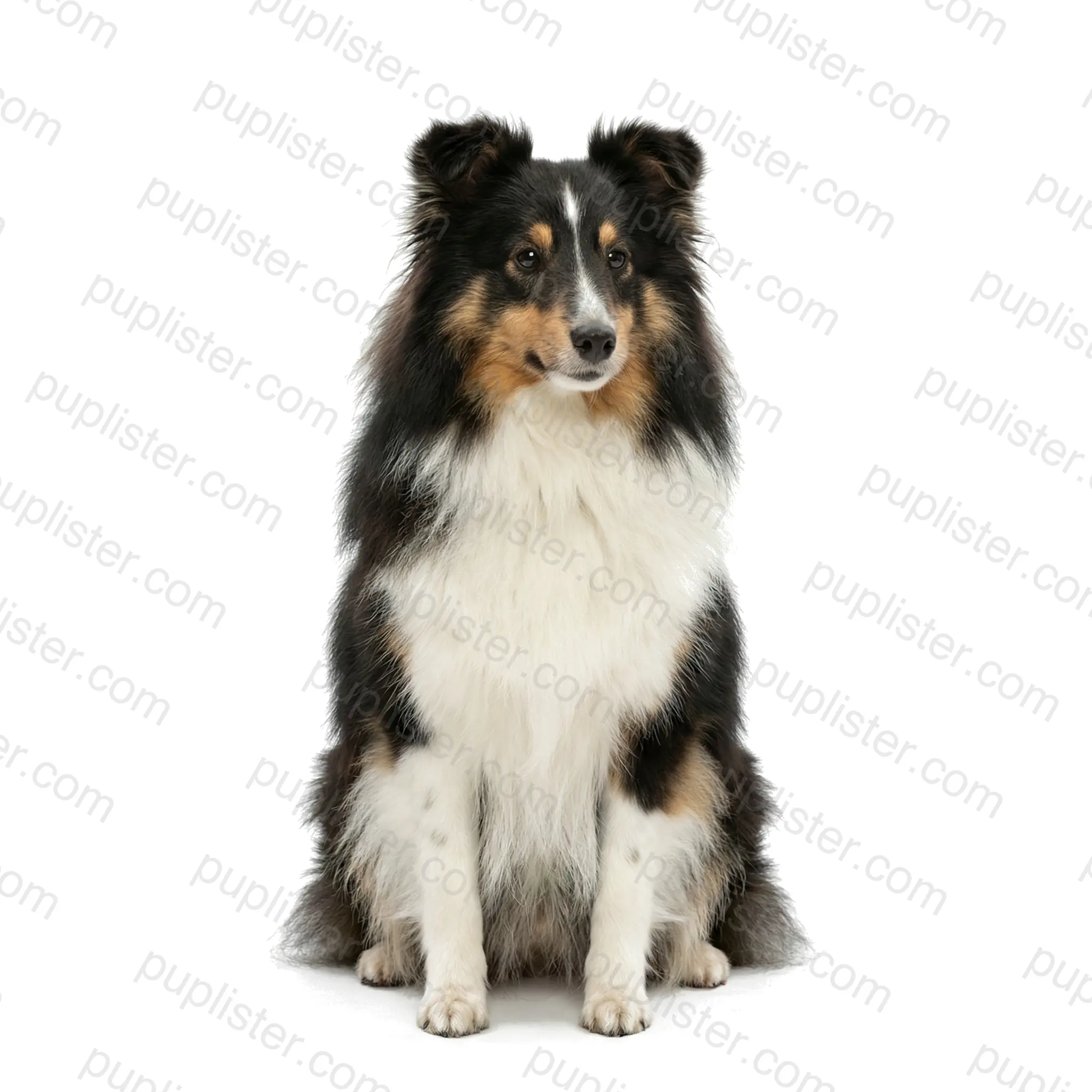
About the Shetland Sheepdog The Shetland Sheepdog — or "Sheltie" — was developed on Scotland's remote Shetland Islands, where harsh conditions favored smaller, efficient herding dogs that could thrive on limited resources. Standing 13 to 16 inches tall and weighing 15 to 25 pounds, Shelties resemble a miniature Rough Collie but are a distinct breed with their own standard and lineage. Their abundant double coat features a long, straight outer layer and dense undercoat, coming in sable, black, and blue merle — all typically with white and tan markings. Temperament & Personality Shetland Sheepdogs are incredibly intelligent, sensitive, and eager to please — consistently ranked among the top 10 most trainable dog breeds in the world. They are devoted to their families and particularly gentle with children, often forming an especially strong bond with one household member. Shelties can be reserved with strangers and may bark to alert their family, but their sensitivity and willingness to learn make them wonderful companions for patient, attentive owners. Pros Exceptionally intelligent — excels in agility, obedience, and herding competitionsGentle, affectionate, and outstanding with childrenCompact size with all the beauty and grace of a CollieLoyal and deeply bonded to their family Cons Heavy shedding — the dense double coat requires frequent brushing and sheds year-roundProne to excessive barking, especially when excited or alertingSusceptible to Collie eye anomaly, hip dysplasia, and dermatomyositisCan be timid and fearful without proper early socialization Shelties combine beauty, brains, and devotion in one elegant package — explore Shetland Sheepdog adoption options on Puplister.
5 pets available
About the Alaskan Malamute The Alaskan Malamute is one of the oldest Arctic sled dog breeds, developed by the Mahlemut Inuit people of northwestern Alaska for hauling heavy loads across vast frozen landscapes. These powerful dogs stand 23–25 inches tall and weigh 75–100 pounds, with a sturdy, well-muscled frame built for endurance rather than speed. Their dense double coat — featuring colors like gray-and-white, sable-and-white, and all-white — is designed to withstand temperatures well below zero.Temperament & PersonalityMalamutes are friendly, affectionate, and pack-oriented — they thrive on human companionship and genuinely love being part of the family. Unlike their Husky cousins, Malamutes tend to be more calm and dignified, though they retain a playful streak well into adulthood. They are generally good with children but possess a strong prey drive toward smaller animals, and their pack mentality can lead to dominance challenges with other dogs.ProsAffectionate and people-oriented — they adore spending time with their familyExcellent hiking and outdoor adventure companion with remarkable enduranceFriendly disposition toward humans, including strangersStrong work ethic makes them excel in weight-pulling and carting activitiesConsExtreme shedding — the dense undercoat blows out twice yearly, producing massive amounts of furNot suited for warm climates and can overheat easilyNotorious escape artists — they can dig under or climb over fencesProne to hip dysplasia, cataracts, and hypothyroidismLooking for a loyal adventure partner? Check out adoptable Alaskan Malamutes on Puplister and start your journey together.
Discover the cheapest ways to adopt a dog near you, from understanding the real value of adoption fees to insider tips for finding low-cost dogs.
Learn the easy steps to transfer dog microchip after adoption. This guide covers finding info, contacting registries, and overcoming common hurdles.
Understand the full dog adoption costs beyond the initial fee, including ongoing care, unexpected expenses, and a 5-year financial forecast.
Foster-to-adopt offers a trial period to see if a dog is the right fit, bridging temporary care and permanent adoption for a happy home.