Cheapest Ways to Adopt a Dog Near You
Discover the cheapest ways to adopt a dog near you, from understanding the real value of adoption fees to insider tips for finding low-cost dogs.
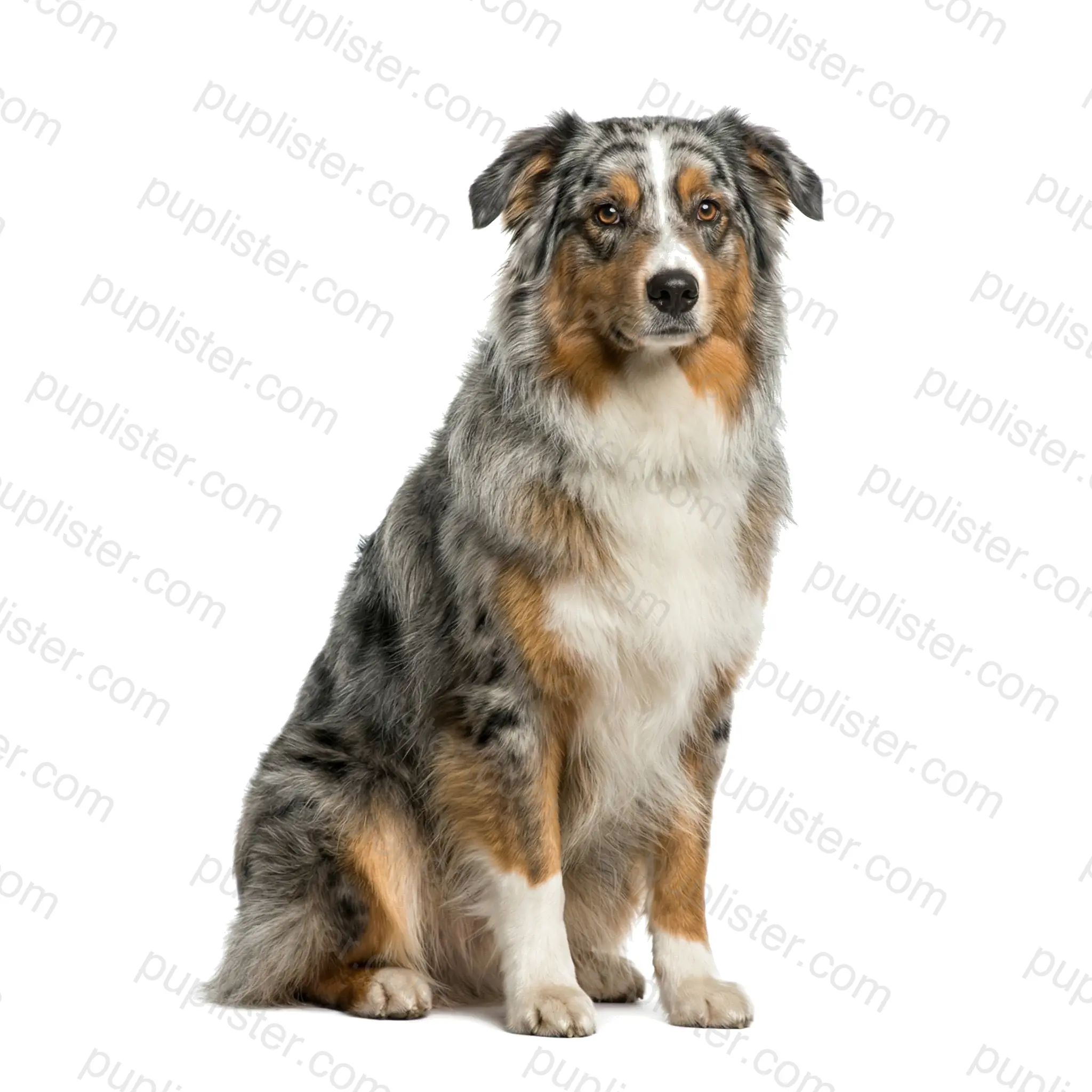
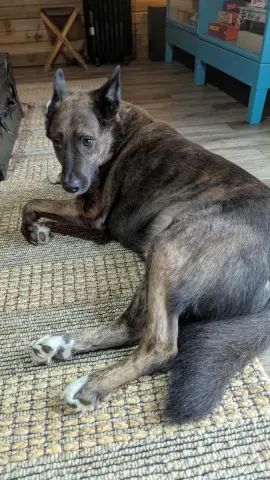
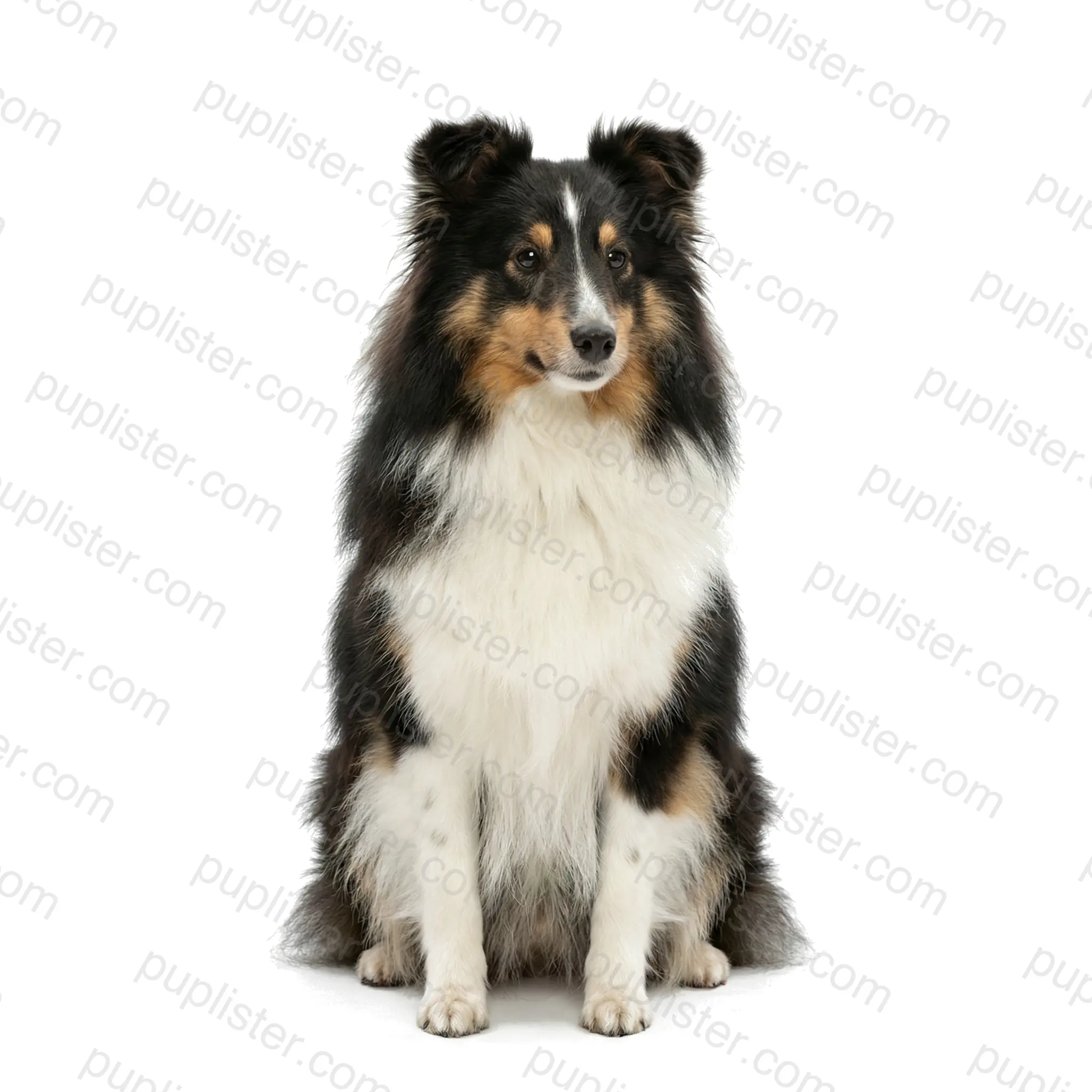
Despite its name, the Australian Shepherd was actually developed in the western United States during the 19th century, likely from Basque shepherd dogs that passed through Australia on their way to America. These versatile herding dogs stand 18–23 inches tall and weigh 40–65 pounds, with a medium-length double coat that comes in four recognized colors — black, blue merle, red, and red merle — often with striking copper and white markings. Their coats are weather-resistant and require regular brushing to manage moderate-to-heavy shedding.
Australian Shepherds are brilliant, energetic, and deeply devoted to their families — they thrive when given a purpose and can become anxious or destructive without one. They are excellent with children, often naturally herding and watching over younger family members. Aussies are typically friendly with other dogs but can be reserved with strangers, and their intelligence makes them exceptionally responsive to training.
Aussies are incredible partners for active families — discover adoptable Australian Shepherds waiting for you on Puplister.
Answer 5 quick questions to see how well this breed matches your lifestyle.
German Shepherd Dog / Australian Shepherd
Australian Shepherd / Mixed
9 pets available
About the Goldendoodle The Goldendoodle — a deliberate cross between the Golden Retriever and Standard Poodle — emerged in the 1990s as breeders sought to combine the Golden's gentle temperament with the Poodle's low-shedding coat. They range widely in size — Miniature (15–35 pounds), Medium (35–50 pounds), and Standard (50–90 pounds) — standing anywhere from 13 to 24 inches tall depending on the Poodle parent's size. Their coats vary from wavy to curly in shades of cream, gold, apricot, red, chocolate, and black, with texture depending on which parent's genes dominate.Temperament & PersonalityGoldendoodles typically inherit the best of both parent breeds — the Golden's gentle, people-loving nature combined with the Poodle's keen intelligence and playful spirit. They are outgoing, social dogs that get along beautifully with children, other pets, and strangers, making them popular therapy and emotional support dogs. Their enthusiasm for life and goofy antics make them endlessly entertaining family companions.ProsLow to moderate shedding — curlier coats are more suitable for allergy-sensitive householdsInherits intelligence from both parent breeds — highly trainable and responsiveFriendly, gentle temperament makes them excellent therapy and emotional support dogsAvailable in multiple sizes to suit different living situations — from apartments to farmsConsCoat requires professional grooming every 6–8 weeks — annual grooming costs of $500–$1,200No breed standard means unpredictable size, coat type, and temperament — especially in early generationsCan inherit health issues from both parent breeds — hip dysplasia, eye problems, and von Willebrand'sHigh demand has led to irresponsible breeding practices — finding a reputable breeder requires diligenceA Goldendoodle might be the perfect blend of brains and love for your family — search available dogs on Puplister.
5 pets available
About the Brussels Griffon The Brussels Griffon — or Griffon Bruxellois — originated in Brussels, Belgium, where it was initially bred as a stable ratter before becoming a beloved companion of Belgian nobility in the 19th century. These tiny, expressive dogs stand 7–10 inches tall and weigh 8–10 pounds, with a sturdy, thickset body that carries surprising heft for their size. They come in two coat varieties — rough (wiry, dense) and smooth (short, glossy) — in colors including red, beige, black-and-tan, and solid black.Temperament & PersonalityBrussels Griffons are spirited, curious, and remarkably self-important — they carry themselves with a confidence that far exceeds their diminutive stature. They form intense bonds with their primary person and can be quite demanding of attention, often described as "velcro dogs." While they can be good with older, respectful children, their small size and sometimes snappish nature make them unsuitable for households with toddlers or rough-handling youngsters.ProsCompact size makes them ideal for apartment and city livingHighly expressive and entertaining — their almost-human facial expressions are endlessly charmingAlert and vocal enough to serve as effective little watchdogsThe rough coat variety is low-shedding, suitable for those sensitive to pet hairConsCan be difficult to housebreak — patience and consistency are essentialProne to separation anxiety and may bark excessively when left aloneFragile build makes them vulnerable to injury from rough play or fallsBrachycephalic features contribute to respiratory issues, heat sensitivity, and eye problemsThese tiny dogs have enormous personalities — discover adoptable Brussels Griffons on Puplister and meet your perfect pint-sized companion.
22 pets available
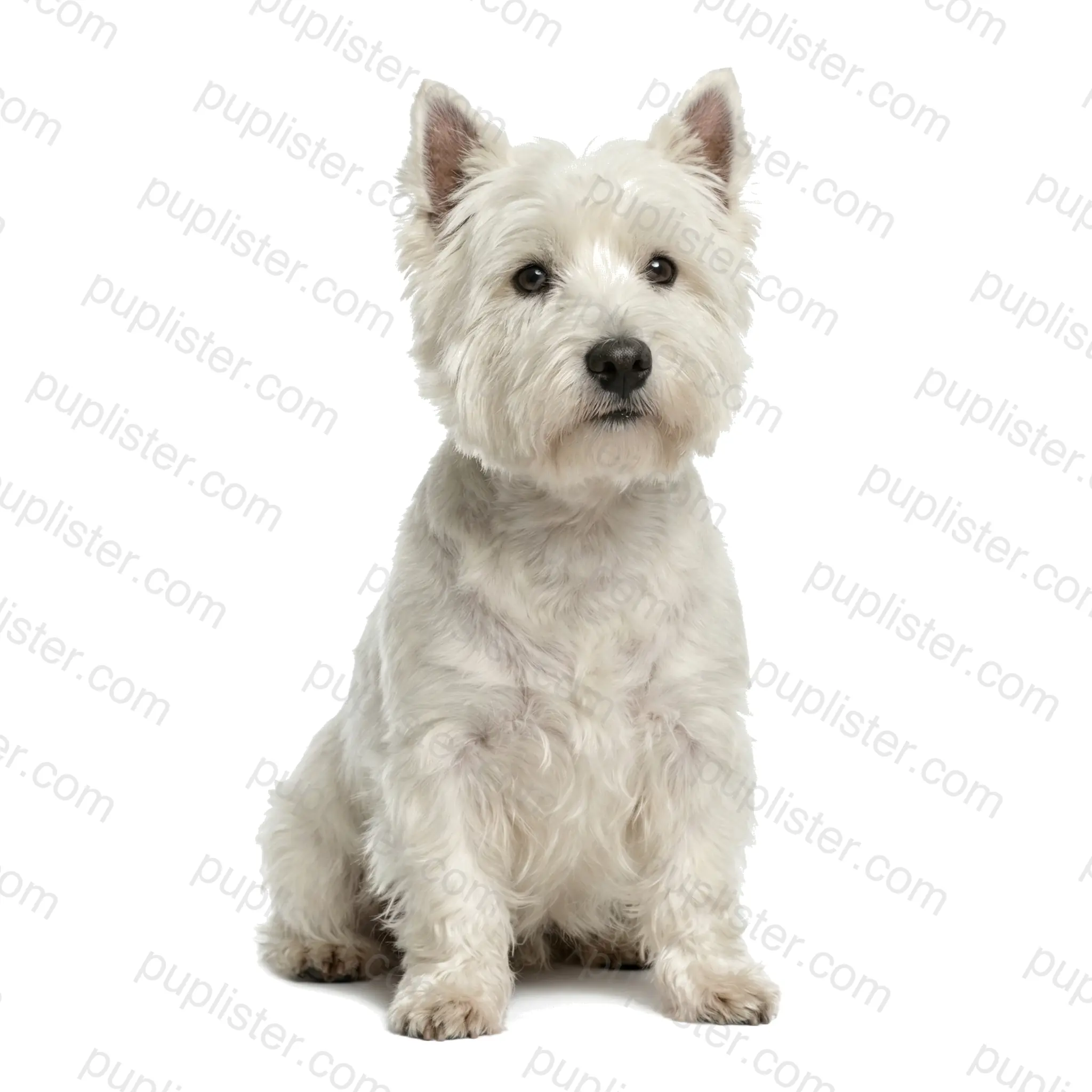
About the Jack Russell Terrier The Jack Russell Terrier was developed in 19th-century England by Reverend John Russell, who bred a strain of fox-working terriers designed to bolt foxes from their dens without injuring them. Standing 10–15 inches tall and weighing 13–17 pounds, these compact, muscular terriers have a predominantly white coat — smooth, rough, or broken — with tan, black, or tricolor markings. Their small size is deceptive — Jack Russells pack the energy, drive, and determination of a dog twice their size into a remarkably athletic frame.Temperament & PersonalityJack Russell Terriers are fearless, intense, and almost comically confident — they live life at full throttle and expect their owners to keep up. They are clever problem-solvers with an independent streak that makes them entertaining but challenging to manage for inexperienced owners. While loyal and affectionate with their families, their terrier temperament means they can be snappy with young children and combative with other dogs.ProsExceptional athleticism — excel in agility, flyball, and barn hunt competitionsHardy, healthy breed with a long lifespan of 13–16 years and few genetic health issuesSmall enough for apartment living but robust enough for outdoor adventuresAlert and vigilant watchdogs — nothing escapes their noticeConsAstonishing energy level — requires far more exercise than most owners expect from a small dogCan jump up to 5 feet high and dig under fences — expert escape artistsStrong prey drive and aggression toward small animals — not safe with cats, rabbits, or rodentsStubborn and independent — can be difficult to train despite high intelligenceIf you want a small dog with a big personality and boundless energy, search Jack Russells on Puplister.
13 pets available
About the Cocker Spaniel The American Cocker Spaniel — the smallest of the sporting breeds — descended from English Cocker Spaniels brought to North America in the late 1800s and was developed as both a skilled bird flusher and an adoring family companion. Standing 13.5–15.5 inches tall and weighing 20–30 pounds, the Cocker Spaniel is known for its luxurious, silky coat that comes in black, ASCOB (any solid color other than black), and parti-color varieties. Their large, soulful dark eyes and perpetually wagging tail have made them one of America's most beloved breeds for decades.Temperament & PersonalityCocker Spaniels are the quintessential happy dog — eager to please, gentle, and brimming with affection for everyone they meet. They thrive on human companionship and are wonderful with children, other dogs, and even cats when properly introduced. Their sensitive nature means they respond best to positive reinforcement and can become anxious or submissive if treated harshly.ProsGentle, merry temperament makes them one of the best breeds for families with young childrenHighly trainable and eager to please — excel in obedience and agilityAdaptable to apartment living provided they receive daily walks and playFriendly with strangers, other dogs, and household pets — rarely aggressiveConsCoat requires professional grooming every 4–6 weeks plus daily brushing to prevent mattingProne to chronic ear infections due to long, heavy ear flaps that trap moistureHigh incidence of eye conditions including cataracts, glaucoma, and cherry eyeSome lines suffer from "rage syndrome" — sudden unprovoked aggression linked to poor breedingReady to welcome a joyful, tail-wagging Cocker Spaniel into your life? Find your perfect match on Puplister.
Discover the cheapest ways to adopt a dog near you, from understanding the real value of adoption fees to insider tips for finding low-cost dogs.
Learn the easy steps to transfer dog microchip after adoption. This guide covers finding info, contacting registries, and overcoming common hurdles.
Understand the full dog adoption costs beyond the initial fee, including ongoing care, unexpected expenses, and a 5-year financial forecast.
Foster-to-adopt offers a trial period to see if a dog is the right fit, bridging temporary care and permanent adoption for a happy home.