Australian Shepherd Australian Shepherd

Australian Shepherd

47
Smart Exuberant Work-oriented Loyal

About the Australian Shepherd

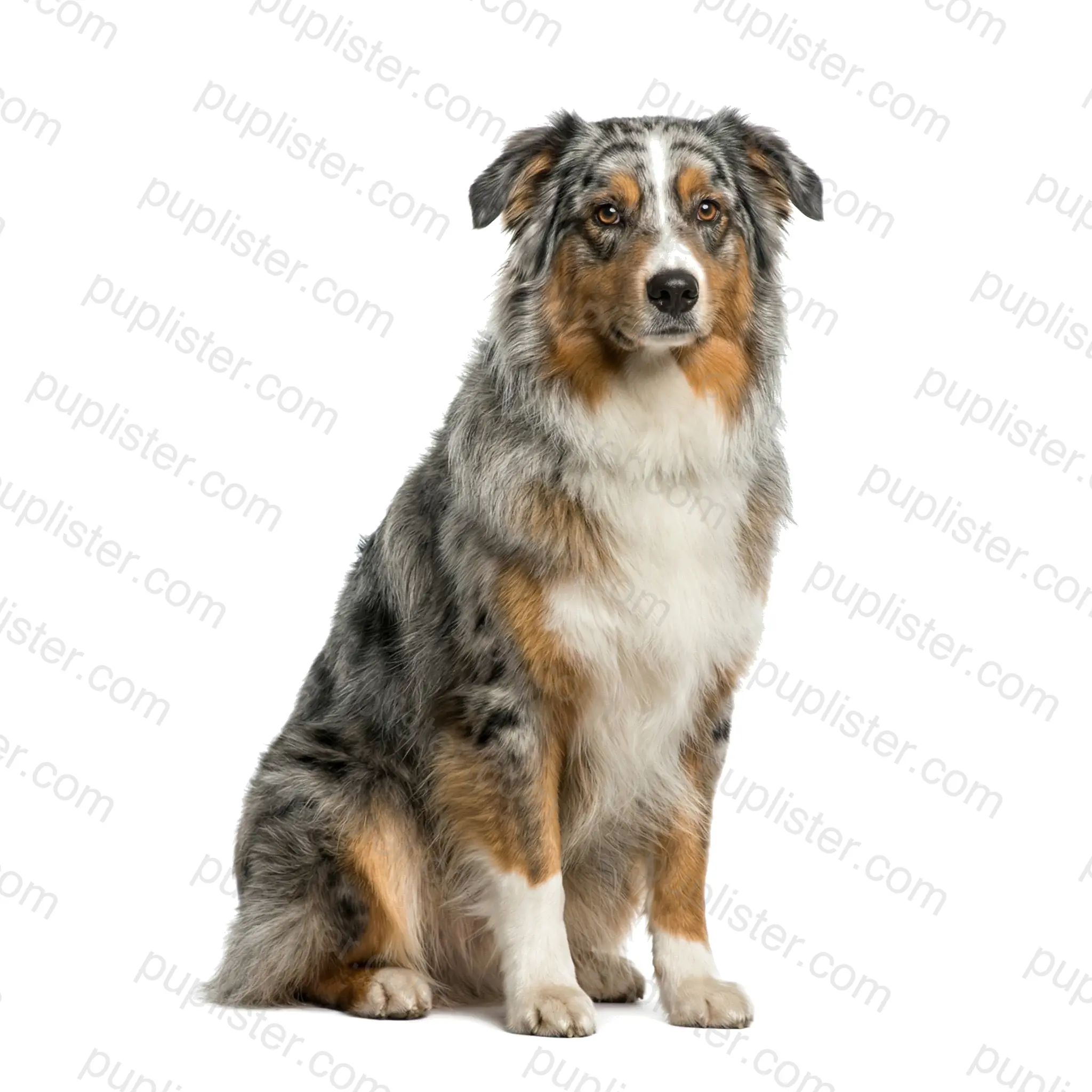
Despite its name, the Australian Shepherd was actually developed in the western United States during the 19th century, likely from Basque shepherd dogs that passed through Australia on their way to America. These versatile herding dogs stand 18–23 inches tall and weigh 40–65 pounds, with a medium-length double coat that comes in four recognized colors — black, blue merle, red, and red merle — often with striking copper and white markings. Their coats are weather-resistant and require regular brushing to manage moderate-to-heavy shedding.

Temperament & Personality

Australian Shepherds are brilliant, energetic, and deeply devoted to their families — they thrive when given a purpose and can become anxious or destructive without one. They are excellent with children, often naturally herding and watching over younger family members. Aussies are typically friendly with other dogs but can be reserved with strangers, and their intelligence makes them exceptionally responsive to training.

Pros

  • One of the most intelligent and trainable breeds — excels in agility, flyball, and herding
  • Loyal and affectionate family companion who bonds closely with all household members
  • Versatile working dog adaptable to ranch life, sport, or active suburban living
  • Beautiful, eye-catching coat with striking color variations including heterochromia

Cons

  • Demands extensive daily exercise and mental engagement — easily 1–2 hours minimum
  • Heavy shedding, especially during seasonal coat changes
  • May herd children, cats, and other pets by nipping at heels
  • Prone to epilepsy, hip dysplasia, and the MDR1 gene mutation affecting drug sensitivity

Aussies are incredible partners for active families — discover adoptable Australian Shepherds waiting for you on Puplister.

Australian Shepherd Quick Facts

Size
40–65 lbs, 18–23 in
Lifespan
12–15 years
Exercise
Very High
Grooming
Moderate
Good with Kids
Yes
Good with Pets
Yes

Is the Australian Shepherd right for you?

Answer 5 quick questions to see how well this breed matches your lifestyle.

Take the Quiz

Available Australian Shepherds

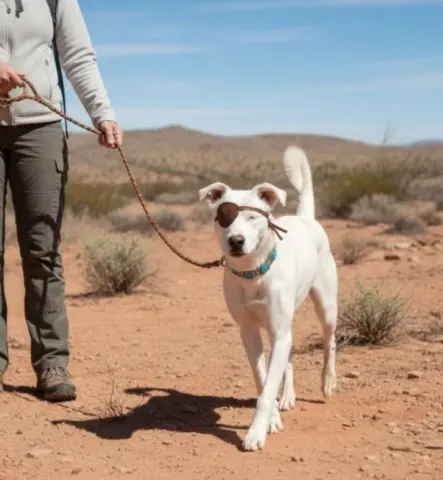
Frosty
Adult 2
Frosty
M

Australian Shepherd

Desert Paws · Pena Blanca, NM
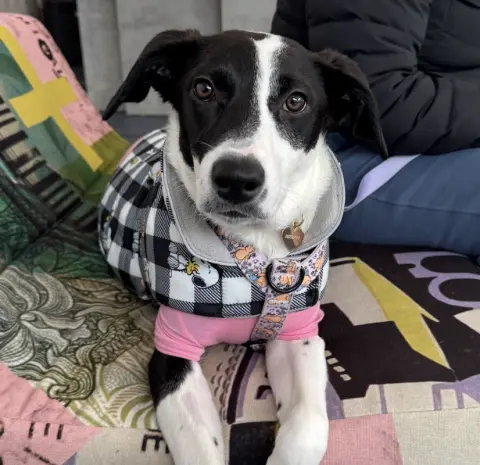
Marshmello
Baby 3

Australian Shepherd / Mixed

Benevolent Animal Rescue Committee · Cherry Valley, CA
Teo
Senior 2
Teo
M

Australian Shepherd

Broward County Animal Care & Regulation · Fort Lauderdale, FL
Fitz
Senior 1
Fitz
M

Australian Shepherd / Mixed

Rescue Dogs Rock · New York, NY

Related Breeds

Vizsla
Vizsla Dog

6 pets available

10

About the Vizsla The Vizsla is Hungary's national dog, with origins tracing back over 1,000 years to the Magyar tribes who settled the Carpathian Basin and needed a versatile pointer-retriever for the plains. These lean, athletic dogs stand 21 to 24 inches tall and weigh 44 to 60 pounds, with a distinctively sleek, muscular build and an elegant, ground-covering gait. Their short, smooth coat comes exclusively in various shades of golden rust — from sandy gold to deep russet — with no undercoat, giving them a clean, low-maintenance appearance. Temperament & Personality Vizslas are affectionate, energetic, and extraordinarily people-oriented — often called "Velcro dogs" because they want to be in constant physical contact with their owners. They are gentle and patient with children, friendly with other dogs, and possess a sensitivity that makes them responsive to their family's moods. Vizslas form such intense bonds that they can suffer severe separation anxiety if left alone regularly — they truly need to be included in daily family life. Pros Exceptionally affectionate and forms deep, devoted bonds with familyVersatile athlete — excels in hunting, agility, dock diving, and trackingLow-maintenance coat with minimal shedding and no doggy odorGentle, sensitive nature makes them excellent therapy dogs Cons Severe separation anxiety — cannot tolerate being left alone for long periodsExtremely high exercise needs — requires 1 to 2 hours of vigorous activity dailyProne to epilepsy, hip dysplasia, and lymphosarcomaThin coat and low body fat make them uncomfortable in cold weather If you want a devoted, athletic companion who'll never leave your side, find your Vizsla on Puplister.

Siberian Husky

148 pets available

283

About the Siberian Husky The Siberian Husky was developed over thousands of years by the Chukchi people of northeastern Siberia as an endurance sled dog capable of pulling light loads over vast frozen distances in extreme cold. These athletic, medium-sized dogs stand 20 to 23.5 inches tall and weigh 35 to 60 pounds, with a graceful, effortless gait that reflects their incredible stamina. Their thick double coat comes in virtually every color from pure white to black, often with striking facial markings, and their eyes can be brown, blue, or even one of each (heterochromia). Temperament & Personality Siberian Huskies are friendly, outgoing, and mischievous — pack-oriented dogs that love people and make terrible guard dogs because they greet everyone like a long-lost friend. They are playful and gentle with children and generally good with other dogs, though their high prey drive makes them a risk around cats and small animals. Huskies are intelligent but famously independent, preferring to make their own decisions rather than follow commands — a trait that requires patience and humor from their owners. Pros Friendly, social, and gentle with children and strangers alikeNaturally clean with little doggy odor — self-grooming like a catOutstanding endurance athlete for running, hiking, and winter sportsHealthy breed with a lifespan of 12 to 14 years Cons Extreme shedding — blows the entire undercoat twice yearly in massive quantitiesLegendary escape artists — can jump fences, dig under them, and open latchesStrong prey drive makes them dangerous around cats, rabbits, and small animalsNot suited for hot climates and requires air conditioning in warm regions The Siberian Husky's adventurous spirit and stunning beauty are irresistible — find Huskies seeking forever homes on Puplister.

Soft Coated Wheaten Terrier

3 pets available

31

About the Soft Coated Wheaten Terrier The Soft Coated Wheaten Terrier originated in Ireland over 200 years ago as an all-purpose farm dog — herding livestock, guarding property, and dispatching vermin, earning it the nickname "the poor man's wolfhound." These medium-sized dogs stand 17 to 19 inches tall and weigh 30 to 40 pounds, with a sturdy, compact build beneath their distinctive coat. Their single-layer, silky, wavy coat matures from a dark puppy color to its signature warm wheaten gold by about two years of age — and unlike most terriers, it is soft rather than wiry. Temperament & Personality Soft Coated Wheaten Terriers are exuberant, affectionate, and joyful — known for their characteristic "Wheaten greeting" where they enthusiastically jump up to lick faces, which can be endearing or problematic depending on the recipient. They are deeply devoted to their families, excellent with children, and more tolerant of other dogs than many terrier breeds. Their happy, bouncy energy remains well into adulthood, and they approach life with an infectious enthusiasm that brightens any household. Pros Single coat sheds minimally — more suitable for allergy-sensitive householdsFriendly and exuberant — loves people and gets along with children and other dogsLess aggressive and territorial than many other terrier breedsVersatile and athletic — enjoys agility, hiking, and active family life Cons Coat requires daily brushing and regular professional grooming to prevent mattingProne to protein-losing nephropathy and protein-losing enteropathy — serious breed-specific conditionsJumping and exuberant greeting behavior can be difficult to manageCan be stubborn during training and requires patient, consistent methods The Wheaten Terrier's joyful spirit and soft golden coat are hard to resist — discover available Wheatens on Puplister.

Shih Tzu
Shih Tzu Dog

33 pets available

42

About the Shih Tzu The Shih Tzu — meaning "lion dog" in Mandarin — was bred for centuries within the walls of the Chinese imperial palace, likely from crosses between the Lhasa Apso and the Pekingese. These small, sturdy dogs stand 9 to 10.5 inches tall and weigh 9 to 16 pounds, with a slightly longer body than they are tall and a proud, flowing gait. Their luxurious double coat grows continuously and can reach floor length, coming in virtually every color and combination, with a distinctive chrysanthemum-like pattern on the face where hair grows in all directions. Temperament & Personality Shih Tzus are affectionate, outgoing, and delightfully playful — bred solely as companion dogs, they have centuries of experience perfecting the art of being a devoted lapdog. They are friendly with nearly everyone, including children, strangers, and other pets, making them one of the most sociable toy breeds available. Shih Tzus are happy, adaptable, and surprisingly sturdy for their size, with a mischievous charm that keeps their families entertained. Pros Exceptionally friendly and sociable with people of all ages and other animalsLow exercise requirements — short walks and indoor play satisfy their needsMinimal shedding when coat is kept in a shorter "puppy clip"Adaptable and content in apartments, condos, and any living situation Cons Long coat demands daily brushing or frequent professional groomingBrachycephalic structure contributes to breathing issues and heat intoleranceProne to eye problems (proptosis, corneal ulcers), ear infections, and dental diseaseCan be stubborn about housetraining — patience and consistency are essential A Shih Tzu's sole mission in life is to love and be loved — find yours waiting on Puplister today.

Related Articles

Frequently Asked Questions

What are the key traits of a Australian Shepherd?
The Australian Shepherd is known for being smart, exuberant, work-oriented and loyal.
How many Australian Shepherds are available for adoption?
There are currently 60 Australian Shepherds available for adoption on Puplister. Browse the listings above to find your perfect match.
How do I adopt a Australian Shepherd from Puplister?
To adopt a Australian Shepherd, browse the available listings on this page, click on a pet you're interested in, and contact the shelter directly through their profile page.