Australian Shepherd Australian Shepherd

Australian Shepherd

Smart Exuberant Work-oriented Loyal

About the Australian Shepherd

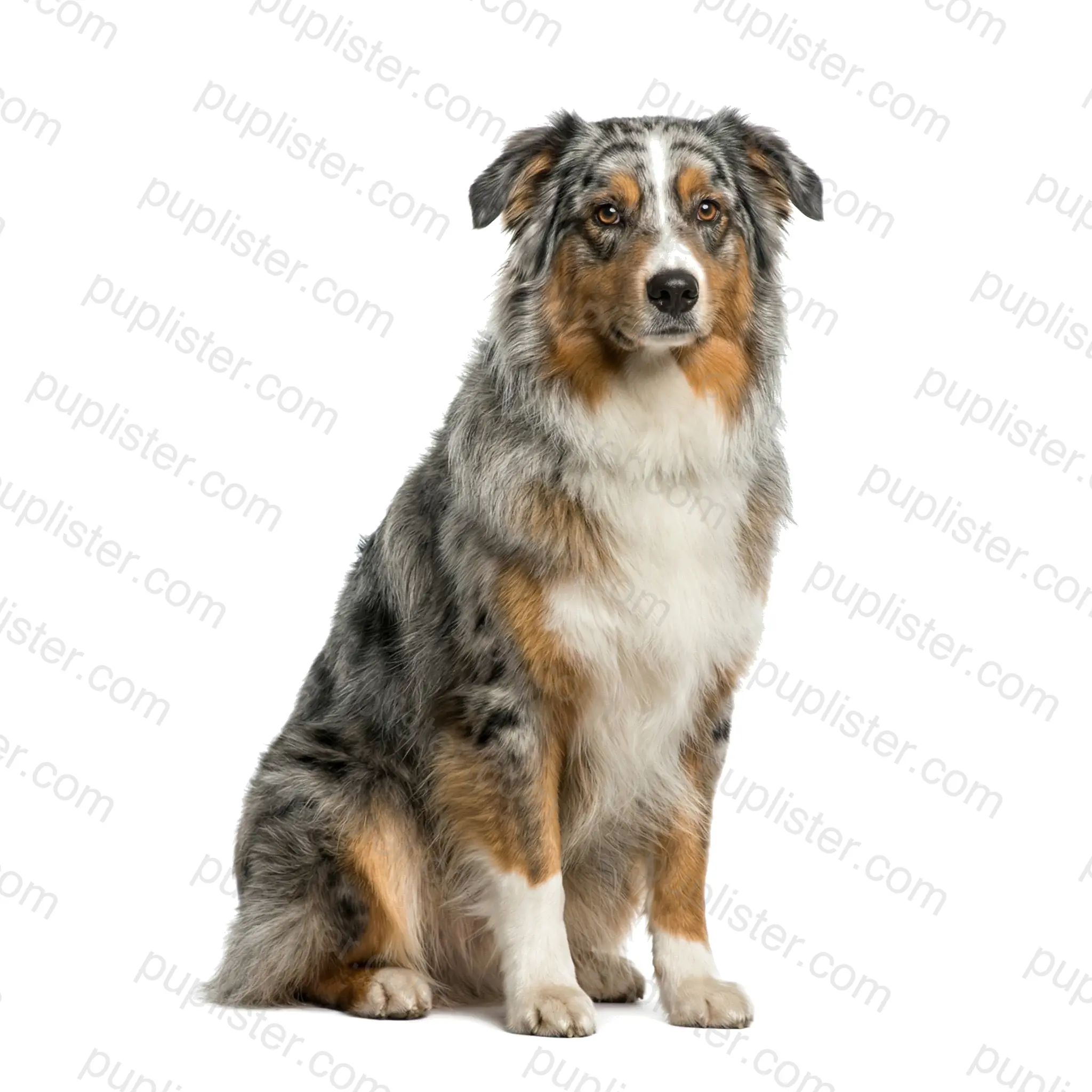
Despite its name, the Australian Shepherd was actually developed in the western United States during the 19th century, likely from Basque shepherd dogs that passed through Australia on their way to America. These versatile herding dogs stand 18–23 inches tall and weigh 40–65 pounds, with a medium-length double coat that comes in four recognized colors — black, blue merle, red, and red merle — often with striking copper and white markings. Their coats are weather-resistant and require regular brushing to manage moderate-to-heavy shedding.

Temperament & Personality

Australian Shepherds are brilliant, energetic, and deeply devoted to their families — they thrive when given a purpose and can become anxious or destructive without one. They are excellent with children, often naturally herding and watching over younger family members. Aussies are typically friendly with other dogs but can be reserved with strangers, and their intelligence makes them exceptionally responsive to training.

Pros

  • One of the most intelligent and trainable breeds — excels in agility, flyball, and herding
  • Loyal and affectionate family companion who bonds closely with all household members
  • Versatile working dog adaptable to ranch life, sport, or active suburban living
  • Beautiful, eye-catching coat with striking color variations including heterochromia

Cons

  • Demands extensive daily exercise and mental engagement — easily 1–2 hours minimum
  • Heavy shedding, especially during seasonal coat changes
  • May herd children, cats, and other pets by nipping at heels
  • Prone to epilepsy, hip dysplasia, and the MDR1 gene mutation affecting drug sensitivity

Aussies are incredible partners for active families — discover adoptable Australian Shepherds waiting for you on Puplister.

Australian Shepherd Quick Facts

Size
40–65 lbs, 18–23 in
Lifespan
12–15 years
Exercise
Very High
Grooming
Moderate
Good with Kids
Yes
Good with Pets
Yes

Is the Australian Shepherd right for you?

Answer 5 quick questions to see how well this breed matches your lifestyle.

Take the Quiz

Available Australian Shepherds

Brody
Baby
Brody
S

Australian Shepherd

Magnificent Mutts Rescue · Hillside, IL
Liio
Adult
Liio
M

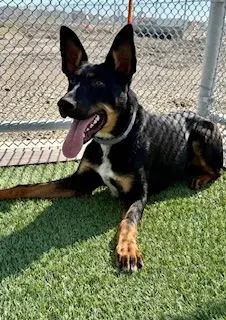
Australian Shepherd / German Shepherd Dog

Rescue Rovers Dog Adoptions · Sandy, UT
Layla
Young
Layla
M

Australian Shepherd

Animal House Shelter · Huntley, IL
Comet
Baby
Comet
M

Australian Cattle Dog / Australian Shepherd

Hoovers Hause All Dog Rescue · Genesee, WI
Lainey
Young
Lainey
M

Poodle / Australian Shepherd

REACH Rescue · Mundelein, IL
Rebecca
Adult

Australian Shepherd

Long Beach Animal Care Services · Long Beach, CA
Adelaide
Young

Australian Shepherd / Australian Cattle Dog

Animal Sanctuary Society · Mount Laurel, NJ
Lucy
Young
Lucy
M

Labrador Retriever / Australian Shepherd

Animal House Shelter · Huntley, IL
Salee
Baby
Salee
S

Australian Cattle Dog / Australian Shepherd

The Animal Rescue Alliance · Raytown, MO

Related Breeds

Weimaraner

4 pets available

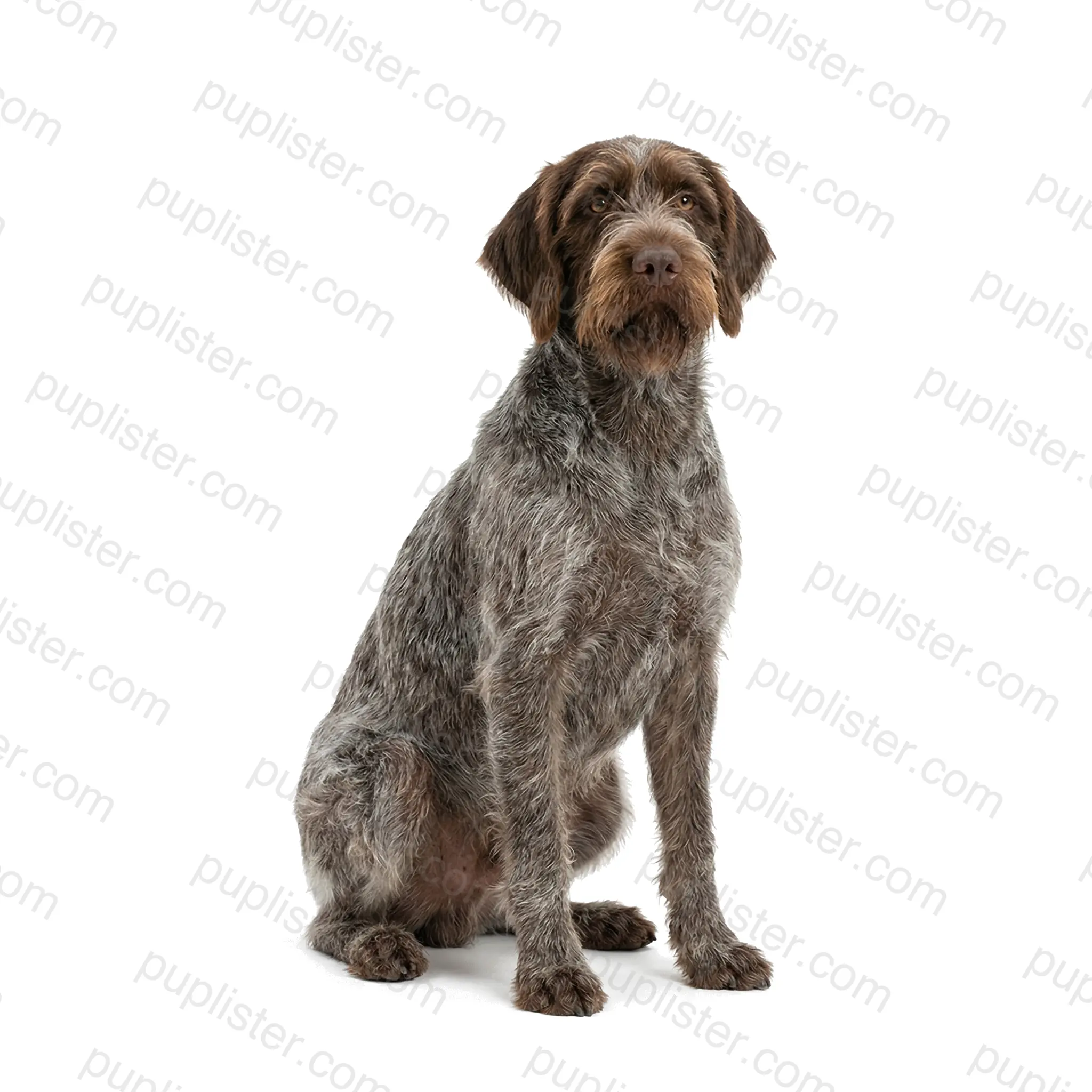
About the Weimaraner The Weimaraner was developed in the early 19th century at the court of Weimar in Germany, where nobles bred these dogs to hunt large game — boar, bear, and deer — before transitioning them to bird dog duties as large game became scarce. These striking, athletic dogs stand 23 to 27 inches tall and weigh 55 to 90 pounds, with a sleek, powerful build designed for speed and endurance. Their distinctive short, smooth coat comes in shades of mouse-gray to silver-gray — earning them the nickname "Gray Ghost" — complemented by striking amber or blue-gray eyes. Temperament & Personality Weimaraners are fearless, friendly, and intensely devoted to their families — they crave human companionship and do not do well as kennel or outdoor-only dogs. They are energetic and playful with children, generally sociable with other dogs, and possess an intelligence that demands both physical and mental outlets. Without adequate exercise and attention, Weimaraners become anxious, destructive, and can develop severe behavioral problems. Pros Strikingly beautiful with an unmistakable silver-gray appearanceVersatile sporting dog — excellent for hunting, running, and competitive eventsHighly intelligent and trainable with consistent, positive methodsShort coat requires minimal grooming and sheds only moderately Cons Extreme separation anxiety — one of the most prone breeds to this conditionRequires intense daily exercise — 2 or more hours of vigorous activity is typicalProne to bloat (gastric torsion), hip dysplasia, and hyperuricosuriaCan be destructive on a grand scale when bored or anxious — has been known to eat through drywall The "Gray Ghost" is a magnificent companion for the active and committed — discover Weimaraners on Puplister.

Belgian Malinois

71 pets available

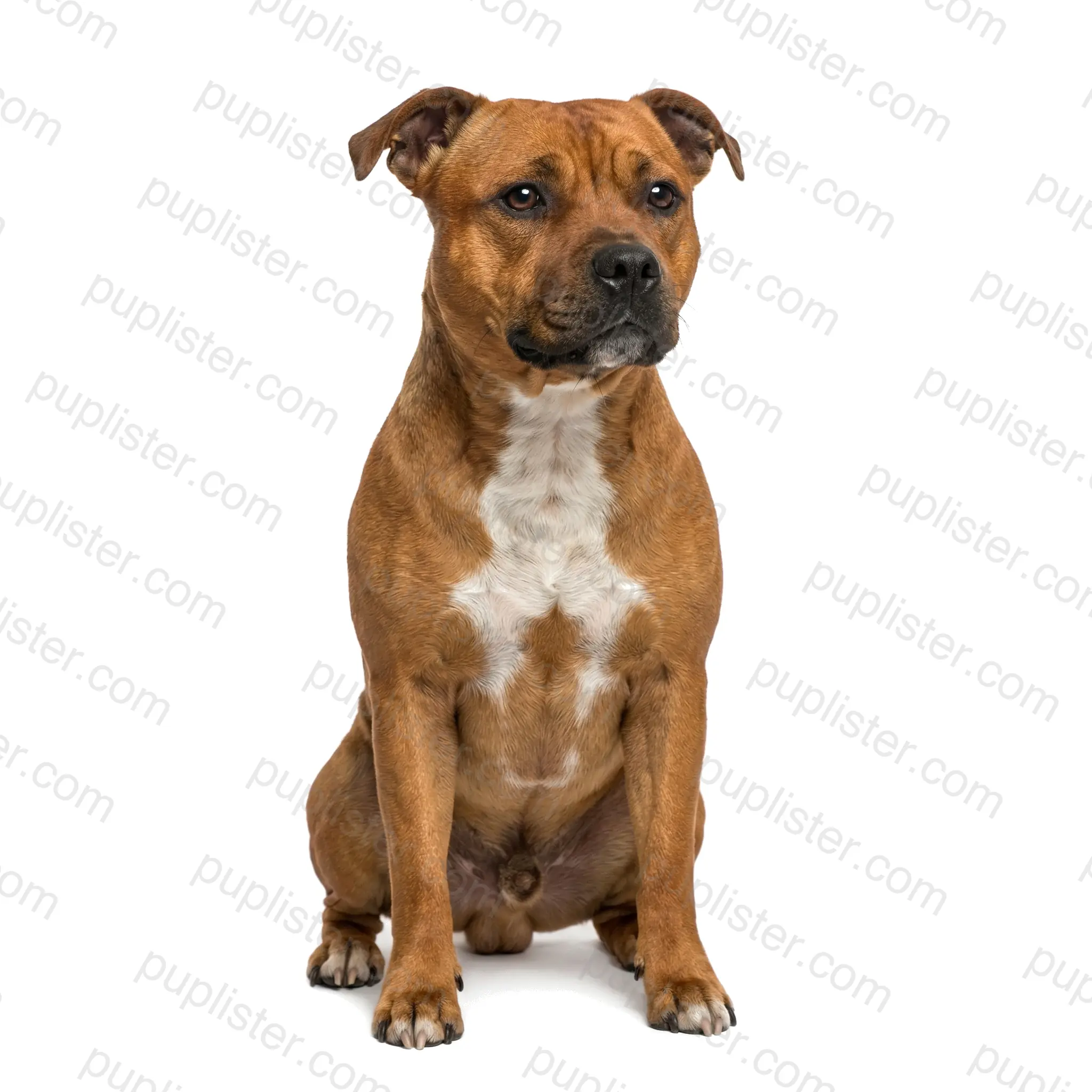
About the Belgian Malinois The Belgian Malinois hails from the city of Malines in Belgium, where it was developed in the late 1800s as a versatile herding and working dog. Standing 22–26 inches tall and weighing 40–80 pounds, the Malinois is a lean, athletic dog with a square build and an alert, intelligent expression. Their short, straight double coat comes in rich fawn to mahogany with a distinctive black mask and ear tips, and while they shed year-round, grooming needs are minimal.Temperament & PersonalityBelgian Malinois are driven, intense, and extraordinarily intelligent — they are the breed of choice for military, police, and protection work worldwide. They form incredibly strong bonds with their handler and are always eager to work, making them outstanding training partners for experienced owners. However, their intensity and high drive are not for casual pet owners — without proper outlets, a Malinois can become neurotic, destructive, or reactive.ProsUnmatched work ethic and trainability — excels in virtually every canine sport and jobFiercely loyal and protective without being unnecessarily aggressiveAthletic and agile with exceptional speed and enduranceLower incidence of hip dysplasia compared to similar-sized breeds like the German ShepherdConsExtremely high energy and drive — requires several hours of physical and mental exercise dailyNot suitable for first-time dog owners or sedentary householdsCan become reactive or fearful without extensive, early socializationProne to progressive retinal atrophy, elbow dysplasia, and sensitivity to anesthesiaThe Belgian Malinois is a remarkable breed for the right owner — find adoptable Malinois on Puplister who are looking for their forever mission.

Italian Greyhound

2 pets available

About the Italian Greyhound The Italian Greyhound — a miniaturized version of the Greyhound — has been a prized companion of nobility for over 2,000 years, favored by the likes of Frederick the Great, Queen Victoria, and Catherine the Great. Standing 13–15 inches tall and weighing just 7–14 pounds, this dainty sighthound has a short, satiny coat in shades of fawn, cream, red, blue, black, and various combinations — always with an elegant, high-stepping gait that exudes refinement. Their slender, graceful build and deer-like appearance make them one of the most aesthetically striking toy breeds.Temperament & PersonalityItalian Greyhounds are affectionate, playful, and surprisingly mischievous — alternating between bursts of zoomie energy and hours of burrowing under blankets for warmth. They bond intensely with their owners and can be clingy — often insisting on being held, carried, or curled up in their person's lap. While sweet with family, they tend to be reserved or shy around strangers and may tremble when overstimulated or anxious.ProsElegant, low-shedding coat that produces minimal dander — suitable for many allergy sufferersCompact size and moderate exercise needs make them ideal apartment companionsDeeply affectionate and bonded to their owners — devoted lapdogsLong lifespan of 14–15 years with proper care and dental maintenanceConsExtremely fragile bones — leg fractures are common, especially in puppies and young adultsAmong the most difficult small breeds to housebreak — many owners resort to indoor potty solutionsSensitive to cold — requires sweaters, coats, and warm sleeping arrangements year-roundProne to severe dental disease — often require multiple tooth extractions by middle ageSearching for an elegant, loving companion in a tiny package? Browse Italian Greyhounds on Puplister.

Collie
Collie Dog

28 pets available

About the Collie The Collie — immortalized by the fictional Lassie — originated in Scotland and northern England as a supremely capable herding dog guarding flocks across rugged highland terrain. Standing 22–26 inches tall and weighing 50–75 pounds, the breed comes in two coat varieties — the iconic Rough Collie with its abundant mane and the sleeker Smooth Collie — in sable and white, tricolor, blue merle, and white colorations. Their wedge-shaped head, almond eyes, and graceful build give them an unmistakable elegance among herding breeds.Temperament & PersonalityCollies are among the most gentle and devoted of all breeds — known for their uncanny ability to sense their family's emotions and respond with quiet comfort. They are exceptionally patient with children and often take on a protective, nurturing role with the youngest family members. While friendly toward strangers, they'll alert you to anything unusual with a distinctive bark — though excessive barking can develop without training.ProsOne of the most naturally gentle and trustworthy breeds with children of all agesHighly intelligent and responsive to training — learn commands with minimal repetitionModerate exercise needs — satisfied with daily walks and yard play rather than intense activityClean dogs with little doggy odor despite their abundant coatsConsRough variety sheds heavily year-round and requires thorough brushing 2–3 times weeklyProne to Collie Eye Anomaly — a hereditary condition affecting up to 70% of the breedCan develop nuisance barking if bored or left alone frequentlySensitive to many common veterinary drugs due to the MDR1 gene mutationBring home a loyal and graceful Collie — explore adoptable Collies waiting for families on Puplister.

Related Articles

Frequently Asked Questions

What are the key traits of a Australian Shepherd?
The Australian Shepherd is known for being smart, exuberant, work-oriented and loyal.
How many Australian Shepherds are available for adoption?
There are currently 82 Australian Shepherds available for adoption on Puplister. Browse the listings above to find your perfect match.
How do I adopt a Australian Shepherd from Puplister?
To adopt a Australian Shepherd, browse the available listings on this page, click on a pet you're interested in, and contact the shelter directly through their profile page.