Australian Shepherd Australian Shepherd

Australian Shepherd

1
Smart Exuberant Work-oriented Loyal

About the Australian Shepherd

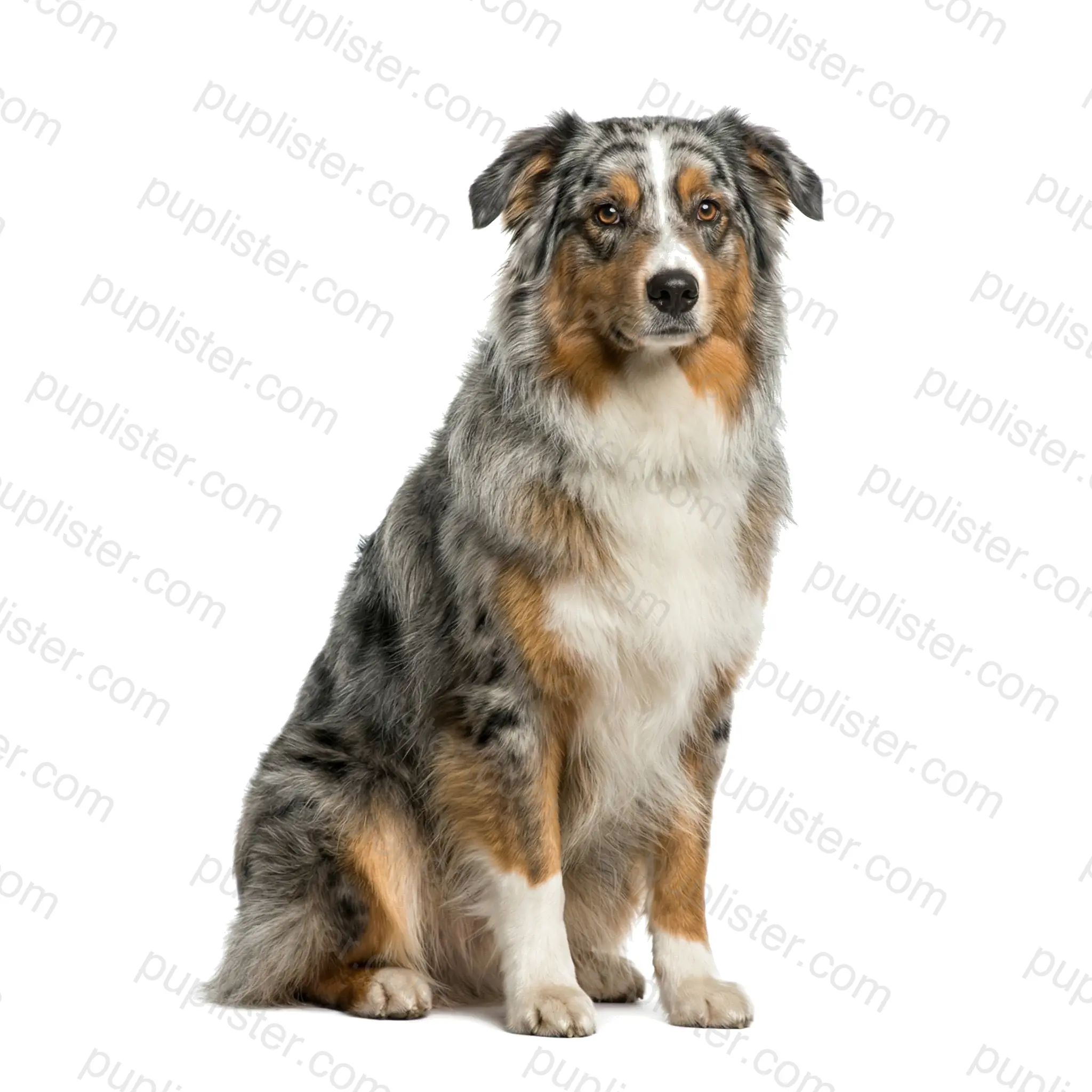
Despite its name, the Australian Shepherd was actually developed in the western United States during the 19th century, likely from Basque shepherd dogs that passed through Australia on their way to America. These versatile herding dogs stand 18–23 inches tall and weigh 40–65 pounds, with a medium-length double coat that comes in four recognized colors — black, blue merle, red, and red merle — often with striking copper and white markings. Their coats are weather-resistant and require regular brushing to manage moderate-to-heavy shedding.

Temperament & Personality

Australian Shepherds are brilliant, energetic, and deeply devoted to their families — they thrive when given a purpose and can become anxious or destructive without one. They are excellent with children, often naturally herding and watching over younger family members. Aussies are typically friendly with other dogs but can be reserved with strangers, and their intelligence makes them exceptionally responsive to training.

Pros

  • One of the most intelligent and trainable breeds — excels in agility, flyball, and herding
  • Loyal and affectionate family companion who bonds closely with all household members
  • Versatile working dog adaptable to ranch life, sport, or active suburban living
  • Beautiful, eye-catching coat with striking color variations including heterochromia

Cons

  • Demands extensive daily exercise and mental engagement — easily 1–2 hours minimum
  • Heavy shedding, especially during seasonal coat changes
  • May herd children, cats, and other pets by nipping at heels
  • Prone to epilepsy, hip dysplasia, and the MDR1 gene mutation affecting drug sensitivity

Aussies are incredible partners for active families — discover adoptable Australian Shepherds waiting for you on Puplister.

Australian Shepherd Quick Facts

Size
40–65 lbs, 18–23 in
Lifespan
12–15 years
Exercise
Very High
Grooming
Moderate
Good with Kids
Yes
Good with Pets
Yes

Is the Australian Shepherd right for you?

Answer 5 quick questions to see how well this breed matches your lifestyle.

Take the Quiz

Available Australian Shepherds

Lucy
Young
Lucy
M

Labrador Retriever / Australian Shepherd

Animal House Shelter · Huntley, IL
Salee
Baby
Salee
S

Australian Cattle Dog / Australian Shepherd

The Animal Rescue Alliance · Raytown, MO
Valentina
Young

Australian Shepherd / Mixed

Mostly Mutts Animal Rescue & Adoption · Kennesaw, GA
Rudy
Adult
Rudy
M

Australian Shepherd

Better Days · Scottsdale, AZ
Teo
Senior
Teo
M

Australian Shepherd

Broward County Animal Care And Regulation · Fort Lauderdale, FL
Rex
Baby
Rex
M

Australian Shepherd / Siberian Husky

Animal House Shelter · Huntley, IL
Macy
Young
Macy
M

Australian Shepherd

Pound Animals Worth Saving · Mesa, AZ
Fitz
Senior
Fitz
M

Australian Shepherd / Mixed

Rescue Dogs Rock · New York, NY
Pepper
Baby
Pepper
S

Australian Shepherd / American Pit Bull Terrier

Paws Across Pittsburgh · Springdale, PA
Gouda
Baby
Gouda
S

Australian Shepherd / American Pit Bull Terrier

Paws Across Pittsburgh · Springdale, PA
Jack
Baby
Jack
S

Australian Shepherd / American Pit Bull Terrier

Paws Across Pittsburgh · Springdale, PA
Colby
Baby
Colby
S

Australian Shepherd / American Pit Bull Terrier

Paws Across Pittsburgh · Springdale, PA

Related Breeds

Portuguese Water Dog

1 pet available

About the Portuguese Water Dog The Portuguese Water Dog was developed centuries ago along Portugal's coast, where it served as an indispensable fisherman's companion — herding fish into nets, retrieving lost tackle, and swimming messages between boats. These robust, medium-sized dogs stand 17 to 23 inches tall and weigh 35 to 60 pounds, with a strong, muscular build optimized for swimming. Their coat comes in two varieties — curly or wavy — in black, white, brown, or combinations thereof, and grows continuously like human hair rather than shedding seasonally. Temperament & Personality Portuguese Water Dogs are spirited, obedient, and deeply bonded to their families — they thrive on being included in activities and do not do well relegated to the backyard. They are playful and patient with children, typically friendly with other dogs, and possess an enthusiasm for life that is both infectious and demanding. Their intelligence and eagerness to work make them highly trainable, though they need a job or purpose to remain content. Pros Low-shedding, hypoallergenic-type coat suitable for many allergy sufferersOutstanding swimming ability and love of water activitiesHighly trainable, biddable, and eager to pleaseRobust health with a lifespan of 11 to 13 years Cons High exercise demands — needs vigorous daily activity including swimming when possibleCoat requires regular professional grooming every 4 to 6 weeksCan become mouthy and destructive if under-stimulated or left alone too longProne to hip dysplasia, progressive retinal atrophy, and GM1 storage disease A water-loving, people-devoted companion awaits — explore Portuguese Water Dog listings on Puplister.

Bulldog
Bulldog Dog

16 pets available

2

About the Bulldog The Bulldog — also known as the English Bulldog — traces its ancestry to 13th-century England, where its predecessors were used in the brutal sport of bull-baiting before the practice was outlawed in 1835. Today's Bulldog stands 14–15 inches tall and weighs 40–50 pounds, with a wide, low-slung, heavy-set body, a massive short-faced head, and the breed's trademark underbite and wrinkled face. Their short, smooth coat comes in red, white, fawn, fallow, and various brindle patterns, requiring minimal grooming beyond regular wrinkle cleaning.Temperament & PersonalityModern Bulldogs are gentle, dignified, and surprisingly affectionate — a far cry from their fierce bull-baiting ancestors. They are calm, patient, and excellent with children, earning them a reputation as one of the most dependable and predictable family companions. Bulldogs are sociable with other pets and typically friendly with strangers, though they can be courageous and protective when they sense a genuine threat to their family.ProsCalm, low-energy temperament — perfectly content with short walks and lots of couch timeExcellent apartment dog due to compact size and minimal exercise requirementsPatient and gentle with children, making them outstanding family petsMinimal grooming needs with their short, easy-care coatConsSevere brachycephalic syndrome causes chronic breathing difficulties, snoring, and heat intoleranceExtremely prone to health problems — including hip dysplasia, cherry eye, skin fold infections, and spinal issuesCannot tolerate heat or vigorous exercise and is at high risk of heatstrokeExpensive to own due to frequent veterinary visits and potential for costly surgical interventionsBulldogs may have special needs, but they repay every ounce of care with unwavering devotion — find adoptable Bulldogs on Puplister.

Fox Terrier

1 pet available

About the Fox Terrier The Fox Terrier — available in Smooth and Wire varieties — was originally bred in 18th-century England to bolt foxes from their dens during hunts. Standing 14–15.5 inches tall and weighing 15–18 pounds, these compact, muscular terriers are predominantly white with black, tan, or black-and-tan markings. The Wire Fox Terrier sports a dense, wiry coat with a distinctive beard and eyebrows, while the Smooth variety has a sleek, flat coat — both share the same fearless, high-energy temperament.Temperament & PersonalityFox Terriers are bold, curious, and endlessly entertaining — true terriers through and through with a mischievous streak that keeps their owners on their toes. They are alert, quick-witted dogs that approach life with infectious enthusiasm and a surprising amount of comedic timing. While affectionate with their families, they can be scrappy with other dogs and have an irrepressible urge to chase anything that moves.ProsEnergetic and entertaining companions — never a dull moment with a Fox TerrierExcellent watchdogs with a sharp, alert bark that deters intrudersWire variety has a hypoallergenic coat that sheds minimally when hand-strippedHardy, long-lived breed — typically 12–15 years with relatively few genetic health issuesConsStrong prey drive — will chase cats, squirrels, and small animals relentlesslyTendency to bark excessively — can be problematic in apartments or close-neighbor situationsCan be dog-aggressive and confrontational, especially with same-sex dogsExpert escape artists — will dig under or climb over fences with remarkable determinationIf you love spirited, fearless dogs with boundless personality, find Fox Terriers for adoption on Puplister.

Norwegian Elkhound

1 pet available

1

About the Norwegian Elkhound The Norwegian Elkhound is one of the oldest European breeds, with archaeological evidence dating its partnership with humans back over 6,000 years in Scandinavia. These medium-sized spitz-type dogs stand 19.5 to 20.5 inches tall and weigh 48 to 55 pounds, built for endurance in rugged terrain. Their dense, silver-gray double coat with black-tipped guard hairs and lighter undercoat provided vital insulation against harsh Nordic winters. Temperament & Personality Norwegian Elkhounds are bold, independent, and deeply loyal — bred to track moose and hold them at bay while alerting hunters with their distinctive bark. They are affectionate and playful with family members, including children, and possess a dignified confidence around strangers. Their independent nature means they think for themselves, which can be both endearing and challenging during training. Pros Hardy constitution with excellent stamina for hiking and outdoor adventuresLoyal and protective family companion with natural watchdog instinctsAdapts well to cold climates and enjoys winter activitiesRelatively healthy breed with a lifespan of 12 to 15 years Cons Heavy seasonal shedding — blows coat twice yearly in massive amountsIndependent and stubborn, requiring patient and consistent trainingHigh barking tendency — bred to bark while tracking gameProne to hip dysplasia, progressive retinal atrophy, and Fanconi syndrome If you love the outdoors and want a steadfast Nordic companion, explore Norwegian Elkhound listings on Puplister.

Related Articles

Frequently Asked Questions

What are the key traits of a Australian Shepherd?
The Australian Shepherd is known for being smart, exuberant, work-oriented and loyal.
How many Australian Shepherds are available for adoption?
There are currently 36 Australian Shepherds available for adoption on Puplister. Browse the listings above to find your perfect match.
How do I adopt a Australian Shepherd from Puplister?
To adopt a Australian Shepherd, browse the available listings on this page, click on a pet you're interested in, and contact the shelter directly through their profile page.