Cat Breeds
Explore our collection of cat breeds and find the perfect feline companion for your home.
130 pets available
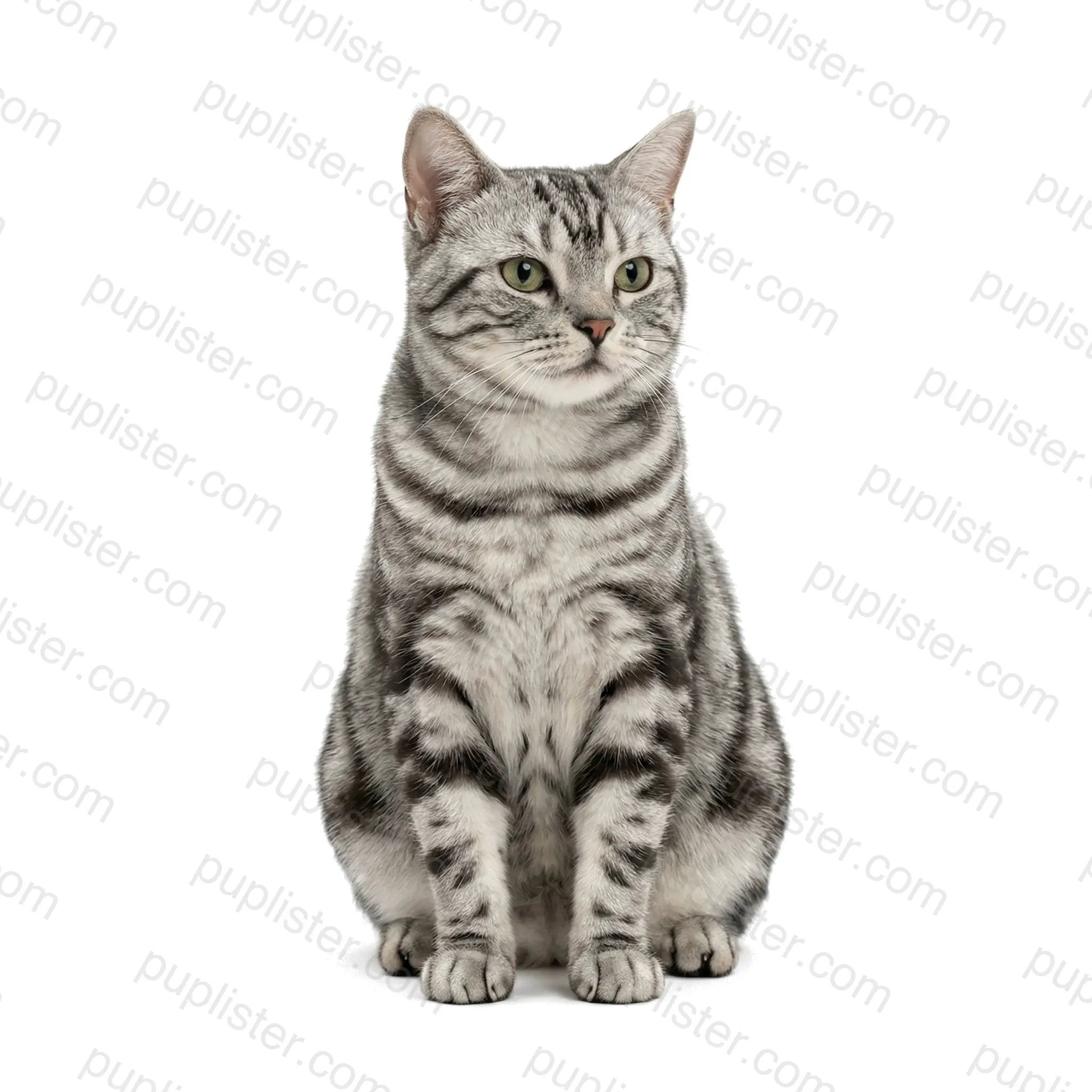
2About the American Shorthair The American Shorthair descends from European cats brought to North America on ships like the Mayflower, where they earned their keep as skilled mousers. This medium-to-large breed weighs 8–15 pounds and boasts a powerful, well-proportioned build with a broad chest. Their dense, short coat comes in over 80 recognized colors and patterns, with the classic silver tabby being the most iconic. Temperament & Personality American Shorthairs are easygoing, adaptable cats that strike a perfect balance between playful and laid-back. They are patient and gentle with children, coexist peacefully with other pets, and are content to entertain themselves when the family is busy. Their calm, even temperament and low-maintenance nature have made them one of America's most popular breeds for decades. Pros Exceptionally healthy breed with a lifespan of 15–20 yearsLow-maintenance coat that rarely mats or tanglesIndependent enough to handle owners' work schedules without anxietyNatural mouser — helps keep the home pest-free Cons Prone to obesity if diet and exercise are not carefully managedCan be reserved with strangers and may take time to warm upNot as interactive or trainable as more active breedsSeasonal shedding can be heavy despite the short coat Ready to welcome an American Shorthair into your home? Browse available cats for adoption on Puplister.
19 pets available
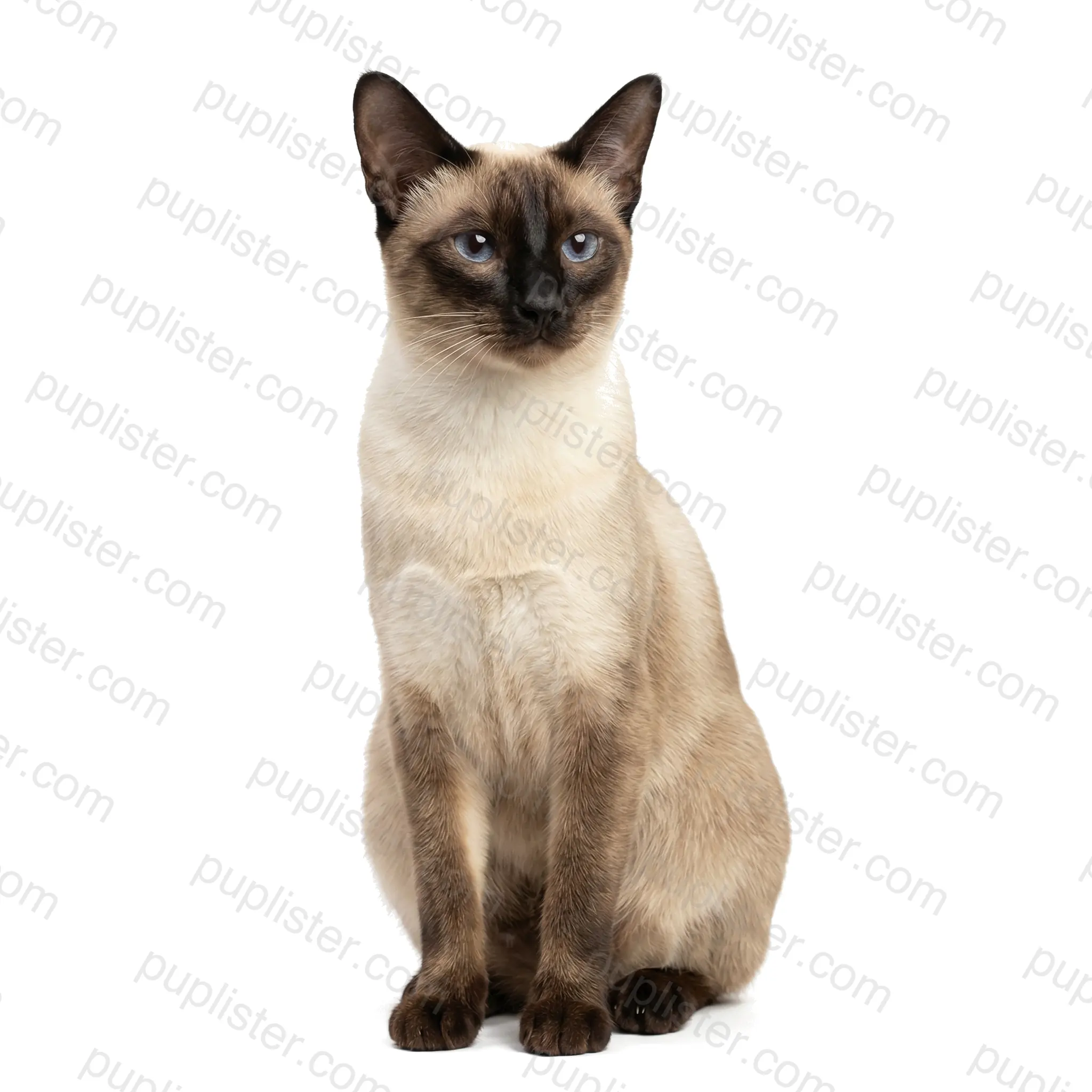
1About the Siamese The Siamese is one of the most iconic and ancient cat breeds, originating in the kingdom of Siam (now Thailand) and first documented in the Tamra Maew ("The Cat-Book Poems") dating to the 14th century. This sleek, muscular cat weighs 6–14 pounds and is immediately recognizable by its striking colorpoint pattern — a pale cream or fawn body with darker coloring on the face, ears, paws, and tail. The four traditional point colors are seal, chocolate, blue, and lilac, all paired with vivid sapphire-blue almond-shaped eyes.Temperament & PersonalitySiamese cats are among the most vocal and opinionated cats in the world — they will narrate their day in a loud, distinctive raspy voice and expect you to listen. They are fiercely loyal, deeply social, and form intense bonds with their owners, often becoming a one-person cat. Intelligent and active, they need constant stimulation and do best with a companion — whether human, feline, or canine.ProsStrikingly beautiful with mesmerizing blue eyes and elegant linesExceptionally intelligent — can learn tricks, walk on a leash, and solve puzzle toysDeeply bonded and loyal to their chosen personShort, fine coat requires almost no groomingConsExtremely vocal — constant loud meowing is not for everyoneProne to severe separation anxiety and can become destructive when left aloneSusceptible to amyloidosis, asthma, progressive retinal atrophy, and crossed eyesDemanding of attention — may become jealous of other pets or family membersReady for a devoted, chatty companion who will never let you feel alone? Find Siamese cats waiting for their forever families on Puplister.
14 pets available
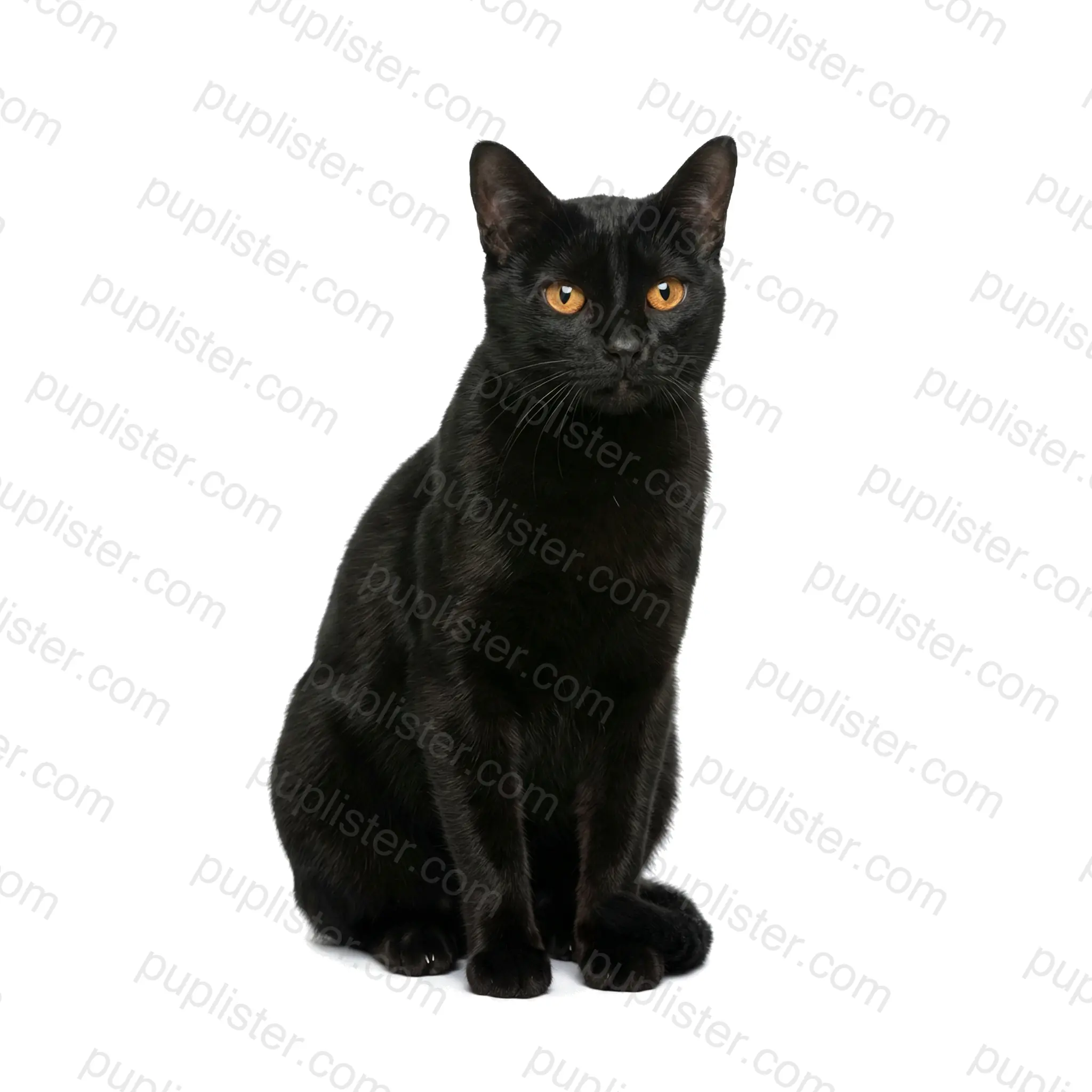
1About the Bombay The Bombay was created in the 1950s by breeder Nikki Horner in Louisville, Kentucky, who crossed sable Burmese with black American Shorthairs to produce a cat resembling a miniature black panther. This medium-sized breed weighs 6–11 pounds and has a compact, muscular build with a sleek, jet-black coat. Every feature is black — from their glossy, patent-leather-like fur to their nose leather and paw pads — contrasted only by their striking copper or gold eyes. Temperament & Personality Bombays are outgoing, attention-loving cats that thrive on being the center of their family's world. They are remarkably adaptable and get along well with children, dogs, and other cats — often becoming the social director of the household. Their intelligence and trainability make them excellent candidates for learning tricks, and they are known for greeting visitors at the door. Pros Sleek, low-shedding coat requires minimal groomingDog-like personality — enjoys fetch, leash walks, and greeting guestsHighly adaptable to apartment living and urban environmentsCraves warmth and is an enthusiastic lap cat and bed companion Cons Can be excessively needy — does not tolerate being ignored wellProne to craniofacial defects and breathing issues inherited from Burmese linesOvereats easily and is highly prone to obesityMay become demanding and vocal when seeking attention Fall in love with the sleek elegance of the Bombay — find your perfect match among adoptable cats on Puplister.
10 pets available
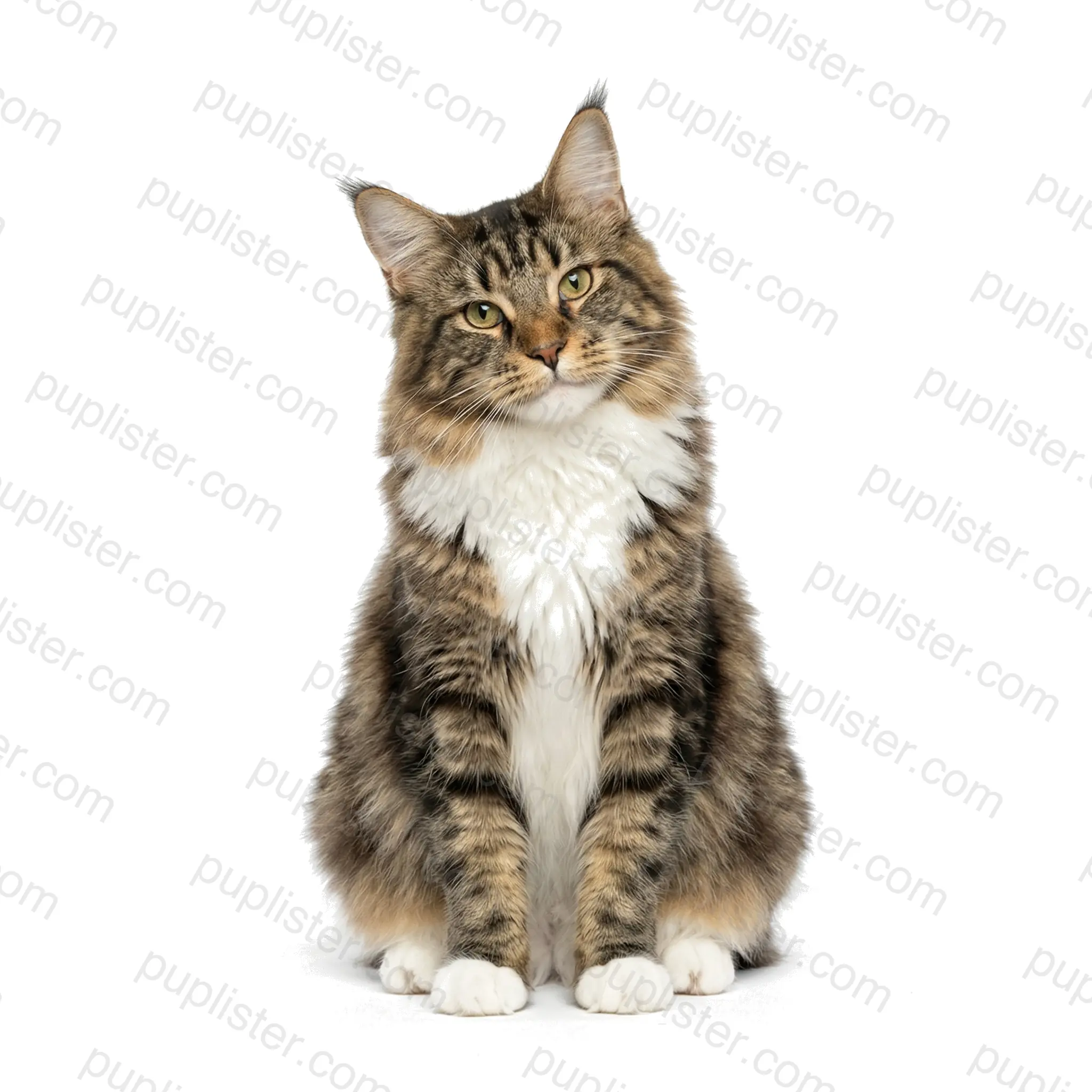
About the Maine Coon The Maine Coon is North America's oldest natural longhaired breed — originating in the rugged state of Maine, where it earned the official title of state cat in 1985. This giant breed is one of the largest domesticated cats in the world, with males weighing 13–25 pounds and females 8–14 pounds, and some individuals exceeding 40 inches in total length. Their thick, water-resistant double coat is longer on the stomach, ruff, and tail — adapted to harsh New England winters — and comes in virtually every color and pattern except pointed. Temperament & Personality Maine Coons are famously gentle giants — sociable, intelligent, and remarkably patient with children, other cats, and dogs alike. They are playful and curious well into adulthood, often fascinated by water and known for their endearing chirping and trilling vocalizations rather than typical meowing. Their dog-like loyalty, trainability, and easygoing nature have made them consistently one of the most popular cat breeds worldwide. Pros Gentle, patient temperament — exceptional with children and other petsDog-like personality — can learn tricks, walk on a leash, and play fetchMajestic appearance with a luxurious mane and plumed tailHardy, adaptable breed that thrives in cold climates Cons Prone to hypertrophic cardiomyopathy (HCM), hip dysplasia, and spinal muscular atrophyLarge size means higher food costs, bigger litter boxes, and sturdier furnitureDense coat requires brushing 2–3 times per week to prevent mats and tanglesSlow to mature — takes 3–5 years to reach full size, extending the kitten-energy phase Ready to share your home with a magnificent Maine Coon? Find gentle giants available for adoption on Puplister.
9 pets available
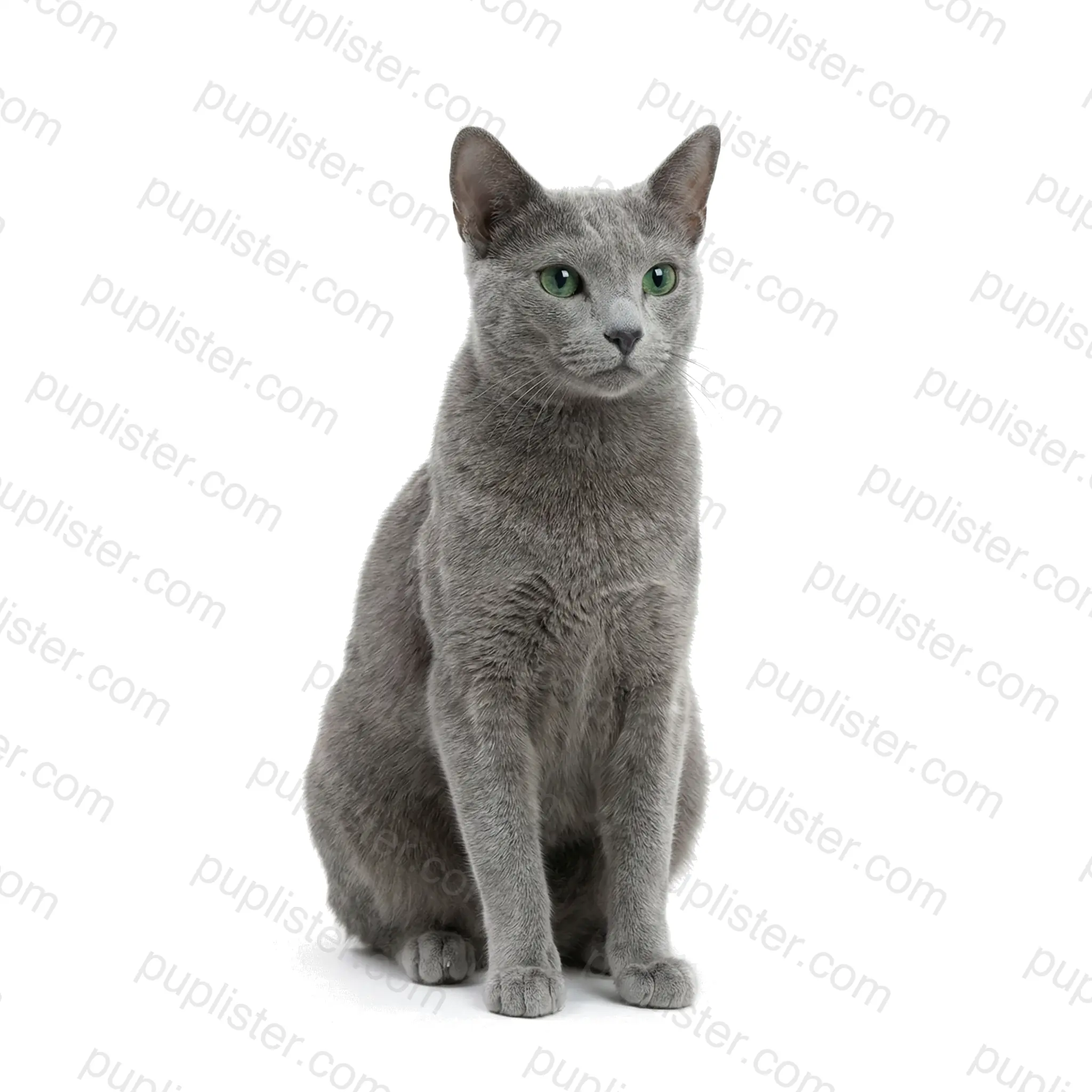
About the Russian Blue The Russian Blue is a naturally occurring breed believed to have originated in the port city of Arkhangelsk (Archangel) in northern Russia, arriving in Europe aboard trade ships in the 1860s. This medium-sized cat weighs 7–12 pounds and is renowned for its dense, plush double coat of uniform blue-gray with silver-tipped guard hairs that give it a luminous shimmer. Its vivid emerald-green eyes, wedge-shaped head, and enigmatic "Mona Lisa smile" complete an unmistakably elegant look.Temperament & PersonalityRussian Blues are gentle, reserved cats that are intensely loyal to their families yet cautious around strangers. They are creatures of habit who thrive on routine — eating at the same time, playing in the same spots, and sleeping in their preferred perch. Once bonded, they are affectionate and playful, often fetching toys and entertaining themselves with quiet grace.ProsProduces lower levels of the Fel d 1 allergen — better tolerated by some allergy sufferersDense double coat is low-shedding and virtually maintenance-freeQuiet and well-mannered — rarely destructive or excessively vocalLong-lived breed with few genetic health issues — many reach 15–20 yearsConsShy and reserved with strangers — may hide during gatherings or partiesSensitive to change — can become stressed by moves, new pets, or schedule disruptionsProne to overeating and weight gain if food is left out freelyCan be slow to warm up to new family members or housematesCharmed by those emerald eyes and silver-tipped fur? Find Russian Blue cats ready for their forever homes on Puplister.
5 pets available
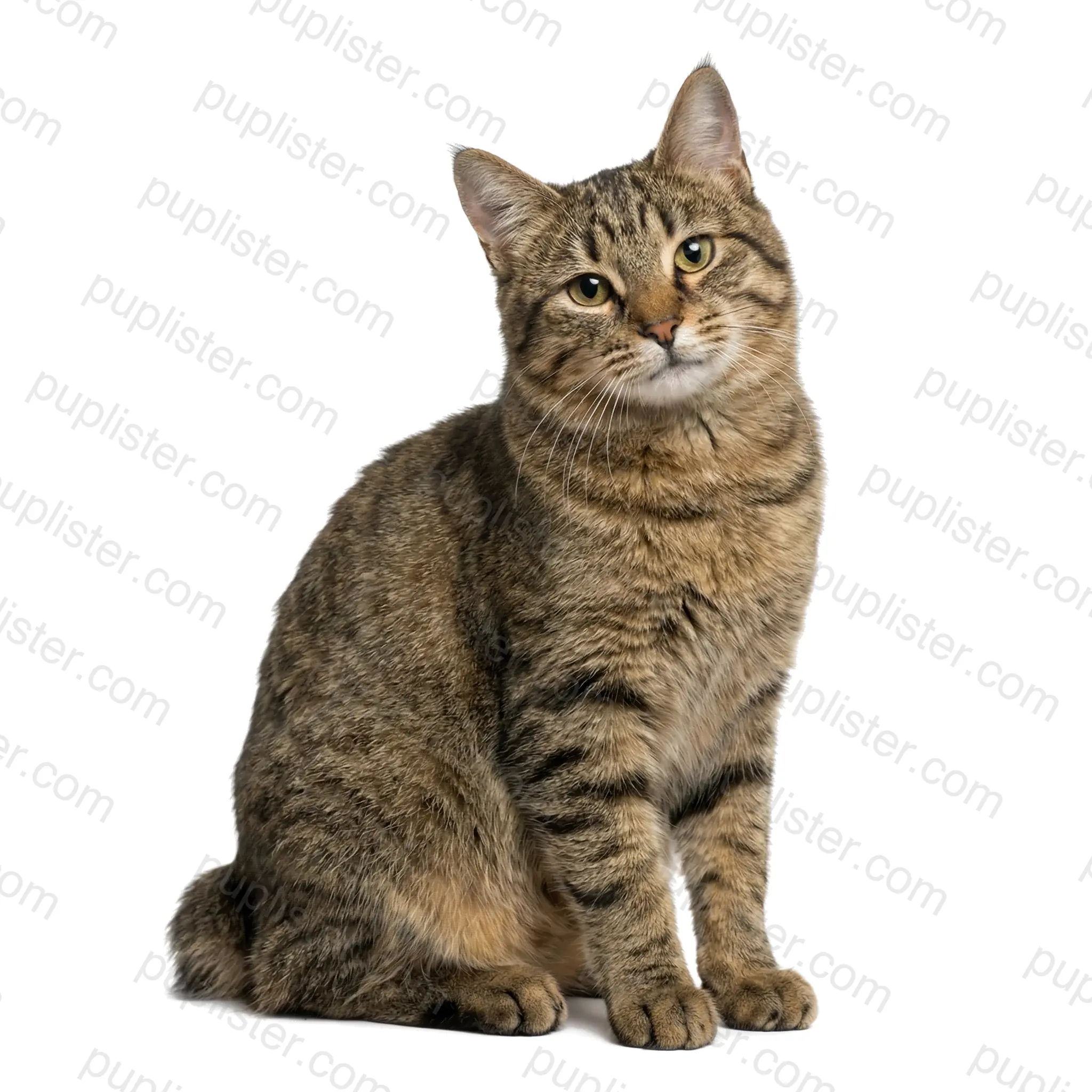
1About the American Bobtail The American Bobtail was developed in the 1960s from a naturally occurring short-tailed kitten found in Arizona. This sturdy, medium-to-large breed weighs 7–16 pounds and has a wild, athletic appearance reminiscent of a bobcat. Their coat comes in both short and long varieties in virtually every color and pattern, with their signature bobbed tail ranging from one to four inches long. Temperament & Personality American Bobtails are remarkably adaptable and affectionate cats often described as dog-like in their devotion to family. They get along wonderfully with children, other cats, and even dogs — making them ideal for busy households. Despite their wild appearance, they are gentle, easygoing, and have been used as therapy cats due to their calm, intuitive nature. Pros Exceptionally adaptable — adjusts well to travel and new environmentsGentle and patient with children and other animalsNaturally healthy breed with few genetic predispositionsPlayful yet not overly demanding — enjoys interactive toys and games Cons Can be slow to mature — takes 2–3 years to reach full physical developmentLong-haired variety requires regular brushing to prevent mattingRelatively rare breed — may be difficult to find in sheltersStrong prey drive means small pets like birds or hamsters may be at risk Discover the charm of the American Bobtail — check out adoptable cats of this breed on Puplister.
5 pets available
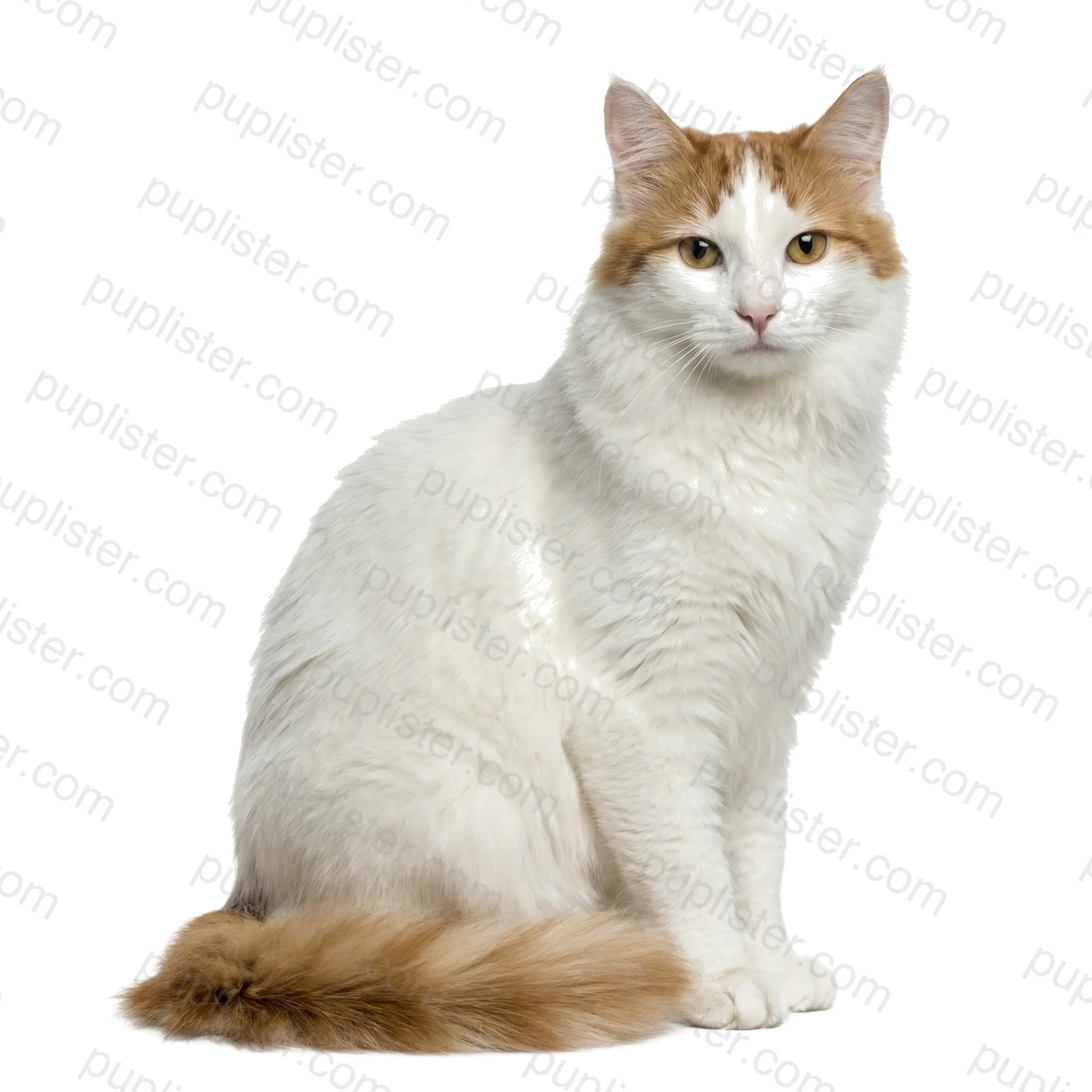
2About the Turkish Van The Turkish Van is a rare, naturally occurring breed from the Lake Van region of eastern Turkey, renowned as the "swimming cat" for its unusual love of water. This is a large, muscular cat weighing 10–18 pounds with a semi-long, cashmere-like single coat that is water-resistant and dries remarkably fast. The classic Van pattern features a predominantly chalk-white body with colored markings limited to the head and tail — typically in red, cream, black, blue, or tortoiseshell — though solid white and fully colored Vans also exist.Temperament & PersonalityTurkish Vans are energetic, independent, and famously fond of water — they may join you in the shower, play in the toilet, or splash in their water bowl. Intelligent and athletic, they love to climb, jump, and play vigorously. They bond closely with their family but can be selective about being held — they prefer to be near you rather than in your lap.ProsUnique love of water sets them apart from nearly every other breedCashmere-textured single coat is water-resistant, low-shedding, and rarely matsAthletic and playful — endlessly entertaining to watchHardy, naturally evolved breed with robust healthConsDoes not enjoy being held or restrained — wants affection on its own termsExtremely high energy — needs significant space and daily vigorous playWater obsession can create messes — toilet lids must stay closedAll-white Vans can be prone to deafness, similar to Turkish AngorasLooking for an adventurous water-lover unlike any other cat? Browse Turkish Van cats on Puplister and discover this remarkable swimming feline.
3 pets available
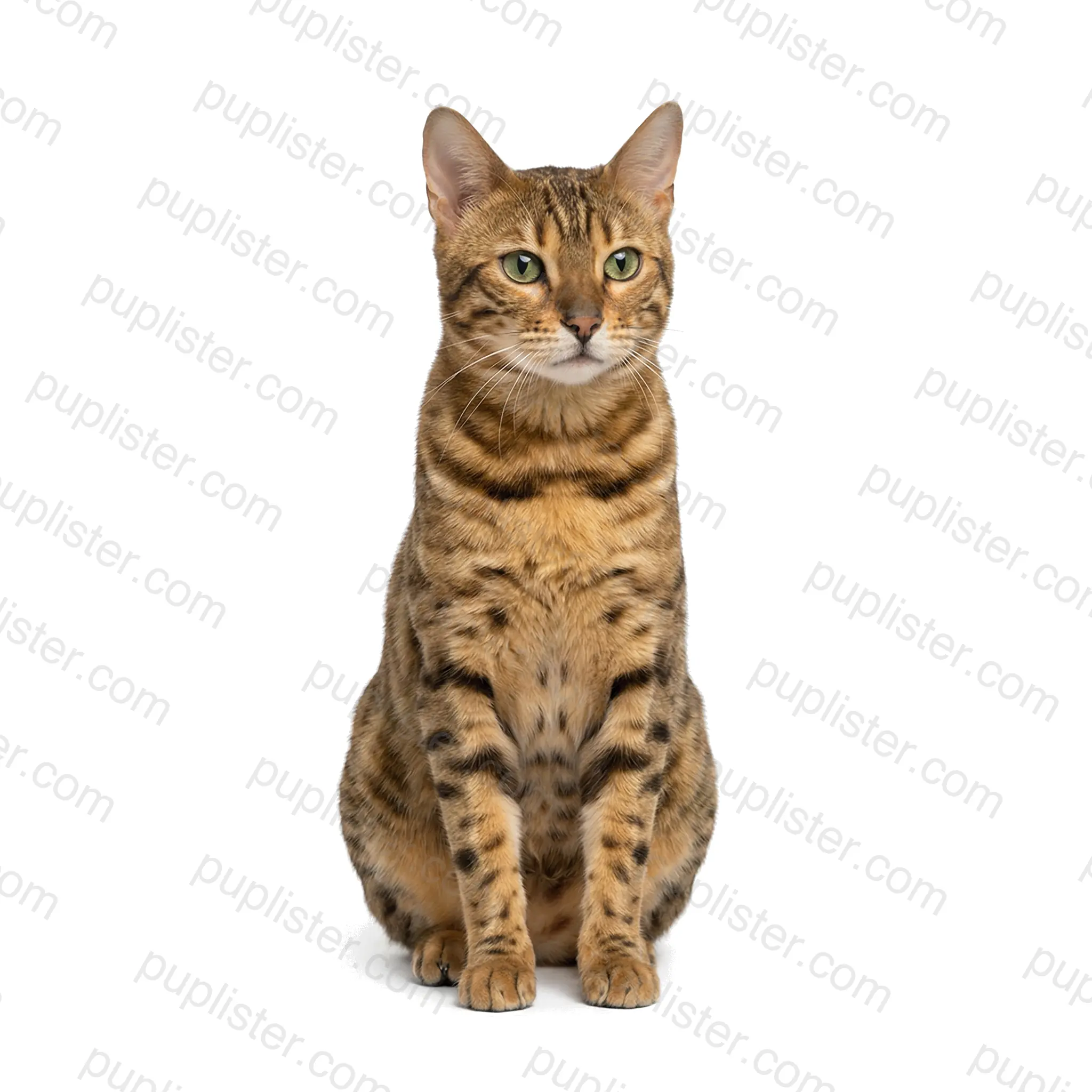
About the Bengal The Bengal was developed in the 1960s–1980s by crossing domestic cats with the Asian leopard cat, creating a breed that looks wild but behaves like a household pet. This medium-to-large breed weighs 8–15 pounds and has a muscular, athletic build with a uniquely glittered coat. Their short, dense fur features bold spotted or marbled patterns in brown, snow, silver, and charcoal — many Bengals have individual hairs tipped with gold that shimmer in the light. Temperament & Personality Bengals are high-energy, intelligent cats that need plenty of physical and mental stimulation to stay happy. They are confident and curious — often fascinated by water and known for playing in sinks, bathtubs, and water bowls. They bond closely with their families and can do well with older children and other active pets, though their intense energy may overwhelm more timid animals. Pros Stunning wild appearance with a uniquely glittered, luxurious coatHighly intelligent — can learn tricks, walk on a leash, and play fetchShort coat is low-maintenance and produces less dander than many breedsLoves water — many Bengals will happily join you near the shower or faucet Cons Extremely high energy — requires extensive daily play and enrichmentCan be destructive if not provided with adequate stimulationVocal breed with a wide range of loud, distinctive soundsProne to hypertrophic cardiomyopathy (HCM) and progressive retinal atrophy (PRA-b) Ready for the adventure of owning a Bengal? Search for adoptable Bengal cats on Puplister today.
3 pets available
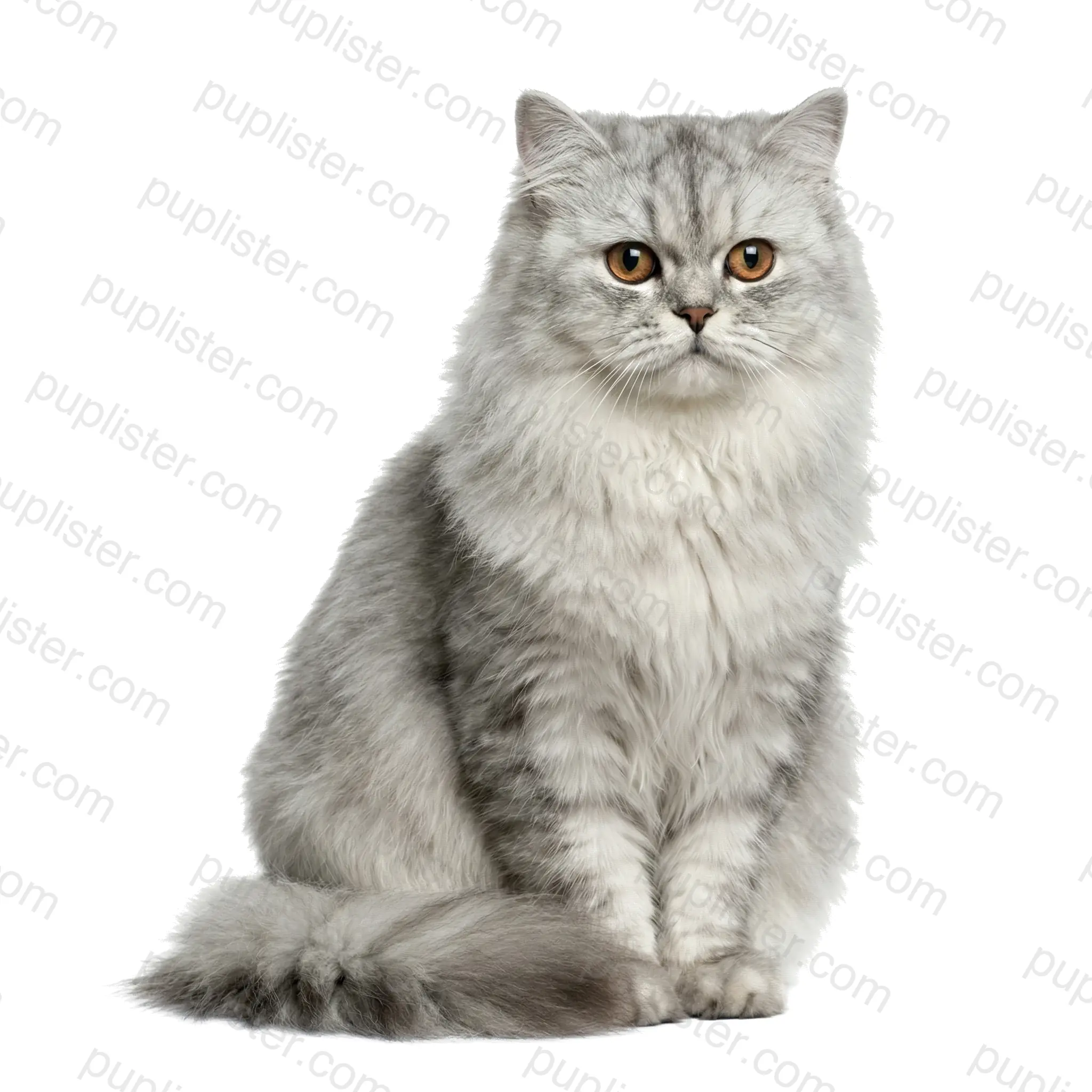
About the Persian The Persian is one of the oldest and most recognizable cat breeds in the world, with roots tracing back to 17th-century Persia (modern Iran) and Turkey. This medium-to-large cat weighs 7–12 pounds and is instantly identifiable by its flat, pansy-like face, enormous round eyes, small ears, and luxuriously long, thick coat that can reach six inches in length. Persians come in over 80 color variations grouped into seven divisions, including solid, silver, golden, shaded, smoke, tabby, particolor, and pointed (Himalayan).Temperament & PersonalityPersians are the quintessential lap cat — calm, sweet-tempered, and content to lounge on the nearest soft surface. They prefer serene environments and predictable routines, rarely displaying the high-energy antics of more active breeds. Gentle and patient with children, they coexist peacefully with respectful kids and laid-back dogs.ProsExtremely calm and gentle — ideal for quiet, relaxed householdsBeautiful, plush coat available in a vast range of colors and patternsLow activity level — content with minimal exercise and indoor livingSweet, undemanding temperament — rarely vocal or pushyConsRequires daily grooming to prevent severe matting and hairballsBrachycephalic face causes chronic breathing difficulties, tear staining, and dental crowdingProne to polycystic kidney disease (PKD), hypertrophic cardiomyopathy, and ringwormEye discharge requires daily cleaning to prevent staining and infectionLonging for a serene, regal companion? Discover Persian cats seeking forever homes on Puplister and welcome quiet elegance into your life.
2 pets available
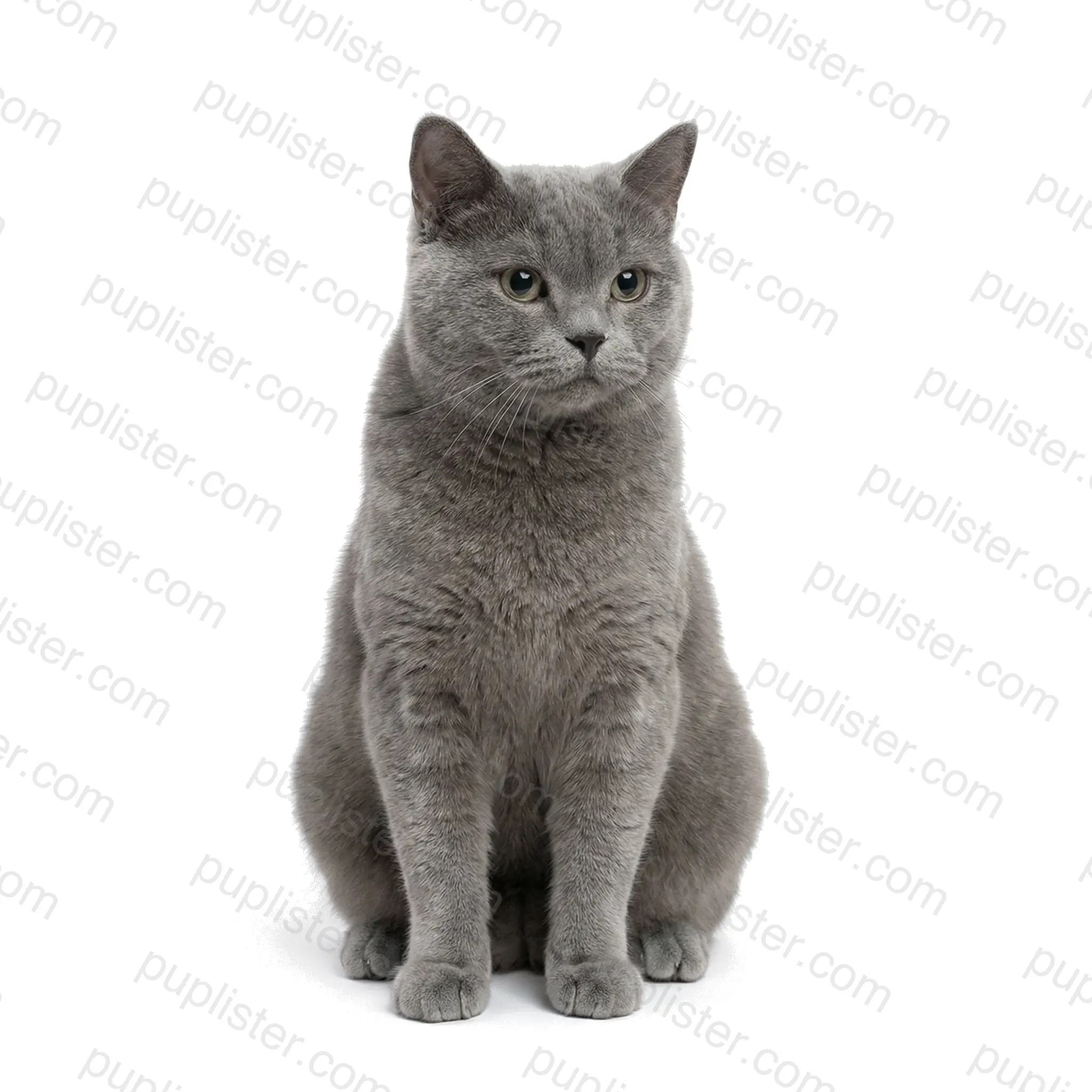
About the British Shorthair The British Shorthair is one of the oldest and most recognizable cat breeds — tracing its roots to the domestic cats of Roman-era Britain, later refined through selective breeding in the 19th century. This large, stocky breed weighs 9–18 pounds and is famous for its round face, dense double coat, and broad, powerful build. While the "British Blue" (solid gray-blue) is the most iconic variety, the breed comes in an extensive range of colors and patterns. Temperament & Personality British Shorthairs are dignified, calm cats that prefer to keep all four paws on the ground — they are not typically lap cats and may resist being picked up. They are affectionate on their own terms, loyal to their families, and generally tolerant of well-behaved children and other pets. Their unflappable, easygoing nature makes them one of the most popular companion breeds worldwide. Pros Robust health and impressive longevity — commonly lives 14–20 yearsLow-maintenance temperament — calm, quiet, and not prone to behavioral issuesDense plush coat is easy to groom with weekly brushingHandles being alone well — ideal for working professionals Cons Highly prone to obesity — requires strict diet management and play encouragementCan develop hypertrophic cardiomyopathy (HCM) and polycystic kidney diseaseNot a cuddly lap cat — prefers to sit near you rather than on youSlow to mature — takes 3–5 years to reach full physical development The British Shorthair could be your perfect low-key companion — search for adoptable cats on Puplister now.
2 pets available
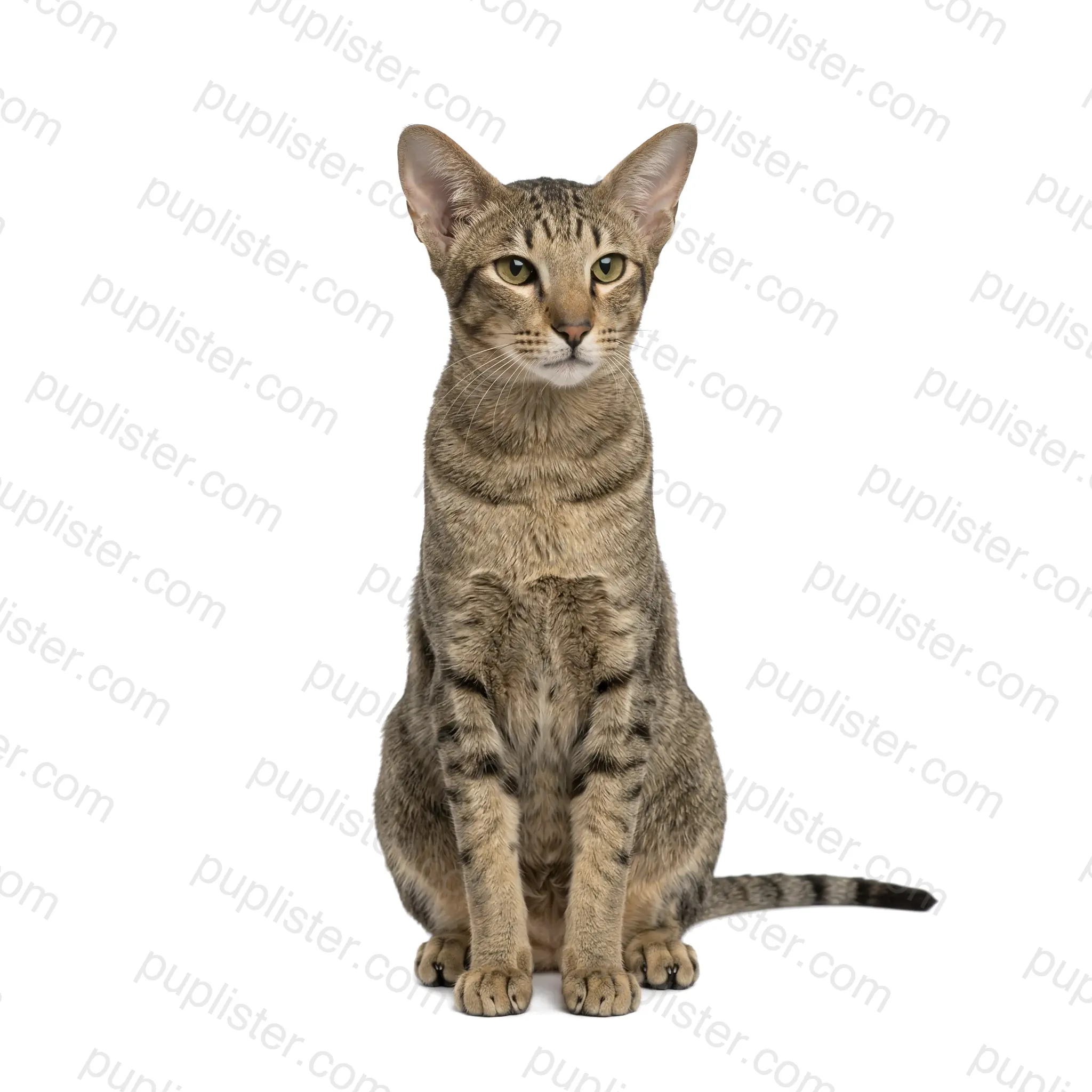
About the Oriental Short Hair The Oriental Shorthair emerged in the 1950s and 1960s when British breeders crossed Siamese cats with Russian Blues, British Shorthairs, and Abyssinians to create a Siamese-type cat in a rainbow of non-pointed colors. Sleek and angular at 6–12 pounds, this breed has a wedge-shaped head, strikingly large ears, vivid green eyes (or blue in white coats), and a short, fine, glossy coat in over 300 color-and-pattern combinations — more than any other cat breed.Temperament & PersonalityOriental Shorthairs are among the most extroverted and opinionated cats in existence — they will tell you exactly what they think in a loud, distinctive voice. Fiercely loyal, they bond tightly to their humans and follow them everywhere, including into the shower. They are athletic, curious, and endlessly entertaining, making them ideal for active households with children and other social pets.ProsIncredible coat variety — virtually every color and pattern availableMinimal grooming needs thanks to the short, close-lying coatHighly intelligent and trainable — enjoys puzzle feeders and learning tricksDeeply loyal and affectionate with family membersConsOne of the most vocal cat breeds — constant meowing can be overwhelmingSevere separation anxiety when left alone — does best with a companion catProne to dental issues, heart disease, and amyloidosisDemands constant attention and can become destructive if under-stimulatedThink you can keep up with this talkative, spirited feline? Search for Oriental Shorthair cats on Puplister and meet your new best friend.
2 pets available
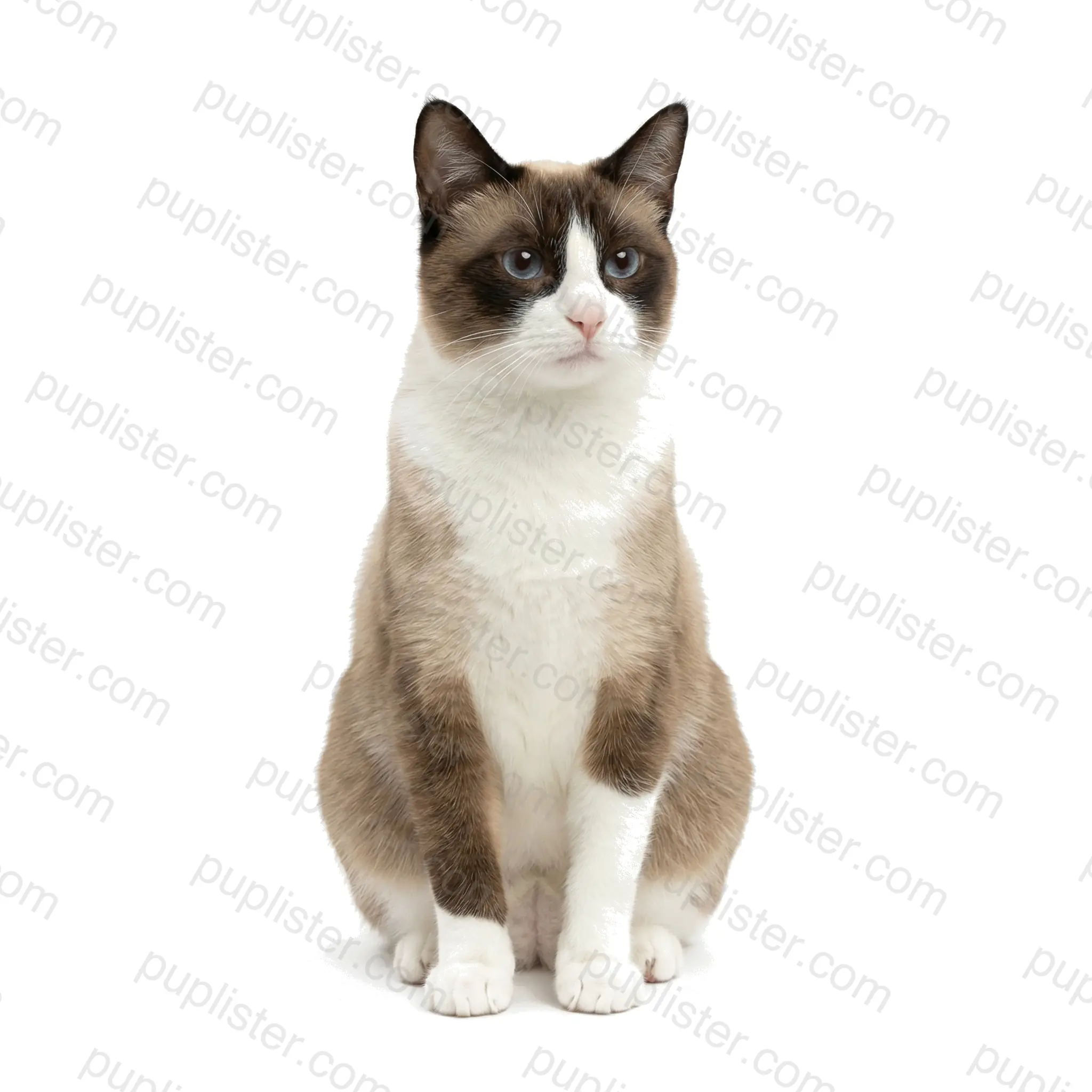
About the Snowshoe The Snowshoe was developed in the 1960s in Philadelphia by crossing Siamese cats with American Shorthairs, creating a pointed cat with distinctive white "boots" on all four paws. This medium-sized breed weighs 7–12 pounds and combines the Siamese's colorpoint pattern with a more robust, moderately stocky build. Their short, smooth coat comes in seal point and blue point, always featuring white paws, an inverted white "V" on the face, and striking blue eyes.Temperament & PersonalitySnowshoes are vocal, social cats that inherit the Siamese's love of conversation but with a softer, more melodic voice. They are playful and intelligent, often learning to open doors and turn on faucets — many Snowshoes are fascinated by running water. They bond closely with their families and can become distressed if left alone for long periods.ProsStriking, unique appearance — the white boots and facial markings are hard to resistVocal but softer-voiced than the Siamese — communicative without being overwhelmingIntelligent and playful — enjoys puzzle toys, fetch, and learning tricksAffectionate and loyal — bonds deeply with family membersConsProne to separation anxiety — needs companionship throughout the dayMarkings are unpredictable — "show-quality" pattern is notoriously difficult to breed consistentlyCan be sensitive and moody — may sulk if they feel ignoredInherited health concerns from Siamese lines, including dental and heart issuesLove the Siamese look with a twist? Browse Snowshoe cats seeking their perfect families on Puplister today.
1 pet available
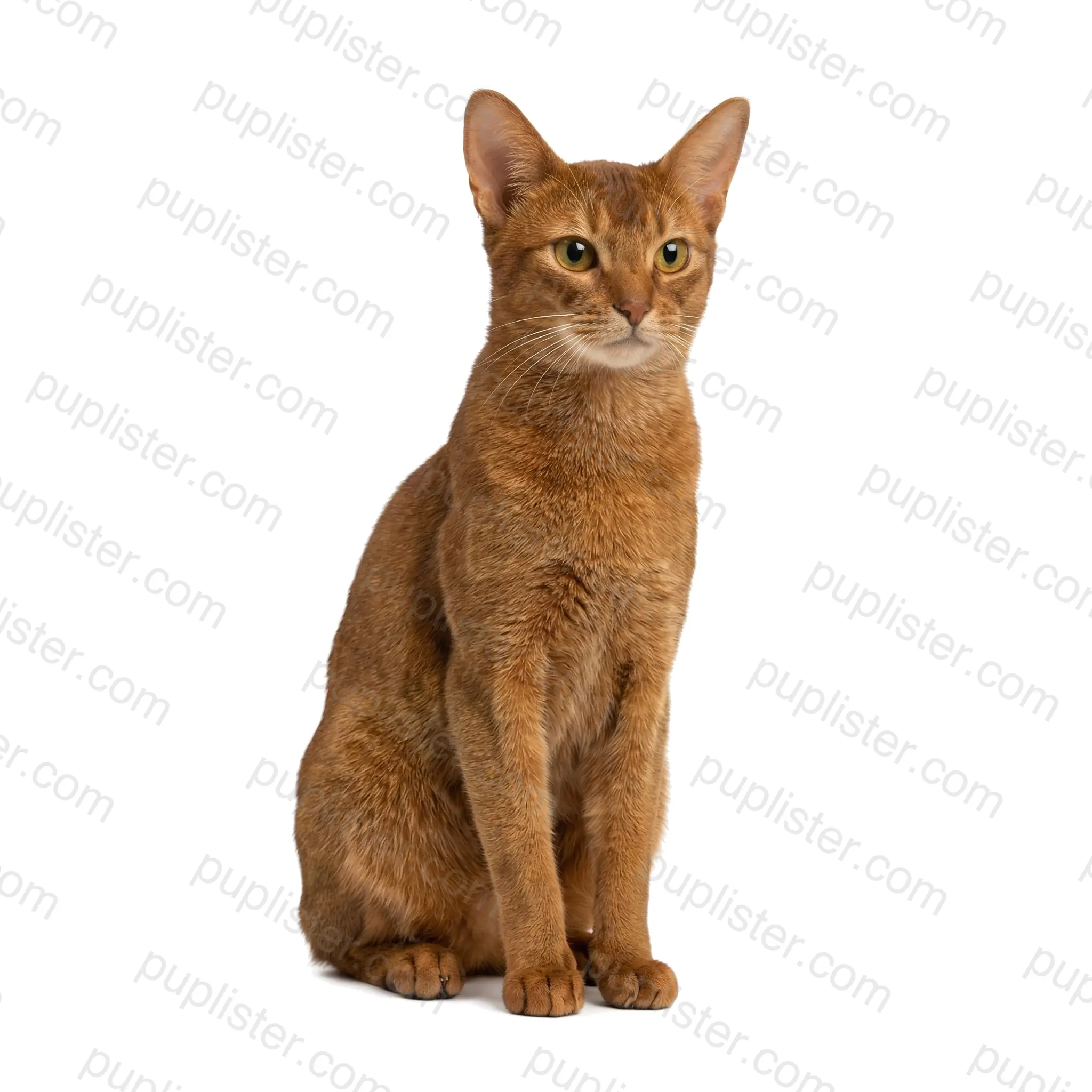
15About the Abyssinian The Abyssinian is one of the oldest known cat breeds — believed to have originated in Southeast Asia or the coast of the Indian Ocean, despite being named after Ethiopia (formerly Abyssinia). This medium-sized cat weighs 6–10 pounds and has a lean, muscular build that reflects its athletic nature. The Abyssinian's distinctive ticked tabby coat comes in warm ruddy, red, blue, and fawn shades, giving each hair multiple bands of color. Temperament & Personality Abyssinians are endlessly curious, highly active cats that love to climb, explore, and supervise every household activity. They form strong bonds with their families and do well with children and other pets, though they prefer interactive play over being a lap cat. Their intelligence and playful energy make them one of the most engaging companion cats. Pros Extremely intelligent and easy to train with clicker methodsLow-maintenance short coat requires minimal groomingHighly social and bonds deeply with all family membersAthletic and entertaining — loves to play fetch and learn tricks Cons Prone to hereditary conditions like pyruvate kinase deficiency and progressive retinal atrophyDemands constant stimulation and can become destructive if boredNot a cuddly lap cat — prefers to be near you rather than on youCan be overly demanding of attention and may vocalize to get it If you're looking for a lively, intelligent feline companion, browse Abyssinian cats available for adoption on Puplister today.
1 pet available
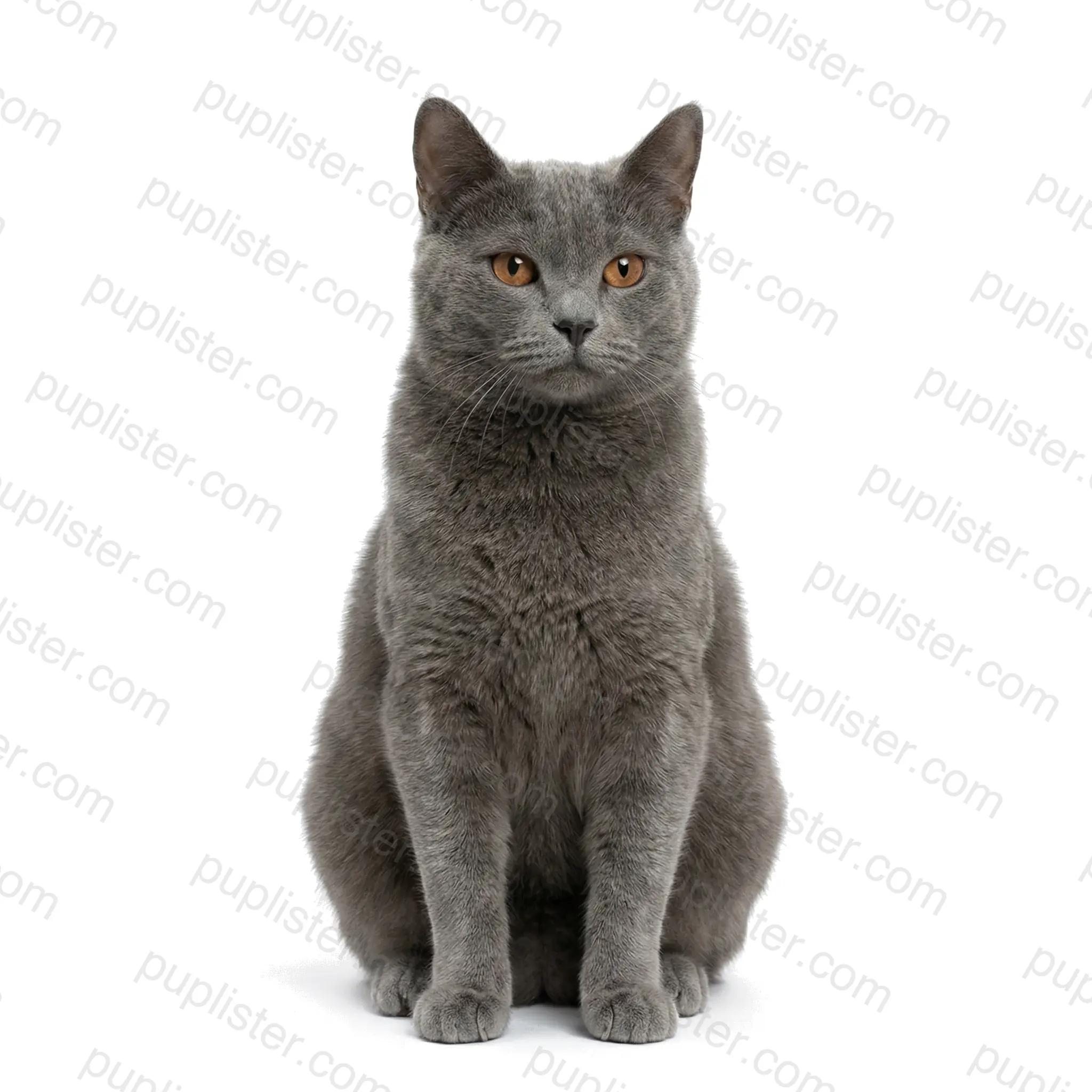
About the Chartreux The Chartreux is a rare French breed with a history stretching back centuries — legend connects them to Carthusian monks, though documentation places them in French literature as early as the 16th century. This medium-to-large breed weighs 7–16 pounds and has a robust, broad-chested build with relatively short, fine-boned legs. Their dense, woolly double coat is exclusively blue-gray with silver tips, and their round face with narrowed muzzle gives the appearance of a perpetual smile. Temperament & Personality Chartreux cats are quiet, observant, and remarkably gentle — they tend to watch activities thoughtfully before engaging. They bond deeply with one person while remaining friendly to other family members, children, and pets. Often called the "smiling cat of France," they are playful in short bursts but generally prefer a calm, peaceful environment. Pros Exceptionally quiet — rarely meows, communicating instead with chirps and trillsHardy, naturally healthy breed with few genetic predispositionsDense woolly coat is surprisingly easy to care for with weekly combingExcellent mouser — retains strong hunting instincts Cons Can be slow to trust and may seem aloof with strangersWoolly coat sheds heavily — especially during spring and fallProne to patellar luxation (dislocating kneecaps) due to fine-boned legsRelatively rare — finding one through adoption can be challenging Enchanted by the mysterious Chartreux? Discover cats looking for forever homes on Puplister.
1 pet available
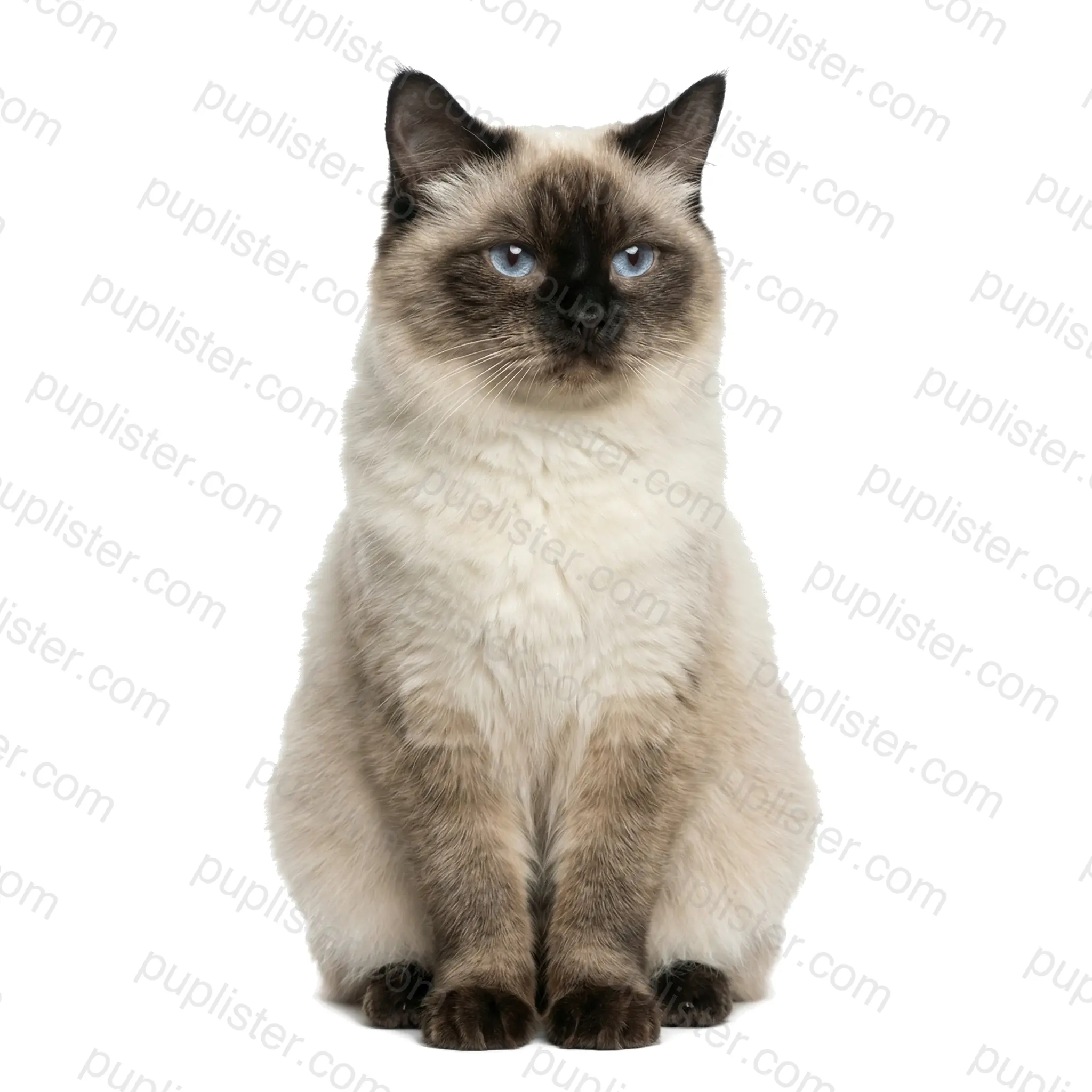
About the Himalayan The Himalayan — known as the Colourpoint Persian in Europe — was developed in the 1930s–1950s by crossing Siamese with Persians to combine the Persian's luxurious coat with Siamese point coloring. This medium-to-large breed weighs 7–14 pounds and has the Persian's flat face, round body, and short legs. Their long, thick, flowing coat comes in all point colors — seal, blue, chocolate, lilac, red, cream, and tortoiseshell — contrasted against a pale cream or white body. Temperament & Personality Himalayans are calm, sweet, and devoted cats that enjoy a serene environment and gentle handling. They are more playful than Persians — thanks to their Siamese heritage — and may enjoy short bursts of activity with a favorite toy. They are patient with well-behaved children and prefer a quiet household, bonding closely with their family while remaining friendly with gentle visitors. Pros Stunningly beautiful — combines Persian elegance with Siamese coloringCalm, gentle personality — ideal for quiet, relaxed householdsDeeply affectionate and loyal to their familyVivid blue eyes inherited from Siamese lineage add to their beauty Cons Coat requires daily grooming — prone to severe matting without consistent careBrachycephalic — prone to breathing difficulties, eye discharge, and dental issuesHigh risk for polycystic kidney disease (PKD) and progressive retinal atrophyHeat-sensitive — must be kept in air-conditioned environments during warm months Ready to pamper a gorgeous Himalayan? Discover cats available for adoption on Puplister today.
1 pet available
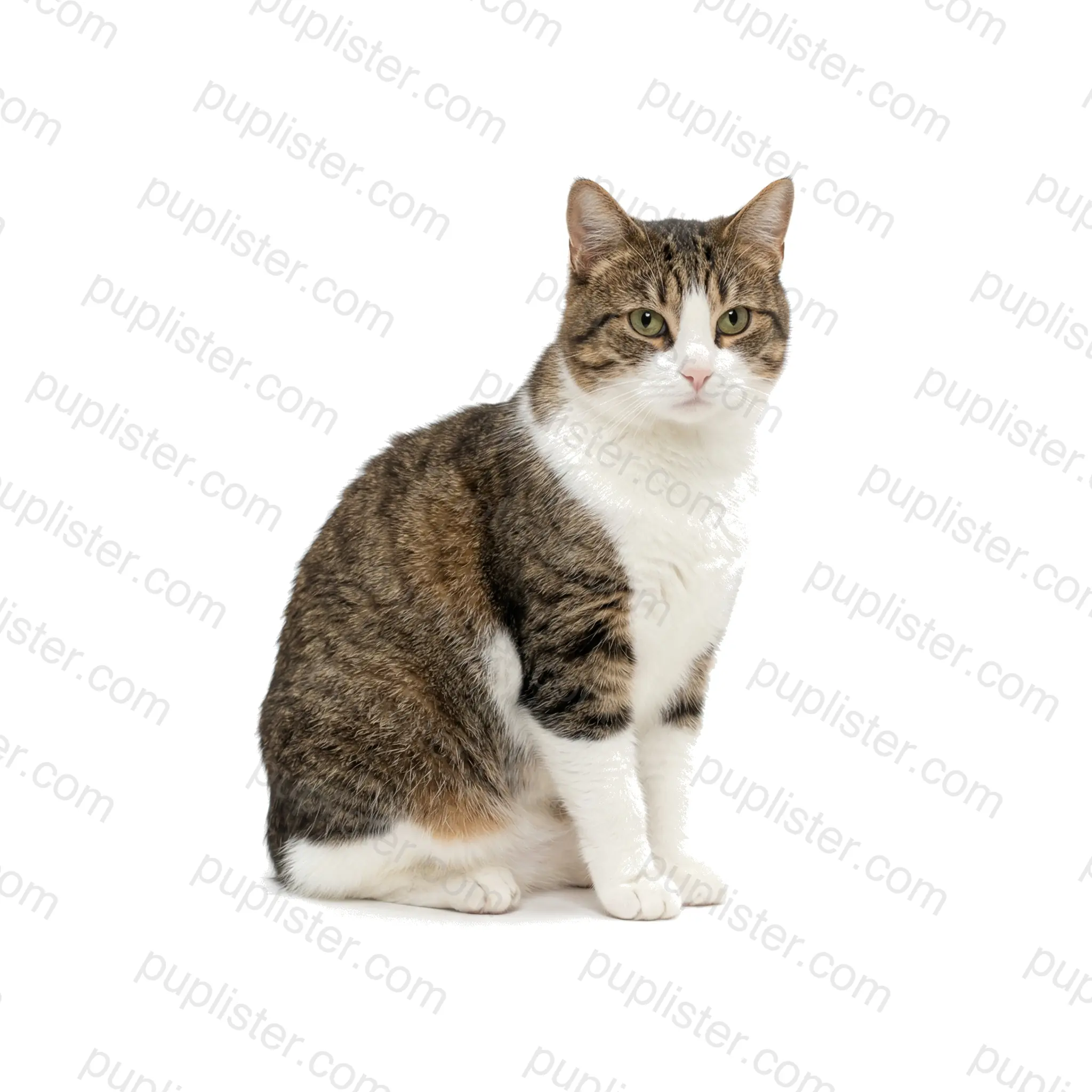
About the Manx The Manx hails from the Isle of Man in the Irish Sea, where its signature taillessness has been documented since at least the 18th century. A sturdy, medium-sized cat weighing 8–12 pounds, the Manx has a round head, prominent cheeks, and powerful hind legs that sit noticeably higher than the front — giving it a distinctive rabbit-like hop. The double coat comes in virtually every color and pattern, from solid white to classic tabby, and ranges from short (Manx) to semi-long (Cymric variant).Temperament & PersonalityManx cats are playful, dog-like companions that often learn to fetch and come when called. They bond deeply with their families and tend to be protective — some owners report their Manx growling at unfamiliar sounds. They generally get along well with children and other pets, though they may pick one favorite person to shadow throughout the day.ProsHighly trainable and can learn tricks, fetch, and respond to commandsExcellent mouser with strong hunting instinctsAdaptable to apartments and houses alikeLoyal and protective of their familyConsManx syndrome — a spinal defect linked to the tailless gene — can cause serious health issues in some kittensProne to arthritis in the tailbone area as they ageThe double coat sheds heavily, especially during seasonal changesMay become overly attached to one person, leading to separation anxietyIf a loyal, playful companion with a unique silhouette sounds like your perfect match, explore Manx cats available for adoption on Puplister today.
1 pet available
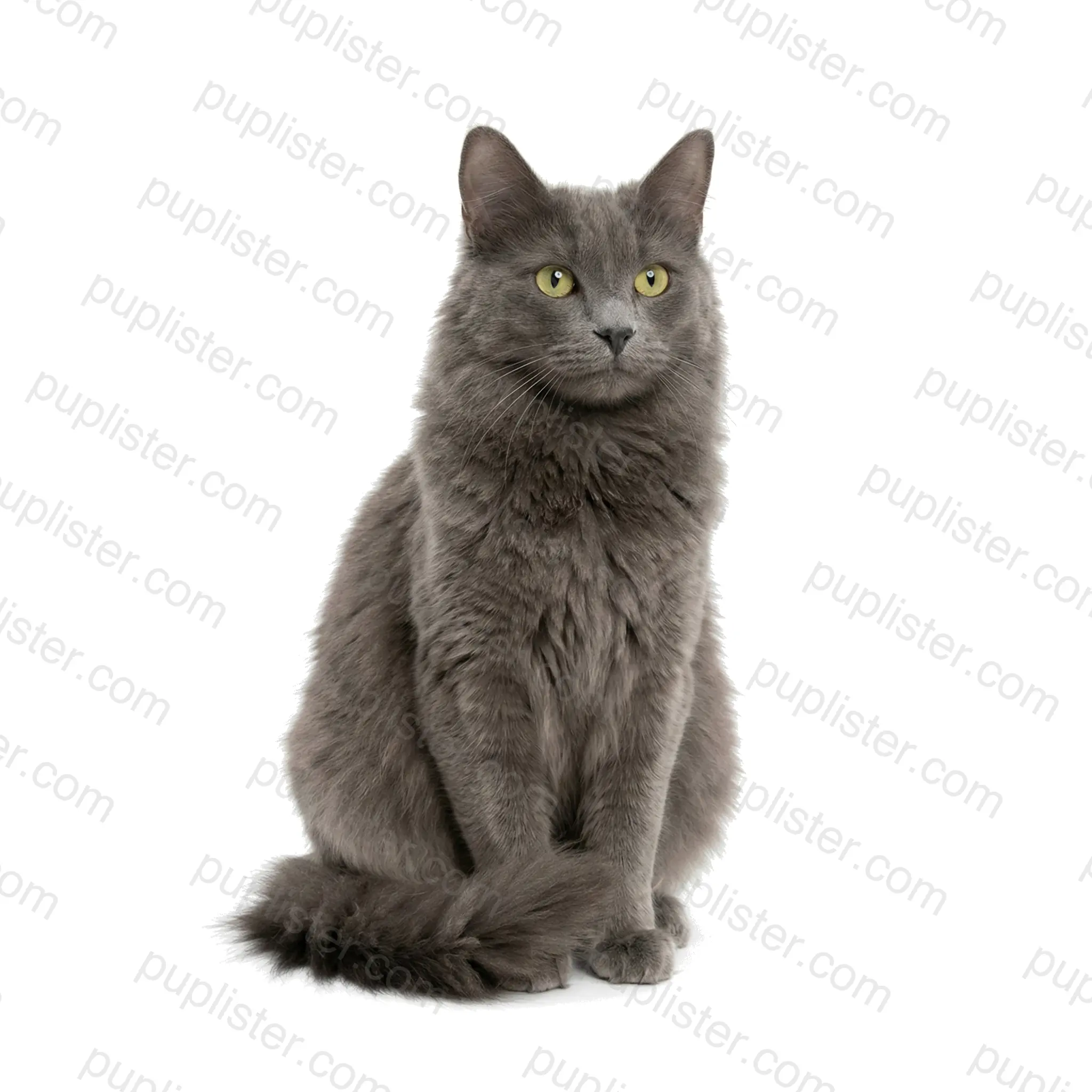
About the Nebelung The Nebelung — German for "creature of the mist" — is a rare, elegant breed developed in the 1980s in the United States from longhaired Russian Blue-type cats. Weighing 7–11 pounds, this medium-sized cat has a long, graceful body, vivid green eyes, and a stunning blue-gray double coat with silver-tipped guard hairs that shimmer in the light. The dense, silky fur forms a noticeable ruff around the neck and plume on the tail.Temperament & PersonalityNebelungs are gentle, reserved cats that form intense bonds with their chosen people but can be shy around strangers. They are creatures of routine — happiest when meals, playtime, and quiet hours follow a predictable schedule. Once comfortable, they are playful and affectionate, often following their favorite person from room to room like a silent blue shadow.ProsStunningly beautiful coat with a distinctive silvery sheenQuiet and calm — ideal for peaceful householdsDeeply loyal and devoted to their familyRelatively healthy breed with few genetic issuesConsExtremely shy with strangers and slow to warm up to new peopleDoes not adapt well to changes in routine or environmentThe long double coat requires regular brushing to prevent tanglesVery rare — difficult to find through adoption or rescueIf a serene, silver-coated companion speaks to your soul, search for Nebelung cats on Puplister and find your misty match.
1 pet available
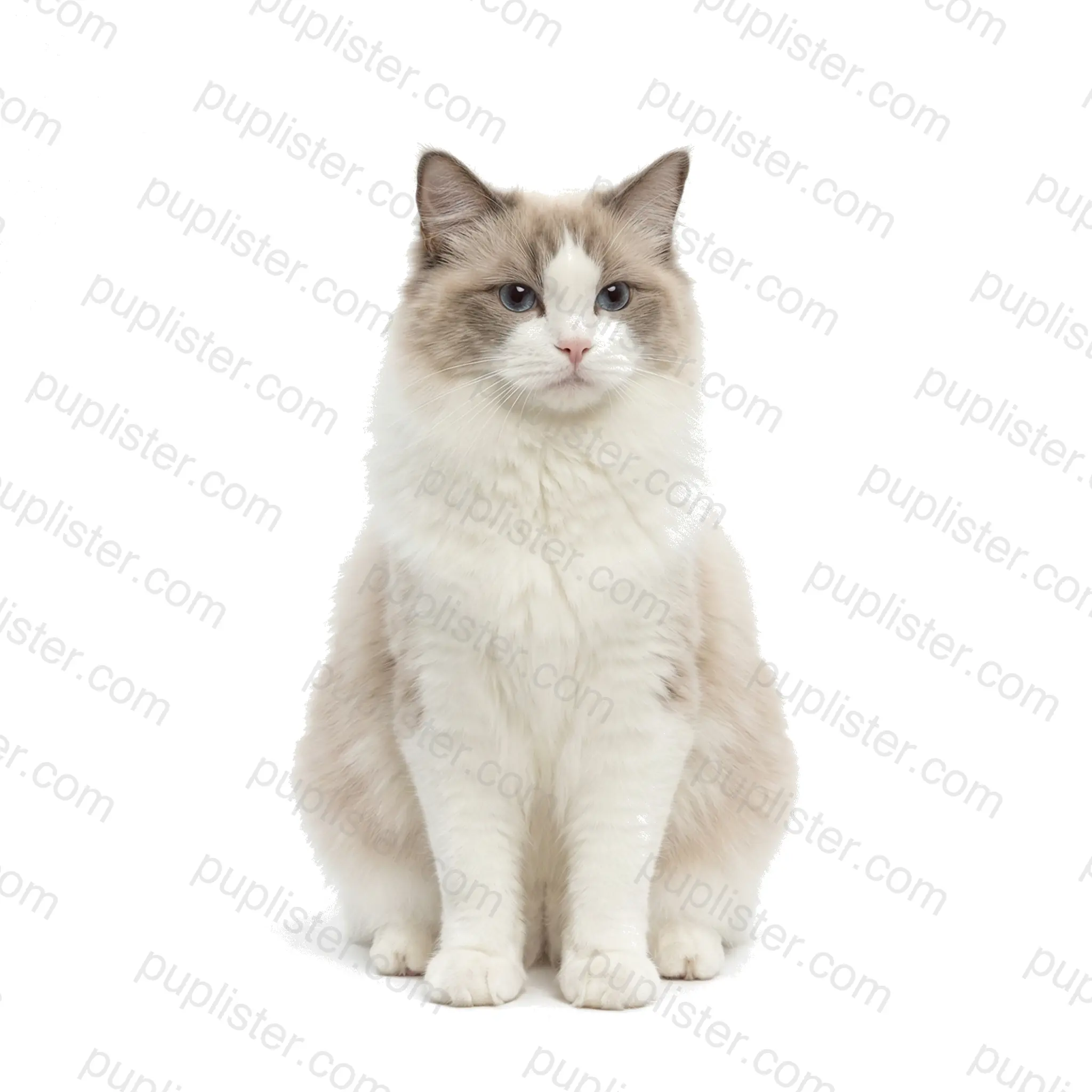
1About the Ragdoll The Ragdoll was developed in the 1960s in Riverside, California, by breeder Ann Baker, who selected for docile, floppy cats that go limp when held — hence the name. One of the largest domestic cat breeds, Ragdolls weigh 10–20 pounds (males often exceeding 15 pounds) and have striking blue eyes, a semi-long silky coat, and a colorpoint pattern with a lighter body and darker extremities. They come in six main colors — seal, blue, chocolate, lilac, red, and cream — with four patterns: colorpoint, mitted, bicolor, and lynx.Temperament & PersonalityRagdolls are famously gentle, relaxed cats that often follow their owners from room to room like loyal dogs. They tend to greet you at the door and flop at your feet, earning their reputation as "floor cats" and "puppy cats." Exceptionally tolerant and patient, they are among the best breeds for families with children and get along beautifully with dogs and other cats.ProsExtremely gentle and tolerant — ideal for households with young childrenSilky coat lacks a dense undercoat, reducing matting and shedding compared to other longhairsCalm, laid-back energy level — content with moderate play and lots of cuddlingDog-like devotion — follows owners, greets guests, and can learn simple tricksConsGenetic predisposition to hypertrophic cardiomyopathy (HCM) — DNA testing recommendedTrusting and non-aggressive to a fault — must be kept strictly indoorsLarge size means higher food costs and need for oversized litter boxesCan develop bladder stones and urinary tract issuesIf a big, blue-eyed lap cat sounds like your dream companion, search for Ragdoll cats available for adoption on Puplister.
1 pet available
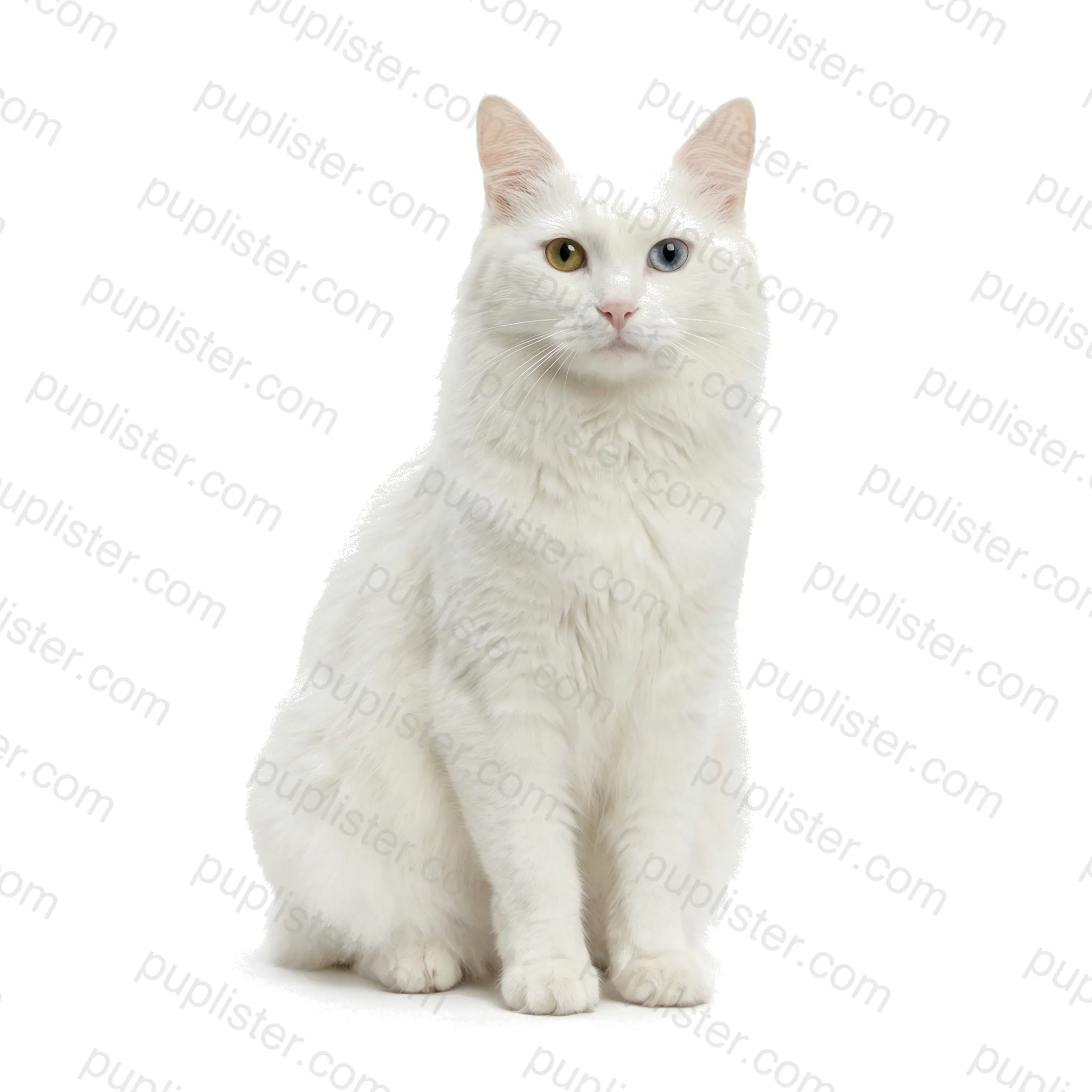
About the Turkish Angora The Turkish Angora is an ancient, naturally occurring breed from central Turkey — specifically the Ankara region — and is one of the oldest known longhaired cat breeds. This small-to-medium cat weighs 5–10 pounds and possesses a graceful, balletic build with a long, plumed tail, silky single-layer coat (no undercoat), and large, walnut-shaped eyes. While white is the most iconic color — often with striking odd eyes (one blue, one amber) — Turkish Angoras come in nearly every color and pattern except pointed.Temperament & PersonalityTurkish Angoras are spirited, intelligent cats that love to be at the center of the action. They are natural athletes — leaping to the highest shelf, opening doors, and inventing games to entertain themselves. Affectionate and strong-willed, they will happily greet guests and supervise every household activity, often choosing one family member as their primary favorite.ProsElegant, silky coat has no undercoat — sheds less and rarely matsHighly intelligent and entertaining — always inventing new games and tricksSocial and welcoming with guests and family alikeNaturally healthy breed with excellent longevity — many live 15–20 yearsConsWhite cats with blue eyes have a high incidence of congenital deafnessStrong-willed and mischievous — can be stubborn about rulesDemands attention and may become disruptive if ignoredProne to ataxia (a hereditary neurological condition) in some linesEntranced by this ancient Turkish treasure? Find Turkish Angora cats looking for loving homes on Puplister and add a touch of grace to your life.
0 pets available
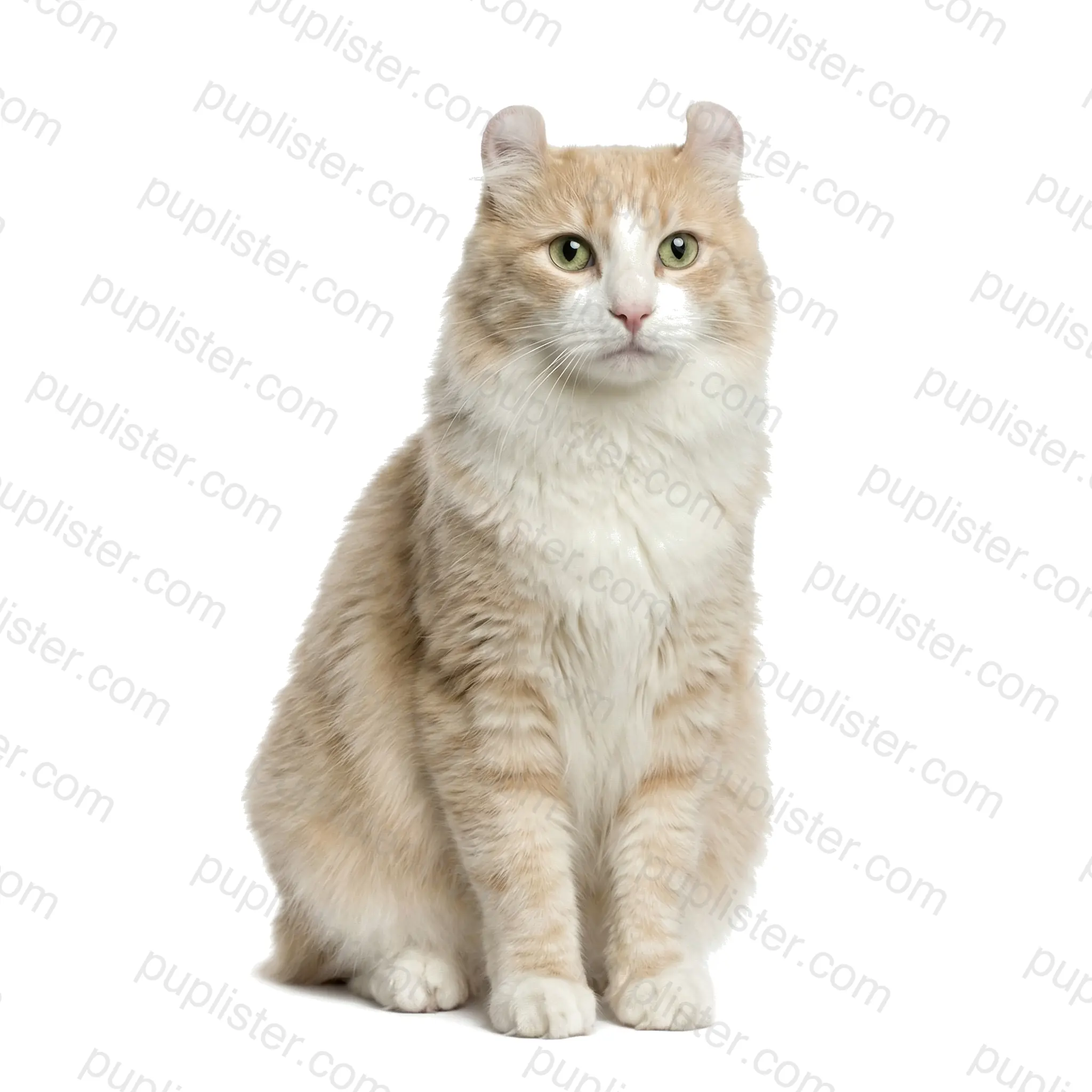
About the American Curl The American Curl originated in Lakewood, California in 1981 from a stray black kitten named Shulamith whose ears curled backward in a graceful arc. This medium-sized breed weighs 5–10 pounds and is known for its uniquely curled ears — caused by a spontaneous genetic mutation. Their silky coat comes in both longhair and shorthair varieties in every recognized color and pattern. Temperament & Personality American Curls are famously people-oriented cats that retain their kitten-like playfulness well into adulthood — earning them the nickname "the Peter Pan of cats." They are gentle with children, sociable with other pets, and adapt easily to multi-pet households. Their affectionate yet undemanding personality makes them wonderful companions for families of all sizes. Pros Retains playful, kitten-like energy throughout its lifetimeVery few breed-specific health concerns — generally robustQuiet breed that communicates with soft trills rather than loud meowsAvailable in both longhair and shorthair varieties to suit grooming preferences Cons Curled ears require careful handling — cartilage can be damaged if bent forcefullyEar canals need regular cleaning to prevent wax buildupNot as independent as some breeds — may follow you from room to roomRelatively uncommon — limited availability in shelters and rescues Find your perfect American Curl companion by exploring adoptable cats on Puplister right now.
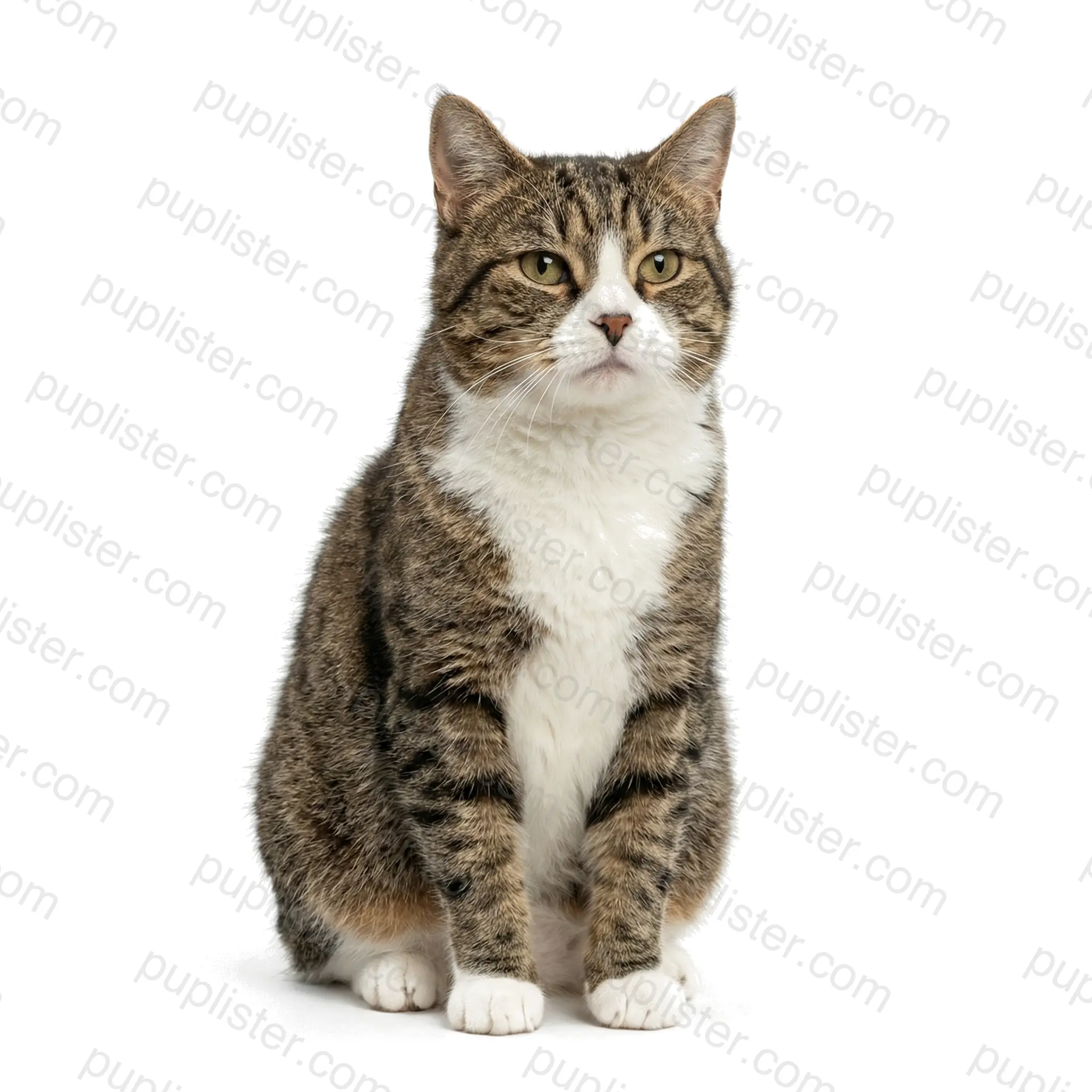
0 pets available
About the American Wirehair The American Wirehair originated in 1966 from a spontaneous mutation in a litter of farm cats in Verona, New York. This medium-to-large breed weighs 8–15 pounds and is distinguished by its uniquely crimped, springy coat — every hair, including the whiskers, is hooked or bent. Their wiry coat comes in all colors and patterns, and the texture ranges from spongy to dense and coarse. Temperament & Personality American Wirehairs are calm, tolerant cats with a quiet, adaptable demeanor that makes them excellent family companions. They enjoy playing but are equally happy to relax on the couch — never demanding attention but always appreciating it. They get along well with children, dogs, and other cats, making them versatile additions to virtually any household. Pros Uniquely textured coat is a fascinating conversation starterEven-tempered and adaptable to various living situationsResilient health — shares the hardy genetics of the American ShorthairIndependent yet affectionate — won't demand constant attention Cons Wiry coat can feel coarse and is not as pleasant to pet as silky breedsMay develop skin allergies or oily skin requiring occasional bathingOne of the rarest cat breeds — extremely difficult to findCan be prone to obesity without proper portion control Explore the unique American Wirehair and other wonderful cats waiting for homes on Puplister.
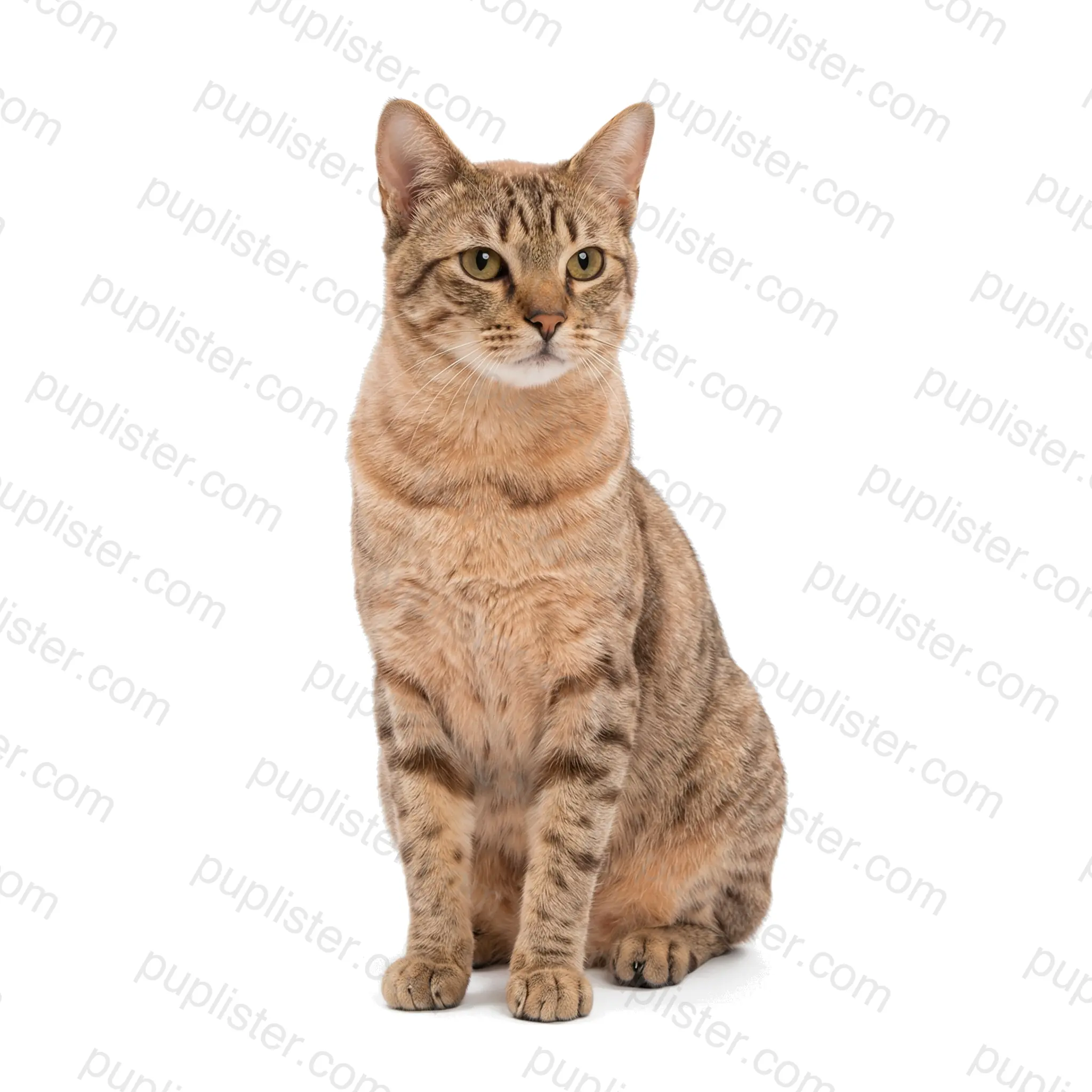
0 pets available
About the Australian Mist The Australian Mist — formerly known as the Spotted Mist — was developed in Australia in the 1970s by Dr. Truda Straede, who crossbred Burmese, Abyssinian, and domestic shorthair cats. This medium-sized breed weighs 7–13 pounds and has a round, expressive face with large green eyes. Their short, glossy coat features a distinctive spotted or marbled pattern overlaid with a misty ground color in shades of brown, blue, chocolate, lilac, gold, and peach. Temperament & Personality Australian Mists are exceptionally tolerant, gentle cats that thrive on human companionship and are rarely aggressive. They are outstanding with children — patient enough to tolerate handling without scratching — and coexist peacefully with other pets. Their moderate energy level means they enjoy play sessions but are equally content to curl up on a warm lap. Pros One of the most tolerant breeds with children — rarely uses clawsAdapts well to indoor-only living without becoming restlessLow-maintenance short coat with minimal sheddingBalanced temperament — neither too active nor too sedentary Cons Extremely rare outside of Australia — very hard to find in North AmericaCan gain weight easily if kept strictly indoors without enrichmentMay become overly attached and develop separation anxietyLimited gene pool means fewer breeding options and higher prices Curious about the Australian Mist? Start your search for adoptable cats on Puplister and discover breeds that match your lifestyle.
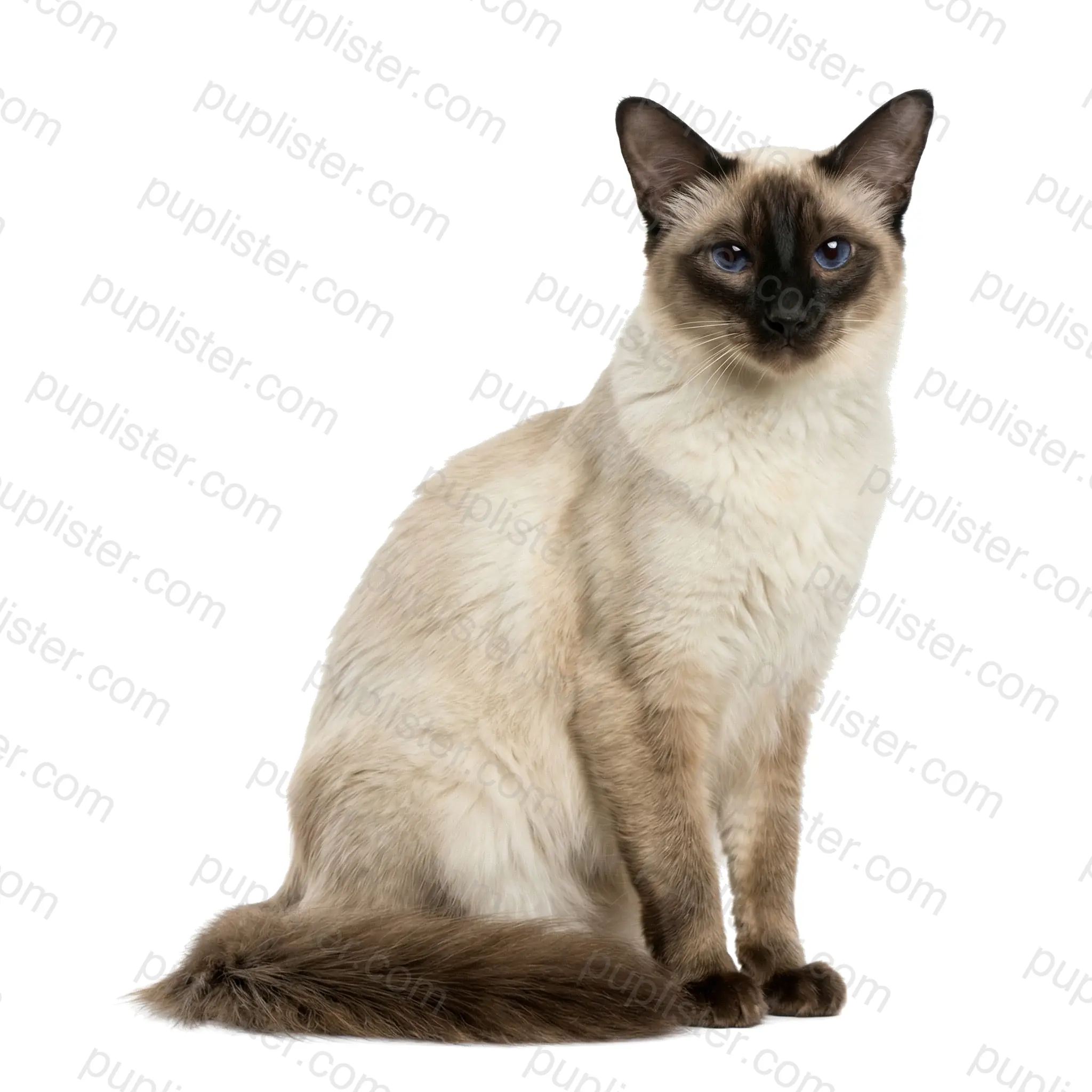
0 pets available
About the Balinese The Balinese is essentially a longhaired Siamese — first recognized in the 1950s when longhaired kittens occasionally appeared in Siamese litters. This medium-sized, elegant breed weighs 5–10 pounds and is known for its striking blue almond-shaped eyes and silky, flowing coat. Their coloring follows the classic Siamese point pattern in seal, blue, chocolate, and lilac — with a creamy body and darker extremities. Temperament & Personality Balinese cats are vocal, affectionate, and deeply bonded to their owners — often following them around the house and "chatting" throughout the day. They are highly intelligent, enjoy puzzle toys, and can even learn to walk on a leash. They do well with respectful children and other social pets, though they tend to choose one person as their primary companion. Pros Produces less of the Fel d 1 allergen — often tolerated better by allergy sufferersExceptionally intelligent and highly trainableSingle-layered coat lacks an undercoat — sheds far less than other longhairsDeeply loyal and forms intense bonds with their chosen person Cons Very vocal — can be excessively chatty with a loud, demanding voiceProne to Siamese-linked health issues including amyloidosis and dental problemsNeeds significant social interaction — not ideal for owners who are away all dayCan become jealous or demanding if they feel ignored Looking for a graceful, talkative feline friend? Find Balinese cats and other beautiful breeds available on Puplister.
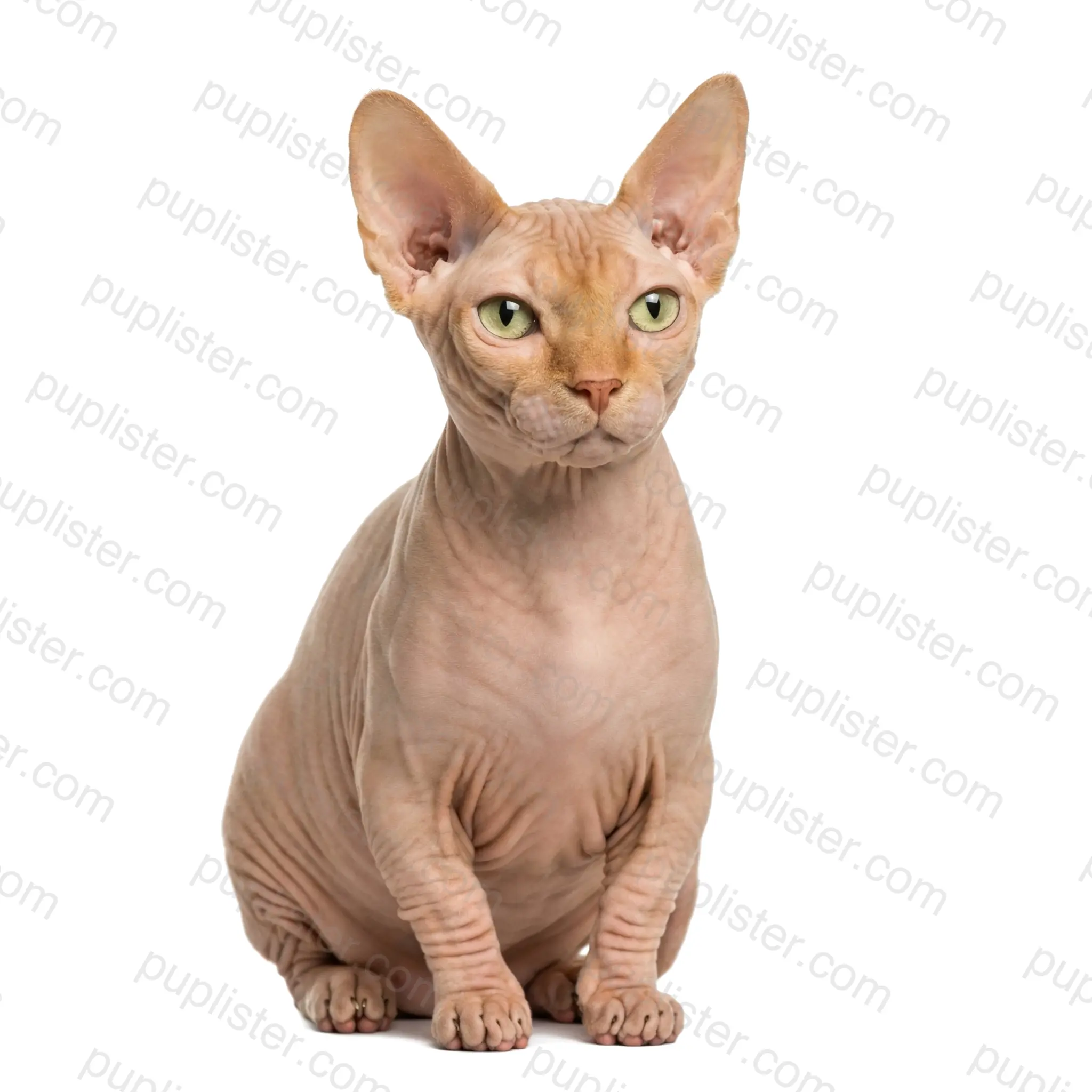
0 pets available
About the Bambino The Bambino is a relatively new designer breed created by crossing the Sphynx with the Munchkin, resulting in a hairless cat with short legs. This small breed weighs just 5–9 pounds and has the characteristic wrinkled, nearly hairless skin of the Sphynx combined with the Munchkin's shortened limbs. Their skin comes in all colors and patterns, and they may have a fine peach-fuzz covering. Temperament & Personality Bambinos are outgoing, affectionate, and surprisingly energetic despite their short legs — they love to run, play, and explore. They are extremely social cats that crave human contact and will curl up under blankets or on laps for warmth. They get along well with children, dogs, and other cats, making them lively and entertaining companions. Pros Hypoallergenic-friendly — minimal to no fur reduces allergen spreadExtremely affectionate and loves to cuddle for warmthPlayful and comedic — their antics provide endless entertainmentSmall size makes them well-suited to apartment living Cons Requires regular bathing to remove skin oil buildupHighly sensitive to cold and sunburn — needs climate-controlled environmentsControversial breed — short legs and hairlessness raise welfare concernsProne to skin conditions, heart disease (HCM), and lordosis from structural mutations If the playful Bambino has captured your heart, explore available cats for adoption on Puplister.
0 pets available
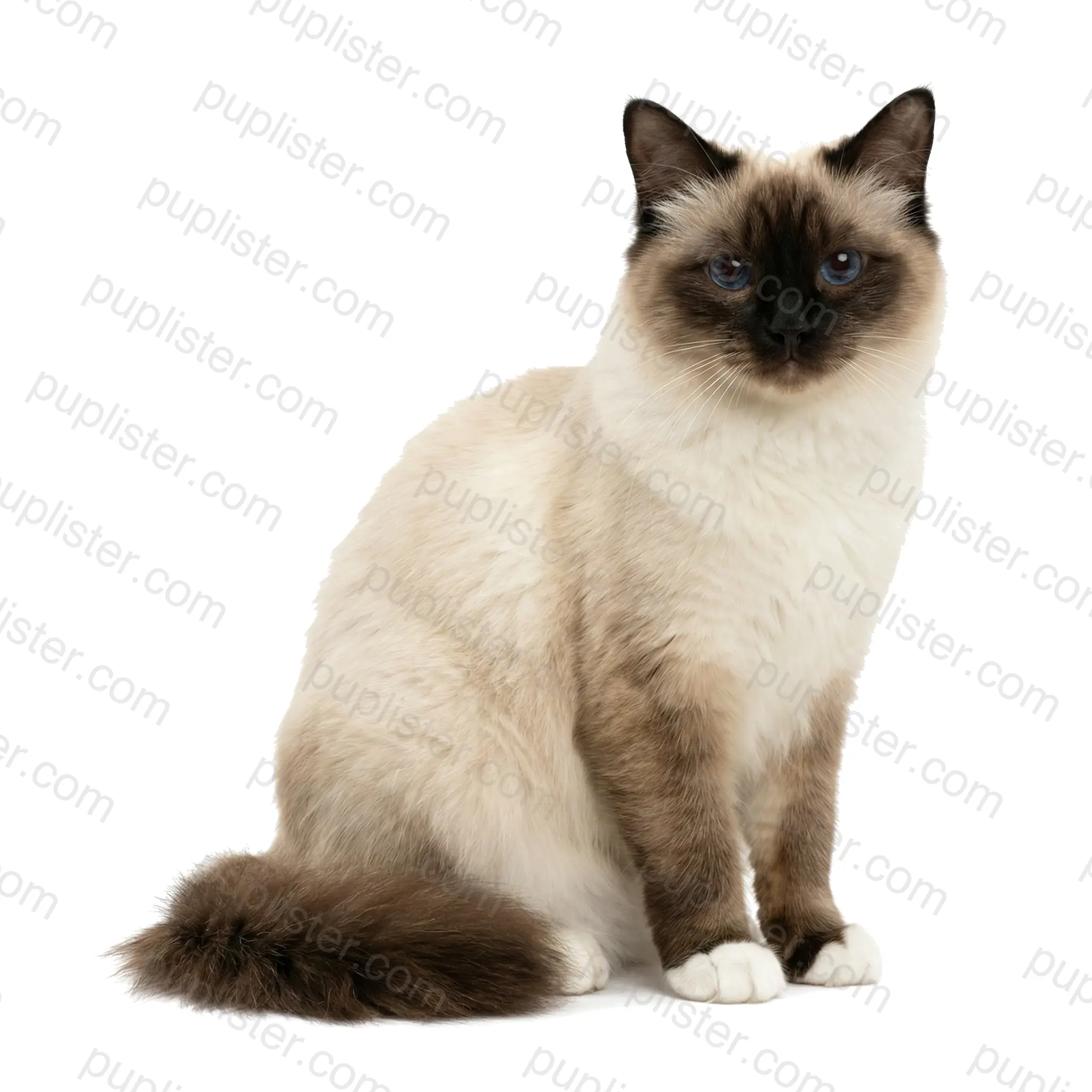
About the Birman The Birman — also called the Sacred Cat of Burma — has a legendary origin tied to Burmese temples, though the breed was formally established in France in the 1920s. This medium-to-large breed weighs 7–14 pounds and is characterized by its striking blue eyes, silky semi-long coat, and distinctive white "gloves" on all four paws. Their coloring follows a pointed pattern in seal, blue, chocolate, lilac, red, and cream, with a pale golden body and darker extremities. Temperament & Personality Birmans are gentle, affectionate cats that love companionship without being overly demanding or clingy. They are quiet, well-mannered, and get along beautifully with children, dogs, and other cats — often seeking harmony in the household. Their docile yet playful nature makes them one of the most family-friendly breeds available. Pros Silky coat has no undercoat — resists matting far better than other longhairsGentle, docile temperament ideal for families with young childrenQuiet breed — communicates with soft, melodic vocalizationsSociable with other pets and adapts well to multi-animal households Cons Prone to hypertrophic cardiomyopathy (HCM) and kidney diseaseCan develop obesity if overfed — requires careful diet managementCoat still requires regular brushing despite lack of undercoatMay become depressed if left alone for extended periods Bring the gentle spirit of a Birman into your life — browse cats available for adoption on Puplister.
0 pets available
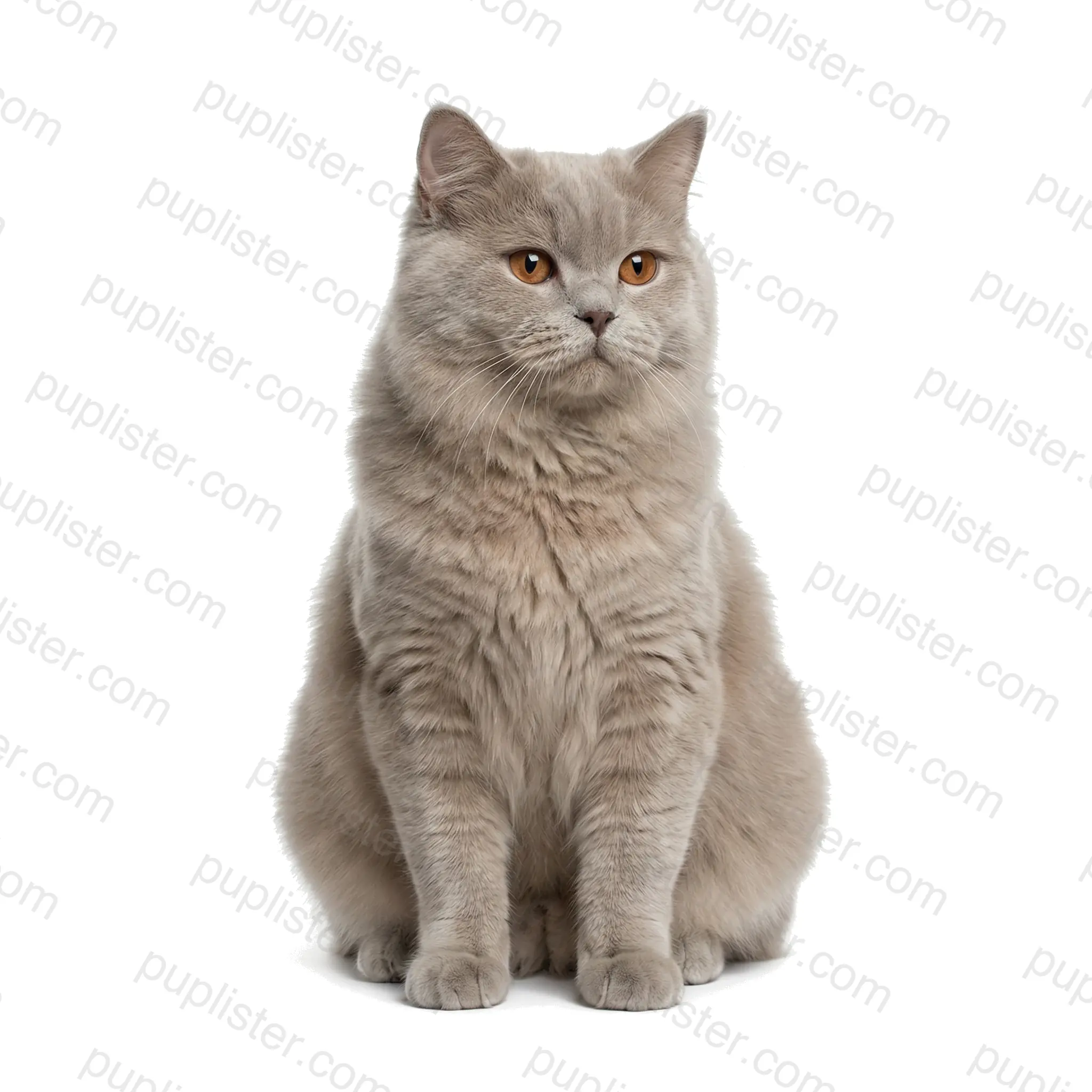
About the British Longhair The British Longhair is the semi-longhaired variant of the British Shorthair, carrying the recessive longhair gene that has been present in the breed since Persian crosses were used after World War II. This medium-to-large breed weighs 8–18 pounds and has the same round, sturdy build as its shorthaired cousin. Their plush, dense coat comes in a wide array of colors and patterns — including the classic "British Blue" — and features a luxurious ruff around the neck and a full, plumed tail. Temperament & Personality British Longhairs are calm, dignified cats that enjoy quiet companionship without being overly demanding. They are tolerant and patient with children, coexist peacefully with other pets, and are content to observe household activities from a comfortable perch. Their relaxed, independent nature makes them ideal for owners who appreciate a cat that is affectionate but not clingy. Pros Calm, easygoing temperament — excellent for laid-back householdsTolerant of children and other animals without being easily stressedBeautiful plush coat with a luxurious, teddy-bear appearanceIndependent enough to handle time alone without developing anxiety Cons Dense coat requires brushing 2–3 times per week to prevent mattingProne to obesity and polycystic kidney disease (PKD) from Persian ancestryHeavy shedding — especially during seasonal coat changesCan be aloof and may not enjoy being picked up or held Discover the gentle elegance of the British Longhair — explore adoptable cats waiting for loving homes on Puplister.
0 pets available
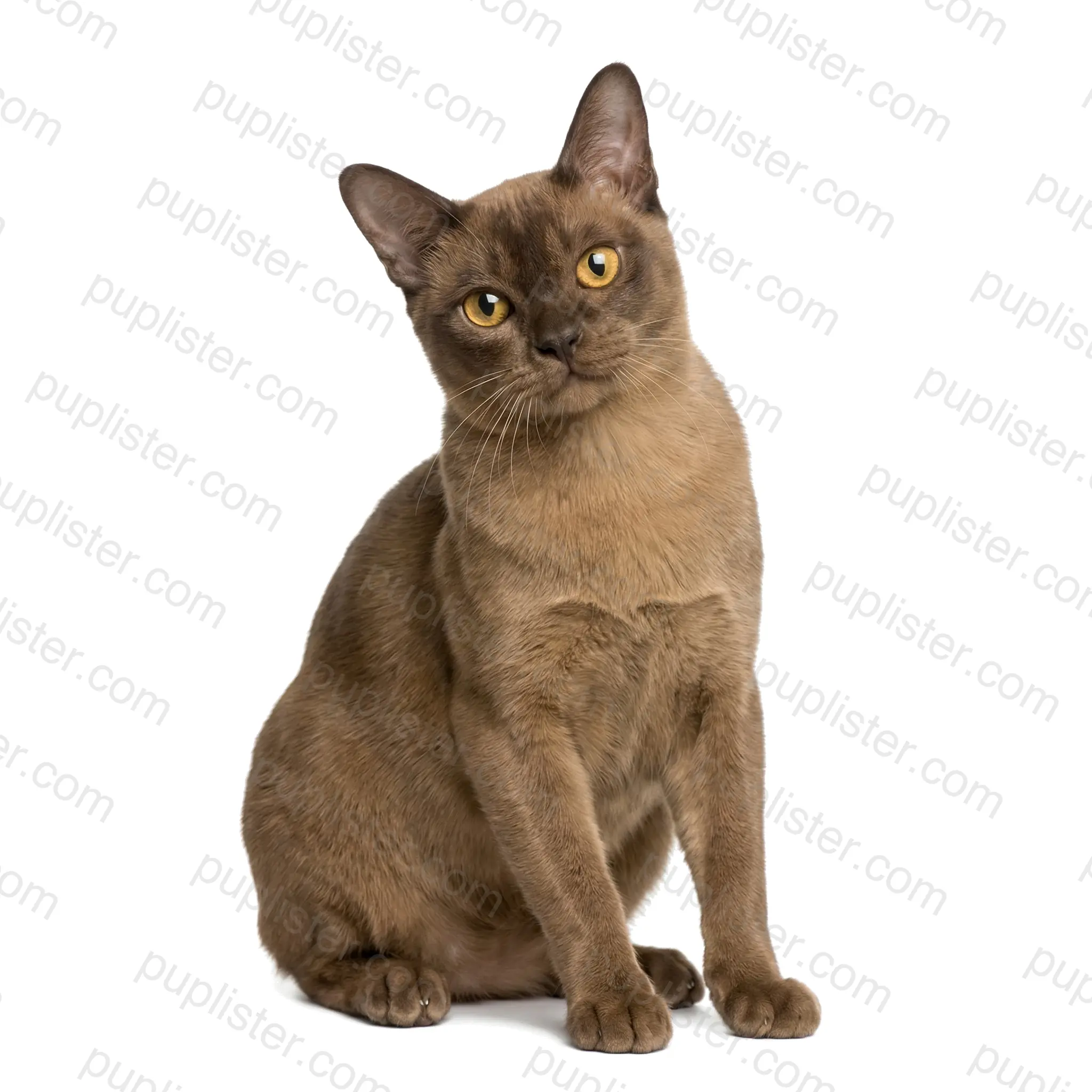
About the Burmese The Burmese traces its Western lineage to a single cat named Wong Mau, brought from Burma (Myanmar) to San Francisco in 1930 by Dr. Joseph C. Thompson. This compact, muscular breed weighs 6–14 pounds and is surprisingly heavy for its size — often described as a "brick wrapped in silk." Their short, satiny coat comes in sable, champagne, blue, and platinum, with an exceptionally fine texture that lies close to the body. Temperament & Personality Burmese cats are social, energetic, and deeply people-oriented — they want to be involved in everything their family does. They are excellent with children and other pets, often initiating play and maintaining their kitten-like exuberance well into old age. Their trusting, outgoing nature means they should be kept indoors, as they lack the wariness of strangers that keeps other cats safe outdoors. Pros Extremely affectionate — thrives on physical contact and lap timeMaintains playful, kitten-like energy throughout adulthoodMinimal grooming needed — satiny coat rarely sheds or matsHighly social and does well in multi-cat households Cons Prone to diabetes mellitus at higher rates than most breedsSusceptible to craniofacial defects and hypokalemic polymyopathyToo trusting — not streetwise enough for outdoor accessDemanding of attention — can develop behavioral issues if left alone regularly Experience the warmth and devotion of a Burmese — find cats ready for adoption on Puplister.
0 pets available
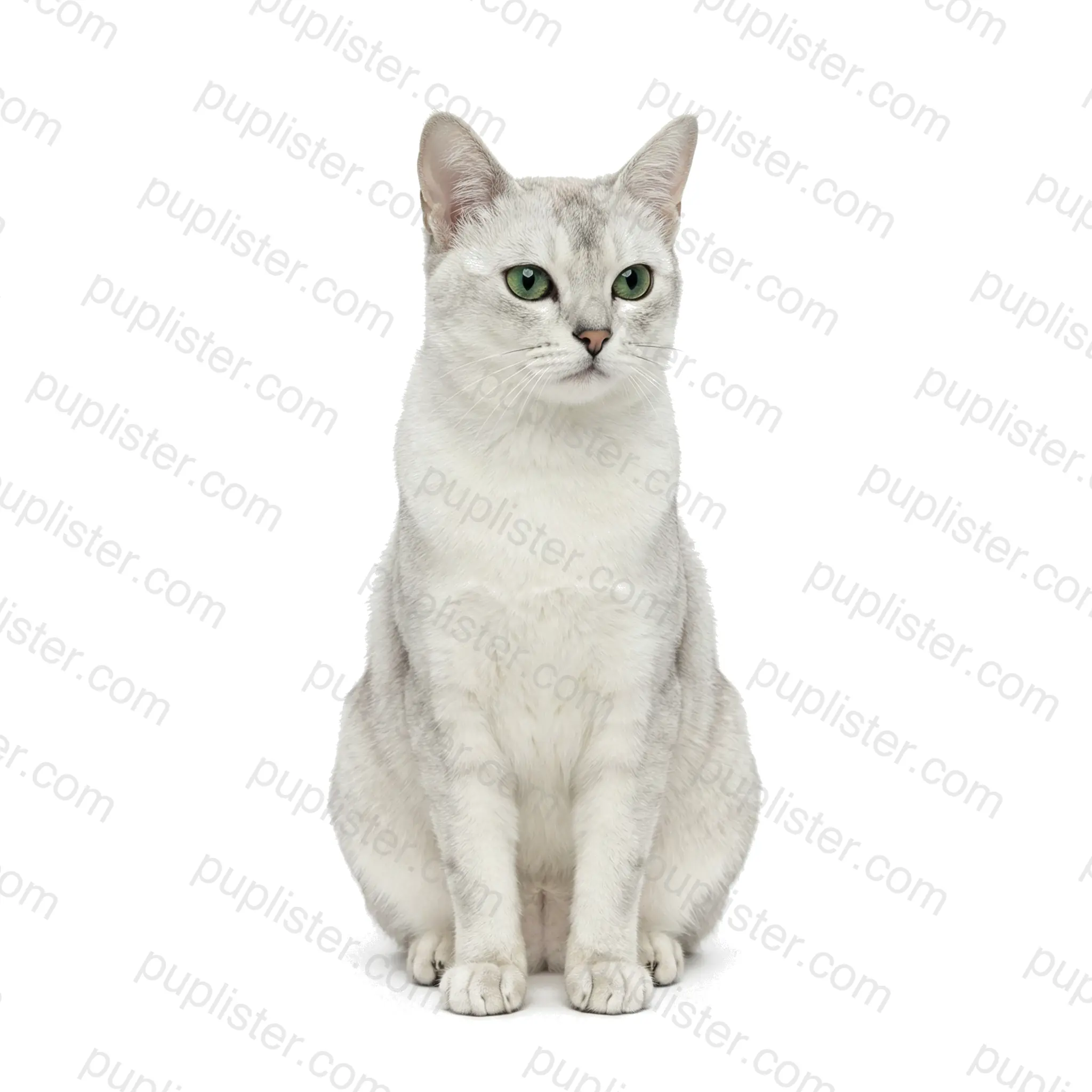
About the Burmilla The Burmilla was created by accident in 1981 in the United Kingdom when a Chinchilla Persian escaped and mated with a lilac Burmese — producing kittens of such striking beauty that a deliberate breeding program was established. This medium-sized breed weighs 6–13 pounds and has an elegant yet muscular build with large, expressive green eyes. Their short, dense coat has a distinctive "tipped" or "shaded" silver pattern — as if each hair has been delicately painted at the tip — in colors including black, blue, brown, chocolate, and lilac. Temperament & Personality Burmillas inherit the best of both parent breeds — the playful sociability of the Burmese and the gentle calm of the Chinchilla Persian. They are affectionate without being clingy, enjoy interactive play, and are generally good-natured with children and other pets. Their sweet, easygoing personality makes them wonderful companions for first-time cat owners. Pros Stunningly beautiful silver-tipped coat that is easy to maintainBalanced temperament — affectionate but not overly demandingGets along well with children, other cats, and cat-friendly dogsQuiet breed with a gentle, melodic voice Cons Can inherit polycystic kidney disease (PKD) from Persian ancestryRelatively rare — limited availability and potentially high costMay develop allergies and skin sensitivitiesNeeds regular dental care — prone to gingivitis and periodontal disease The elegant Burmilla might be your ideal feline match — start browsing adoptable cats on Puplister today.
0 pets available
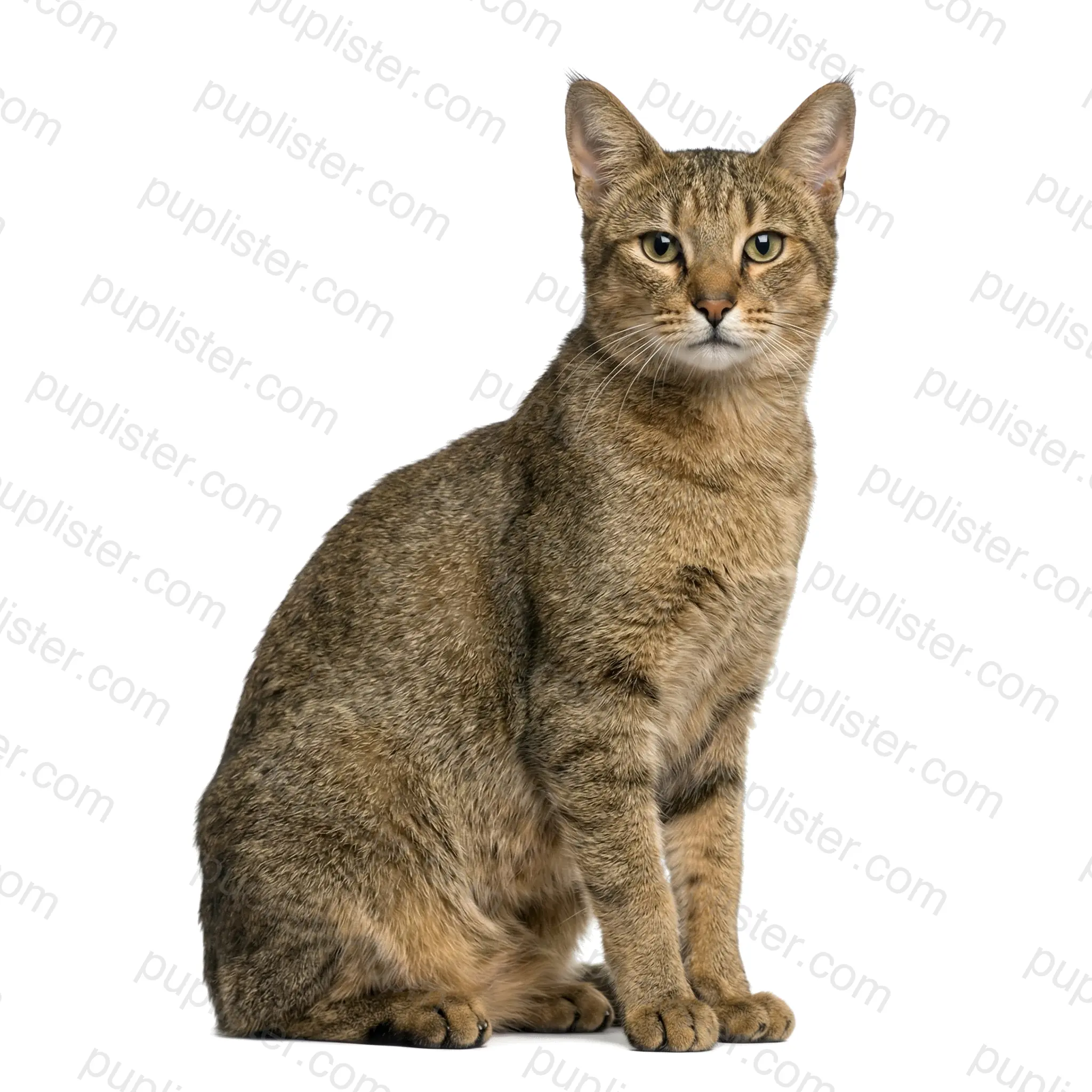
About the Chausie The Chausie is a hybrid breed developed by crossing domestic cats with the wild jungle cat (Felis chaus), which is native to the Nile Valley and South-Central Asia. This large, athletic breed weighs 12–25 pounds and has a long, lean body built for speed and agility — resembling a small cougar. Their short coat comes in three accepted colors — black, brown ticked tabby, and black grizzled tabby — with the grizzled pattern being unique to this breed. Temperament & Personality Chausies are fearless, intelligent, and extremely active cats that need an owner who can match their energy and provide ample stimulation. They form strong bonds with their primary caretaker and can be affectionate, but they are not typical lap cats. They can coexist with older children and dogs if properly socialized, though their wild heritage means they play rough and need firm boundaries. Pros Stunning wild appearance combined with a domestic temperamentExceptionally athletic — can jump up to 6 feet from a standing positionHighly intelligent and can be trained to walk on a leashForms deep, loyal bonds with its primary person Cons Requires enormous amounts of exercise and mental stimulation dailyOften has a sensitive digestive system — many cannot tolerate grain-based foodsNot suitable for households with small children or small petsLegal restrictions apply in some states and countries due to hybrid status Think you have what it takes for a Chausie? Explore available cats for adoption on Puplister and find your wild-at-heart companion.
0 pets available
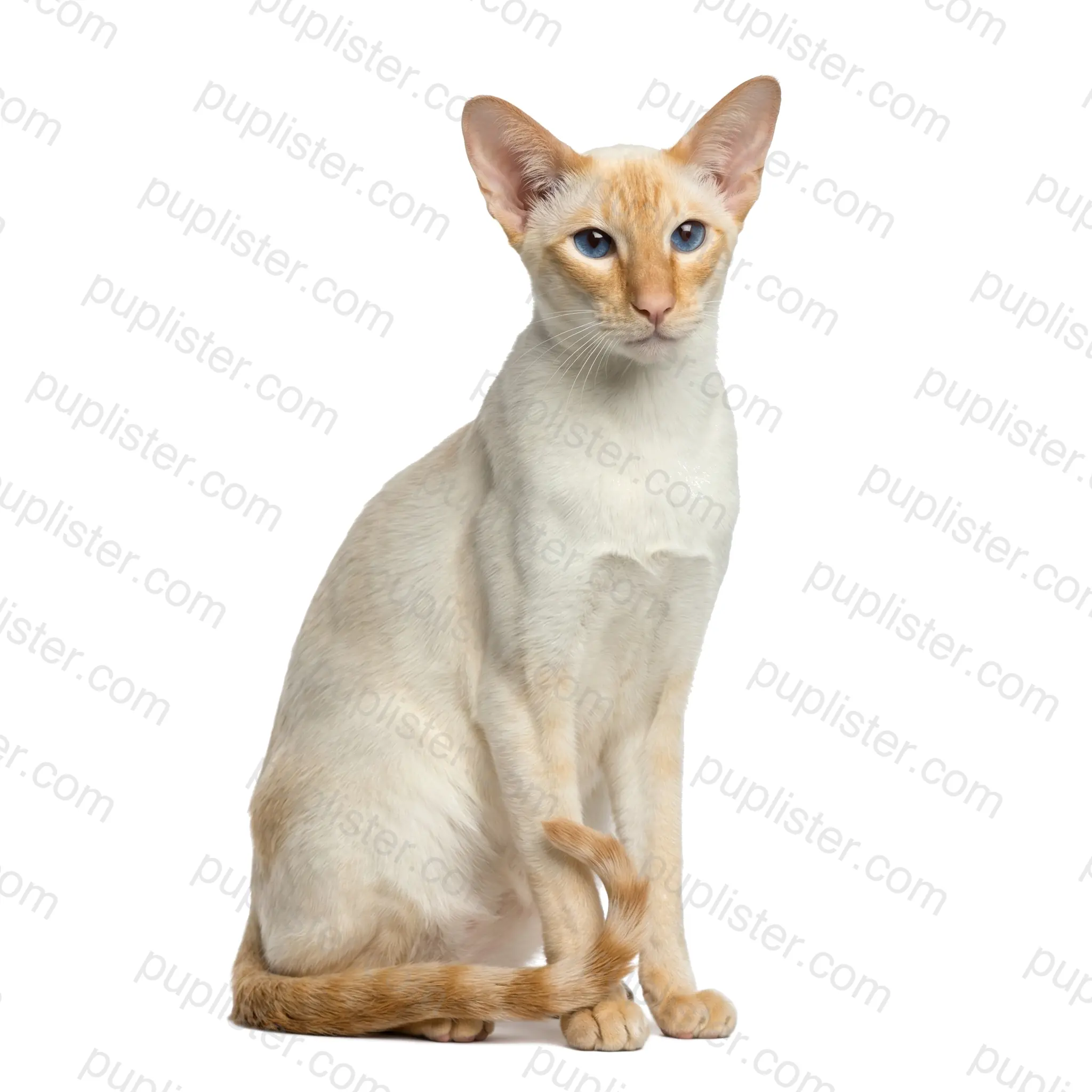
About the Colorpoint Shorthair The Colorpoint Shorthair was developed in the 1940s–1950s by crossing Siamese with red tabby American Shorthairs to introduce point colors beyond the traditional four Siamese shades. This elegant, medium-sized breed weighs 5–10 pounds and shares the Siamese's svelte, tubular body, wedge-shaped head, and vivid blue eyes. Their short, fine coat features point coloring in 16 non-traditional shades — including red, cream, lynx (tabby), and tortoiseshell points. Temperament & Personality Colorpoint Shorthairs are every bit as vocal, demanding, and affectionate as their Siamese relatives — they will tell you exactly what they think at high volume. They are intensely social cats that bond deeply with their families and can become distressed if ignored or left alone. They do well with older children who can match their energy and with other social cats that enjoy play. Pros Vivid, unique point colors not available in traditional SiameseExceptionally intelligent and responsive to trainingDeeply affectionate and loyal to their chosen familyShort, fine coat requires virtually no grooming Cons Extremely vocal — among the loudest and most persistent cat breedsProne to the same health issues as Siamese — amyloidosis, asthma, and heart defectsCan develop severe separation anxiety if left alone frequentlySensitive and easily stressed by changes in routine or environment If you love the Siamese personality in new colors, search for Colorpoint Shorthairs on Puplister.
0 pets available
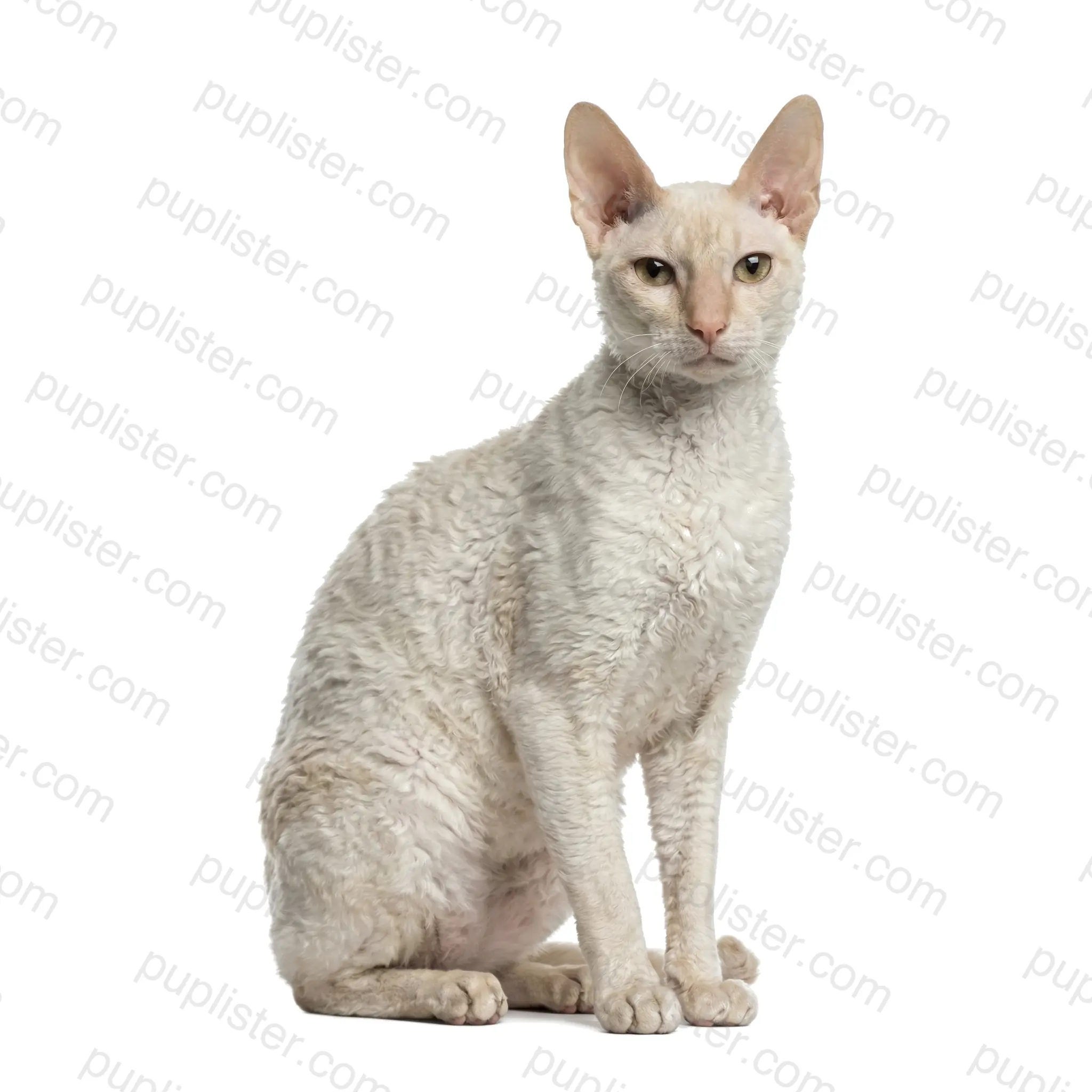
1About the Cornish Rex The Cornish Rex originated in 1950 in Cornwall, England, when a curly-coated kitten named Kallibunker appeared in an otherwise normal litter on a farm. This small-to-medium breed weighs 5–10 pounds and has a distinctive greyhound-like body — arched back, tucked waist, and long, slender legs built for speed. Their coat is uniquely composed of only the soft, curly down layer — lacking the outer guard hairs and middle awn hairs that other cats possess — creating a washboard-like wave pattern. Temperament & Personality Cornish Rex cats are energetic, acrobatic, and endlessly entertaining — they retain their kitten-like playfulness well into their senior years. They are extremely social, love to be held and handled, and will seek out the warmest lap or blanket in the house. They thrive with children and other active pets, and their clownish antics make them natural performers. Pros Minimal shedding — soft, wavy coat produces less loose hair than most breedsExtremely active and entertaining — loves to play fetch and perform acrobatic leapsWarmth-seeking and cuddly — an ideal lap cat and bed warmerHighly social and does well in busy, active households Cons Thin coat provides little insulation — sensitive to cold and draftsProne to hair loss (hypotrichosis) and skin oil buildup requiring regular bathingHigh metabolism means they eat more relative to their size and can be picky eatersCan be demanding of attention and may act out if bored or ignored Bring home the playful energy of a Cornish Rex — explore cats available for adoption on Puplister.
0 pets available
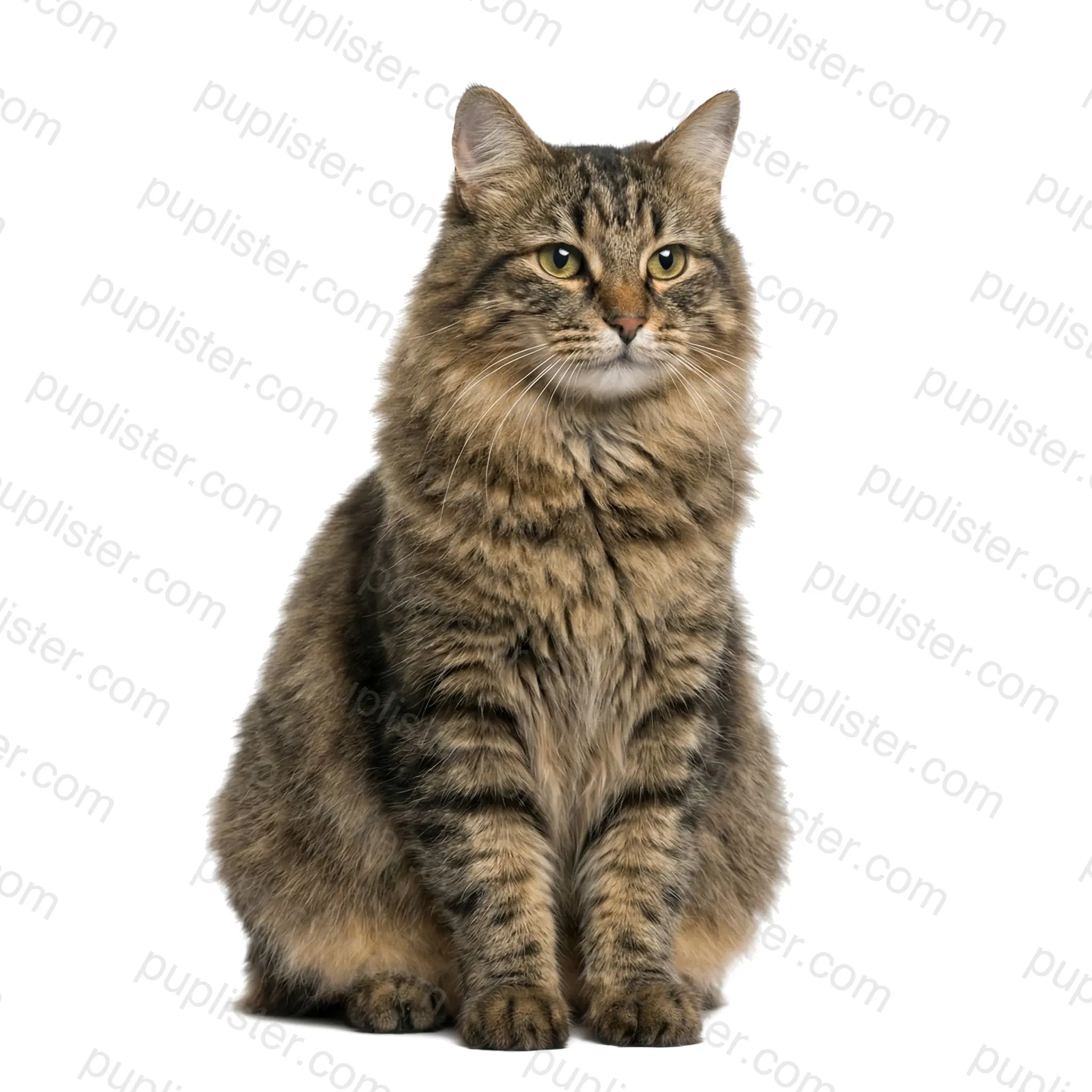
About the Cymric The Cymric (pronounced "kim-rick") is the longhaired variety of the Manx, originating from the Isle of Man in the Irish Sea where tailless cats have existed for centuries. This medium-to-large, solidly built breed weighs 8–13 pounds and is notable for its complete lack of tail — or, in some cases, a short stub — caused by a natural spinal mutation. Their semi-long, double coat is dense and plush, coming in virtually every color and pattern except pointed. Temperament & Personality Cymrics are gentle, playful cats with a devoted, dog-like loyalty to their families — they are known to follow their owners from room to room and even come when called. They are excellent with children and other pets, and their calm yet playful nature makes them well-suited to family life. Many Cymrics are fascinated by water and enjoy watching or playing with running faucets. Pros Loyal, dog-like personality — comes when called and follows family membersPowerful hind legs make them exceptional jumpers and playful athletesGentle and patient — excellent with children of all agesBeautiful, plush coat adds elegance to their unique tailless silhouette Cons Manx syndrome — a serious spinal defect that can cause incontinence, paralysis, or death in affected kittensDense double coat requires frequent brushing to prevent mattingProne to arthritis and spinal issues related to the tailless geneRelatively rare — the longhair gene adds another layer of scarcity to an uncommon breed Interested in the unique Cymric? Find tailless beauties and other adoptable cats on Puplister.
0 pets available
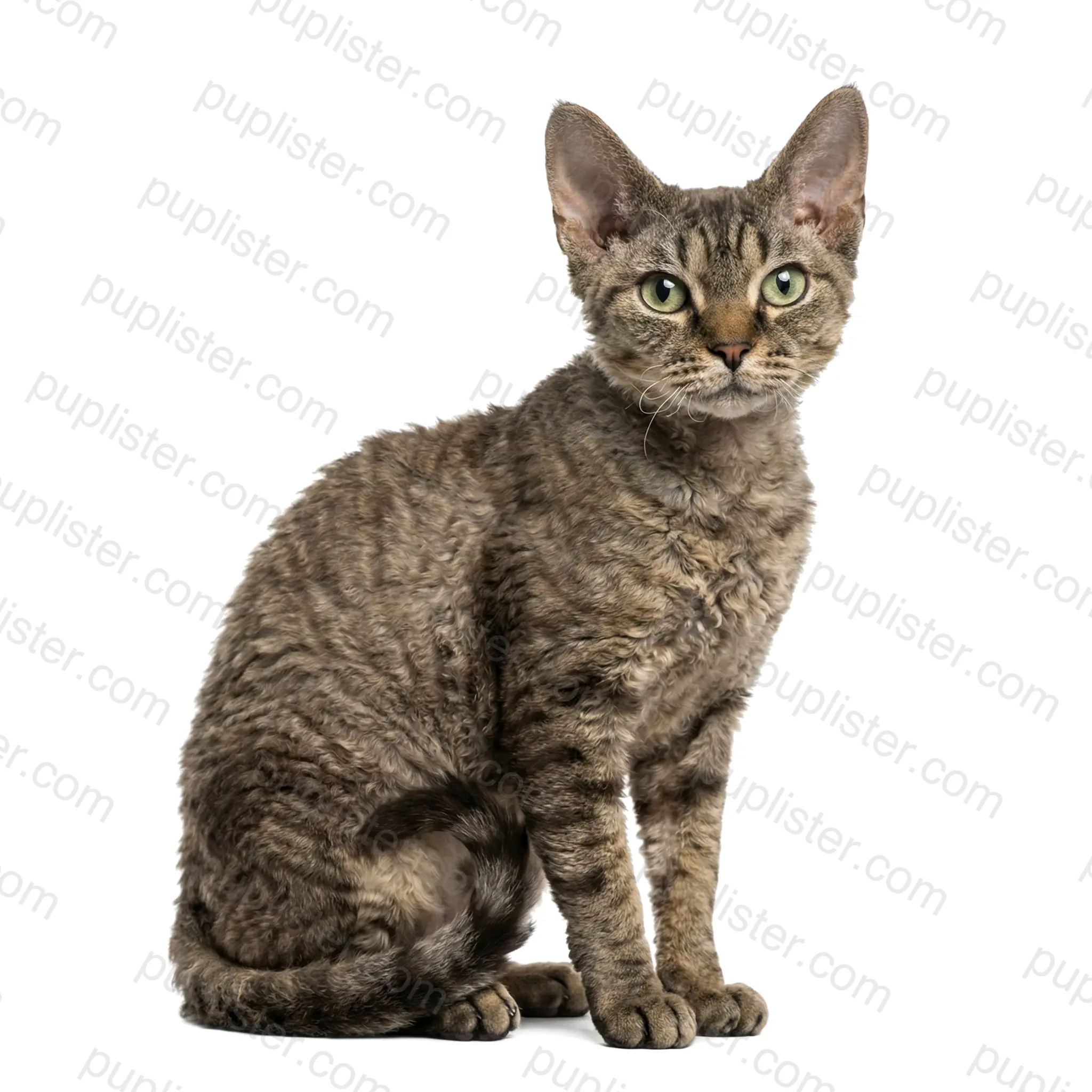
About the Devon Rex The Devon Rex appeared in 1959 in Buckfastleigh, Devon, England — just a decade after the Cornish Rex, though the two breeds' curly coats are caused by entirely different genetic mutations. This small-to-medium breed weighs 5–10 pounds and has an unmistakable pixie-like face with enormous, low-set ears, large oval eyes, and prominent cheekbones. Their short, soft, wavy coat can come in virtually any color or pattern and has a suede-like texture. Temperament & Personality Devon Rex cats are mischievous, high-energy clowns that love to perch on shoulders, steal food, and insert themselves into every activity. They are fiercely people-oriented and will follow their owners everywhere — including into the shower if given the chance. They get along splendidly with children, dogs, and other cats, and their playful, affectionate nature makes them impossible to ignore. Pros Low-shedding, wavy coat — often better tolerated by allergy sufferersClownish, entertaining personality provides constant amusementShoulder-riding and lap-sitting habits make them exceptionally affectionateCompact size and adaptable nature suit apartment living perfectly Cons Prone to hereditary myopathy (a muscle weakness condition unique to the breed)Thin coat means they are always seeking heat — can burn on radiators or heating padsFood-motivated to a fault — will steal food from plates, counters, and even your handFragile, curly whiskers often break off, which is harmless but can look unusual Let a Devon Rex pixie brighten your home — search for adoptable cats on Puplister today.
0 pets available
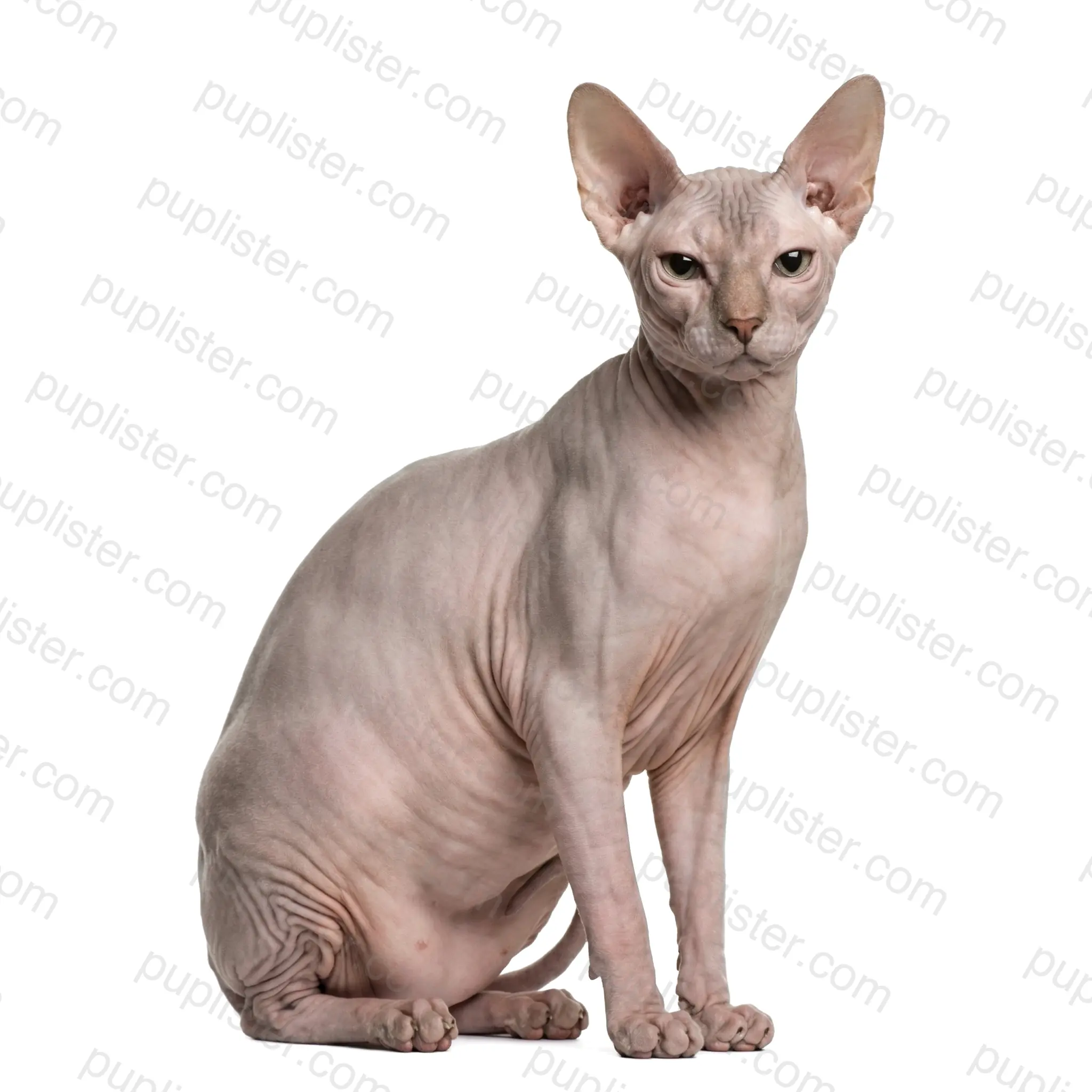
About the Donskoy The Donskoy — also called the Don Sphynx — originated in 1987 in Rostov-on-Don, Russia, when a rescued kitten named Varvara began losing her fur due to a dominant hairless gene unrelated to the Sphynx's recessive gene. This medium-sized breed weighs 6–12 pounds and has a muscular, elegant body with wrinkled, warm skin and long, webbed toes. Their skin can present in four types: rubber bald (completely hairless), flock (fine peach fuzz), velour (short woolly coat that thins with age), and brush (wiry partial coat). Temperament & Personality Donskoy cats are exceptionally intelligent, social, and affectionate — they bond deeply with their families and are known for their dog-like loyalty. They are gentle with children and get along well with other pets, including dogs, as they are rarely aggressive. Their warm, friendly nature and love of human contact make them outstanding companions for people who want an interactive pet. Pros Dominant hairless gene means even carrier kittens show the trait — easier to breed predictablyExtremely affectionate and loyal — thrives on close human contactHighly intelligent and can learn tricks and respond to voice commandsWarm, soft skin feels like heated suede — uniquely pleasant to touch Cons Requires regular bathing every 1–2 weeks to manage skin oil buildupExtremely sensitive to temperature — needs sweaters in winter and sunscreen in summerProne to dental issues, skin infections, and ectodermal dysplasiaVery rare outside of Russia and Eastern Europe — difficult to find for adoption Intrigued by the Donskoy's unique charm? Explore hairless breeds and more on Puplister.
0 pets available
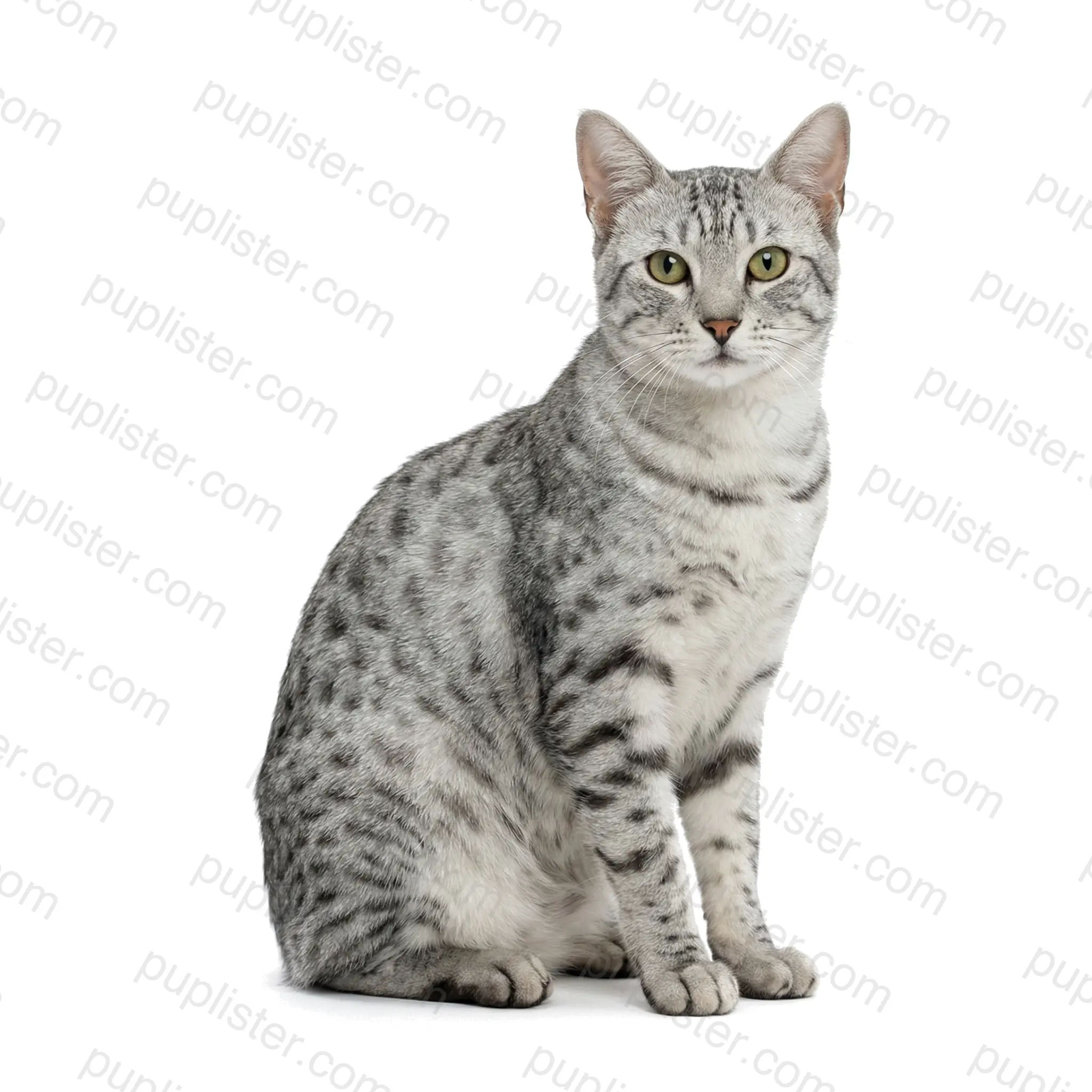
About the Egyptian Mau The Egyptian Mau is the only naturally spotted domestic cat breed — its distinctive markings occur without any human intervention, and the breed's ancestry may trace back to the spotted cats depicted in ancient Egyptian art. This medium-sized, muscular breed weighs 6–14 pounds and is built for speed — it holds the record as the fastest domestic cat, capable of sprinting over 30 miles per hour. Their short, silky coat comes in silver, bronze, and smoke, each adorned with random spots that are present on the skin itself, not just the fur. Temperament & Personality Egyptian Maus are loyal, sensitive cats that bond intensely with their family while remaining reserved around strangers. They are active and playful — often "chortling" in a distinctive, musical voice when excited — and they love interactive play sessions. They can be good with respectful older children and may accept other pets if introduced carefully, though they often prefer to be the center of attention. Pros Only naturally spotted domestic breed — strikingly beautiful and exotic-lookingFastest domestic cat — provides thrilling interactive play sessionsExtremely loyal and devoted to their chosen familyShort, easy-care coat with minimal grooming requirements Cons Reserved and suspicious of strangers — can be shy and skittish in new situationsTemperature sensitive — prefers warm environments and may be uncomfortable in cold climatesProne to leukodystrophy (a neurological condition) and heart diseasePossessive of toys and food — may not share well with other cats Fascinated by the Egyptian Mau's ancient beauty? Find your spotted companion among adoptable cats on Puplister.
0 pets available
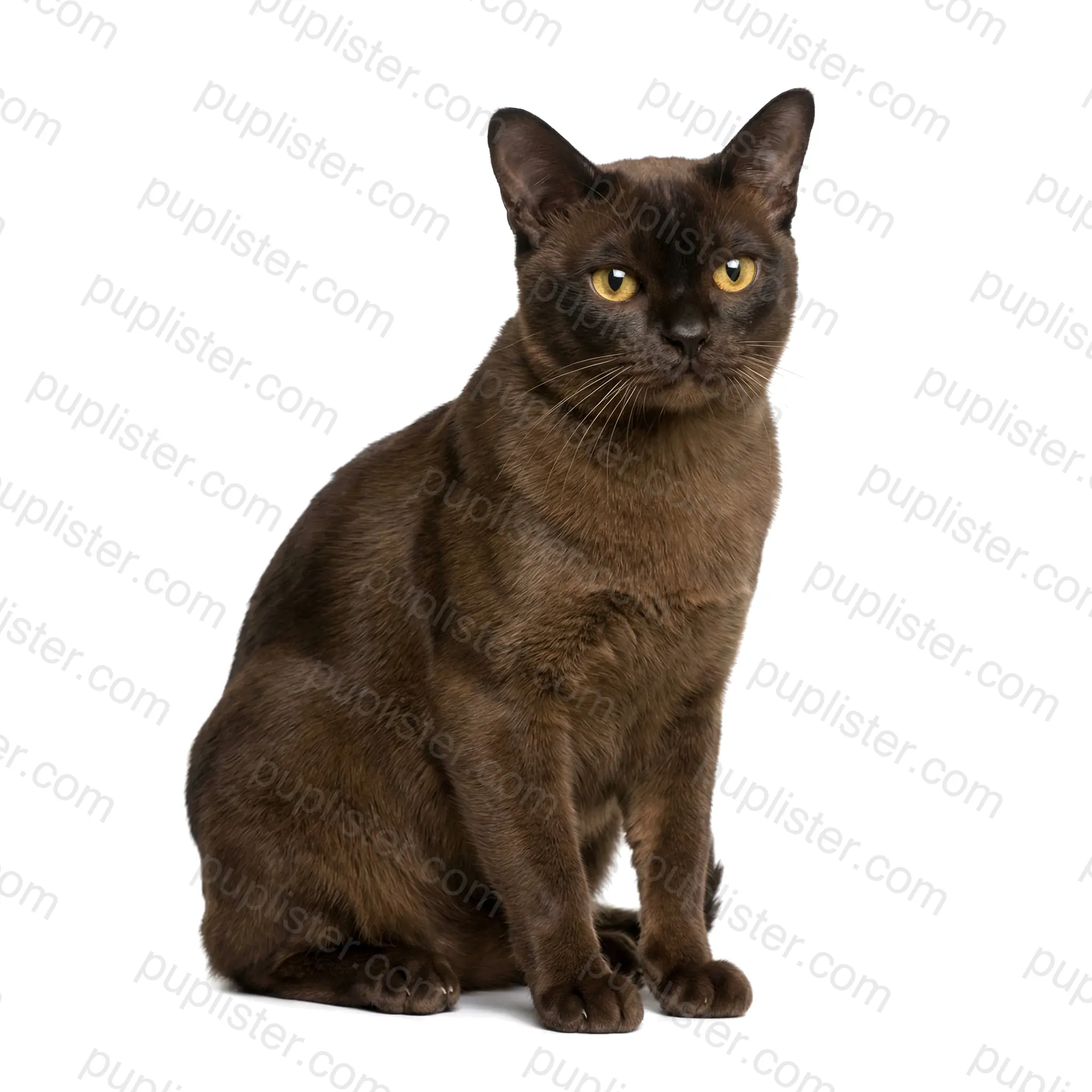
About the European Burmese The European Burmese diverged from the American Burmese after World War II, when breeders in Europe developed the breed along different lines — favoring a more moderate, elegant body type over the cobby American standard. This medium-sized breed weighs 7–12 pounds and has a gently rounded head, moderately wedge-shaped profile, and a sleek, muscular build. Their short, satiny coat comes in a wider palette than the American variety — including brown, blue, chocolate, lilac, red, cream, and all four tortoiseshell combinations. Temperament & Personality European Burmese are outgoing, affectionate cats that thrive on human interaction and hate to be left alone. They are playful and energetic without being hyperactive, and they get along beautifully with children, other cats, and cat-friendly dogs. Their sweet, expressive nature and tendency to "talk" in a soft, raspy voice make them irresistibly engaging companions. Pros Wider color palette than American Burmese — ten recognized shadesModerate, elegant body type is less prone to breathing issues than the cobby American varietyExceptionally social — does well in multi-pet householdsShort, close-lying coat is virtually maintenance-free Cons Strongly dislikes being alone — may need a companion cat if owners work long hoursProne to diabetes mellitus and orofacial pain syndromeCan be overly persistent in demanding attentionRelatively uncommon in North America — may be hard to find through adoption The European Burmese offers refined beauty and boundless love — discover adoptable cats on Puplister.
0 pets available
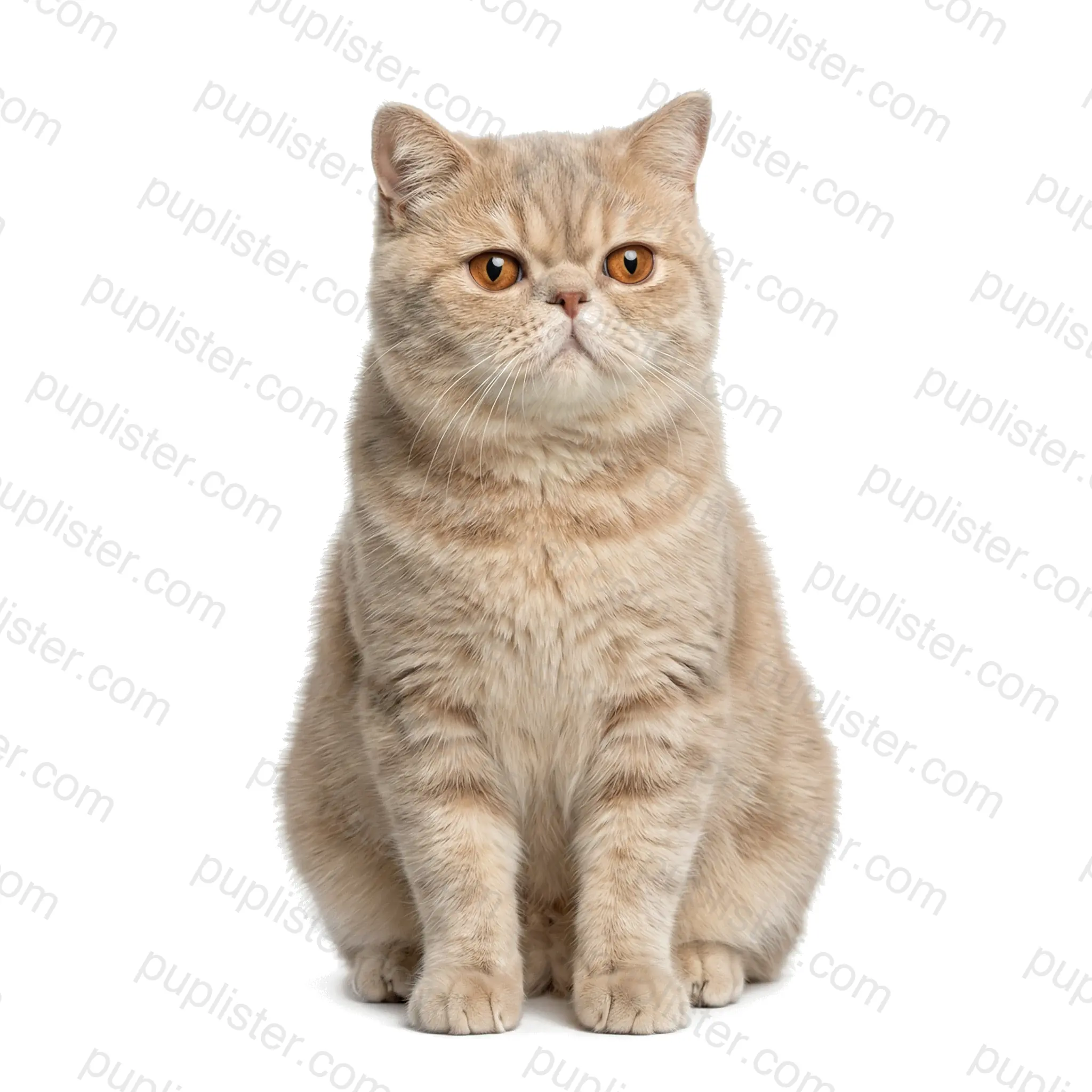
About the Exotic Shorthair The Exotic Shorthair was developed in the 1950s–1960s by crossing Persians with American Shorthairs to create a Persian with a more manageable coat — essentially a "lazy man's Persian." This medium-to-large breed weighs 7–14 pounds and shares the Persian's flat face, round eyes, small ears, and stocky build. Their dense, plush coat stands away from the body like a teddy bear's and comes in all Persian colors and patterns — though it is far shorter and easier to maintain than the Persian's flowing mane. Temperament & Personality Exotic Shorthairs are sweet, gentle, and calm — they have the Persian's placid temperament with a slightly more playful edge inherited from their American Shorthair ancestry. They are quietly affectionate, preferring to sit near or on their favorite person without being demanding. They do well with gentle children and calm pets, making them ideal for relaxed households. Pros All the beauty of a Persian with far less grooming — weekly brushing sufficesCalm, gentle temperament — perfect for apartments and quiet homesAffectionate and loyal without being demanding or vocalPlush teddy-bear appearance is universally appealing Cons Brachycephalic (flat-faced) — prone to breathing difficulties, tear staining, and dental crowdingSusceptible to polycystic kidney disease (PKD) inherited from Persian linesEyes and facial folds require daily cleaning to prevent infectionsCan be heat-sensitive due to shortened nasal passages Love the Persian look without the grooming commitment? Find Exotic Shorthairs on Puplister.
0 pets available
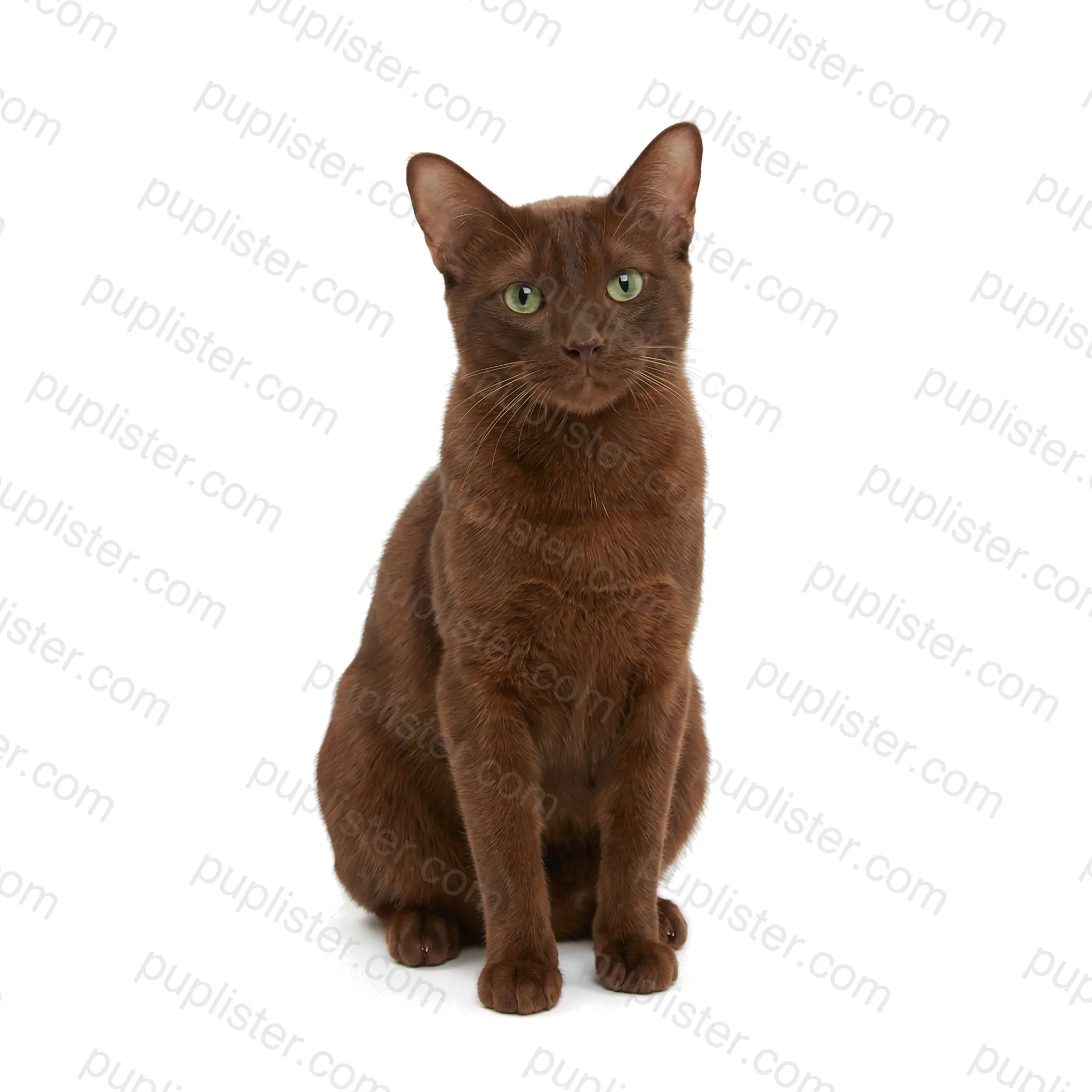
About the Havana Brown The Havana Brown was developed in 1950s England by crossing chocolate-point Siamese with black domestic cats, creating a breed distinguished by its rich, warm mahogany-brown coat. This medium-sized breed weighs 6–10 pounds and has a distinctive muzzle that is noticeably wider than it is long — giving the head a unique "corn cob" shape when viewed from above. Their glossy, short coat is uniformly chocolate brown, complemented by vivid green eyes, brown whiskers, and rosy-brown nose leather and paw pads. Temperament & Personality Havana Browns are charming, people-oriented cats that use their paws to investigate and reach out to touch their owners — a behavior unique to this breed. They are moderately active, enjoy interactive play, and are gentle enough for families with children. They tend to bond closely with one particular person while remaining friendly with the rest of the household. Pros Strikingly unique all-brown appearance — even whiskers and paw pads are brownEngaging, tactile personality — uses paws to explore and communicateModerate energy level — playful without being hyperactiveLow-maintenance coat that gleams with occasional brushing Cons One of the rarest cat breeds in the world — critically low population numbersProne to upper respiratory infections and calcium oxalate urinary stonesCan become overly attached to one person — may develop jealousyLimited breeding population raises concerns about genetic diversity The rare and captivating Havana Brown is a true treasure — search for adoptable cats on Puplister.
0 pets available
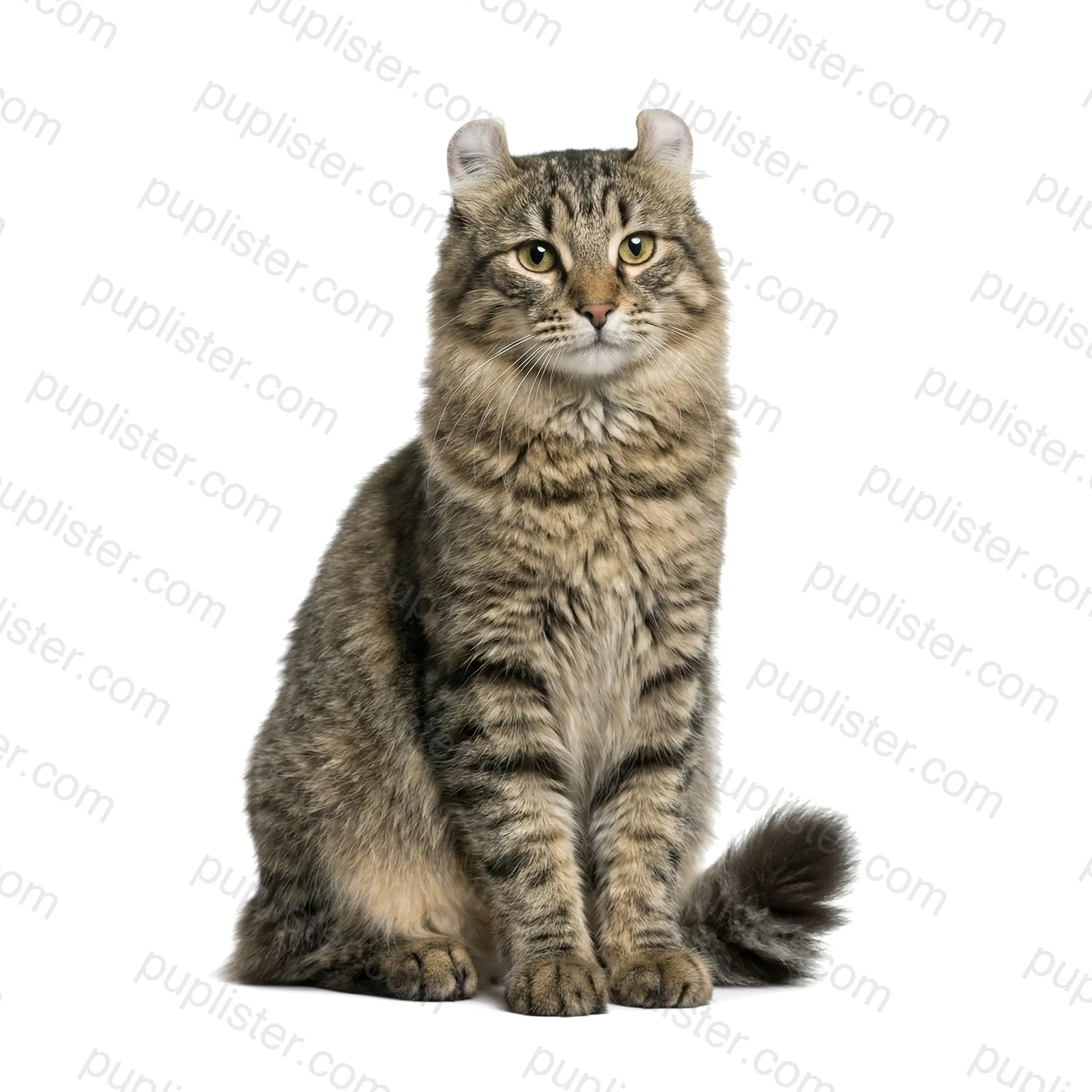
About the Highlander The Highlander — originally called the Highland Lynx — was developed in 2004 by crossing Desert Lynx cats with Jungle Curls, aiming to create a domestic cat with a wild appearance. This large breed weighs 10–25 pounds and has a powerful, muscular build with a naturally short or bobbed tail. Their most distinctive features are their loosely curled ears (curling backward like the American Curl) and their optional polydactyl (extra-toed) paws — their coat comes in both shorthair and longhair varieties in all colors and patterns. Temperament & Personality Highlanders are confident, outgoing cats that love to be the center of attention and entertain their families with playful antics. They are gentle giants — patient with children, friendly with dogs, and sociable with other cats. Their clownish, energetic personality combined with their wild appearance makes them a conversation-starting companion. Pros Striking wild appearance with curled ears and bobbed tail — truly unique-lookingConfident, clownish personality — loves to entertain and interactGentle despite their large size — excellent with children and other petsOptional polydactylism adds to their distinctive charm Cons Curled ears need regular cleaning and careful handling to avoid cartilage damageLarge size requires more food, larger litter boxes, and sturdier cat furnitureRelatively new breed — long-term health data is still being collectedCan be boisterous and may accidentally knock things over due to size and energy Want a gentle giant with a wild side? Browse Highlander cats and other unique breeds on Puplister.
0 pets available
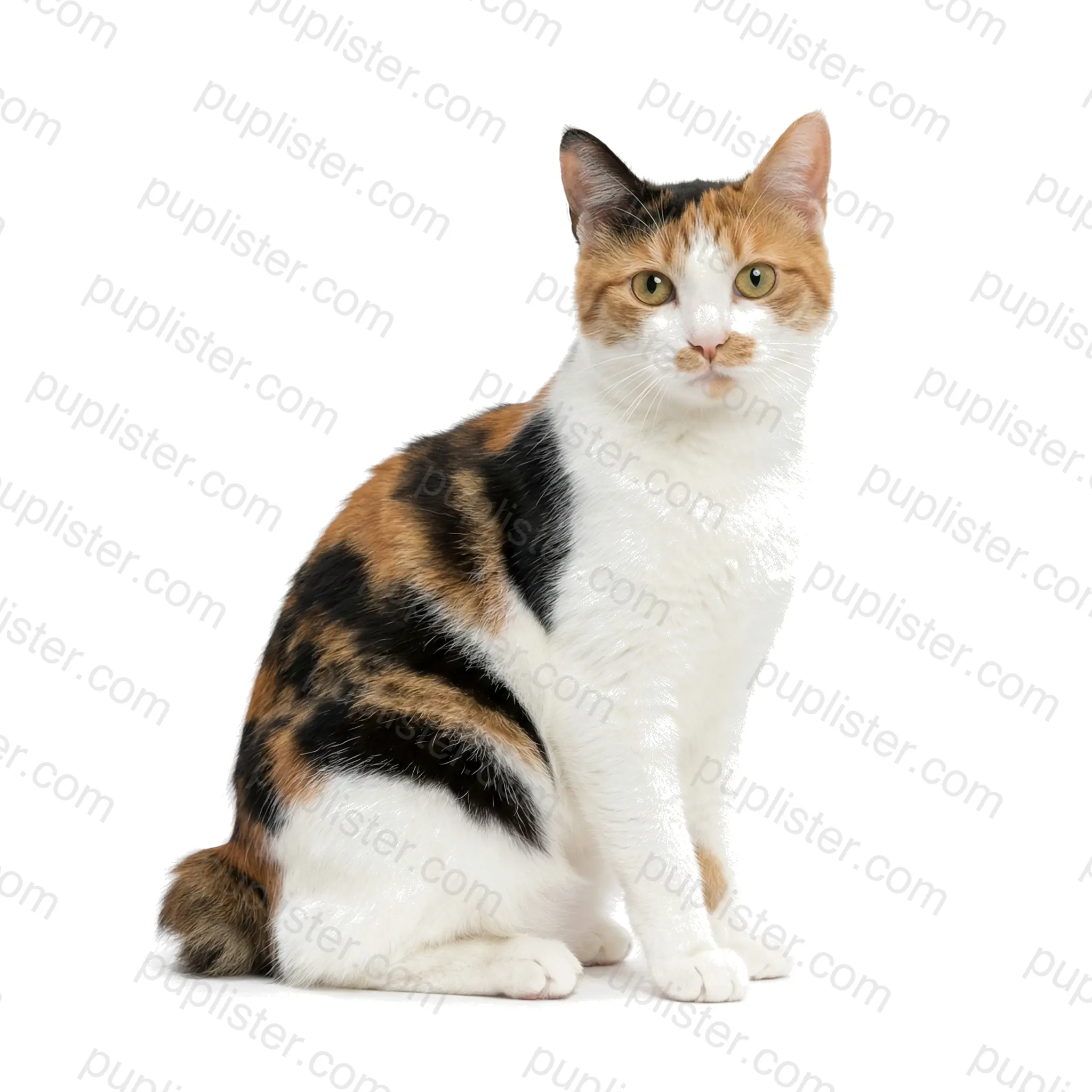
About the Japanese Bobtail The Japanese Bobtail has been documented in Japanese art and folklore for over a thousand years — the famous "maneki-neko" (beckoning cat) figurine is modeled after this breed. This medium-sized, elegant breed weighs 5–10 pounds and has a lean, athletic build with high cheekbones and a distinctive pom-pom-like bobbed tail. Their silky coat comes in longhair and shorthair varieties in many colors and patterns, though the tri-color calico ("mi-ke") is the most prized in Japanese tradition. Temperament & Personality Japanese Bobtails are active, intelligent, and remarkably talkative cats with a melodious, chirping voice that owners describe as "singing." They are social and get along well with children, other cats, and even dogs — often initiating games and play. Their confidence, curiosity, and love of human interaction make them lively, engaging companions that rarely sit still for long. Pros Rich cultural significance — considered a symbol of good luck in JapanNaturally healthy breed — the bobbed tail is not linked to spinal problems like the Manx geneHighly active and playful — loves interactive games and puzzle toysSilky coat resists matting and is easy to groom Cons Very active — requires significant daily play and enrichmentTalkative with a distinctive chirpy voice — not ideal for noise-sensitive ownersStrong-willed and can be stubborn during trainingRelatively rare in Western countries — limited availability for adoption Bring good luck into your home with a Japanese Bobtail — find adoptable cats on Puplister.
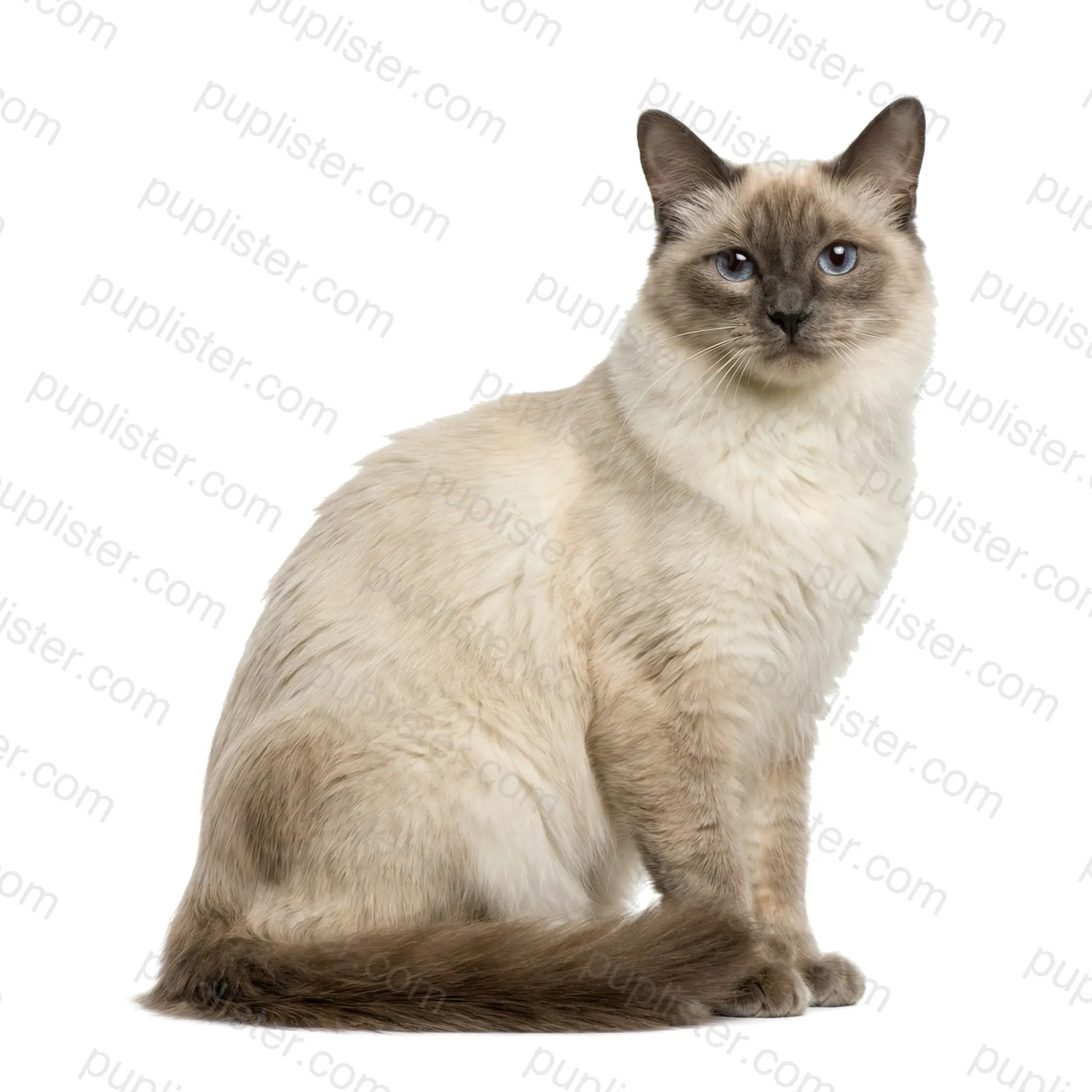
0 pets available
About the Javanese The Javanese is a longhaired variant of the Colorpoint Shorthair — carrying Siamese, Balinese, and Colorpoint genetics to produce a silky-coated cat in non-traditional point colors. This medium-sized, graceful breed weighs 5–10 pounds and has the Siamese's angular features, vivid blue eyes, and tubular body wrapped in a flowing, single-layered coat. Their point colors include red, cream, lynx (tabby), and tortoiseshell — any shade outside the traditional four Siamese colors. Temperament & Personality Javanese cats are opinionated, highly vocal, and completely devoted to their people — inheriting the Siamese family's legendary sociability and talkativeness. They are extremely intelligent and can learn complex tricks, open doors, and figure out puzzle feeders with ease. They do well with older children and social pets, though they firmly believe they should be the household's top priority. Pros Single-layered silky coat sheds minimally and produces less Fel d 1 allergenExceptionally intelligent — among the most trainable of all cat breedsDeeply loyal and affectionate — forms an unbreakable bond with their personBeautiful color variety beyond traditional Siamese shades Cons Extremely vocal and opinionated — will "argue" with you loudly and persistentlyProne to crossed eyes, progressive retinal atrophy, and heart defects from Siamese lineageCan develop severe separation anxiety — not suited for owners who are frequently awayMay become possessive and jealous of other pets or family members Looking for a vocal, loving companion? Find Javanese cats and other talkative breeds on Puplister.
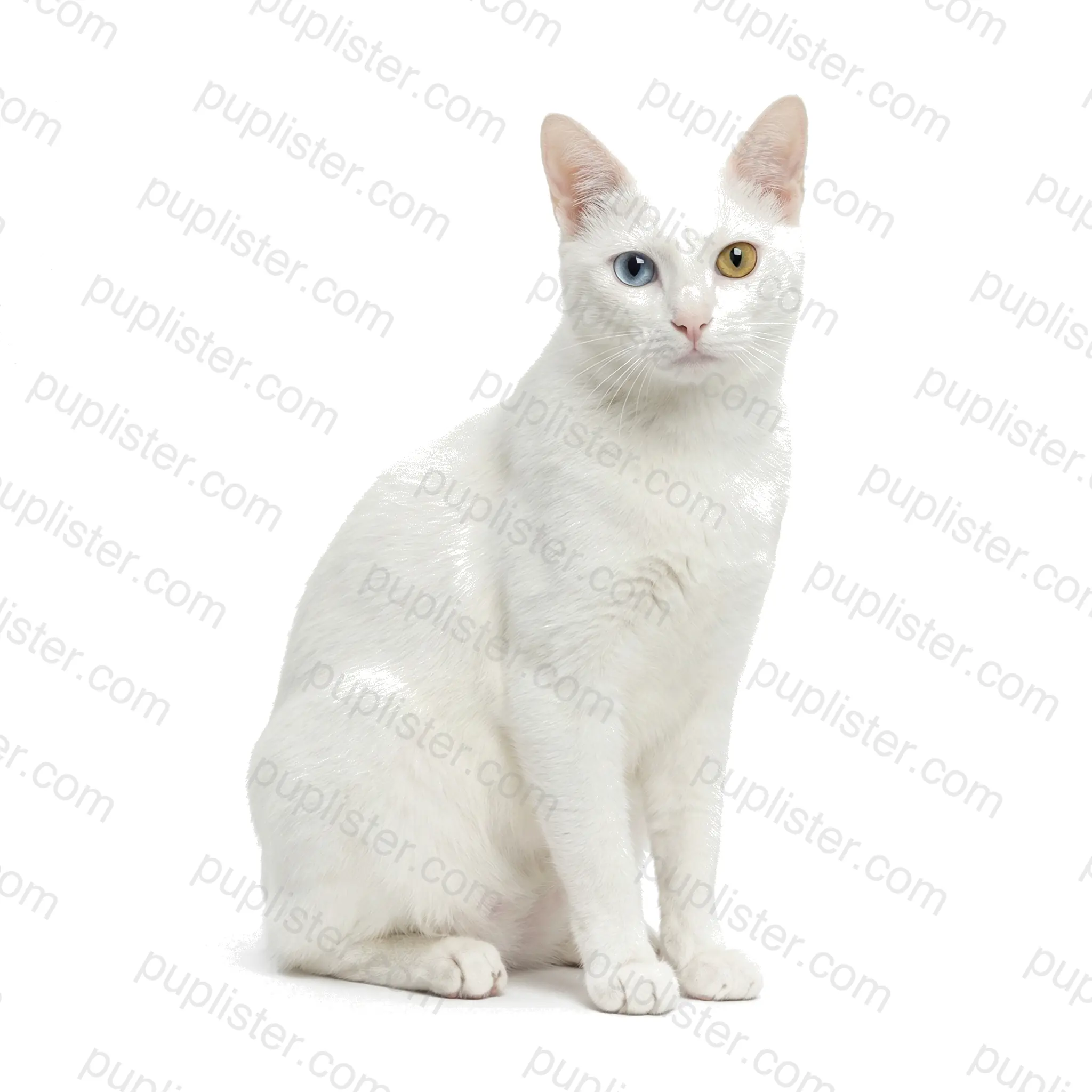
0 pets available
About the Khao Manee The Khao Manee — meaning "White Gem" — is an ancient Thai breed mentioned in the Tamra Maew (Cat Book Poems) dating back to the 14th century, where it was considered a royal cat bringing good fortune. This medium-sized breed weighs 6–11 pounds and has a sleek, athletic build with a heart-shaped face and high cheekbones. Their coat is exclusively pure white and short, and their most captivating feature is their jewel-like eyes — which can be blue, gold, or odd-eyed (one of each), with the odd-eyed variety being the most prized. Temperament & Personality Khao Manees are outgoing, confident, and highly social cats that love to be the center of attention. They are playful and energetic, forming strong bonds with their families and getting along well with children and other pets. Their vocal, curious nature and striking appearance make them captivating companions that demand — and deserve — plenty of interaction. Pros Stunningly beautiful with jewel-toned eyes — especially the prized odd-eyed varietyRich historical and cultural significance as a Thai royal catOutgoing, confident personality — not shy or aloofShort, easy-care coat requires minimal grooming Cons White coat with blue eyes carries a higher risk of congenital deafnessProne to sunburn on ears and nose — needs sun protectionExtremely rare outside of Thailand — very limited availability worldwideCan be demanding and vocal when they want attention The regal Khao Manee is a true gem — discover rare and beautiful cats available on Puplister.
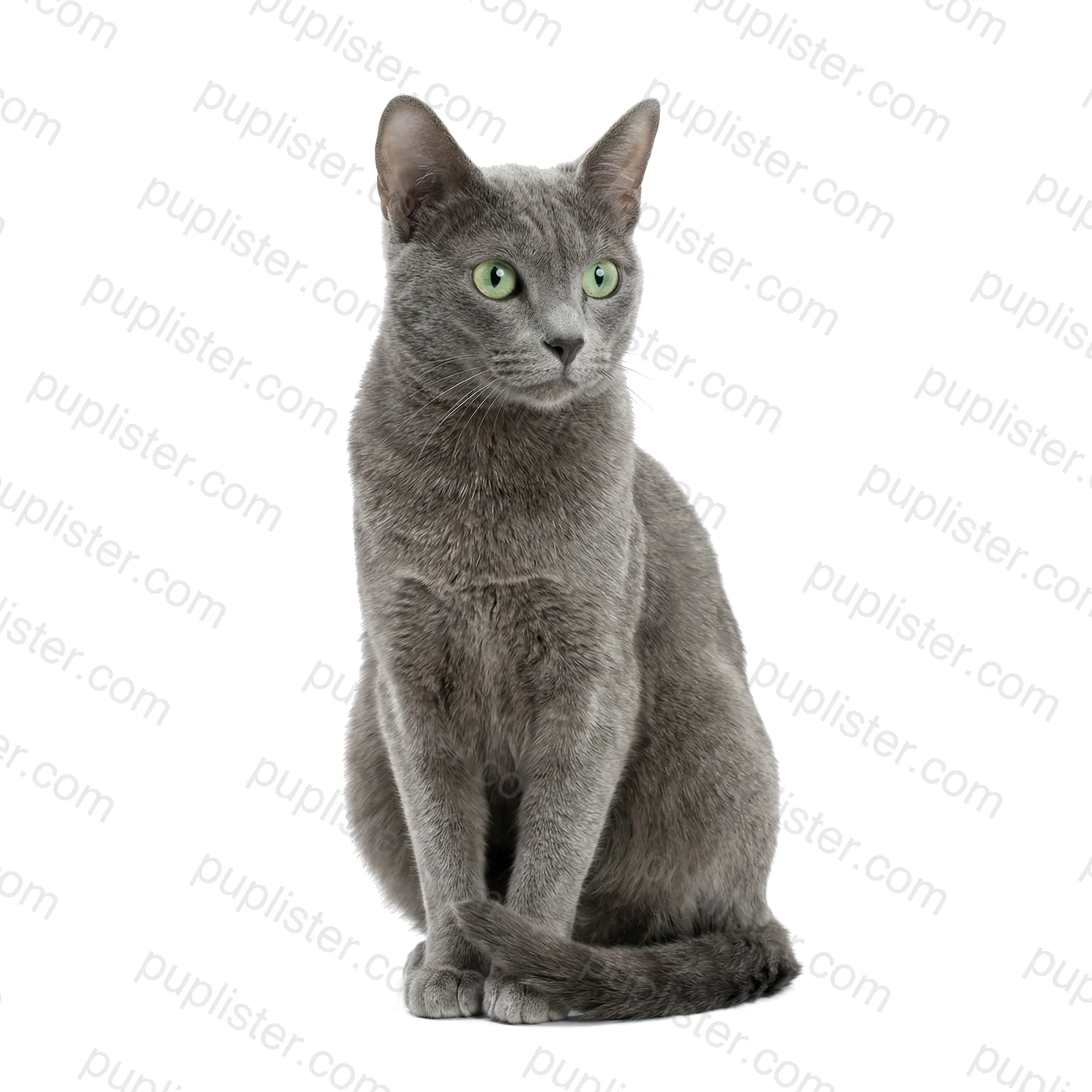
0 pets available
About the Korat The Korat is one of the oldest natural cat breeds — originating in Nakhon Ratchasima (historically called "Korat") province of Thailand and documented in the Tamra Maew as early as the 14th century. This small-to-medium breed weighs 6–10 pounds and has a semi-cobby, muscular body with a distinctive heart-shaped face and large, luminous green eyes. Their single coat is exclusively silver-tipped blue — each hair is lighter at the root and tipped with silver, giving the entire cat a shimmering, halo-like appearance. Temperament & Personality Korats are gentle, intelligent cats that form extraordinarily strong bonds with their families and prefer quiet, stable environments. They can be shy with strangers but are deeply devoted to their people — often choosing one person as their absolute favorite. They do well with respectful children and calm companion cats, though they tend to assert dominance over other pets in the household. Pros Stunning silver-blue coat with a unique shimmering "halo" effectNaturally healthy with a long lifespan — often living 15–20 yearsExtremely loyal and forms deep, lasting bonds with their ownerSingle coat sheds very little and requires minimal grooming Cons Prone to GM1 and GM2 gangliosidosis — fatal genetic storage diseases (testable)Startles easily and is sensitive to loud noises and sudden movementsCan be possessive of their owner and jealous of other petsVery low body fat — sensitive to anesthesia and temperature changes Experience the ancient beauty of the Korat — find cats looking for loving homes on Puplister.
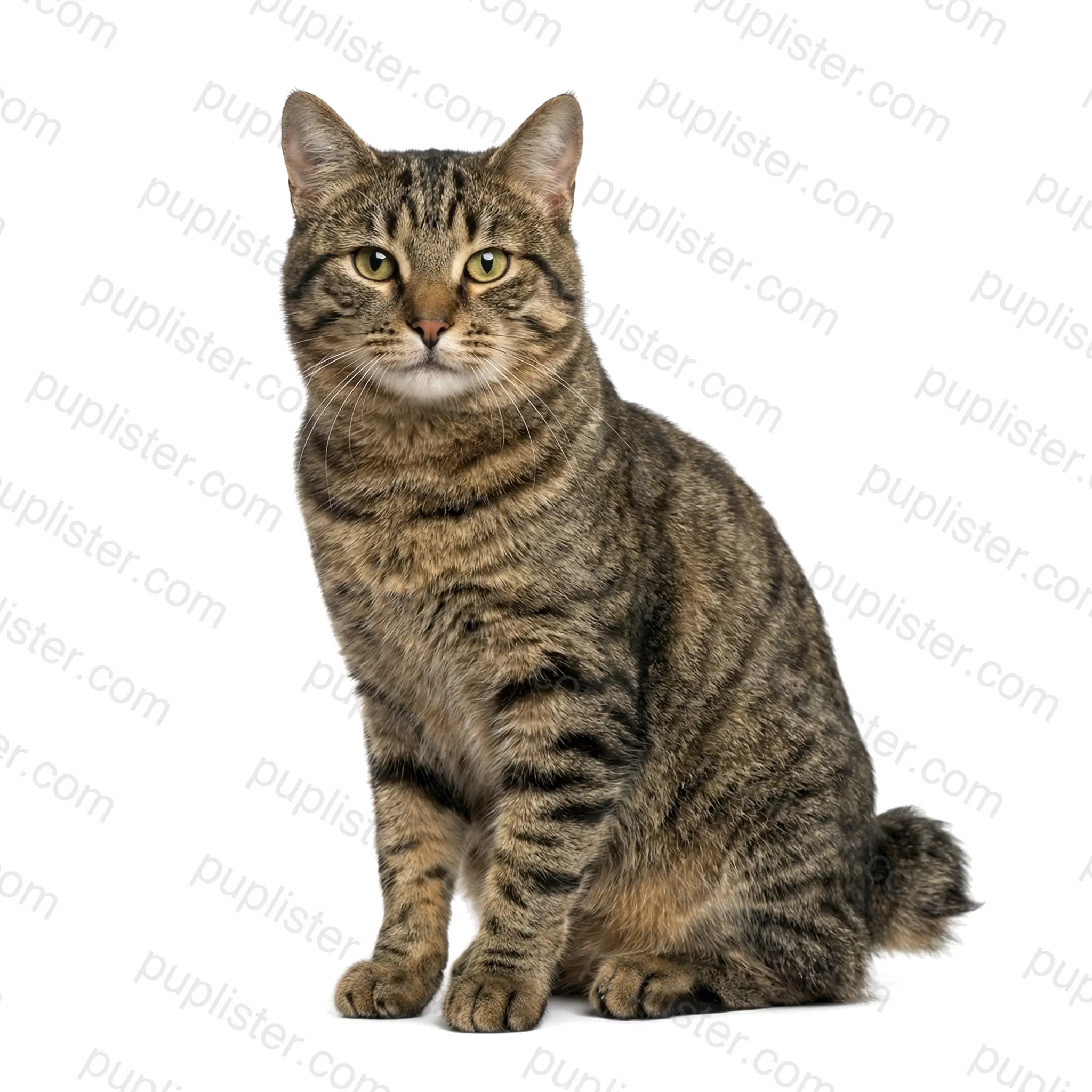
0 pets available
About the Kurilian Bobtail The Kurilian Bobtail is a natural breed from the Kuril Islands — a volcanic archipelago stretching between Russia and Japan — where these bobbed-tail cats have existed for at least 200 years. This medium-to-large breed weighs 8–15 pounds and has a sturdy, semi-cobby build with strong hind legs that are slightly longer than the front. Their naturally short, kinked or pom-pom tail — composed of 2–10 vertebrae — is unique to each cat, like a fingerprint, and their coat comes in both short and semi-long varieties in most colors and patterns. Temperament & Personality Kurilian Bobtails are gentle, sociable cats with a surprisingly dog-like devotion to their families and a strong affinity for water. They are confident and relaxed around children, other cats, and dogs, and they maintain their hunting instincts — making them excellent at pest control. Their balanced temperament combines playfulness with calm composure, making them adaptable to various household types. Pros Naturally healthy breed — evolved without human intervention on the Kuril IslandsLoves water and may enjoy playing in shallow pools or bathtubsDog-like loyalty — follows family members and greets them at the doorBobbed tail gene is not associated with spinal deformities like the Manx gene Cons Strong prey drive — not safe with small pets like birds, fish, or rodentsSemi-long variety requires regular brushing to manage the dense undercoatExtremely rare outside of Russia and Japan — very limited availabilityIndependent streak from island origins — may resist overly structured routines Discover the rugged charm of the Kurilian Bobtail — browse adoptable cats on Puplister today.
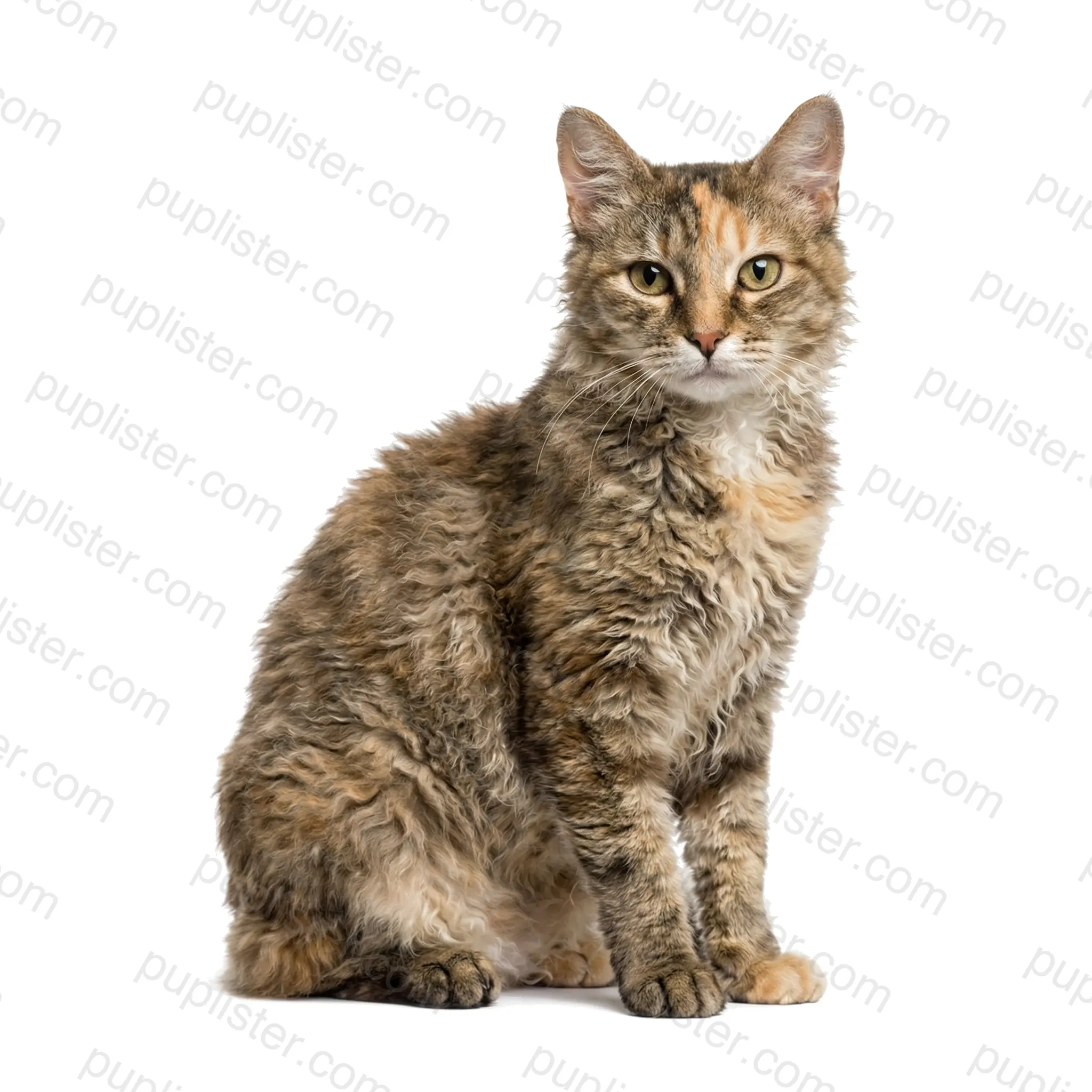
0 pets available
About the LaPerm The LaPerm originated in 1982 on a cherry farm in The Dalles, Oregon, when a bald kitten named Curly grew a unique soft, curly coat caused by a dominant gene mutation. This small-to-medium breed weighs 5–10 pounds and comes in both longhair and shorthair varieties, with the longhair featuring loose, bouncy ringlets and the shorthair sporting a wavy, textured coat. Their curls come in all recognized colors and patterns, and the degree of curl can vary from loose waves to tight corkscrews. Temperament & Personality LaPerms are affectionate, gentle cats that love to be close to their people — often reaching out with a paw to touch your face or climbing onto your shoulders. They are moderately active, enjoy interactive play, and get along well with children, other cats, and dogs. Their sweet, curious nature and unique appearance make them endearing companions that quickly win over everyone they meet. Pros Unique curly coat is hypoallergenic-friendly — sheds less and traps danderGentle, affectionate personality — loves shoulder rides and lap timeBoth coat varieties are low-maintenance despite their curly appearanceAdaptable and easygoing — transitions well to new homes and environments Cons Kittens may go through an "ugly duckling" phase — born bald and growing coat graduallyCurly coat can collect debris and may need occasional bathingRelatively uncommon breed — limited availability through rescues and sheltersMay be prone to ear wax buildup — ears need regular checking and cleaning Fall in love with the LaPerm's irresistible curls — explore adoptable cats on Puplister.
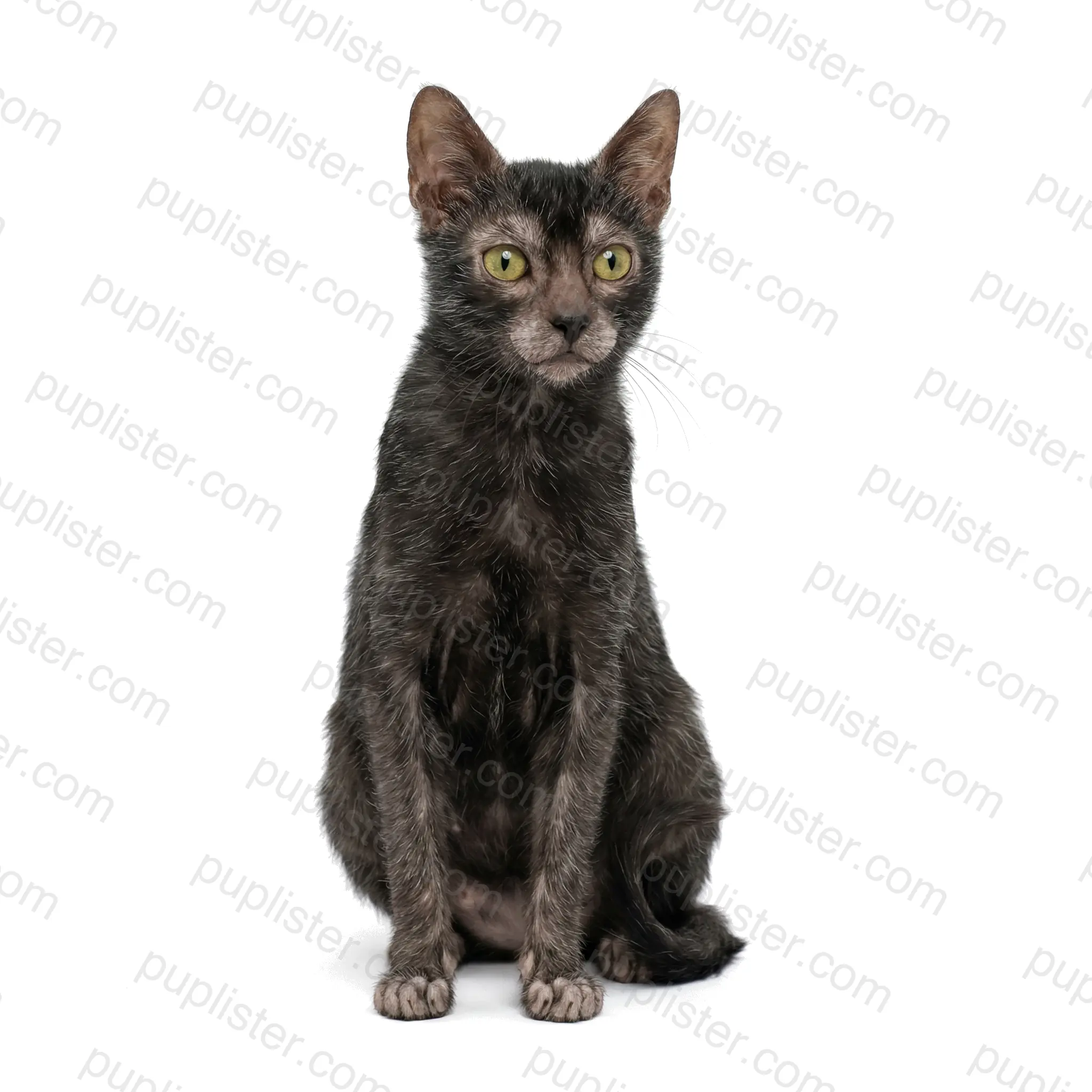
0 pets available
About the Lykoi The Lykoi — Greek for "wolf" — is a partially hairless breed that first appeared naturally in domestic shorthair litters around 2010 and was developed by veterinarian Johnny Gobble in Vonore, Tennessee. This small-to-medium breed weighs 4–7 pounds and has a lean, angular build with a partially hairless face, sparse roan-patterned coat, and no undercoat. Their most striking feature is their "werewolf" appearance — the thin, grizzled black-and-white coat reveals patches of skin, and they periodically molt their entire coat before regrowing it. Temperament & Personality Lykoi cats are intelligent, loyal, and surprisingly outgoing — they exhibit strong hunting instincts and love to stalk, chase, and pounce on toys. They bond deeply with their families and are affectionate without being clingy, though they may be initially wary of strangers. They can get along with children and other pets when properly socialized, and their unique combination of dog-like loyalty and cat-like independence makes them fascinating companions. Pros Truly one-of-a-kind appearance — no other breed looks like a werewolfNatural mutation with no known associated health problems from the gene itselfStrong, engaging hunting instinct makes playtime exciting and interactiveLoyal, dog-like personality — bonds closely with family members Cons Periodic full-body molting can be alarming and leaves the cat temporarily baldExposed skin requires sun protection and is vulnerable to coldVery new breed — long-term health data is limitedExtremely rare and expensive — almost impossible to find in shelters Captivated by the Lykoi's werewolf mystique? Discover unique and wonderful cats on Puplister.
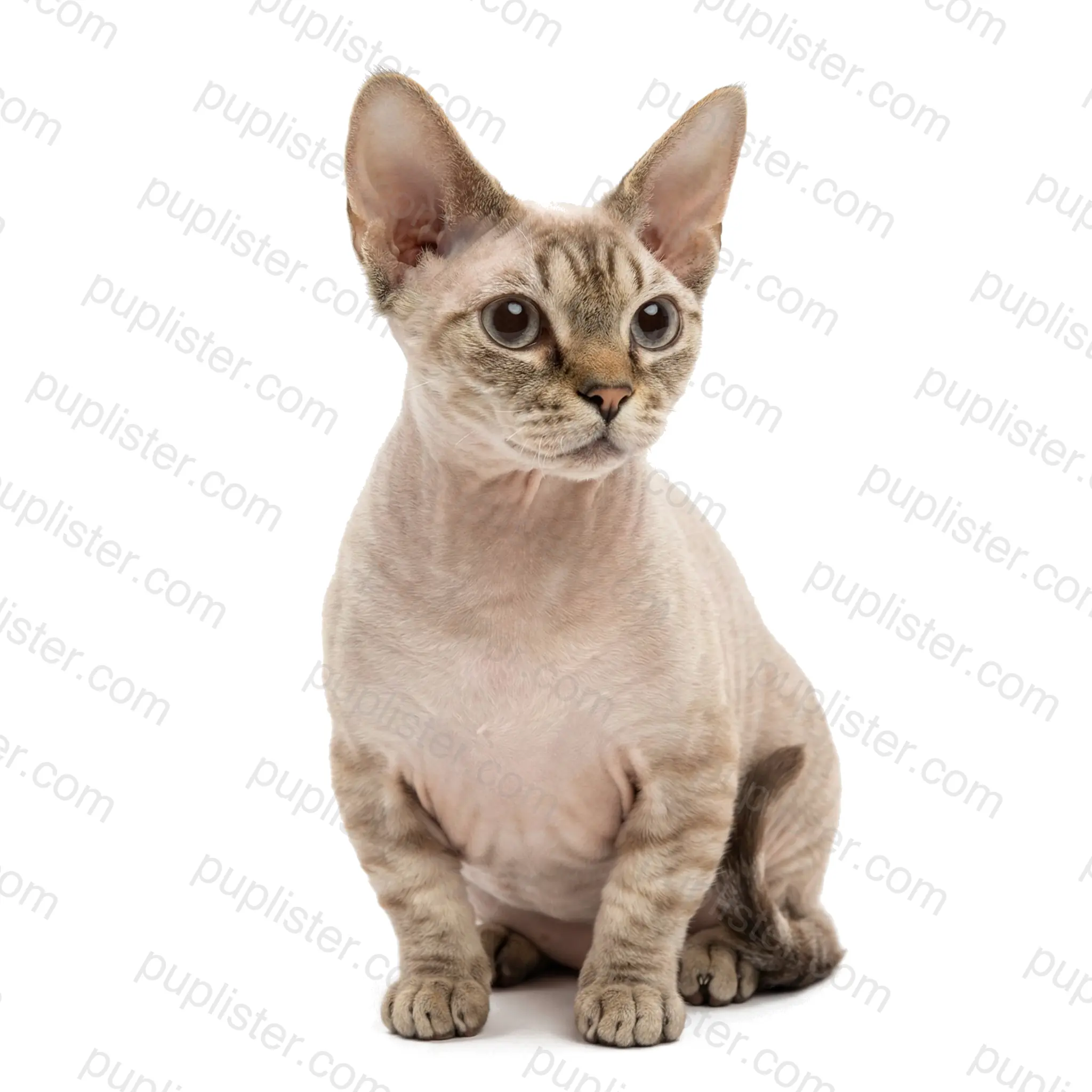
0 pets available
About the Minskin The Minskin is a relatively new breed developed in Boston, Massachusetts, in the late 1990s by crossing Munchkin, Sphynx, Burmese, and Devon Rex cats. This tiny, short-legged cat typically weighs just 4–6 pounds and stands only a few inches tall. The Minskin's most striking feature is its unique coat — sparse and fine on the body with denser "fur points" on the face, ears, legs, and tail, giving it a cashmere-like texture.Temperament & PersonalityMinskins are outgoing, affectionate little cats that thrive on human interaction and hate being left alone. They are surprisingly agile despite their short legs and love to climb, explore, and play well into adulthood. Their social nature makes them excellent companions for families with children and other pets.ProsMinimal shedding due to sparse coat — easier on allergy sufferersExtremely affectionate and loves cuddlingSmall size makes them ideal for apartment livingRetains kitten-like playfulness throughout lifeConsExposed skin is susceptible to sunburn and temperature extremesRequires regular bathing to prevent oil buildup on the skinExtremely rare breed — finding a reputable breeder or rescue can be difficultShort legs may limit jumping ability compared to standard-legged catsCurious about this pocket-sized charmer? Browse Minskin listings and other unique breeds available for adoption right here on Puplister.
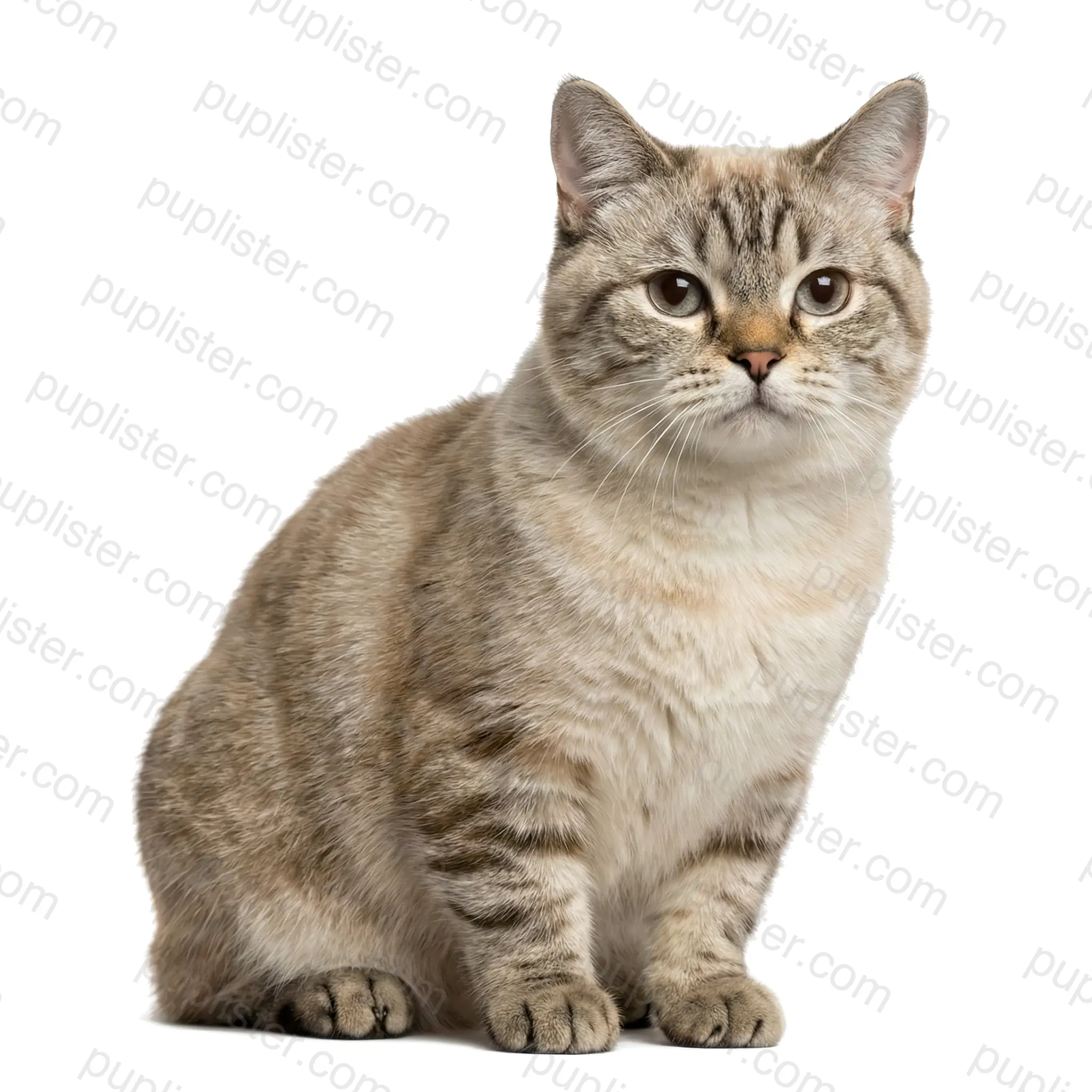
0 pets available
About the Minuet Formerly known as the Napoleon, the Minuet was created in 1996 by crossing Munchkins with Persian-group breeds — Persians, Himalayans, and Exotic Shorthairs. The result is a low-slung, round-faced cat weighing 5–9 pounds with the sweet, doll-like expression of a Persian on a compact Munchkin frame. Minuets come in both longhair and shorthair varieties, in every color and pattern imaginable — from pointed to bicolor to solid.Temperament & PersonalityMinuets inherit the gentle, easygoing nature of their Persian ancestry combined with the energetic curiosity of the Munchkin. They are affectionate without being demanding, happy to sit on your lap but equally content chasing a feather toy across the room. They do well in households with children and other cats, rarely displaying aggression or territorial behavior.ProsSweet, gentle temperament suitable for first-time cat ownersCompact size and moderate energy — well-suited for apartmentsLess prone to the breathing issues seen in flat-faced Persians due to a slightly longer muzzleGets along easily with children, dogs, and other catsConsLonghair variety requires daily brushing to prevent mattingMay inherit polycystic kidney disease (PKD) from Persian linesShort legs can predispose them to lordosis and other spinal concernsRelatively uncommon breed with limited availability in rescuesReady to welcome a sweet-faced, short-legged companion into your home? Check out Minuet cats and kittens looking for families on Puplister.
0 pets available
About the Munchkin The Munchkin is the original short-legged cat breed, with its signature look caused by a natural genetic mutation first documented in Louisiana in 1983. Medium-sized at 6–9 pounds, the Munchkin has a proportional body, walnut-shaped eyes, and legs roughly three inches shorter than those of a standard cat. Their coat can be short or long, appearing in every color and pattern — from cinnamon tabby to blue smoke.Temperament & PersonalityMunchkins are confident, outgoing cats that never seem to realize they are vertically challenged. They are known as "magpies" for their habit of collecting and hoarding small, shiny objects under furniture. Sociable and playful, Munchkins get along famously with children, dogs, and other cats — making them excellent family pets.ProsEnergetic and entertaining — loves to play, chase, and collect treasuresFriendly and social with strangers, children, and other animalsSurprisingly fast and agile despite short legsAvailable in a wide range of coat types, colors, and patternsConsControversial breeding ethics — the short-leg gene can cause skeletal issuesProne to lordosis (curvature of the spine) and pectus excavatumCannot jump as high as standard cats, which may require ramps or pet stairsHigher risk of osteoarthritis in the limbs over timeEnchanted by those adorable short legs? Discover Munchkin cats waiting for their forever homes on Puplister.
0 pets available
About the Norwegian Forest Cat The Norwegian Forest Cat — called "Skogkatt" in Norway — is a natural breed that evolved over centuries in the harsh Scandinavian wilderness. This is a large, powerfully built cat weighing 12–16 pounds (sometimes more), with a triangular head, tufted ears, and a magnificent waterproof double coat featuring a dense undercoat beneath long, glossy guard hairs. They come in nearly every color and pattern except pointed.Temperament & PersonalityNorwegian Forest Cats are gentle giants — affectionate yet independent, happy to sit near you rather than on you. They are athletic climbers who love high perches and will scale bookshelves and cat trees with ease. Patient and tolerant, they do well with children and other pets, though they tend to reserve their deepest affection for their immediate family.ProsHardy, naturally evolved breed with robust overall healthWaterproof coat handles cold climates exceptionally wellCalm, patient demeanor — excellent with children and other animalsIndependent enough to handle time alone without anxietyConsHeavy shedding, especially during spring coat blow — requires frequent brushingProne to hypertrophic cardiomyopathy (HCM) and glycogen storage disease type IVLarge size means higher food costs and need for sturdy, oversized furnitureStrong climbing instinct — may scale curtains, shelves, and countertopsDreaming of a majestic, forest-born companion? Browse Norwegian Forest Cats available for adoption on Puplister and bring home a piece of Scandinavia.
0 pets available
About the Ocicat The Ocicat was created entirely by accident in 1964 when a Michigan breeder crossed Siamese and Abyssinian cats, producing a spotted kitten that resembled a wild ocelot. Despite its exotic appearance, the Ocicat has no wild blood whatsoever. This muscular, athletic cat weighs 6–15 pounds and boasts a short, satiny coat covered in distinctive thumb-shaped spots arranged in a classic bull's-eye pattern, available in twelve recognized colors from tawny to lavender silver.Temperament & PersonalityOcicats are exceptionally social, dog-like cats that greet visitors at the door, play fetch, and can be trained to walk on a leash. They are highly intelligent and demand interaction — this is not a breed that does well left alone for long hours. Their confident, outgoing nature makes them wonderful companions for active families with children and other pets.ProsWild, exotic appearance without any wild cat bloodlinesHighly trainable — responds to commands, learns tricks, walks on a leashShort coat requires minimal groomingConfident and social with strangers, children, and other animalsConsExtremely high need for attention and stimulation — may develop destructive behaviors if boredVery vocal and demanding when they want interactionNot suited for owners who are away from home frequentlyStrong prey drive — may not coexist well with small pocket petsWant a wild look with a domestic heart? Find Ocicat cats seeking loving homes on Puplister now.
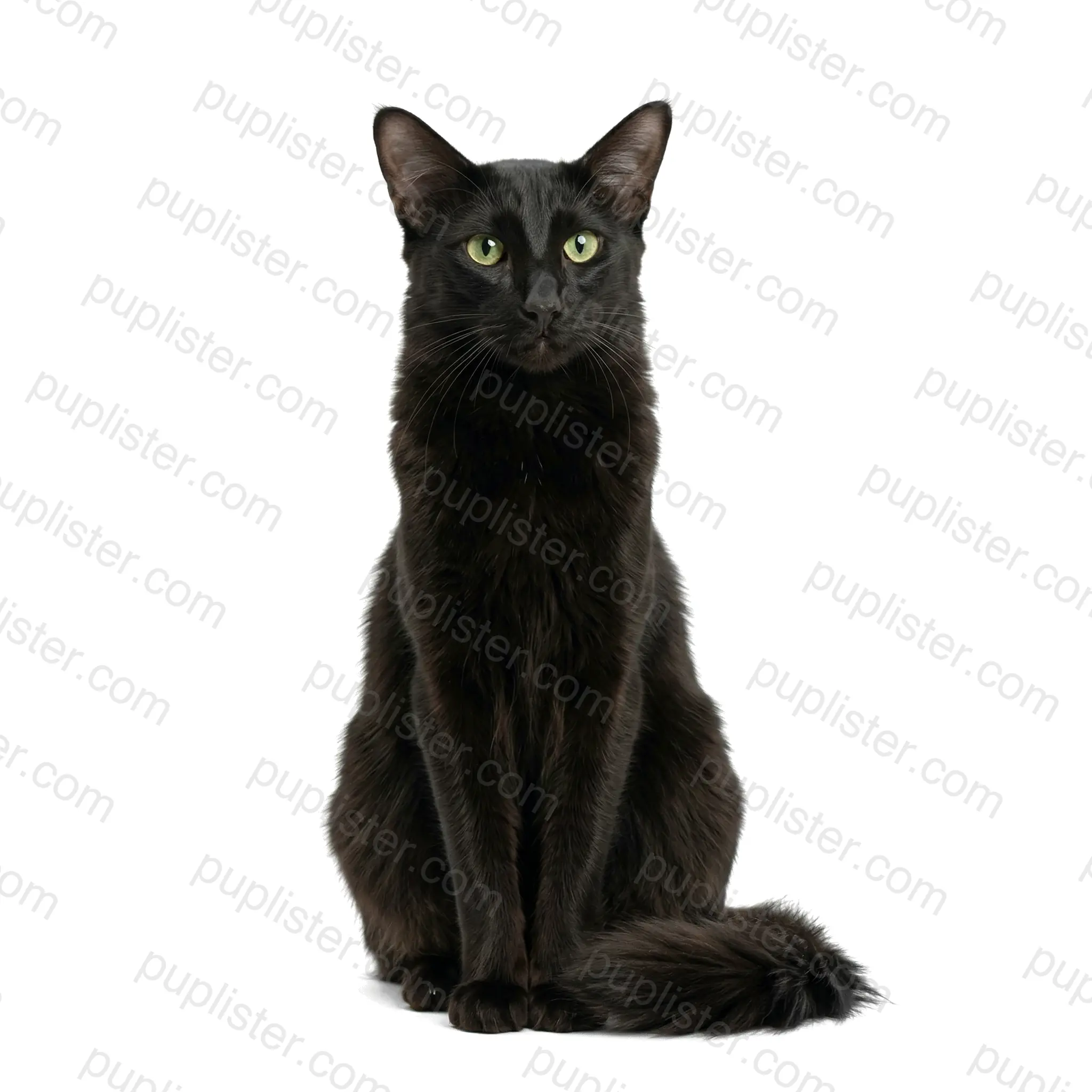
0 pets available
1About the Oriental Long Hair The Oriental Long Hair — sometimes called the Mandarin or Foreign Longhair — is the semi-longhaired sibling of the Oriental Shorthair, sharing the same Siamese body type and enormous personality. Weighing 5–10 pounds, this svelte, tubular cat features large, flared ears, almond-shaped eyes, and a fine, silky coat that lies close to the body with a feathered tail plume. With over 300 recognized color and pattern combinations, the Oriental Long Hair is one of the most diverse breeds visually.Temperament & PersonalityOriental Long Hairs are intensely people-oriented cats that form deep, almost obsessive bonds with their owners. They are famously vocal — carrying on elaborate conversations in a raspy, demanding voice. Playful and athletic well into old age, they thrive in multi-cat households and do well with children who can match their energy.ProsAstounding variety of colors and patterns — over 300 combinationsSilky coat sheds less than most longhaired breeds and rarely matsExtremely intelligent and can learn tricks and puzzle toys quicklyThrives with companionship — pairs wonderfully with another catConsExtremely vocal and can be loud — not ideal for noise-sensitive householdsProne to separation anxiety if left alone for extended periodsSusceptible to amyloidosis and progressive retinal atrophyHigh energy level demands daily interactive play sessionsCaptivated by this elegant, chatty companion? Explore Oriental Long Hair cats available for adoption on Puplister and find your purrfect conversationalist.
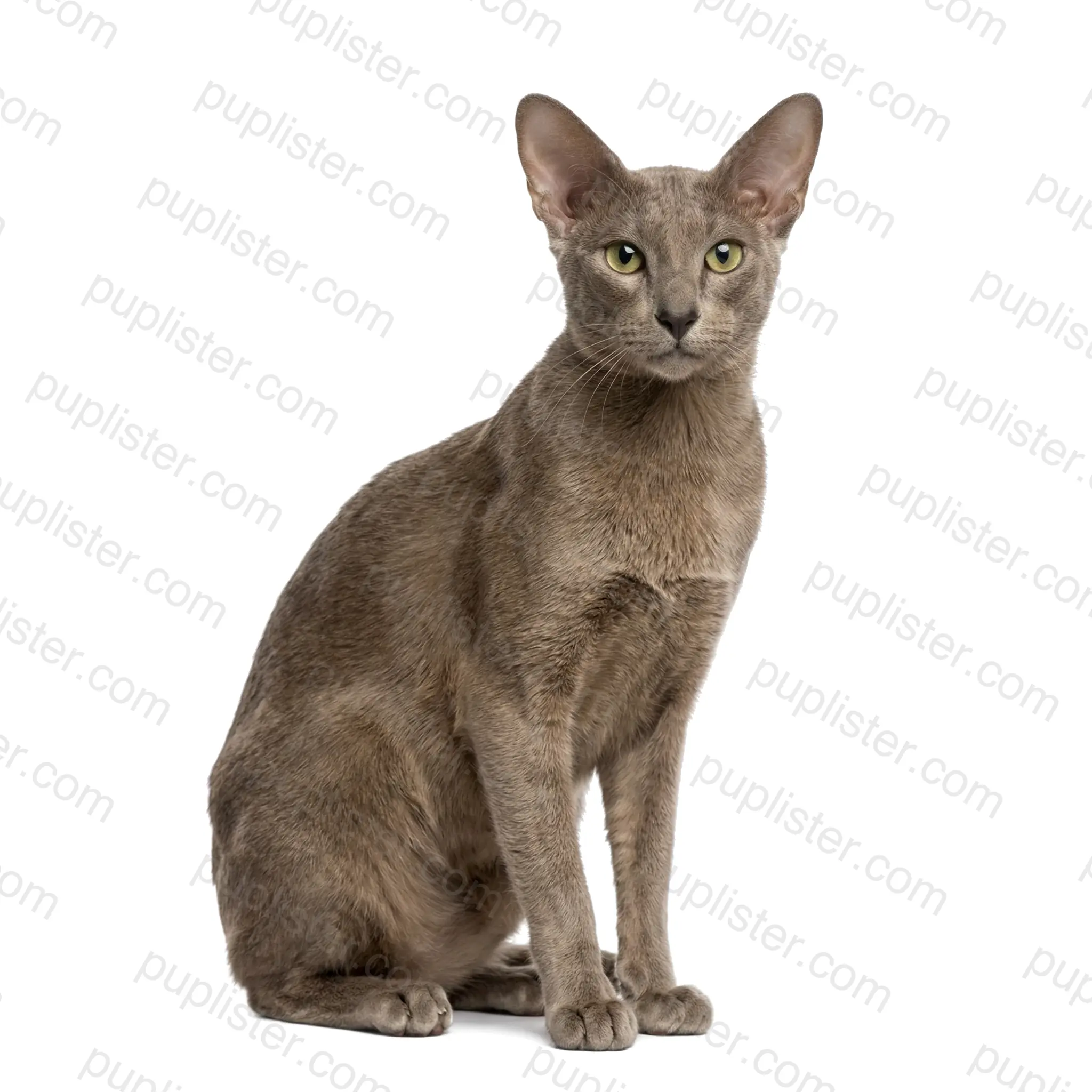
0 pets available
About the Peterbald The Peterbald originated in St. Petersburg, Russia, in 1994 from a cross between a Donskoy (Don Sphynx) and an Oriental Shorthair. This elegant, medium-sized cat weighs 6–10 pounds and possesses a long, narrow head, oversized ears, and an elongated, whip-like tail. The Peterbald's coat is its most variable feature — ranging from completely bald (ultra bald) to a fine peach-fuzz (chamois), a short velvety nap (flock), a wiry brush coat, or even a straight coat that feels like a normal shorthair.Temperament & PersonalityPeterbalds are affectionate, energetic, and relentlessly social — they want to be involved in everything their humans do. They are remarkably intelligent and vocal, combining the chatty nature of their Oriental heritage with the cuddly neediness of the Donskoy. They thrive in multi-pet households and are patient and gentle with children.ProsUnique, striking appearance with multiple coat-type possibilitiesExtremely affectionate and bonds deeply with the entire familyIntelligent and dog-like — can learn tricks and enjoys interactive playGets along well with children, dogs, and other catsConsHairless and near-hairless varieties need regular baths to manage skin oilSensitive to sunburn, cold drafts, and temperature extremesProne to skin irritations, rashes, and minor cuts on exposed skinHigh metabolism requires more food than similarly sized catsIntrigued by this Russian beauty with a one-of-a-kind coat? Browse Peterbald cats up for adoption on Puplister today.
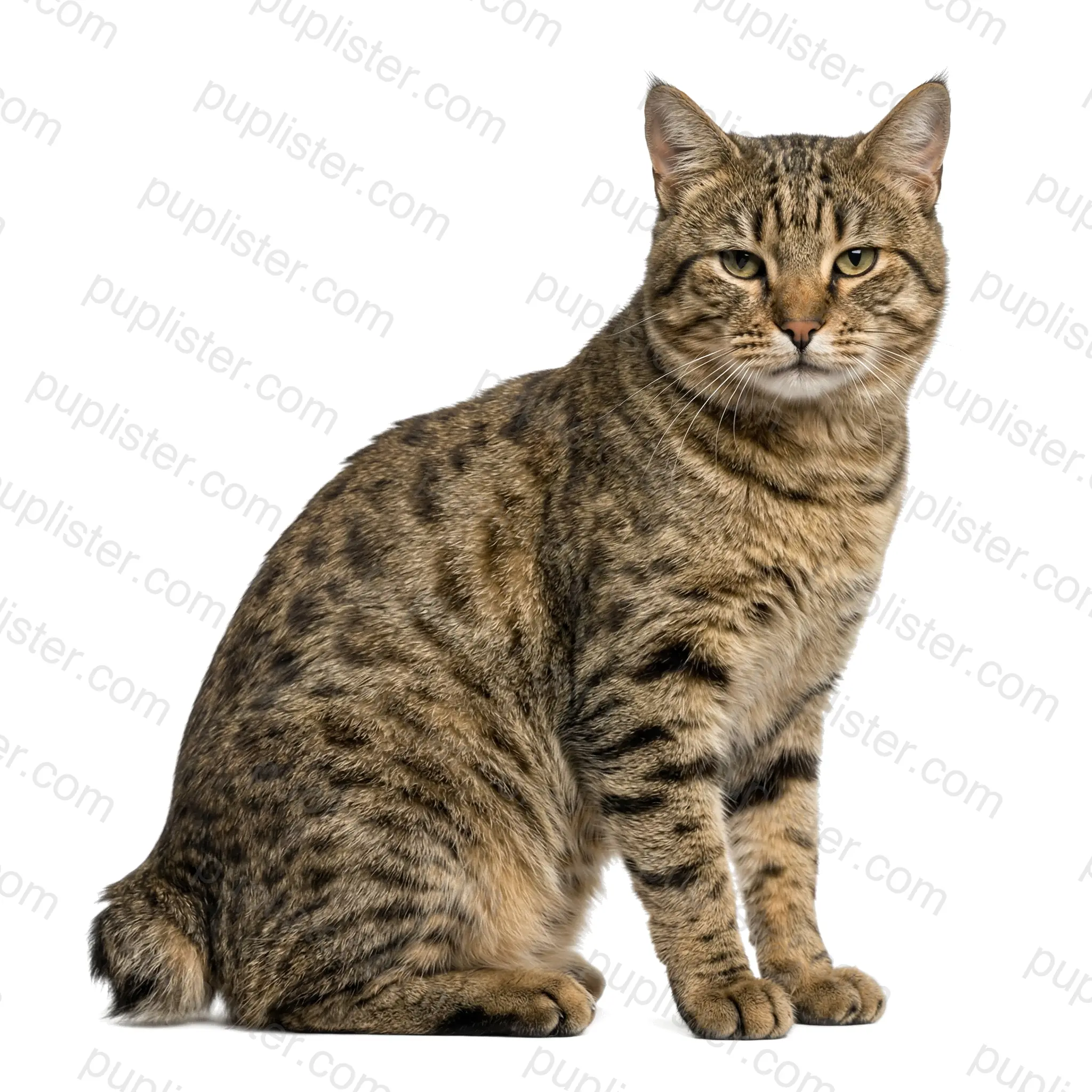
0 pets available
1About the Pixie-Bob The Pixie-Bob was developed in the Pacific Northwest of the United States beginning in 1985, bred to resemble the North American coastal bobcat. This large, muscular cat weighs 8–17 pounds — with males often tipping the scales on the higher end — and features a broad, pear-shaped head, hooded eyes, and a naturally short or bobbed tail ranging from two to six inches. Their coat is brown spotted tabby, either short or longhaired, with heavy ticking and a woolly texture.Temperament & PersonalityPixie-Bobs are known for their devoted, dog-like personalities — they follow their owners everywhere, learn to walk on a leash, and some will even play fetch. Despite their wild appearance, they are gentle and patient, making them excellent family cats. They tend to chirp and chatter rather than meow and are generally quieter than many breeds.ProsWild, bobcat-like appearance with a gentle, domestic temperamentDog-like loyalty — follows owners, learns commands, walks on a leashPolydactylism is common and accepted in the breed, adding to their unique charmCalm and patient with children and other household petsConsLarge size and high food requirements increase ownership costsSome lines carry hypertrophic cardiomyopathy (HCM) riskCan be territorial with unfamiliar cats introduced into the homeThick coat — especially the longhaired variety — sheds heavily and needs regular brushingLooking for a gentle giant with a wild side? Find Pixie-Bob cats ready for adoption on Puplister and bring home your own little bobcat.
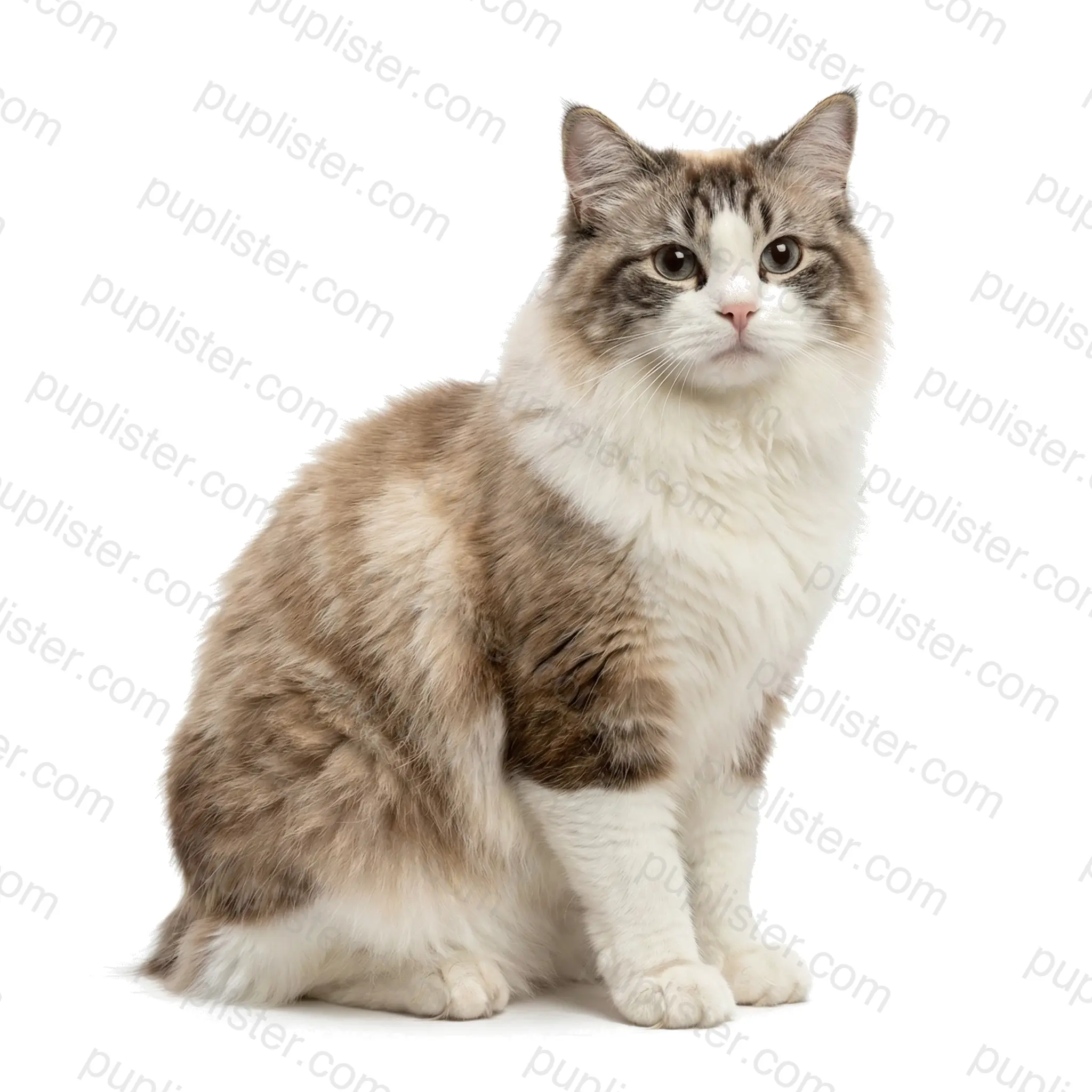
0 pets available
About the Ragamuffin The Ragamuffin emerged in the 1990s as a separate breed from the Ragdoll, developed by breeders who wanted to expand the gene pool and introduce a wider array of colors and patterns. This is a large, heavy cat — weighing 10–20 pounds — with a broad chest, substantial bone structure, and a plush, rabbit-soft coat that resists matting. Ragamuffins come in every color and pattern, including mink, sepia, solid, and bicolor variations not found in Ragdolls.Temperament & PersonalityRagamuffins are exceptionally docile, trusting cats often described as "puppy-like" in their devotion. They greet visitors at the door, follow family members from room to room, and love being held — often going completely limp when picked up. Their patience and gentle nature make them outstanding companions for children and multi-pet households.ProsIncredibly gentle and patient — one of the best breeds for families with young childrenPlush coat resists matting and requires only moderate groomingAvailable in virtually every color and pattern imaginableAdaptable and easygoing — adjusts well to new environments and routinesConsLarge appetite and tendency toward obesity require careful portion controlTrusting nature means they have zero street smarts — strictly indoor onlyProne to hypertrophic cardiomyopathy and polycystic kidney diseaseSlow to mature — does not reach full size and coat until about four years oldReady for a big, cuddly companion who adores everyone? Explore Ragamuffin cats looking for loving homes on Puplister.
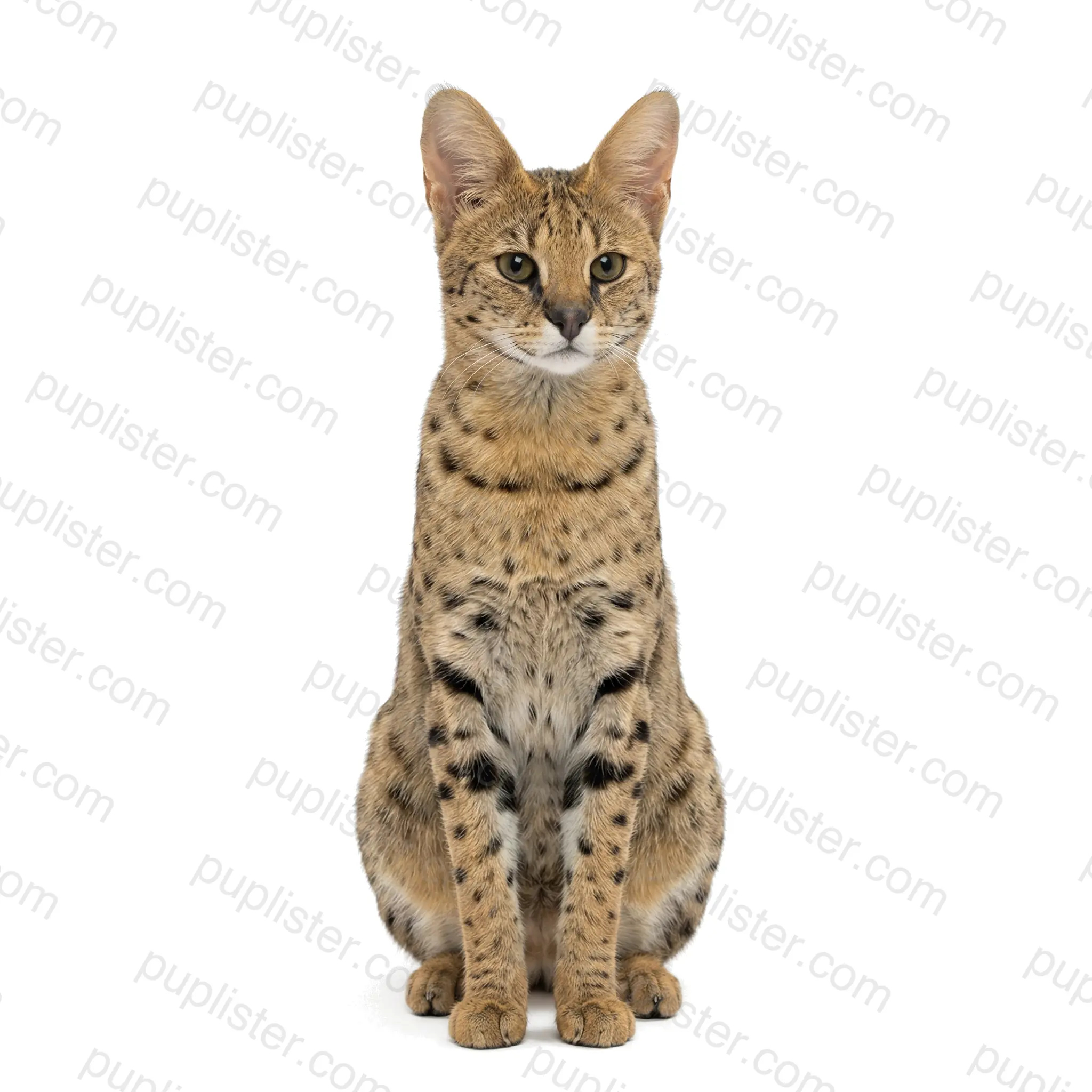
0 pets available
About the Savannah The Savannah is a dramatic hybrid breed created by crossing a domestic cat with the African serval — a wild, long-legged, large-eared cat native to sub-Saharan Africa. First produced in 1986, Savannahs are classified by generation: F1 (50% serval) through F5 and beyond. Weight varies enormously — from 8 pounds in later generations to 25+ pounds in early generations — and they stand up to 17 inches at the shoulder. Their short, spotted coat mimics the serval's wild markings in colors like brown spotted tabby, silver spotted tabby, black, and black smoke.Temperament & PersonalitySavannahs are fiercely intelligent, high-energy cats that behave more like dogs than typical felines — they can be leash-trained, taught to fetch, and some will even play in water. Early-generation Savannahs retain more wild instincts and require experienced owners, while later generations (F4–F5) are more domesticated and family-friendly. They bond closely with their owners but can be standoffish with strangers.ProsStunningly exotic appearance — one of the most visually striking domestic catsExceptionally intelligent and trainable — leash walks, fetch, and puzzle toysAthletic and energetic — perfect for active owners who want an interactive petShort coat requires minimal groomingConsRestricted or banned in many states, cities, and countries — check local laws firstEarly generations (F1–F3) can be difficult to manage and may not use a litter box reliablyExtremely high energy — requires extensive daily exercise and enrichmentStrong prey drive makes them risky around small pets like birds and rodentsFascinated by this wild-meets-domestic marvel? Check Puplister for Savannah cats looking for experienced, loving homes.
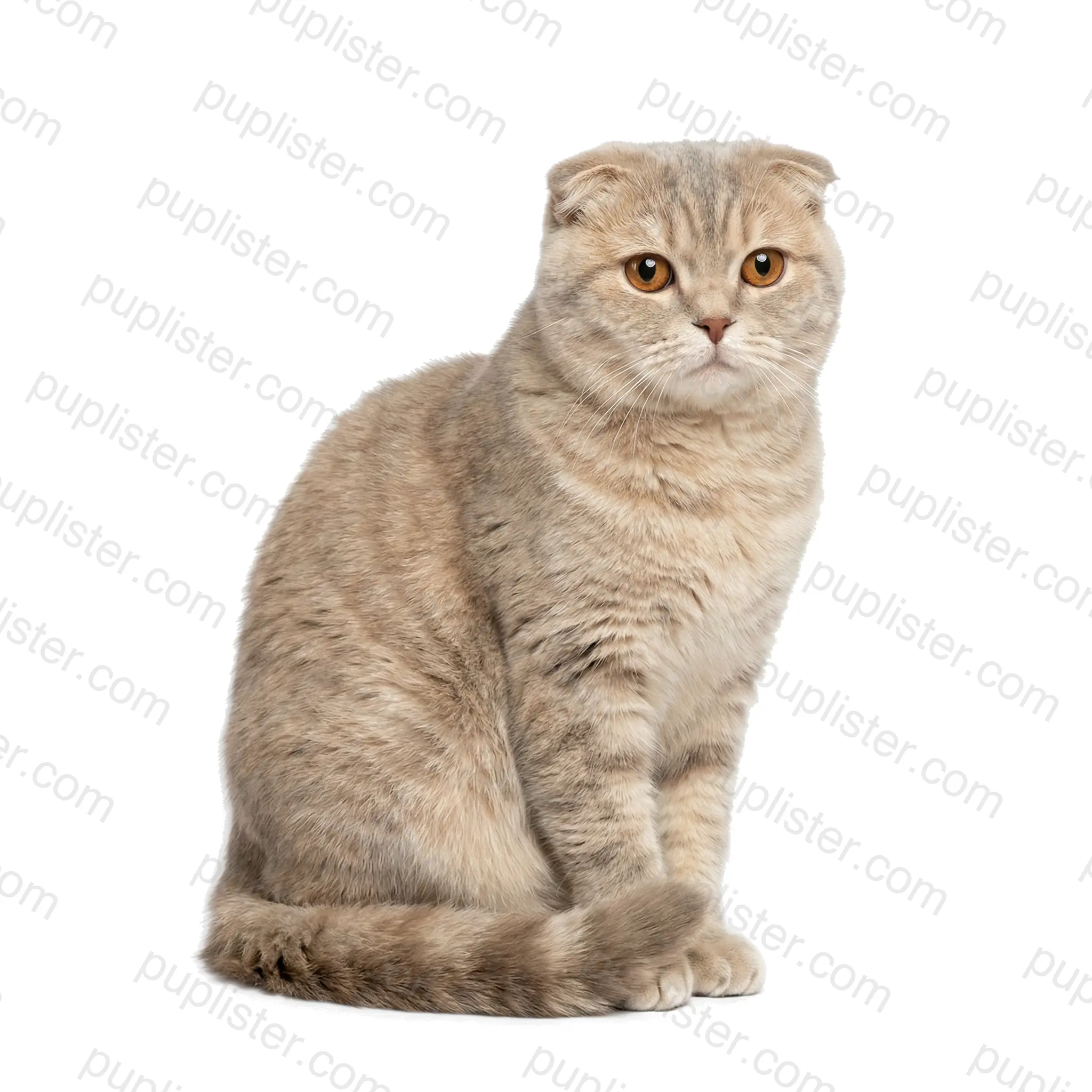
0 pets available
About the Scottish Fold The Scottish Fold traces its origins to a single barn cat named Susie, found in Perthshire, Scotland, in 1961 — the first documented cat with the breed's signature forward-folding ears caused by a natural cartilage mutation. This medium-sized cat weighs 6–13 pounds, has a round head, large round eyes, and a stocky, well-padded body. Scottish Folds come in both longhair and shorthair varieties, in virtually every color and pattern including tabby, solid, bicolor, and calico.Temperament & PersonalityScottish Folds are sweet, easygoing cats known for their quirky habit of sitting in odd positions — including the "Buddha sit" with legs stretched out and paws resting on their belly. They are moderately active and enjoy interactive play without being hyperactive. Gentle with children and amiable with other pets, they adapt well to most living situations.ProsDistinctive, owl-like appearance with those signature folded earsCalm and adaptable — thrives in apartments, houses, and busy households alikeGood-natured and gentle with children and other animalsModerate energy level — playful but not demandingConsThe fold gene causes osteochondrodysplasia — painful cartilage and bone abnormalities in many catsMust never be bred fold-to-fold due to severe skeletal issues in offspringProne to arthritis, especially in the tail, ankles, and kneesEar fold makes them more susceptible to ear infections and wax buildupDrawn to those adorable folded ears and laid-back personality? Find Scottish Fold cats waiting for adoption on Puplister.
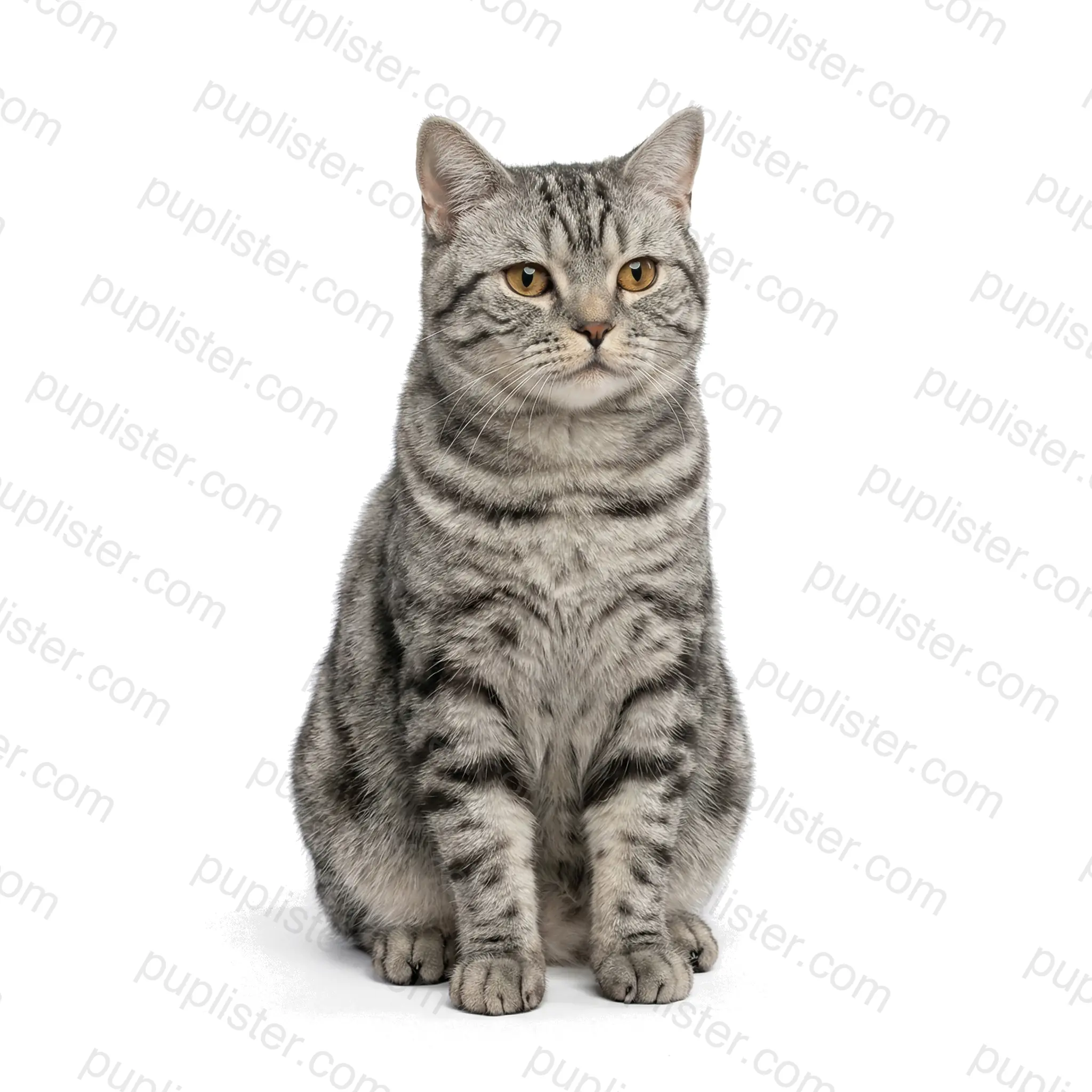
0 pets available
About the Scottish Straight The Scottish Straight is the straight-eared sibling of the Scottish Fold, born in the same litters but without the ear-fold mutation. This medium-sized cat weighs 6–13 pounds and shares the Fold's round face, big eyes, and compact build — the only visible difference is the upright, normally shaped ears. They appear in all the same coat types, colors, and patterns as the Fold, from short dense coats to flowing longhair in tabby, solid, bicolor, and more.Temperament & PersonalityScottish Straights have the same sweet, mellow temperament as their folded-eared relatives — playful without being hyperactive, affectionate without being clingy. They enjoy interactive play and are known for their soft, chirpy voices. Friendly and adaptable, they do well with children, other cats, and cat-friendly dogs.ProsSame charming Scottish personality without the ear-fold cartilage concernsSignificantly lower risk of osteochondrodysplasia compared to Fold siblingsAdaptable and easygoing in most household environmentsModerate grooming needs — even the longhair variety is manageableConsCan still carry the fold gene and may pass cartilage issues to offspring if bred with a FoldLess distinctive in appearance compared to the Fold — sometimes overlooked by adoptersMay still inherit some predisposition to joint issues from the breed lineProne to weight gain without proper diet management and exerciseWant the beloved Scottish personality with healthier ears? Search for Scottish Straight cats on Puplister and give one a loving home.
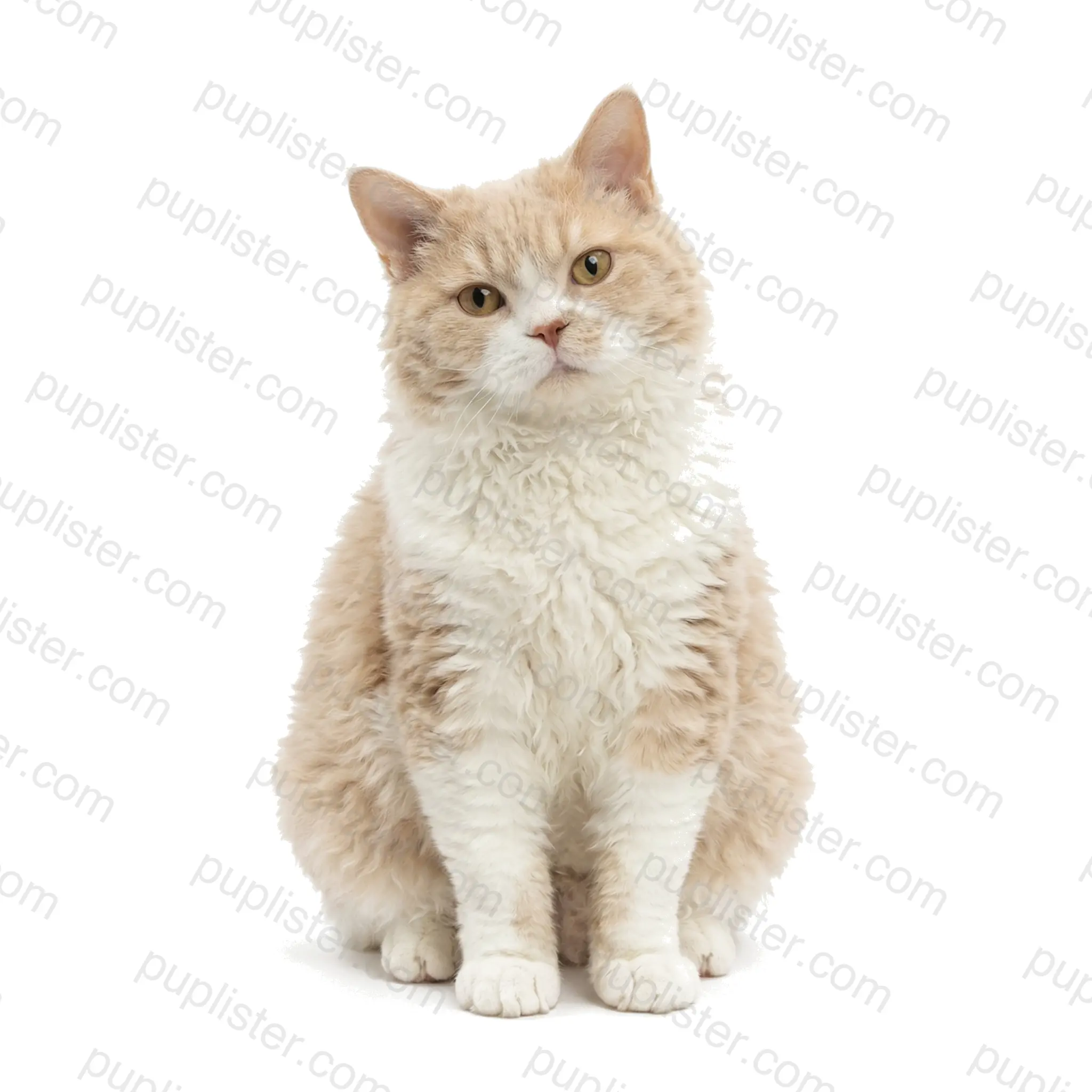
0 pets available
About the Selkirk Rex The Selkirk Rex originated in Montana in 1987 from a single curly-coated kitten found in a shelter litter and later crossed with a Persian. Unlike the Cornish Rex and Devon Rex, the Selkirk Rex has a full, plush coat of loose, tumbling curls — including curly whiskers. This is a medium-to-large cat weighing 6–16 pounds with a round head, full cheeks, and a sturdy, muscular build. They come in both longhair and shorthair varieties, in every color and pattern, with the longhair displaying the most dramatic ringlets.Temperament & PersonalitySelkirk Rex cats are patient, laid-back companions with a goofy, playful streak that persists into adulthood. They enjoy being held and cuddled but are not overly demanding of attention — content to amuse themselves when their humans are busy. Their tolerant nature makes them wonderful with children and other pets.ProsUnique, teddy bear-like curly coat that is irresistibly soft to the touchPatient and tolerant — excellent choice for families with young childrenEasygoing and adaptable to various living situationsLess intense grooming than expected — curls should not be over-brushedConsCurly coat can trap oils, requiring regular bathing to keep skin and fur healthyProne to polycystic kidney disease and hypertrophic cardiomyopathy from Persian heritageShedding can be significant — curly fur catches on furniture and clothingOver-brushing straightens the curls, requiring a delicate grooming approachCan't resist those adorable curls? Browse Selkirk Rex cats available on Puplister and find your curly-coated companion.
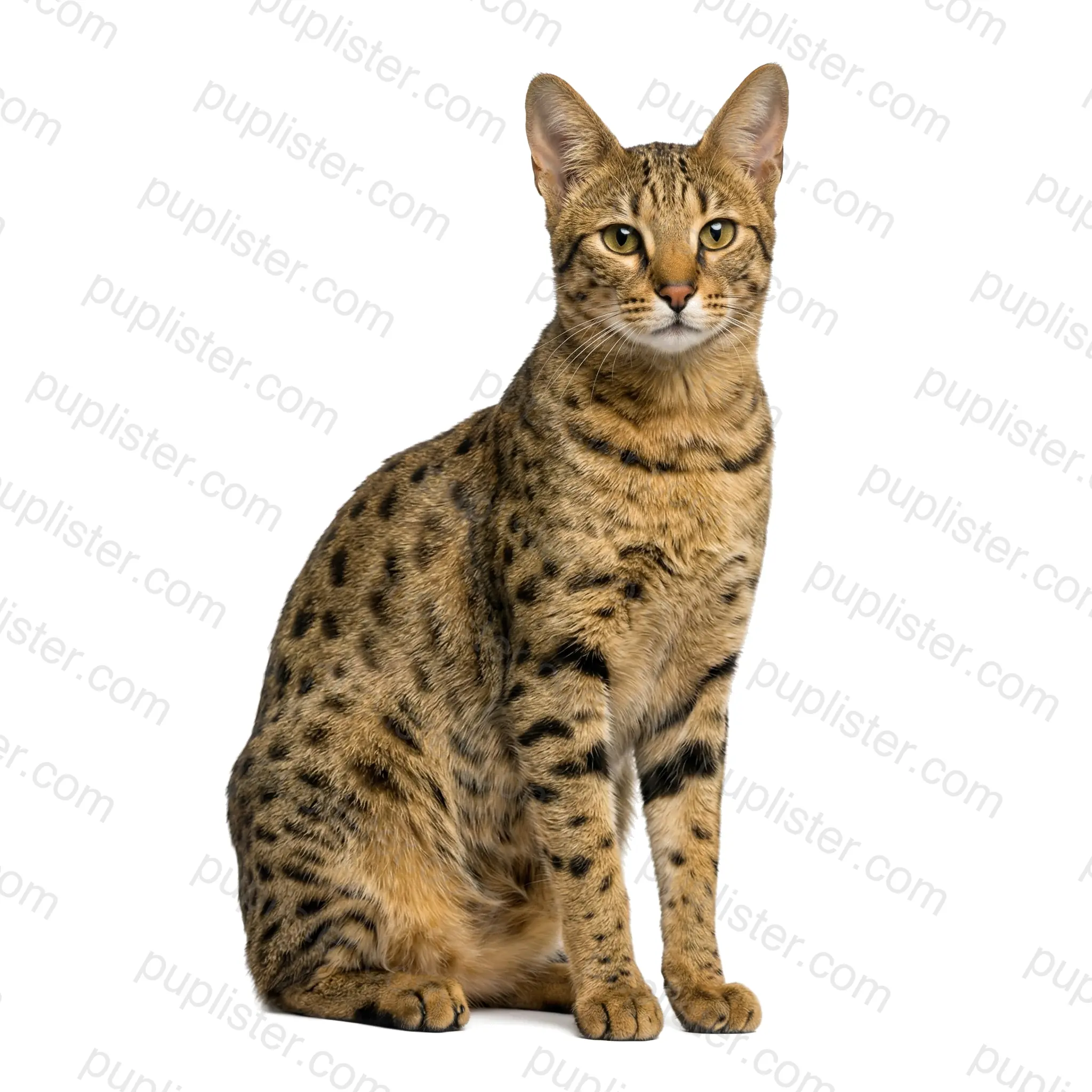
0 pets available
About the Serengeti The Serengeti was developed in the 1990s by conservation biologist Karen Sausman in California, who crossed Bengal and Oriental Shorthair cats to create a breed that mimics the appearance of the African serval without any wild blood. Weighing 8–15 pounds, this tall, long-legged cat has large, round-tipped ears set high on the head, a long neck, and a short, dense coat in spotted tabby patterns — typically gold with bold black spots, though silver and smoke variations also exist.Temperament & PersonalitySerengetis are confident, active cats that love to climb, run, and explore. They are remarkably vocal, producing a range of chirps, chatters, and loud meows to communicate. Social and outgoing, they bond strongly with their families and get along well with children and other cats, though they can be bossy with more timid feline companions.ProsWild serval-like appearance with zero wild cat bloodlines — no legal restrictionsConfident and outgoing — great for social, active householdsShort, low-maintenance coat that requires minimal groomingAthletic and entertaining — loves interactive play and climbingConsExtremely active — needs vertical space, cat trees, and daily vigorous playVery vocal with a loud voice that may bother noise-sensitive neighborsCan be dominant or territorial with other cats in the householdRare breed with limited availability through breeders or rescuesDrawn to the wild look without the wild challenges? Discover Serengeti cats on Puplister and welcome this athletic beauty home.
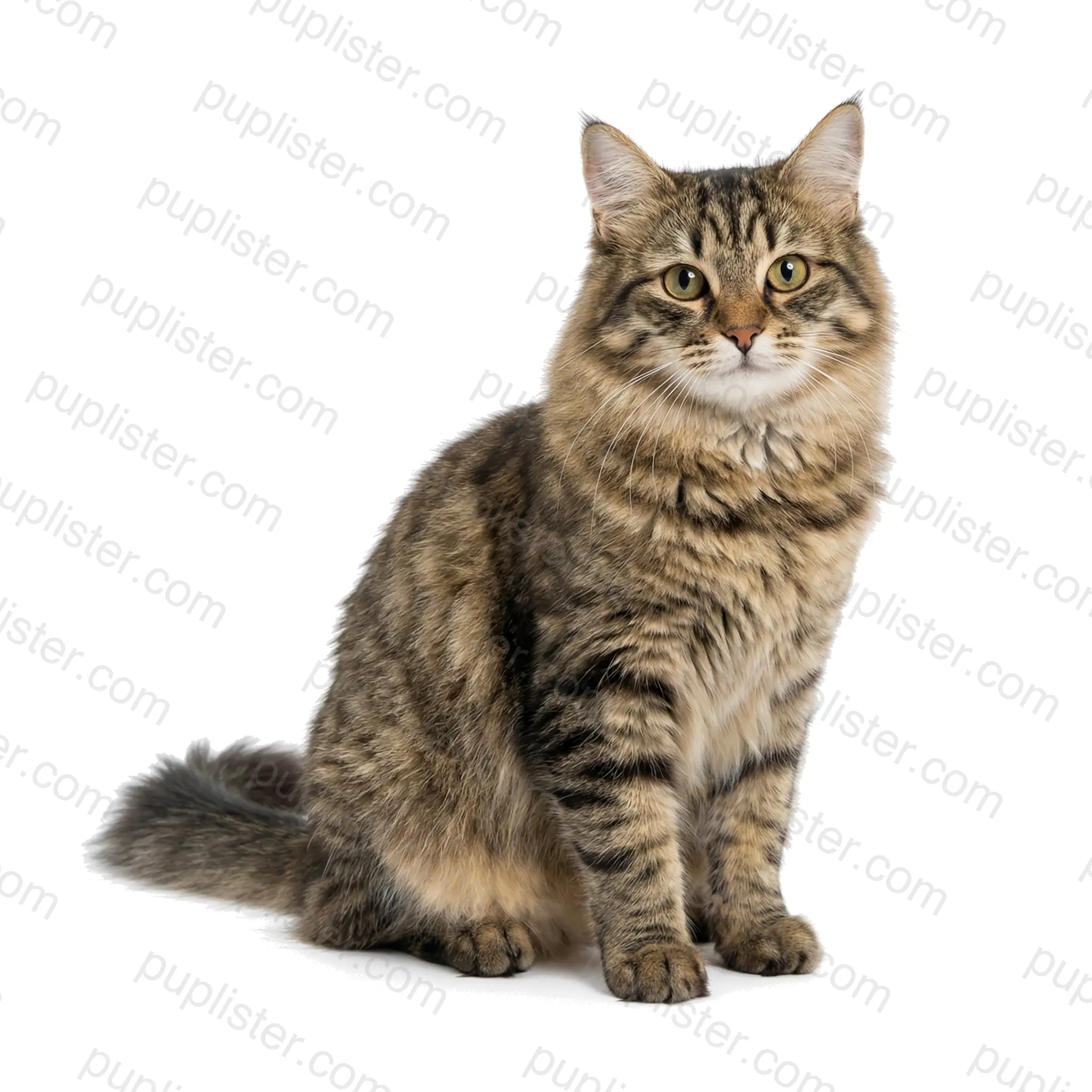
0 pets available
About the Siberian The Siberian — Russia's national cat — is a natural breed that has existed in the forests of Siberia for at least 1,000 years, first appearing in Russian fairy tales and eventually standardized as a breed in the 1980s. This large, powerful cat weighs 10–20 pounds and features a triple-layered, waterproof coat that protected it through harsh Russian winters — a dense undercoat, longer middle layer, and coarse guard hairs. They come in all colors and patterns, including the stunning pointed "Neva Masquerade" variety.Temperament & PersonalitySiberians are affectionate, adventurous cats with a playful, kitten-like spirit that lasts well into their senior years. They love water — don't be surprised to find one splashing in the sink or drinking from the faucet. Gentle and patient, they are excellent with children and other pets, and they possess a calm confidence that makes them unfazed by the chaos of a busy household.ProsProduces significantly lower levels of Fel d 1 allergen — often tolerated by cat-allergy sufferersHardy, naturally evolved breed with excellent overall health and longevityAffectionate and playful — retains kitten-like energy into adulthoodGentle and patient — superb family cat for homes with children and other petsConsTriple coat requires regular brushing, especially during heavy seasonal sheddingLarge size means higher food costs and the need for sturdy cat furnitureSlow to mature — may not reach full size and coat until age fiveCan be prone to hypertrophic cardiomyopathy, though less common than in some breedsDreaming of a hypoallergenic gentle giant from the Russian forests? Search for Siberian cats on Puplister and find your perfect fluffy companion.
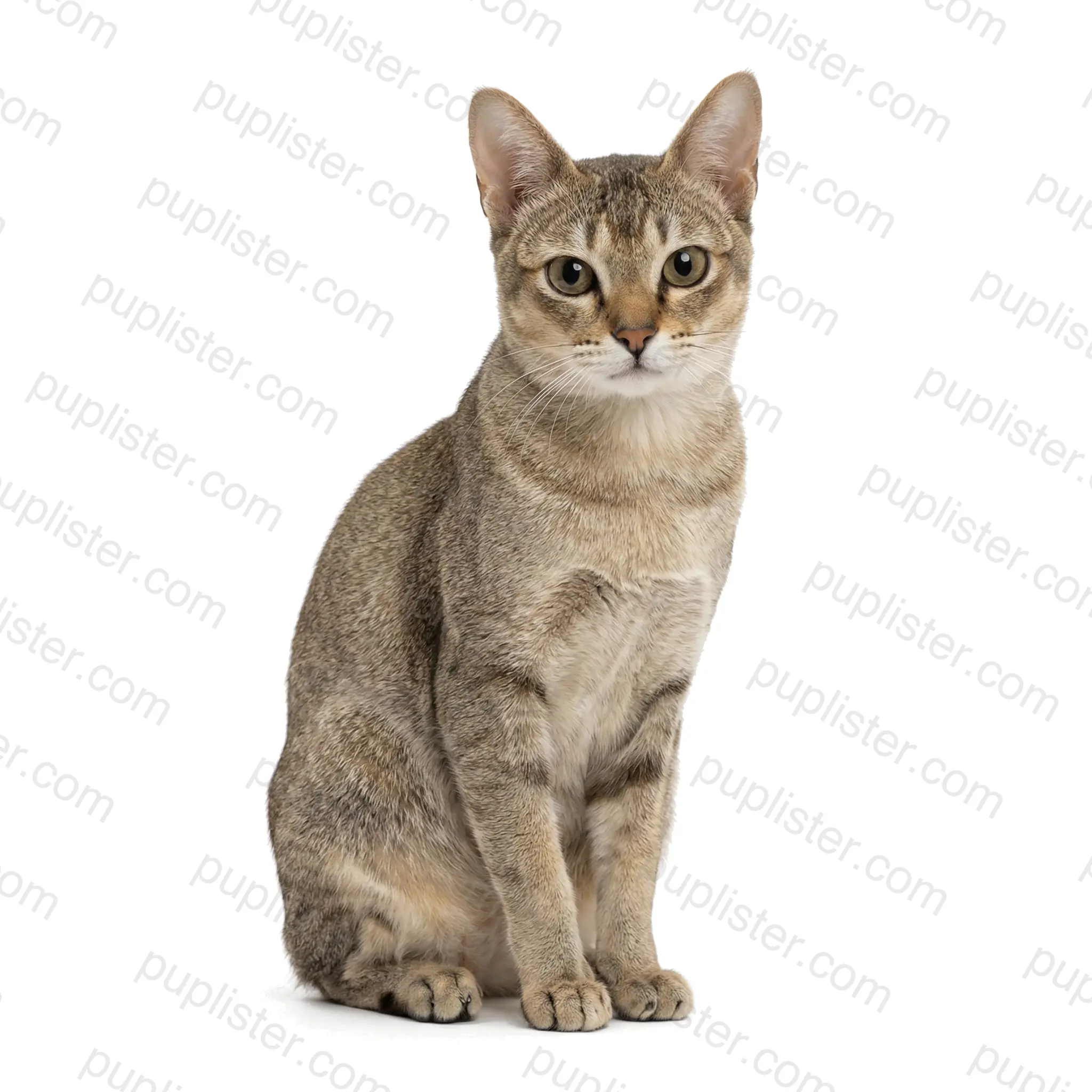
0 pets available
About the Singapura The Singapura claims origins on the streets of Singapore — though its exact history is debated — and was brought to the United States in the 1970s. Recognized as the world's smallest domestic cat breed, the Singapura weighs a mere 4–8 pounds and has an unmistakable look: large, saucer-like eyes lined in dark "eyeliner," oversized ears on a small rounded head, and a short, fine coat in only one accepted color — sepia agouti (warm ivory ticked with dark brown).Temperament & PersonalitySingapuras are perpetual kittens — curious, energetic, and mischievous well into old age. They adore being the center of attention and will perch on your shoulder, supervise your cooking, and insert themselves into every activity. Friendly and social, they do well with children and other pets but may overwhelm more reserved cats with their constant energy.ProsTiny, adorable size with enormous eyes and personality to matchMinimal shedding and grooming needs due to short, fine coatExtremely playful and entertaining — endless energy and curiositySocial and friendly with everyone — great for active, social homesConsVery small gene pool raises concerns about pyruvate kinase deficiency and other genetic issuesHyperactive energy can be exhausting — not suited for owners wanting a calm lap catSensitive to cold due to small size and thin coatMay become anxious or destructive if not given enough stimulation and companionshipEnchanted by the world's tiniest cat with the biggest personality? Discover Singapura cats available for adoption on Puplister.
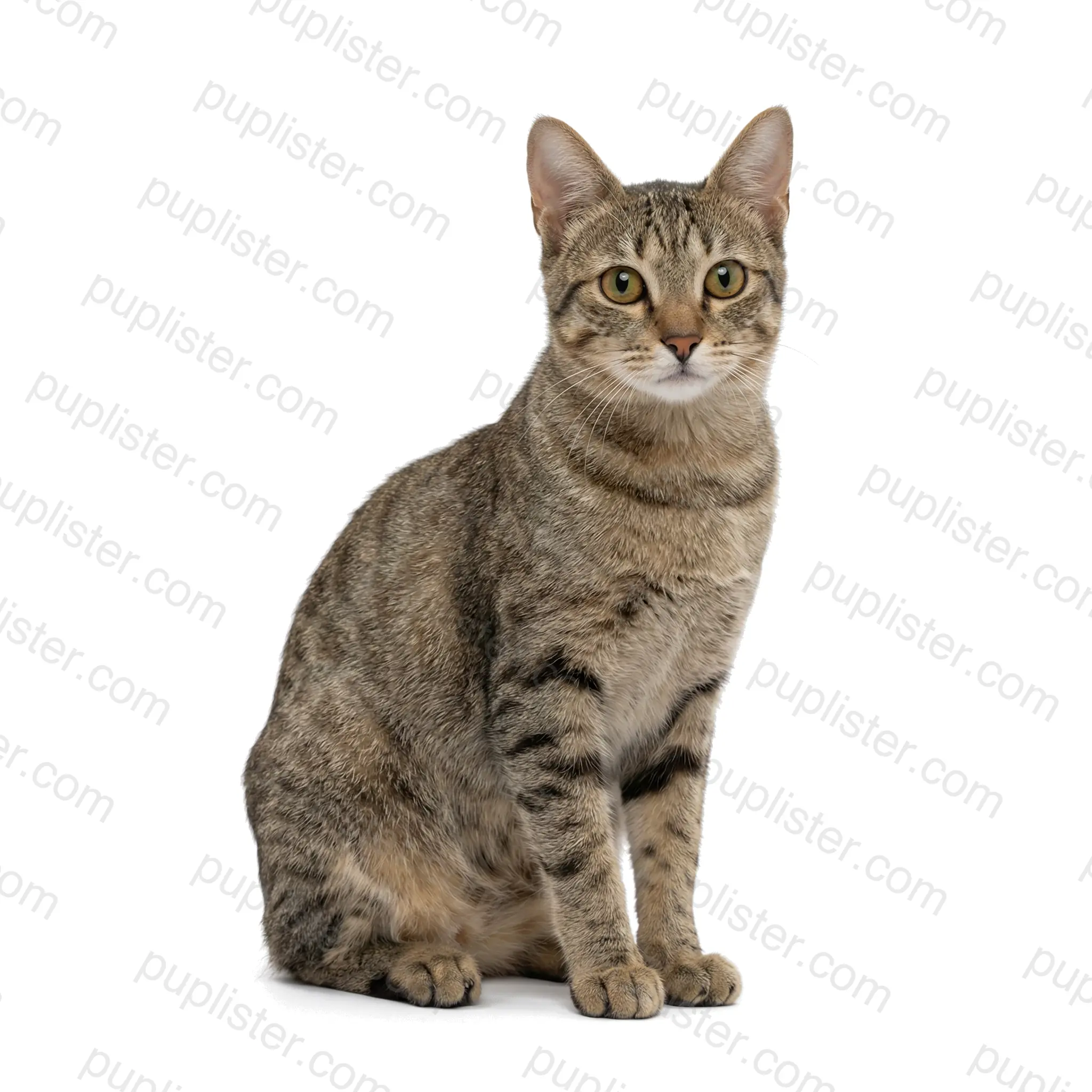
0 pets available
About the Sokoke The Sokoke — one of the rarest domestic cat breeds in the world — descends from a naturally occurring landrace of cats found in the Arabuko-Sokoke Forest on the Kenyan coast. First brought to Europe in the 1970s and recognized by TICA in 1993, this lean, medium-sized cat weighs 5–10 pounds with long legs, a modified wedge-shaped head, and a short, glossy coat in a distinctive brown tabby pattern called "African tabby" — featuring a unique wood-grain or marble-like swirl.Temperament & PersonalitySokokes are active, athletic cats with a strong prey drive and a love of climbing and exploring. Despite their semi-wild origins, they bond closely with their families and can be quite affectionate — though always on their own terms. They are intelligent and independent, getting along with respectful children and other cats but preferring to be the decision-maker in social interactions.ProsExtremely rare and unique — a genuine African natural breedVirtually maintenance-free coat that is short, close-lying, and barely shedsAthletic and graceful — a joy to watch in motionIndependent yet affectionate — bonds without being excessively clingyConsOne of the rarest breeds globally — exceptionally difficult to findHigh prey drive makes them unsuitable for homes with small petsNeeds significant vertical space and environmental enrichmentCan be standoffish with strangers and slow to trust new peopleFascinated by one of the world's rarest feline breeds? Keep an eye on Puplister for Sokoke cats — when one appears, you won't want to miss it.
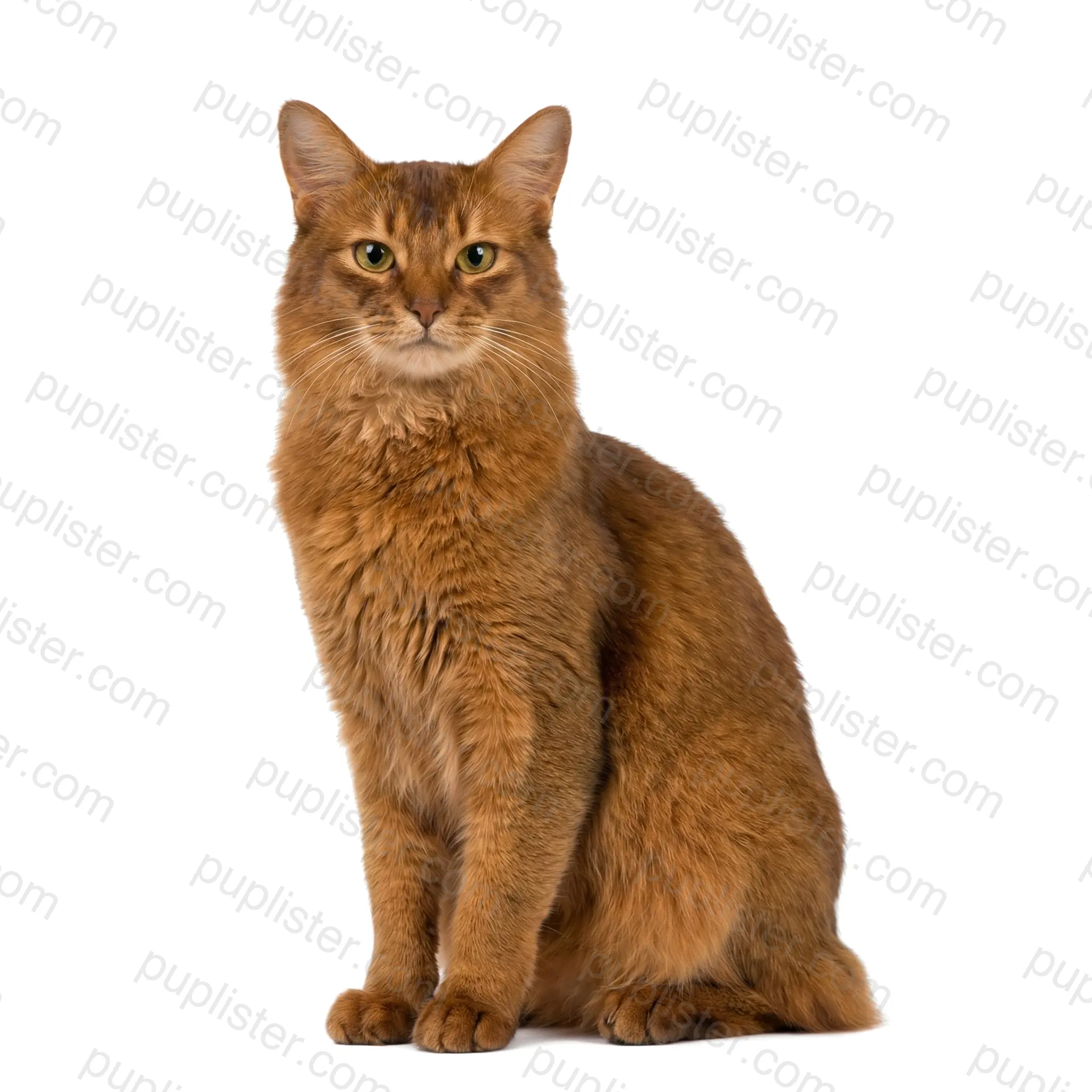
0 pets available
About the Somali The Somali is the longhaired version of the Abyssinian, first recognized as a separate breed in the 1960s after longhaired kittens kept appearing in Abyssinian litters due to a recessive gene. This medium-sized cat weighs 6–10 pounds and is often called the "fox cat" for its bushy tail, ticked coat, and alert, foxy expression. Their semi-long, soft fur features striking agouti ticking — each hair banded with multiple colors — in ruddy, red (sorrel), blue, and fawn.Temperament & PersonalitySomalis are endlessly curious, active cats that approach life as one big adventure. They are playful and mischievous — known for opening cabinets, stealing small objects, and inventing their own games. Social and affectionate, they get along well with children and other pets but demand plenty of interaction and do not thrive when left alone for long hours.ProsStunningly beautiful ticked coat with a luxurious fox-like tailHighly intelligent and entertaining — endless curiosity keeps life interestingAffectionate and social — bonds well with the entire familySemi-long coat is surprisingly easy to maintain — less prone to matting than most longhairsConsExtremely active and needs constant stimulation — bored Somalis get into everythingProne to pyruvate kinase deficiency, progressive retinal atrophy, and renal amyloidosisNot a lap cat — prefers to be near you rather than on youCan be mischievous and destructive if under-stimulatedReady for a foxy, adventure-loving feline? Explore Somali cats available for adoption on Puplister and bring home the thrill of the wild.
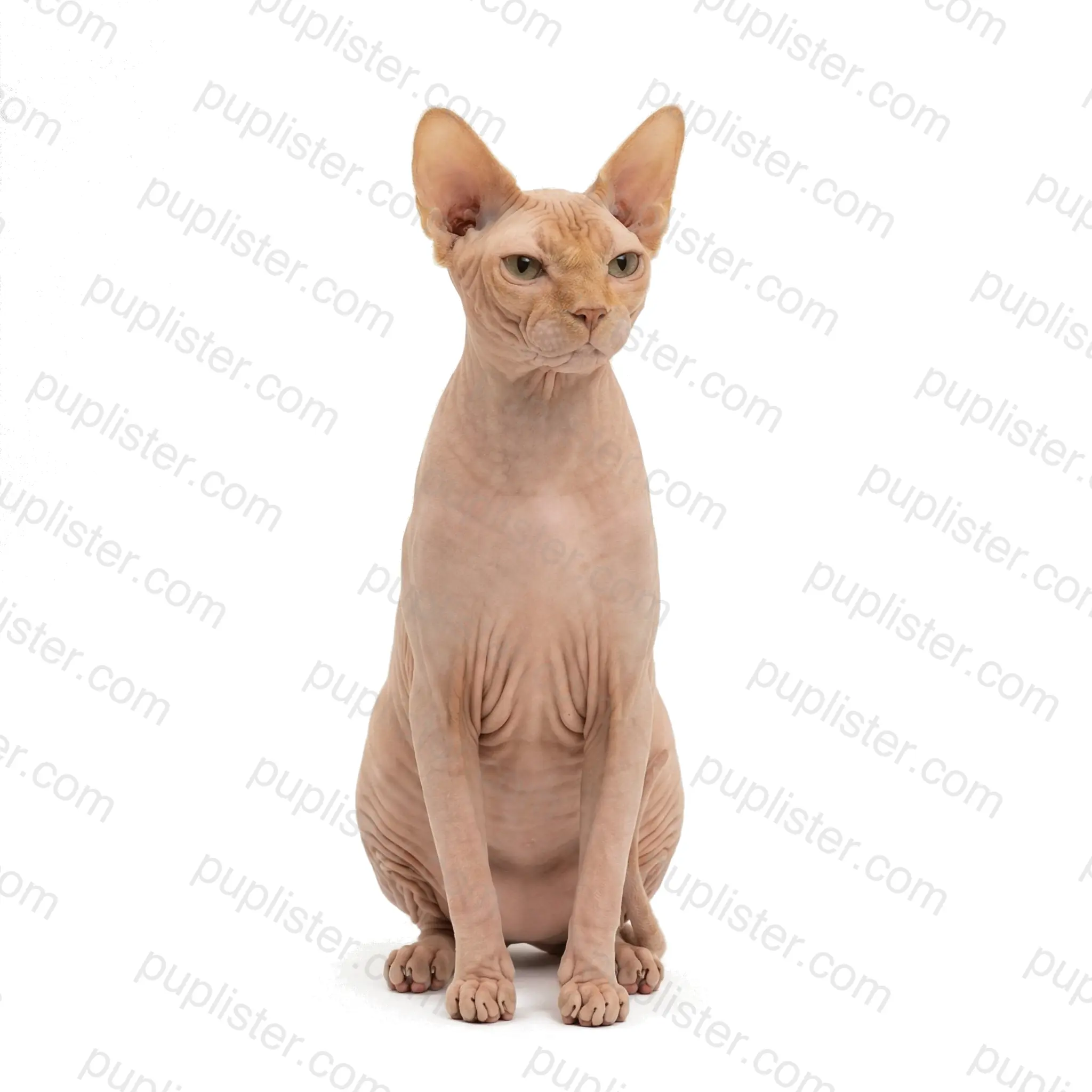
0 pets available
1About the Sphynx The Sphynx originated in Toronto, Canada, in 1966 when a domestic cat gave birth to a hairless kitten due to a natural genetic mutation. Through careful breeding with Devon Rex and other cats, the Sphynx was established as a robust breed. Weighing 6–12 pounds, this medium-sized cat is famous for its apparent hairlessness — though most Sphynx have a fine layer of peach-fuzz that gives their skin a warm, suede-like texture. Their wrinkled skin, lemon-shaped eyes, enormous ears, and pot belly give them an unmistakable extraterrestrial appearance.Temperament & PersonalitySphynx cats are extroverted clowns that crave human attention and warmth — literally, as they seek out body heat and will burrow under blankets or curl up on any available lap. They are fearless, social, and endlessly entertaining, performing acrobatic feats and greeting everyone — including strangers — with enthusiasm. They do wonderfully with children, dogs, and other cats.ProsNo fur shedding on furniture or clothingExtremely social, affectionate, and entertaining — the ultimate companion catGets along with virtually everyone — kids, dogs, strangers, other catsUnique, striking appearance that turns heads wherever they goConsRequires weekly baths to remove oil buildup that would normally be absorbed by furHighly susceptible to sunburn, cold, and skin infectionsProne to hypertrophic cardiomyopathy (HCM) and hereditary myopathyHigh metabolism means they eat more than similarly sized cats and need a warm environmentCaptivated by this hairless wonder? Find Sphynx cats looking for warm, loving homes on Puplister — your next cuddle buddy awaits.
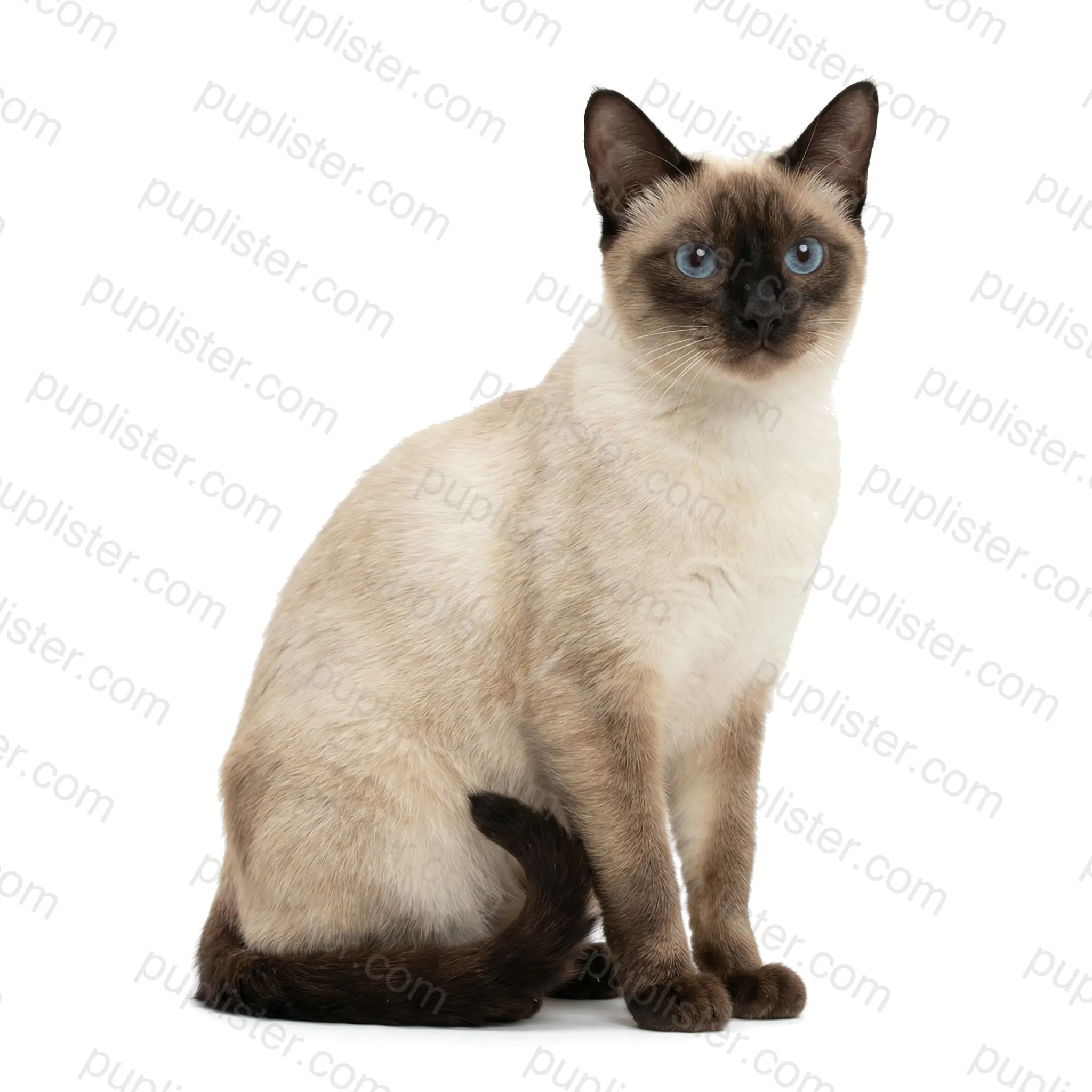
0 pets available
About the Thai The Thai — also known as the Traditional Siamese or Old-Style Siamese — represents the original, moderate body type of Siamese cats as they existed before Western breeders developed the extreme, wedge-headed modern Siamese. Weighing 6–12 pounds, the Thai has a gently rounded head, medium-sized ears, a muscular yet elegant body, and the classic colorpoint pattern with brilliant blue eyes. Point colors include seal, blue, chocolate, lilac, red, cream, and various tabby and tortie points.Temperament & PersonalityThai cats share the Siamese's intelligence, loyalty, and vocal nature but tend to be slightly less extreme in their demands. They are deeply social, forming strong bonds with every family member rather than fixating on a single person. Playful and curious, they love interactive games and conversation, and they get along beautifully with children and other pets.ProsClassic Siamese beauty with a healthier, more moderate body structureLess extreme vocalization than the modern Siamese — still chatty but gentlerBonds with the whole family rather than becoming a one-person catShort, low-maintenance coat that requires minimal groomingConsStill quite vocal — not for households that prefer silenceNeeds daily interaction and mental stimulation to stay happyCan develop amyloidosis and other health issues common to Siamese linesMay become anxious or depressed if left alone for extended periodsLove the Siamese spirit in a more natural package? Search for Thai cats on Puplister and discover the original Siamese experience.
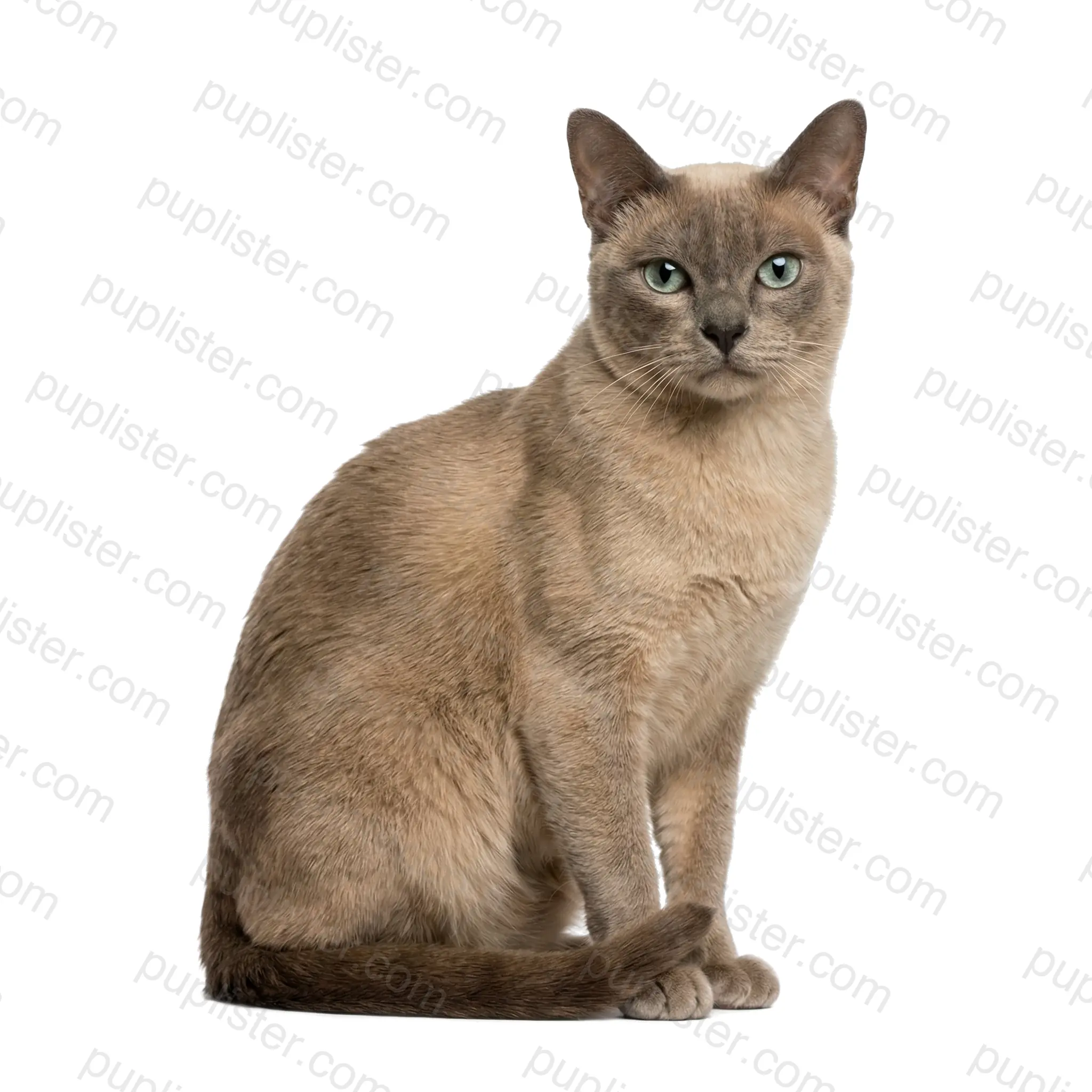
0 pets available
About the Tonkinese The Tonkinese is a deliberate cross between the Siamese and the Burmese, first developed in the 1960s to blend the best of both breeds into one medium-sized, beautifully balanced cat. Weighing 6–12 pounds, the Tonkinese has a muscular, surprisingly heavy body for its size, a gently rounded wedge head, and stunning aqua-colored eyes — a hallmark of the breed's "mink" coat pattern. They also come in pointed (Siamese-style) and solid/sepia (Burmese-style) patterns in natural, champagne, blue, and platinum.Temperament & PersonalityTonkinese cats are the social butterflies of the cat world — outgoing, playful, and utterly devoted to their humans. They are less vocal than the Siamese but more active than the Burmese, striking a perfect balance. Known for their clown-like antics and love of games, they thrive in busy households with children, dogs, and other cats.ProsUnique aqua eyes in the mink pattern — unlike any other breedPerfect temperament balance — social and playful without being overly demandingGets along brilliantly with children, dogs, and other catsShort, silky coat needs virtually no groomingConsHates being alone — strongly recommended to have a companion petProne to inflammatory bowel disease and some dental issuesExtremely trusting — has zero survival instincts outdoorsHigh energy means they need daily interactive play to prevent boredomLooking for the perfect blend of Siamese and Burmese charm? Find Tonkinese cats available for adoption on Puplister and meet your aqua-eyed soulmate.
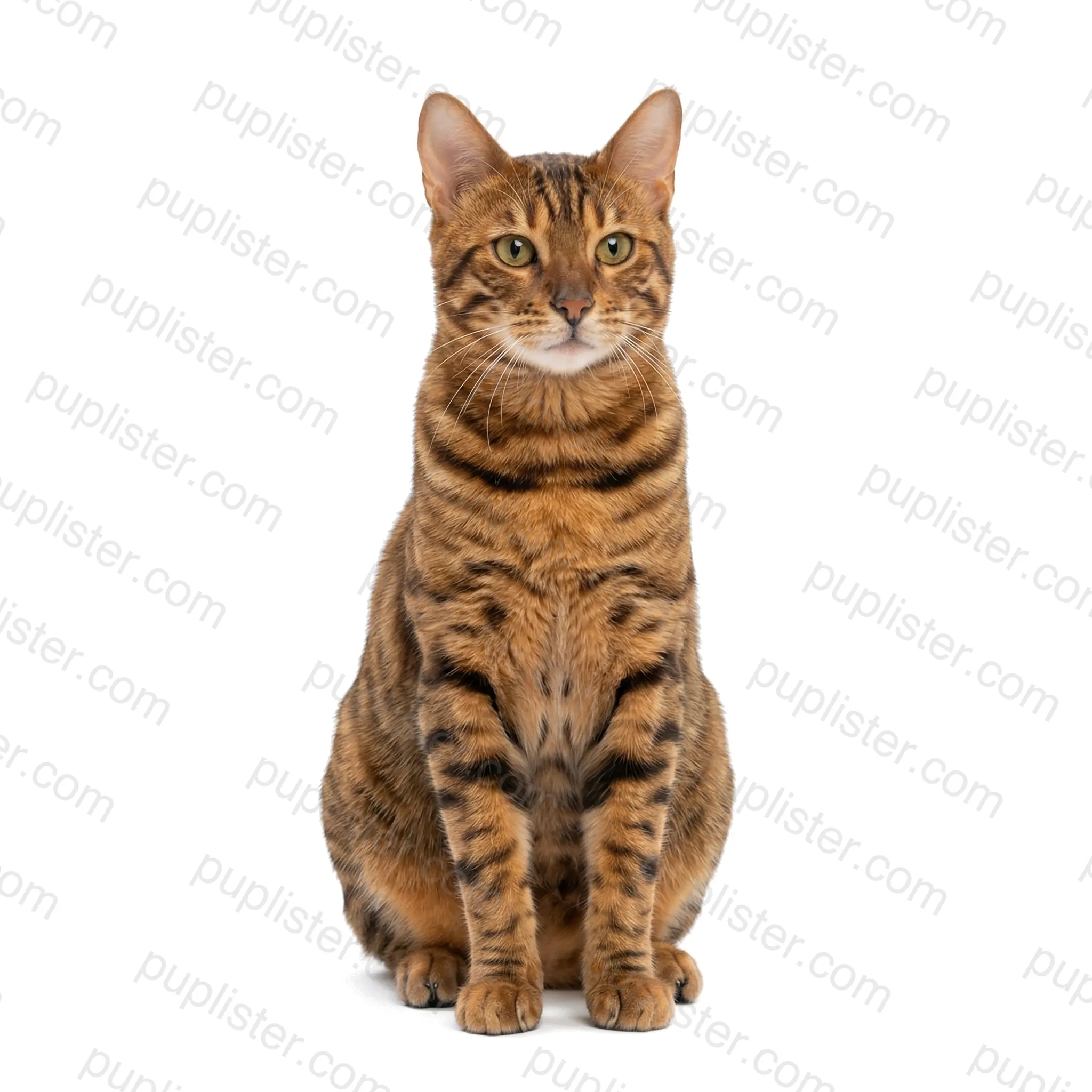
0 pets available
About the Toyger The Toyger — "toy tiger" — was developed beginning in 1993 by Judy Sugden in the United States, who selectively bred domestic shorthair tabbies to create a cat that resembles a miniature tiger. Weighing 7–15 pounds, this medium-to-large muscular cat features a long, low-slung body, small rounded ears, and a striking coat of bold, vertically aligned dark stripes (called "branching") on a vivid orange-tan background with a white-lightened belly — the goal being as close to a tiger's pattern as possible.Temperament & PersonalityDespite their wild appearance, Toygers are easygoing, friendly cats that enjoy human company and adapt well to indoor living. They are intelligent and trainable, readily learning to walk on a leash, play fetch, and perform tricks. Social and relaxed, they do well with children and other pets, showing none of the intensity of actual wild-hybrid breeds.ProsSpectacular tiger-like appearance with no wild cat bloodlinesLaid-back and friendly — easier to manage than most exotic-looking breedsIntelligent and trainable — enjoys learning tricks and leash walkingShort coat requires minimal groomingConsVery rare and expensive — limited availability through breedersBreed is still in development — the gene pool remains smallMay inherit heart murmurs from some breeding linesHigh price tag and rarity make adoption opportunities uncommonWant a living room tiger without the wild side? Keep an eye on Puplister for Toyger cats and kittens seeking loving homes.
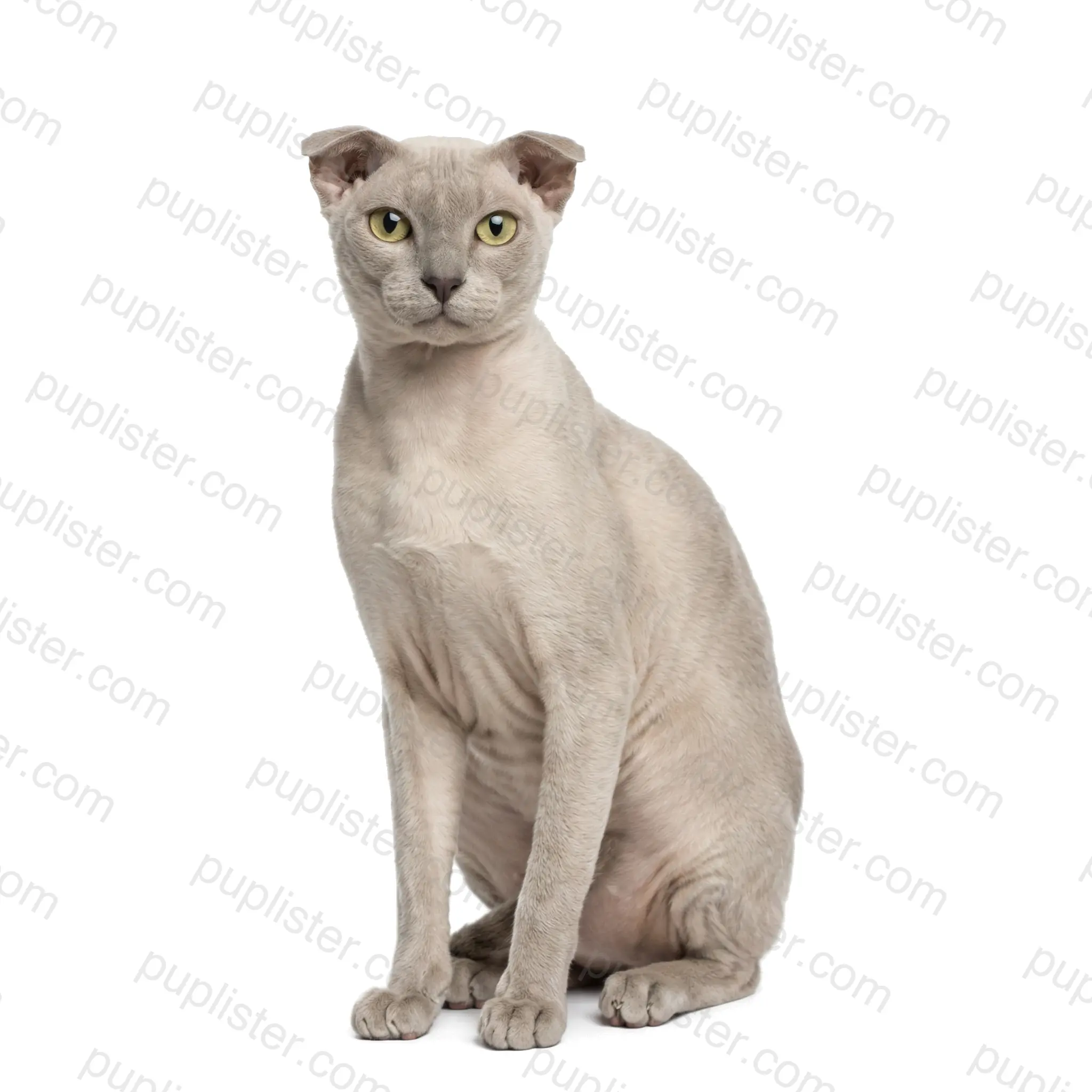
0 pets available
About the Ukrainian Levkoy The Ukrainian Levkoy is a distinctive and very rare breed created in Ukraine in 2004 by crossing Donskoy (Don Sphynx) cats with Scottish Folds. The result is a hairless or nearly hairless cat with unique inward-folding ears that curl gently forward like a levkoy (wallflower) petal — giving the breed its name. Weighing 7–12 pounds, this medium-sized cat has an angular, dog-like face with prominent cheekbones, almond-shaped eyes, and soft, elastic, wrinkled skin that ranges from completely bald to a fine velour covering.Temperament & PersonalityUkrainian Levkoys are gentle, social cats that form strong attachments to their families and enjoy being handled and cuddled. They are intelligent and playful without being hyperactive, content to alternate between interactive play sessions and long naps in warm spots. Friendly with children and other pets, they are adaptable and easygoing in most household environments.ProsTruly unique appearance — no other breed combines hairlessness with folded earsGentle, friendly temperament that adapts to most living situationsIntelligent and moderately active — good balance of play and relaxationSocial and tolerant — gets along with children, dogs, and other catsConsHairless skin needs regular bathing and protection from sun and coldNot widely recognized — TICA and CFA do not currently accept the breedExtremely rare outside Eastern Europe — nearly impossible to find for adoptionPotential for joint and cartilage issues inherited from the Scottish Fold parentIntrigued by this rare Ukrainian beauty? Watch Puplister for Ukrainian Levkoy listings — a truly one-of-a-kind feline awaits.
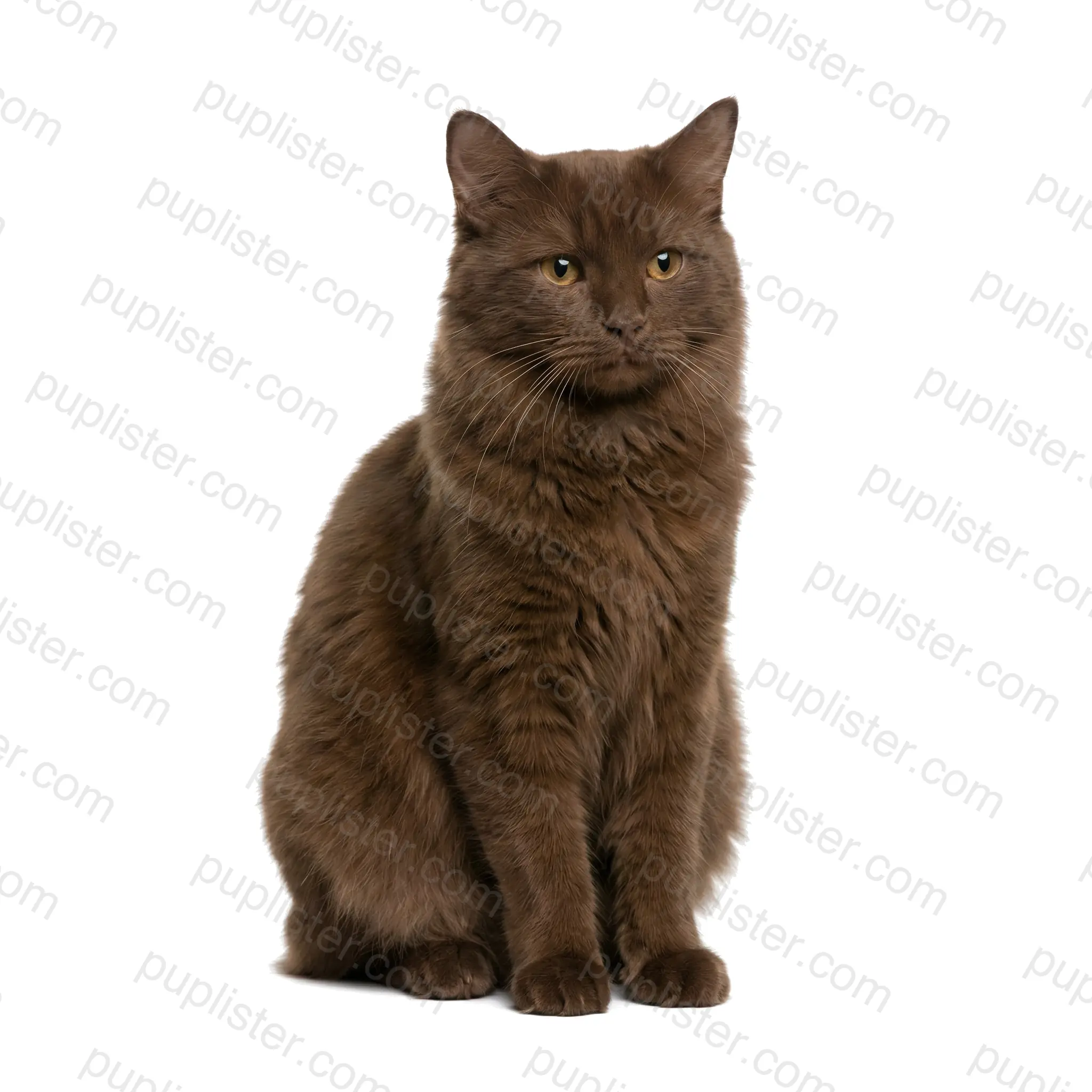
0 pets available
About the York Chocolate The York Chocolate is an American breed that originated in 1983 on a farm in New York State when a black-and-white domestic longhair produced a chocolate-brown kitten named Brownie — the foundation of the breed. This medium-to-large cat weighs 7–16 pounds and sports a semi-long, silky, flowing coat in rich chocolate brown, lavender, or bicolor combinations of these shades with white. Their long, plumed tail, tufted ears, and golden-green eyes complete a strikingly elegant appearance.Temperament & PersonalityYork Chocolates are affectionate, friendly cats that enjoy following their owners around the house and curling up in any available lap. They are active and playful — especially fond of chasing toys and stalking imaginary prey — but settle down easily for a cuddle session. They get along well with children and other pets, displaying a natural gentleness and patience.ProsGorgeous, rich chocolate coat color rarely seen in other breedsAffectionate and loyal — loves cuddling and following their favorite peopleGood balance of playfulness and calm — active without being hyperactiveGenerally healthy with no well-documented breed-specific genetic diseasesConsThe breed is critically rare and may be functionally extinct — finding one is extremely difficultSemi-long coat requires regular brushing to prevent tangles and matsNot recognized by major cat registries, limiting breed-specific resourcesFarm-cat origins mean strong prey drive — not ideal with small caged petsCharmed by this chocolatey rarity? Keep checking Puplister — if a York Chocolate appears for adoption, you will want to act fast.
Compare cat breeds side by side?
Find the differences in size, temperament, exercise needs and more.